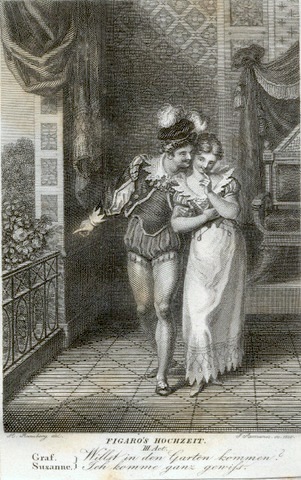
The Marriage of Figaro
Also known as Le nozze di Figaro, Le nozze di Figaro, ossia la folle giornata, Marriage of Figaro, K. 492, K 492
opera by Wolfgang Amadeus Mozart
AI overview
"The Marriage of Figaro" is an opera composed by Wolfgang Amadeus Mozart that tells the story of a servant named Figaro and the complications surrounding his wedding day. It is considered one of the greatest operas ever written and remains widely performed today because of its brilliant music, clever plot, and enduring entertainment value.
AI-generated from the Wikipedia summary — may contain errors.
Wikidata facts
- Image
- TheMarriageofFigaroOriginalPoster.jpg
Show 7 more facts
- Commons category
- Le nozze di Figaro
- catalog code
- 492
- date of first performance
- 1786-05-01
- publication date
- 1785-00-00
- title
- Le nozze di Figaro
- inception
- 1785-00-00
- number of parts of this work
- 4
Sources (2)
~36 min read
Article
The Marriage of Figaro (Italian: Le nozze di Figaro, pronounced [le ˈnɔttse di ˈfiːɡaro] ), K. 492, is a commedia per musica (opera buffa) in four acts composed in 1786 by Wolfgang Amadeus Mozart, with an Italian libretto written by Lorenzo Da Ponte. It premiered at the Burgtheater in Vienna on 1 May 1786. The opera's libretto is based on the 1784 stage comedy by Beaumarchais, La folle journée, ou le Mariage de Figaro ("The Mad Day, or The Marriage of Figaro"). It tells how the servants Figaro and Susanna succeed in getting married, foiling the efforts of their philandering employer Count Almaviva to seduce Susanna and teaching him a lesson in fidelity.
Considered one of the greatest operas ever written, it is a cornerstone of the repertoire and appears consistently among the top ten in the Operabase list of most frequently performed operas. In 2017, BBC News Magazine asked 172 opera singers to vote for the best operas ever written. The Marriage of Figaro came in first out of the 20 operas featured, with the magazine describing it as being "one of the supreme masterpieces of operatic comedy, whose rich sense of humanity shines out of Mozart's miraculous score".