File:Cornelis_Cornelisz._van_Haarlem_-_The_Fall_of_the_Titans_-_Google_Art_Project.jpg · Wikimedia Commons · See Wikimedia Commons
Titanomachy
Sign in to saveAlso known as Battle of the Titans
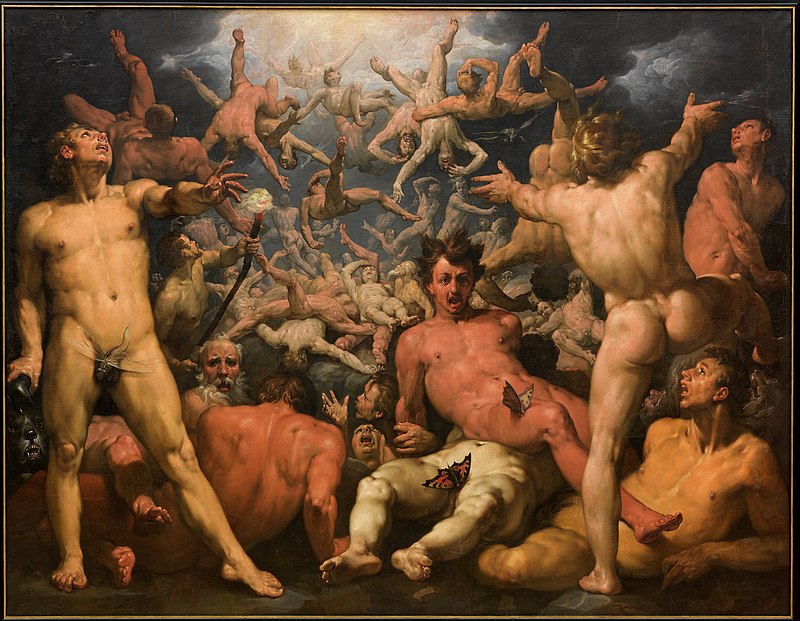
thumb|300px|Cornelis Cornelisz van Haarlem, [[The Fall of the Titans, 1596–1598.]]
Wikidata facts
- Part of
- Greek mythology
- Image
- Peter Paul Rubens 108.jpg
Show 2 more facts
- Commons category
- Titanomachy
- different from
- Gigantomachy
Sources (2)
via Wikidata · CC0
~9 min read
Encyclopedic overview
6 sectionsContents
- Conflict among the first gods
- Zeus and his siblings take over Creation
- ''Titanomachy'', the lost poem
- See also
- References
- General sources
thumb|300px|Cornelis Cornelisz van Haarlem, [[The Fall of the Titans, 1596–1598.]]
In Greek mythology, the Titanomachy (; ) was a ten-year war fought in ancient Thessaly, consisting of most of the Titans (the older generation of gods, based on Mount Othrys) fighting against the Olympians (the younger generations, who would come to reign on Mount Olympus) and their allies. The war was fought to decide which generation of gods would have dominion over the universe; it ended in victory for the Olympian gods. Greeks of the classical age knew of several poems about the war between the gods and many of the Titans. The dominant one, and the only one that has survived, is the Theogony attributed to Hesiod.
Excerpted from Wikipedia’s “Titanomachy” article, available under the CC BY-SA 4.0 licence.