Encyclopedia of Life · EOL (see source)
Species
Least ConcernSPECIES
- KingdomPlantae
- PhylumTracheophyta
- ClassMagnoliopsida
- OrderRosales
- FamilyUlmaceae
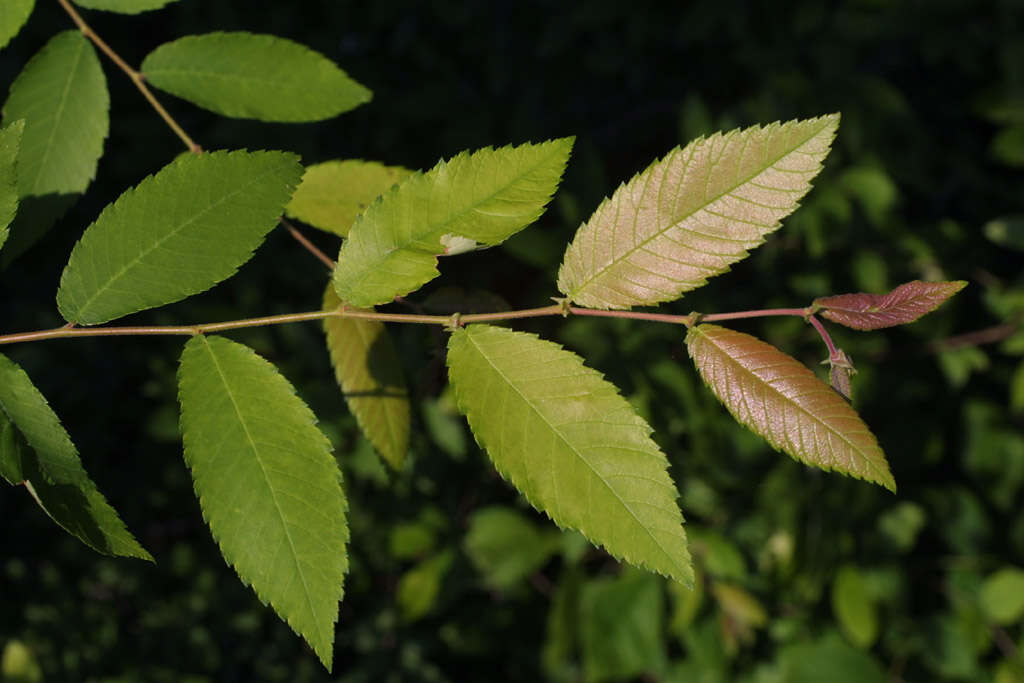
Winged elm generally grows only as scattered trees in mixture with other hardwoods (14). It is not a major component of any forest cover type in the Eastern United States, but it is found in varying amounts in four major types (17): Post Oak-Blackjack Oak Society of American Foresters Type 40), White Oak-Black Oak-Northern Red Oak (Type 52), Swamp Chestnut Oak-Cherrybark Oak (Type 91), and Sugarberry-American Elm-Green Ash (Type 93). In the southern part of the Central Forest Region, winged elm occurs as a minor species in Post Oak-Blackjack Oak. From the Central Forest Region southward through Tennessee, Arkansas, Mississippi, and Alabama it is associated with White Oak-Black Oak-Northern Red Oak. In the Southern Forest Region and within flood plains of major rivers, winged elm is found in either Swamp Chestnut Oak-Cherrybark Oak or in Sugarberry-American Elm-Green Ash. Here, associated understory trees are eastern hophornbeam (Ostrya virginiana), American hornbeam (Carpinus caroliniana), and American holly (Ilex opaca).
via GBIF · IUCN · Kew POWO
Museum specimens
- Specimen records
- 4,857
- With media
- 4,022
- Family
- Ulmaceae
- Collections
- ENCB-IPN, USCH, UTEP, IBUNAM, SBBG, CM
- Recorded in
- United States
Wikidata facts
Show 7 more facts
- taxon name
- Ulmus alata
- taxon rank
- species
- Commons category
- Ulmus alata
- taxon common name
- winged elm
- IUCN conservation status
- Least Concern
- short name
- U. alata
Sources (3)
via Wikidata · CC0