Vincetoxicum · Kew POWO · Kew Plants of the World Online
Vincetoxicum
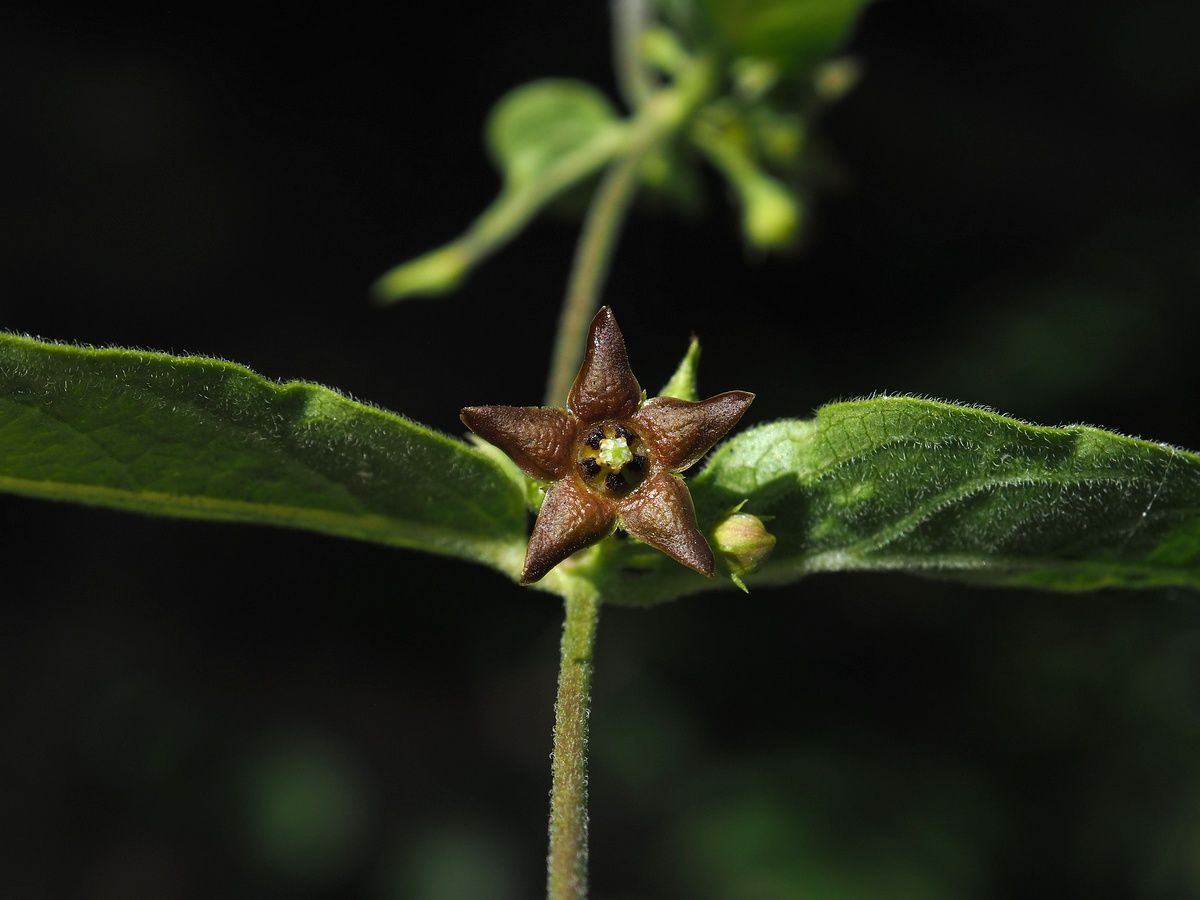
Sign in to saveVincetoxicum is a genus of plants in the family Apocynaceae. Although the species in Vincetoxicum have sometimes been included in Cynanchum, chemical and molecular evidence shows that Vincetoxicum is more closely related to Tylophora, now included in Vincetoxicum. The generic name means "poison-beater" in Botanical Latin because of the plants' supposed antidotal effects against snakebite.
OverviewAI-generated
Vincetoxicum is a genus of plants within the kingdom Plantae. It belongs to the phylum Tracheophyta, class Magnoliopsida, and order Gentianales. The genus is classified in the family Apocynaceae, though some records list it under the family Asclepiadaceae.
Specimens of Vincetoxicum have been documented in the United States, Belize, Pakistan, Russia, and the Philippines. Collections are held by institutions including UCMP, GH, A, NHA, and BRIT. The genus has 262,309 recorded occurrences and 278 associated records, with 264 media files available.
Synthesized by Vinony from 22 facts across 7 sources: Wikidata, GBIF, PubMed, Gbif Occ, Plants of the World, iDigBio, Vinony graph. Generated from structured data (not the Wikipedia text) and checked against those facts — may still contain errors.
Species
GENUS
- KingdomPlantae
- PhylumTracheophyta
- ClassMagnoliopsida
- OrderGentianales
- FamilyApocynaceae
Die Pflanzengattung Schwalbenwurzen (Vincetoxicum) gehört zur Unterfamilie Seidenpflanzengewächse (Asclepiadoideae) in der Familie der Hundsgiftgewächse (Apocynaceae). Der botanische Gattungsname leitet sich aus den lateinischen Wörtern vincere für siegen, besiegen und toxicum für Gift ab, dies bezieht sich auf die angebliche Wirkung des Pflanzensaftes als Antidot gegen Schlangengifte. Inhaltsverzeichnis 1 Beschreibung 1.1 Vegetative Merkmale 1.2 Blütenstände und Blüten 1.3 Früchte und Samen 1.4 Inhaltsstoffe und Chromosomenzahlen 2 Systematik und Verbreitung 3 Nutzung 4 Literatur 4.1 Einzelnachweise 5 Weblinks Beschreibung Illustration der Weißen Schwalbenwurz (Vincetoxicum hirundinaria) Vegetative Merkmale Vincetoxicum-Arten wachsen als wenig verzweigte selten Sträucher, meist Halbsträucher oder ausdauernde krautige Pflanzen, die selbständig aufrecht oder kletternd wachsen und Wuchshöhen von 40 bis 100 (selten bis 200) cm erreichen. Viele Arten bilden Rhizome als Überdauerungsorgane. Die Pflanzen enthalten einen farblosen Milchsaft. Auch bei den verholzenden Arten ist meist der größte Teil der oberirdischen Pflanzenteile nur einjährig und unbehaart bis flaumig behaart. Die meist
via GBIF · Kew POWO
Museum specimens
- Specimen records
- 278
- With media
- 264
- Family
- Asclepiadaceae
- Collections
- UCMP, GH, A, NHA, BRIT, NY
- Recorded in
- United States, Belize, Pakistan, Russia, Philippines, Panama, Ukraine, Malaysia
Research
115 papers- The complete plastid genome of Vincetoxicum junzifengense B.J. Ye and S.P. Chen (Apocynaceae).Mitochondrial DNA. Part B, Resources · 2022
- Biomass allocation of Vincetoxicum rossicum and V. nigrum in contrasting competitive environments.American journal of botany · 2021
- Vincetoxicum arnottianum ameliorate inflammation by suppressing oxidative stress and pro-inflammatory mediators in rat.Journal of ethnopharmacology · 2020
- Mass spectrometry-based metabolomics for the elucidation of alkaloid biosynthesis and function in invasive Vincetoxicum rossicum populations.Phytochemistry · 2024
- Vincetoxicum arnottianum modulates motility features and metastatic marker expression in pediatric rhabdomyosarcoma by stabilizing the actin cytoskeleton.BMC complementary medicine and therapies · 2021
via PubMed
Wikidata facts
- Instance of
- taxon
- Image
- Vincetoxicum nigrum02.jpg
Show 8 more facts
- taxon name
- Vincetoxicum
- taxon rank
- genus
- Commons category
- Vincetoxicum
- topic's main category
- Category:Vincetoxicum
- taxon common name
- kokoševec
- described by source
- Brockhaus and Efron Encyclopedic Dictionary
- taxonomic type
- Vincetoxicum hirundinaria
Sources (2)
via Wikidata · CC0
~7 min read
Encyclopedic overview
4 sectionsContents
- Species
- Gallery
- References
- External links
Vincetoxicum is a genus of plants in the family Apocynaceae. Although the species in Vincetoxicum have sometimes been included in Cynanchum, chemical and molecular evidence shows that Vincetoxicum is more closely related to Tylophora, now included in Vincetoxicum. The generic name means "poison-beater" in Botanical Latin because of the plants' supposed antidotal effects against snakebite.
==Species==
Excerpted from Wikipedia’s “Vincetoxicum” article, available under the CC BY-SA 4.0 licence.