
Wampum
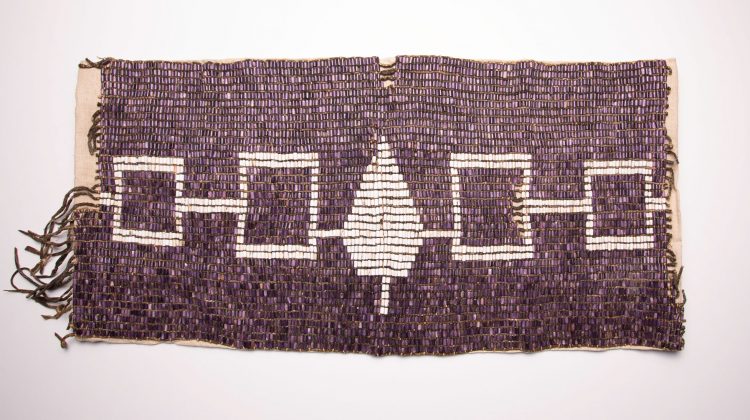
Sign in to savethumb|300px|right|Quahog (left) and whelk (right) wampum thumb|right|A representation of the original Two Row Wampum Treaty|Two Row Wampum treaty belt thumb|Modern examples and interpretations of wampum thumb|right|Haudenosaunee wampum belt
Described at
Wampum – Onondaga Nation
onondaganation.org →Wampum is a vital part of Onondaga and Haudenosaunee culture. Wampum is created from the shell of a clam. The beads are cut from the white and purple parts of the shell. The pieces are rounded, sanded and drilled to make a bead. Because of the effort that is needed to make a bead, wampum is highly valued. The shell is thought of as a living record of the Haudenosaunee. The speaker puts the words of the agreement into the wampum as the strings or belts are woven together. Each speaker thereafter uses the wampum to remember the initial agreement and the history that has happened to date. To us, the belts are our living history. Wampum has many uses. One of the uses is to invite the other nations to council meetings. These wampum strings are given the topic that all of the nations are to meet and discuss about. At the end of the wampum string is a wooden stick. The wooden stick tells the people of the nation when the meeting is to take place. As each day passes, a notch is cut off the stick and when the notches are all gone, the meeting will take place. Wampum also symbolizes titles within the Haudenosaunee. Each position of a Clan Mother of a Chief has their own wampum string. When a person holds this title for the Nation, they carry the wampum to show their place in the community. When a leader falls, the wampum is passed on to the new leader. When a string of wampum that is held in a person’s hand, they are said to be speaking truthfully. During ceremonies, the wampum strings are used to convey that the speaker’s words are true. People listening to a speaker holding the wampum also know this and are very attentive and respectful of the speaker’s message. Onondaga was given the responsibility of Wampum Keeper of the Haudenosaunee at the founding of the Great Peace. For countless centuries the Onondaga are given the responsibilty of being the caretaker of the belts. When our white brothers first began interacting with us, they noticed how important the belts were to us. Then after many attempts, New York anthropologists were able to obtain the belts through an illegal sale . The Nation immediately tried to have the belts returned. But the State of New York deemed that these belts were too valuable and needed to placed in the State’s museum for safe keeping. But the Onondaga Nation worked diligently to have the wampum return home. Finally in the fall of 1989, some belts returned after the determined efforts of the chiefs to bring these belts back to the people. Read Chief Irving Powless Jr.’s account of The Day that 12 Wampum Belts Returned to Onondaga This belt is a national belt of the Haudenosaunee. The belt is named after Hiawatha, the Peacemaker’s helper. In this belt, it records when 5 nations; the Seneca, Cayuga, Onondaga, Oneida, and Mohawk… The longest wampum belt is the 1794 Canandaigua Treaty belt. This belt is 6 feet long and composed of thirteen figures holding hands connected to two figures and a house. The 13 figures… In 1613, the Mohawks noticed people coming into their territory unannounced. The visitors had begun to cut trees and clear land for their homes and farms. They had entered the lands… This belt recalls the time when the Peacemaker combed the snakes from Tadadaho’s hair. Changing the evil-minded Tadadaho into the pure-thinking leader. This belt also … The Peacemaker’s message told of the white roots of peace spreading out in the four directions. That people who follow this message to the source will find the Haudenosaunee… This belt recalls the relationship the Onondagas had with the first Pale Faces (colonists) who entered the territory. The record recalls how life was very difficult for the colonists… This belt symbolizes the Tree of Peace and is used to explain the Great Law. The Great Law includes the roles and responsibilities of the chiefs, clan mothers, faithkeepers, and… This belt uses the symbolism commonly used in Haudenosaunee belt making. Nations are usually symbolized with squ
Excerpt from a page describing this subject · 8,244 chars · not written by Vinony
Wikidata facts
- Instance of
- knotted record
- Material used
- hard clam
- Image
- Wuampu.jpg
- Has use
- currency
Show 5 more facts
- Commons category
- Wampum
- location of creation
- North America
- different from
- Wampum
- described at URL
- archaeologymuseum.ca/wampum
Sources (2)
via Wikidata · CC0
~14 min read
Encyclopedic overview
12 sectionsContents
- Linguistic origin
- Description and manufacture
- Uses
- Record-keeping and memory aids
- Social purposes
- Currency
- Mass production and mechanization
- Repatriation
- Contemporary wampum
- See also
- References
- External links
thumb|300px|right|Quahog (left) and whelk (right) wampum thumb|right|A representation of the original Two Row Wampum Treaty|Two Row Wampum treaty belt thumb|Modern examples and interpretations of wampum thumb|right|Haudenosaunee wampum belt
Wampum is a traditional shell bead of the Indigenous peoples of the Northeastern Woodlands of North America. The term first referred to white and purple beads made from the quahog or Western North Atlantic hard-shelled clam but has expanded to include white shell beads hand-fashioned from the North Atlantic channeled whelk shell.
Excerpted from Wikipedia’s “Wampum” article, available under the CC BY-SA 4.0 licence.