Category
page 1Cacti of South America

dragon fruit
frameless|right|alt=Ripe, longitudinal section
thumb|Dragon fruit sold in a market in Chiayi, Taiwan|alt=Market stall in [[Taiwan]]

Opuntia
Opuntia, commonly called the prickly pear cactus, is a genus of flowering plants in the cactus family Cactaceae, many known for their flavorful fruit and showy flowers. Cacti are native to the Americas, and are well adapted to arid climates; however, they are still vulnerable to alterations in precipitation and temperature driven by climate change. The plant has been introduced to Australia, southern Europe, the Middle East, and parts of Africa.

Schlumbergera
Schlumbergera is a small genus of cacti with six to nine species native to the coastal mountains of southeastern Brazil. These plants grow on trees or rocks in habitats that are generally shady with high humidity, and can be quite different in appearance from their desert-dwelling cousins. Most species of Schlumbergera have stems which resemble leaf-like pads joined one to the other and flowers which appear from areoles at the joints and tips of the stems. Two species have cylindrical stems more similar to other cacti.

Selenicereus
Selenicereus, from Ancient Greek σελήνη (selḗnē), meaning "moon", and Latin cēreus, meaning "candle", sometimes known as moonlight cactus, is a genus of epiphytic, lithophytic, and terrestrial cacti, found in Mexico, Central America, the Caribbean and northern South America. The term night-blooming cereus is also sometimes used, but this is also used for many night-blooming cacti, including Epiphyllum and Peniocereus. In 2017, the genus Hylocereus was brought into synonymy with Selenicereus. A number of species of Selenicereus produce fruit that is eaten. The fruit, known as pitaya or pitahaya

Pereskia
Pereskia is a small genus of about four species of cacti that do not look much like other types of cacti, having substantial leaves and non-succulent stems. The genus is named after Nicolas-Claude Fabri de Peiresc, a 16th-century French botanist. The genus was more widely circumscribed until molecular phylogenetic studies showed that it was paraphyletic. The majority of species have since been transferred to Leuenbergeria and Rhodocactus. Although Pereskia does not resemble other cacti in its overall morphology, close examination shows spines developing from areoles, and the distinctive floral
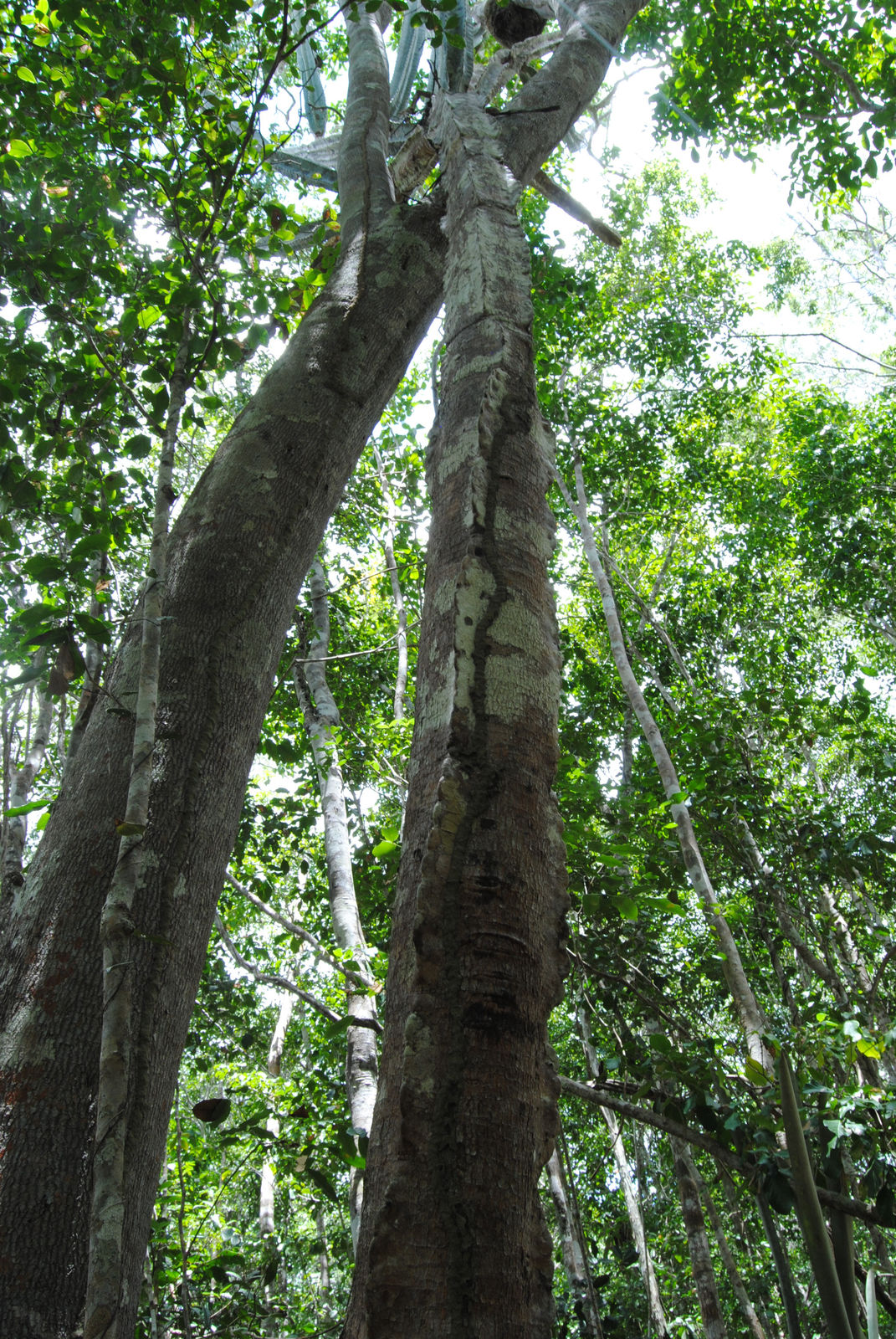
Cereus
genus of plants

Echinopsis
Echinopsis is a genus of cacti native to South America, sometimes known as hedgehog cactus, sea-urchin cactus or Easter lily cactus. , Plants of the World Online used a broad circumscription of the genus, resulting in about 80 accepted species, ranging from large and treelike types to small globose cacti. The name derives from echinos hedgehog or sea urchin, and opsis appearance, a reference to these plants' dense coverings of spines.

Parodia
Parodia is a genus of flowering plants in the family Cactaceae, native to the eastern slopes of the Andes in northwestern Argentina and southwestern Bolivia and in the lowland pampas regions of northeastern Argentina, southern Brazil, eastern Paraguay, and Uruguay. This genus has about 65 species, many of which have been transferred from Eriocactus, Notocactus and Wigginsia. They range from small globose plants to tall columnar cacti. All are deeply ribbed and spiny, with single flowers at or near the crown. Some species produce offsets at the base. They are popular in cultivation, but must be

Rhipsalis
Rhipsalis ( ) is a genus of epiphytic flowering plants in the cactus family, typically known as mistletoe cacti. They are found in parts of Central America, the Caribbean and northern regions of South America. One species, Rhipsalis baccifera also inhabits locations in Africa and Asia, and is the only cactus species naturally occurring in the Old World. This is the largest and most widely distributed genus of epiphytic cacti (those which live on other plants without damaging them).

Rebutia
Rebutia is a genus of flowering plants in the family Cactaceae, native to Bolivia and Argentina. The limits of the genus have varied widely, depending on whether genera such as Aylostera and Weingartia are included or treated separately. , Plants of the World Online accepted only three species of Rebutia. A very large number of plants that have been treated in cultivation as species of Rebutia are now generally regarded as varieties, forms or synonyms of a much smaller number of species, or have been transferred to other genera. Plants treated as Rebutia are generally small, colorful cacti, gl

Gymnocalycium
Gymnocalycium, commonly called chin cactus, is a genus of about 70 South American species of cactus. The genus name Gymnocalycium (from Greek, "naked calyx") refers to the flower buds bearing no hair or spines. In a 2023 classification of the tribe Cereeae, it was placed as the only genus in the subtribe Gymnocalyciinae, having formerly been placed in the subtribe Rebutiinae.

Copiapoa
Copiapoa is a genus of flowering plants in the cactus family Cactaceae, from the dry coastal deserts, particularly the Atacama Desert, of northern Chile.
%20-%E6%B1%9F%E9%83%BD%E8%8A%B1%E5%8D%89%E7%AF%80%20Jiangdu%2C%20China-%20(9204820253).jpg)
Disocactus
Disocactus is a genus of epiphytic cacti in the tribe Hylocereeae found in Central America, the Caribbean and northern South America. It should not be confused with Discocactus, which is a different genus.

Schlumbergera truncata
species of plant

Frailea
Frailea is a genus of globular to short cylindrical cacti native to South America.
==Description==
They are characterized by low-growing, flattened-spherical to short-cylindrical stems that often form multiple shoots, though sometimes grow solitary. These stems have weakly developed ribs and tubercles, adorned with small spines. The short, funnel-shaped flowers emerge from the tip of the shoot. They are notable for their limited opening, often blooming only briefly during the day. A significant characteristic of most Frailea species are cleistogamous, where flowers self-pollinate and produce
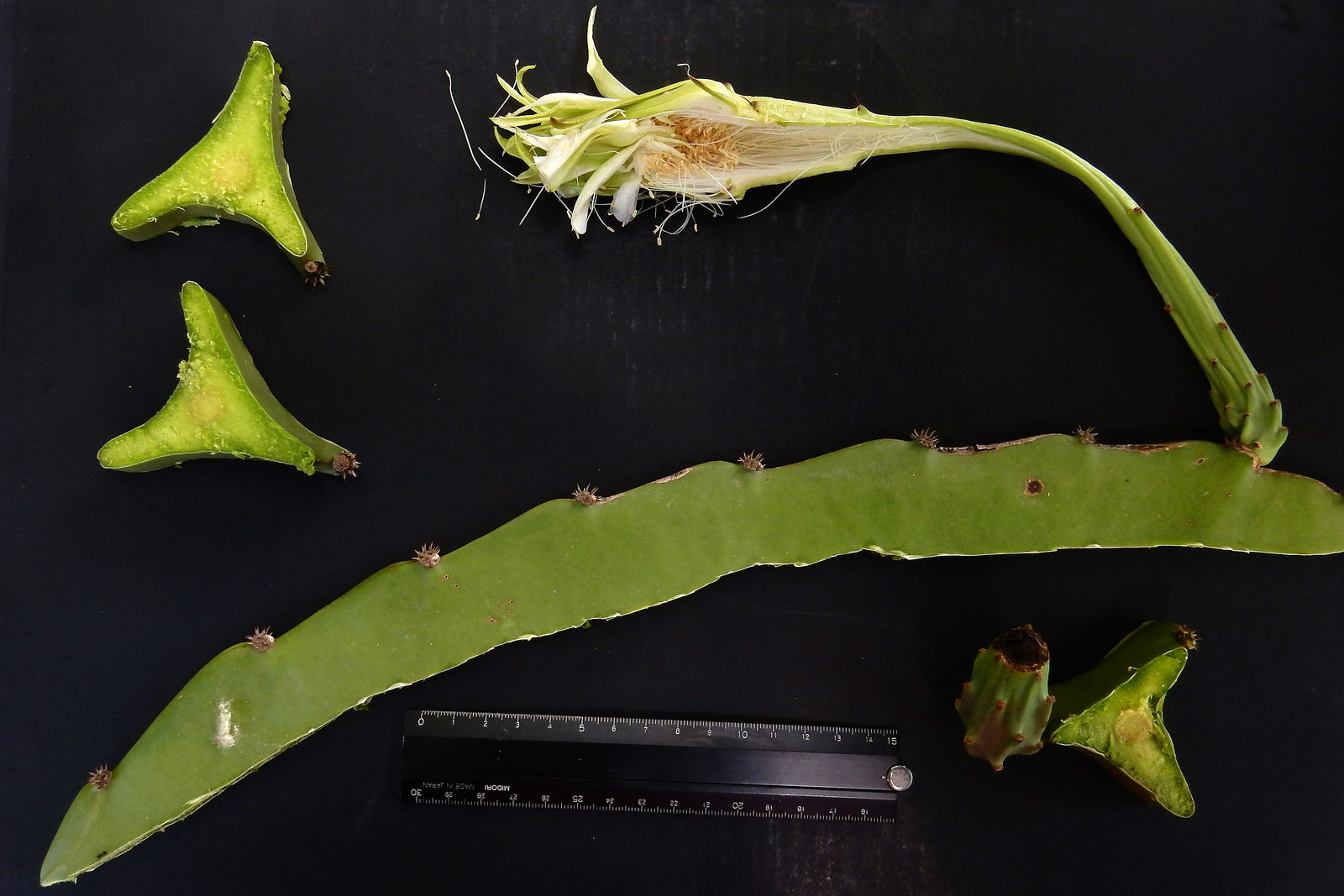
Acanthocereus
Acanthocereus is a genus of cacti. Its species take the form of shrubs with arching or climbing stems up to several meters in height. The generic name is derived from the Greek word άκανθα (acantha), meaning spine, and the Latin word cereus, meaning candle. The genus is native to the mostly tropical Americas from Texas and the southern tip of Florida to the northern part of South America (Colombia and Venezuela), including islands of the Caribbean.
.jpg)
Cleistocactus
Cleistocactus is a genus of flowering plants in the cactus family Cactaceae, native to mountainous areas - to - of South America (Peru, Uruguay, Bolivia and Argentina). The name comes from the Greek kleistos meaning closed because the flowers hardly open.
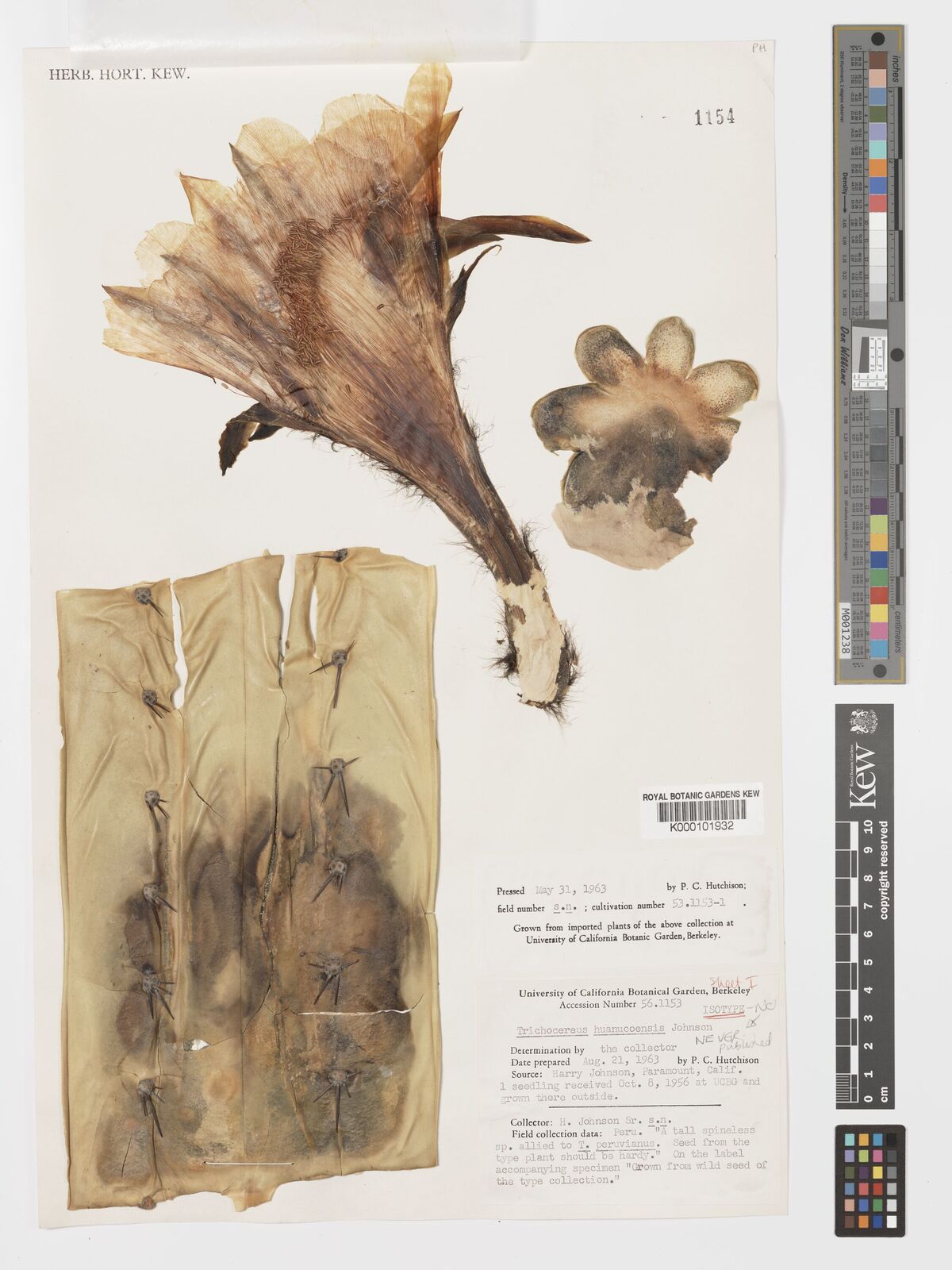
Echinopsis pachanoi
fast-growing columnar cactus

Espostoa
Espostoa is a genus of columnar cacti, comprising 16 species known from the Andes of southern Ecuador and Peru. It usually lives at an altitude of between 800m and 2500m. Its fruit is edible, sweet, and juicy. The genus is named after Nicolas E. Esposto, a renowned botanist from Lima.
thumb|Espostoa melanostele subsp. nana

Selenicereus megalanthus
species of plant

Hatiora
Hatiora is a small genus of epiphytic cacti which belongs to the tribe Rhipsalideae within the subfamily Cactoideae of the Cactaceae. Recent taxonomic studies have led to the three species formerly placed in subgenus Rhipsalidopsis being removed from the genus, including the well known and widely cultivated ornamental plants known as Easter cactus or Whitsun cactus (cultivars or hybrids of the former Hatiora gaertneri).
.jpg)
Maihuenia
Maihuenia is a genus of cactus (family Cactaceae) and the sole genus of the subfamily Maihuenioideae, which is the smallest subfamily of the Cactaceae. The genus comprises two cushion-forming, mucilaginous species. They are found at high elevation habitats of Andean Argentina and Chile.

Armatocereus
Armatocereus (from Latin armatus, "armed" and cereus, "pliant/soft") is a genus of mostly tree-like cacti from South America (Ecuador and Peru). These species have a conspicuous constriction at the end of the annual growth. The flowers are mostly white, with a more or less spiny ovary. The fruits are mostly spiny.

Arrojadoa
Arrojadoa is a genus of cacti, comprising 9 species. It is named after the Brazilian botanist Miguel Arrojado Lisboa (1872–1932) who was superintendent of the Brazilian Railways at the time that Britton and Rose described the genus in 1920. The genus occurs only in northern Brazil and is found at rocky places, under shrubs, which support their frail stalk. They are subtropical plants, with very little frost tolerance.

Harrisia
genus of plants

Discocactus
Discocactus is a genus of tropical cacti. Discocactus plants are endemic to southern Brazil, eastern Bolivia, and northern Paraguay. These species are in the risk of extinction in the wild.

Opuntia stricta
species of plant

Pilosocereus
Pilosocereus (from Latin, "hairy cereus") is a genus of cactus native to the Neotropics. Tree cactus is a common name for Pilosocereus species. The genus Pseudopilocereus is a synonym of this genus. For many years, the illegitimate name Pilocereus was used for this genus, although properly a synonym for Cephalocereus. The subdivision of the genus has varied very widely, resulting in very different numbers of species being accepted.

Browningia
Browningia is a genus of cacti, comprising 11 accepted and 3 unresolved species. It is named for Webster E Browning (1869-1942), director of the Instituto Inglés, Santiago, Chile.

Echinopsis oxygona
species of plant
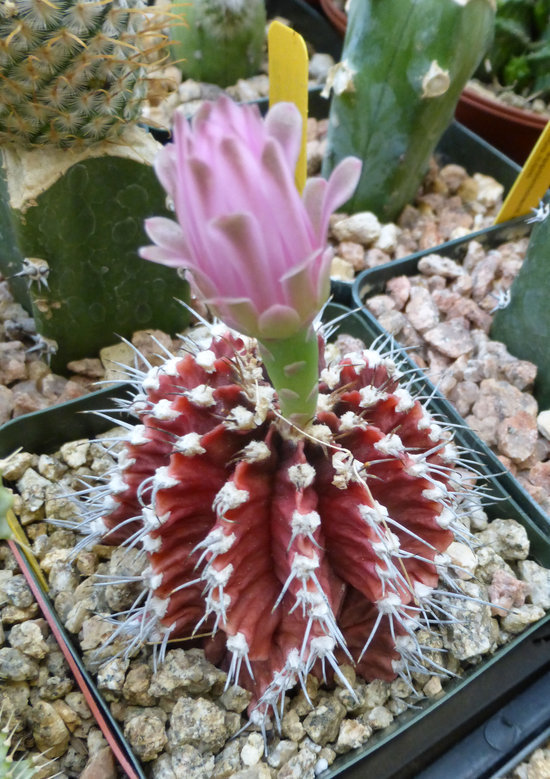
Gymnocalycium mihanovichii
species in the cactus family (Cactaceae)
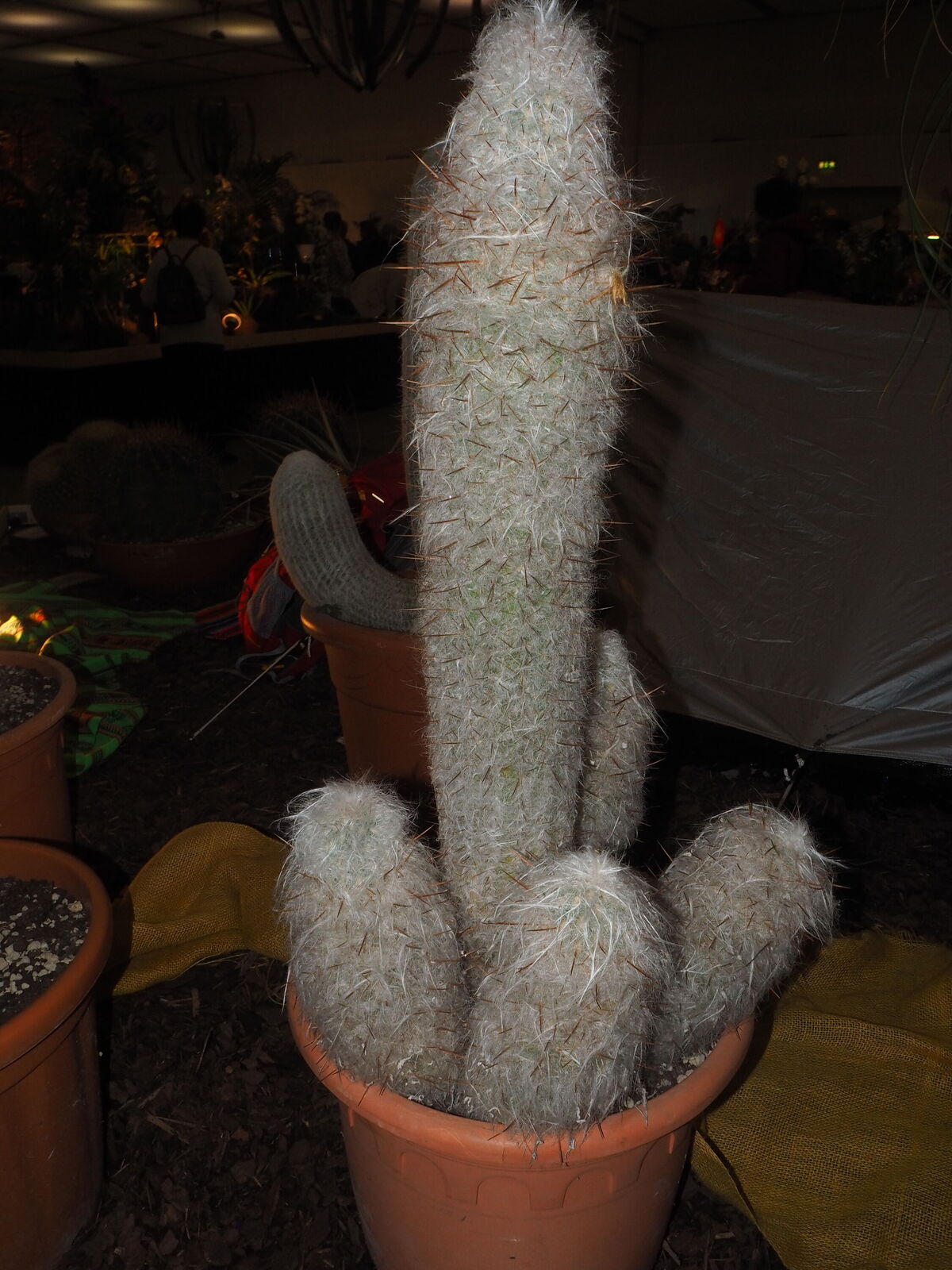
Oreocereus
Oreocereus is a genus of cacti (family Cactaceae), known only from high altitudes of the Andes.
Its name means "mountain cereus", formed from the Greek prefix ' (, mountain) and the Neo-Latin ', meaning wax or torch.
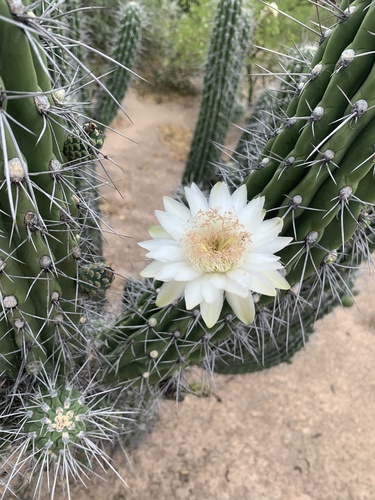
Stetsonia coryne
species of plant
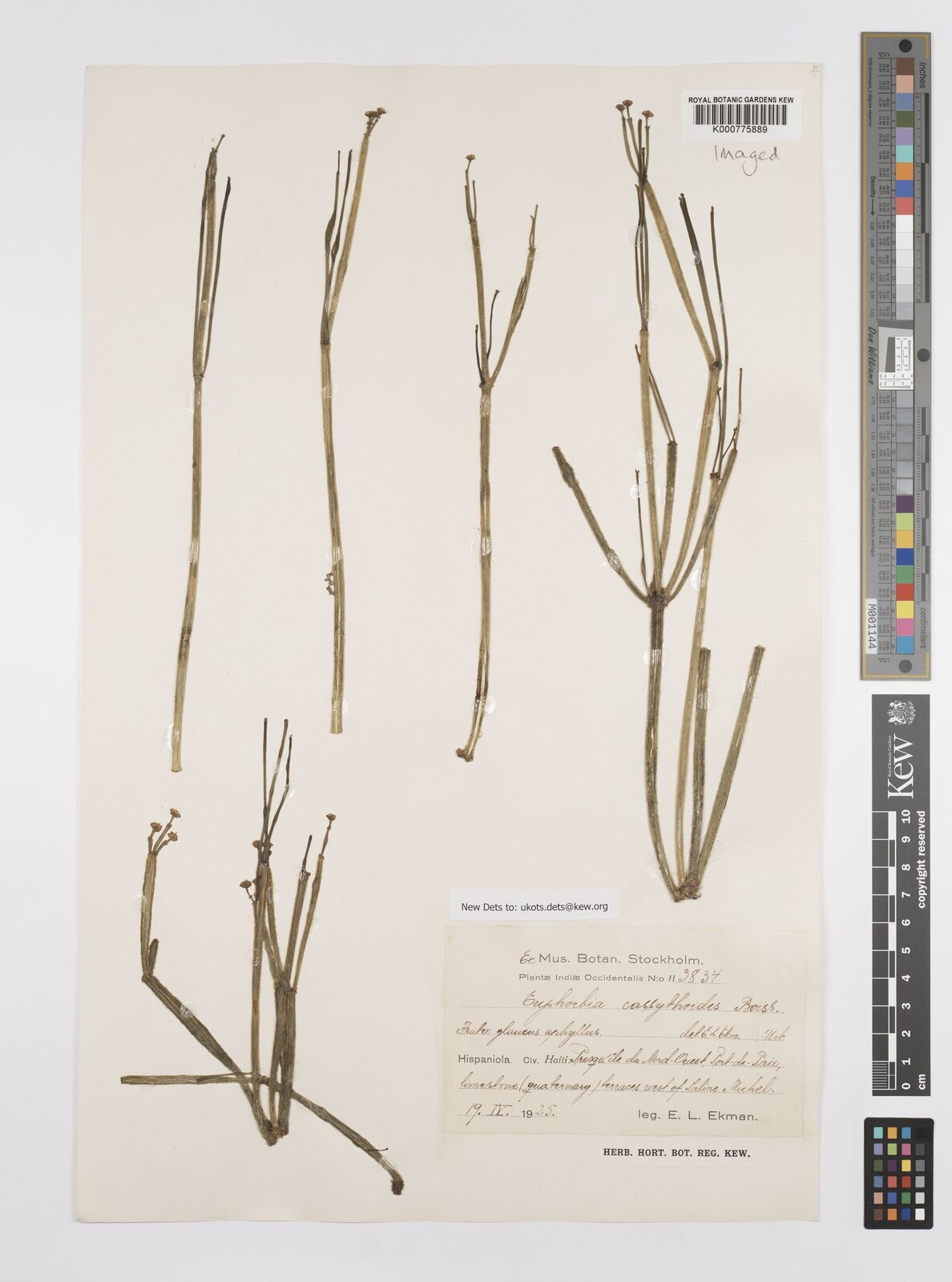
Rhipsalis baccifera
species of plant
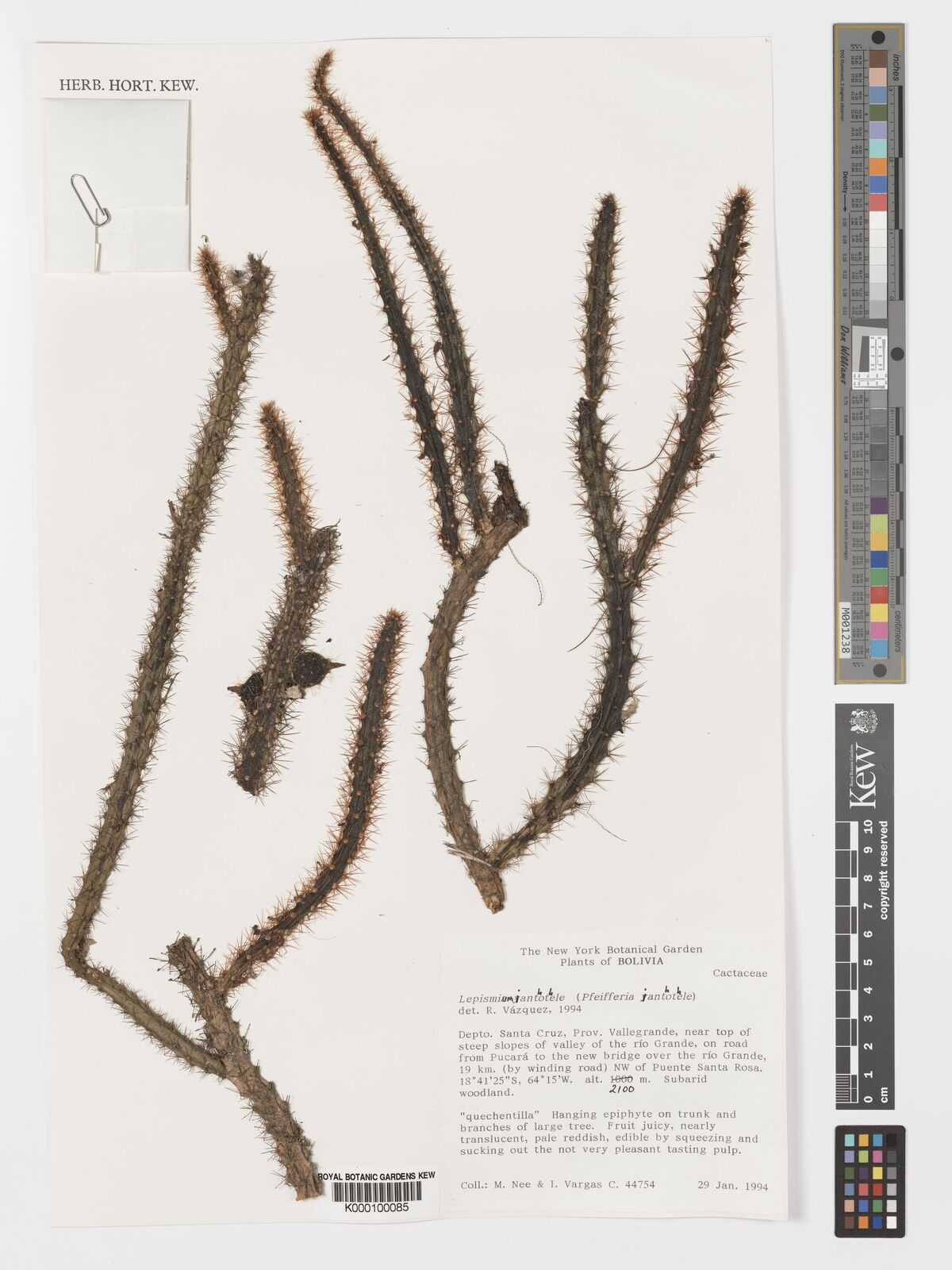
Lepismium
Lepismium is a genus of mostly epiphytic cacti, with seven species. They are found in tropical South America.
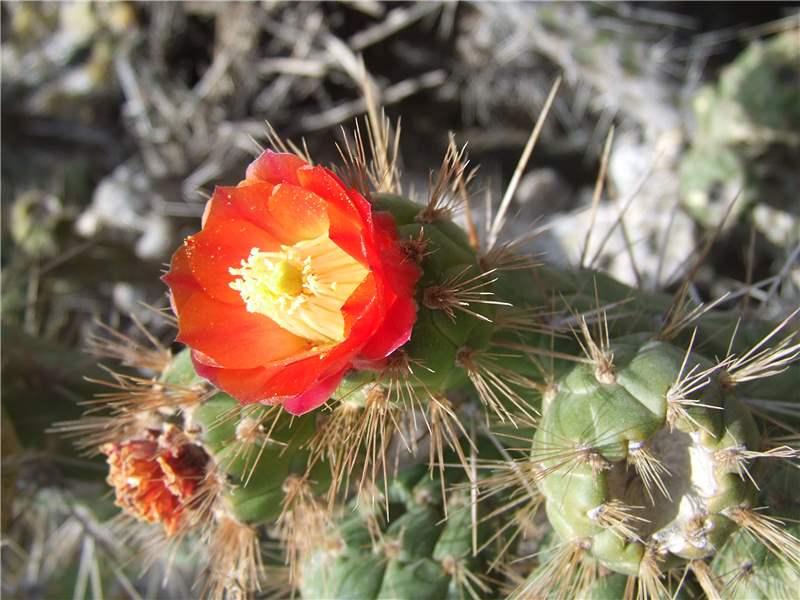
Austrocylindropuntia
Austrocylindropuntia is a genus of cacti (family Cactaceae) with eight recognized species , which were once included in the genus Opuntia. All are native to South America, although some have been introduced elsewhere.

Matucana
Matucana is a genus of cacti (family Cactaceae), containing approximately 20 species of mostly globular plants. The genus is known only from Peru, mostly along the Marañón River.

Mila caespitosa
species of plant

Pereskia grandifolia
species of plant

Pereskia aculeata
species of plant

Austrocactus
Austrocactus is a genus of cacti with ten species endemic of southern South America, in Argentina and Chile.
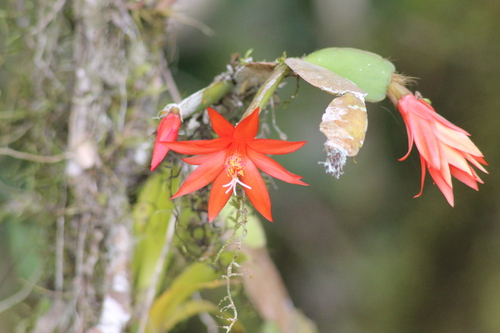
Rhipsalidopsis gaertneri
species of cactus

Arthrocereus
Arthrocereus is a genus of cactus, native to southeast and west-central Brazil.

Brachycereus nesioticus
species of plant, the Lava cactus

Weberbauerocereus
Weberbauerocereus is a genus of ceroid cactus, considered to be intermediate between the genera Trichocereus and Cleistocactus. The genus is named after Augusto Weberbauer because of his extensive research in the Peruvian Andes. The genus is native to Bolivia and Peru.
Blossfeldia
Blossfeldia is a genus of cacti (family Cactaceae) containing only one species, Blossfeldia liliputana, native to South America in northwestern Argentina (Jujuy, Salta, Tucumán, Catamarca and Mendoza Provinces) and southern Bolivia (Santa Cruz and Potosí Departments). It grows at 1,200–3,500 m altitude in the Andes, typically growing in rock crevices, and often close to waterfalls.
==Description==
It is the smallest cactus species in the world, with a mature size around 10–12 mm diameter, solitary or with many dark-green stems forming colonies in the fissures of the rocks; it does no

Facheiroa
Facheiroa is a genus of cacti that is endemic to Brazil.
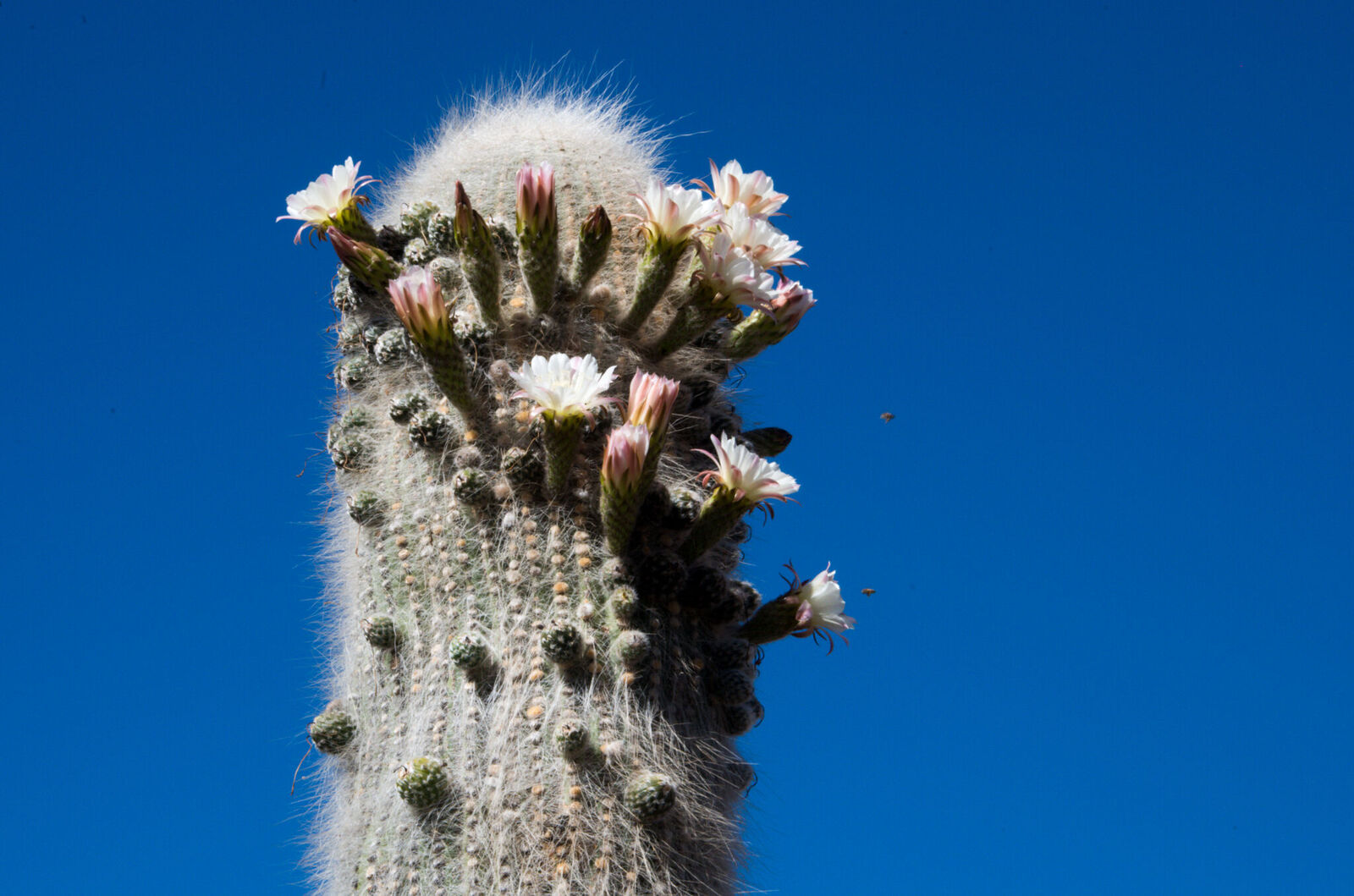
Leucostele atacamensis
species of plant

Opuntia monacantha
species of plant

Gymnocalycium baldianum
species of plant

Trichocereeae
Trichocereinae is a subtribe of cactus that are particular to South America. There are 28 recognized genera in this subtribe.

Brasilicereus
Brasilicereus is a genus of cacti known only from east Brazil and comprising three species.
==Description==
The species of the genus Brasilicereus grow as shrubs with upright, sometimes crooked, rarely branching shoots that reach heights of 1 to 4 meters. The slender shoots can be up to 2.5 centimeters in diameter. They have 3 to 5 flat or narrow ribs. The needle-like, brittle spines are whitish to grayish-brown and arise from areoles covered with gray or white wool. There are 1 to 4 central spines up to 4 centimeters long and 10 to 18 marginal spines 0.5 to 1.5 centimeters long. The flowers,

Leucostele chiloensis
species of plant

Acanthocereus tetragonus
species of plant
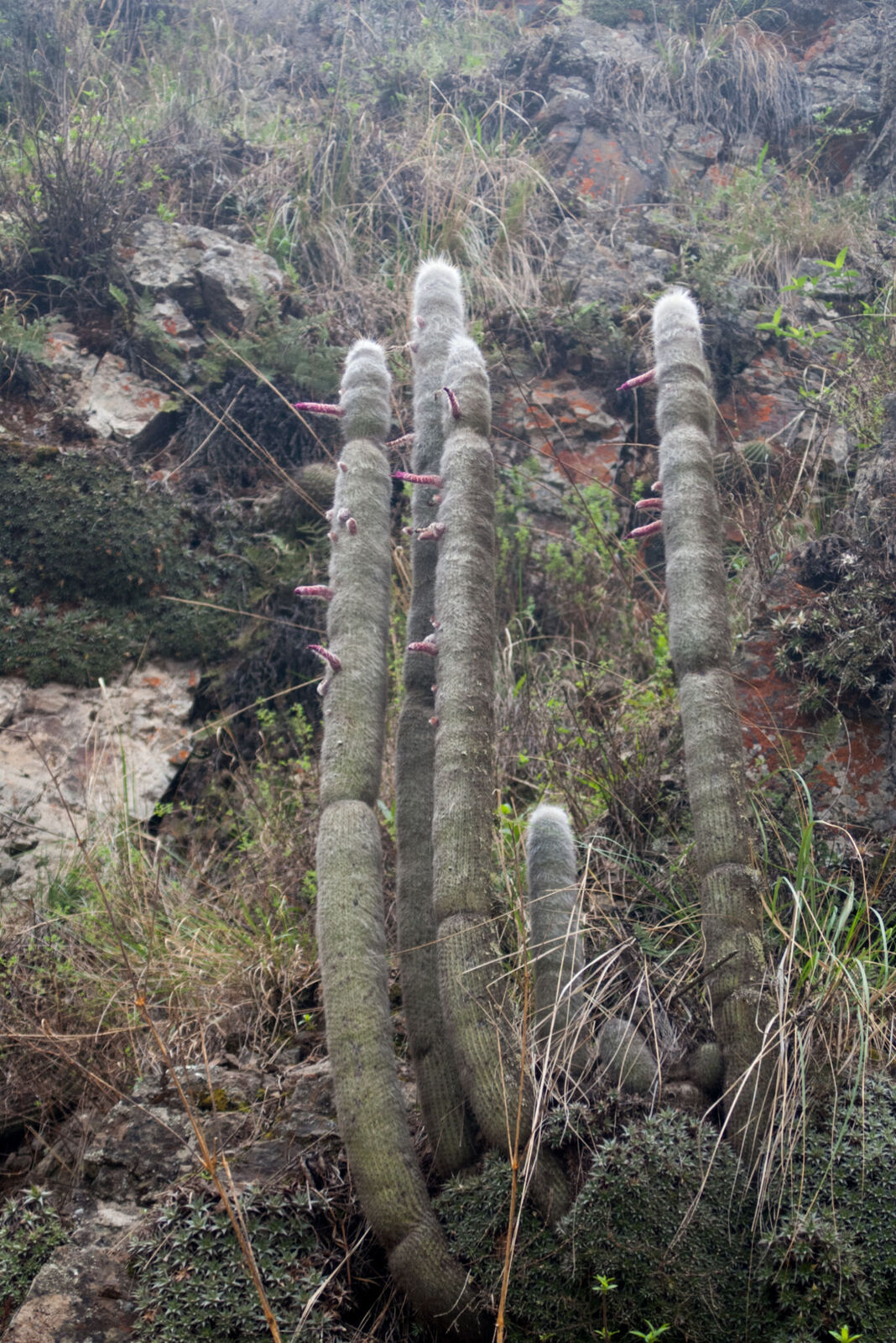
Cleistocactus strausii
species of plant

Pygmaeocereus
Pygmaeocereus is a genus of small cacti (family Cactaceae). The genus is endemic to Peru.
Denmoza
Denmoza is a monotypic genus of cactus with the sole species Denmoza rhodacantha, synonym Echinopsis rhodacantha, native to northwest Argentina.
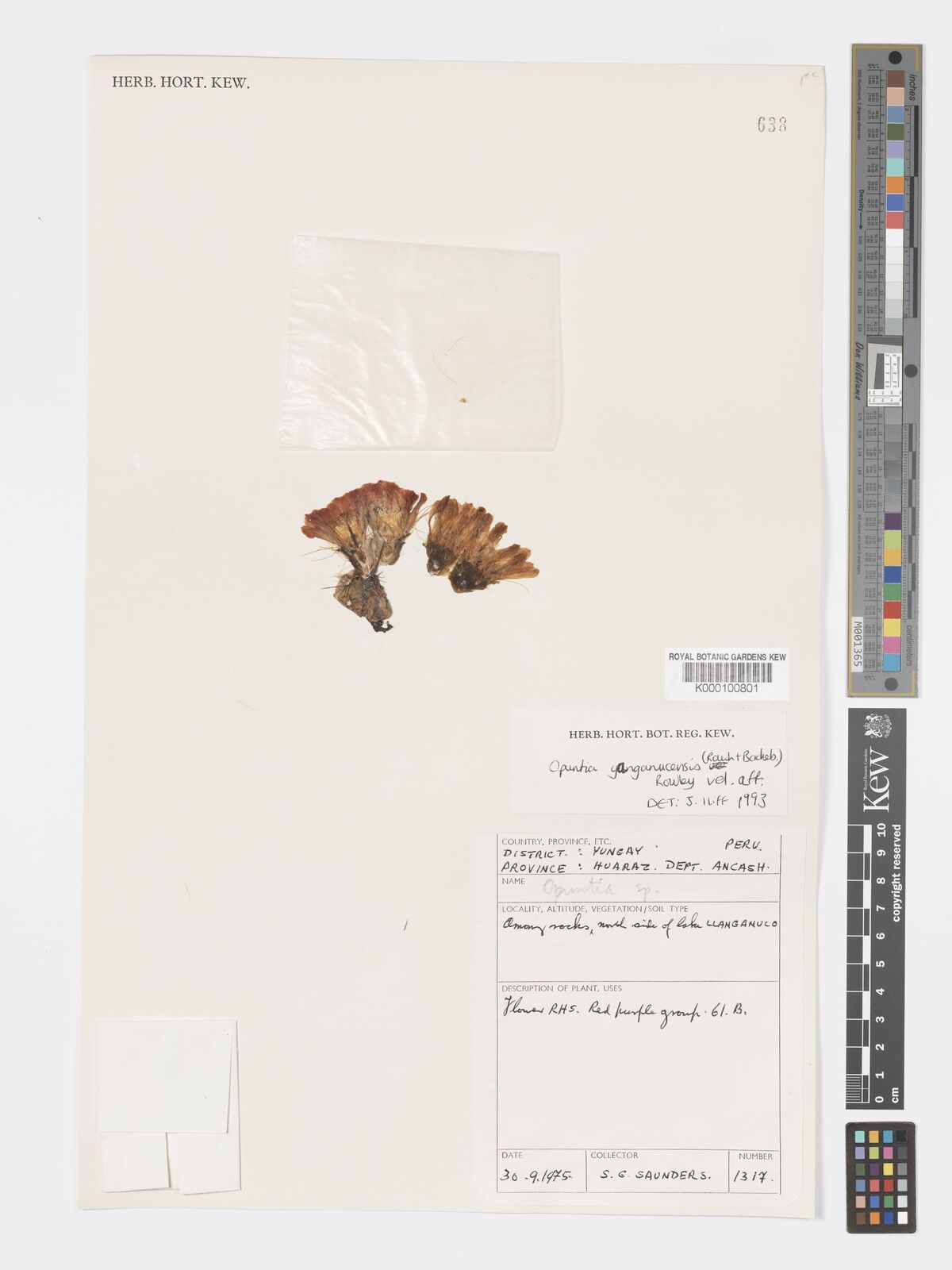
Austrocylindropuntia floccosa
species of plant

Austrocylindropuntia subulata
species of plant

Samaipaticereus corroanus
species of plant