Category
page 1Culture of Japan
anime
is animation originating from Japan. Outside Japan and in English, anime refers specifically to animation produced in Japan. However, , in Japan and in Japanese, describes all animated works, regardless of style or origin. Many works of animation with a similar style to Japanese animation are also produced outside Japan. Video games sometimes also feature themes and art styles that may be labelled as anime.

manga
are comics or graphic novels originating from Japan. Most manga conform to a style developed in Japan in the late 19th century, and the form has a long history in earlier Japanese art. The term is used in Japan to refer to both comics and cartooning. Outside of Japan, the word is typically used to refer to comics originally published in Japan.

Spirited Away
2001 anime film directed by Hayao Miyazaki

history of Japan
account of past events in the Japanese civilisation

bonsai
thumb|260px|Bonsai, named "Kenshin Tōge" (). Japanese yew (Taxus cuspidata) presented by [[Uesugi Kenshin to Nagao Masakage. The tree is estimated to be about 800 years old.]]
thumb|Bonsai at the Omiya Bonsai Art Museum
thumb|Bonsai at the National Bonsai & Penjing Museum at the United States National Arboretum

seppuku
, also called , is a form of Japanese ritualistic suicide by disembowelment. It was originally reserved for samurai in their code of honor, but was also practiced by other Japanese people during the Shōwa era (particularly officers near the end of World War II) to restore honor for themselves or for their families.
thumb|Staged seppuku with ritual attire and kaishakunin assistant, 1897 |upright=1.2
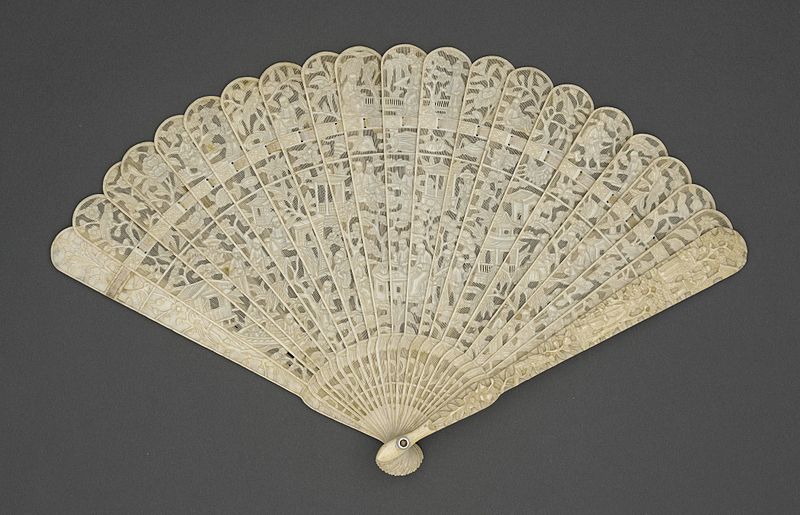
hand fan
device used to cool oneself, usually made of folded paper

yakuza
, also known as , or simply the Japanese Mafia, are members of transnational organized crime syndicates originating in Japan. The Japanese police and media (by request of the police) call them , while the yakuza call themselves . The English equivalent for the term yakuza is gangster, meaning an individual involved in a Mafia-like criminal organization.
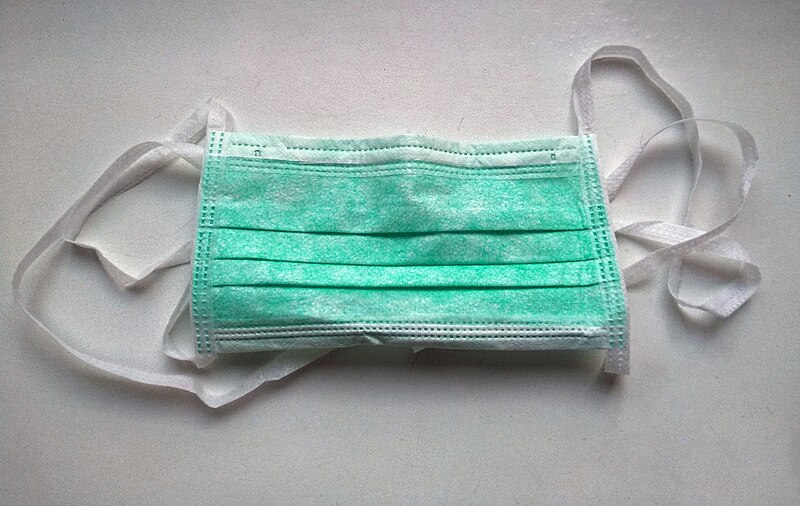
surgical mask
oro-nasal cover worn by health professionals to reduce spread of airborne pathogens

hanami
thumb|Hanami picnics in front of Himeji Castle, 2005
thumb|upright|Osaka Castle

Japanese mythology
mythology
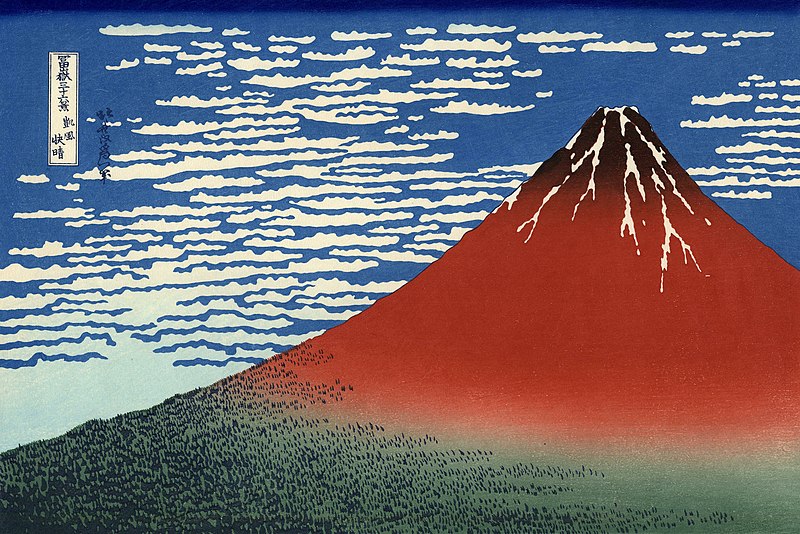
culture of Japan
collective culture creation in Japan

kawaii
Kawaii ( or , ; or ) is a Japanese cultural phenomenon which emphasizes cuteness, childlike innocence, charm, and simplicity. Kawaii culture began to flourish in the 1970s, driven by youth culture and the rise of cute characters in manga and anime (comics and animation) and merchandise, exemplified by the creation of Hello Kitty by Sanrio in 1974. The kawaii aesthetic is characterized by soft or pastel (usually pink, blue, and white) colors, rounded shapes, and features which evoke vulnerability, such as big eyes and small mouths, and has become a prominent aspect of Japanese popular culture,

Sinosphere
thumb|Chinese dragons, legendary creatures in Sinosphere mythology and culture
thumb|A map of the families of List of writing systems|writing systems in East Asia, Southeast Asia, and South Asia. Red: [[Chinese characters; Green: Brahmi script; Blue: Aramaic (Mongolian script, Manchu alphabet, Old Uyghur alphabet, and Arabic script).]]
thumb|Map of the Sinosphere nations (Japan, Korea, China and Vietnam) in the 11th century
The Sinosphere, also known as the Chinese cultural sphere, East Asian cultural sphere, or the Sinic world, encompasses multiple countries in East Asia and Southeast Asia th

Ikigai
is a Japanese concept of an individual's definition of the meaning of their life.
visual novel
interactive fiction game

Momotarō
is a popular hero of Japanese folklore. His name is often translated as Peach Boy, but is directly translated as Peach + Tarō, a common Japanese given name. Momotarō is also the title of various books, films and other works that portray the tale of this hero.
sky lantern
flying lantern used during celebrations
posthumous name
honorary name given to royalty, nobles, and sometimes others, after the person's death
red envelope
monetary gift given in eastern Asia

Bon Festival
or just is a fusion of the ancient Japanese belief in ancestral spirits and a Japanese Buddhist custom to honor the spirits of one's ancestors. This syncretic folk Buddhist custom has evolved into a family reunion holiday during which people return to ancestral family places and visit and clean their ancestors' graves when the spirits of ancestors are supposed to revisit the household altars. It has been celebrated in Japan for more than 500 years and traditionally includes a dance, known as .

tokusatsu
thumb|250px|Protagonists of popular franchises mostly of the late 1970s (from back to front, left to right): The Ultraman|Ultraman Joneus ([[Ultra Series), Battle Fever J (Super Sentai), Kamen Rider Stronger and Kamen Rider V3 (Kamen Rider Series), and Spider-Man. The photo also features manga character Doraemon on the far left.]]
is a Japanese term for live-action films or television programs that make heavy use of practical special effects. Credited to special effects director Eiji Tsuburaya, tokusatsu mainly refers to science fiction, superhero, fantasy, or horror media featuring such tech

Alice in Borderland (TV series)
Alice in Borderland is a Japanese science fiction thriller drama television series based on the manga of the same name by Haro Aso. The series is directed by Shinsuke Sato. It stars Kento Yamazaki and Tao Tsuchiya as allies trapped in an empty, parallel version of Tokyo, forced to compete as players in dangerous, fatal games. The type and difficulty of each game is represented by playing cards based on French suits and the games are used to extend their "visas" that, if expired, result in the player's execution by lasers shot from the sky.
courtesy name
name bestowed upon one at adulthood in addition to one's given name in East Asian cultures
cat café
cat-themed eatery

oiran
thumb|upright=1.2|An sitting with a client and an apprentice. Ukiyo-e print by [[Suzuki Harunobu (1765).]]
thumb| dancing, 2023
is a collective term for the highest-ranking courtesans in Japanese history, who were considered to be above common prostitutes (known as ) for their more refined entertainment skills and training in the traditional arts. Divided into a number of ranks within this category, the highest rank of were the , who were considered to be set apart from other due to their intensive training in the traditional arts and the fact that they lived and worked in Kyoto, the politica

sentō
thumb|260px|Entrance to the sentō at the Edo-Tokyo Open Air Architectural Museum
is a type of Japanese communal bathhouse where customers pay for entrance. Traditionally these bathhouses have been quite utilitarian, with a tall barrier separating the sexes within one large room, a minimum of lined-up faucets on both sides, and a single large bath for the already washed bathers to sit in among others. Since the second half of the 20th century, these communal bathhouses have been decreasing in numbers as more and more Japanese residences now have baths. Some Japanese find social importance in g
theatre of Japan
traditional and modern theatres found in different parts of Japan

Hiraizumi – Temples, Gardens and Archaeological Sites Representing the Buddhist Pure Land
UNESCO World Heritage Site in Iwate Prefecture, Japan
(cropped).jpg)
bishōnen
right|thumb|Gackt, a Japanese singer-songwriter, is considered to be one of the living manifestations of the bishōnen phenomenon.
chibi
style of caricature originating in Japan
Hidden Christian Sites in the Nagasaki Region
a group of UNESCO World Heritage sites

monogatari
thumb|Murasaki Shikibu, author of Genji monogatari ([[The Tale of Genji)]]

Kamishibai
thumb|upright=1.3|A ( artist) in Tokyo.
is a form of Japanese street theater and storytelling that was popular during the Great Depression of the 1930s and the postwar period in Japan until the advent of television during the mid-20th century. were performed by a (" narrator") who travelled to street corners with sets of illustrated boards that they placed in a miniature stage-like device and narrated the story by changing each image.

seiza
thumb|Narendra Modi (Prime Minister of India) and [[Shinzō Abe (then Prime Minister of Japan) sitting seiza-style during a tea ceremony]]
herbivore men
term used in Japan to describe men who have no interest in getting married or finding a girlfriend
pornography in Japan
Japanese pornographic industry
Japan Foundation
Japanese semi-governmental organisation
kaishakunin
thumb|right|250px|A staged photo from the late Edo period of a [[seppuku ceremony. The kaishakunin is standing at the rear with his sword raised and prepared to partially sever the head, cutting through the spinal column, of the person performing seppuku.]]
A kaishakunin (, ) is a man appointed to behead an individual who has performed seppuku, Japanese ritual suicide, at the moment of agony. The role played by the kaishakunin is called kaishaku.

furoshiki
thumb|Modern are popular as an environmentally-friendly alternative to wrapping paper.
thumb|Two homemade bento boxes with wrappings
suicide in Japan
Statistics and causes of suicide in Japan.
iyashikei
is a genre specific to Japanese works, primarily manga and anime. It is a sub-genre of slice of life, portraying characters living out peaceful lives in calming environments, and is intended to have a healing effect on the audience. Shaenon K Garrity of Otaku USA wrote that in works, "the focus is less on character and plot, more on worldbuilding and creating an immersive visual setting".
East Asian age reckoning
type of age expression method in East Asia
LGBT rights in Japan
rights of LGBT people in Japan
etiquette in Japan
overview of etiquette in Japan
.JPG)
kōdō
thumb|An used for an game, a part of kōdō
is the art of appreciating Japanese incense, and involves using incense within a structure of codified conduct. Kōdō includes all aspects of the incense process, from the , to activities such as the incense-comparing games and . Kōdō is counted as one of the three classical Japanese arts of refinement, along with ikebana for flower arrangement, and chadō for tea and the tea ceremony.
Hadaka Matsuri
type of Japanese festival
Cool Japan
concept as an expression of Japan's emergent status as a cultural superpower
Ninomiya Sontoku
Japanese philosopher
.jpg)
tenugui
thumb|
upright=1.4|thumb|Tenugui are also worn, including by athletes. This is a typical Kendo#clothing|Kendo-style .
A is a traditional Japanese decorative towel made from a thin and light cotton. It dates back to the Heian period or earlier. By the Edo period, became what they are today; about in size, plain woven, and almost always dyed with plain color or some pattern. The long sides are finished with a selvage, while the short sides are left unfinished to allow fraying.
Japanese festival
festivities of Japan often infused with Shintoism, Buddhism and other domestic customs.
honne and tatemae
distinction between true feelings and public behavior in Japan
Dai Nippon Butoku Kai
Japanese organization of martial arts

Namahage
thumb|300px|A dancing drummer wearing a Namahage costume, performed Namahage-Daiko in Akita Station.
The are demonlike beings portrayed by men wearing hefty oni (ogre) masks and traditional straw capes (mino) during a New Year's ritual, in local northern Japanese folklore of the Oga Peninsula area of Akita Prefecture.
Agency for Cultural Affairs
special body of the Japanese Ministry of Education

Yaeba
thumb|Singer and model with .
In Japan, are human teeth, especially upper canines, with an uncommonly fang-like appearance. most often refers to a tooth overlapping another tooth or protruding from higher in the gum. In Japan it is perceived as a sign of youthfulness and natural beauty.
one thousand origami cranes
Japanese legend

oshibori
thumb|Oshibori presented on a small bamboo stand
An oshibori ( or ), or hot towel in English, is a wet hand towel offered to customers in places such as restaurants or bars, and used to clean one's hands before eating. Oshibori have long been part of hospitality culture in Japan: in the Tale of Genji era, it was used for visitors; during the Edo period it was used in hatago; later, it started to be used in many restaurants. It eventually spread to worldwide use. Cold oshibori are used in summer, and hot oshibori in winter. In Japan, October 29 has been observed as the day of oshibori since 200

onnagata
thumb| (Heron Maiden) dance performed by Akifusa Guraku in 2011
, also , are male actors who play female roles in kabuki theatre. It originated in 1629 after women were banned from performing in kabuki performances. There are many specific techniques that actors must learn to master the role of .

A Dog of Flanders
1872 novel by Ouida