Category
page 1Fish of North America

Cyprinidae
Cyprinidae is a family of cyprinoid freshwater fishes commonly referred to as the carp family, which includes the carps, barbs, and barbels, among others. These cyprinids also share sister taxa with the danionins and minnows under the suborder Cyprinoidei. Cyprinidae is the largest and most diverse fish family, and the largest family of vertebrates overall, with roughly 1,780 species split into 166 valid genera.

Petromyzontidae
Petromyzontidae are a family of lampreys native to the Northern Hemisphere, comprising the vast majority of living lampreys. Petromyzontids have the highest number of chromosomes (164–174) among vertebrates.

porbeagle
The porbeagle or porbeagle shark (Lamna nasus) is a species of mackerel shark in the family Lamnidae, distributed widely in the cold and temperate marine waters of the North Atlantic and Southern Hemisphere. In the North Pacific, its ecological equivalent is the closely related salmon shark (L. ditropis). It typically reaches in length and a weight of ; North Atlantic sharks grow larger than Southern Hemisphere sharks and differ in coloration and aspects of life history. Grey above and white below, the porbeagle has a very stout midsection that tapers towards the long, pointed snout and t

sea lamprey
species of chordates
.jpg)
bluefish
The bluefish (Pomatomus saltatrix) is the only extant species of the family Pomatomidae. It is a marine pelagic fish found around the world in temperate and subtropical waters, except for the northern Pacific Ocean. Bluefish are known as tailor in Australia and New Zealand, elf and shad in South Africa. It is a popular gamefish and food fish.

smooth hammerhead
species of fish
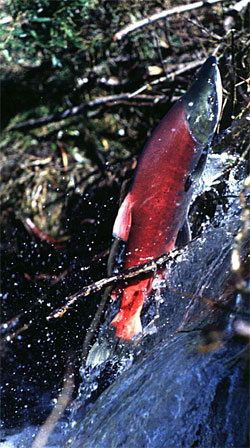
sockeye salmon
species of Pacific salmon

Lepisosteidae
Gars are an ancient group of ray-finned fish in the family Lepisosteidae. They comprise seven living species of fish in two genera that inhabit fresh, brackish, and occasionally marine waters of eastern North America, Central America and Cuba in the Caribbean, though extinct members of the family were more widespread. They are the only surviving members of the Ginglymodi, a clade of fish which first appeared during the Triassic period, over 240 million years ago, and are one of only two surviving groups of holosteian fish, alongside the bowfins, which have a similar distribution.

sand tiger shark
species of shark

Catostomidae
The Catostomidae are the suckers of the order Cypriniformes, with about 78 species in this family of freshwater fishes. The Catostomidae are almost exclusively native to North America. The only exceptions are Catostomus catostomus, found in both North America and Russia, and Myxocyprinus asiaticus found only in China. In the Ozarks they are a common food fish and a festival is held each year to celebrate them. The bigmouth buffalo, Ictiobus cyprinellus, can reach an age up to 127 years, making it the oldest known freshwater teleost by more than 50 years.

white sturgeon
species of fish

green sturgeon
species of sturgeons

Lepisosteus oculatus
species of fish

Fundulidae
Fundulidae is the family of topminnows and North American killifishes.

American shad
species of shad

Finetooth shark
species of fish

Blue catfish
species of fish

mangrove rivulus
species of fish
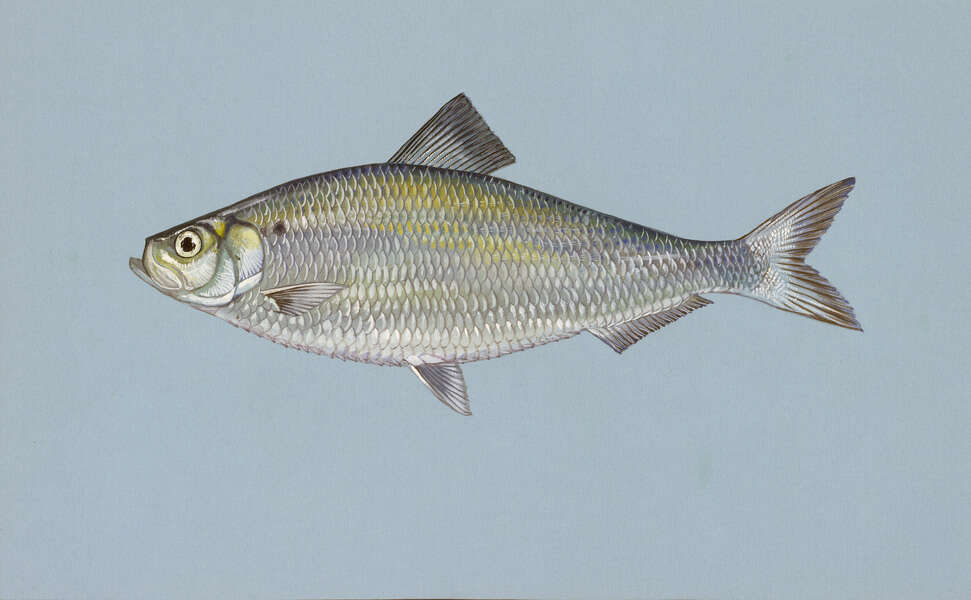
Alewife
species of shad

Starry flounder
species of fish

Northern cavefish
species of fish
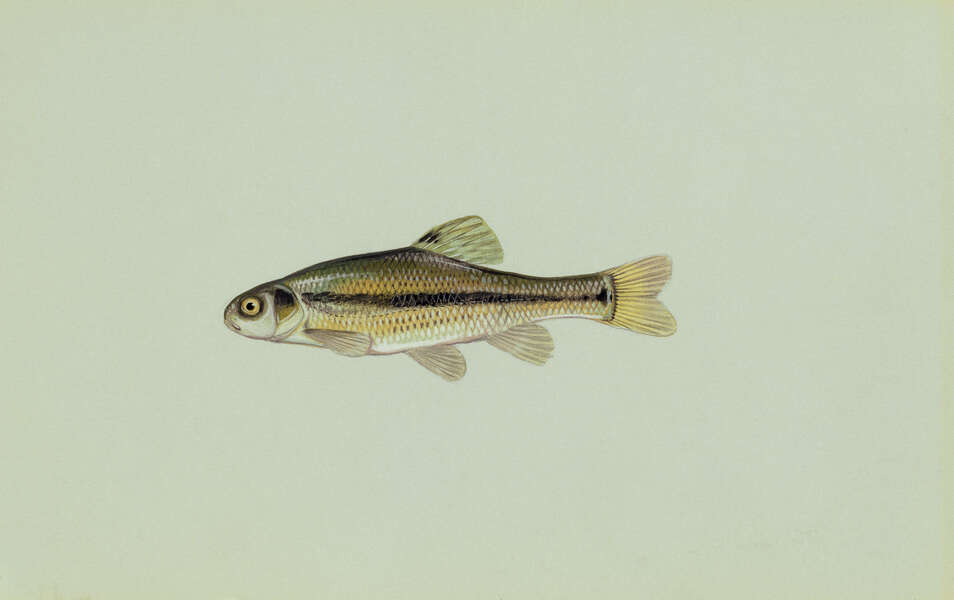
Fathead minnow
species of fish

White perch
species of fish
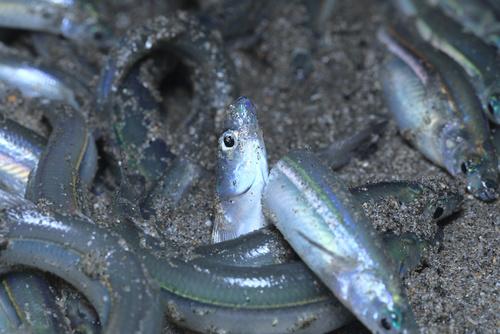
Leuresthes tenuis
species of fish

Hiodon tergisus
species of fish
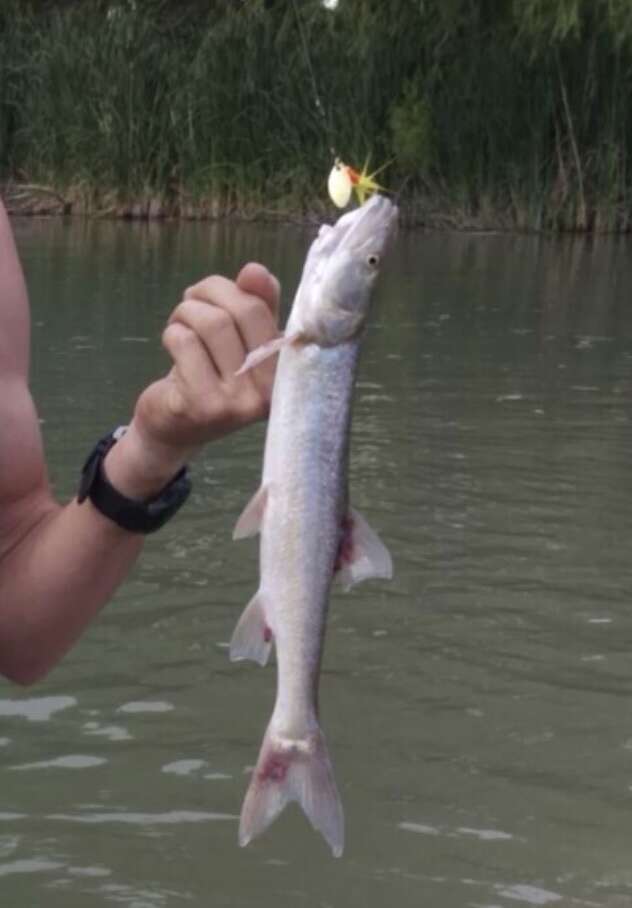
Colorado pikeminnow
species of fish

Hiodon
Hiodontidae, commonly called mooneyes, is a family of ray-finned fish with a single included genus Hiodon. The genus comprise two extant species native to North America and three to five extinct species recorded from Paleocene to Eocene age fossils. They are large-eyed, fork-tailed fish that superficially resemble shads. The vernacular name comes from the metallic shine of their eyes.

Halichoeres poeyi
species of fish

Ocean pout
species of fish

Brook Stickleback
species of fish
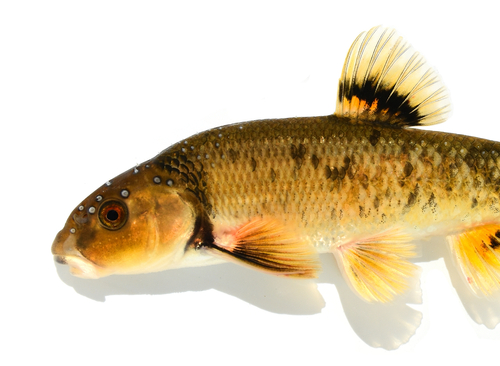
Campostoma
Campostoma, the stonerollers, is a genus of freshwater ray-finned fish in the family Leuciscidae, the shiners, daces and minnows. The fishes in this genus are found in North America.

bull trout
species of fish

Nocomis micropogon
species of fish
Dorosoma
Dorosoma is a genus that contains five species of shads, within the family Dorosomatidae. The five species are native to the North and/or Central America, and are mostly known from fresh water, though some may reside in the waters of estuaries and bays.

Johnny darter
species of fish
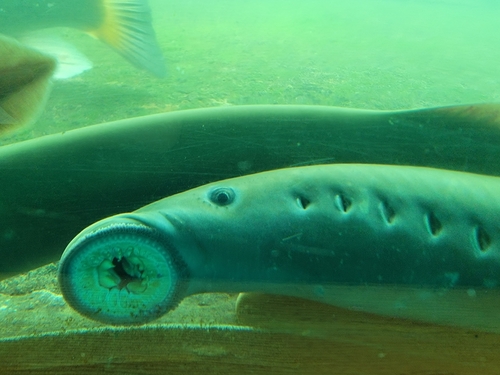
Entosphenus tridentatus
species of lamprey
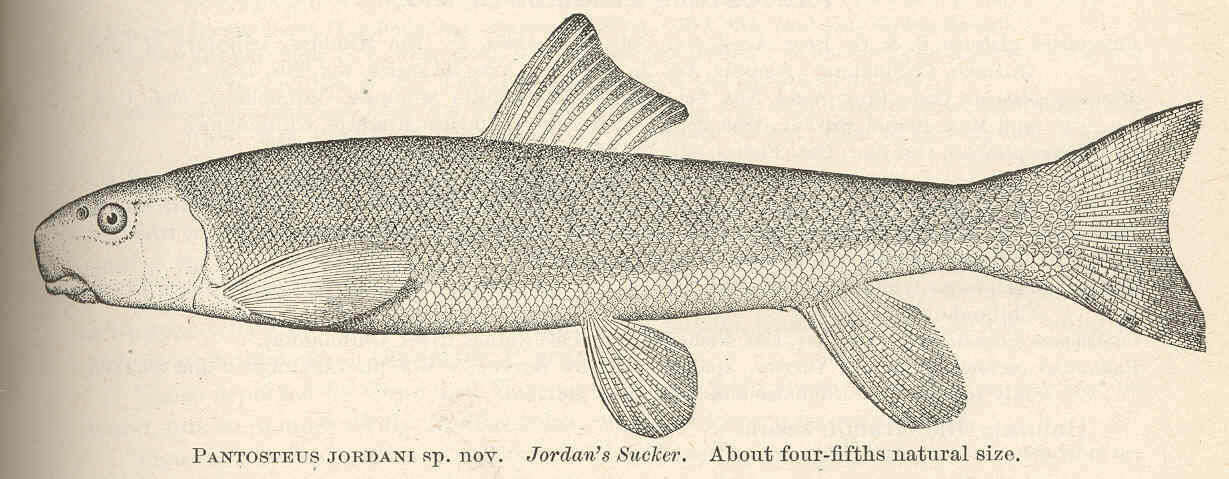
Mountain Sucker
species of fish

Embiotoca lateralis
species of fish
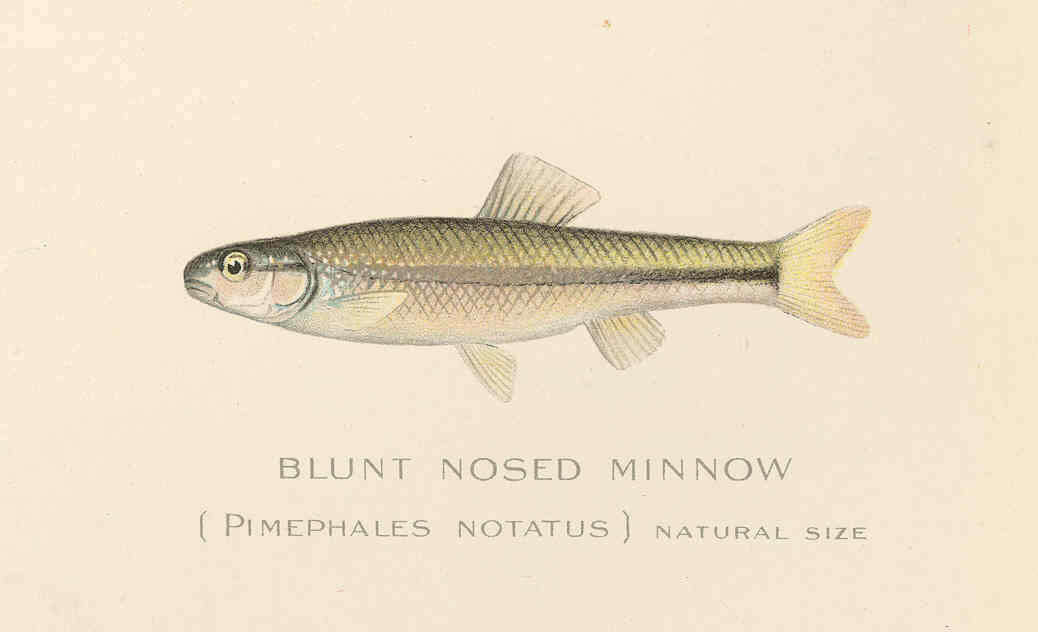
Pimephales
Pimephales, commonly known as the bluntnose minnows (a term used locally to refer to Pimephales notatus specifically), is a genus of freshwater ray-finned fishes belonging to the family Leuciscidae, the shiners, daces and minnows. This fishes in this genus are found in North America. All of the four species are small fish, with P. notatus being the largest at 11 cm. (about 4.3 in.)
These minnows can be found all over North America and are commonly used as fish bait.

Stephanolepis hispida
species of fish

Northern pipefish
species of fish

Trout perch
species of fish

Mylocheilus caurinus
The peamouth (Mylocheilus caurinus), also known as the peamouth chub, redmouth sucker or northwestern dace, is a species of freshwater ray-finned fish from the family Leuciscidae, the shiners, daces and minnows. This species is found in western North America.

Percopsidae
thumb|Amphiplaga brachyptera

Gymnothorax miliaris
species of fish

Mylopharodon conocephalus
species of fish
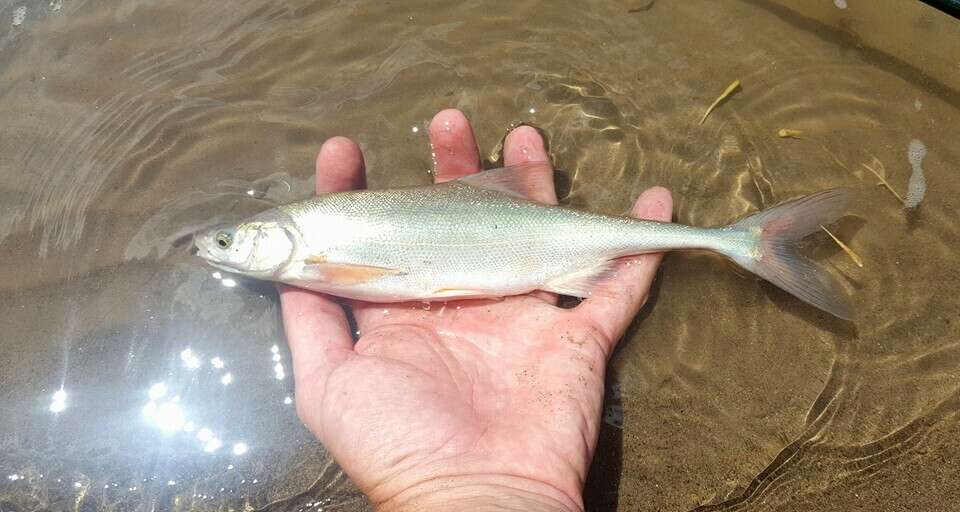
bonytail chub
species of fish

Cynoscion nebulosus
species of fish

Tui chub
species of fish

Chrosomus
Chrosomus is a genus of freshwater ray-finned fish belonging to the family Leuciscidae, which includes the daces, chubs and related fishes. The fishes in this genus are found in the eastern half of the United States and Canada. These fishes have sometimes been included in Eurasian minnow genus Phoxinus. They are the only members of the predominantly western subfamily Laviniinae that are found in eastern North America.
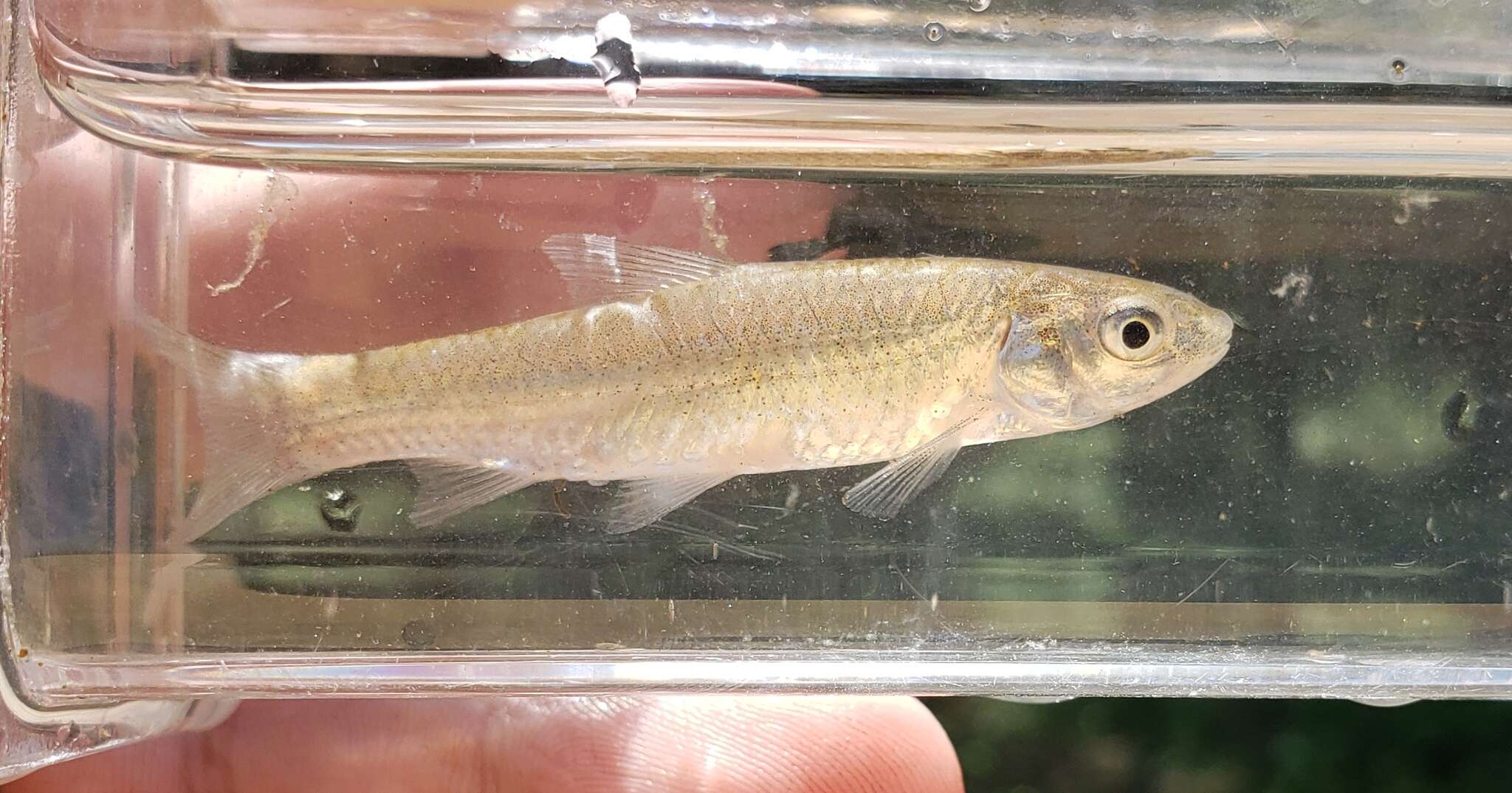
Hybognathus
Hybognathus is a genus of freshwater ray-finned fishes belonging to the family Leuciscidae, the shiners, daces and minnows. Its members are collectively known as the silvery minnows. Hybognathus are pelagophils that are native to North America. The populations of such pelagophils, including species of Hybognathus, continue to decrease in their natural habitats.

Northern redbelly dace
species of fish

Tennessee Dace
species of fish
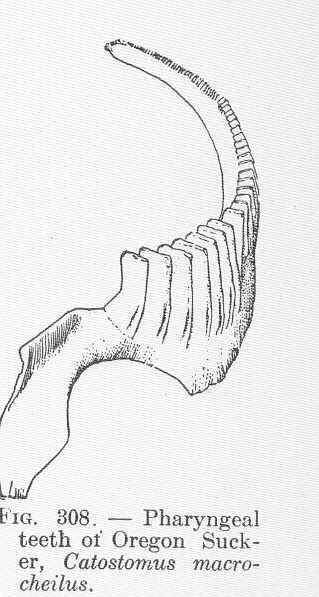
Largescale sucker
species of fish

Hybognathus regius
species of fish

Agosia chrysogaster
species of fish

Robust Redhorse
species of fish

Ironcolor Shiner
species of fish
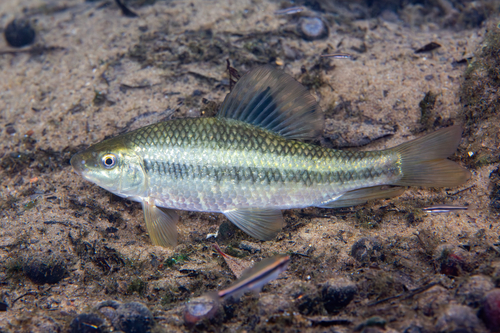
Erimyzon
Erimyzon is a genus of suckers native to North America. There are currently four recognized species in this genus.

California roach
species of cyprinid fish, native to western North America