Category
page 1Flora of New Zealand

Alisma plantago-aquatica
species of plant
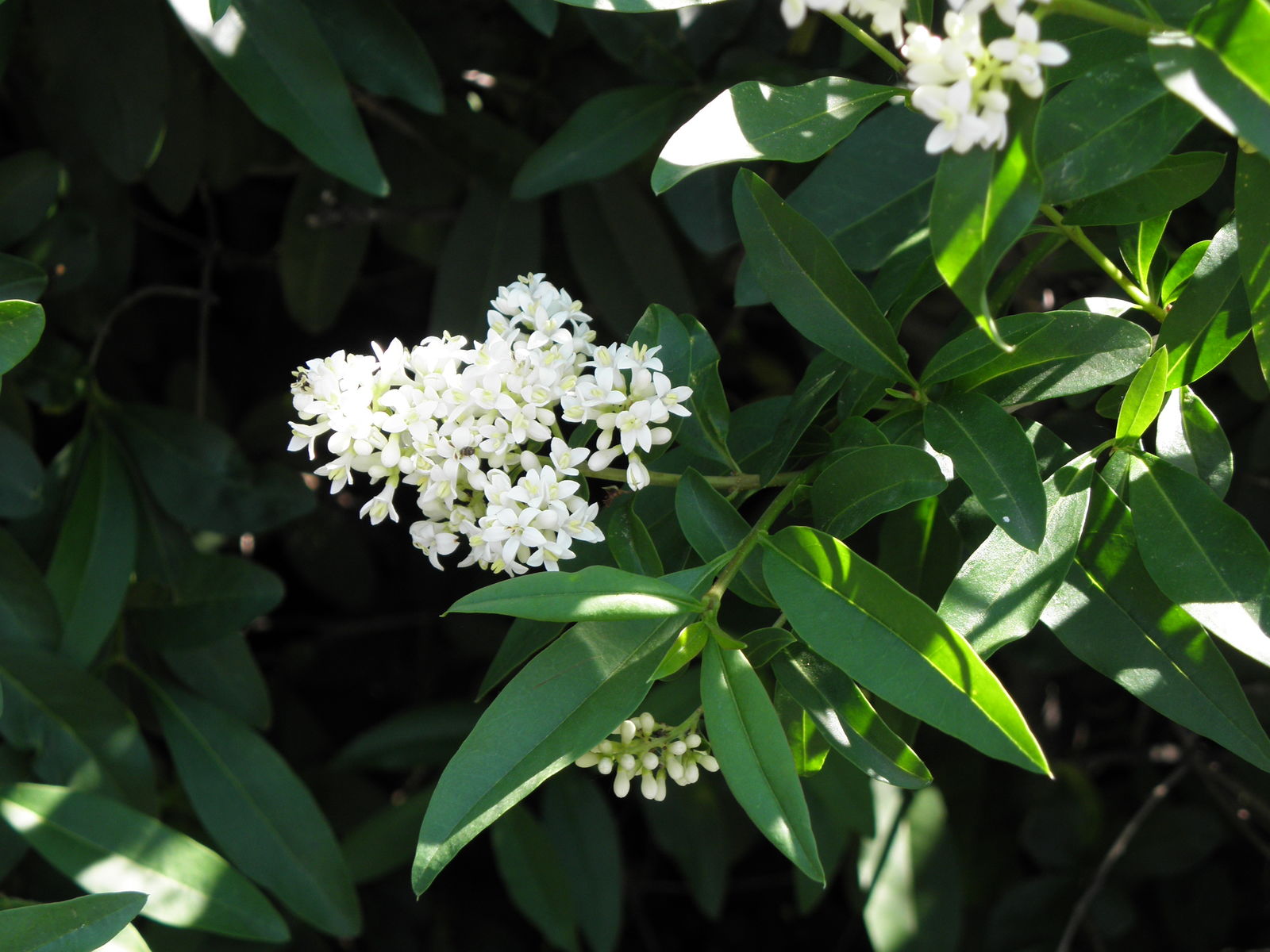
Ligustrum vulgare
species of plant

Calystegia soldanella
species of plant

Phormium tenax
species of plant

Carex diandra
species of plant

Alisma lanceolatum
species of plant

Allium triquetrum
species of plant

Galium uliginosum
species of plant
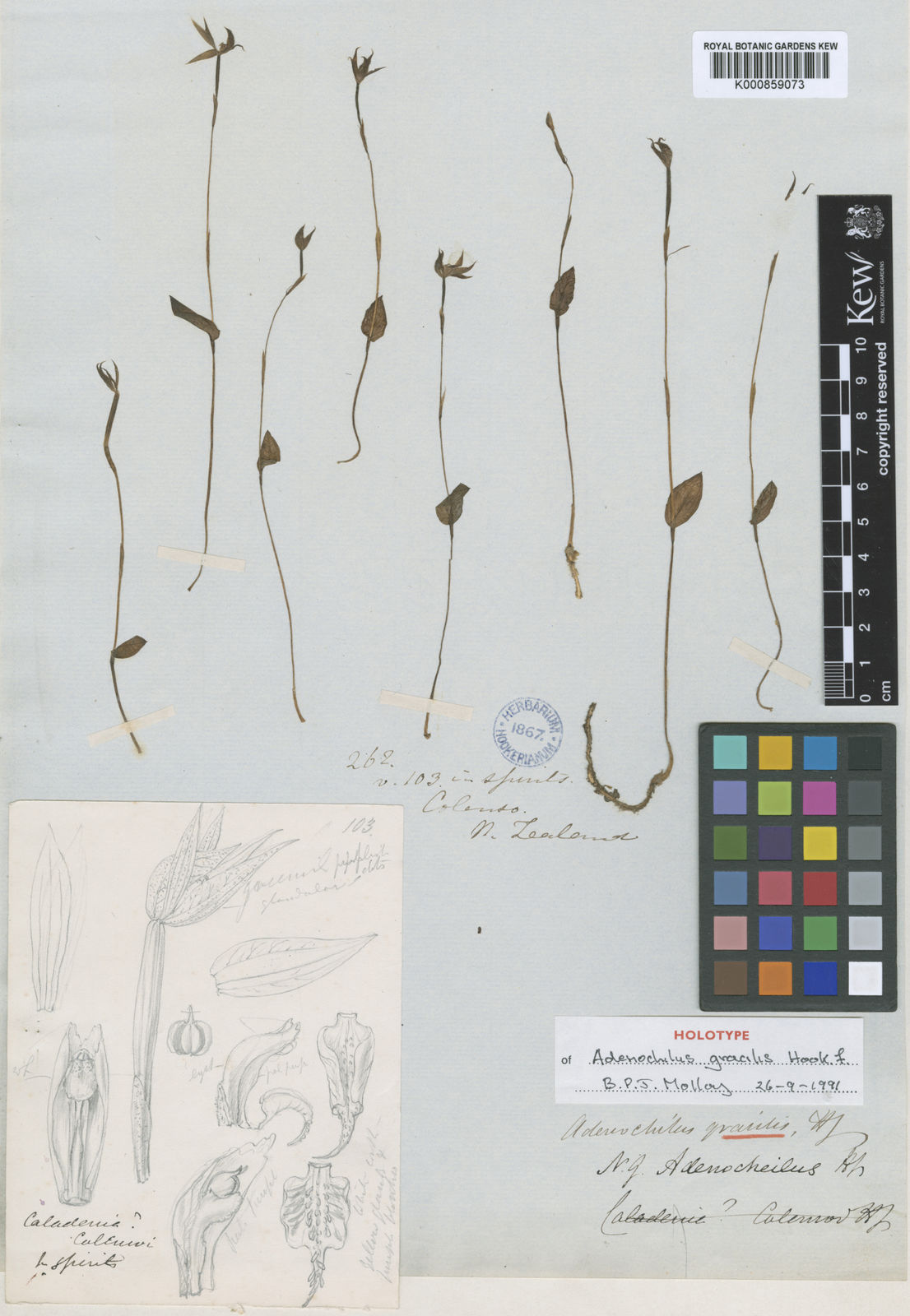
Adenochilus
Adenochilus, commonly known as gnome orchids is a genus of two species of flowering plants in the orchid family Orchidaceae, one endemic to New Zealand and the other to Australia. Both species have a long, horizontal, underground rhizome with a single leaf on the flowering stem and a single resupinate flower with its dorsal sepal forming a hood over the labellum and column.
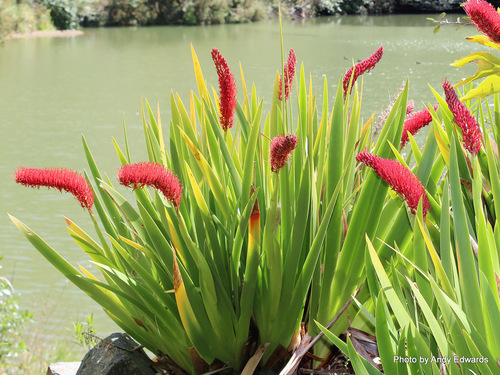
Xeronema
Xeronema is a genus of flowering plants containing two species, Xeronema moorei from New Caledonia, and Xeronema callistemon (the Poor Knights lily) from the Poor Knights Islands and Taranga Island in New Zealand. The plants are herbaceous monocots, spreading by rhizomes, and have large flowers set on terminal spikes, with stamens towering above the flowers.

Phormium
Phormium is a genus of two plant species in the family Asphodelaceae. One species is endemic to New Zealand and the other is native to New Zealand and Norfolk Island. The two species are widely known in New Zealand as flax or their Māori names wharariki and harakeke respectively, and elsewhere as New Zealand flax or flax lily, but they are not closely related to the Northern Hemisphere's flax (Linum usitatissimum), which is native to the region extending from the eastern Mediterranean to India and has been used by humans since 30,000 B.C.

Hypericum pulchrum
species of plant
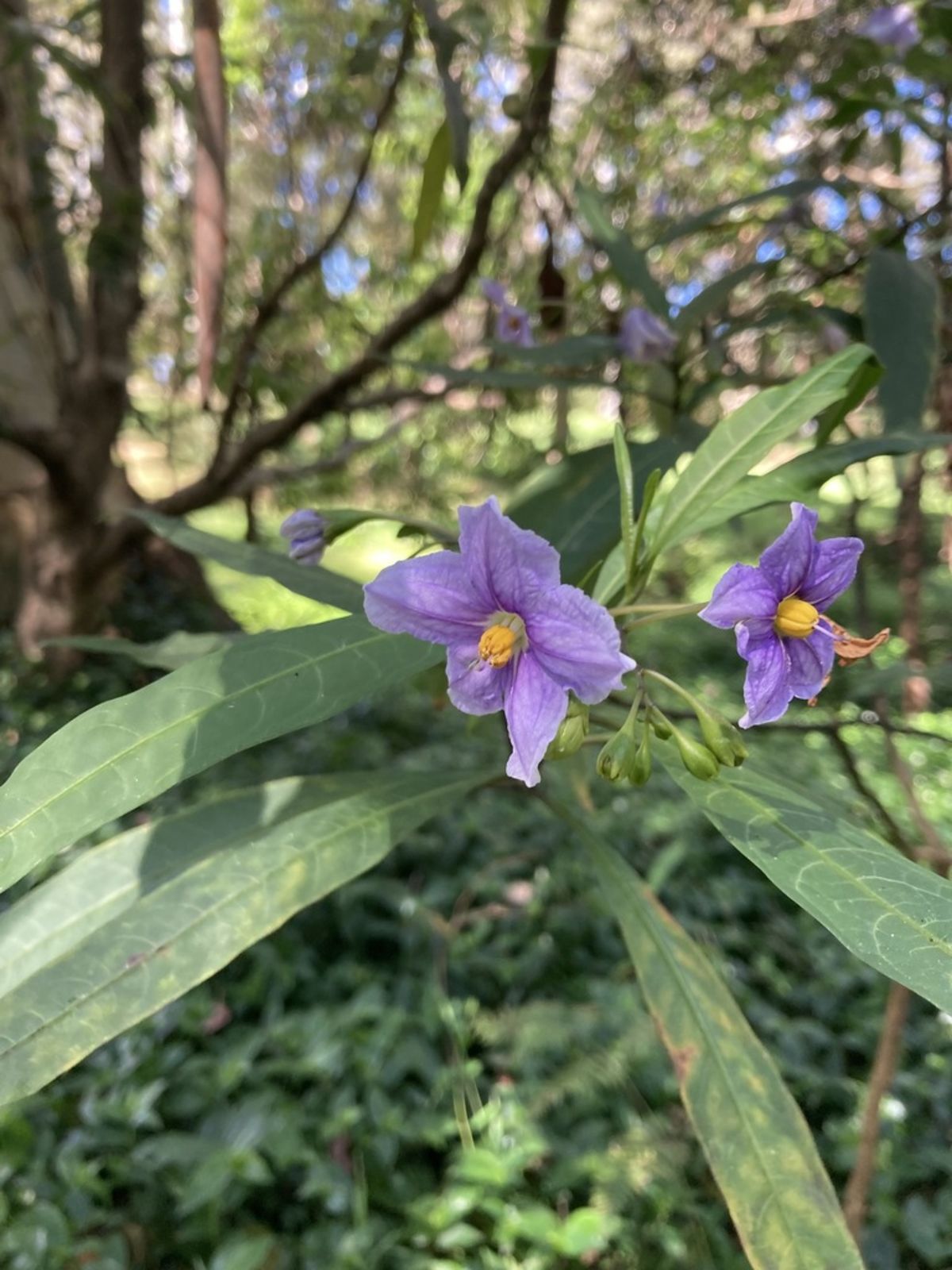
Solanum aviculare
species of plant

Climacium dendroides
species of plant
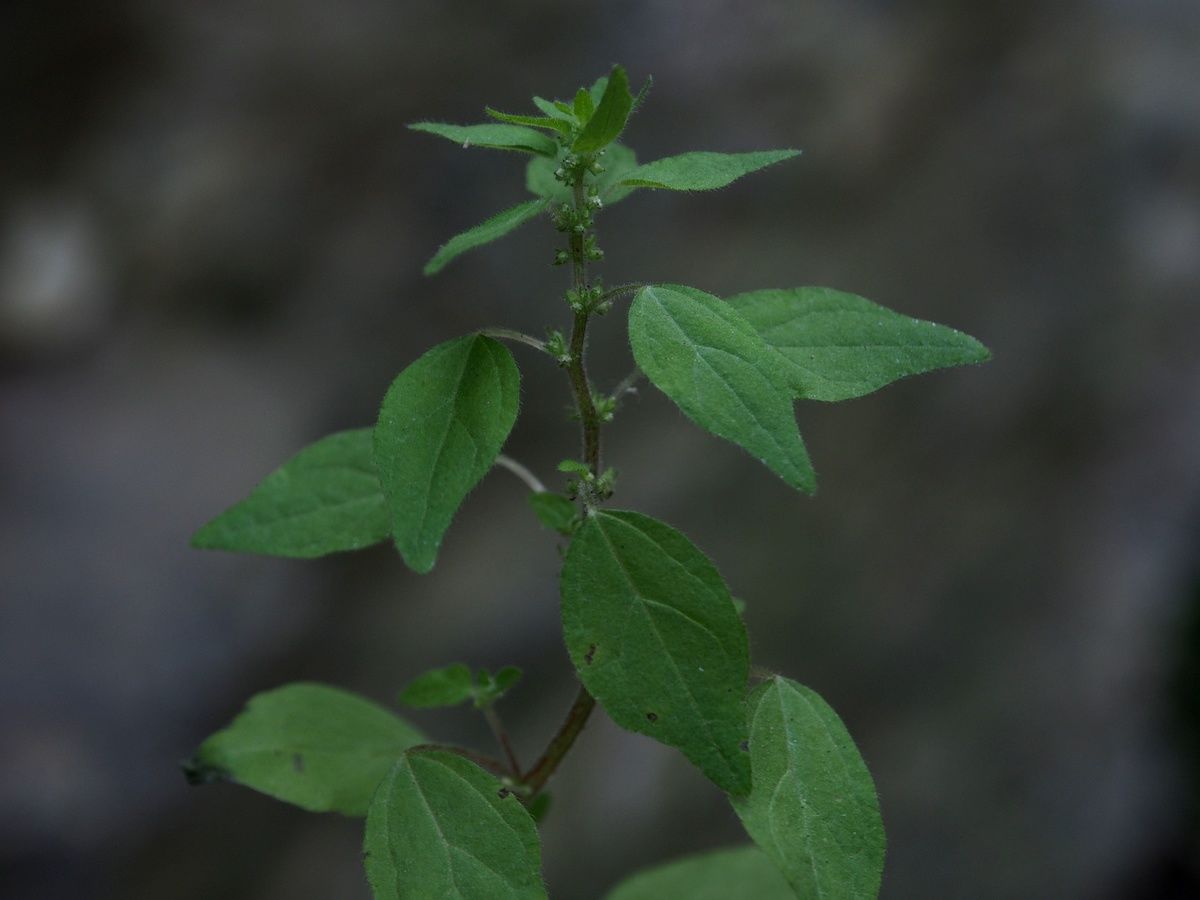
Parietaria debilis
species of plant
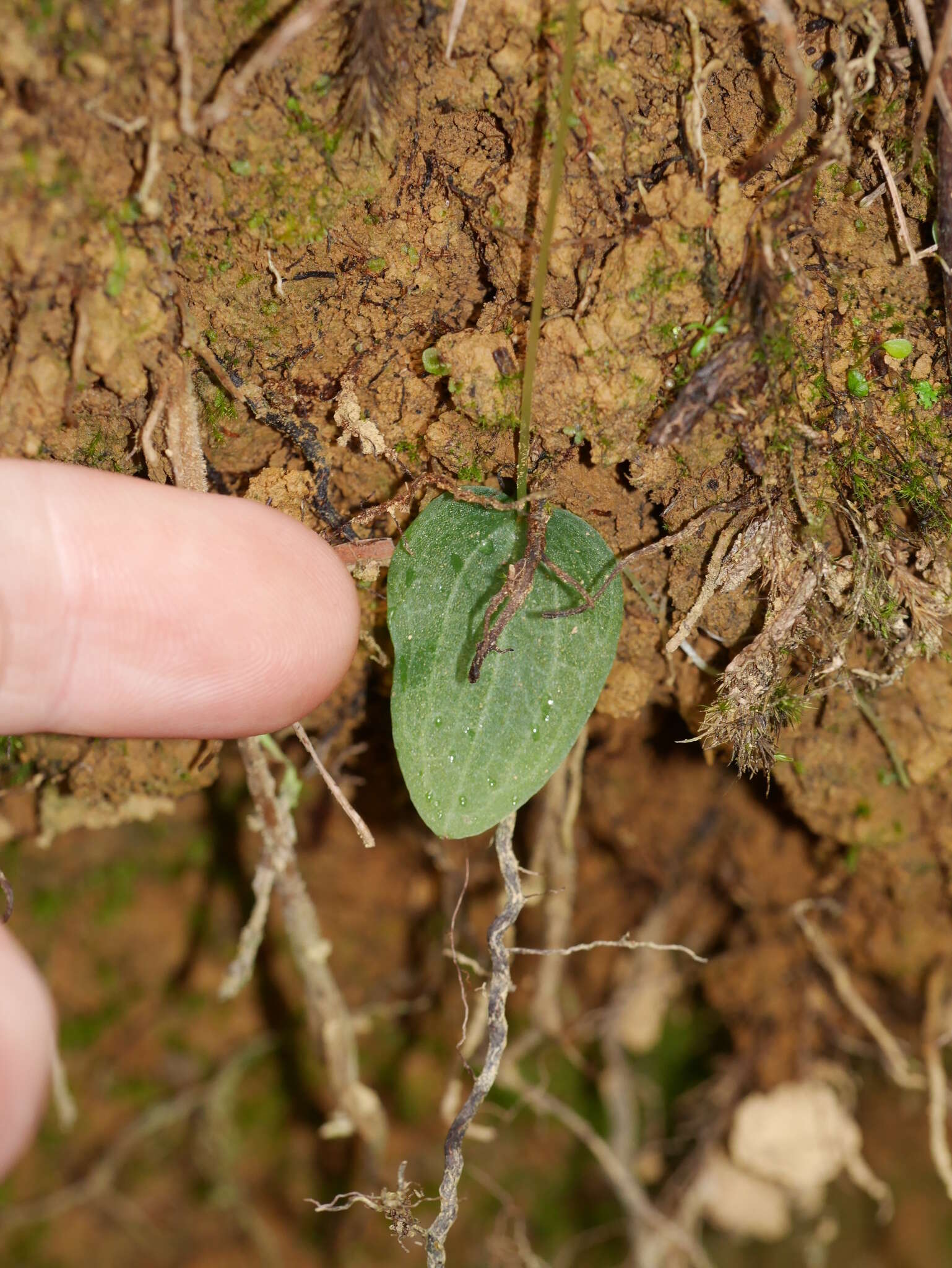
Cyrtostylis
Cyrtostylis, commonly known as gnat orchids, is a genus of five or six species of flowering plants in the orchid family Orchidaceae and is native to Australia and New Zealand. Cyrtostylis orchids often form dense colonies of genetically identical plants. They have a single heart-shaped leaf and a thin flowering stem with pale coloured insect-like flowers. The lateral sepals and petals are similar in size and colour but the labellum is shelf-like and conspicuous with two prominent glands at its base.
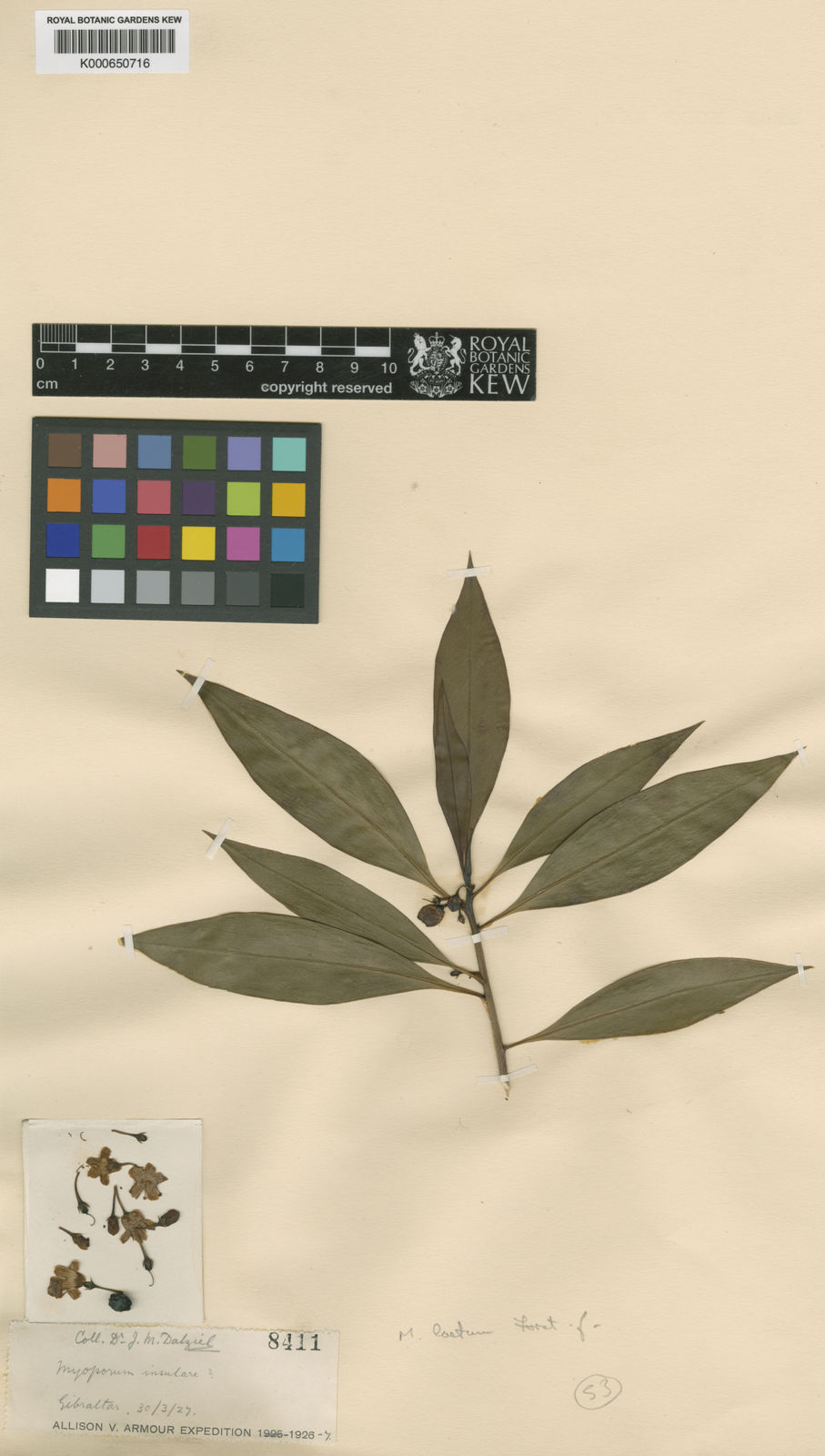
Myoporum laetum
species of plant
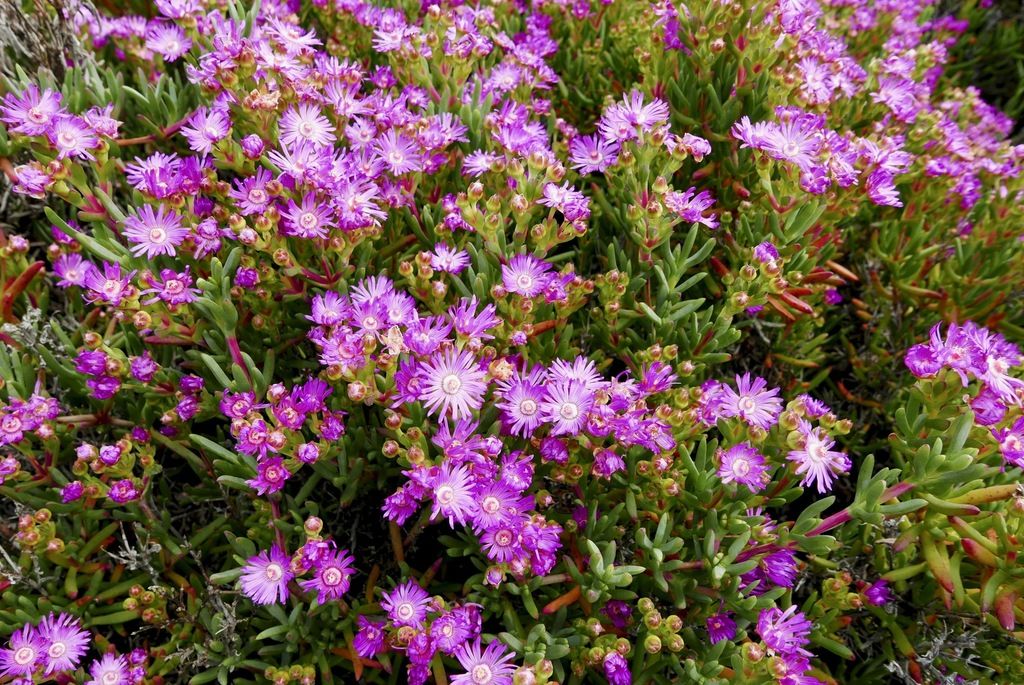
Disphyma
Disphyma is a genus of flowering plants in the family Aizoaceae that are native to New Zealand, Australia, and the Cape Provinces of South Africa. Plants in this genus are prostrate, annual or short-lived perennial shrubs with succulent leaves and daisy-like flowers arranged singly on the ends of shoots with petal-like staminodes, many stamens and usually five styles.
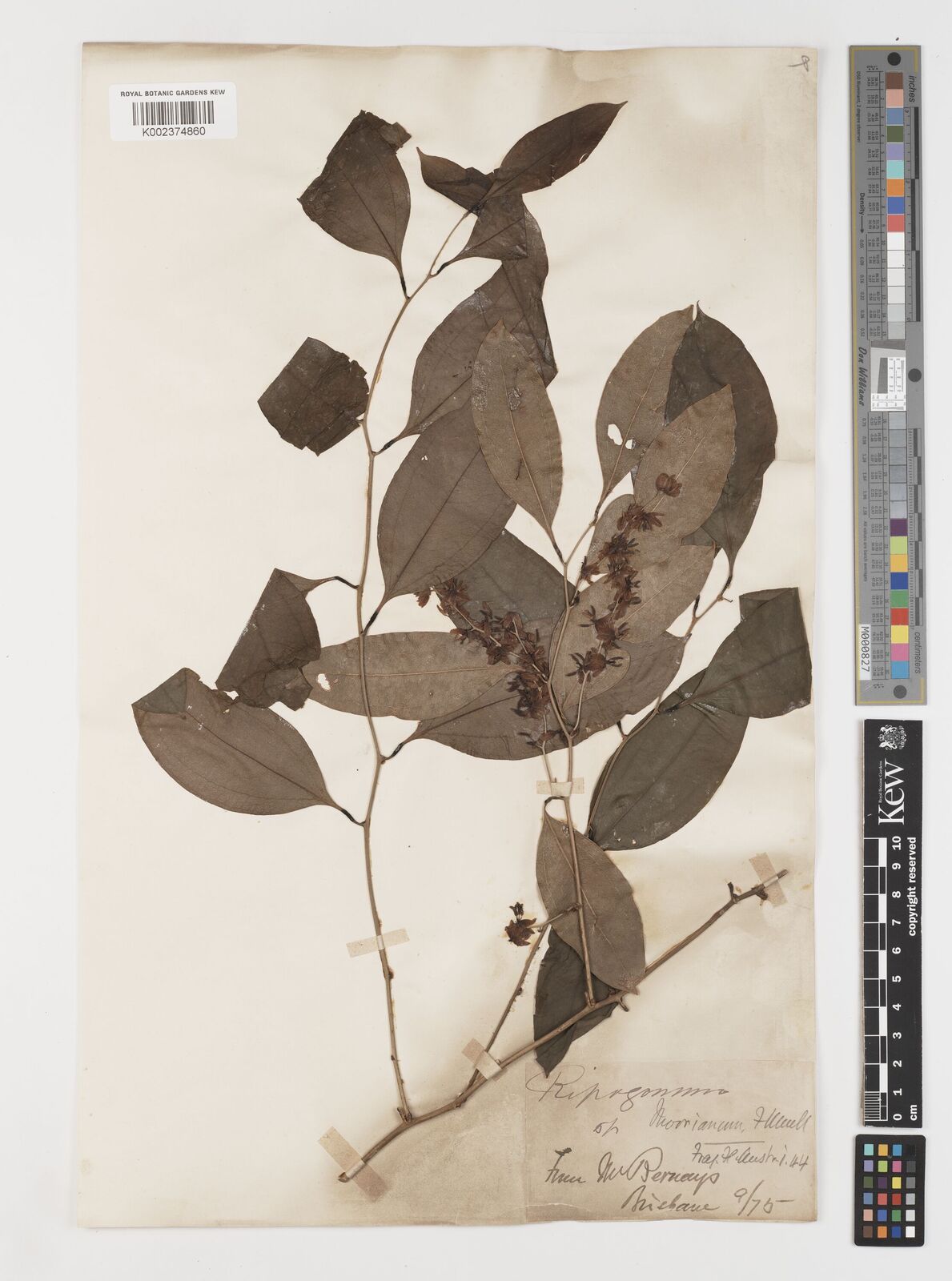
Ripogonum
Ripogonum (sometimes Rhipogonum) is a genus of flowering plants confined to eastern Australia, New Zealand, and New Guinea. Until recently this genus was included in the family Smilacaceae, and earlier in the family Liliaceae, but it has now been separated as its own family Ripogonaceae (sometimes Rhipogonaceae).
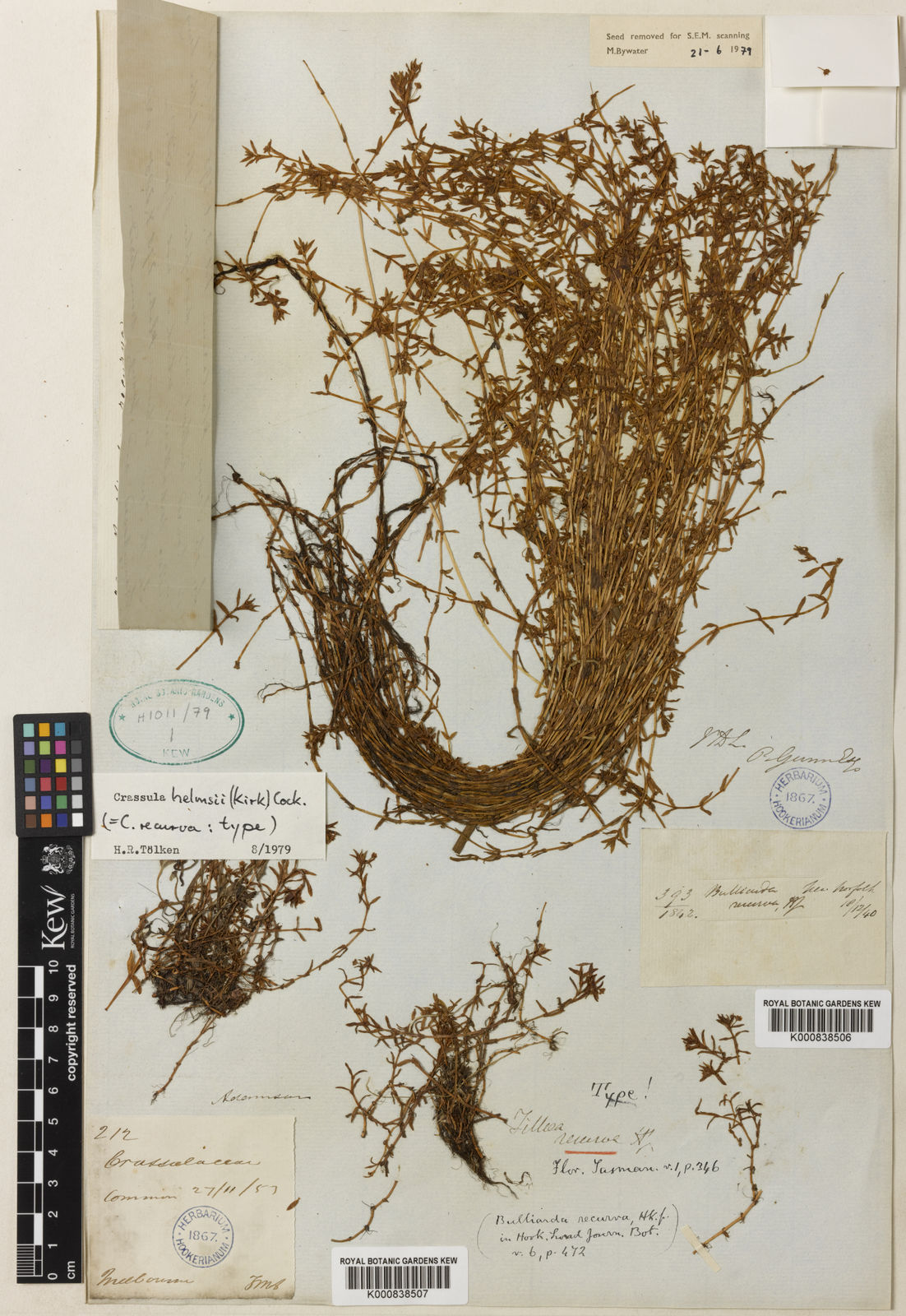
Crassula helmsii
species of plant
antarctic flora
distinct community of plants which evolved on the supercontinent of Gondwana

Dichondra repens
species of plant
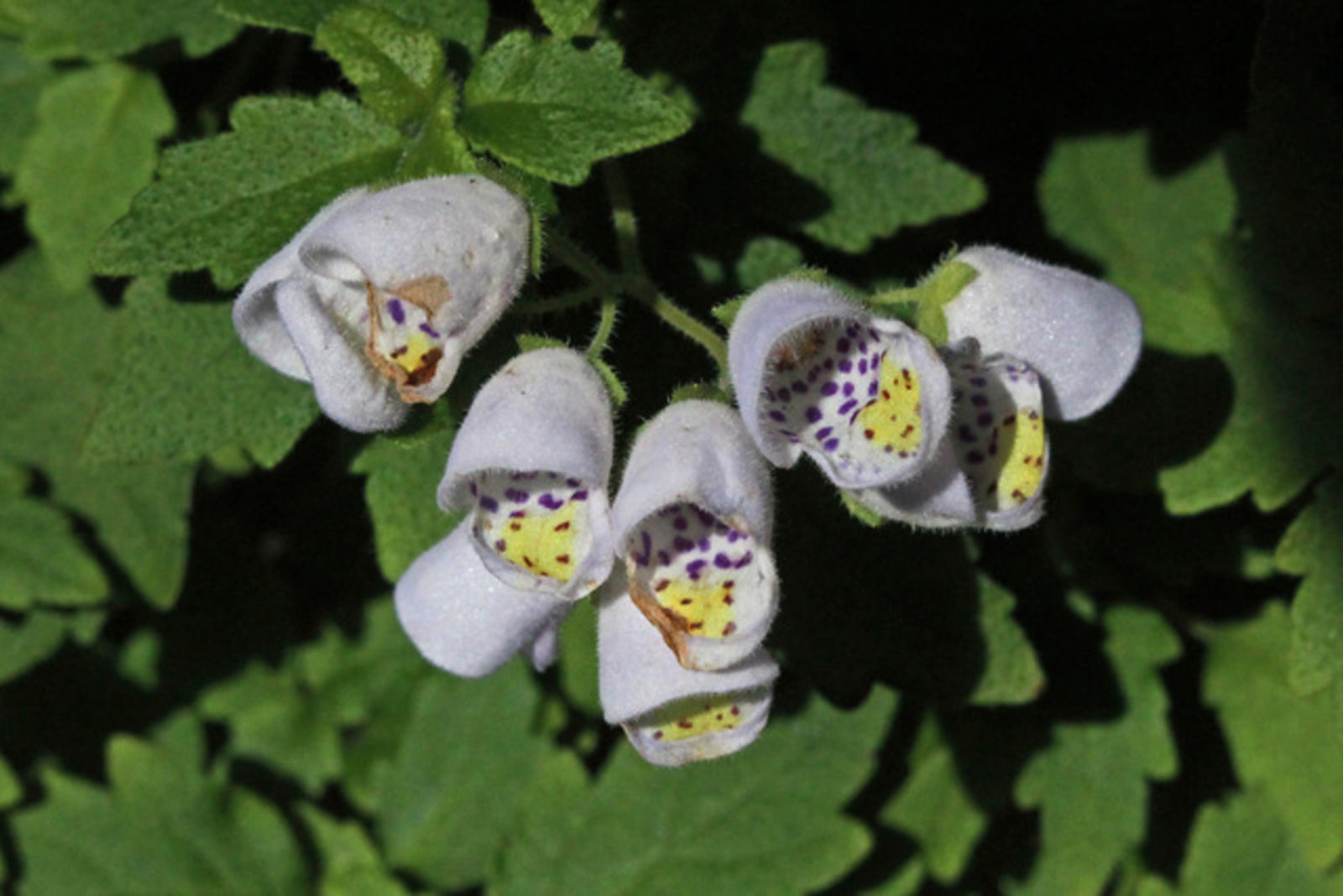
Jovellana
Jovellana is a genus of flowering plants in the family Calceolariaceae. It was formerly included in Scrophulariaceae, and is still listed by some authorities as belonging there. However, recent molecular research indicates that the family Scrophulariaceae was polyphyletic,
meaning that it contained more than one lineage with different parents. So several of its genera - including Jovellana - have been split off and assigned to new or existing families.

Durvillaea antarctica
species of seaweed

Muehlenbeckia complexa
species of plant

Carex buchananii
species of plant

Brachyglottis
Brachyglottis is a genus of flowering plants in the family Asteraceae. The genus was erected on November 29, 1775, by Johann Reinhold Forster and Georg Forster. The name was derived from the Greek brachus ("short")
and glottis ("the vocal apparatus of the larynx") a reference to the size of the ray florets.

Solanum laciniatum
species of plant

Ranunculus lyallii
species of plant

Crassula moschata
species of plant

Fissidens dubius
species of plant

Cardamine corymbosa
species of plant
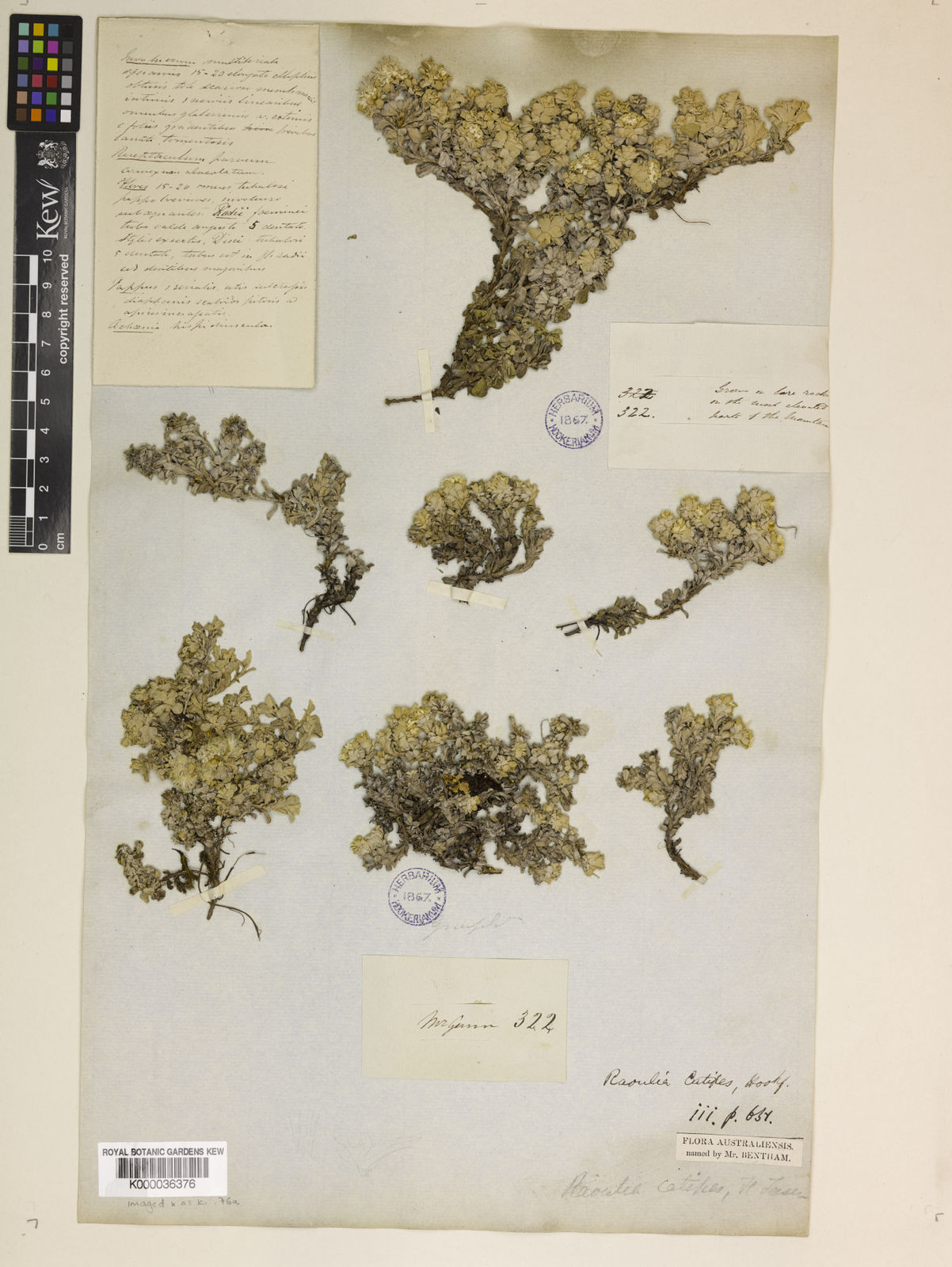
Ewartia
genus of plants
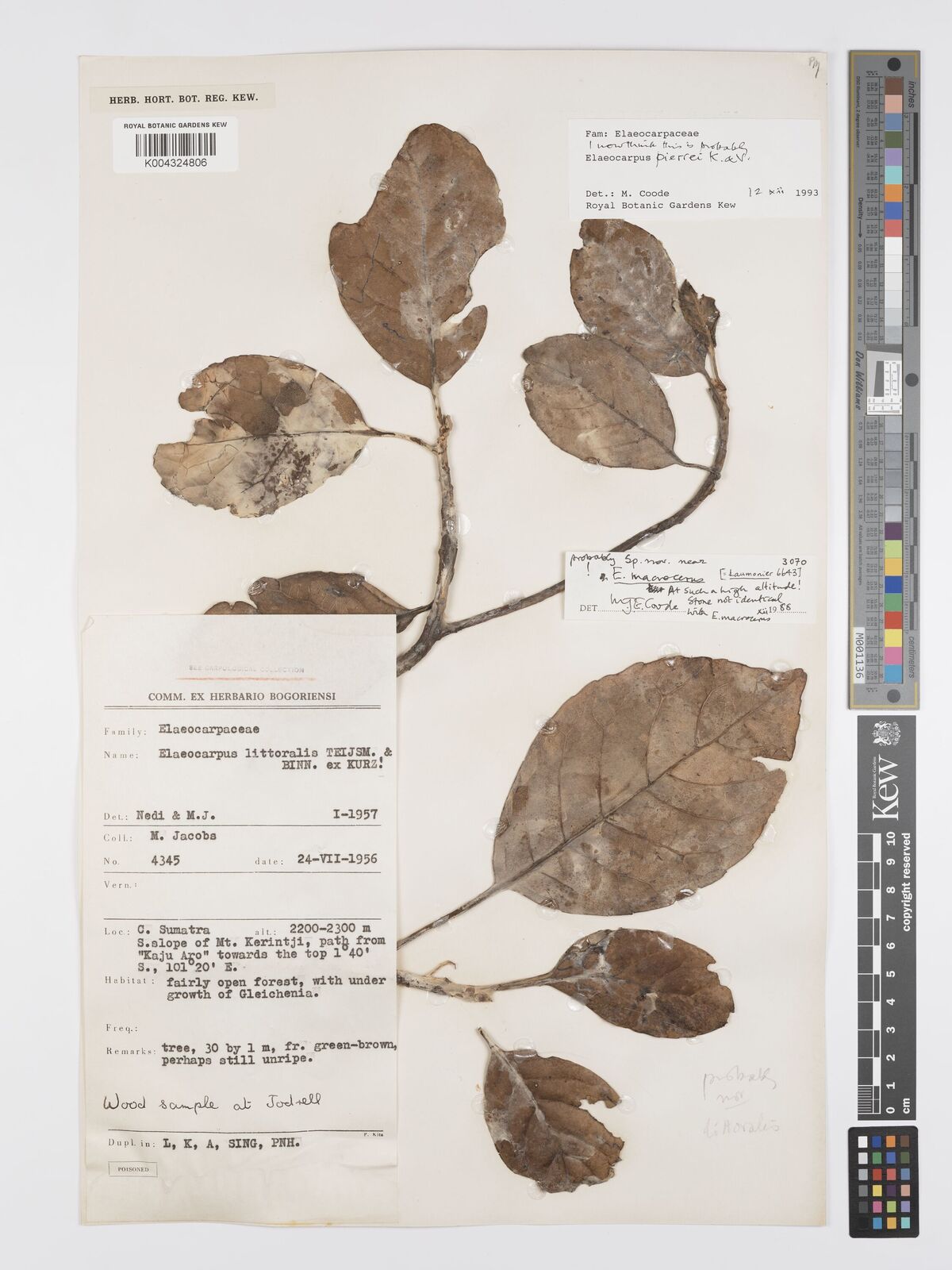
Elaeocarpus dentatus
species of plant

Sphagnum fimbriatum
species of plant
Monoclea
Monoclea is a genus of liverwort that contains two species. It is the only genus in the family Monocleaceae. Species of this genus can be found in New Zealand, South and Central America as well as in the Caribbean.

Phaeoceros carolinianus
species of plant

Clematis paniculata
species of plant

Typha orientalis
species of plant

Xeronema callistemon
species of plant

Carmichaelia
Carmichaelia (New Zealand brooms) is a genus of 24 plant species belonging to Fabaceae, the legume family. All but one species are native to New Zealand; the exception, Carmichaelia exsul, is native to Lord Howe Island and presumably dispersed there from New Zealand.

Crassula decumbens
species of plant

Megaherb
thumb|upright=1.6|Megaherbs on Campbell Island
Megaherbs are a group of herbaceous wildflowers growing in the New Zealand Subantarctic Islands and on the other subantarctic islands. They are characterised by their great size, with huge leaves and very large and often unusually coloured flowers, which have evolved as an adaptation to the harsh weather conditions on the islands. They suffer from overgrazing due to introduced mammals.
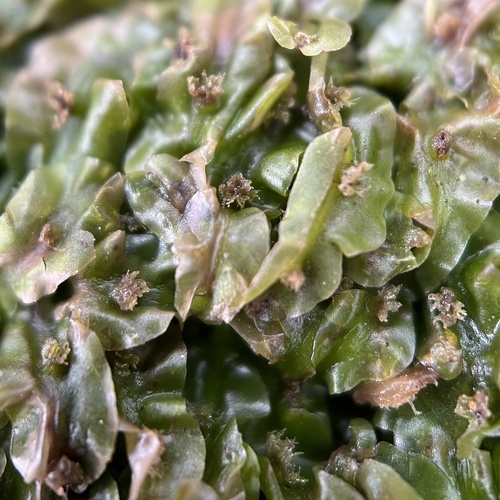
Pallavicinia lyellii
species of plant
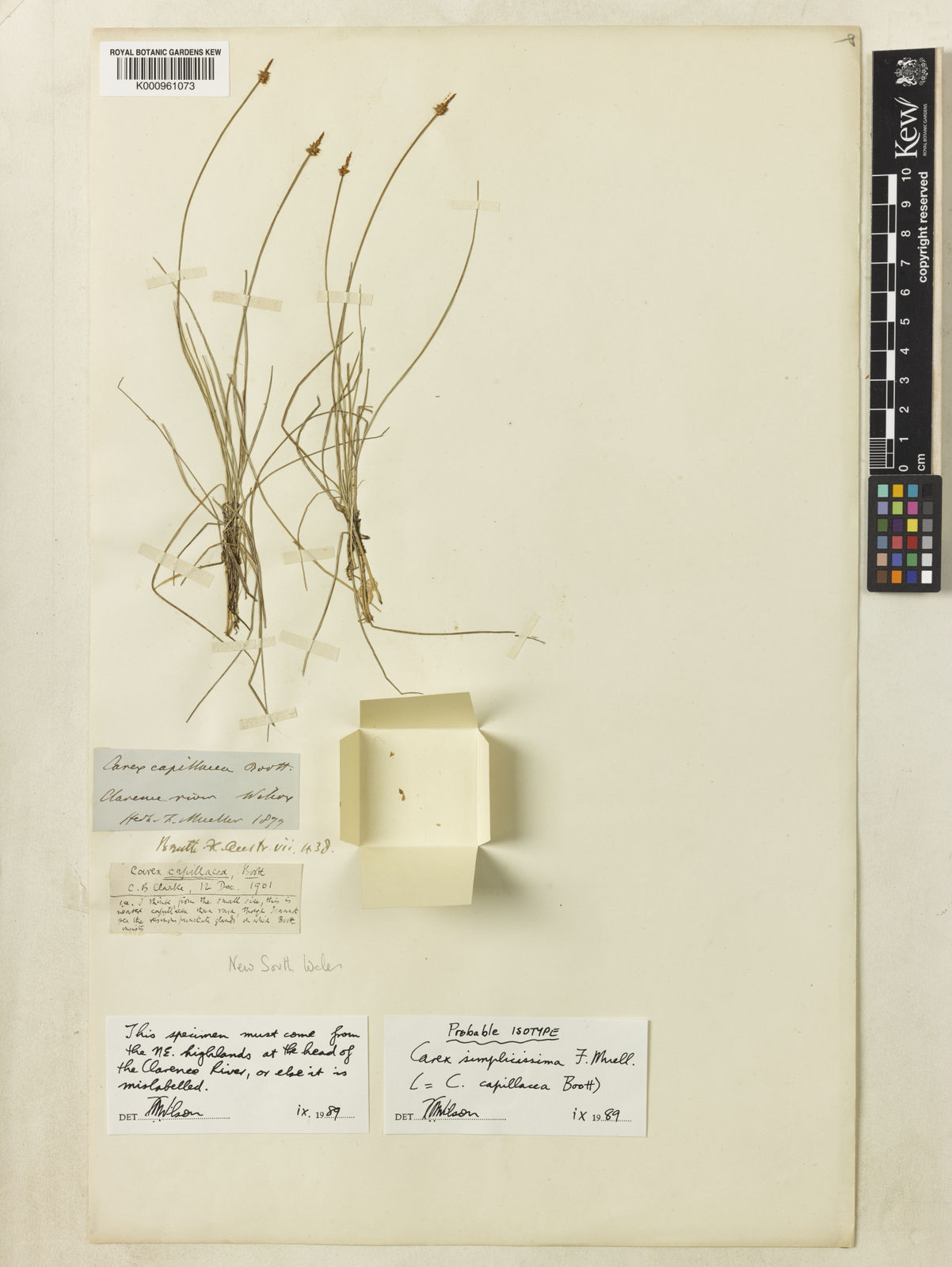
Carex capillacea
species of plant
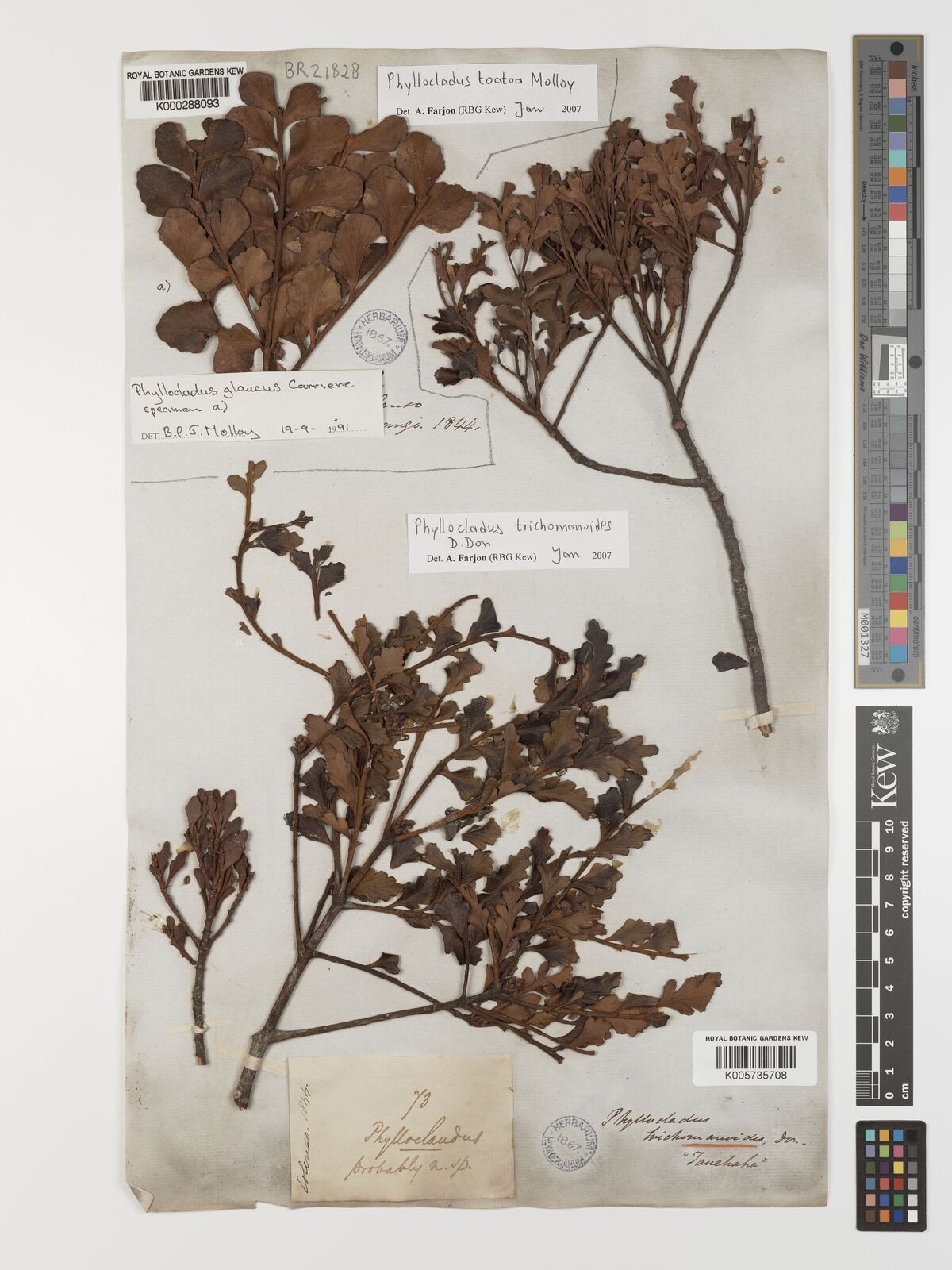
Phyllocladus toatoa
species of plant
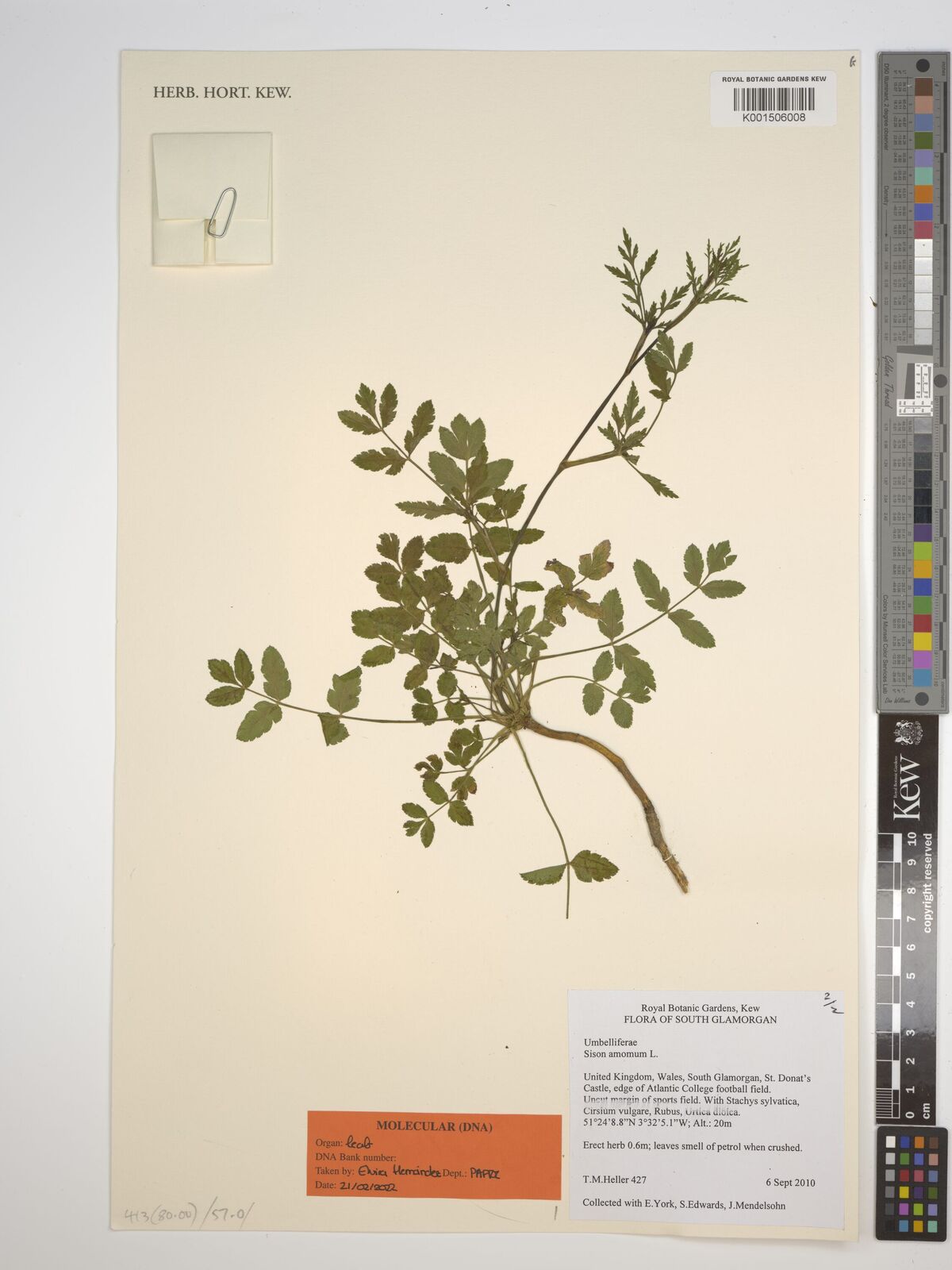
Sison amomum
species of plant

Ipheion uniflorum
species of plant

Oreostylidium subulatum
Oreostylidium is a genus of flowering plants in the family Stylidiaceae with a single species, Oreostylidium subulatum, that is endemic to New Zealand. O. subulatum is a very small plant with small, white flowers. It has a complicated botanical history that has led to a few proposals to move Oreostylidium to the related genus Stylidium. The researchers cite molecular data and suspect that this species is an extreme example of floral paedomorphosis. This would not be an unprecedented move since the single species was initially described as Stylidium subulatum in 1864 and later moved to its own
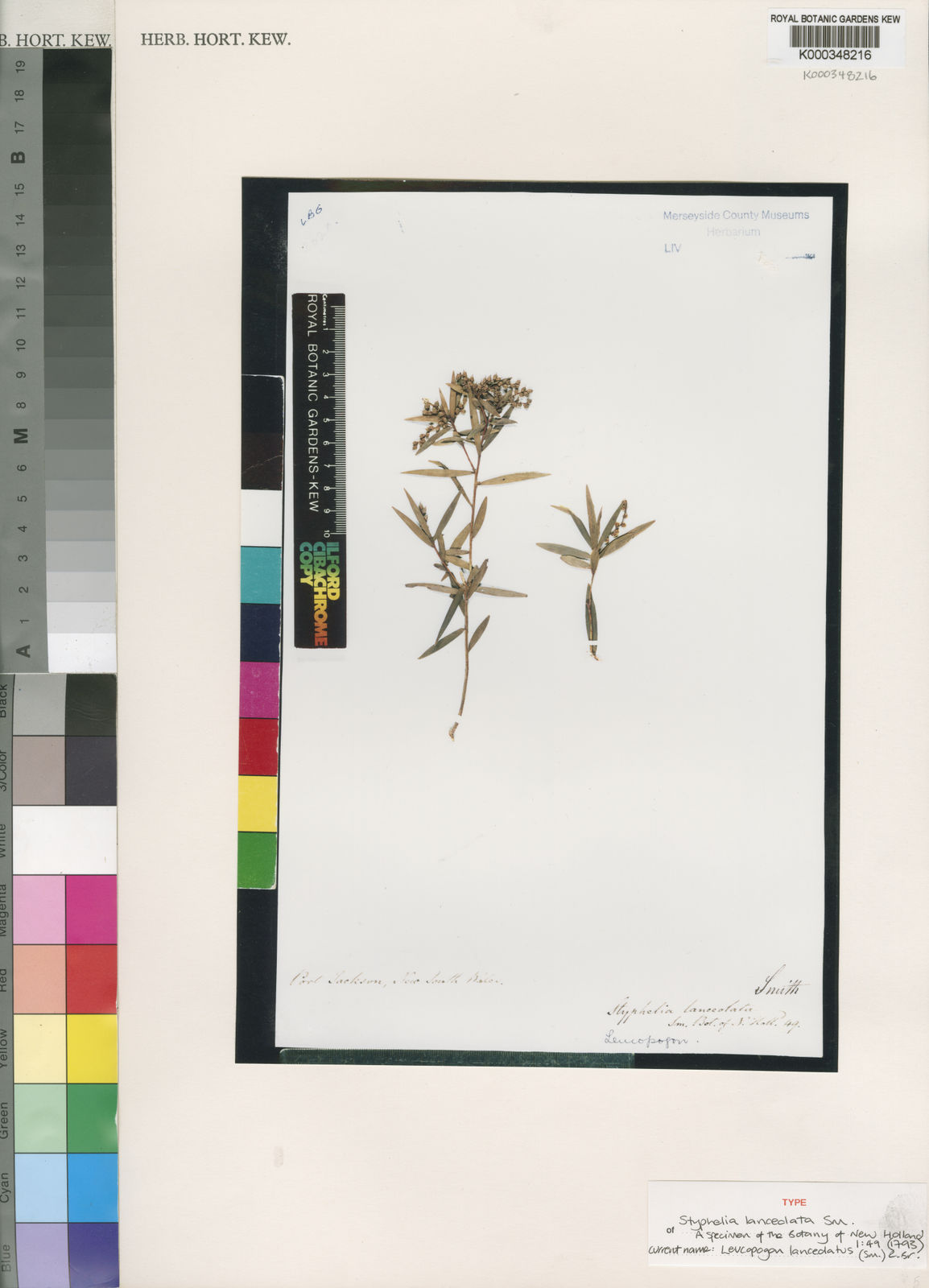
Leptecophylla juniperina
species of plant
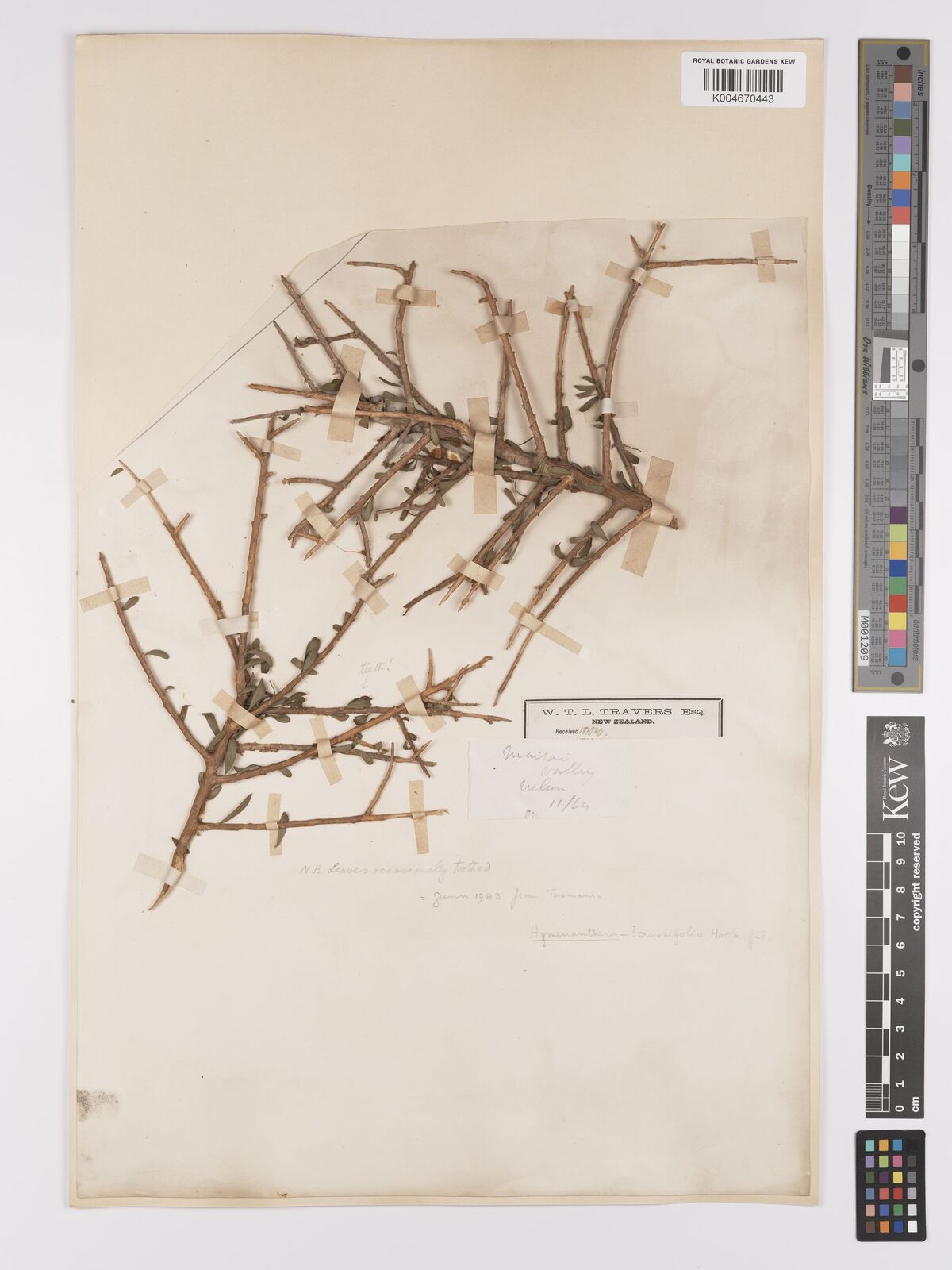
Melicytus crassifolius
species of plant

Acaena rorida
species of plant

Carex pumila
species of plant

Cotula australis
species of plant
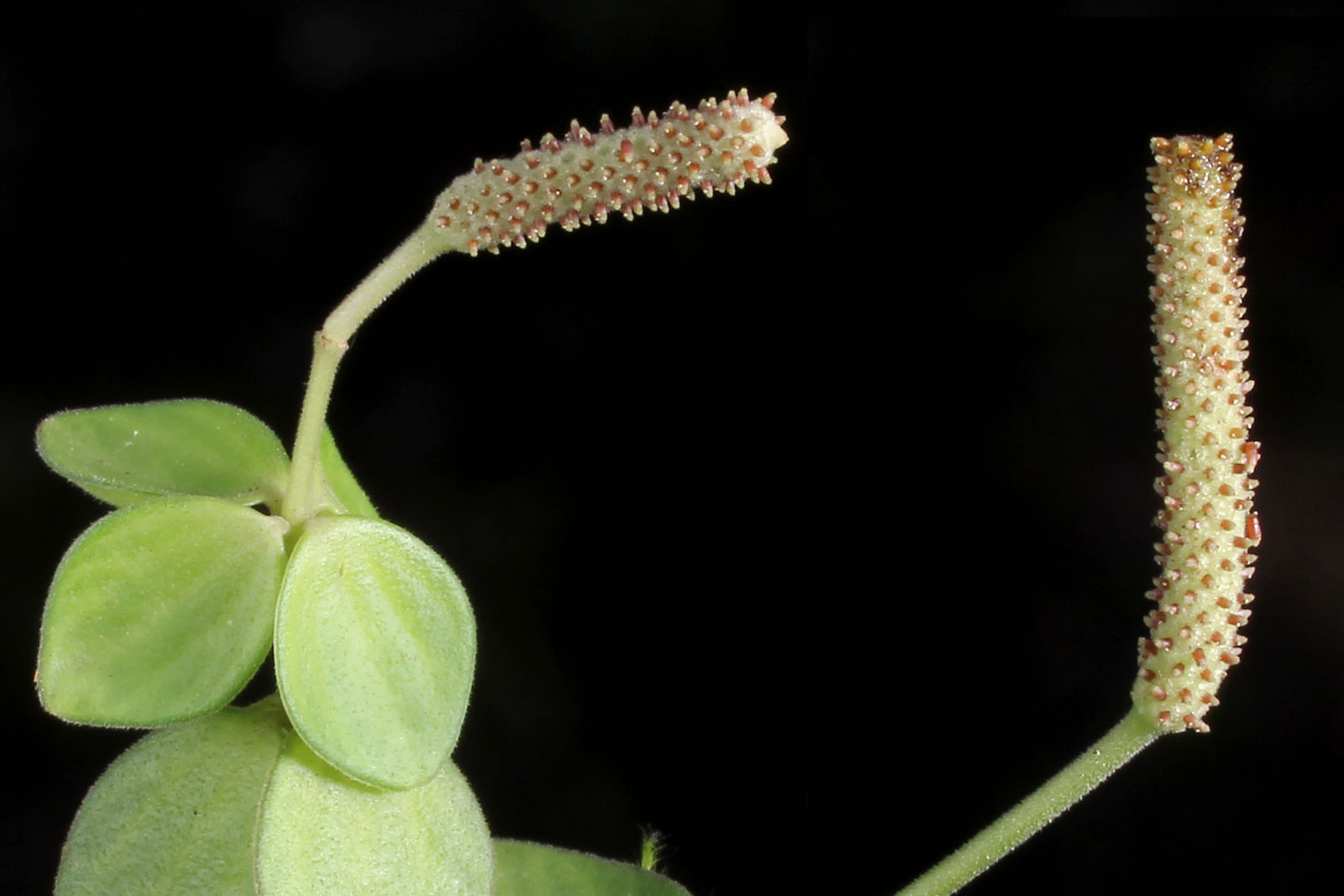
Peperomia tetraphylla
species of plant
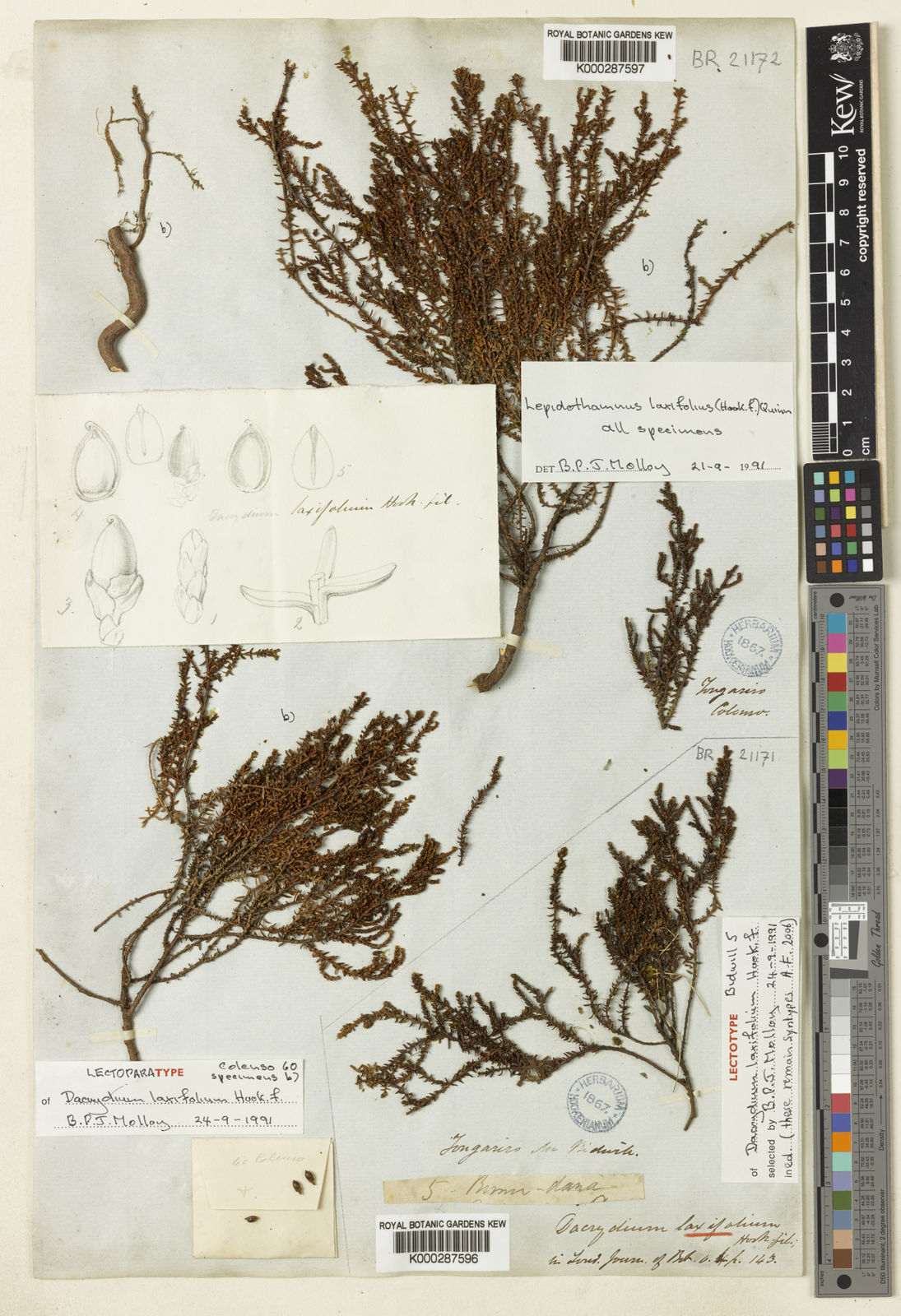
Lepidothamnus laxifolius
species of plant

Corokia
Corokia is a genus in the Argophyllaceae family. The genus was first described in 1839. It comprising six species native to New Zealand, Australia and Rapa Iti. Corokia species are shrubs or small trees with zigzagging (divaricating) branches. In fact, Corokia cotoneaster is commonly known as wire-netting bush. The stems of the shrubs are dark when mature, covered with downy or silky hairs (tomentum) when young. In spring, they produce clusters of small, star-shaped yellow blossoms. Berries are red or yellow. The shrubs prefer forests and rocky areas, sun or light shade, reasonably well draine
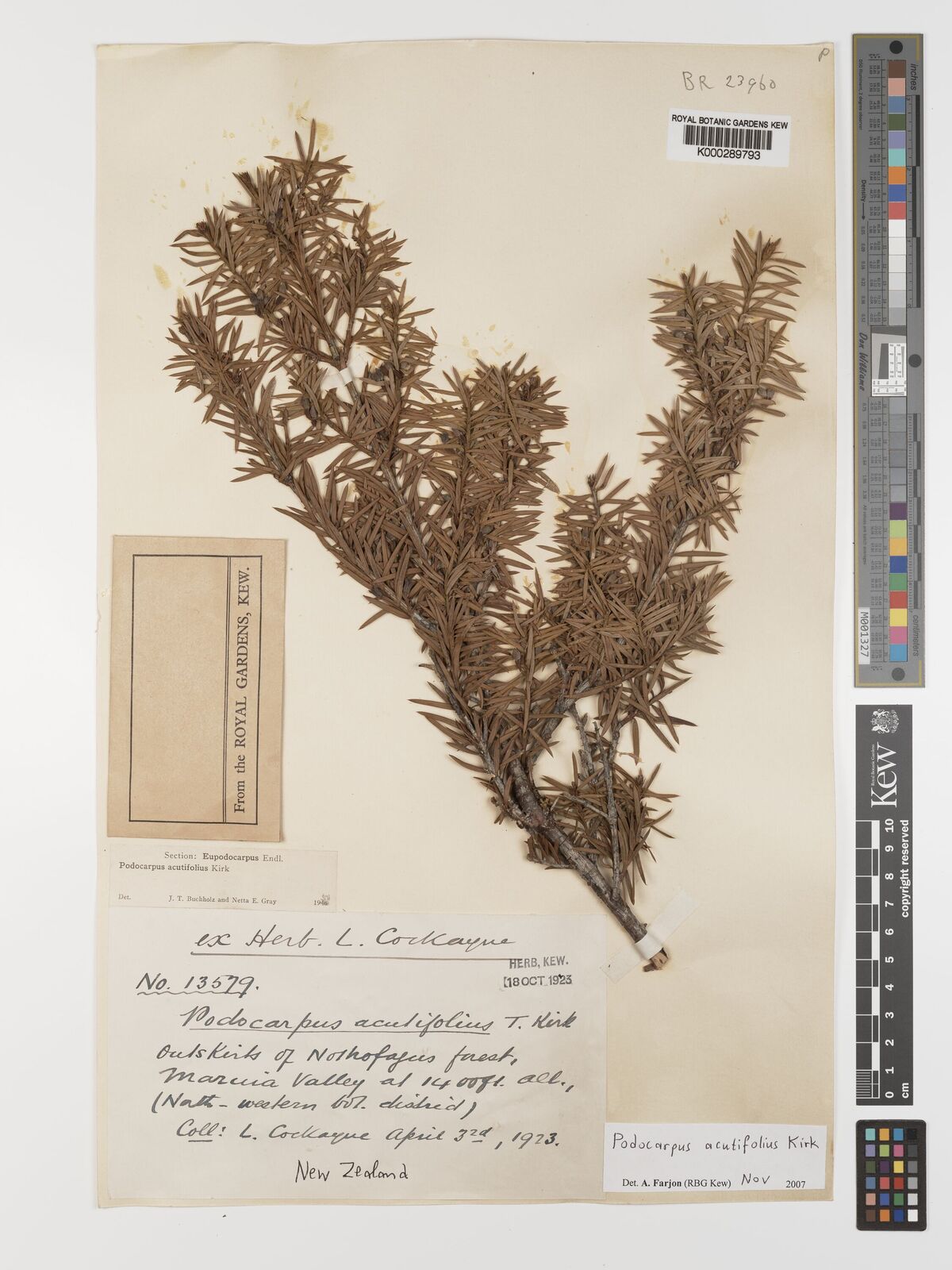
Podocarpus acutifolius
species of plant

Carex cephalotes
species of plant

Cyclosorus interruptus
species of fern