Category
page 1Former monarchies of Europe

Ottoman Empire
The Ottoman Empire, historically also known as the Turkish Empire, was a state that spanned much of Southeast Europe, West Asia, and North Africa from the 14th century to the early 20th century, centered in modern-day Turkey. It also controlled parts of southeastern Central Europe between the early 16th and early 18th centuries.

Roman Empire
period of ancient Rome following the Republic

Holy Roman Empire
multi-ethnic complex of territories in Western and Central Europe (800/962–1806)

Yugoslavia
Yugoslavia (; ) was a country in Central Europe and the Balkans that existed from 1918 to 1992. It came into existence following World War I, under the name of the Kingdom of Serbs, Croats and Slovenes, from the merger of the Kingdom of Serbia with the provisional State of Slovenes, Croats and Serbs, and constituted the first union of South Slavic peoples as a sovereign state, following centuries of foreign rule over the region under the Ottoman Empire and the Habsburg monarchy.

Russian Empire
The Russian Empire was the final period of the Russian monarchy, spanning most of northern Eurasia from its establishment in November 1721 until the proclamation of the Russian Republic in September 1917. At its height in the late 19th century, it covered about 22,800,000 km2 (8,800,000 sq mi), roughly one-sixth of the world's landmass, making it the third-largest empire in history, behind only the British and Mongol empires. It also colonized Alaska between 1799 and 1867. The empire's 1897 census, the only one it conducted, found a population of 125.6 million with considerable ethnic, linguistic, religious, and socioeconomic diversity.

Austria–Hungary
Austria-Hungary, also referred to as the Austro-Hungarian Empire and officially as the Austro-Hungarian Monarchy, was a multi-national constitutional dual empire in Central Europe between 1867 and 1918. A military and diplomatic alliance, it consisted of two sovereign states with a single monarch who was titled both the Emperor of Austria and the Apostolic King of Hungary. Austria-Hungary constituted the last phase in the constitutional evolution of the Habsburg monarchy: it was formed with the Austro-Hungarian Compromise of 1867 in the aftermath of the Austro-Prussian War, following wars of i

Mongol Empire
13th- and 14th-century empire originating in Mongolia

Tenerife
Tenerife ( ; ; formerly spelled Teneriffe) is the largest and most-populous island of the Canary Islands, an autonomous community of Spain. With a land area of and a population of 972,018 inhabitants , it is the most-populous island in Spain and the entire Macaronesia region. Tenerife is also home to 42.7% of the total population of the archipelago.

German Empire
German nation-state in Central Europe from 1871 to 1918
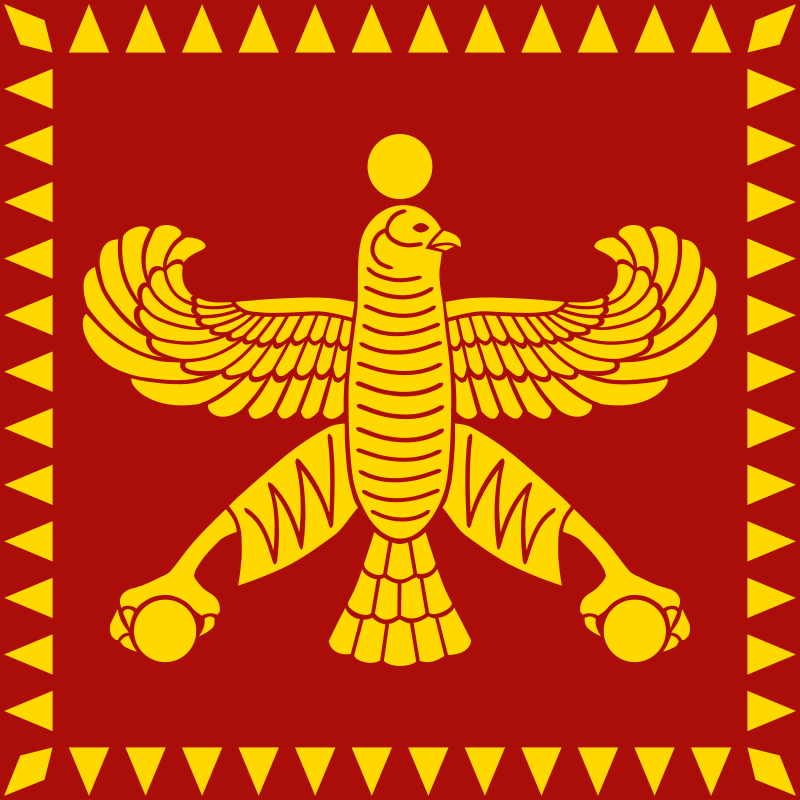
Achaemenid Empire
Iranian (Persian) empire (550–330 BC)
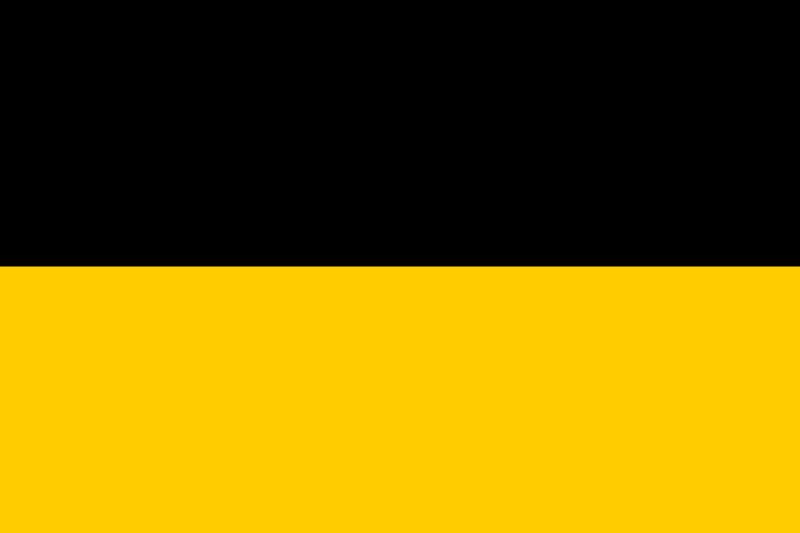
Austrian Empire
Central European multinational Empire from 1804 to 1867

Macedonia
ancient Hellenic kingdom
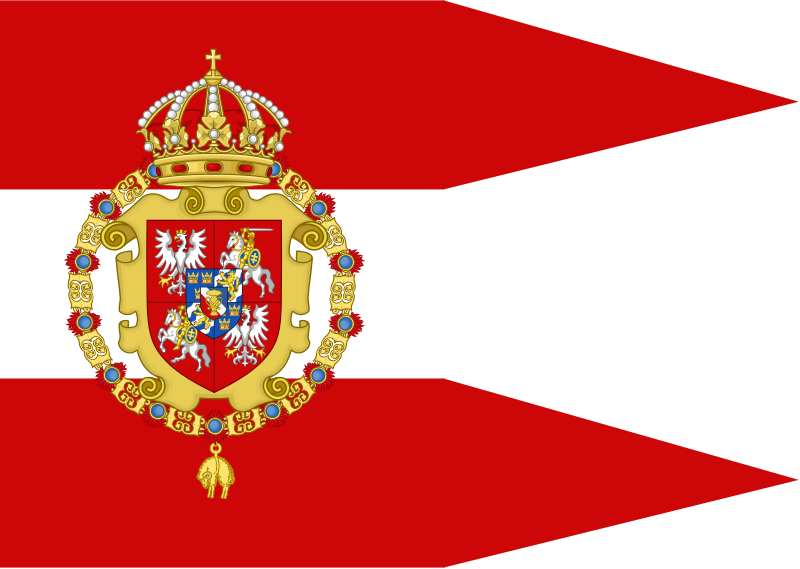
Polish–Lithuanian Commonwealth
historical multinational monarchist state in Eastern Europe (Crown of the Kingdom of Poland and the Grand Duchy of Lithuania)

Western Roman Empire
independently administered western provinces of the Roman Empire
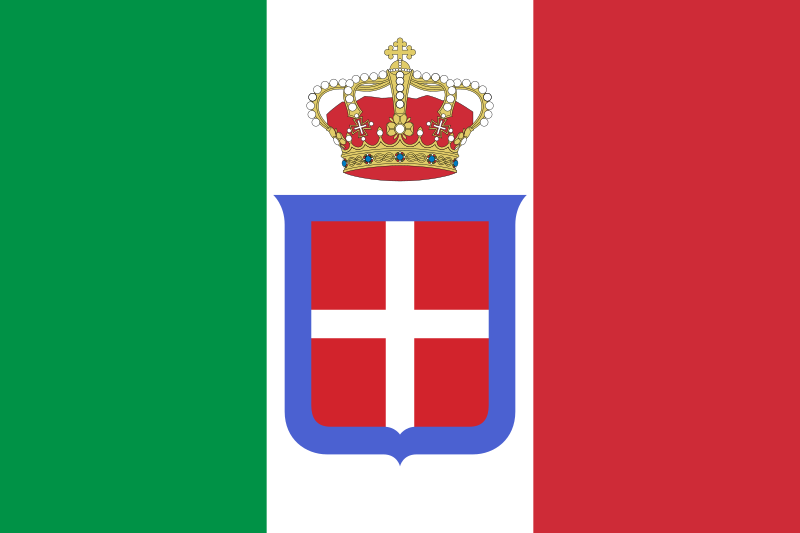
Kingdom of Italy
kingdom in Southern Europe from 1861 to 1946

Kingdom of England
historic kingdom on the British Isles (927–1649; 1660–1707)

Papal States
territories mostly in the Appenine Peninsula under the sovereign direct rule of the pope between 756–1870
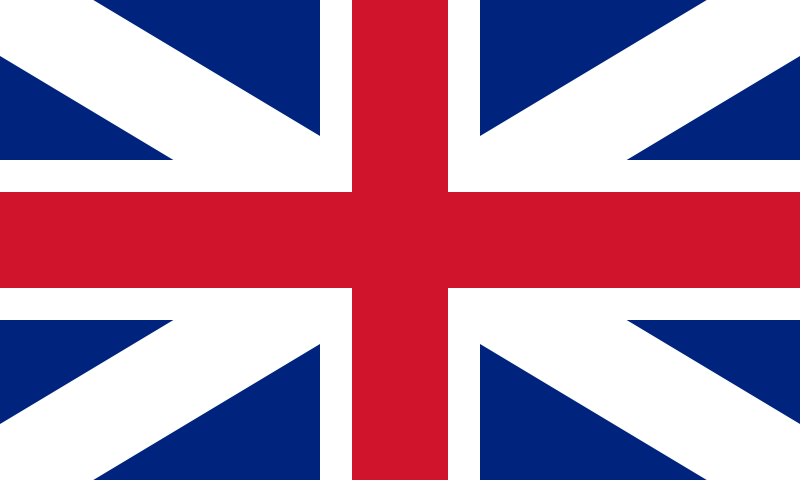
Kingdom of Great Britain
constitutional monarchy in Western Europe (1707–1800)

Kingdom of Prussia
former European state (1701–1918), part of the German Empire after 1871
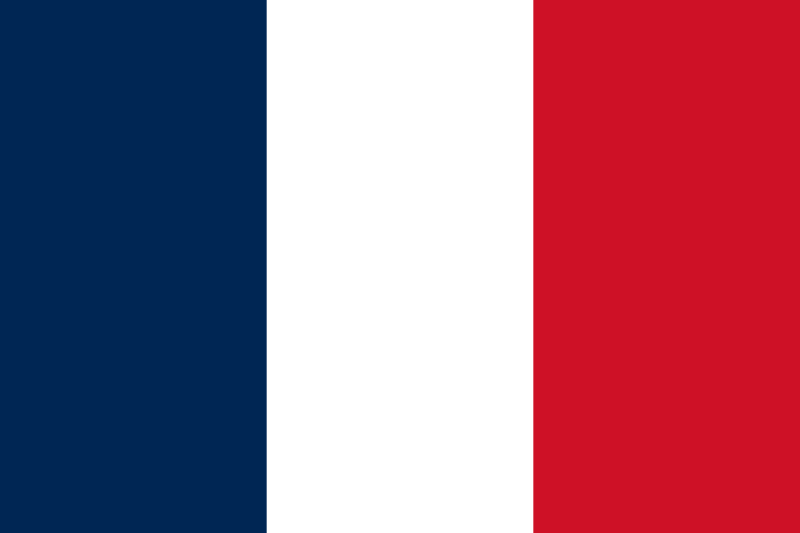
First French Empire
empire of Napoleon I of France, from 1804 to 1815

Kingdom of France
kingdom in Western Europe (987–1792; 1815–1848)

Francia
The Kingdom of the Franks (), also known as the Frankish Kingdom or Francia, was the largest post-Roman kingdom in Western Europe. It was established by the Franks, one of the Germanic peoples. Its founder was King Clovis I who united Frankish tribes and expanded the Frankish realm into the Roman Gaul. During the Early Middle Ages, the kingdom was ruled by the Merovingian and Carolingian dynasties. In 800, it evolved into the Carolingian Empire, thus becoming the longest lasting Germanic kingdom from the era of Great Migrations.

Kalmar Union
former country. personal union of the three kingdoms of Denmark, Sweden and Norway (1397–1523)

United Kingdom of Great Britain and Ireland
historical sovereign state (1801–1922)

Latin Empire
feudal Crusader state founded by the leaders of the Fourth Crusade on lands captured from the Byzantine Empire

Kingdom of Sardinia
state in Southern Europe from 1324 to 1861

Grand Duchy of Lithuania
Eastern European monarchical state that existed from 1236 to 1795

Tsardom of Russia
Russian state from 1547 to 1721

Kingdom of Naples
Italian state (1282–1816)

Roman Kingdom
period of Roman history when the city and its territory were ruled by kings (c.753–c.509 BC)

Kingdom of Yugoslavia
the official name of Yugoslavia during the period of 1929–1941 (de facto)/1945 (de jure)

Merovingian dynasty
Frankish aristocratic family that ruled from the 5th century to 751

Kingdom of Scotland
historic sovereign kingdom on the British Isles from the 9th century and up to 1707

Grand Principality of Moscow
Russian principality (1263–1547)
Habsburg monarchy
monarchy in Europe (1282–1918)

Kingdom of the Two Sicilies
state formed from the kingdoms of Sicily and Naples (1815–1861)

Kingdom of Sicily
former state in southern Italy, 1130–1816
Second French Empire
government of France under Napoleon III, from 1852 to 1870

Kingdom of Aragon
medieval and early modern kingdom in the Iberian Peninsula (1035-1707)

Kingdom of Mercia
Mercia () was an early medieval English kingdom, one of the seven kingdoms of the Anglo-Saxon period. It was centred on the River Trent and its tributaries, in a region now known as the Midlands of England.

First Bulgarian Empire
medieval Bulgar-Slavic and later Bulgarian state that existed in Southeastern Europe between the 7th and 11th centuries AD.

Visigothic Kingdom
Period of Germanic rule on the Iberian Peninsula (418–720) as a successor state to the Western Roman Empire.

Carolingian Empire
800–843 final stage in the history of the early medieval realm of the Franks, ruled by the Carolingian dynasty

Crown of Aragon
composite monarchy which existed between 1162–1716
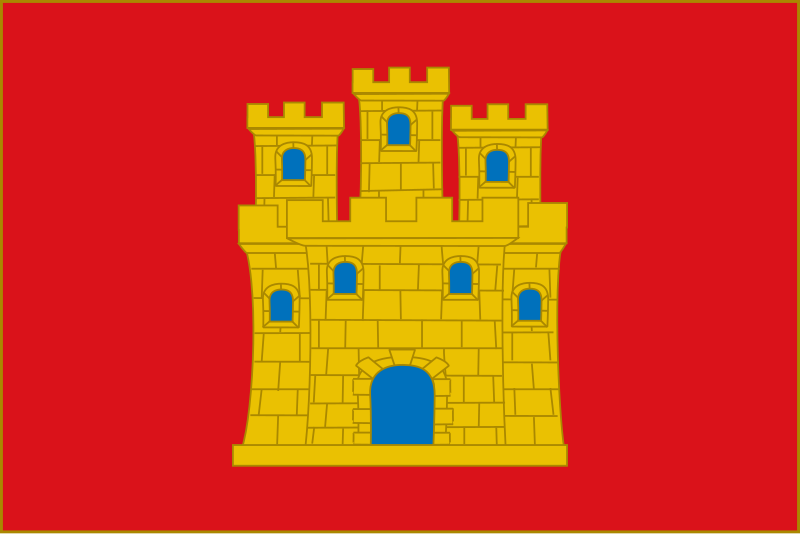
Kingdom of Castile
European sovereign state (1065–1230)

Kingdom of Asturias
former kingdom on the Iberian Peninsula

Kingdom of Leon
independent medieval kingdom in the northwest of the Iberian Peninsula (910–1230), capital León

Empire of Trebizond
Byzantine Greek state on Black Sea coast

Kingdom of Navarre
Basque medieval kingdom that occupied lands on either side of the western Pyrenees, alongside the Atlantic Ocean (1162–1512)
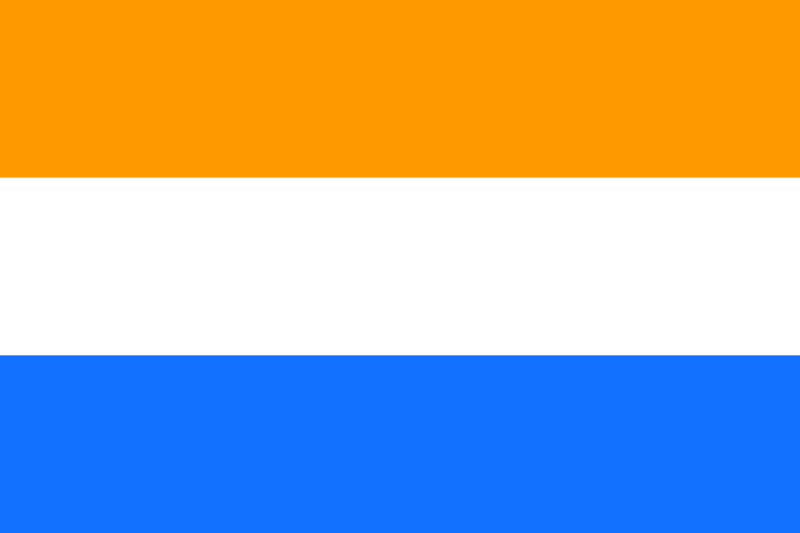
Dutch Empire
overseas territories controlled by the Dutch Republic and the Netherlands
Kingdom of Romania
kingdom in Southeastern Europe between 1881 and 1947
.png)
Grand Principality of Vladimir
The Grand Principality of Vladimir, before 1157 the Principality of Suzdal, and commonly known as Vladimir-Suzdal, or simply Suzdalia and Vladimiria, was a medieval principality that was established during the disintegration of Kievan Rus'. In historiography, the territory of the grand principality and the principalities that emerged from it is commonly denoted as northeast Russia or northeast Rus.

Colchis
In classical antiquity and Greco-Roman geography, Colchis (; ) was an exonym for the Georgian polity of Egrisi () located on the eastern coast of the Black Sea, centered in present-day western Georgia also including the region of Abkhazia.
Kingdom of Serbia
1882–1918 kingdom in Southeastern Europe

Grand Duchy of Finland
predecessor state of modern Finland

Denmark–Norway
Denmark–Norway was a 16th-to-19th-century multi-national and multi-lingual real union consisting of the Kingdom of Denmark, the Kingdom of Norway (including the then Norwegian overseas possessions: the Faroe Islands, Iceland, Greenland, and other possessions), the Duchy of Schleswig, and the Duchy of Holstein. The state also claimed sovereignty over three historical peoples: Frisians, Gutes and Wends. Denmark–Norway had several colonies, namely the Danish Gold Coast, Danish India (the Nicobar Islands, Serampore, Tharangambadi), and the Danish West Indies.

West Francia
former kingdom (843–987)

Kingdom of Greece
period of Greek statehood from 1832 to 1924 and 1935 to 1973
Irish Free State
state on the island of Ireland between December 1922 and December 1937

Kingdom of Northumbria
Northumbria was an early medieval English kingdom, existing between 654 and 1066 AD, spanning modern-day Northern England and Southern Scotland.