Category
page 1Garden plants of Asia
%20(14780111494).jpg)
Prunus persica
The peach (Prunus persica) is a deciduous tree that bears edible juicy fruits with various characteristics. Most are simply called peaches, while the glossy-skinned, non-fuzzy varieties are called nectarines. Though from the same species, they are regarded commercially as different fruits.

Cocos nucifera
The coconut (Cocos nucifera) is a member of the palm family (Arecaceae) and the only living species of the genus Cocos. The term "coconut" (or the archaic "cocoanut") can denote the whole coconut palm tree or the large hard fruit. Originally native to Central Indo-Pacific, they are ubiquitous in coastal tropical regions.

Ficus carica
The fig is the edible fruit of Ficus carica (the common fig), a species of tree or shrub in the flowering plant family Moraceae, native to the Mediterranean region, and to western and southern Asia. It has been cultivated since ancient times and is now widely grown throughout the world. Ficus carica is the type species of the genus Ficus, which comprises over 800 tropical and subtropical plant species.

Olea europaea
The olive (botanical name Olea europaea, "European olive") is a species of subtropical evergreen tree in the family Oleaceae. Originating in Asia Minor, it is abundant throughout the Mediterranean Basin, with wild subspecies in Africa and western Asia; modern cultivars are traced primarily to the Near East, Aegean Sea, and Strait of Gibraltar. The olive is the type species for its genus, Olea, and lends its name to the Oleaceae plant family, which includes lilac, jasmine, forsythia, and ash. The olive fruit is classed botanically as a drupe, similar in structure and function to the cherry or p

Prunus armeniaca
species of plant; the apricot

Phoenix dactylifera
palm tree cultivated for its edible sweet fruit

Prunus avium
species of plant

Nerium oleander
Nerium oleander ( ), commonly known as oleander, rose laurel, be-still tree or rosebay, is a shrub or small tree cultivated worldwide in temperate and subtropical areas as an ornamental and landscaping plant. It is the only species currently classified in the genus Nerium, belonging to subfamily Apocynoideae of the dogbane family Apocynaceae. It is so widely cultivated that no precise region of origin has been identified, though it is usually associated with the Mediterranean Basin.
Convallaria majalis
species of plant

kiwifruit
right|thumb|Kiwifruit by species: A = Actinidia arguta|A. arguta, C = A. chinensis var. chinensis, D = A. chinensis var. deliciosa, E = A. eriantha, I = A. indochinensis, P = A. polygama, S = A. chinensis var. setosa.
thumb|Green kiwifruit cross section
thumb|Gold kiwifruit cross section
thumb|Kiwifruit's morphology
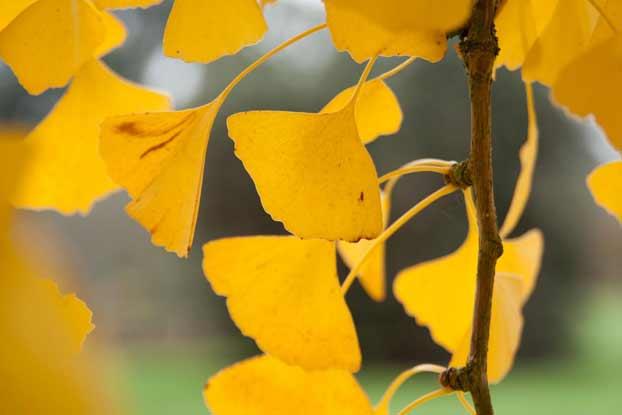
Ginkgo biloba
species of ginkgo tree

Juglans regia
species of plant

Corylus avellana
species of plant

Juniperus communis
species of plant
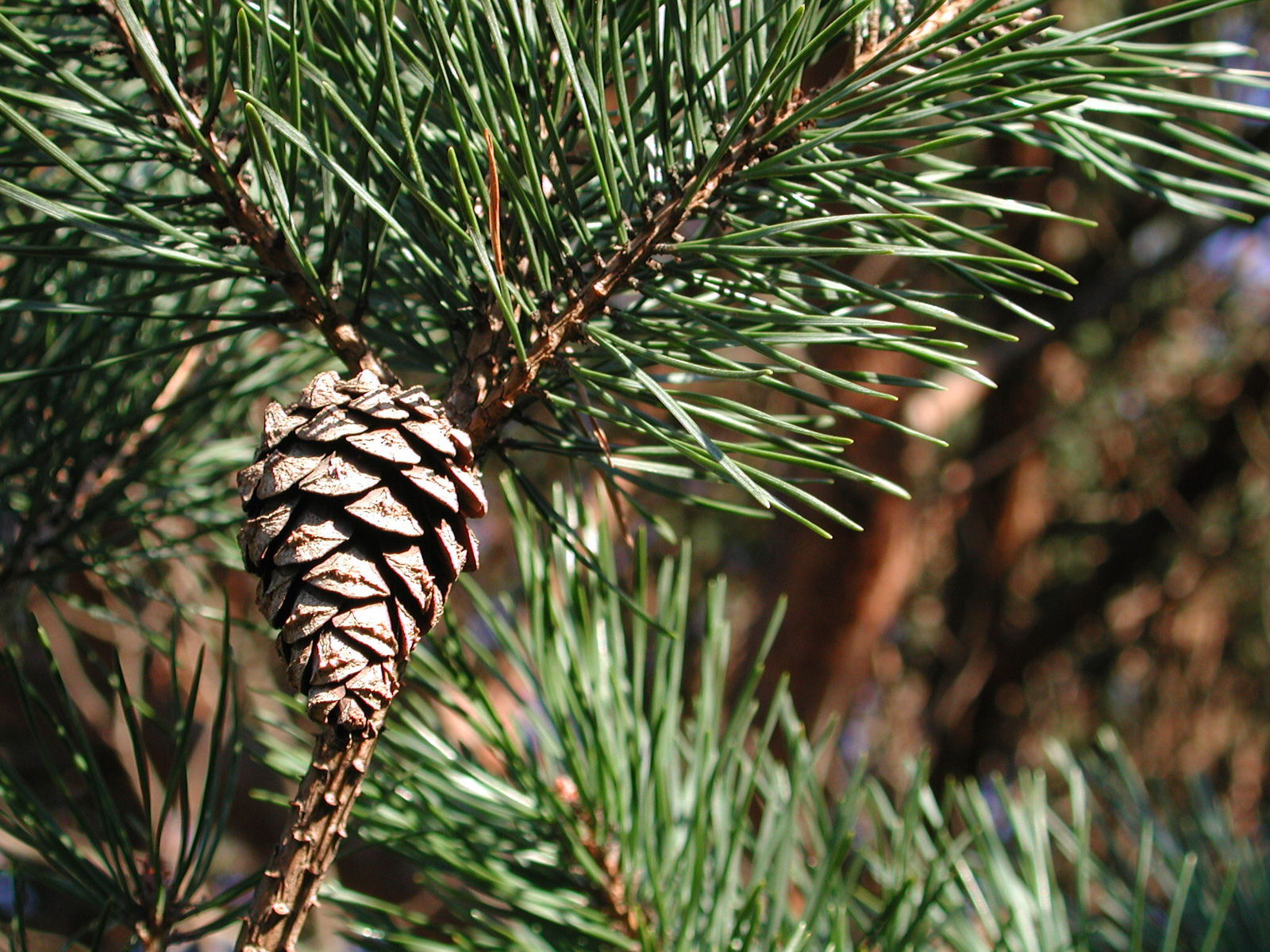
Pinus sylvestris
species of plant
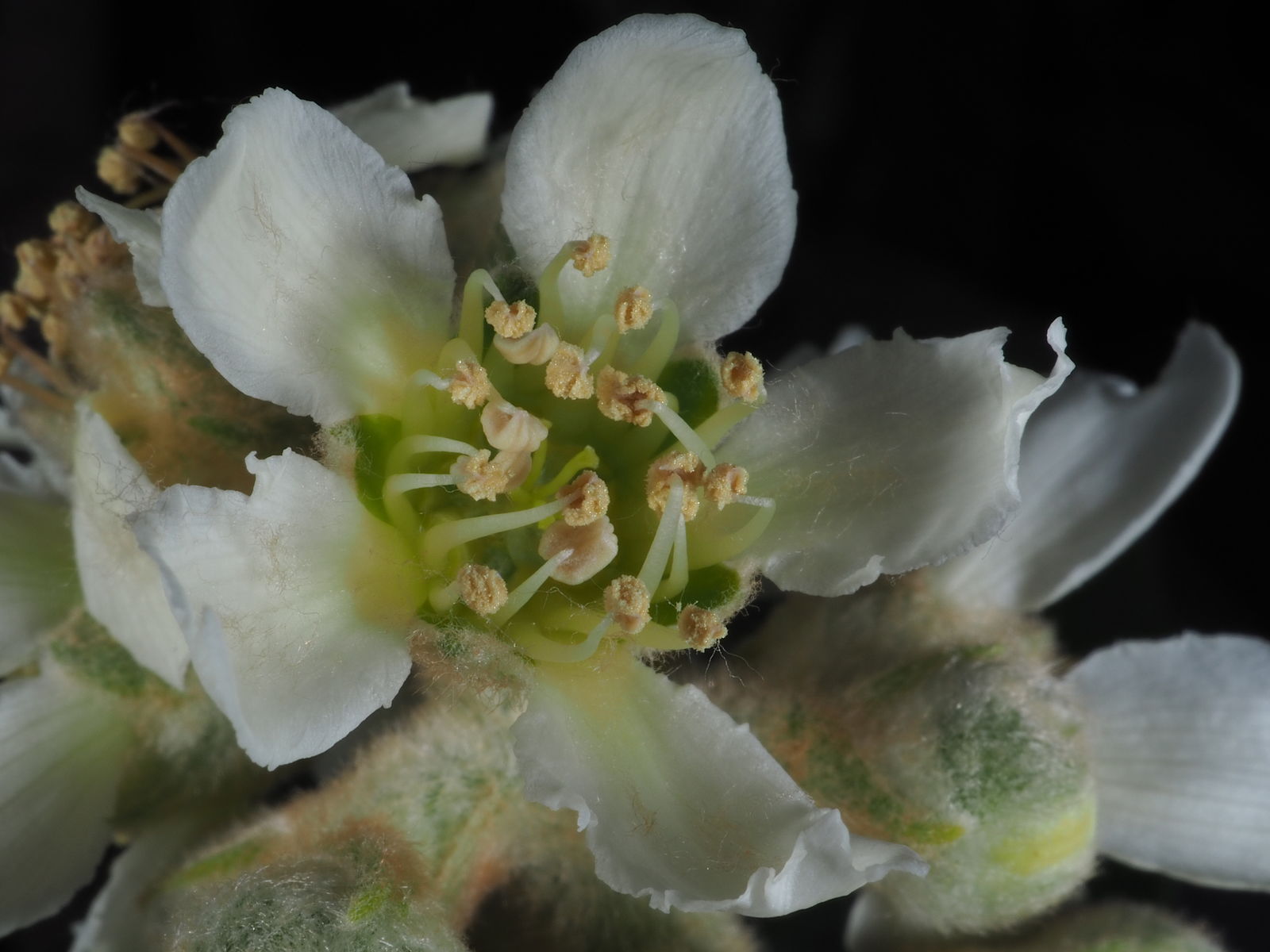
Eriobotrya japonica
The loquat (Eriobotrya japonica, Chinese: 枇杷; Pinyin: pípá) is a large evergreen shrub or tree grown commercially for its orange coloured fruits. It is also cultivated as an ornamental plant.

Bambusoideae
Bamboos are a diverse group of mostly evergreen perennial flowering plants making up the subfamily Bambusoideae of the grass family Poaceae. Giant bamboos are the largest members of the grass family, in the case of Dendrocalamus sinicus having individual stalks (culms) reaching a length of , up to in diameter and a weight of up to . The internodes of bamboos can also be of great length. Kinabaluchloa wrayi has internodes up to in length, and Arthrostylidium schomburgkii has internodes up to in length, exceeded in length only by papyrus. By contrast, the stalks of the tiny bamboo Raddiella vane

Ribes
Ribes () is a genus of approximately 200 known species of flowering plants, predominantly native to the temperate regions of the Northern Hemisphere. Ribes is the sole genus in the plant family Grossulariaceae. The genus includes species commonly referred to as redcurrants, blackcurrants, whitecurrants, and gooseberries. Several species are cultivated both for their edible fruit and as ornamental plants in horticulture. Ribes are the main alternate host for white pine blister rust, a fungal pathogen impacting five-needle pines.
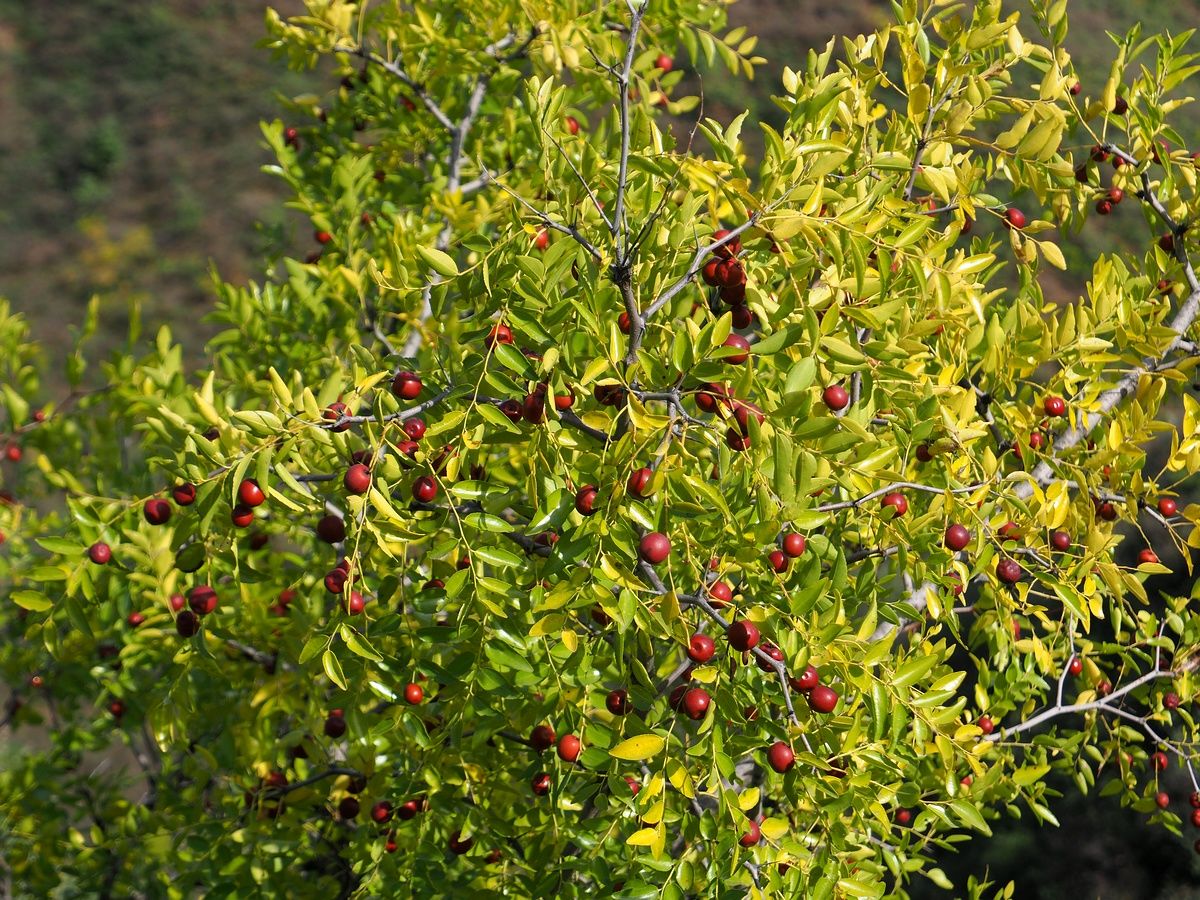
Ziziphus jujuba
Jujube (UK ; US or ), sometimes jujuba, scientific name Ziziphus jujuba, and also called red date, Chinese date, and Chinese jujube, is a species in the genus Ziziphus in the buckthorn family Rhamnaceae. It is often confused with the closely related Indian jujube, Z.mauritiana. The jujube tolerates a diverse range of climates, from temperate to tropical. Its origin is thought to be in eastern Asia, but it has been widely dispersed through cultivation, and is today cultivated in gardens as a shrub as well as in agriculture as a food crop. Its fruit is eaten freshly harvested as well as dried an
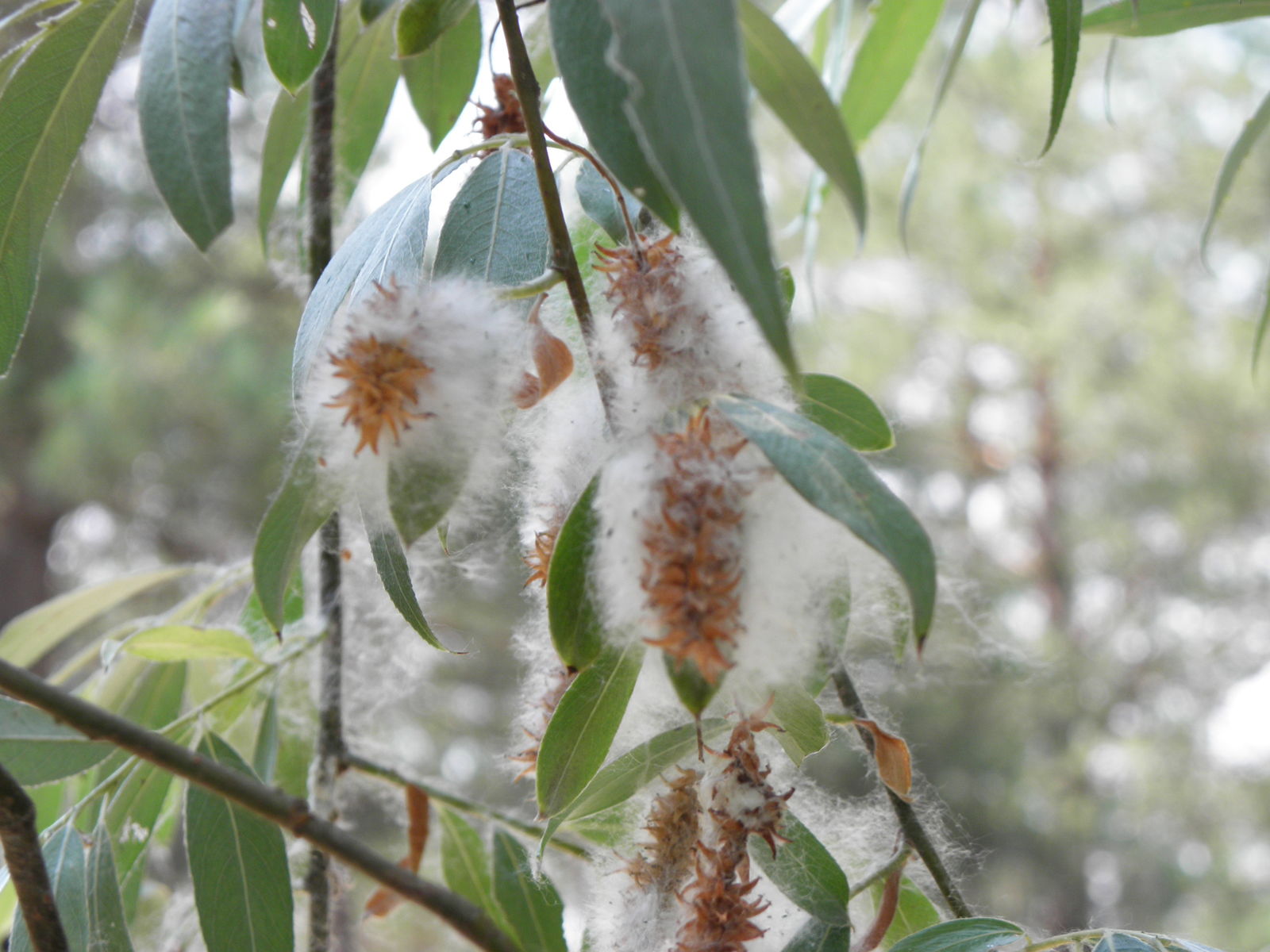
Salix alba
species of plant

Sambucus nigra
species of plant
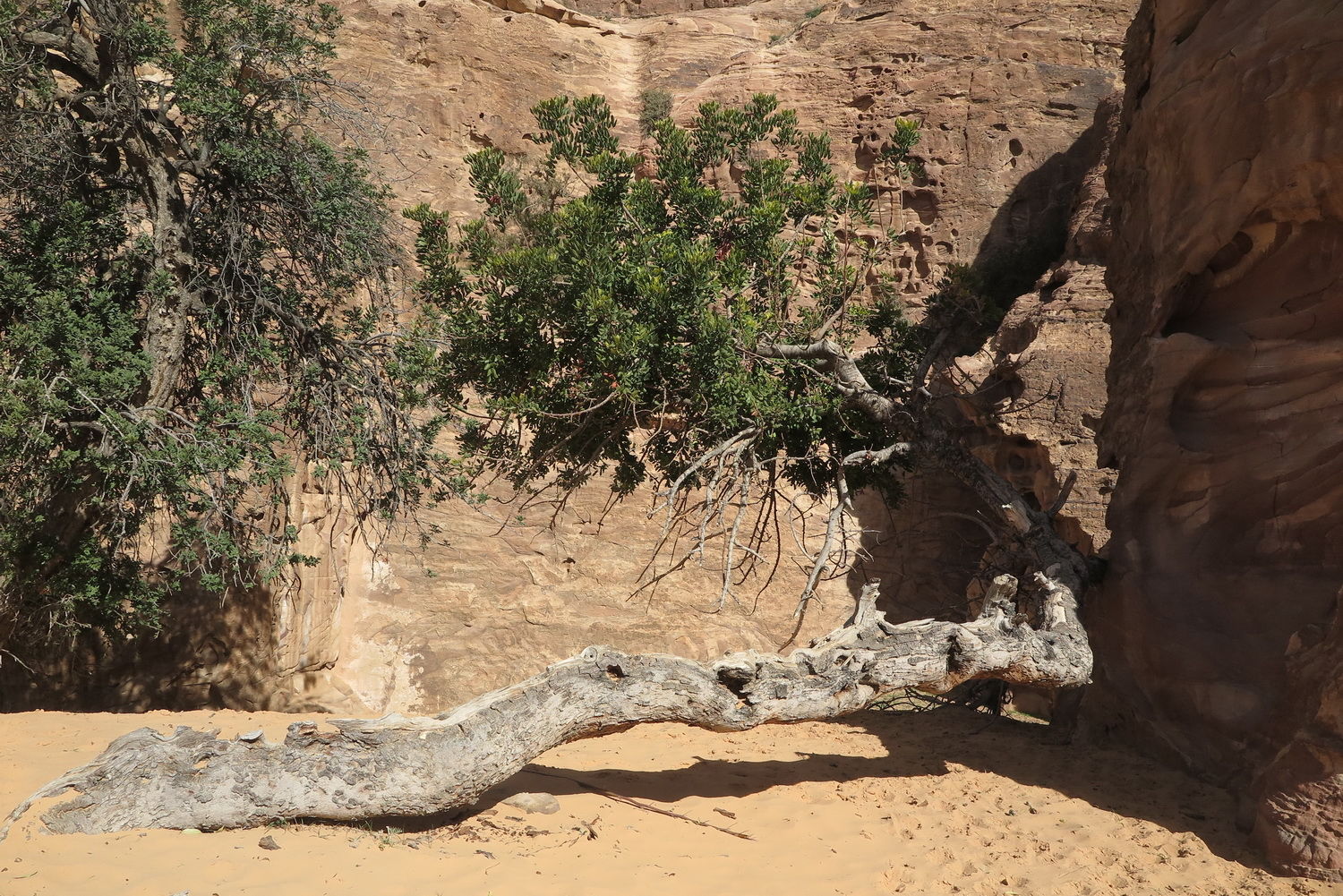
Ceratonia siliqua
The carob ( ; Ceratonia siliqua) is a flowering evergreen tree or shrub in the Caesalpinioideae subfamily of the legume family, Fabaceae. The carob tree is native to the Mediterranean region and the Middle East. It is widely cultivated for its edible fruit, which takes the form of seed pods, and as an ornamental tree in gardens and landscapes. Spain is its largest producer, followed by Italy and Morocco.

Taxus baccata
species of plant

apricot

Citrus medica
The citron (Citrus medica) is a large fragrant citrus fruit with a thick, coarse rind. It resembles a lemon, but is larger. It is one of the original citrus fruits from which all other citrus types developed through natural hybrid speciation or artificial hybridization. Though citron cultivars take on a wide variety of physical forms, they are all closely related genetically. It is used in Asian and Mediterranean cuisine, traditional medicines, perfume, and religious rituals and offerings. Hybrids of citrons with other citrus are commercially more prominent, most notably lemons and many limes,
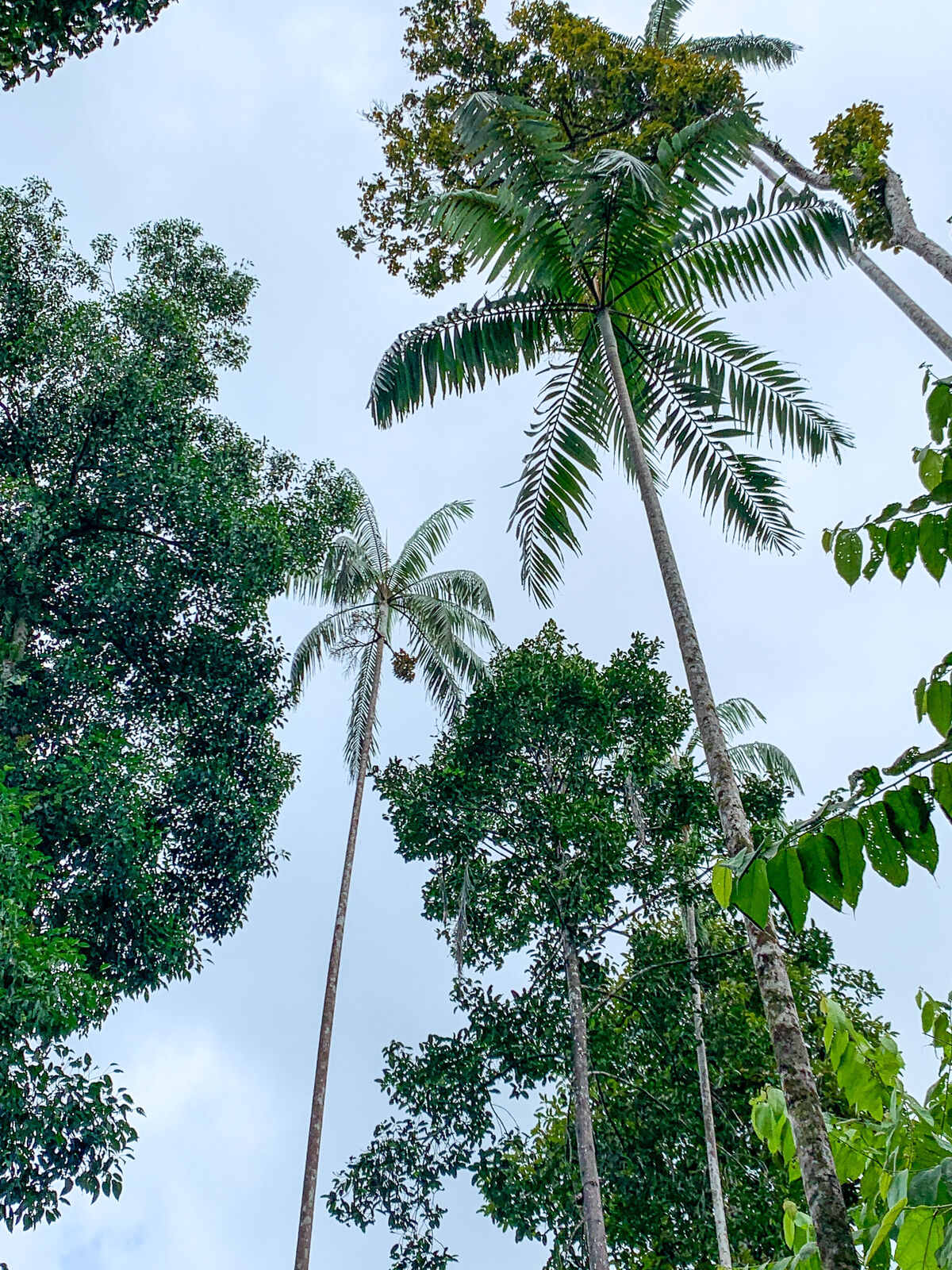
Areca catechu
species of plant
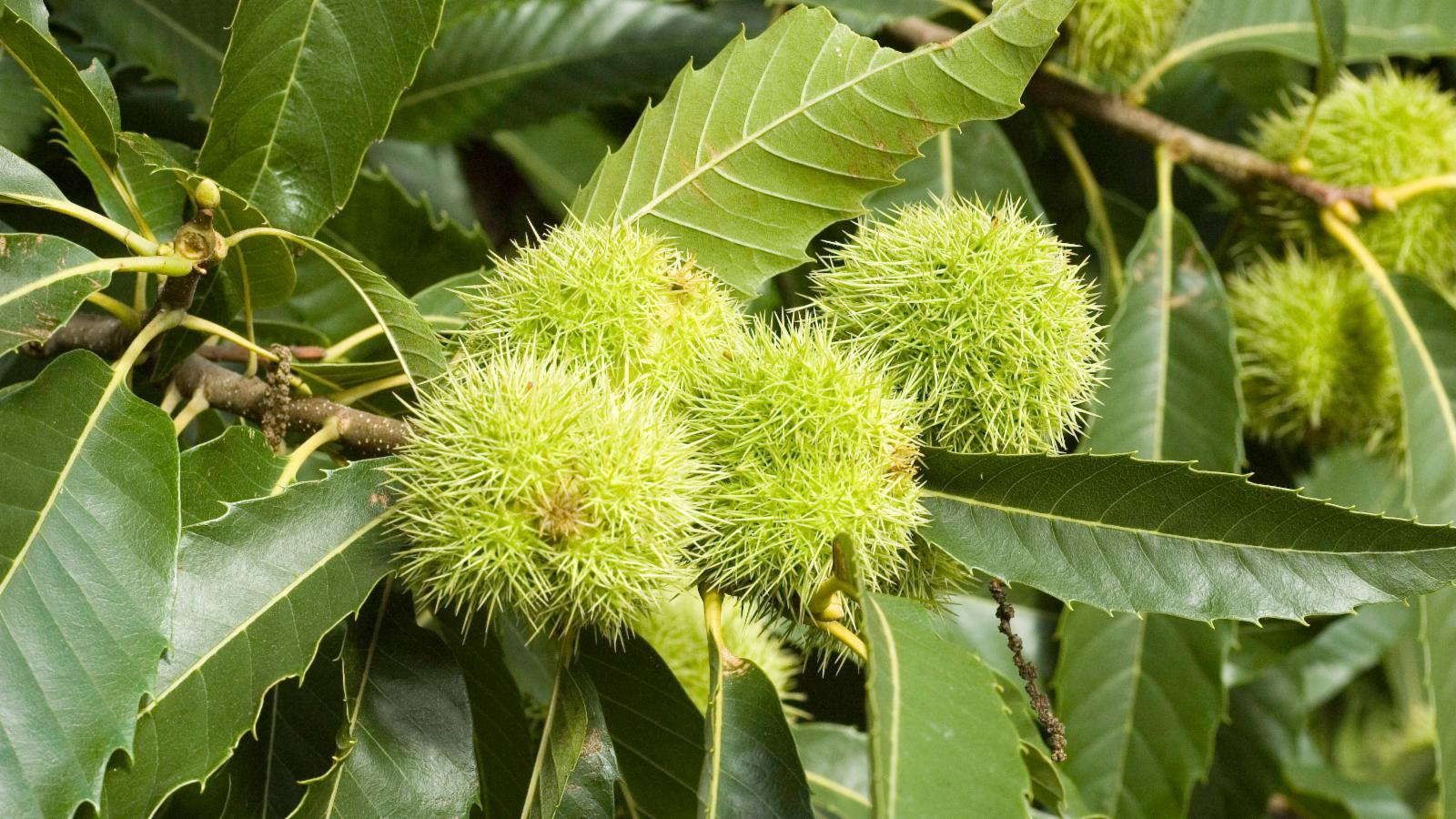
Castanea sativa
species of plant

Capparis spinosa
alt=Capparis spinosa fruit in Behbahan|thumb|Capparis spinosa fruits in Behbahan
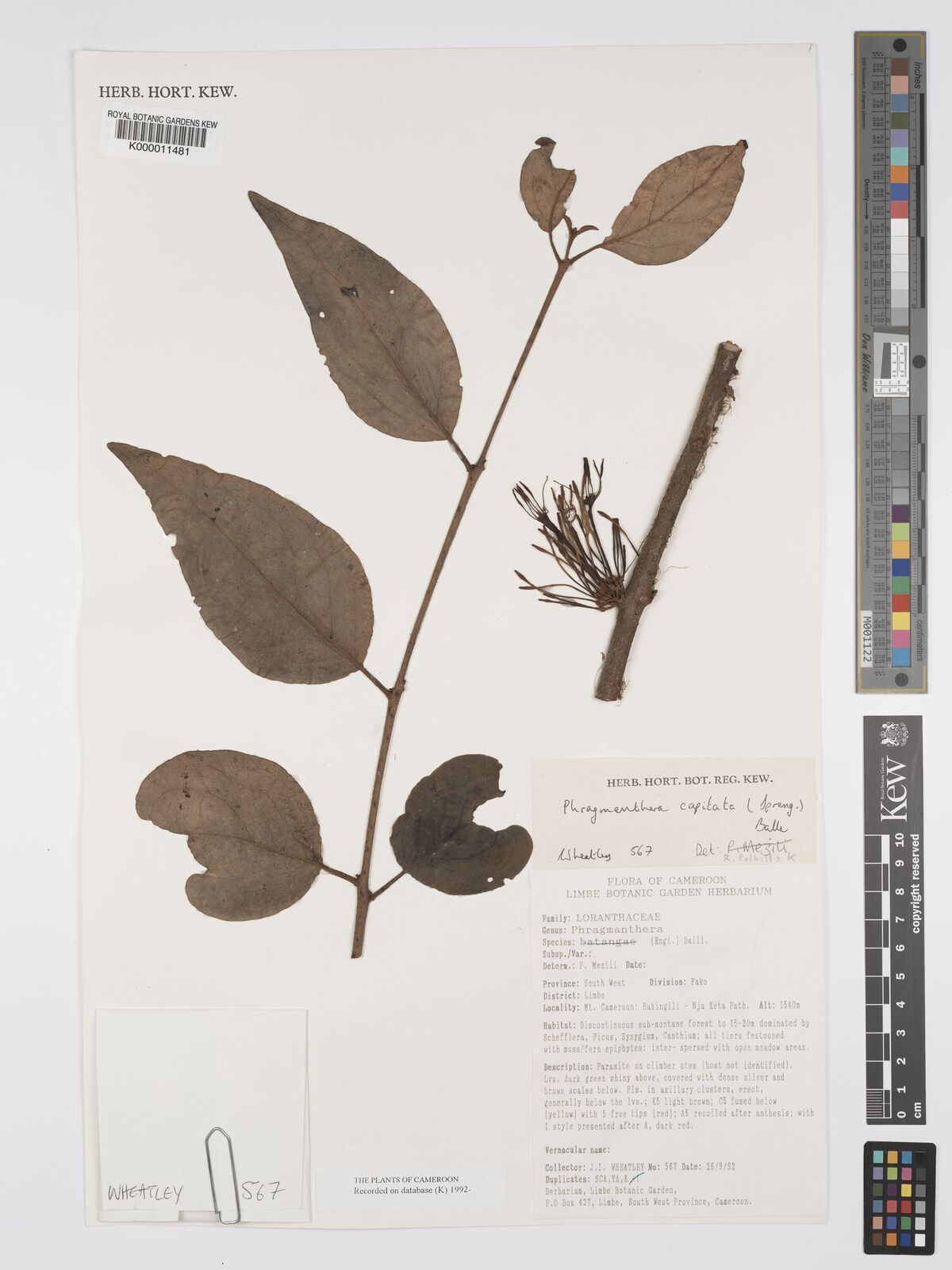
Hibiscus × rosa-sinensis
species of plant

hyacinth
Hyacinthus is a genus of bulbous herbs and spring-blooming perennials. They are fragrant flowering plants in the family Asparagaceae, subfamily Scilloideae and are commonly called hyacinths (). The genus is native predominantly to the Eastern Mediterranean region from the south of Turkey to the Palestine region, although naturalized more widely.

Ficus religiosa
species of fig
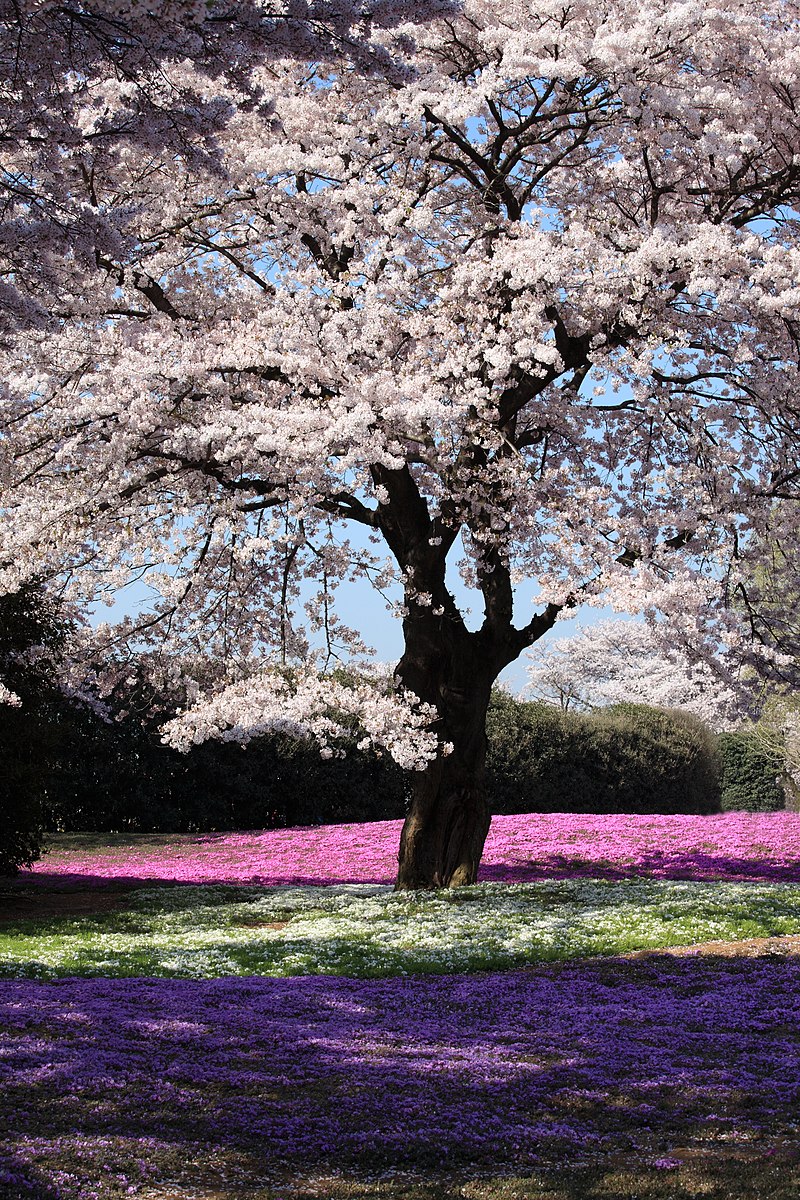
cherry blossom
blossom of the cherry tree

Cedrus libani
species of plant

Morus nigra
species of plant
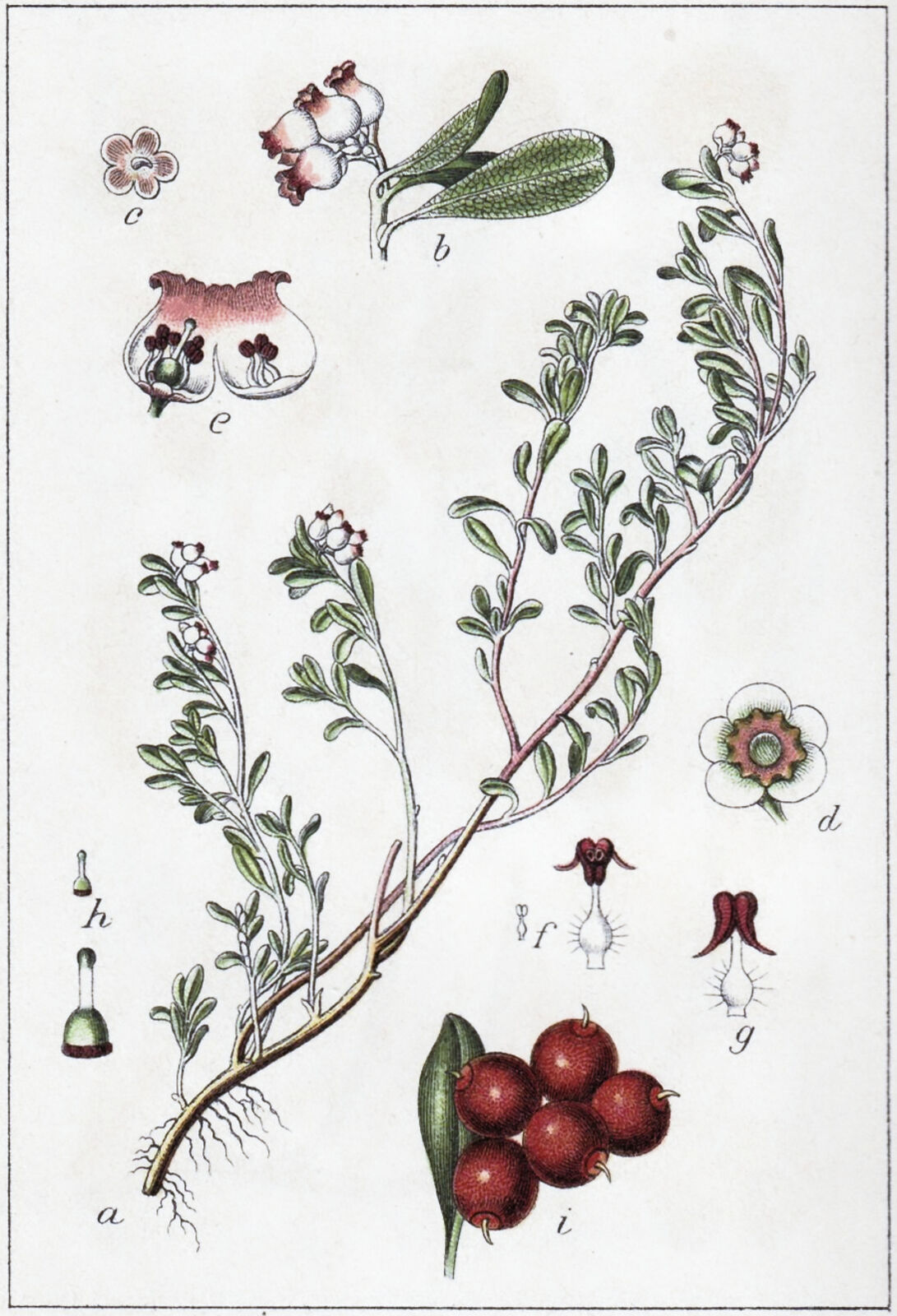
Arctostaphylos uva-ursi
one of several related bearberry species

Cedrus deodara
species of plant

Salix babylonica
species of willow

kumquat
Kumquats ( ), sometimes spelled cumquat in Australian English and British English, are a group of small, angiosperm, fruit-bearing trees in the family Rutaceae. The edible fruit closely resembles the orange (Citrus x sinensis) in color, texture, and anatomy, but is much smaller, being approximately the size of a large olive. They are native to southern China but have been cultivated for centuries in Japan and Southeast Asia. The kumquat is a fairly cold-hardy citrus.

Ilex aquifolium
species of plant

Q158785
species of plant
_fullsize.jpg)
Pinus pinea
species of plant
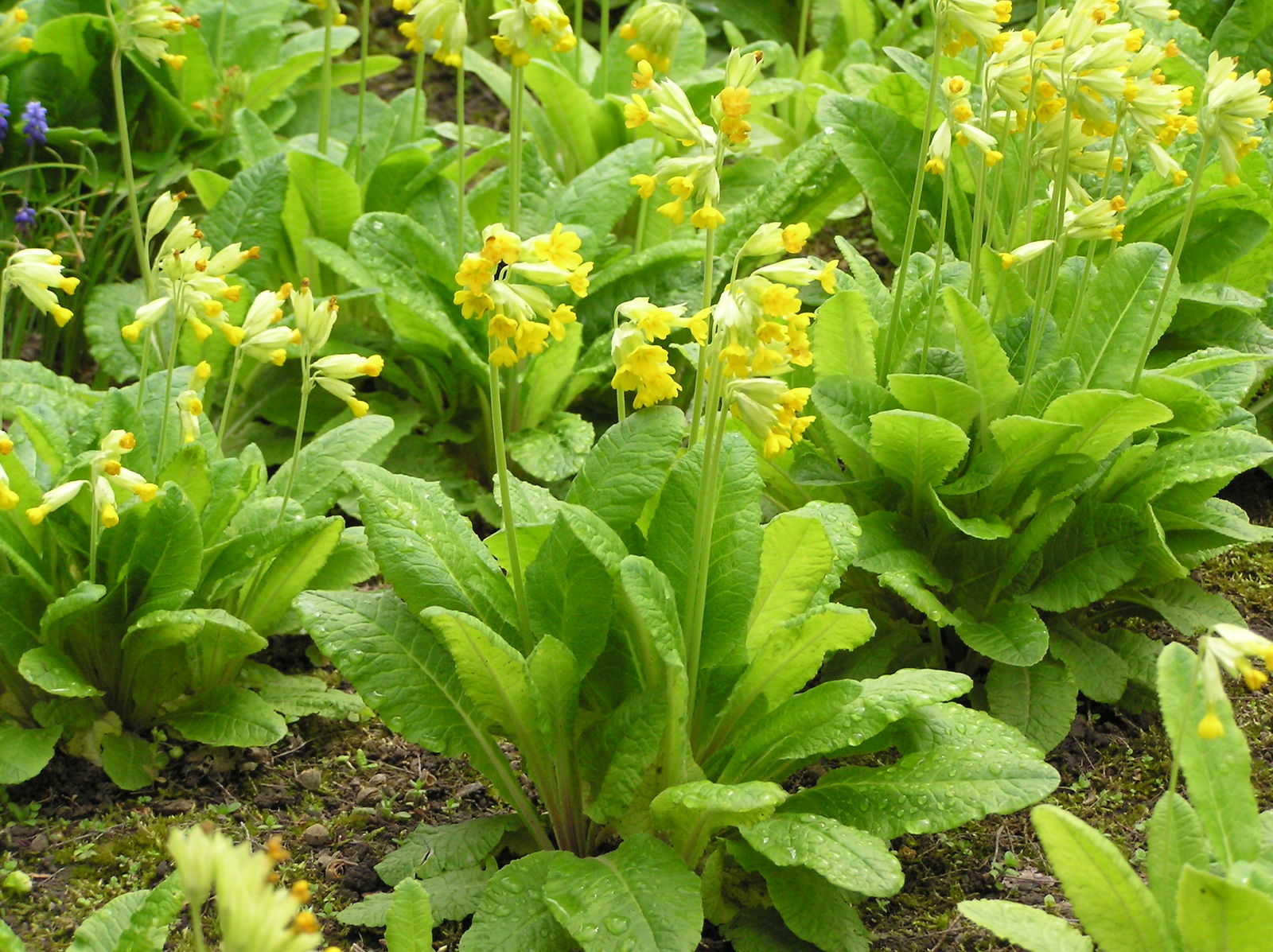
Primula veris
species of plant
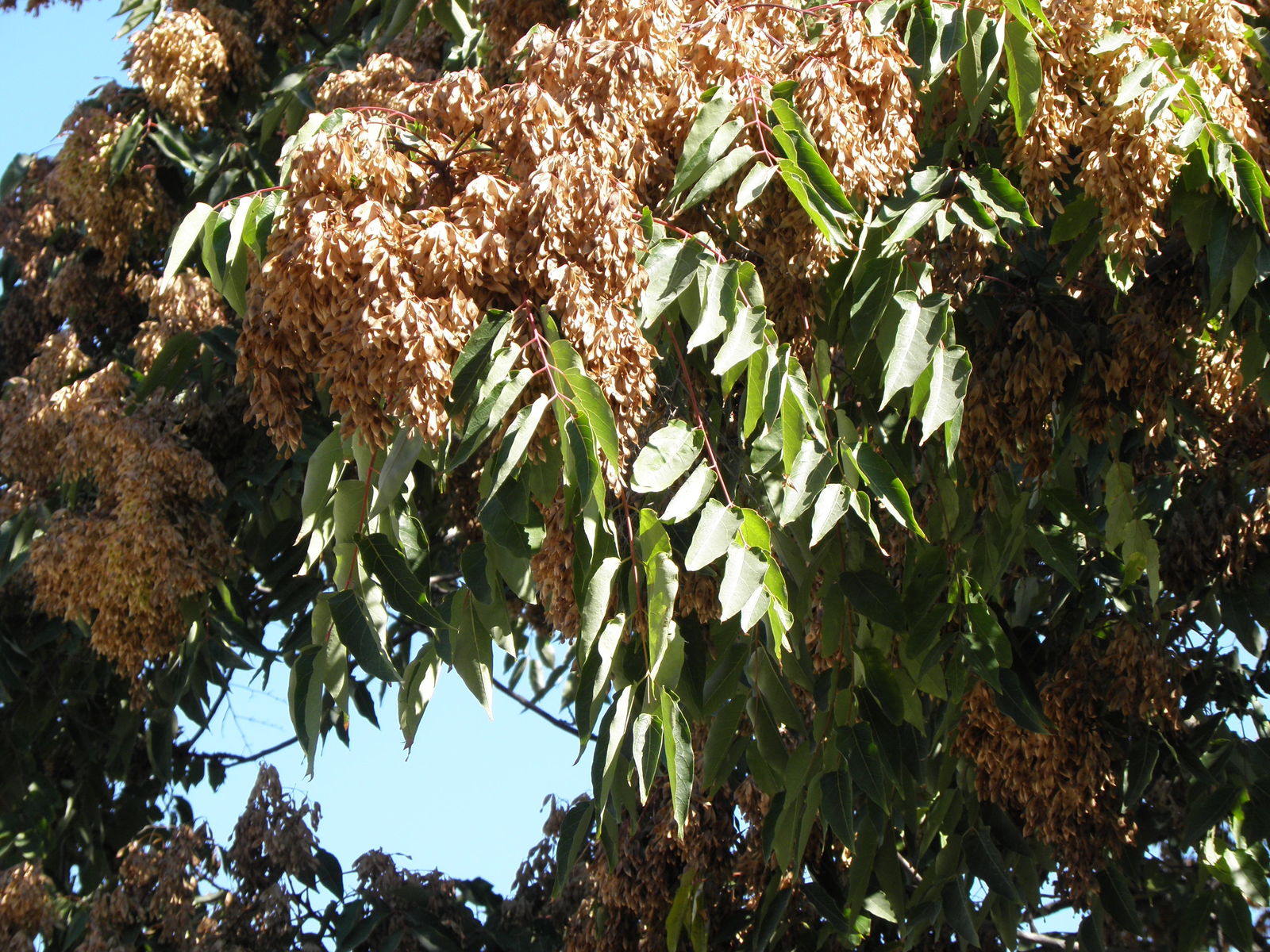
Ailanthus altissima
species of plant
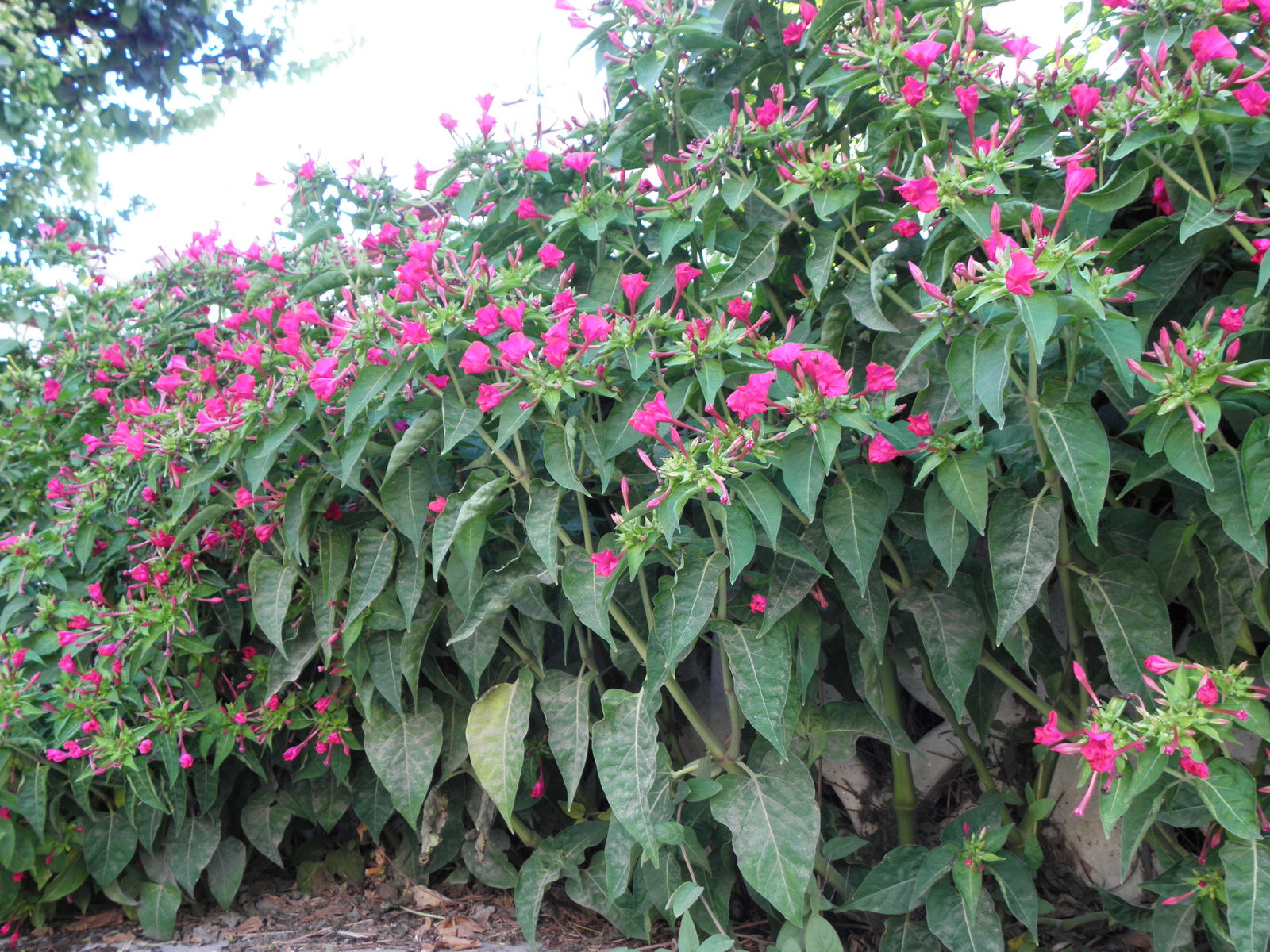
Mirabilis jalapa
species of plant

Metasequoia glyptostroboides
species of plant

Iris pseudacorus
species of plant

Crataegus monogyna
species of plant

Carpinus betulus
species of plant

Melia azedarach
species of plant
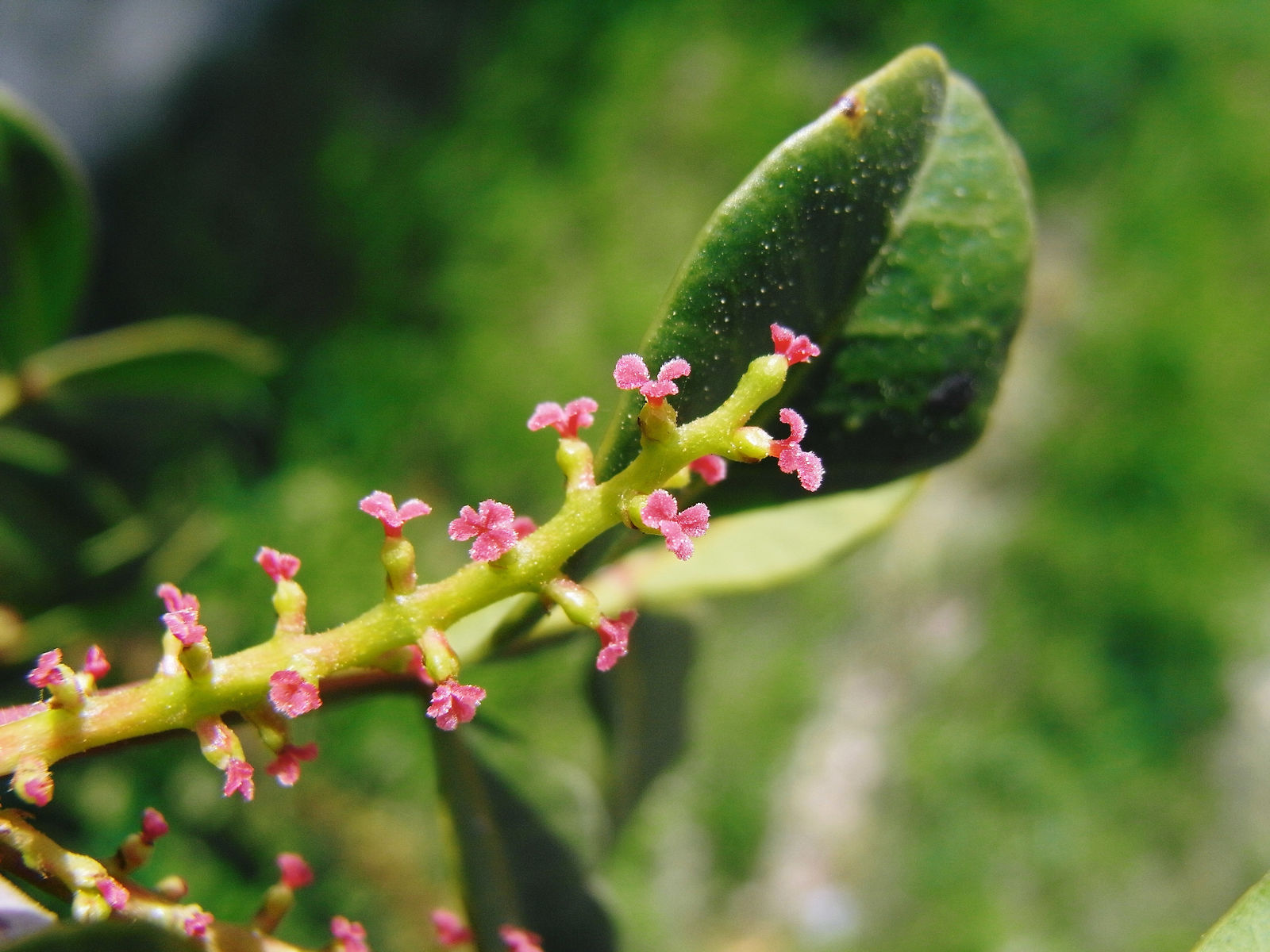
Pistacia lentiscus
species of plant

Leucanthemum vulgare
species of plant
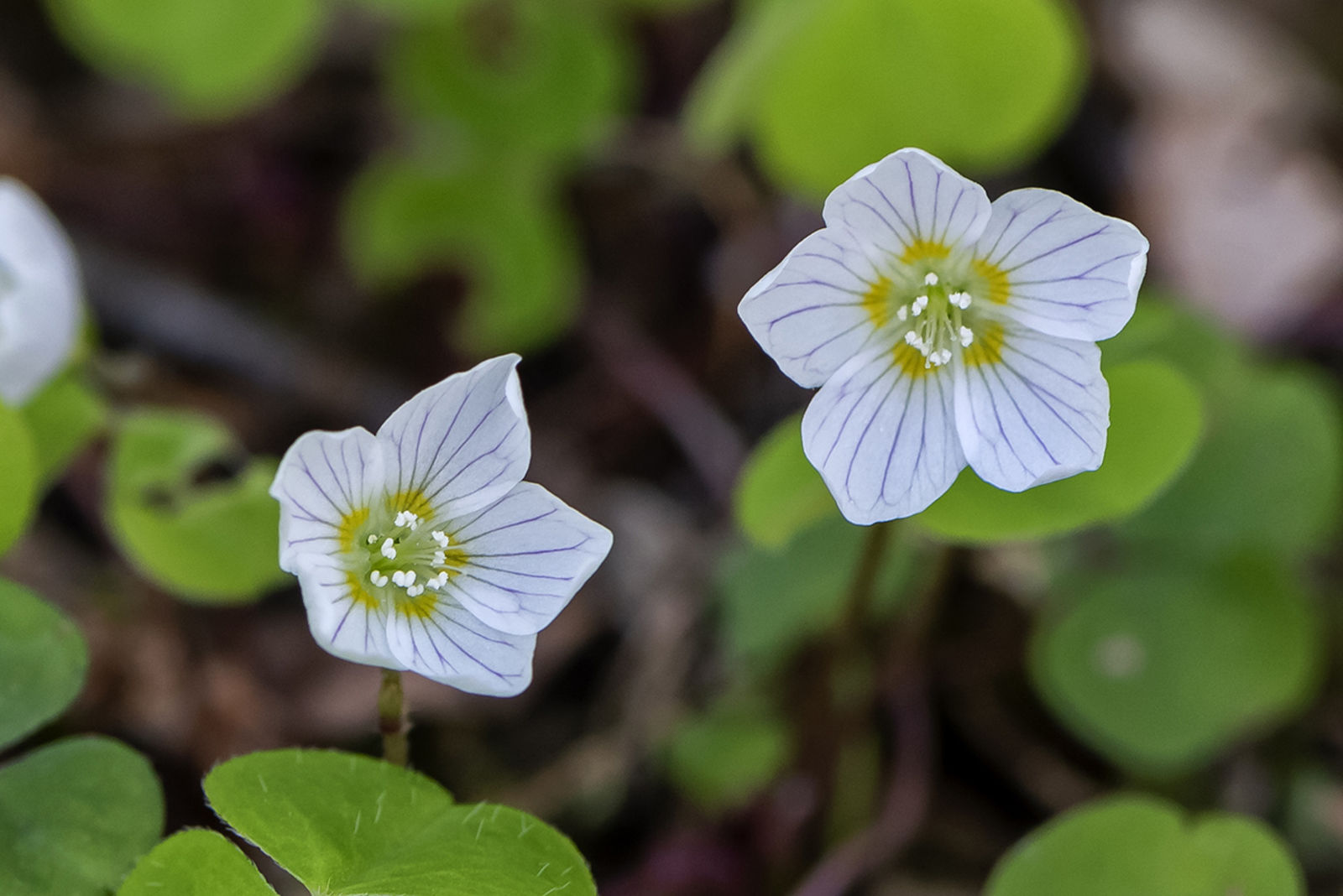
Oxalis acetosella
species of plant
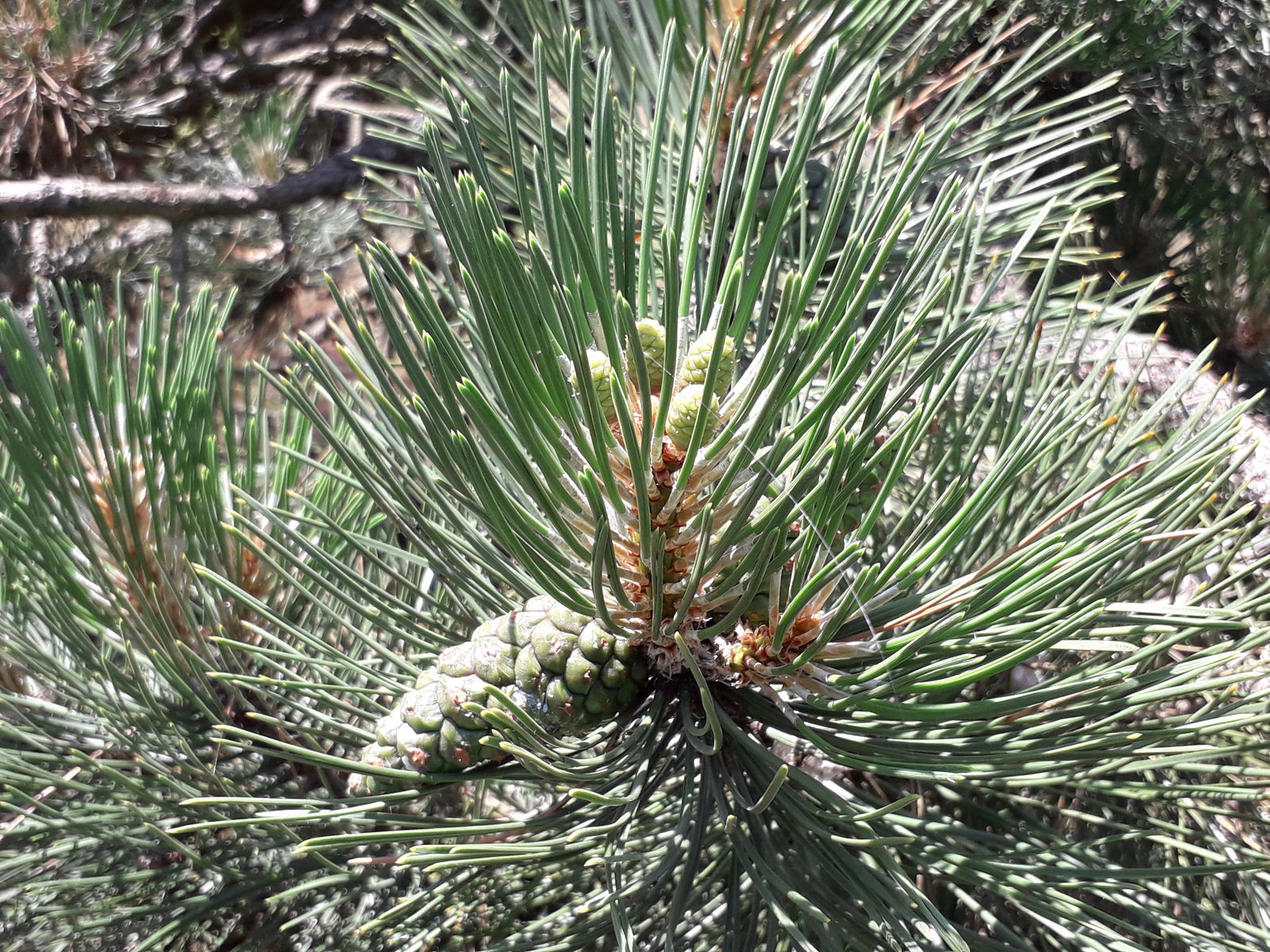
Pinus nigra
species of plant
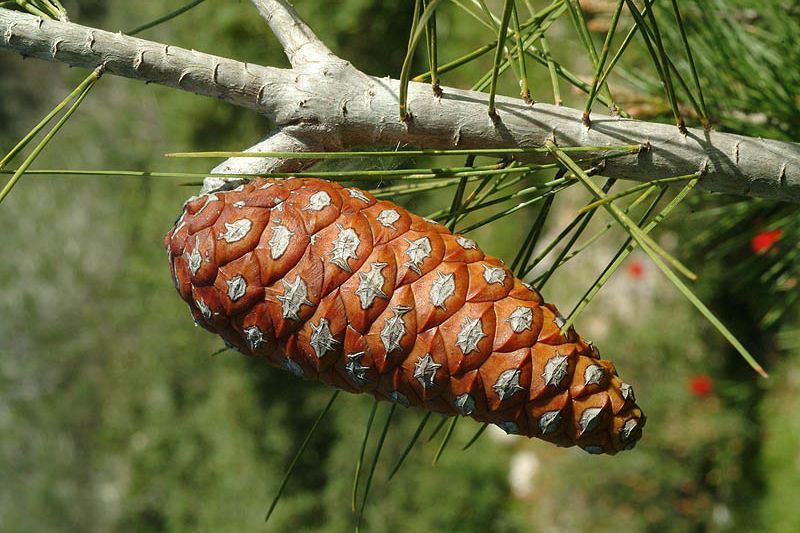
Pinus halepensis
species of plant
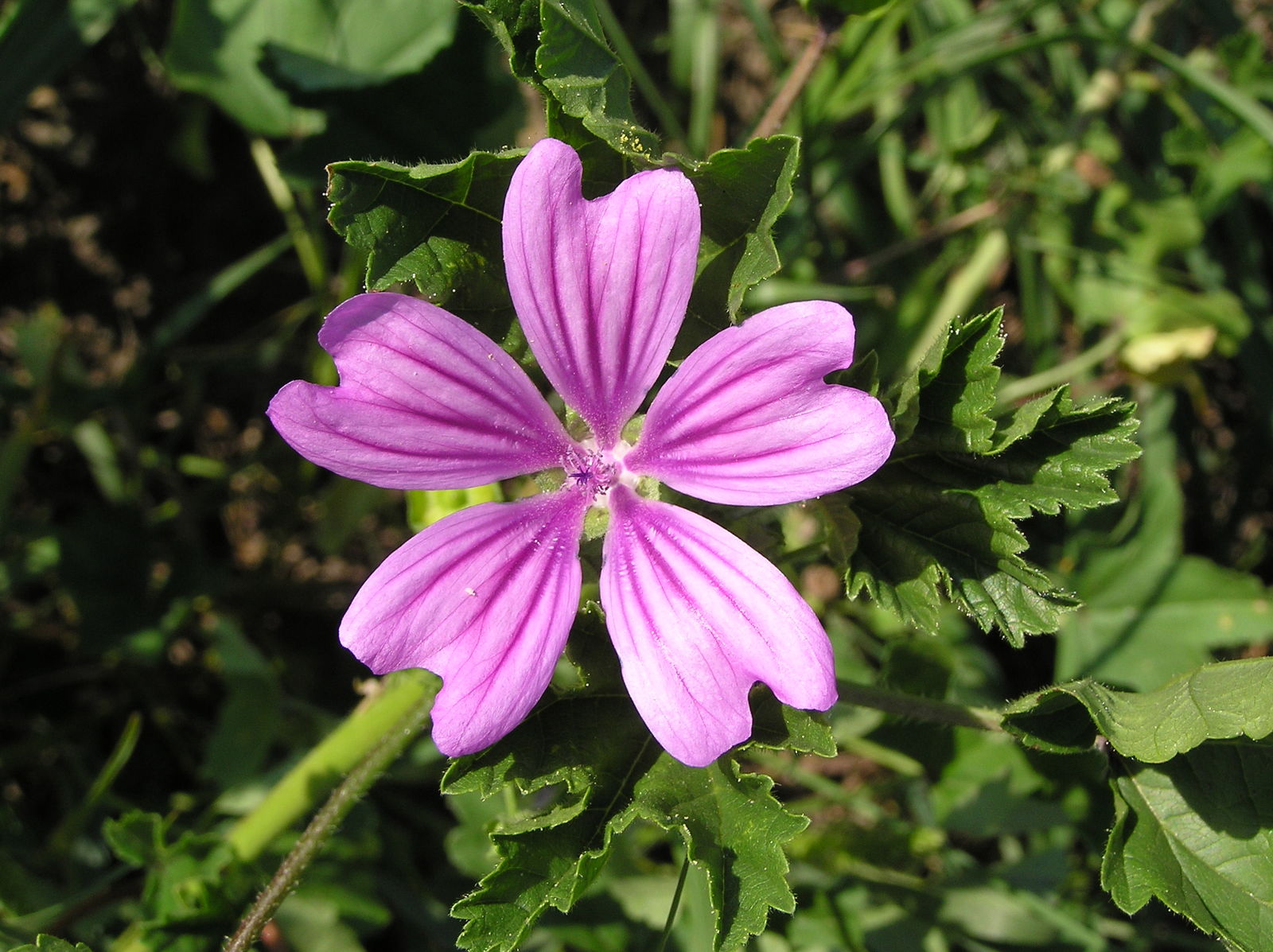
Malva sylvestris
species of plant

Primula vulgaris
species of plant
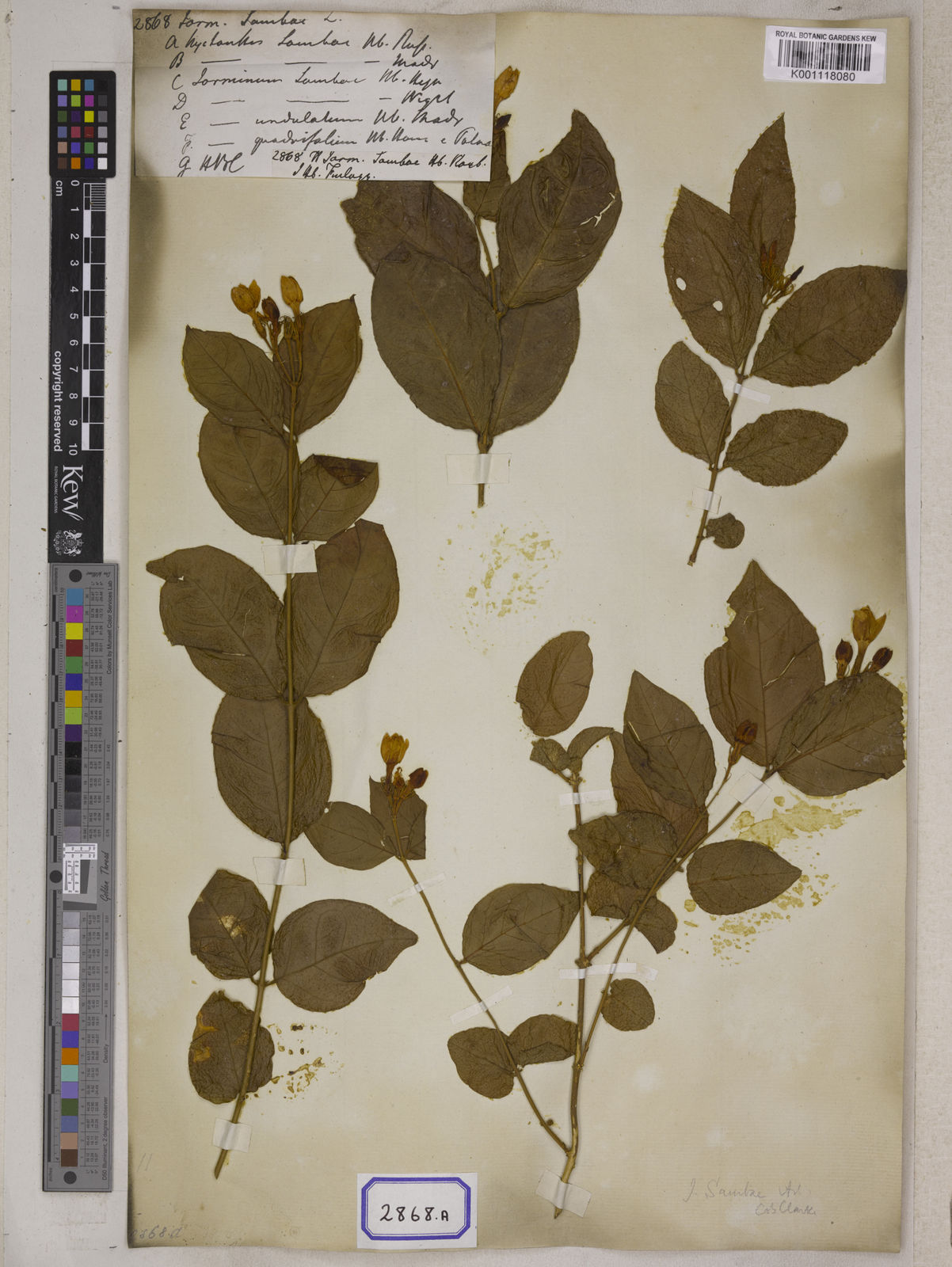
Jasminum sambac
species of shrub from the olive family

Plantanus orientalis
species of plant
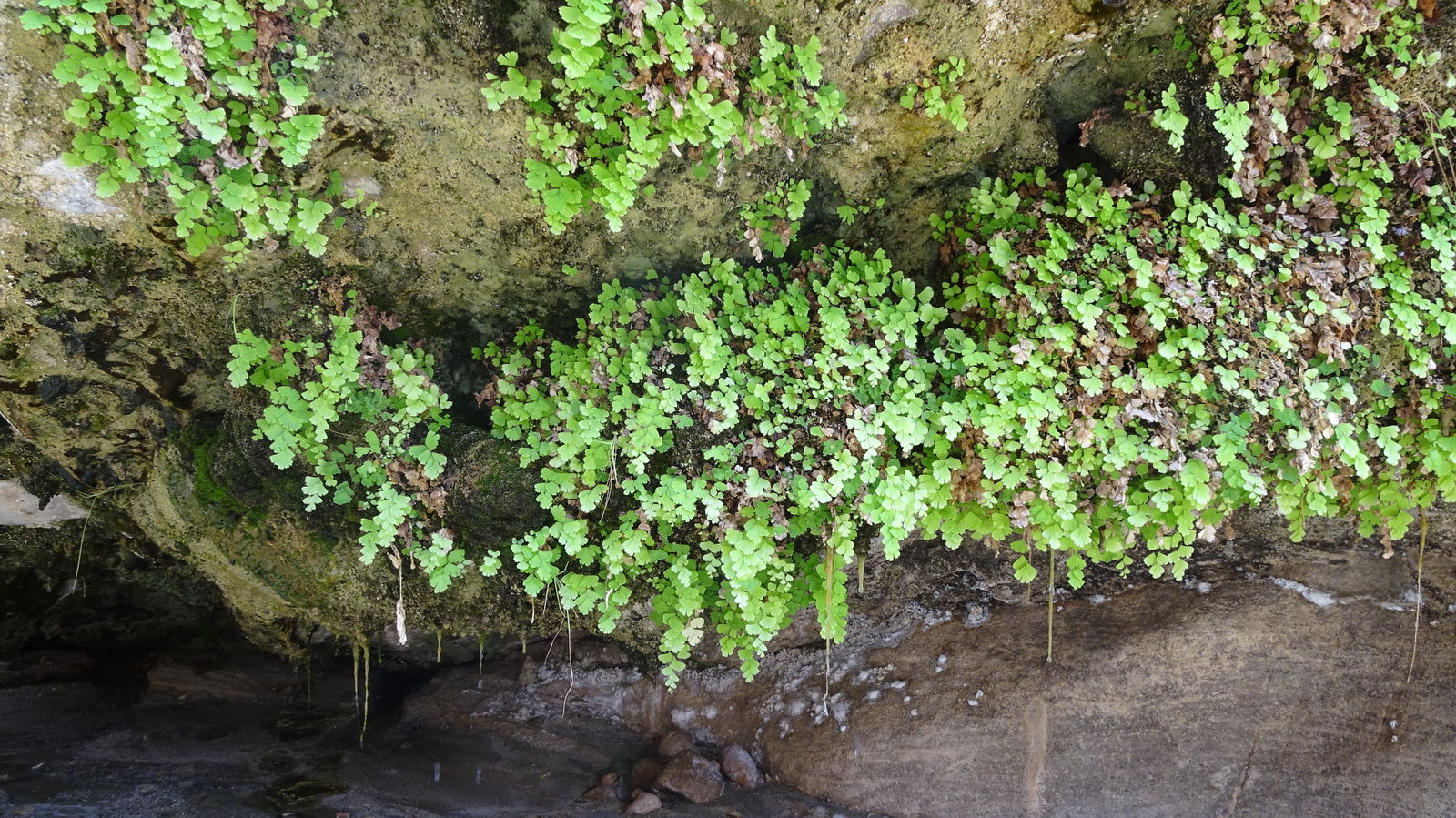
Adiantum capillus-veneris
species of plant

Cryptomeria japonica
Cryptomeria (literally "hidden parts") is a monotypic genus of conifer in the cypress family Cupressaceae. It includes only one species, Cryptomeria japonica (syn. Cupressus japonica L.f.). It is considered to be endemic to Japan, where it is known as . The tree is also called Japanese cedar or Japanese redwood in English. It has been extensively introduced, and cultivated for wood production on the Azores and elsewhere.