Category
page 1Mammals of the Andes

cougar
The cougar (Puma concolor) (, KOO-gər), also called puma, mountain lion, catamount, and panther, is a large small cat native to the Americas. It inhabits North, Central and South America, making it the most widely distributed wild, terrestrial mammal in the Western Hemisphere, and one of the most widespread in the world. Its range spans Yukon, British Columbia and Alberta in Canada, the Rocky Mountains and areas in the western United States. Further south, its range extends through Mexico to the Amazon rainforest and the southern Andes Mountains in Patagonia. It is an adaptable generalist spec

Lama glama
The llama (; or ) (Lama glama) is a domesticated South American camelid, widely used as a meat and pack animal by Andean cultures since the pre-Columbian era.
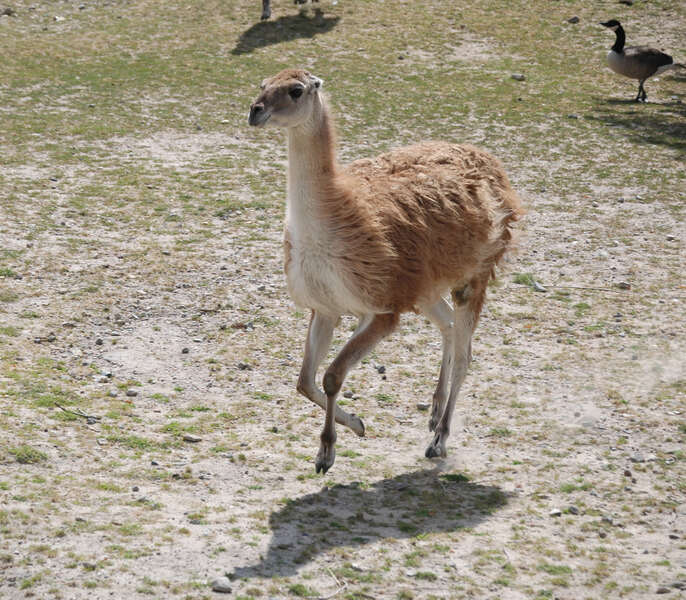
guanaco
The guanaco ( ; Lama guanicoe) is a camelid native to South America, closely related to the domesticated llama. Guanacos are one of two wild South American camelids; the other species is the vicuña, which lives at higher elevations.

vicuña
The vicuña (Lama vicugna) or vicuna (both , very rarely spelled vicugna, its latin specific name) is one of the two wild South American camelids, which live in the high alpine areas of the Andes; the other camelid is the guanaco, which lives at lower elevations. Vicuñas are relatives of the llama, and are now believed to be the wild ancestor of domesticated alpacas, which are raised for their coats. Vicuñas produce small amounts of extremely fine wool, which is very expensive because the animal can be shorn only every three years and has to be caught from the wild. When knitted together, the p
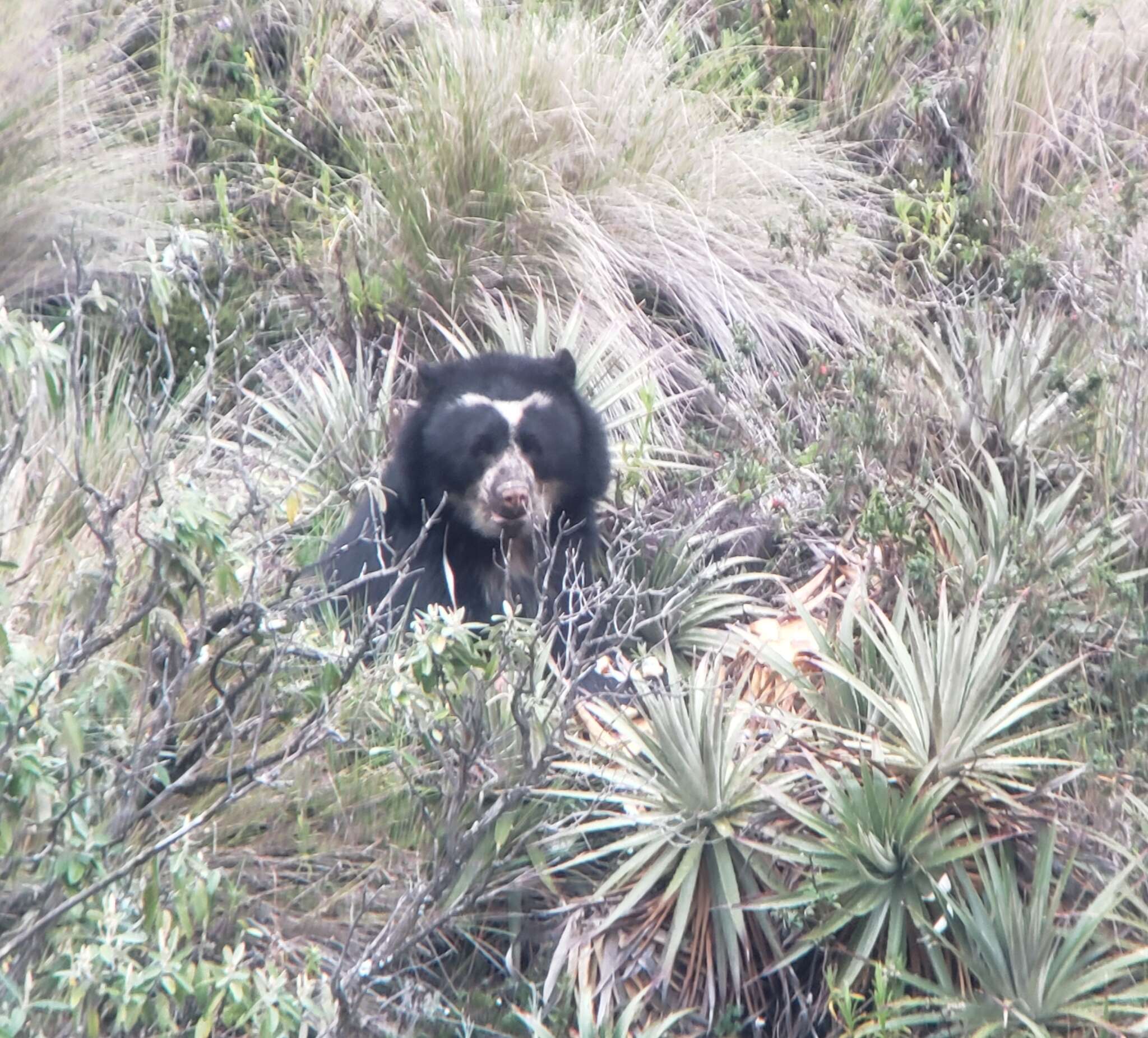
spectacled bear
species of the animal
.jpg)
oncilla
The oncilla (Leopardus tigrinus), also known as the northern tiger cat, little spotted cat, and tigrillo, is a small spotted cat ranging from Central America to central Brazil. It is listed as Vulnerable on the IUCN Red List, and the population is threatened by deforestation and conversion of habitat to agricultural land.
.jpg)
kodkod
The kodkod (Leopardus guigna), also called güiña, is the smallest felid species native to the Americas. It lives primarily in central and southern Chile, as well as marginally in adjoining areas of Argentina. Between 1996 and 2002, it was listed as Vulnerable on the IUCN Red List as the total population was thought to be fewer than 10,000 mature individuals; it is threatened by persecution, habitat loss and prey base.

Olinguito
The olinguito (Bassaricyon neblina) is a mammal of the raccoon family Procyonidae that lives in montane forests in the Andes of western Colombia and Ecuador. It was classified as belonging to a new species in 2013. The specific name neblina is Spanish for fog or mist, referring to the cloud forest habitat of the olinguito.

Leopardus jacobita
species of mammal

Leopardus colocolo
species of mammal

Culpeo
The culpeo (Lycalopex culpaeus), also known as Culpeo zorro, Andean zorro, Andean fox, Paramo wolf, Andean wolf, and colpeo fox, is a species of South American fox. Despite the name, it is not a true fox, but more closely related to wolves and jackals. Its appearance resembles that of foxes due to convergent evolution.

Guinea pig
Cavia is a genus in the subfamily Caviinae that contains the rodents commonly known as the guinea pigs or cavies. The best-known species in this genus is the domestic guinea pig, Cavia porcellus, a meat animal in South America and a common household pet outside that continent.
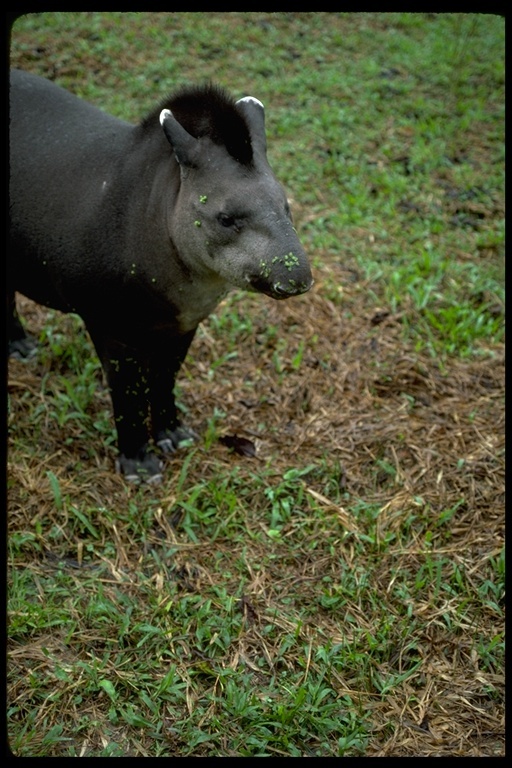
mountain tapir
species of mammal

Caenolestidae
family of mammals

South American gray fox
species of mammal
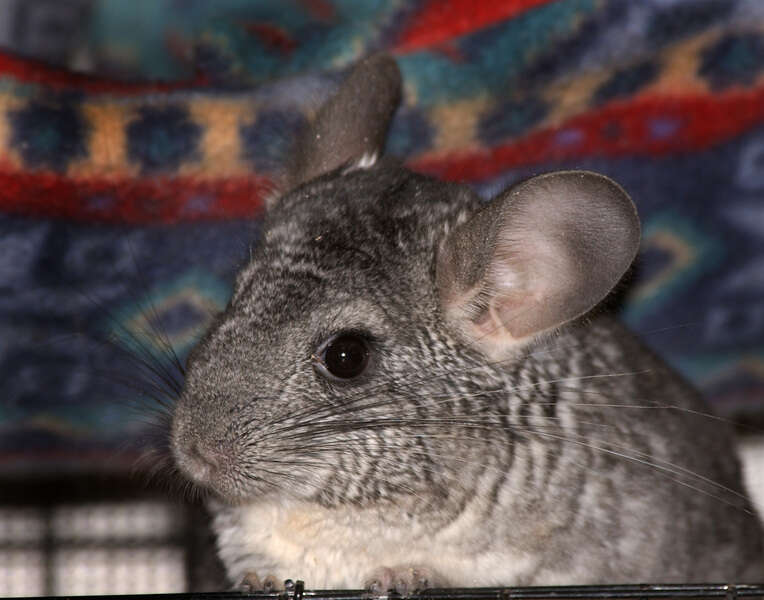
Chinchilla lanigera
Rodent species
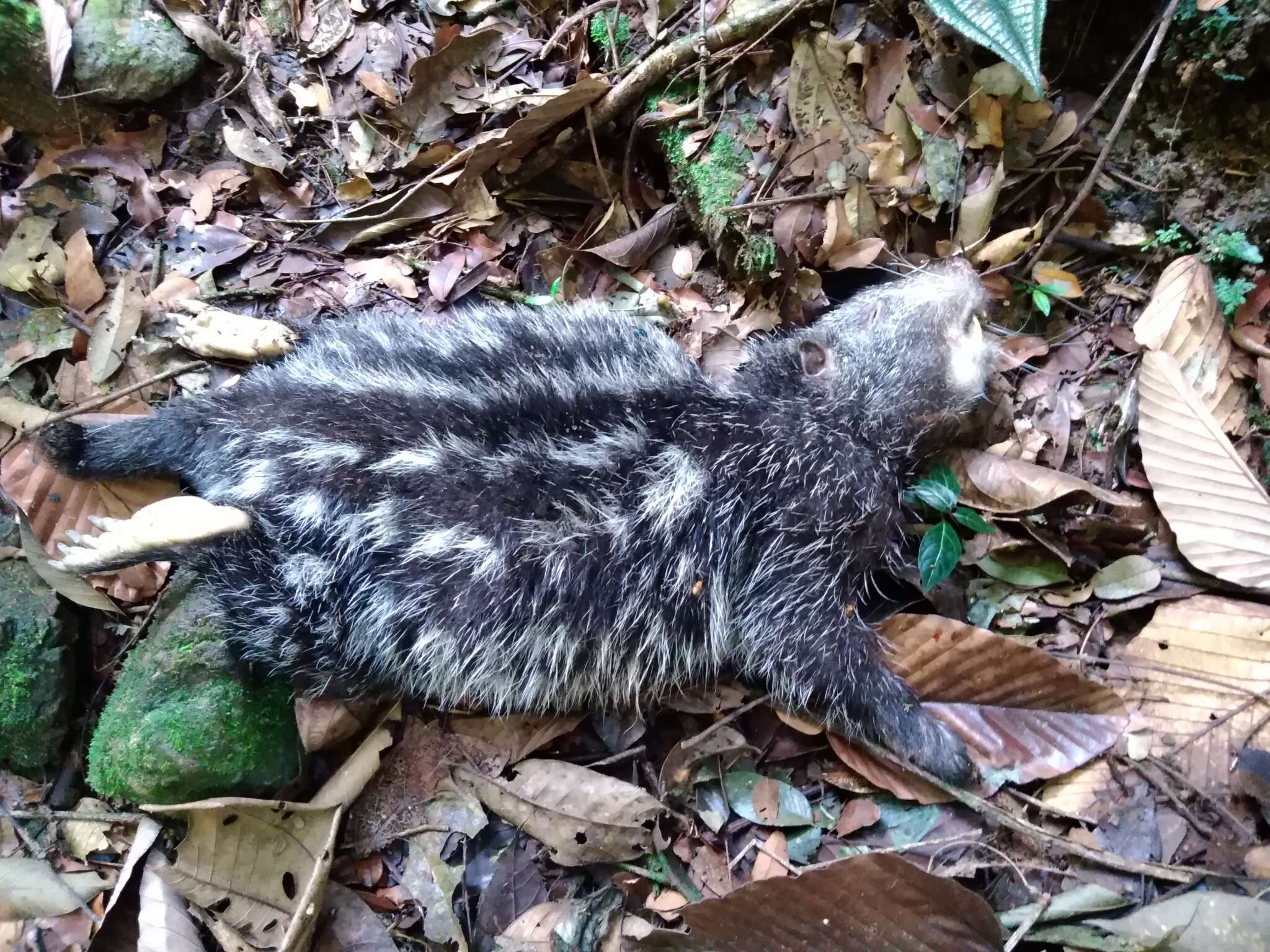
Pacarana
The pacarana (Dinomys branickii) is a rare and slow-moving hystricognath rodent indigenous to South America. Native Tupi people call it the pacarana (false paca) because it is superficially similar to the paca, a different rodent which is not in the same family. The pacarana has a chunky body and is large for a rodent, weighing up to and measuring up to in length, not including the thick, furry tail.

Hoffmann's Two-toed Sloth
species of two-toed sloth
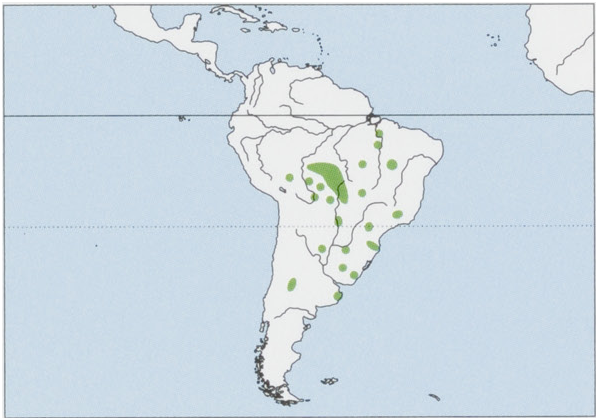
Hippocamelus antisensis
The taruca (Hippocamelus antisensis), also known as the taruka, Peruvian guemal, north Andean deer, north Andean huemul, northern huemul or northern guemal, is a mid sized deer species that inhabits the high regions of the Andes mountains in South America. The common name taruca means "deer" in both the Quechua and Aymara languages. The taruca is closely related to the southern guemal (H. bisulcus), the only other member of the Hippocamelus genus.

southern monito del monte
species of mammal

South Andean deer
species of mammal

Chinchilla chinchilla
species of rodent

Mazama rufina
species of mammal

Andean hairy armadillo
species of mammal

Incan caenolestid
species of mammal

Southern viscacha
species of rodent

Cavia tschudii
species of rodents

Nasuella olivacea
species of mammal

Bicolored-spined porcupine
species of mammal
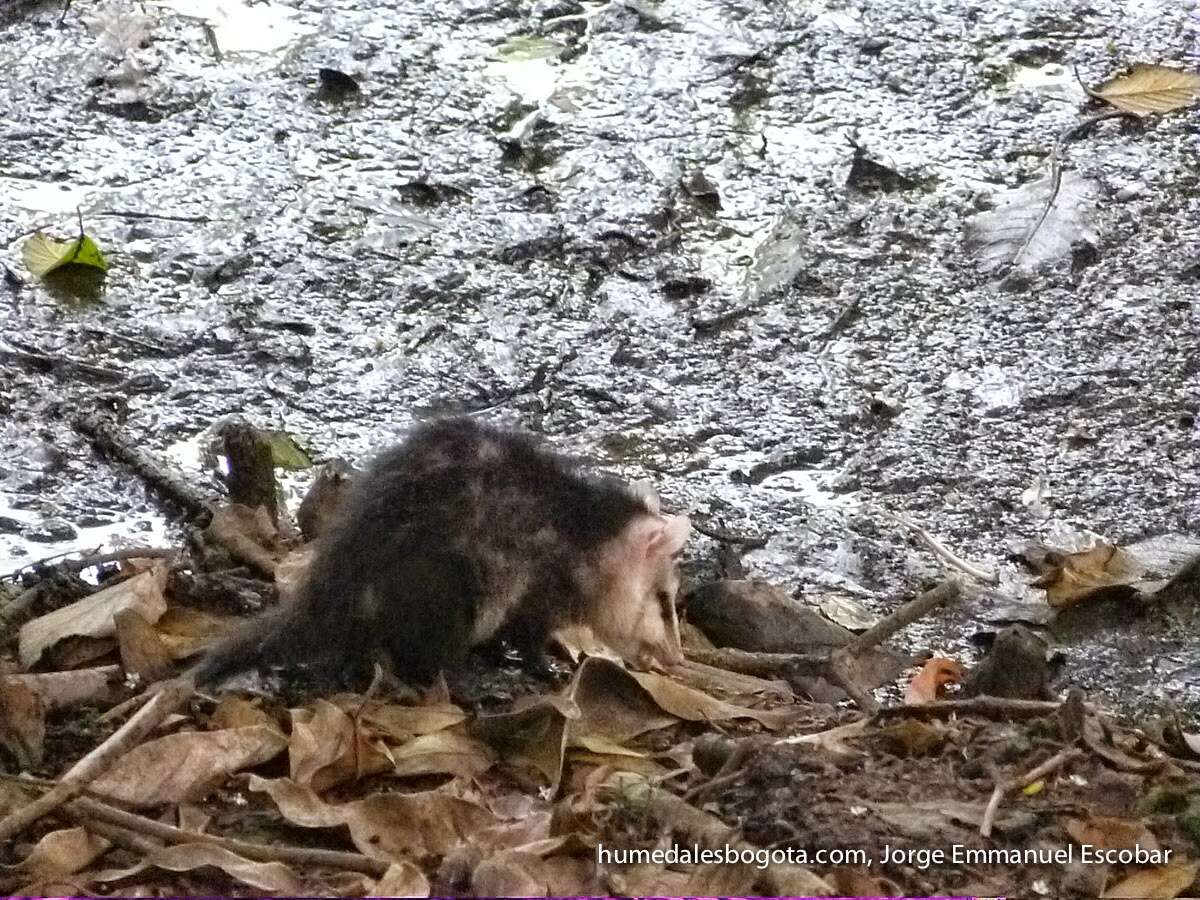
Andean white-eared opossum
species of mammal
mountain degu
species of rodent

Dusky caenolestid
species of mammal

northern viscacha
species of rodent

Mountain paca
species of mammal

Southern mountain cavy
rodent relative of the guinea pig

Ashy chinchilla rat
species of mammal

Andean mountain cavy
species of mammal

Lagothrix lagothricha lugens
subspecies of mammal

Shipton's mountain cavy
species of mammal

Andean caenolestid
species of mammal

Common yellow-toothed cavy
species of mammal

Elegant fat-tailed mouse opossum
species of mammal
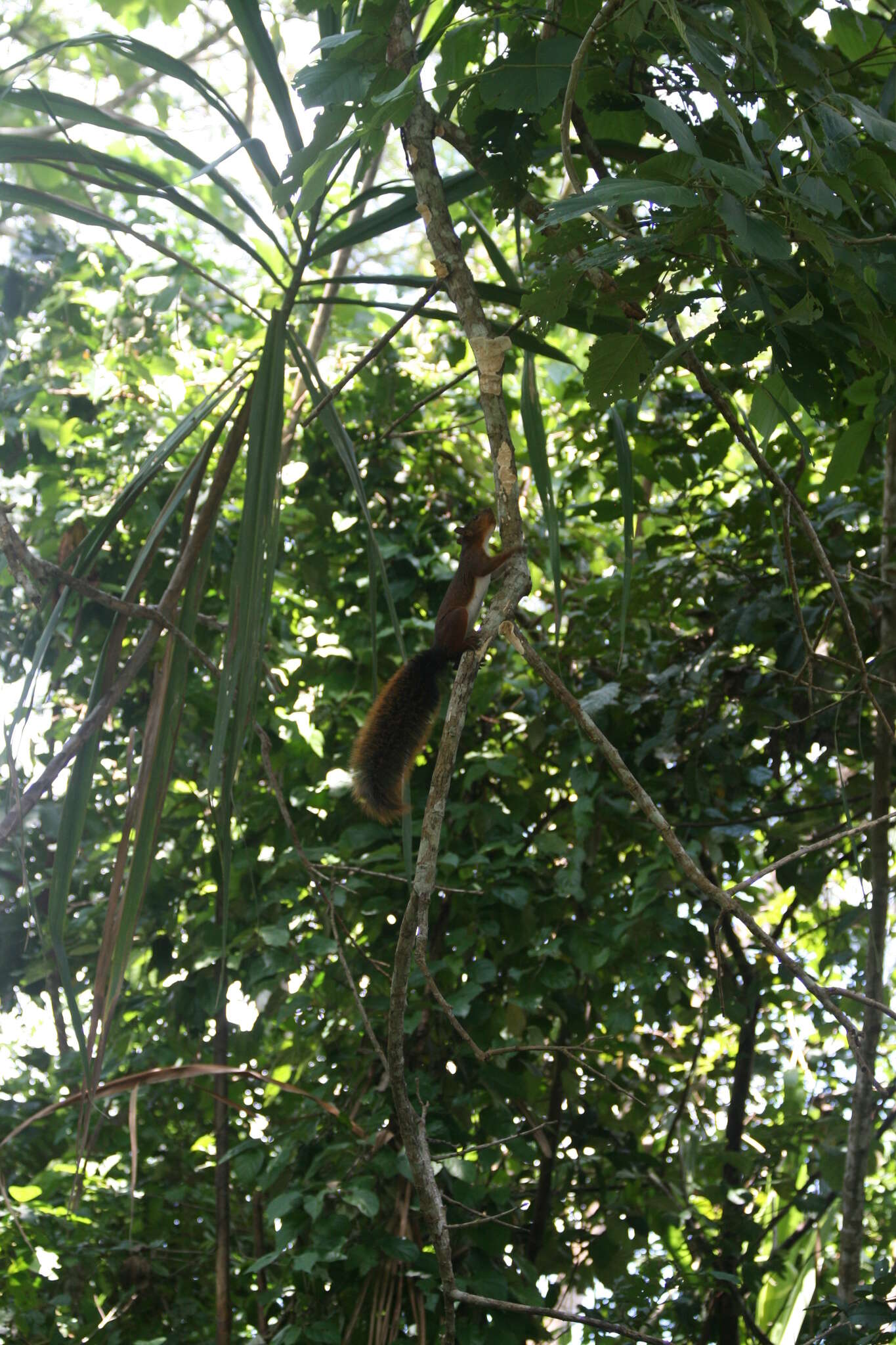
Southern Amazon red squirrel
species of mammal

Robust tuco-tuco
species of mammal

Bolivian squirrel
species of the squirrel genus Sciurus
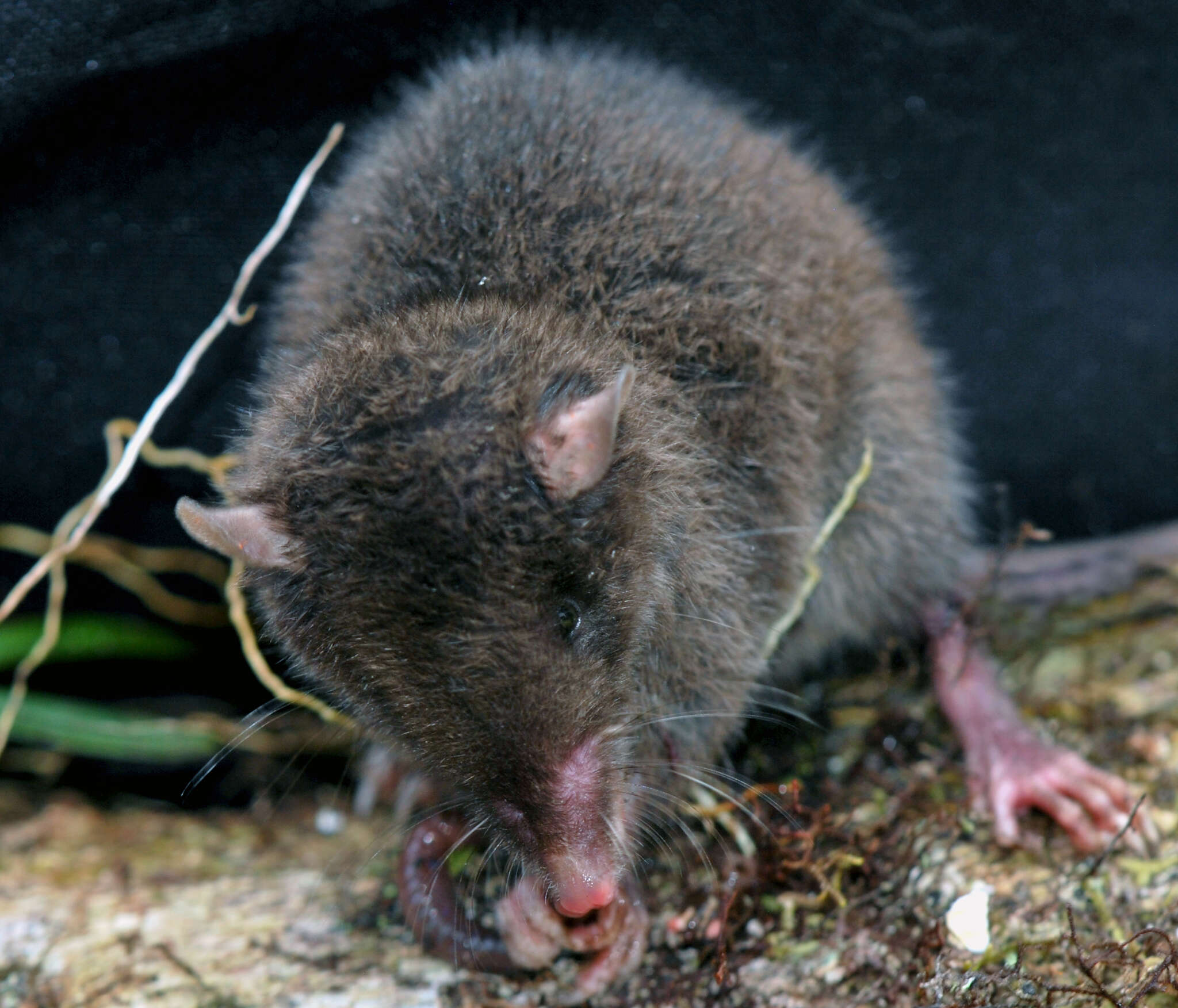
Northern caenolestid
species of mammal
Lewis's tuco-tuco
species of mammal

Highland tuco-tuco
species of mammal

Tawny tuco-tuco
species of mammal

Catamarca tuco-tuco
species of mammal

Mendoza tuco-tuco
species of mammal

Garlepp's mouse
species of mammal

Bishop's slender opossum
species of mammal
Eligmodontia
The genus Eligmodontia consists of five or six species of South American sigmodontine mice restricted to Bolivia, Chile, and Argentina. Species of Eligmodontia occur along the eastern side of the Andes Mountains, in Patagonia, and in the Chaco thorn forest of South America. They can be found in arid and semiarid habitats and in both high and low elevation areas. These rodents are commonly known as gerbil mice or by their local name lauchas. Sometimes they are also called silky desert mice, highland desert mice or silky-footed mice. The closest living relatives are probably the chaco mice (Anda
Peruvian tuco-tuco
species of mammal
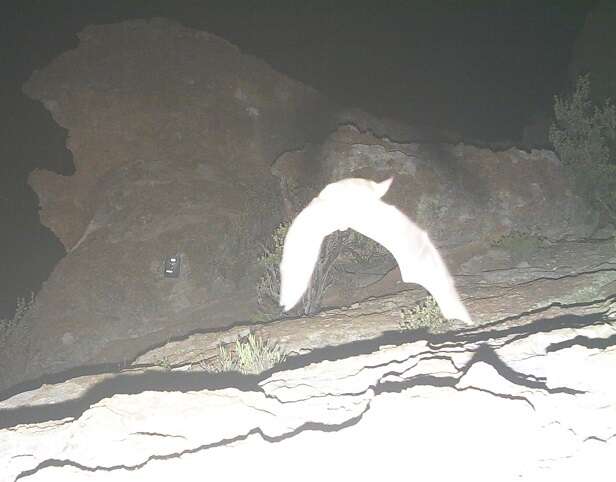
Small big-eared brown bat
species of mammal

Andean Akodont
species of mammal
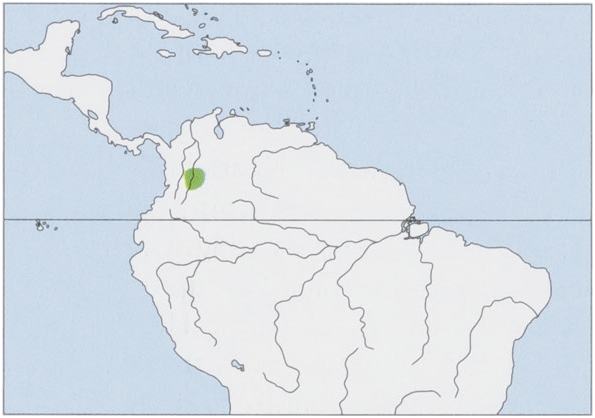
Coendou vestitus
species of mammal
Micoureus phaeus
species of mammal
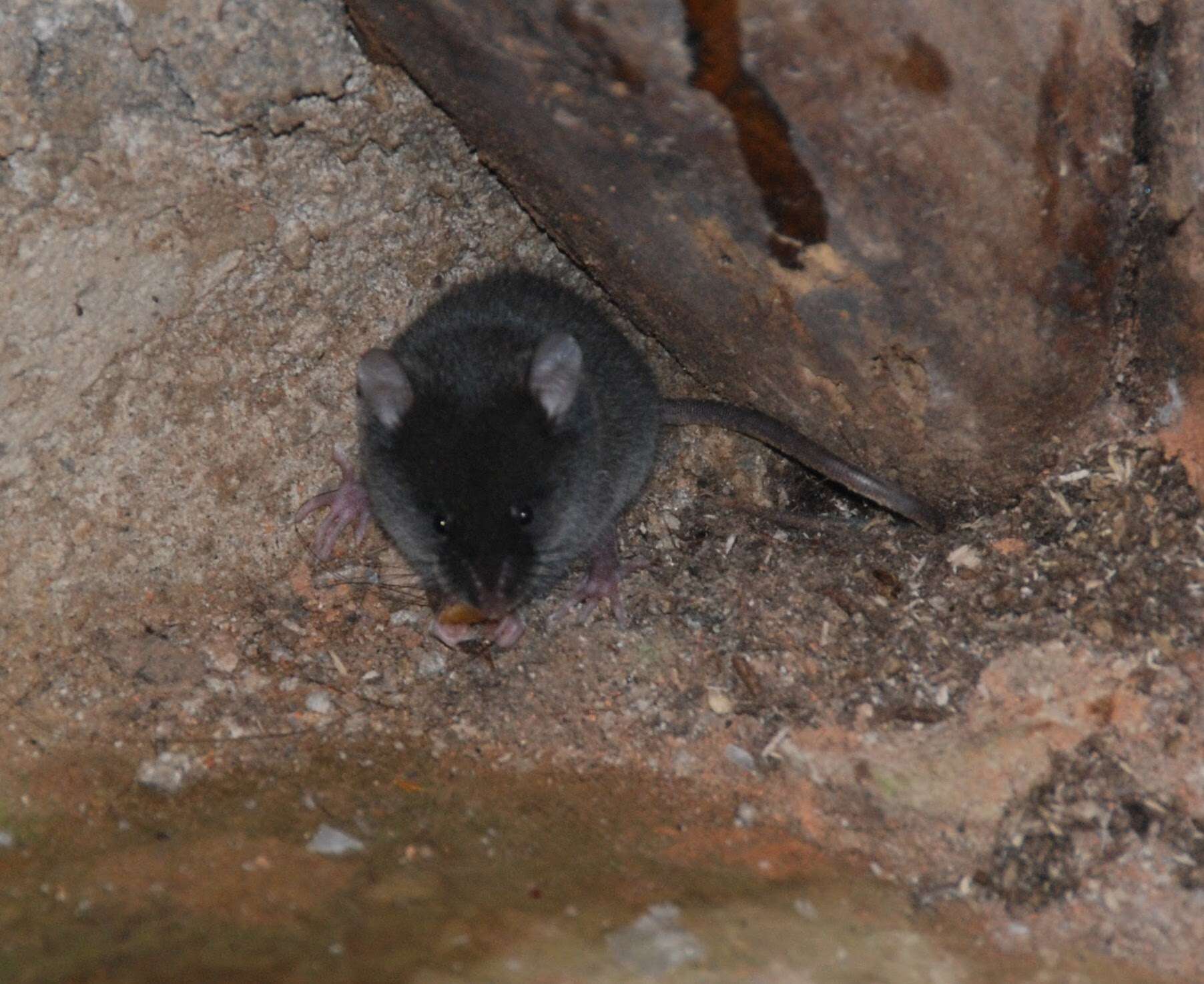
Colombian forest mouse
species of mammal