Category
page 1Mammals of Venezuela

Capybara
The capybara or greater capybara (Hydrochoerus hydrochaeris) is the largest living rodent, native to all countries in South America except Chile. It is a semiaquatic herbivore that inhabits savannas and dense forests, living near and in bodies of water and feeding mainly on grasses and aquatic plants.

ocelot
The ocelot (Leopardus pardalis) is a medium-sized spotted wild cat that reaches at the shoulders and weighs between on average. It is native to the southwestern United States, Mexico, Central and South America, and the Caribbean islands of Trinidad and Margarita. Carl Linnaeus scientifically described it in 1758. Two subspecies are recognized.
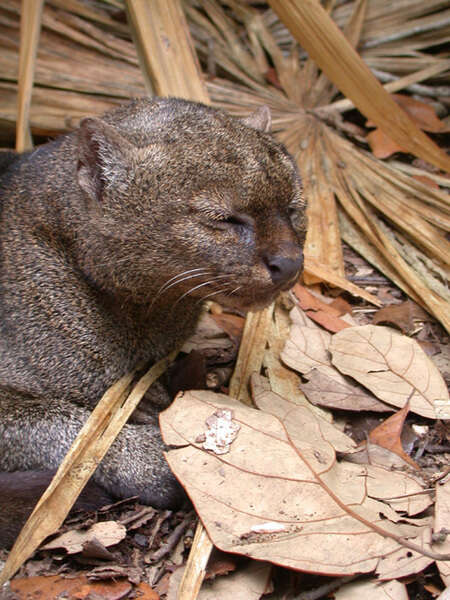
Jaguarundi
The jaguarundi (Herpailurus yagouaroundi); or is a wild cat native to the Americas. Its range extends from central Argentina in the south and much South America east of the Andes, through Central America, and into northern Mexico. It occurred in the Lower Rio Grande Valley in south Texas as recently as the early 1990s but is now believed to be extirpated from the US. The jaguarundi is a medium-sized cat of slender build. Its coloration is uniform with two color morphs, gray and red. It has an elongated body, with relatively short legs, a small, narrow head, small, round ears, a short snout, an
.jpg)
oncilla
The oncilla (Leopardus tigrinus), also known as the northern tiger cat, little spotted cat, and tigrillo, is a small spotted cat ranging from Central America to central Brazil. It is listed as Vulnerable on the IUCN Red List, and the population is threatened by deforestation and conversion of habitat to agricultural land.

giant anteater
species of mammal
.jpg)
margay
The margay (Leopardus wiedii) is a small wild cat native to Mexico, Central and South America. A solitary and nocturnal felid, it lives mainly in primary evergreen and deciduous forest.

kinkajou
The kinkajou (/ˈkɪŋkədʒuː/ KING-kə-joo; Potos flavus) is a mammal of the family Procyonidae, a relative to olingos, coatis, raccoons, and the ringtail and cacomistle. It is the only member of the genus Potos and is also known as the "honey bear" (a name that it shares with the unrelated sun bear). Though kinkajous are arboreal, they are not closely related to any other tree-dwelling mammal group (primates, some mustelids, etc.).
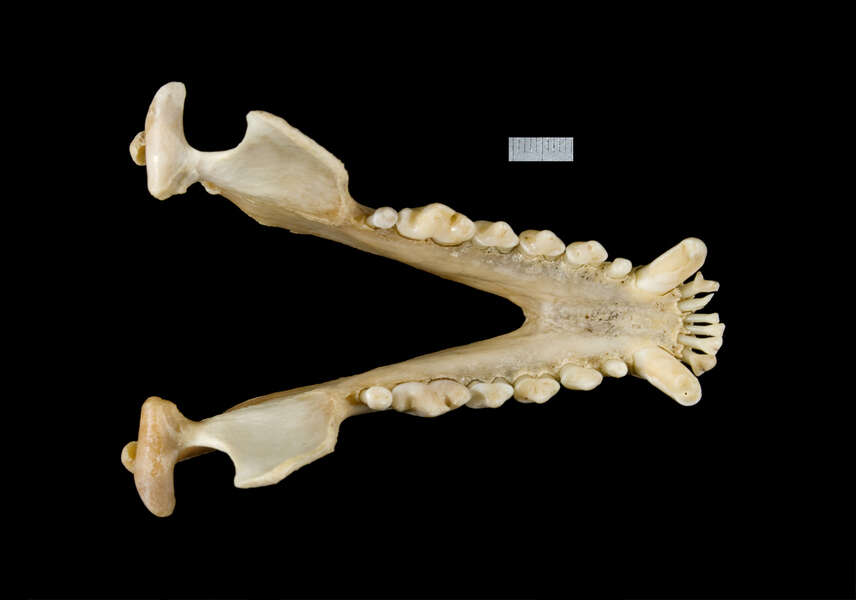
Speothos venaticus
species of canid found in Central and South America

Gray fox
species of mammal

Amazon river dolphin
species of mammal

giant otter
species of mammal

crab-eating fox
species of mammal

South American tapir
species of mammal

South American Coati
species of mammal
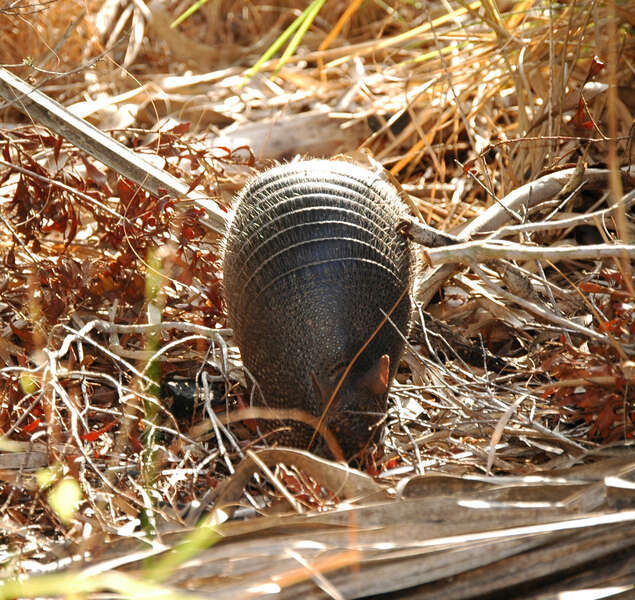
nine-banded armadillo
species of mammal

tayra
The tayra (Eira barbara) is an omnivorous animal from the mustelid family, native to the Americas. It is the only species in the genus Eira.

Silky anteater
species of mammal

Giant armadillo
species of mammal

brown-throated three-toed sloth
species of mammal

Neotropical otter
species of mammal

Crab-eating raccoon
species of mammal

southern tamandua
species of mammal

Pudú
The pudus (Mapudungun püdü or püdu, , ) are two species of South American deer from the genus Pudu, and are the world's smallest deer. The chevrotains (mouse-deer; Tragulidae) are smaller, but they are not true deer. The name is a loanword from Mapudungun, the language of the indigenous Mapuche people of central Chile and south-western Argentina. The two species of pudus are the northern pudu (Pudu mephistophiles) from Venezuela, Colombia, Ecuador, and Peru, and the southern pudu (Pudu puda; sometimes incorrectly modified to Pudu pudu) from southern Chile and south-western Argentina. Pudus ran

Saimiri sciureus
species of mammal

Eastern cottontail
species of mammal

Venezuelan red howler
species of mammal

Pale-throated Three-toed Sloth
species of mammal

Sapajus apella
species of mammal
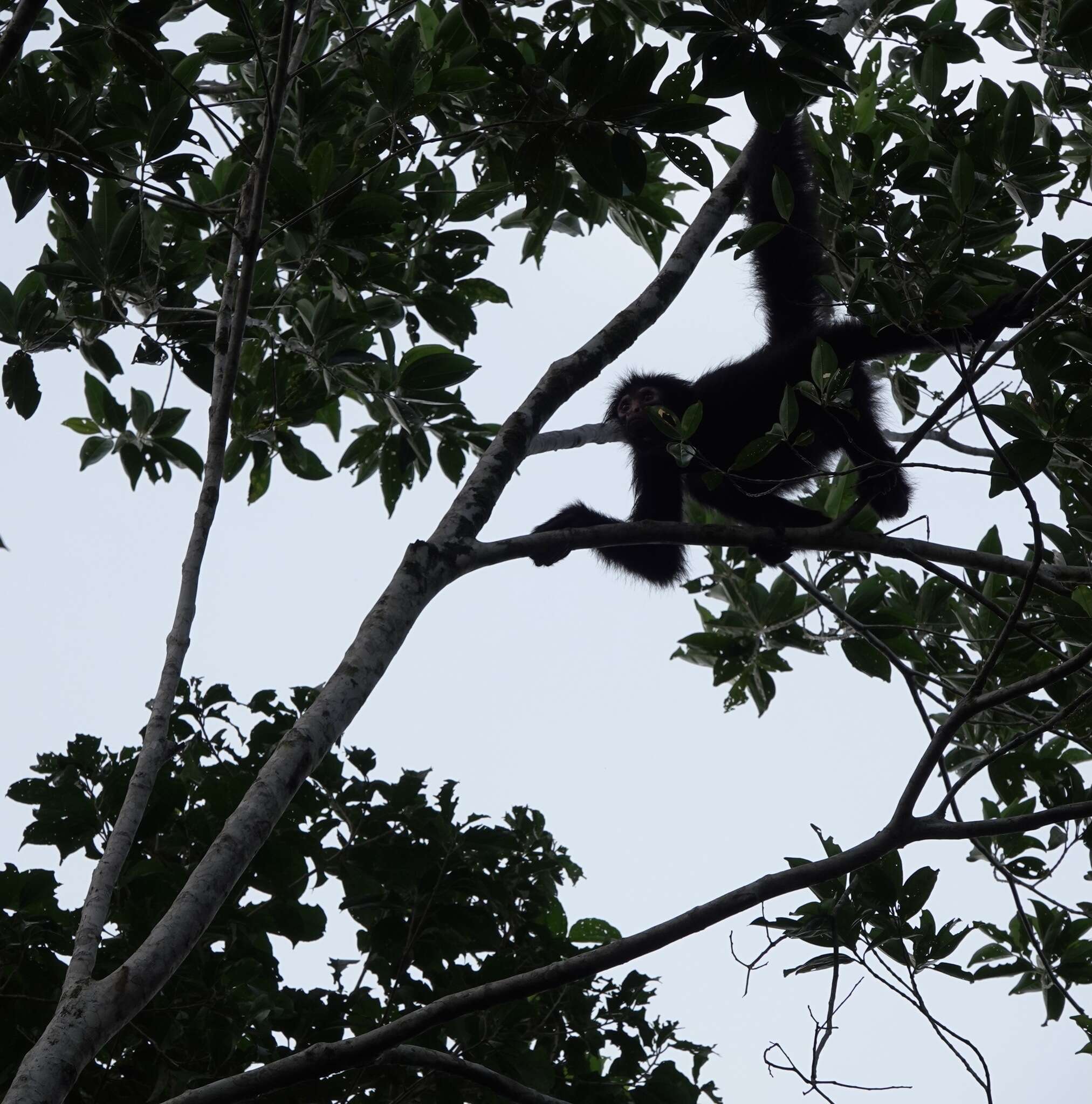
Ateles paniscus
species of mammal

Hoffmann's Two-toed Sloth
species of two-toed sloth
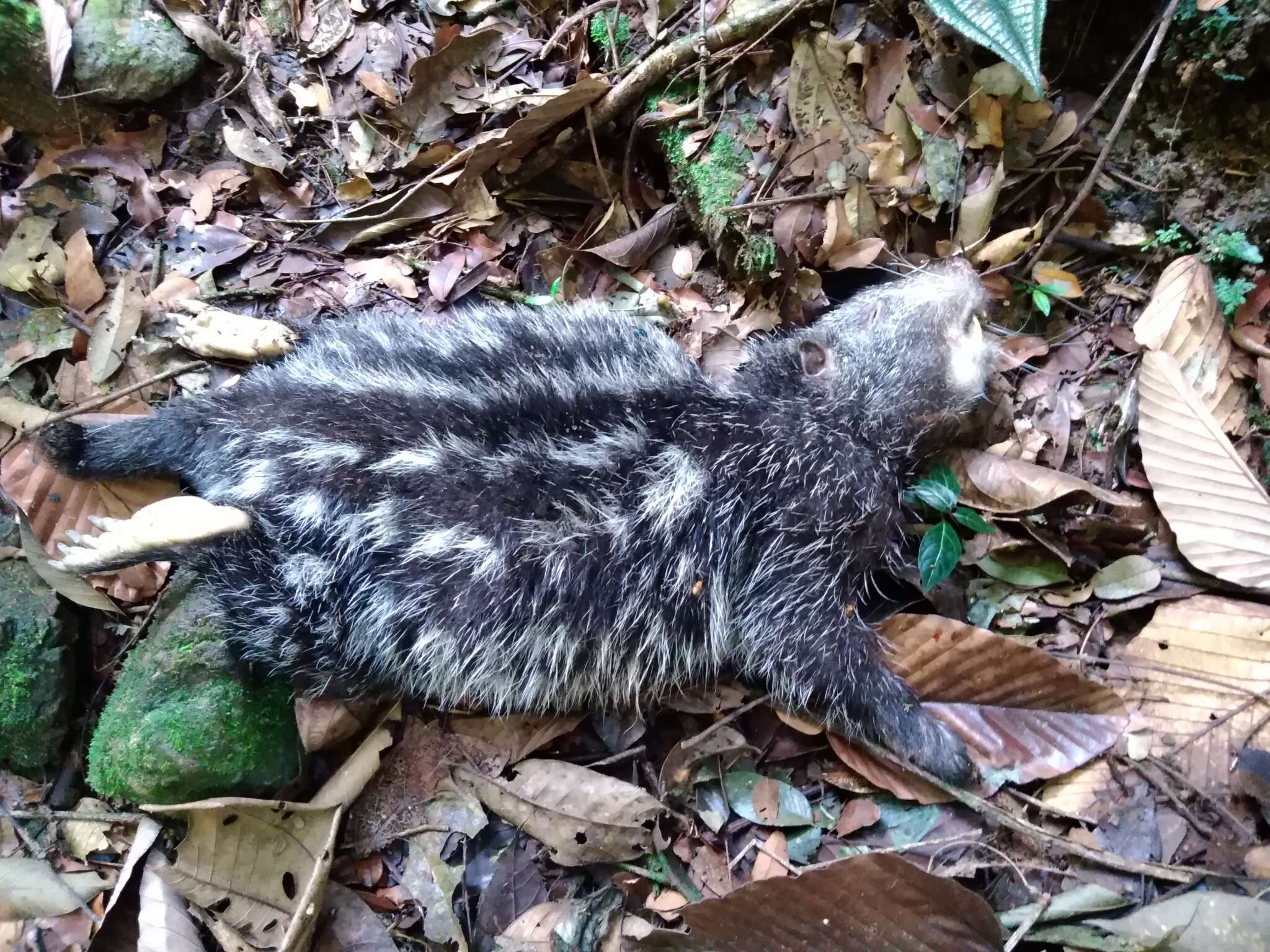
Pacarana
The pacarana (Dinomys branickii) is a rare and slow-moving hystricognath rodent indigenous to South America. Native Tupi people call it the pacarana (false paca) because it is superficially similar to the paca, a different rodent which is not in the same family. The pacarana has a chunky body and is large for a rodent, weighing up to and measuring up to in length, not including the thick, furry tail.

white-lipped peccary
species of mammal

Linnaeus's Two-toed Sloth
species of sloth

Red brocket
species of mammal

Greater grison
species of mammal
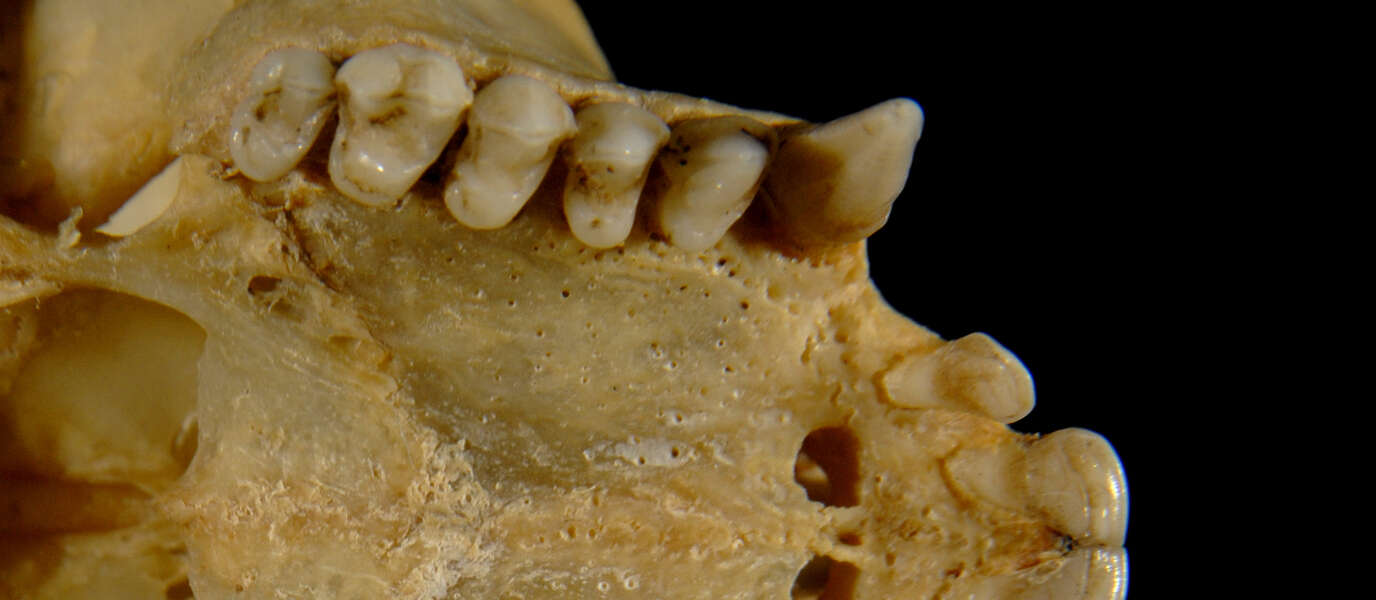
Red-handed tamarin
species of mammal

Pithecia pithecia
species of mammal

Northern tamandua
species of mammal

Humboldt's Night Monkey
species of mammal
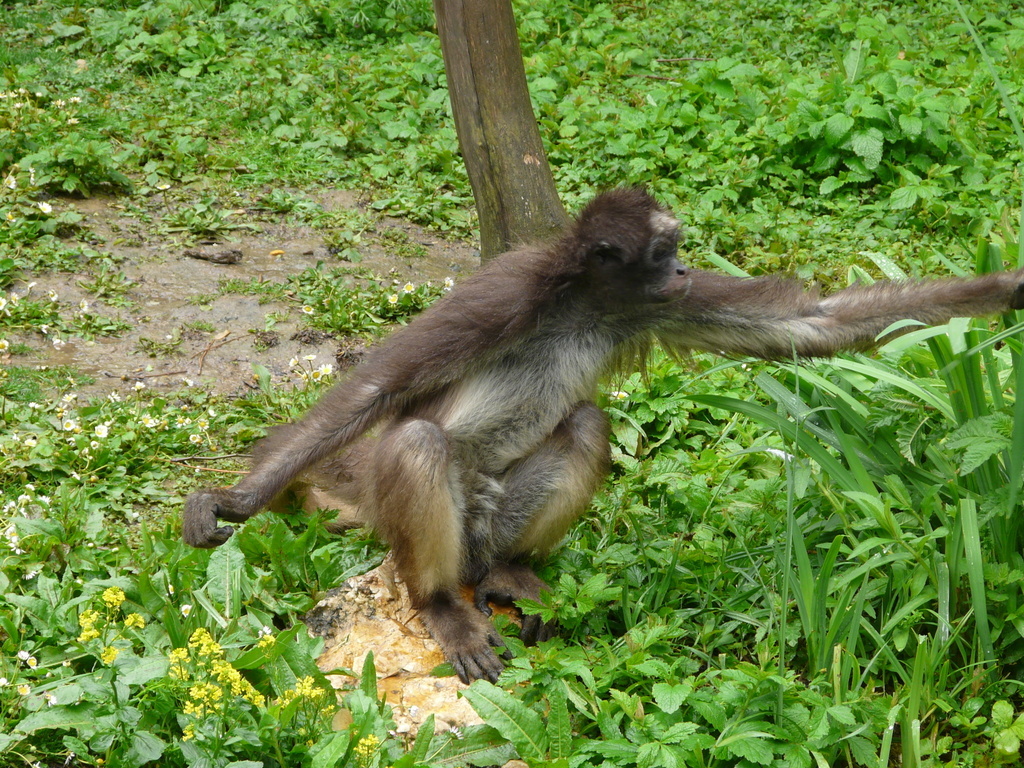
Ateles hybridus
species of primate
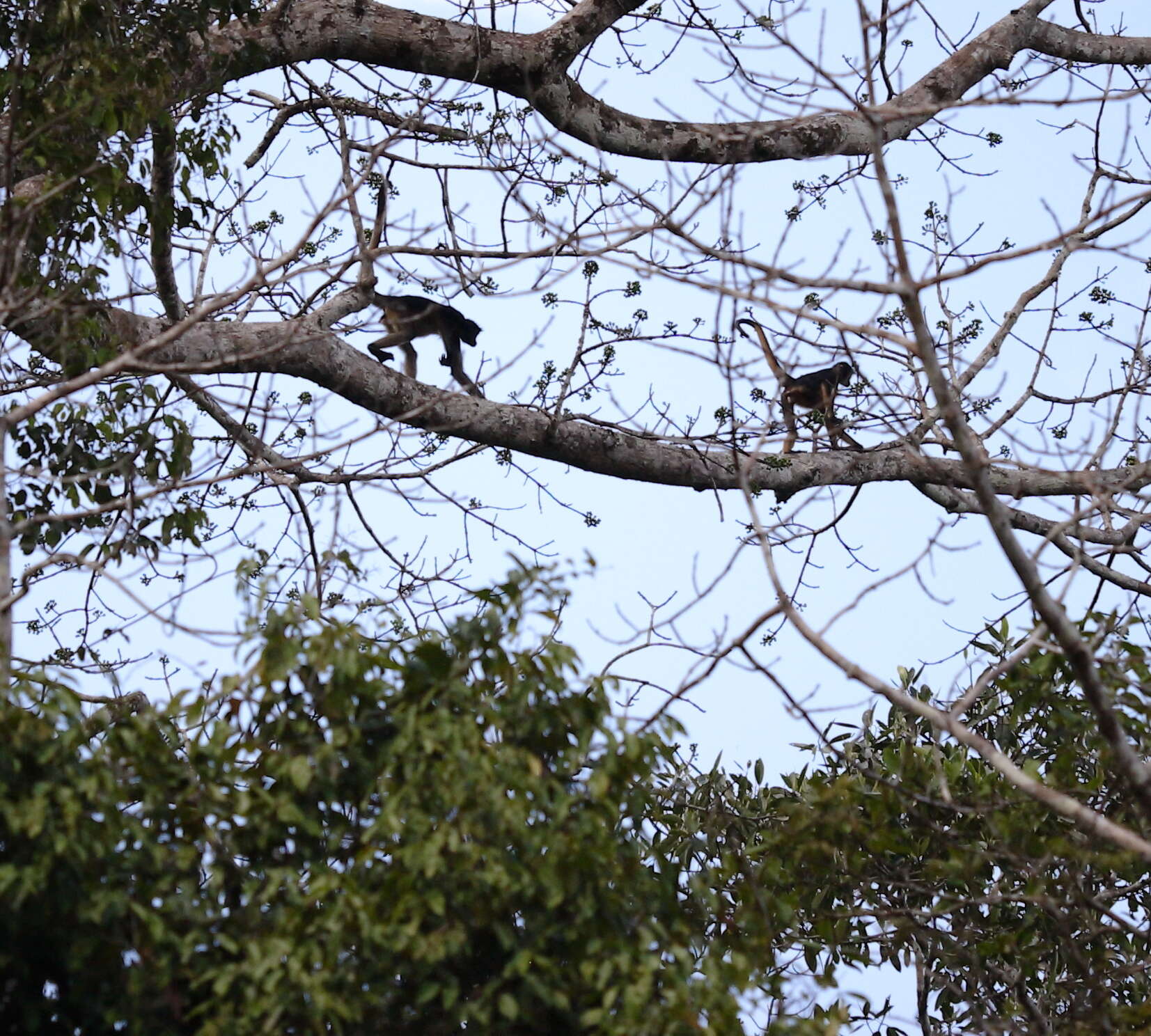
Ateles belzebuth
species of mammal
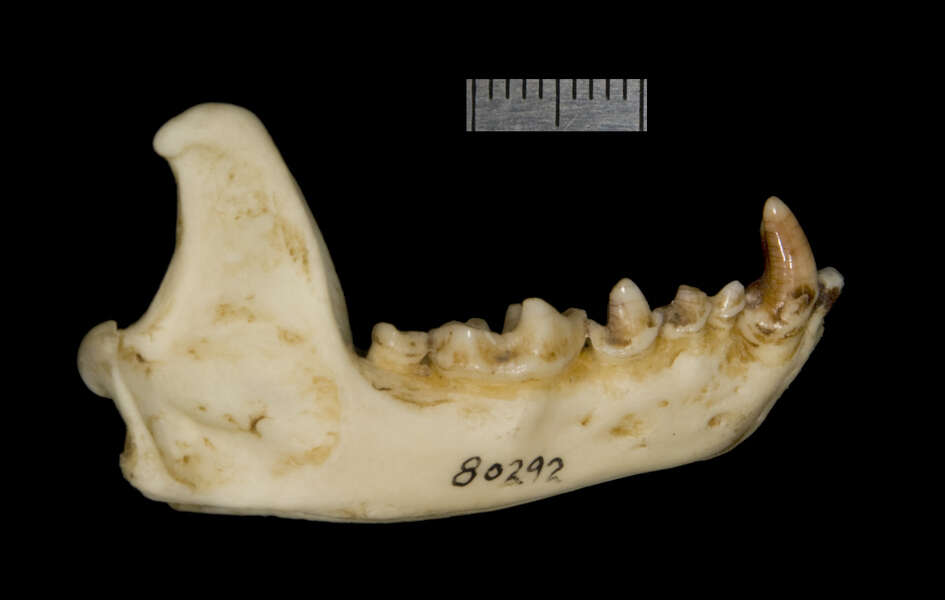
Conepatus semistriatus
species of mammal
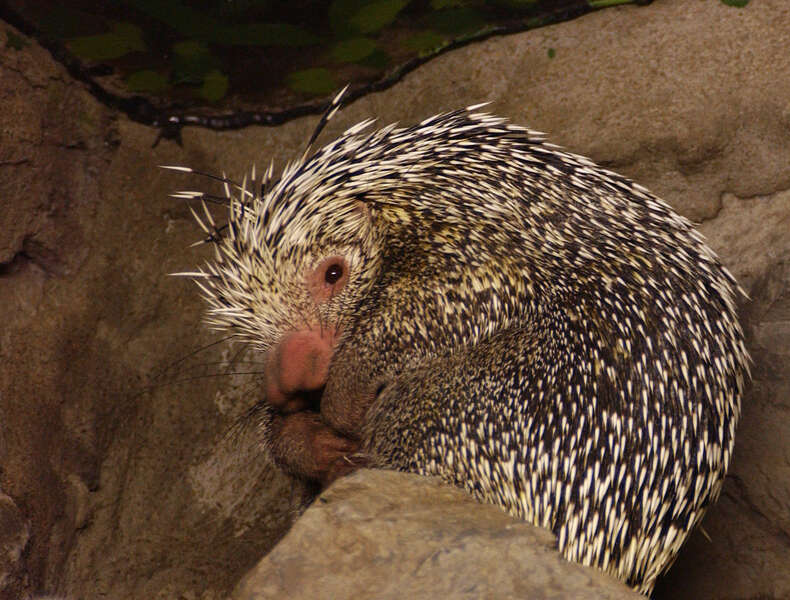
Brazilian porcupine
species of mammal

Red-rumped agouti
species of mammal

Brazilian guinea pig
species of mammal
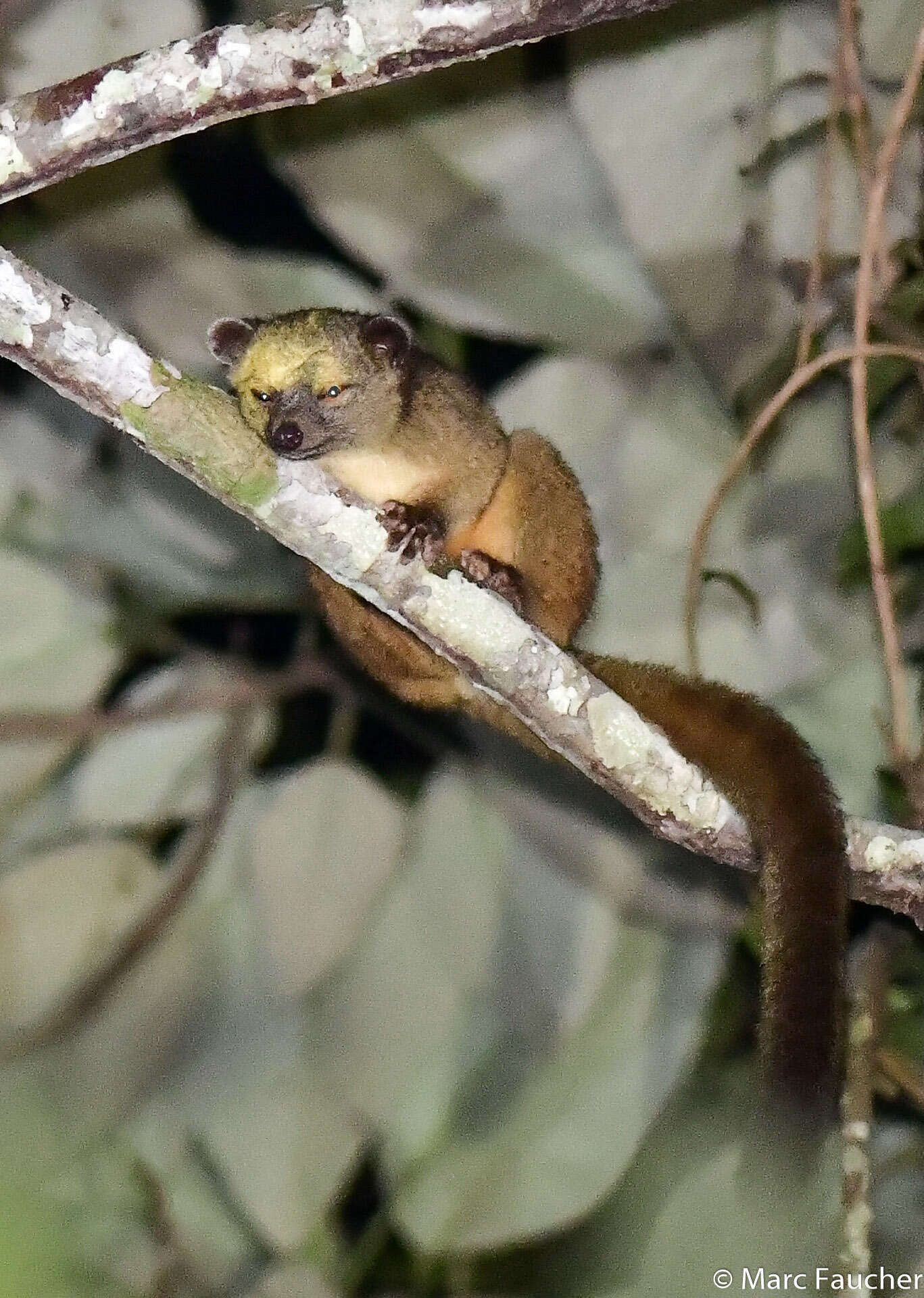
Allen's olingo
species of mammal

lowland paca
species of mammal

Guiana dolphin
species of mammal

Northern naked-tailed armadillo
species of mammal

southern naked-tailed armadillo
species of mammal

Black agouti
species of mammal
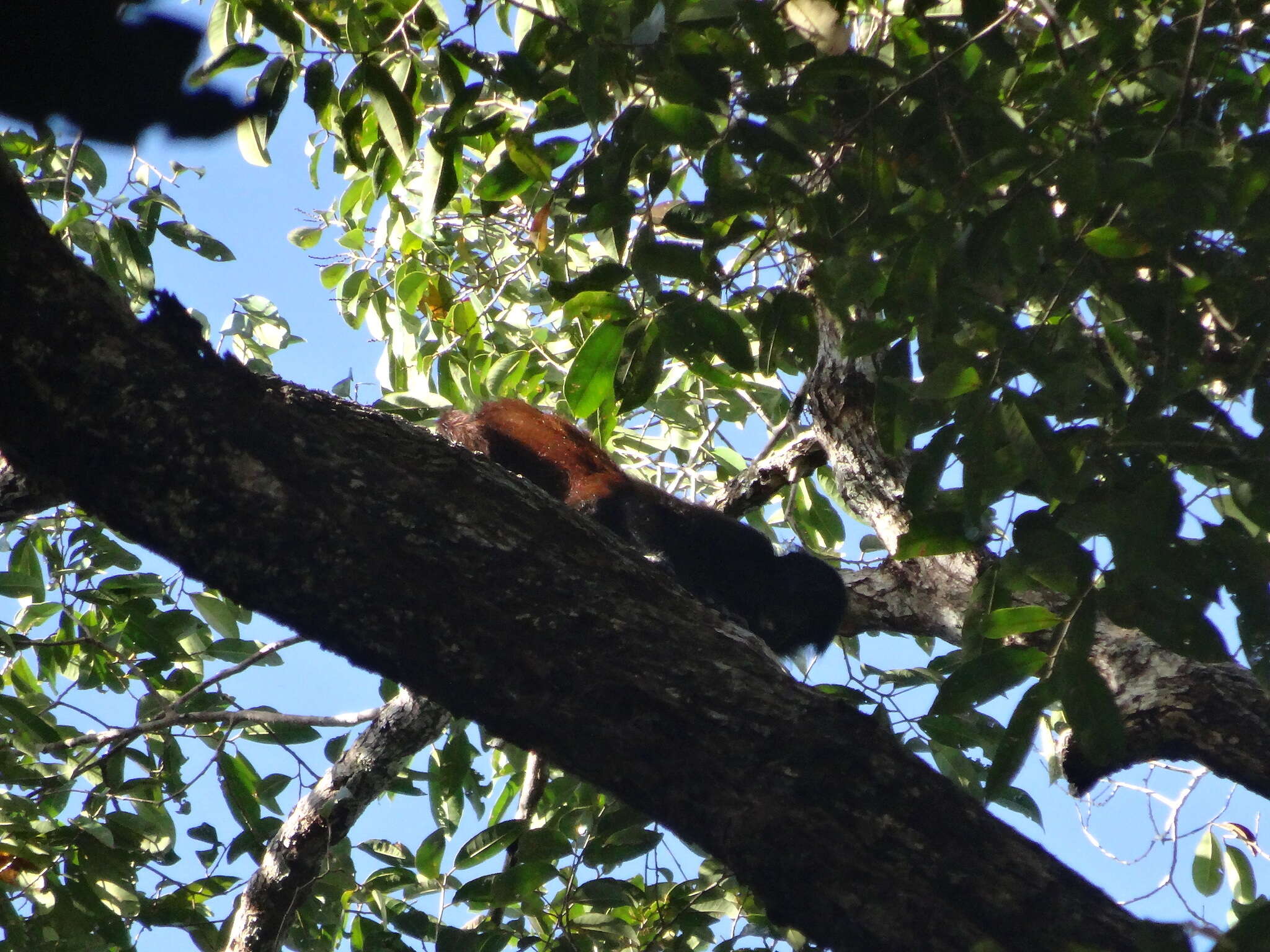
Black-headed uakari
species of mammal

Central American agouti
species of mammal

Lesser capybara
species of mammal

greater long-nosed armadillo
species of mammal
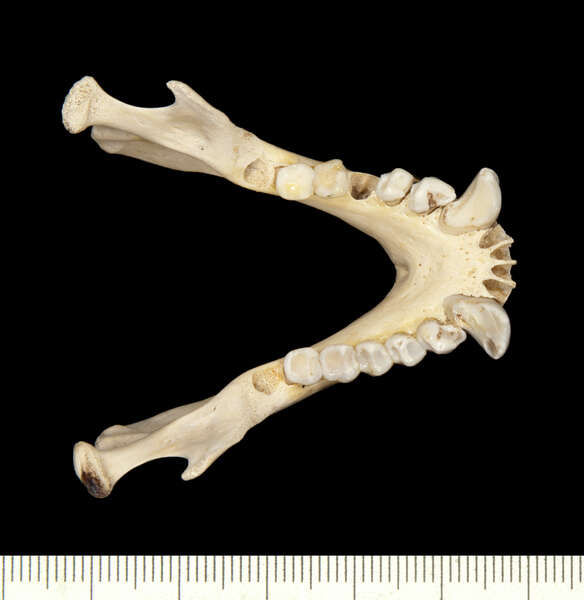
Humboldt's white-fronted capuchin
species of mammal
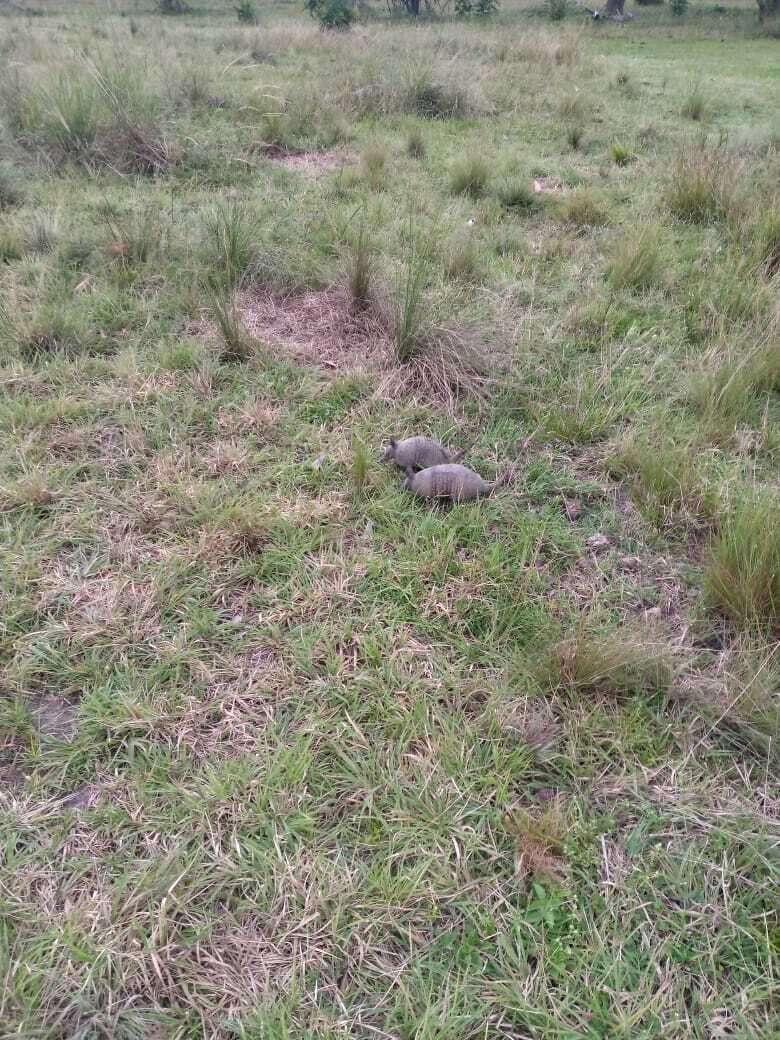
Llanos long-nosed armadillo
species of mammal
Red-tailed squirrel
species of mammal

White-winged Vampire Bat
species of mammal

Gray-bellied night monkey
species of mammal