Category
page 1Symbols of Victoria

gold
Gold is a chemical element; its chemical symbol is Au (from Latin ) and atomic number 79. In its pure form, it is a bright-metallic-yellow, dense, soft, malleable, and ductile metal. Chemically, gold is a transition metal, a group 11 element, and one of the noble metals. It is one of the least reactive chemical elements, being the second lowest in the reactivity series, with only platinum ranked as less reactive. Gold is solid under standard conditions.
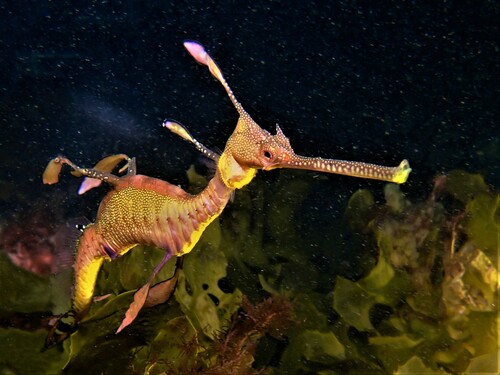
Phyllopteryx taeniolatus
species of fish
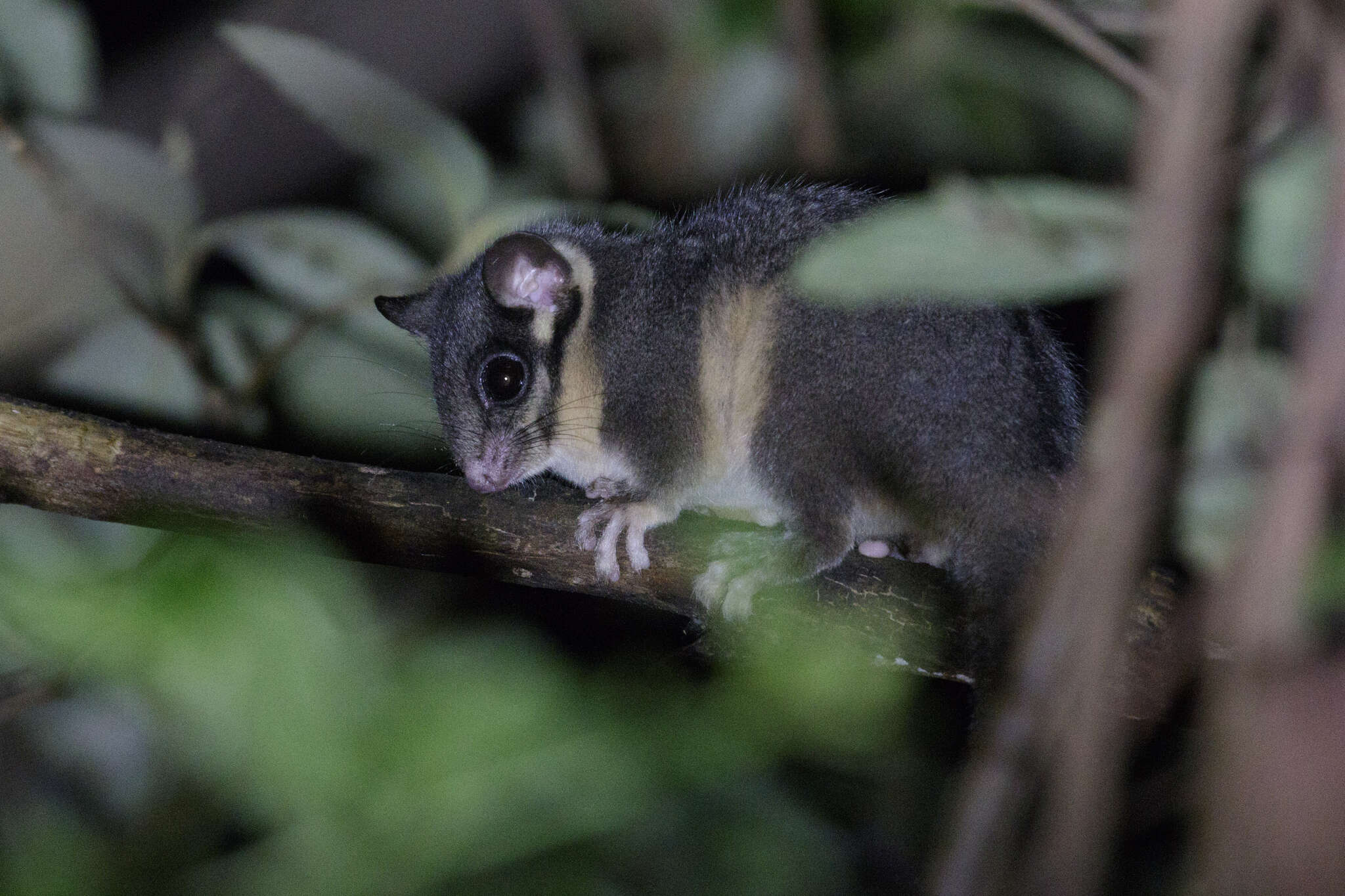
Leadbeater's possum
species of mammal

Koolasuchus cleelandi
Koolasuchus is an extinct genus of brachyopoid temnospondyl in the family Chigutisauridae. Fossils have been found in Victoria, Australia and date back to 125-120 million years ago during the Barremian and Aptian stages of the Early Cretaceous, making Koolasuchus the youngest known temnospondyl. It is known from several fragments of the skull and other bones such as vertebrae, ribs, and pectoral elements. The type species Koolasuchus cleelandi was named in 1997. K. cleelandi was adopted as the fossil emblem for the state of Victoria, Australia on 13 January 2022.
flag of Victoria
state flag of Victoria, Australia
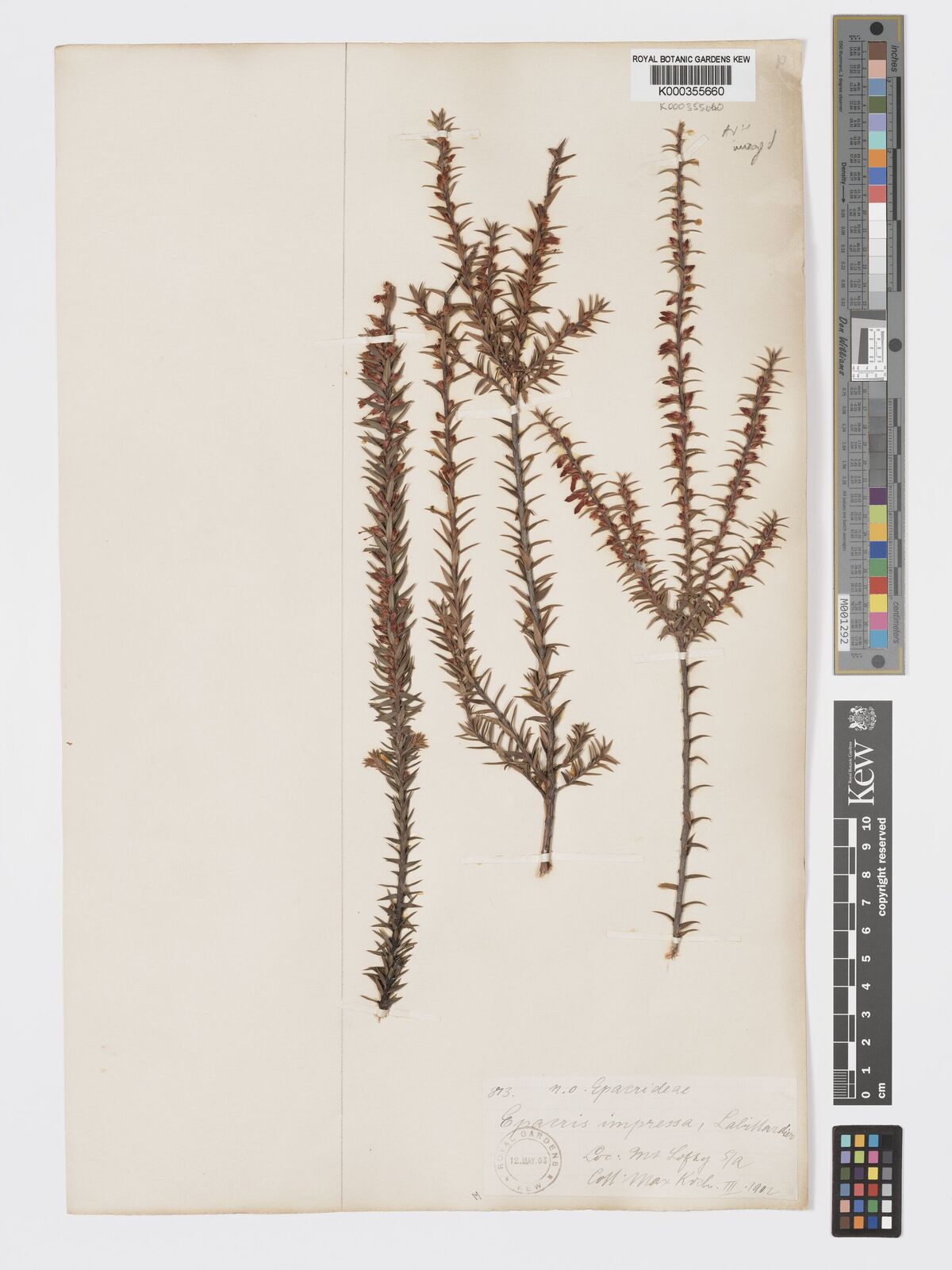
Epacris impressa
species of plant
coat of arms of Victoria
official symbol of the Australian state of Victoria
Helmeted Honeyeater
subspecies of bird