Category
page 1Taxa named by Charles Lucien Bonaparte

penguin
Penguins are a group of flightless semi-aquatic sea birds which live almost exclusively in the Southern Hemisphere. Only one species, the Galapagos penguin, lives at, and slightly north of, the equator. Highly adapted for life in the ocean water, penguins have countershaded dark and white plumage and flippers for swimming. Most penguins feed on krill, fish, squid and other forms of sea life which they catch with their bills and swallow whole while swimming. A penguin has a spiny tongue and powerful jaws to grip slippery prey.

Herpestidae
A mongoose is a small terrestrial carnivorous mammal belonging to the family Herpestidae. This family has two subfamilies, the Herpestinae and the Mungotinae. The Herpestinae comprises 23 living species that are native to southern Europe, Africa and Asia, whereas the Mungotinae comprises 11 species native to Africa. The Herpestidae originated about in the Early Miocene and genetically diverged into two main lineages between 19.1 and . There is a large introduced population on the islands of Hawaii. Mongoose diets are varied but consist of mainly insects, hatchlings, reptiles and birds.
otter
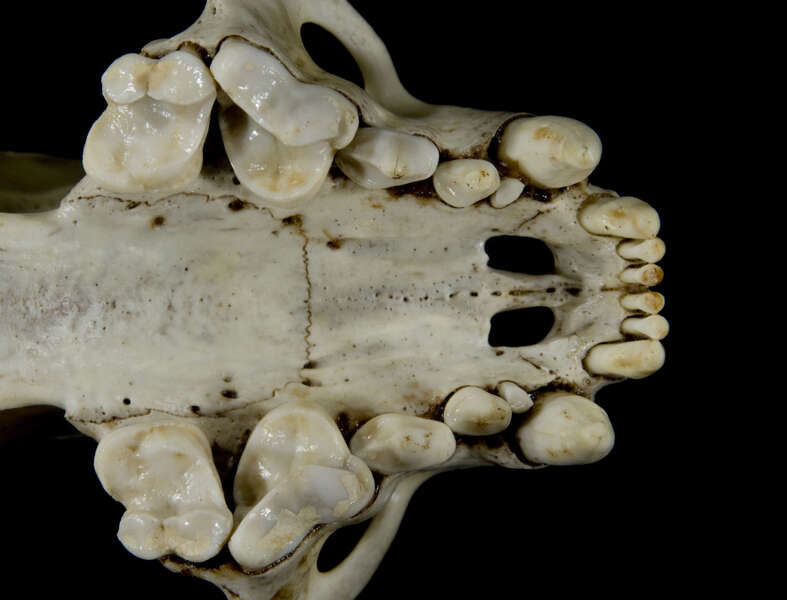
Otters are carnivorous mammals in the subfamily Lutrinae. The 14 extant otter species are all semiaquatic, both freshwater and marine. Lutrinae is a branch of the Mustelidae family, which includes weasels, badgers, mink, and wolverines, among other animals.
%20Scottsdale.jpg)
monotreme
Monotremes () are mammals of the order Monotremata. They are the only mammals still in existence which lay eggs, rather than bearing live young. The five extant monotreme species are the platypus and the four species of echidnas. Monotremes are typified by structural differences in their brains, jaws, digestive tracts, reproductive tracts, and other body parts, compared to the more common mammalian types. Although they are different from other living mammals in that they lay eggs, female monotremes are like other mammals in that they nurse their young with milk.

Podicipedidae
Grebes () are aquatic diving birds in the order Podicipediformes (). Grebes are widely distributed freshwater birds, with some species also found in marine habitats during migration and winter. Most grebes fly, although some flightless species exist, most notably in stable lakes. The order contains a single family, the Podicipedidae, which includes 22 species in six extant genera.
Mephitidae
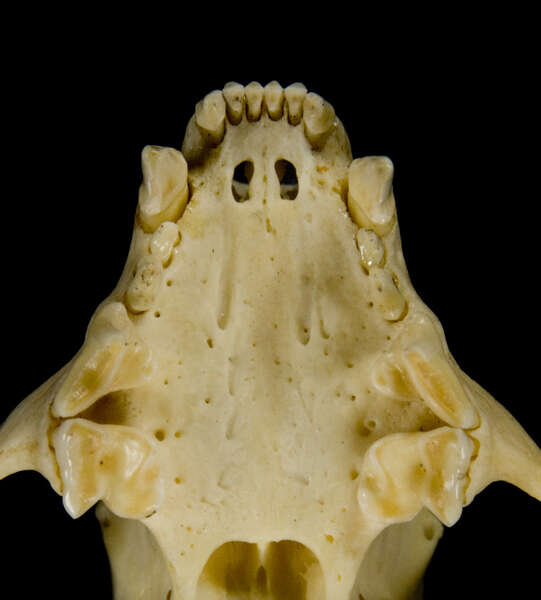
Mephitidae is a family of mammals comprising the skunks and stink badgers. They are noted for the great development of their anal scent glands, which they use to deter predators. Skunks were formerly classified as a subfamily of the Mustelidae (the weasel family); however, in the 1990s, genetic evidence caused skunks to be treated as a separate family. Similarly, the stink badgers had been classified with badgers, but genetic evidence shows they share a more recent common ancestor with skunks, so they are now included in the skunk family. A 2017 study using retroposon markers indicated that th

Gruiformes
The Gruiformes are an order containing a considerable number of living and extinct bird families, with a widespread geographical diversity. Gruiform means 'crane form'.
Ciconiiformes
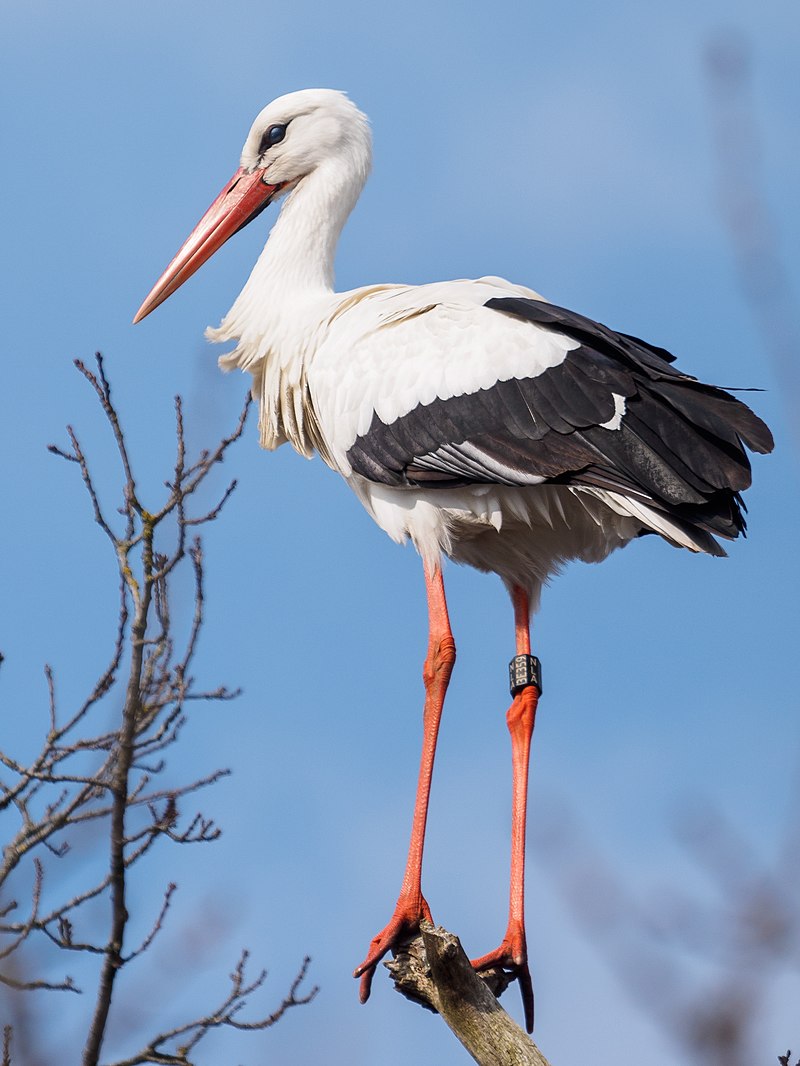
REDIRECT Stork

Sterninae
thumb|Common tern in flight
thumb|Common tern in flight

Pteroclidae
Sandgrouse is the common name for Pteroclidae (), a family of sixteen species of bird, members of the order Pterocliformes (). They are traditionally placed in two genera. The two central Asian species are classified as Syrrhaptes and the other fourteen species, from Africa and Asia, are placed in the genus Pterocles. They are ground-dwelling birds restricted to treeless, open country, such as plains, savannahs, and semi-deserts. They are distributed across northern, southern, and eastern Africa, Madagascar, the Middle East, and India through central Asia. The ranges of the black-bellied sandg
.jpg)
sturgeon
”Sturgeon” is the common name for the 27 species of fish belonging to the family Acipenseridae. The earliest sturgeon fossils date to the Late Cretaceous, and are descended from other, earlier acipenseriform fish, which date back to the Early Jurassic period, some 174 to 201 million years ago. They are one of two living families of the Acipenseriformes alongside paddlefish (Polyodontidae). The family is grouped into five genera: Acipenser, Huso, Scaphirhynchus, Sinosturio, and Pseudoscaphirhynchus. Two species (H. naccarii and S. dabryanus) may be extinct in the wild, and one (P. fedtschenkoi)

Tetraodontidae
thumb|right|Deflated Valentin's sharpnose puffer|Valentinni's sharpnose puffer
Tetraodontidae is a family of marine and freshwater fish in the order Tetraodontiformes. The family includes many familiar species variously called pufferfishes, puffers, balloonfishes, blowfishes, blowers, blowies, bubblefishes, globefishes, swellfishes, toadfishes, toadies, botetes, toadle, honey toads, sugar toads, and sea squabs. They are morphologically similar to the closely related porcupinefish, which have large external spines (unlike the thinner, hidden spines of the Tetraodontidae, which are only visible

Dinornithiformes
Moa (order Dinornithiformes) are an extinct group of flightless birds formerly endemic to New Zealand. During the Late Pleistocene-Holocene, there were nine species, in six genera. The two largest species, Dinornis robustus and Dinornis novaezelandiae, reached about in height with neck outstretched, and weighed about ; the smallest, the bush moa (Anomalopteryx didiformis), was about the size of a turkey. Estimates of the moa population when Polynesians settled New Zealand circa 1300 C.E. range from 58,000 to 2.5 million.
%20in%20Rheinland-Pfalz.jpg)
Streptopelia
Streptopelia (collared doves and turtle doves) is a genus of 15 species of birds in the pigeon and dove family Columbidae native to the Old World in Africa, Europe, and Asia. These are mainly slim, small to medium-sized species. The upperparts tend to be buffy brown and the underparts are often a shade of pinkish-brown, and they have a characteristic black-and-white patch on the neck. They have cooing or purring songs, monotonous in some, restful and soothing in others. The genus divides into two groups, the collared dove group (11 species) with uniform upperparts and a black half-collar edged

Cichlidae
Cichlids () are a large, diverse, and widespread family of percomorph fish in the family Cichlidae, order Cichliformes. At least 1,760 species have been scientifically described, making it one of the largest vertebrate families, with only the Cyprinidae being more speciose. New species are discovered annually, and many species remain undescribed. The actual number of species is therefore unknown, with estimates varying between 2,000 and 3,000. They are native to the Neotropics, Africa (including Madagascar), the Middle East, and the Indian subcontinent, although some species have been int

Pristidae
Sawfish, also known as carpenter sharks, are a family of very large rays characterized by a long, narrow, flattened rostrum, or nose extension, lined with sharp transverse teeth, arranged in a way that resembles a saw. They are among the largest fish, with some species reaching lengths of about . They are found worldwide in tropical and subtropical regions in coastal marine and brackish estuarine waters, as well as freshwater rivers and lakes. All species are critically endangered.

vampire bat
subfamily of mammals

elephant bird
family of birds (subfossil)

Elasmobranchs
Elasmobranchii () is a subclass of Chondrichthyes or cartilaginous fish, including modern sharks (division Selachii), and batomorphs (division Batomorphi, including rays, skates, and sawfish). Members of this subclass are characterised by having five to seven pairs of gill slits opening individually to the exterior, rigid dorsal fins and small placoid scales on the skin. The teeth are in several series; the upper jaw is not fused to the cranium, and the lower jaw is articulated with the upper. The details of this jaw anatomy vary between species, and help distinguish the different elasmobranch

Macroscelididae
family of mammals

Strigopidae
family of birds

Recurvirostridae
The Recurvirostridae are a family of birds in the wader suborder Charadrii. It contains two distinct groups of birds, the avocets (one genus) and the stilts (two genera).

bichir
Bichirs and the reedfish comprise Polypteridae , a family of archaic ray-finned fishes and the only family in the order Polypteriformes .

Poeciliidae
Poeciliidae are a family of freshwater ray-finned fishes of the order Cyprinodontiformes, the tooth-carps, and include well-known live-bearing aquarium fish, such as the guppy, molly, platy, and swordtail. The original distribution of the family was the Southeastern United States to north of Río de la Plata, Argentina. Due to release of aquarium specimens and the widespread use of species of the genera Poecilia and Gambusia for mosquito control, though, introduced poeciliids can today be found in all tropical and subtropical areas of the world. In addition, Poecilia and Gambusia specimens have

Geomyidae
Pocket gophers, commonly referred to simply as gophers, are burrowing rodents of the family Geomyidae. The roughly 41 species are all endemic to North and Central America. They are commonly known for their extensive tunneling activities and their ability to damage farms and gardens.
Cotingidae
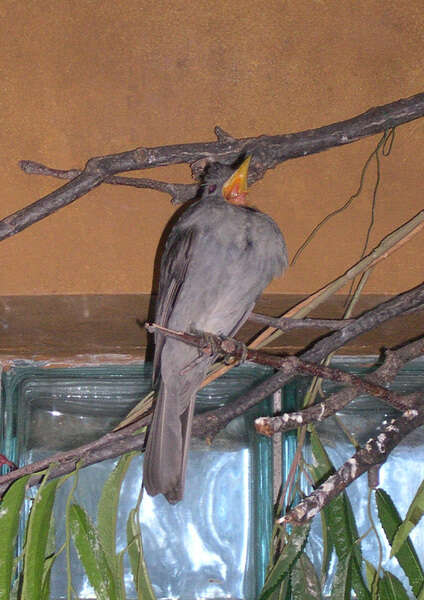
The cotingas are a large family, Cotingidae, of suboscine passerine birds found in Central America and tropical South America. Cotingas are birds of forests or forest edges, that are primary frugivorous. They all have broad bills with hooked tips, rounded wings, and strong legs. They range in size from of the fiery-throated fruiteater (Pipreola chlorolepidota) up to of the Amazonian umbrellabird (Cephalopterus ornatus).
-%20Breeding%20plumage%20W2%20IMG%208770.jpg)
Flamingos
Flamingos or flamingoes () are a type of wading bird in the family Phoenicopteridae, which is the only extant family in the order Phoenicopteriformes. There are four flamingo species distributed throughout the Americas (including the Caribbean), and two species native to Afro-Eurasia.

Acanthuridae
thumb|The exposed caudal spine of Acanthurus xanthopterus
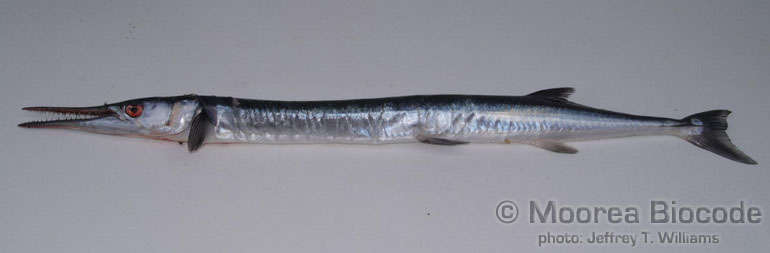
Belonidae
Needlefish (family Belonidae) or long toms are piscivorous fishes primarily associated with very shallow marine habitats or the surface of the open sea. Some genera include species found in marine, brackish, and freshwater environments (e.g., Strongylura), while a few genera are confined to freshwater rivers and streams, including Belonion, Potamorrhaphis, and Xenentodon. Needlefish closely resemble North American freshwater gars (family Lepisosteidae) in being elongated and having long, narrow jaws filled with sharp teeth, and some species of needlefishes are referred to as gars or garfish de
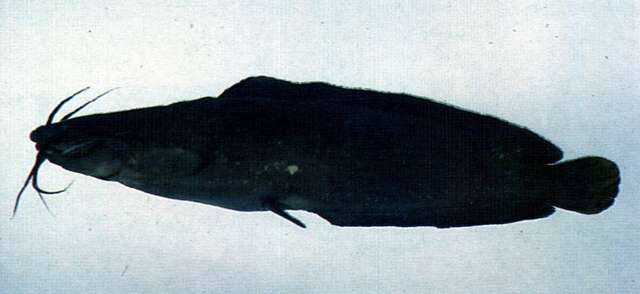
Airbreathing catfish
family of fish

Holocephali
Holocephali (sometimes spelled Holocephala; Greek for "complete head" in reference to the fusion of upper jaw with the skull) is a subclass of cartilaginous fish. The only living holocephalans are the three families of chimaeras, but the group also includes many extinct members and was more diverse during the Paleozoic and Mesozoic eras. The earliest known fossils of holocephalans date to the Middle Devonian, and the subclass likely reached its peak diversity during the following Carboniferous Period. Molecular clock studies suggest that holocephalans diverged from their closest relatives, ela

Chinese Pond Heron
species of bird
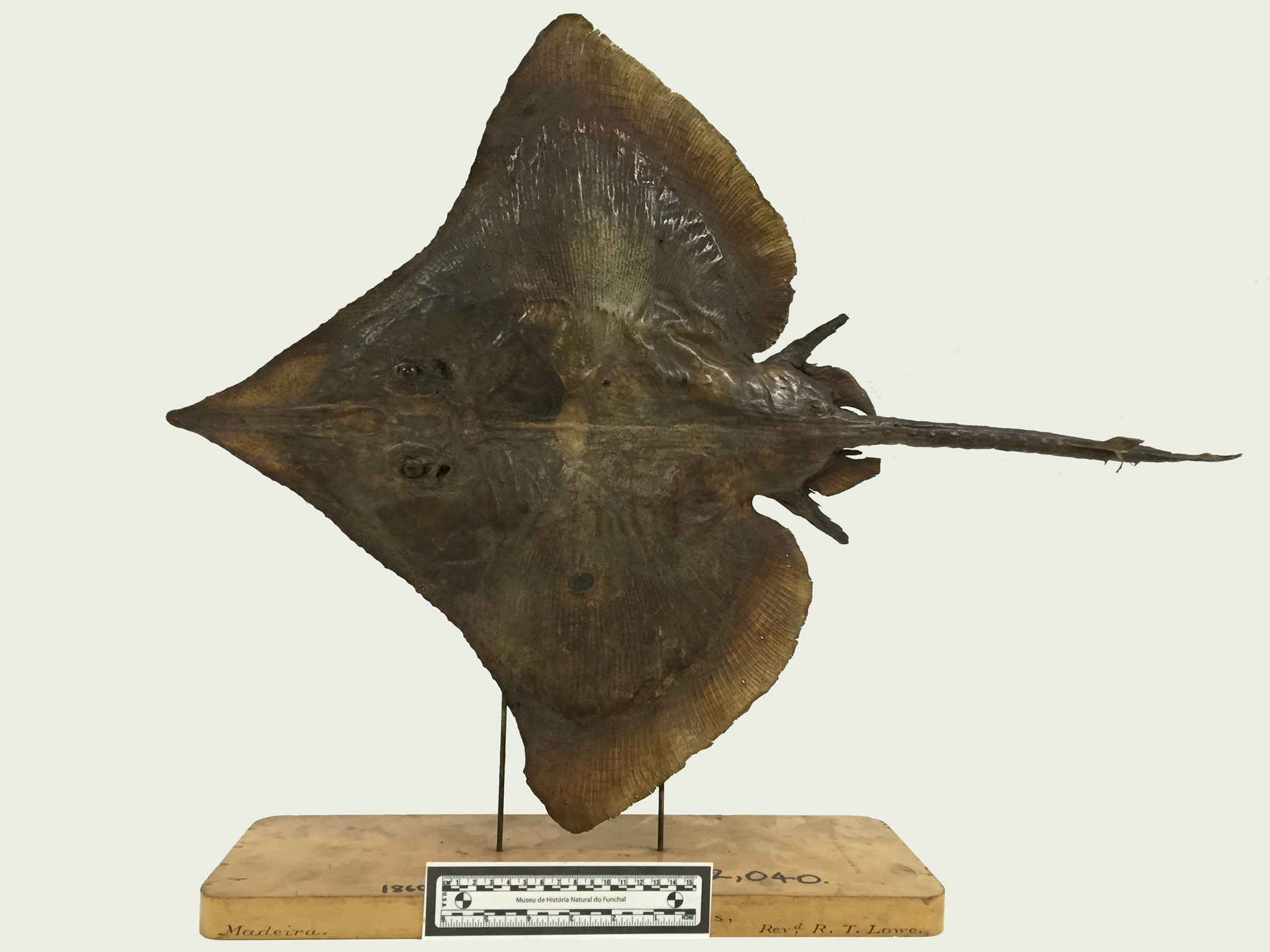
Rajidae
family of fishes

New World porcupine
family of mammals
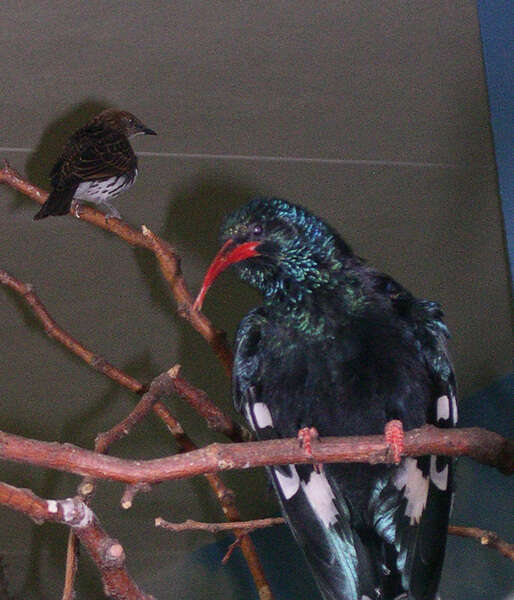
Phoeniculidae
family of birds

Cebidae
The Cebidae are one of the five families of New World monkeys now recognised. Extant members are the capuchin and squirrel monkeys. These species are found throughout tropical and subtropical South and Central America.

Soleidae
The true soles are a family, Soleidae, of flatfishes. It includes saltwater and brackish water species in the East Atlantic, Indian Ocean, West and Central Pacific Ocean, and the Mediterranean sea. Freshwater species are found in Africa, southern Asia, New Guinea, and Australia. Many soles are important food species: the common sole, Solea solea, is popular in northern Europe and the Mediterranean.
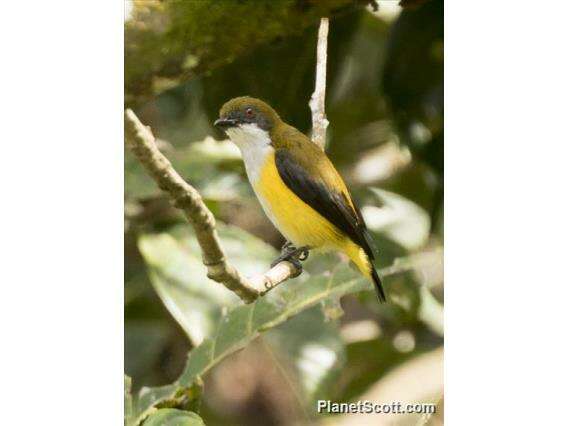
Dicaeidae
The flowerpeckers are a family, Dicaeidae, of passerine birds. The family comprises three genera, Dicaeum, Prionochilus and Pachyglossa, with 56 species in total. The family has sometimes been included in an enlarged sunbird family Nectariniidae. The berrypeckers of the family Melanocharitidae and the painted berrypeckers, Paramythiidae, were once lumped into this family as well. The family is distributed through tropical southern Asia and Australasia from India east to the Philippines and south to Australia. The family has a wide range occupying a wide range of environments from sea level to

Diodontidae
Porcupinefishes are medium-to-large fish belonging to the family Diodontidae from the order Tetraodontiformes which are also commonly called blowfishes and, sometimes, balloonfishes and globefishes. The family includes about 18 species. They are sometimes collectively called pufferfishes, not to be confused with the morphologically similar and closely related Tetraodontidae, which are more commonly given this name.

Mimidae
__NOTOC__

paddlefish
Paddlefish are members of the ray-finned fish family Polyodontidae, which belong to the basal order Acipenseriformes, one of two living groups within this order alongside sturgeons (Acipenseridae). Their most distinctive feature is an elongated rostrum that enhances electroreception, allowing them to detect prey in murky water. Both recent and fossil paddlefish occur exclusively in North America and Eastern Asia.

Anarhichadidae
Anarhichadidae, the wolffishes, sea wolves or wolf eels, is a family of marine ray finned fishes belonging to the order Perciformes. These are predatory, eel shaped fishes which are native to the cold waters of the Arctic, North Pacific and North Atlantic Oceans.

Cariamidae
The seriemas are the sole living members of the small bird family Cariamidae (the entire family is also referred to as "seriemas"), which is also the only surviving lineage of the order Cariamiformes. Once believed to be related to cranes, they have been placed near the falcons, parrots, and passerines, as well as the extinct Phorusrhacidae (terror birds). The seriemas are large, long-legged territorial birds that range from in length. They live in grasslands, savanna, dry woodland and open forests of Brazil, Bolivia, Argentina, Paraguay and Uruguay. There are two species of seriemas, the red-
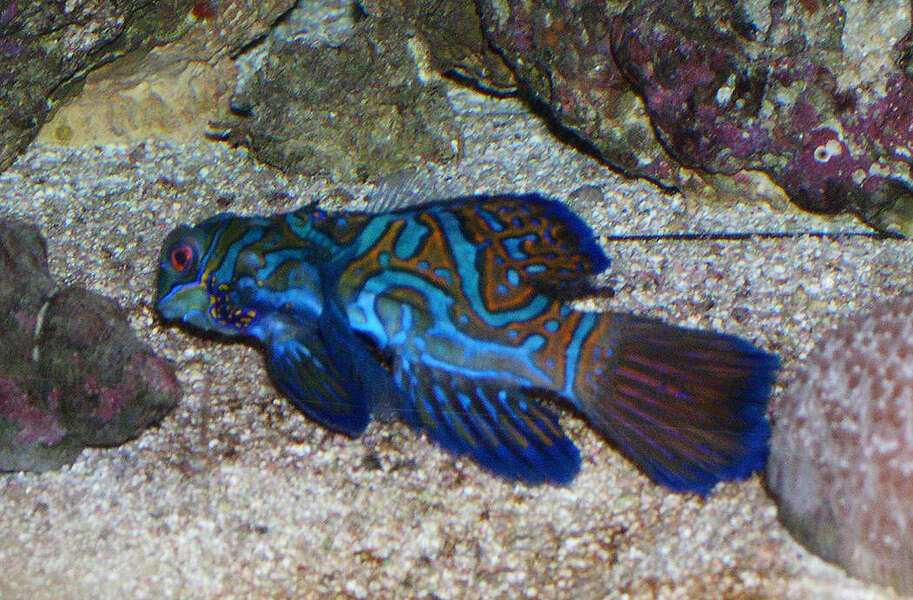
Callionymidae
Dragonets are small percomorph marine fish of the diverse family Callionymidae (from the Greek kallis, "beautiful" and '''', "name") found mainly in the tropical waters of the western Indo-Pacific. They are benthic organisms, spending most of their time near the sandy bottoms, at a depth of roughly two hundred meters. There exist 139 species of the fish, in nineteen genera.

Pomacentridae
Pomacentridae is a family of ray-finned fish, comprising the damselfishes and clownfishes. This family were formerly placed in the order Perciformes or as indeterminate percomorphs, but are now considered basal blenniiforms.
They are primarily marine, while a few species inhabit freshwater and brackish environments (e.g., Neopomacentrus aquadulcis, N. taeniurus, Pomacentrus taeniometopon, Stegastes otophorus). They are noted for their hardy constitutions and territoriality. Many are brightly colored, so they are popular in aquaria.

Grey Hypocolius
species of bird

Monarchidae
family of birds

Yellow-eyed Pigeon
species of bird

Ground roller
family of birds

Savi's Pipistrelle
species of mammal

Lear's Macaw
large all-blue Brazilian parrot

Rupicapra pyrenaica
species of mammal

Myliobatidae
family of fishes
Lethrinidae
Lethrinidae are a family of ray-finned fishes belonging to the order Spariformes commonly known as emperors, emperor breams, and pigface breams.

sand lance
family of fishes

Molidae
The Molidae comprise the family of the molas or ocean sunfishes, unusual fish whose bodies come to an end just behind the dorsal and anal fins, giving them a "half-fish" appearance. They are also the largest of the extant ray-finned bony fish, with the southern sunfish, Mola alexandrini, recorded at in length and in weight.

Sage Grouse
species of bird

Wilson's bird-of-paradise
species of bird

Stilt Sandpiper
species of bird

Scotopelia peli
species of bird