Category
page 1Taxa named by Christiaan Hendrik Persoon
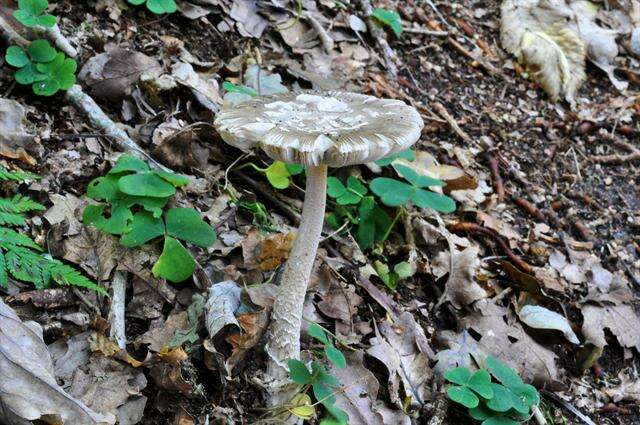
Amanita
The genus Amanita contains about 600 described species of agarics, including some of the most toxic known mushrooms found worldwide, as well as some well-regarded edible species (and many species of unknown edibility). The genus is responsible for 95% of fatalities resulting from mushroom poisoning, with the death cap accounting for 90% of fatalities every year. The most potent toxin synthesized by this genus is .
%2024-10-2024.%20(d.j.b).jpg)
Russula
Russula is a very large genus composed of around 750 worldwide species of fungi. The genus was described by Christian Hendrik Persoon in 1796.

Gyromitra esculenta
species of fungus
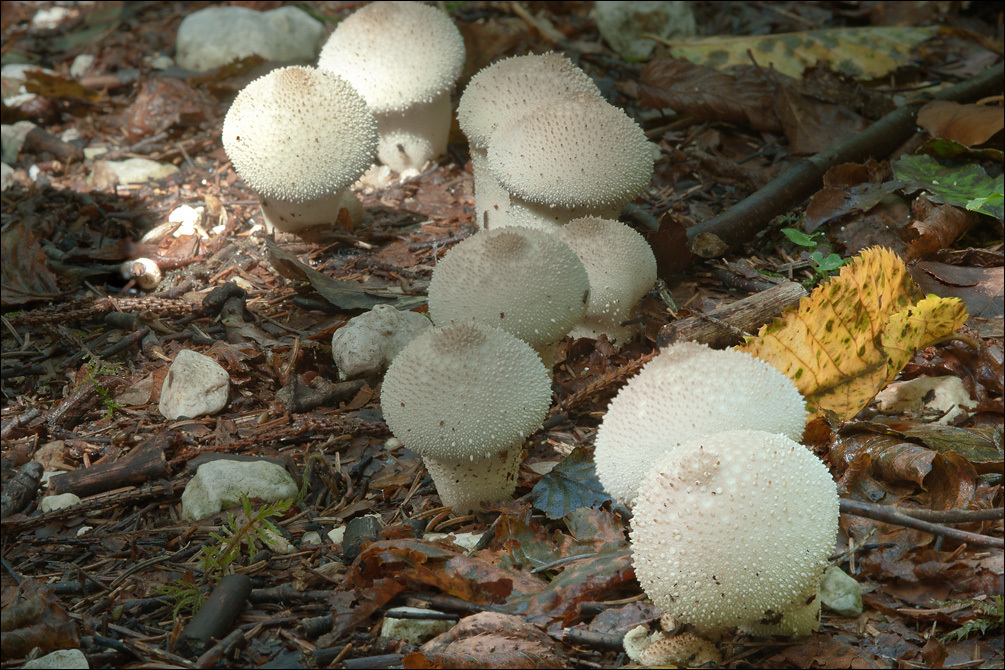
Lycoperdon perlatum
species of fungus
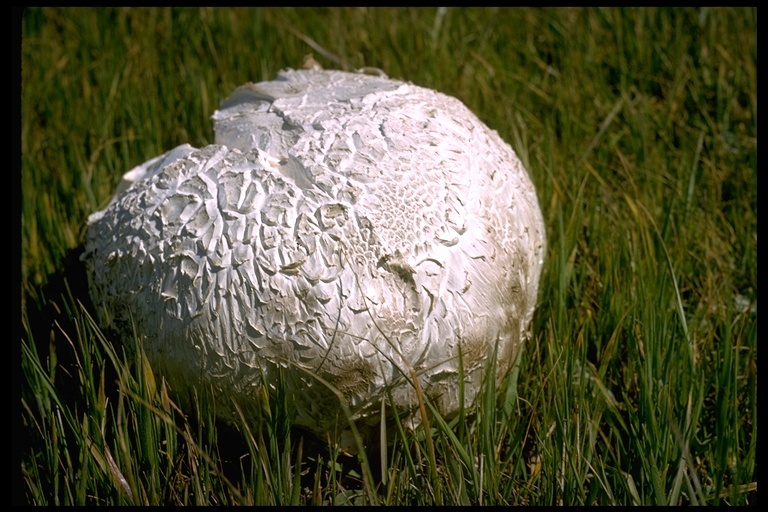
Calvatia gigantea
species of fungus
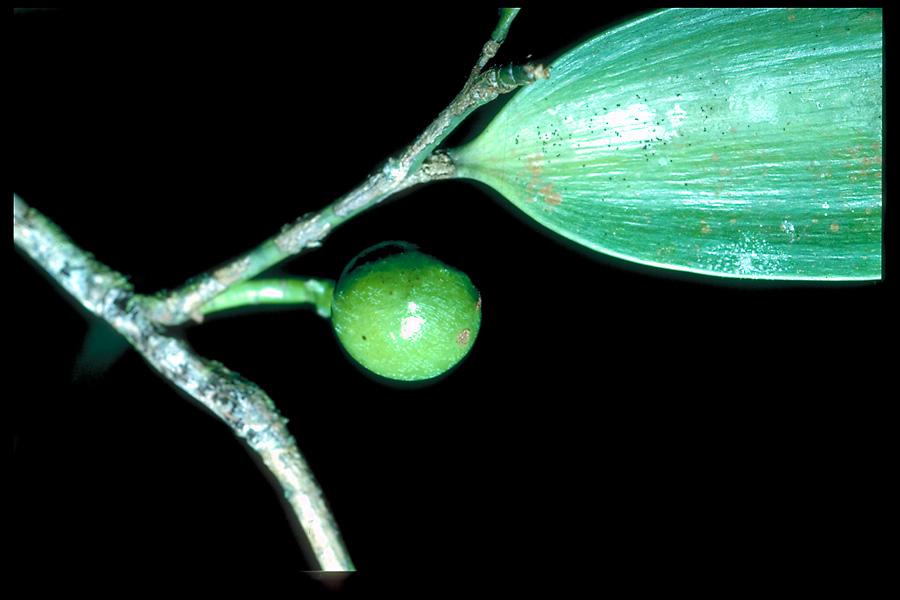
Podocarpus
Podocarpus () is a genus of conifers, the most numerous and widely distributed of the podocarp family, the Podocarpaceae. Podocarpus species are evergreen shrubs or trees, usually from tall, known to reach at times. The cones have two to five fused cone scales, which form a fleshy, berry-like, brightly coloured receptacle at maturity. The fleshy cones attract birds, which then eat the cones and disperse the seeds in their droppings. Plants of the World Online accepts 116 species. Other authorities place 97 to 107 species in the genus depending on the circumscription of the species.
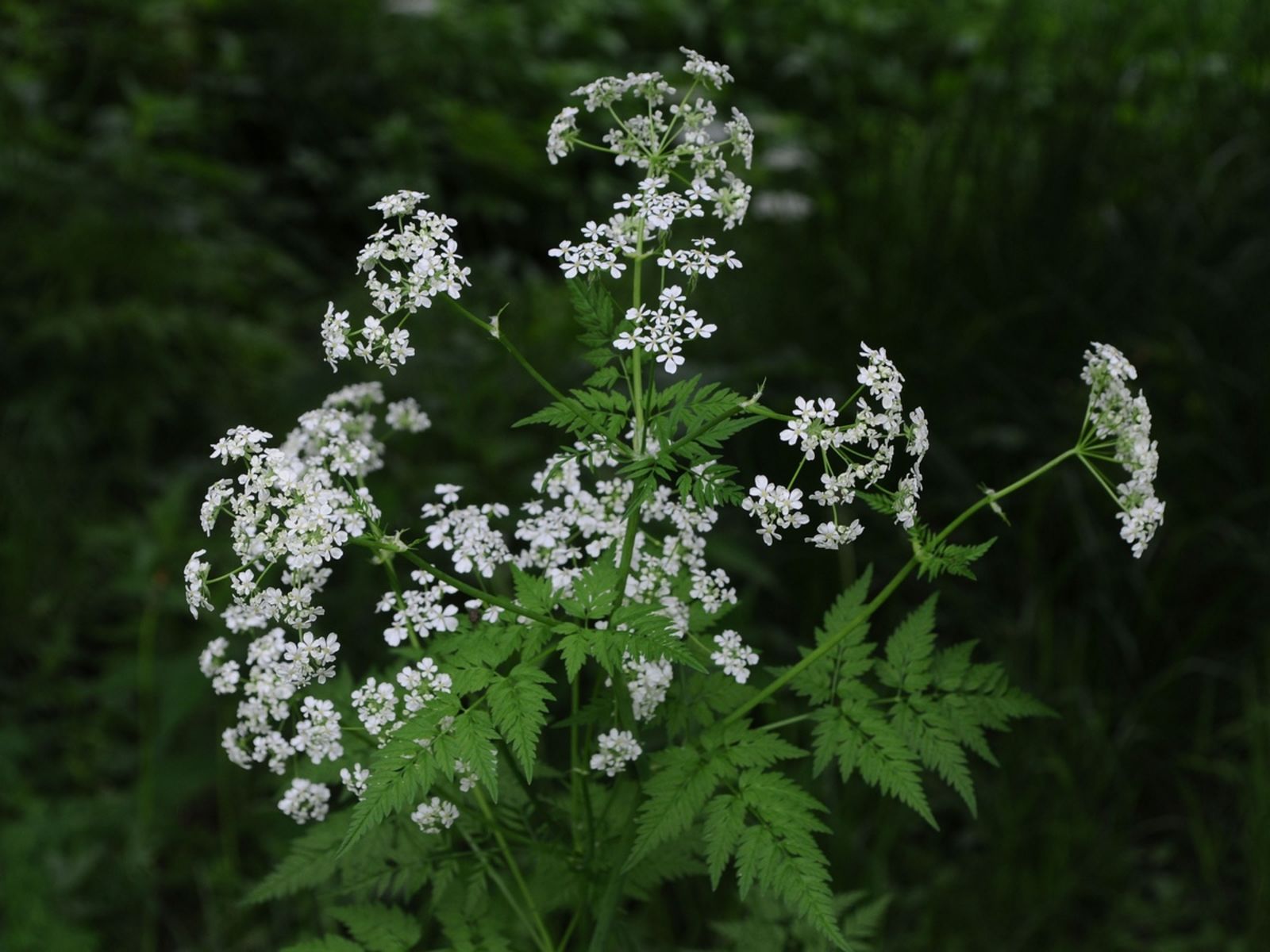
Anthriscus
Anthriscus (chervils) is a common flowering plant genus of the family Apiaceae, which includes 14 species native to Europe, temperate Asia, northwest Africa, and the tropical African mountains. The genus grows in meadows and verges on slightly wet porous soils. One species, Anthriscus cerefolium is cultivated and used in the kitchen to flavor foods.
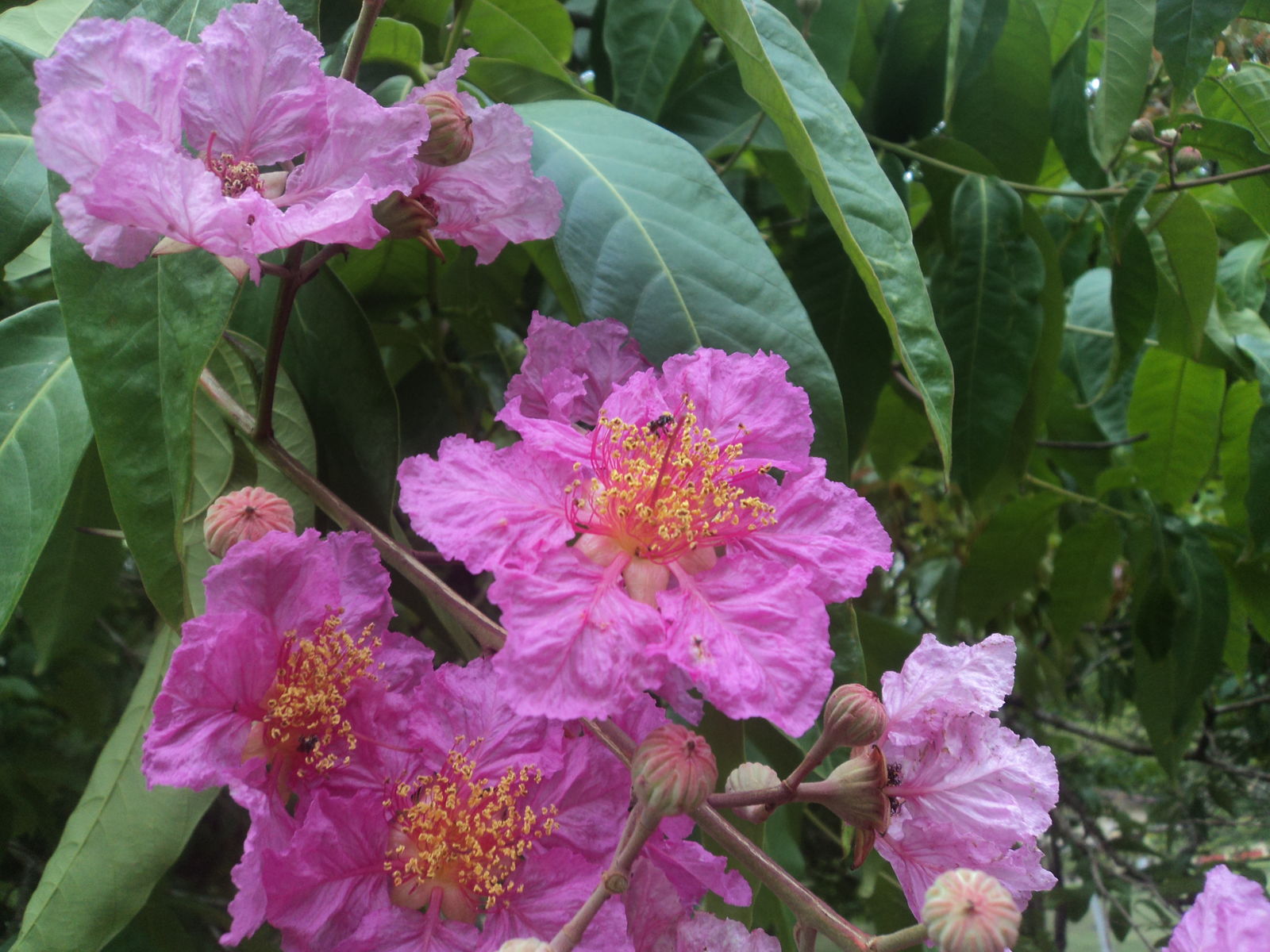
Lagerstroemia speciosa
species of plant

Caloboletus calopus
species of fungi

Entoloma sinuatum
species of fungus

Cortinarius caperatus
species of fungus

Russula foetens
species of fungus

Trisetum
Trisetum is a genus of plants in the grass family, widespread in temperate, subarctic, and alpine habitats in much of the world. Oatgrass is a common name for plants in this genus.
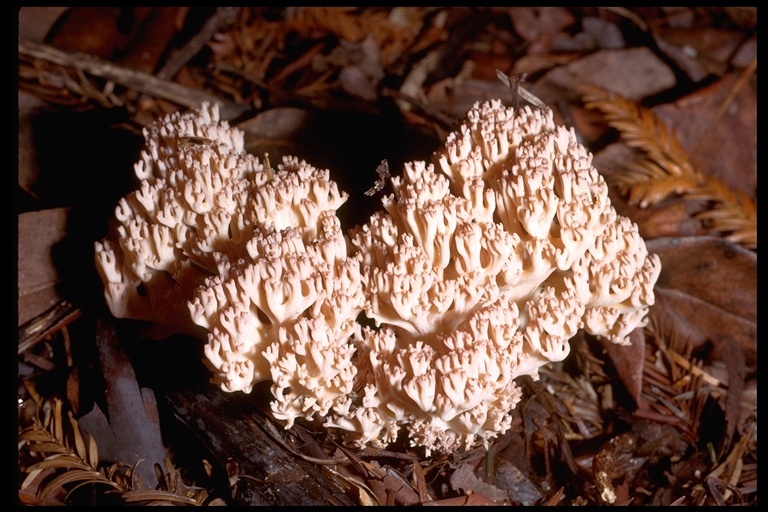
Ramaria botrytis
species of fungus

Xylaria polymorpha
species of fungus

Echinoderma asperum
species of fungus

Lepiota
Lepiota is a genus of gilled mushrooms in the family Agaricaceae. All Lepiota species are ground-dwelling saprotrophs with a preference for rich, calcareous soils. Basidiocarps (fruit bodies) are agaricoid with whitish spores, typically with scaly caps and a ring on the stipe. Around 400 species of Lepiota are currently recognized worldwide. Many species are poisonous, some lethally so.

Caloboletus radicans
species of fungus
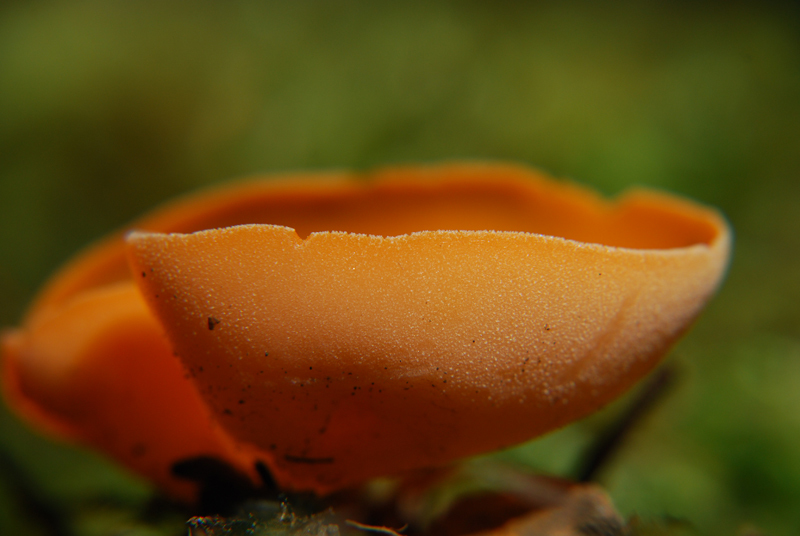
Aleuria aurantia
species of fungus
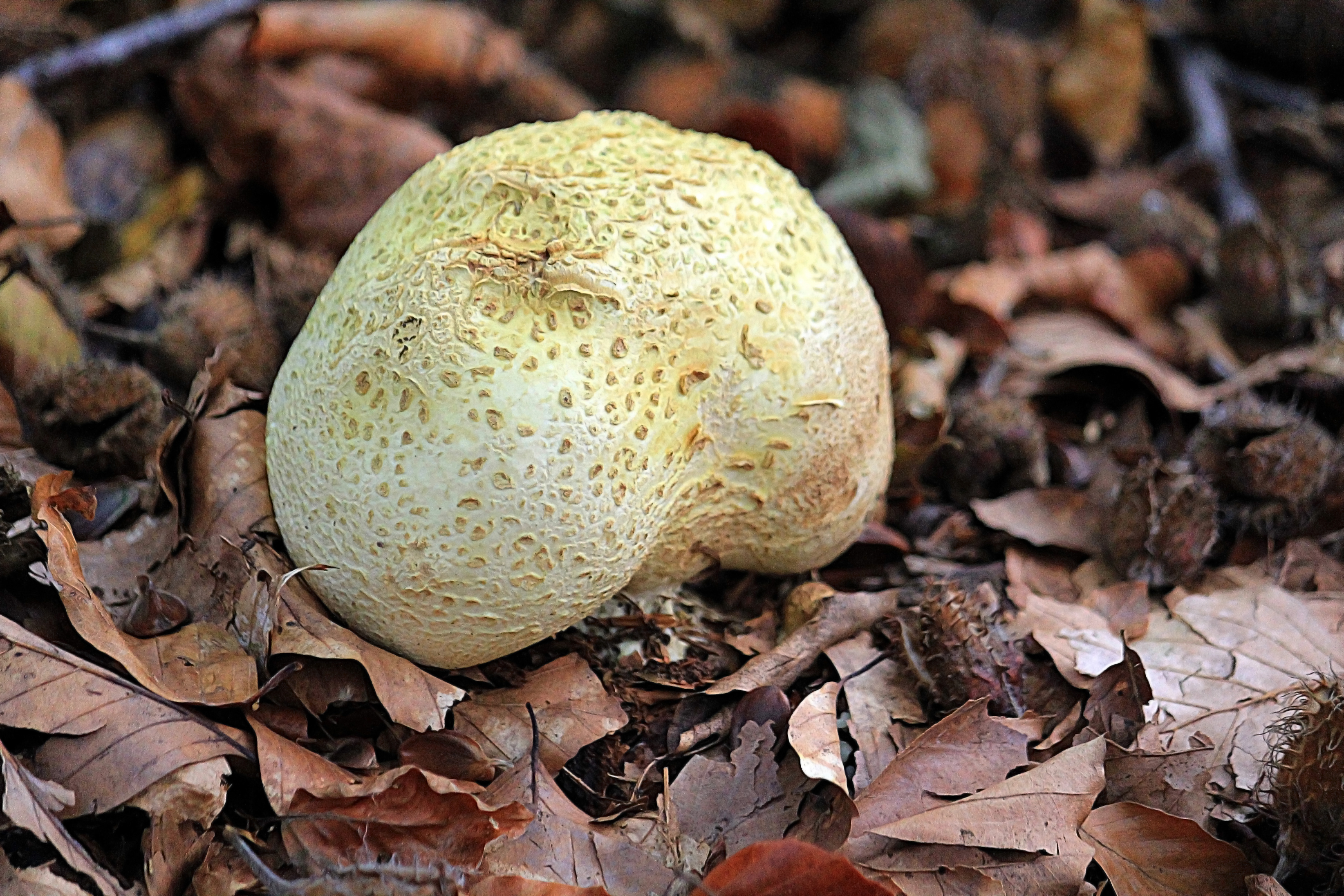
Scleroderma citrinum
species of fungus
Ganoderma applanatum
species of fungus
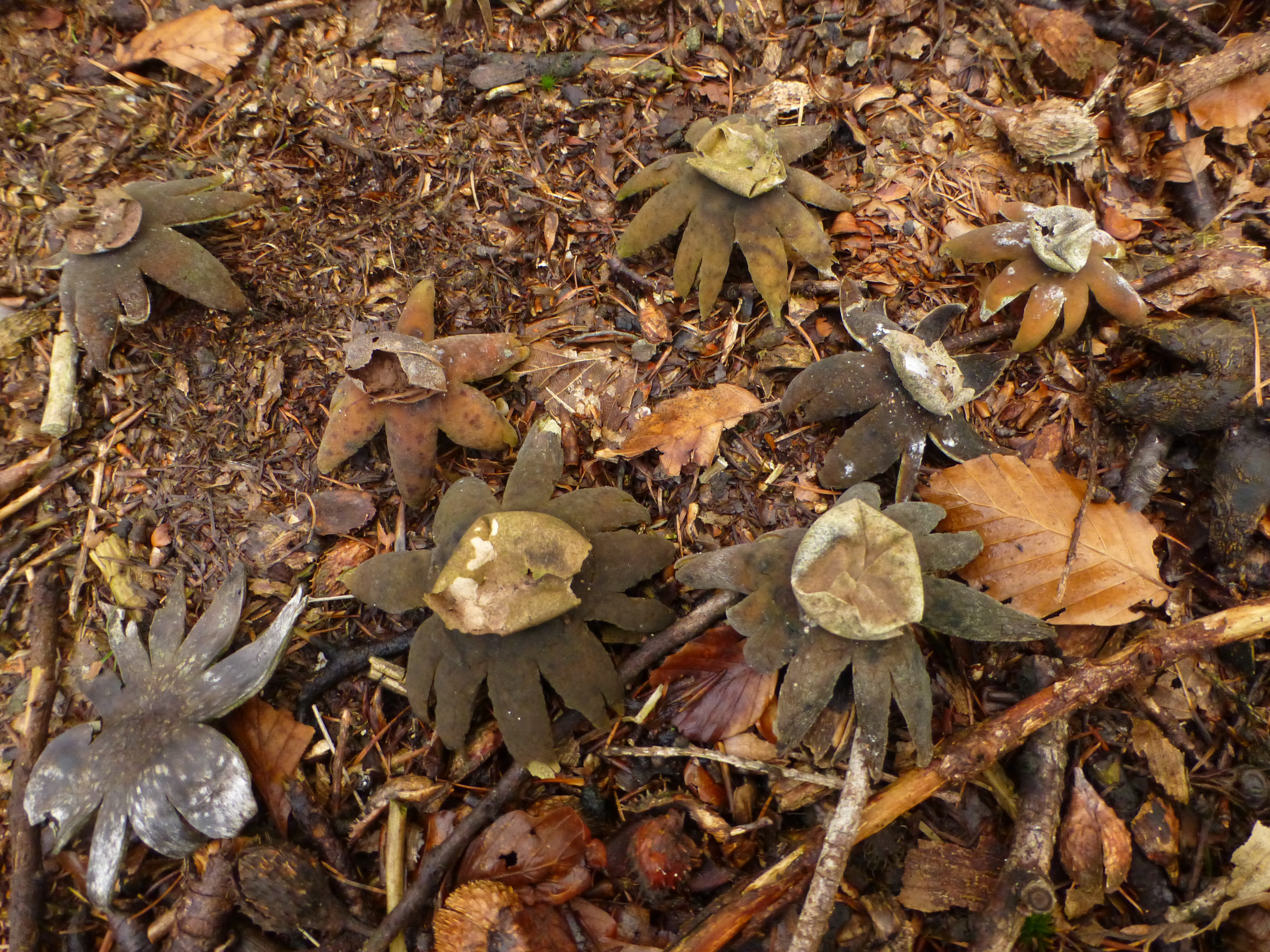
Astraeus hygrometricus
species of fungus

Coprinellus disseminatus
species of fungus

Mycena pura
species of fungus

Calocera viscosa
species of jelly fungus

Meripilus giganteus
species of fungus

Russula fragilis
species of fungus
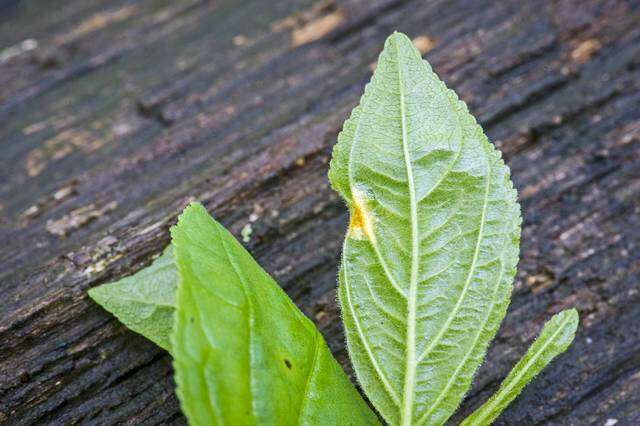
Puccinia
Puccinia is a genus of fungi. All species in this genus are obligate plant pathogens and are known as rusts. The genus contains about 4000 species.

Mycena haematopus
species of fungus

Russula ochroleuca
species of fungus

Lactarius controversus
species of fungus

Agrocybe praecox
species of fungus

Lycoperdon echinatum
species of fungus
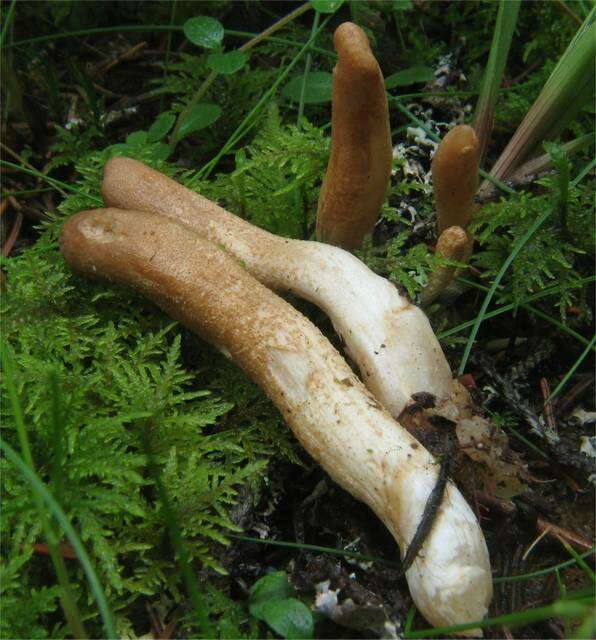
Trichoderma
Trichoderma is a genus of fungi in the family Hypocreaceae that is present in all soils, where they are the most prevalent culturable fungi. Many species in this genus can be characterized as opportunistic avirulent plant symbionts. This refers to the ability of several Trichoderma species to form mutualistic endophytic relationships with several plant species. Trichoderma species are also responsible for green mold disease in mushroom cultivation. The genomes of several Trichoderma species have been sequenced and are publicly available from the JGI.
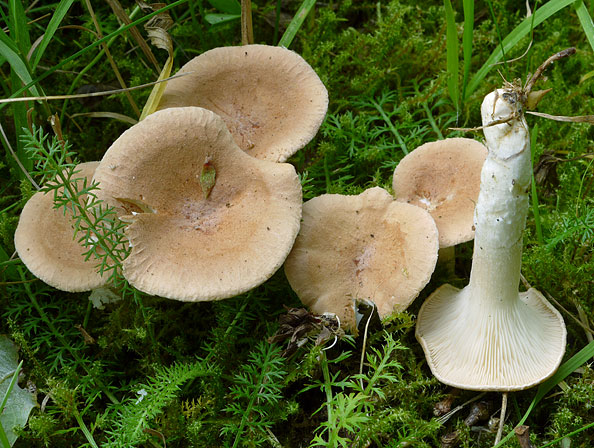
Infundibulicybe gibba
species of fungus

Lactarius subdulcis
species of fungus

Annona senegalensis
species of plant

Lentinus brumalis
species of fungi
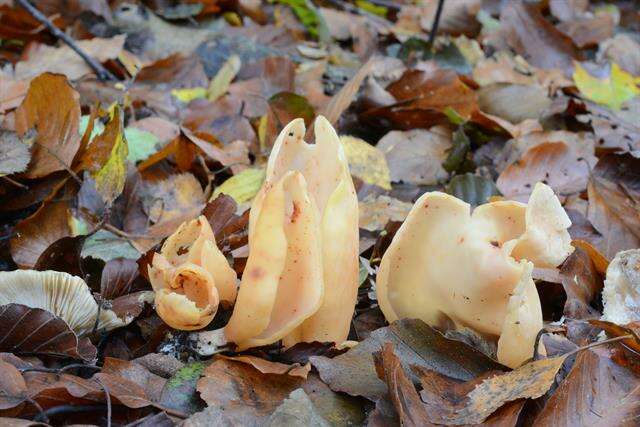
Otidea onotica
species of fungus
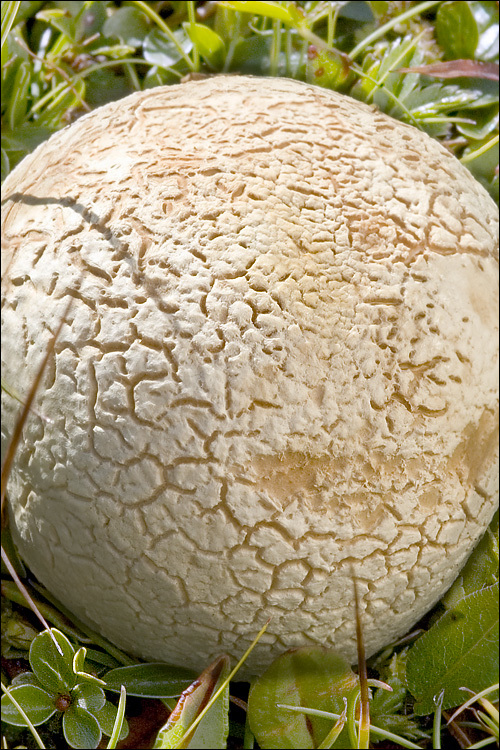
Bovista plumbea
species of fungus
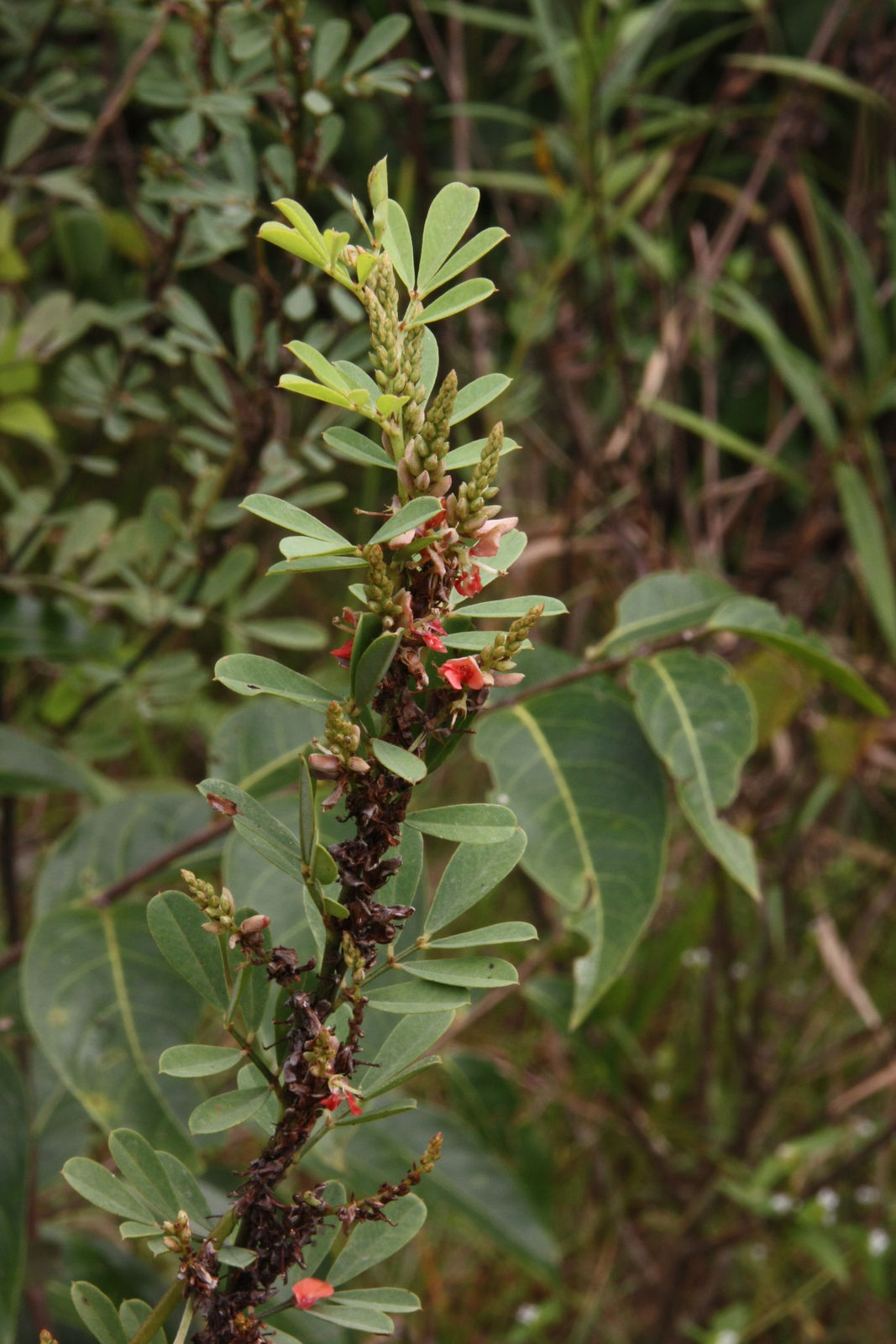
Tephrosia
Tephrosia is a genus of flowering plants in the family Fabaceae. It is widespread in both the Eastern and Western Hemisphere, where it is found in tropical and warm-temperate regions.

Bovista
Bovista is a genus of fungi commonly known as the true puffballs. It was formerly classified within the now-obsolete order Lycoperdales, which, following a restructuring of fungal taxonomy brought about by molecular phylogeny, has been split; the species of Bovista are now placed in the family Agaricaceae of the order Agaricales. Bovista species have a collectively widespread distribution, and are found largely in temperate regions of the world. Various species have historically been used in homeopathic preparations.
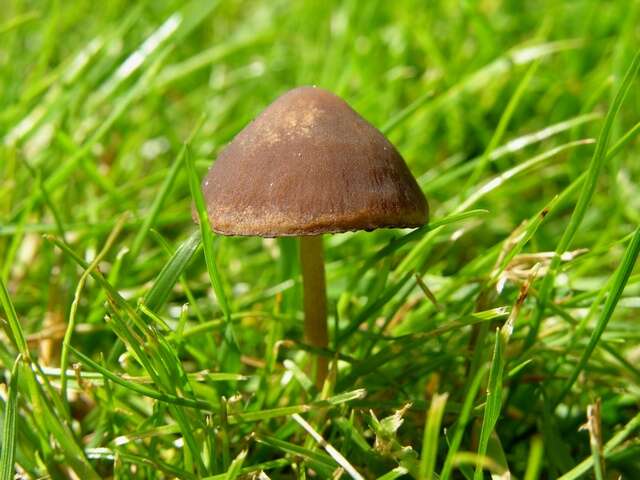
Panaeolina foenisecii
species of fungus

Craterellus
Craterellus is a genus of generally edible fungi similar to the closely related chanterelles, with some new species recently moved from the latter to the former. Both groups lack true gills on the underside of their caps, though they often have gill-like wrinkles and ridges.
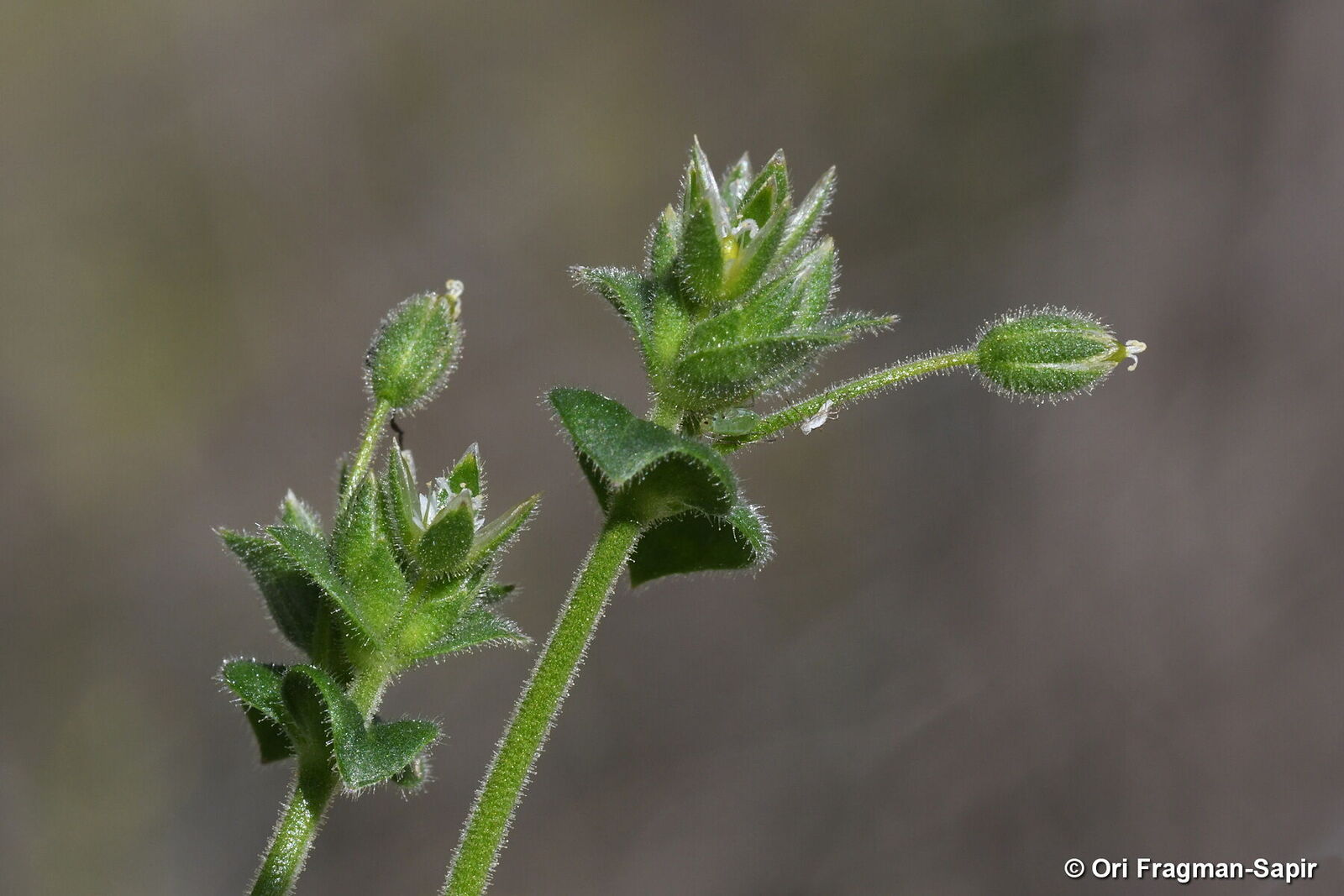
Cerastium brachypetalum
species of plant

Hydnum rufescens
species of fungus
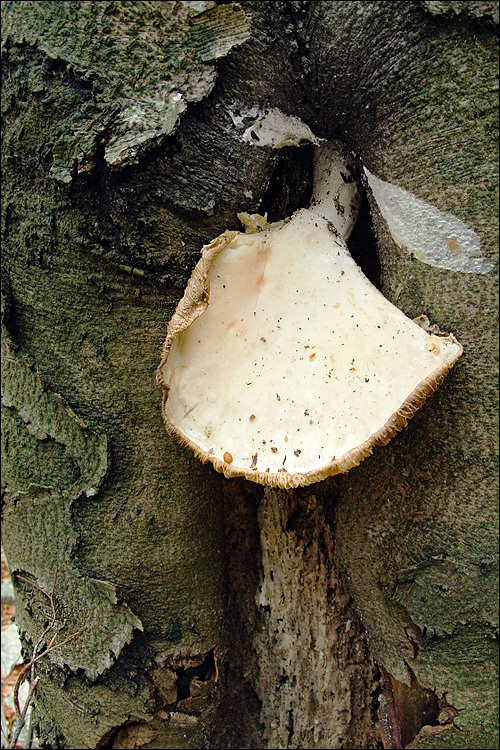
Pleurotus dryinus
species of fungus
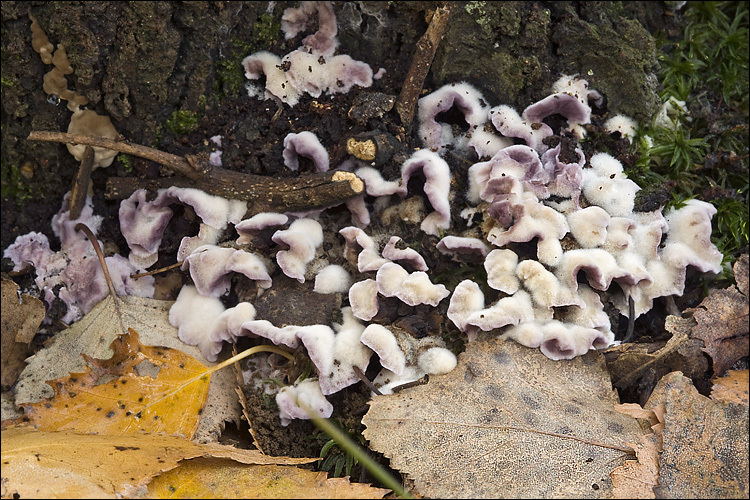
Chondrostereum purpureum
species of fungus

Carex brunnescens
species of plant

Peziza badia
species of fungus

Bulgaria inquinans
species of fungus
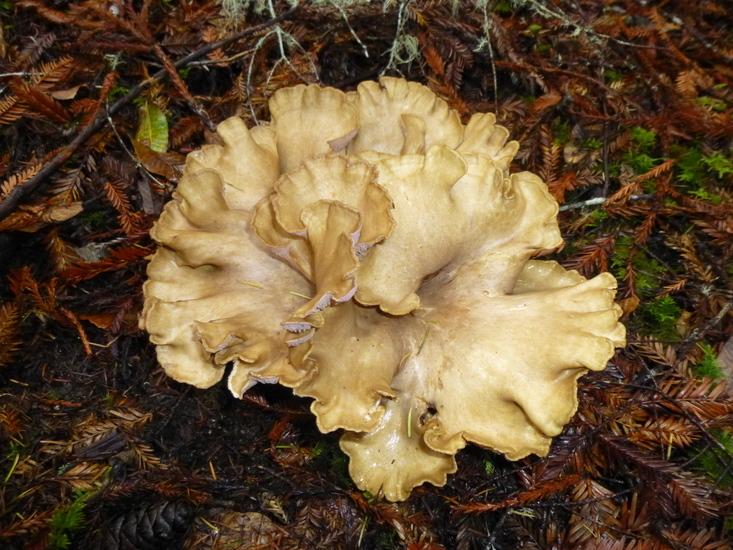
Gomphus clavatus
species of fungus

Hygrophorus nemoreus
species of fungus

spotted tricholoma
species of fungus
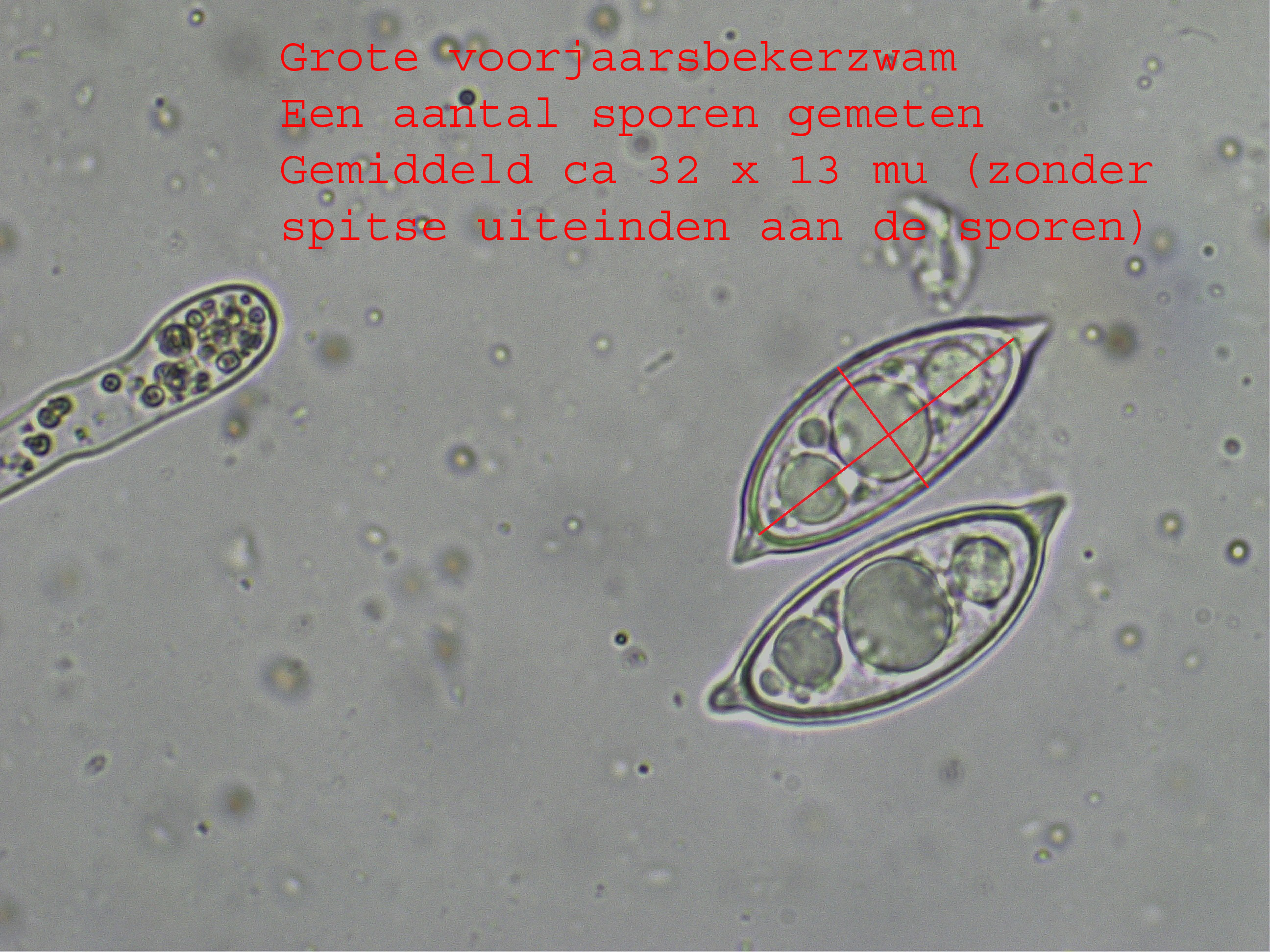
Discina ancilis
species of fungus

Trametes gibbosa
species of polypore mushroom

Mycena galopus
species of fungus

Ramaria stricta
species of fungus
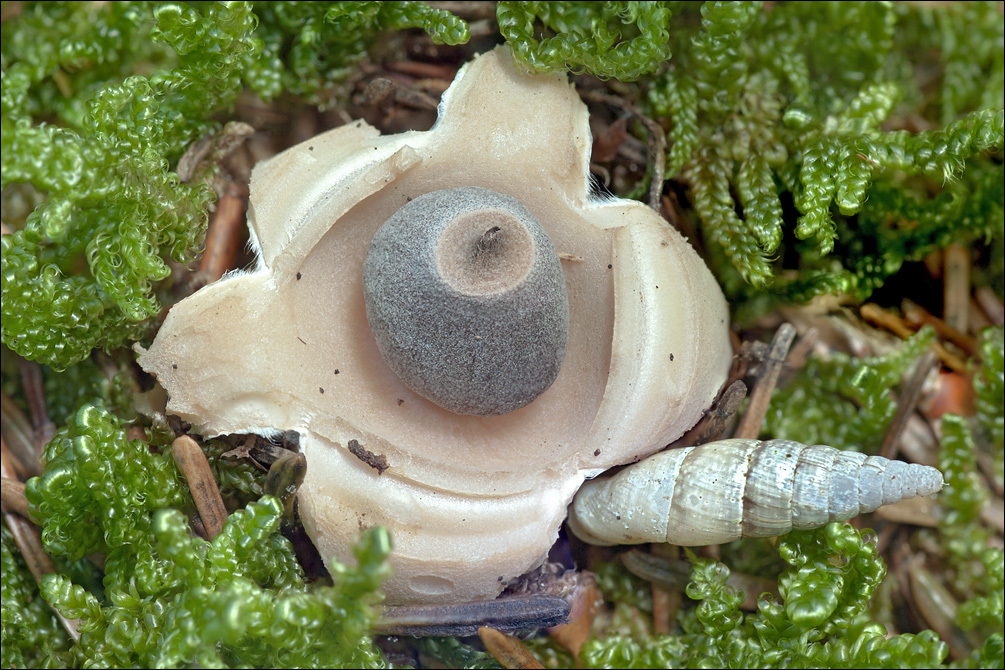
Geastrum quadrifidum
species of fungus

Disciotis venosa
species of fungus