Category
page 1Taxa named by Josephus Nicolaus Laurenti

Naja
Naja is a genus of venomous elapid snakes commonly known as cobras (or "true cobras"). Various species occur throughout Africa, Southwest Asia, South Asia, and Southeast Asia. Several other elapid species are often called "cobras", such as the king cobra and the rinkhals, but they are not "true cobras", in that they do not belong to the genus Naja.

Iguana
thumb|A male green iguana
%2C%20NPSPhoto%20(9255693421).jpg)
Crocodylus
Crocodylus is a genus of true crocodiles in the family Crocodylidae.

olm
The olm () or proteus (Proteus anguinus) is an aquatic salamander which is the only species in the genus Proteus of the family Proteidae and the only exclusively cave-dwelling chordate species found in Europe; the family's other extant genus is Necturus. In contrast to most amphibians, it is entirely aquatic; eating, sleeping, and breeding underwater. Living in caves found in the Dinaric Alps, it is endemic to the waters that flow underground through the extensive limestone bedrock of the karst of Central and Southeastern Europe in the basin of the Soča River () near Trieste, Italy, southern S

smooth snake
species of reptile

Bufo viridis
species of amphibian

Aesculapian Snake
species of reptile

Asian water monitor
species of reptile
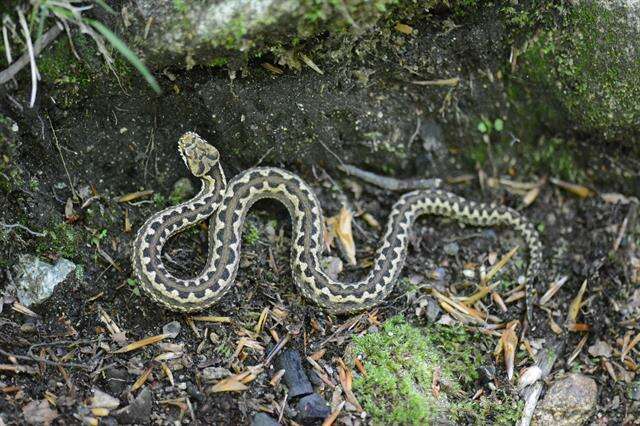
vipers
Vipera (; commonly known as the palaearctic vipers and Eurasian vipers) is a genus of snakes in the subfamily Viperinae of the family Viperidae. The genus has a very wide range, being found from North Africa to just within the Arctic Circle, and from Great Britain to Pacific Asia. The Latin name vīpera is possibly derived from the Latin words vivus and pario, meaning "alive" and "bear" or "bring forth"; likely a reference to the fact that most vipers bear live young. 21 species are recognized as being valid. Like all other vipers, the members of this genus are venomous.
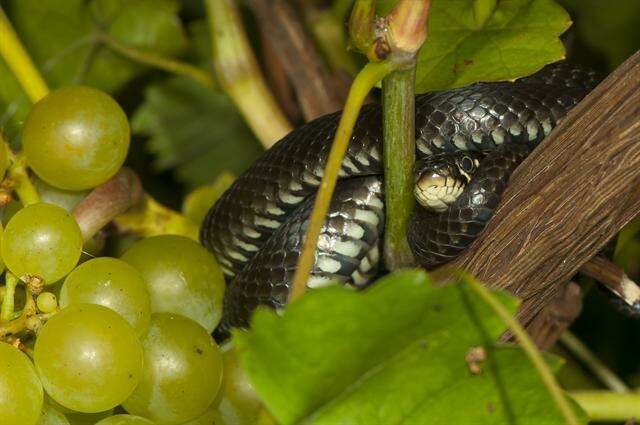
Natrix
Natrix is a genus of Old World snakes found mainly across Eurasia (although the range of Natrix tessellata extends into Egypt and those of N. astreptophora and N. maura into north-west Africa) in the subfamily Natricinae of the family Colubridae. They are commonly called grass snakes and water snakes, but some other snake species also known commonly as "grass snakes" and "water snakes" are not in the genus.

Salamandra
Salamandra is a genus of six species of salamanders localized in central and southern Europe, Northern Africa, and western Asia.

Basiliscus
genus of reptiles

Lacerta viridis
species of reptile

Triturus cristatus
species of amphibian

Alpine newt
species of amphibian

natterjack toad
species of amphibian
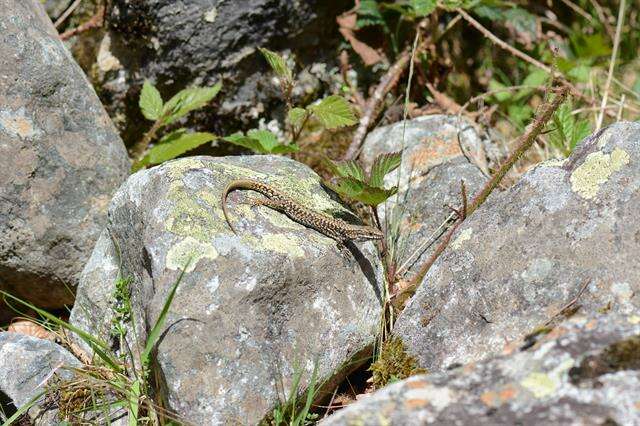
Podarcis muralis
species of reptile
.png)
Coronella
Coronella is a genus of harmless snakes in the family Colubridae. The genus is endemic to Europe, North Africa and West Asia. Two species are currently recognized as being valid.
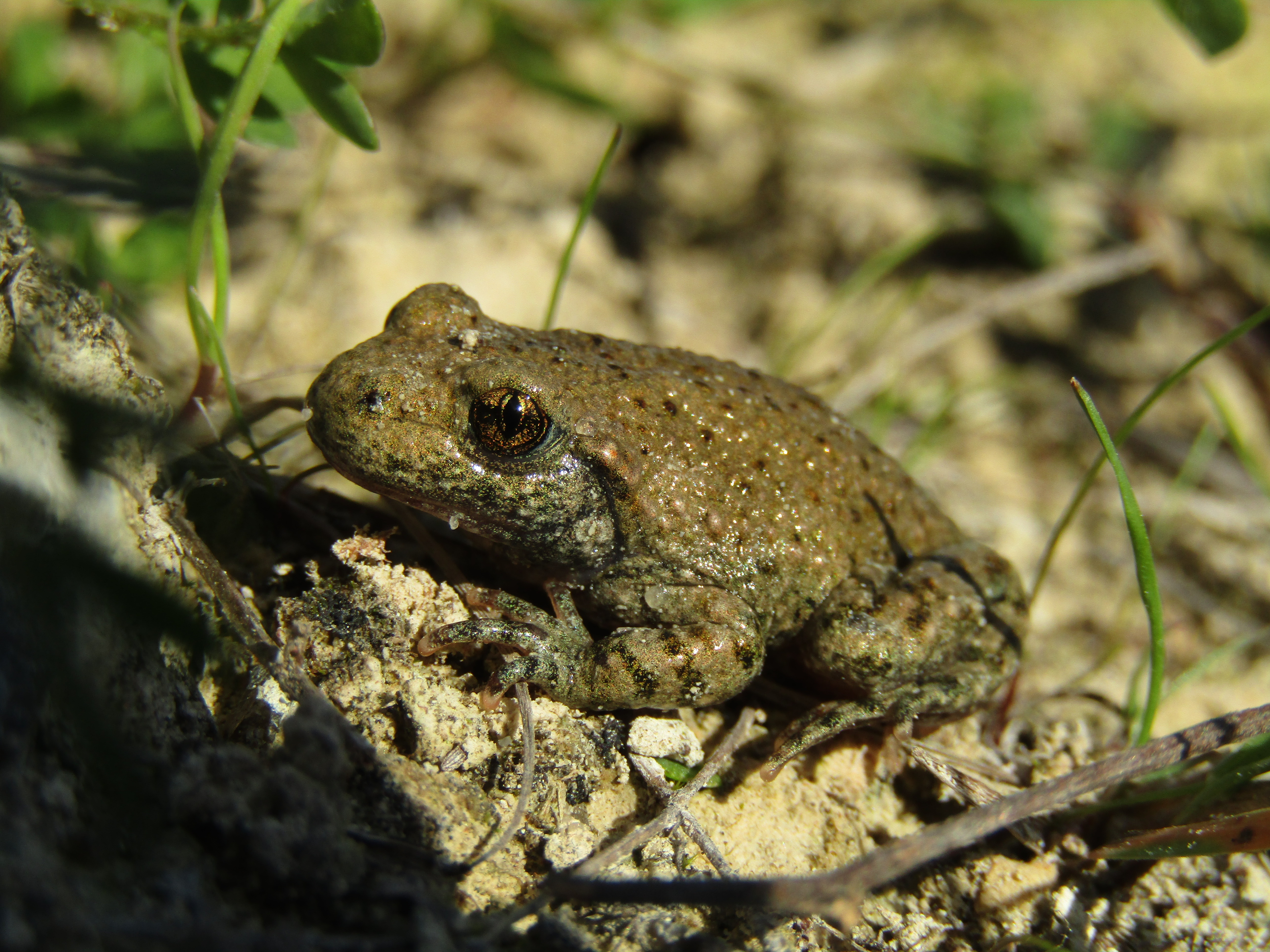
Alytes obstetricans
species of amphibian

Pelobates fuscus
species of amphibian

alpine salamander
species of amphibian
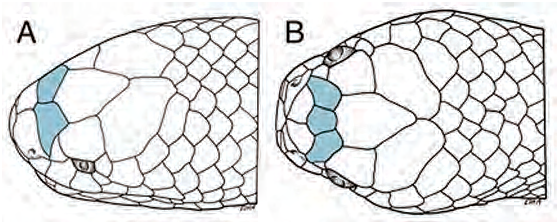
Laticauda
genus of reptiles

Gekko
Gekko is a genus of Southeast Asian geckos, commonly known as true geckos or calling geckos, in the family Gekkonidae. Although species such as Gekko gecko (tokay gecko) are very widespread and common, some species in the same genus have a very small range and are considered rare or endangered.
.jpg)
Hyla
Hyla is a genus of frogs in the tree frog family Hylidae. As traditionally defined, it was a wastebasket genus with more than 300 species found in Europe, Asia, Africa, and across the Americas. After a major revision of the family, most of these have been moved to other genera so that Hyla now only contains 17 extant (living) species from Europe, northern Africa and Asia. The earliest known fossil member of this genus is †Hyla swanstoni from the Eocene of Saskatchewan, Canada, but its designation to Hyla happened before the major revision, meaning that its position needs confirmation.

Iguana delicatissima
Species of reptile

Cerastes
genus of reptiles

Chamaeleo
thumb|250px|Chamaeleo dilepis, flap-necked chameleon
Chamaeleo is a genus of chameleons in the family Chamaeleonidae. Most species of the genus Chamaeleo are found in sub-Saharan Africa, but a few species are also present in northern Africa, southern Europe, and southern Asia east to India and Sri Lanka.
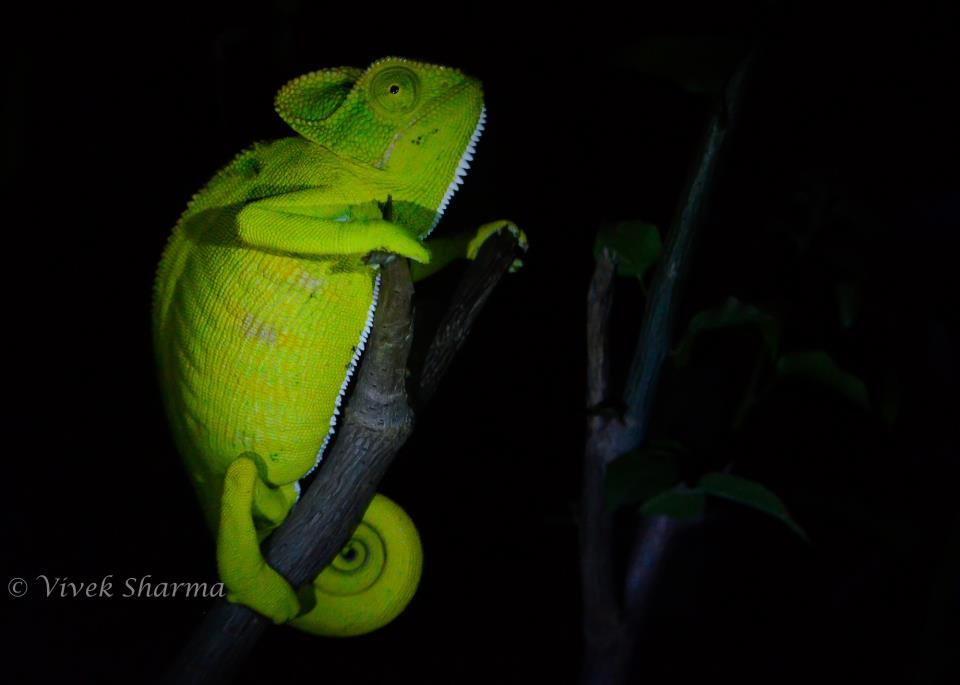
Chamaeleo zeylanicus
species of reptile

Pipa
genus of amphibians
Chalcides
Chalcides is a genus of skinks (family Scincidae).

Aspidelaps lubricus
species of reptile
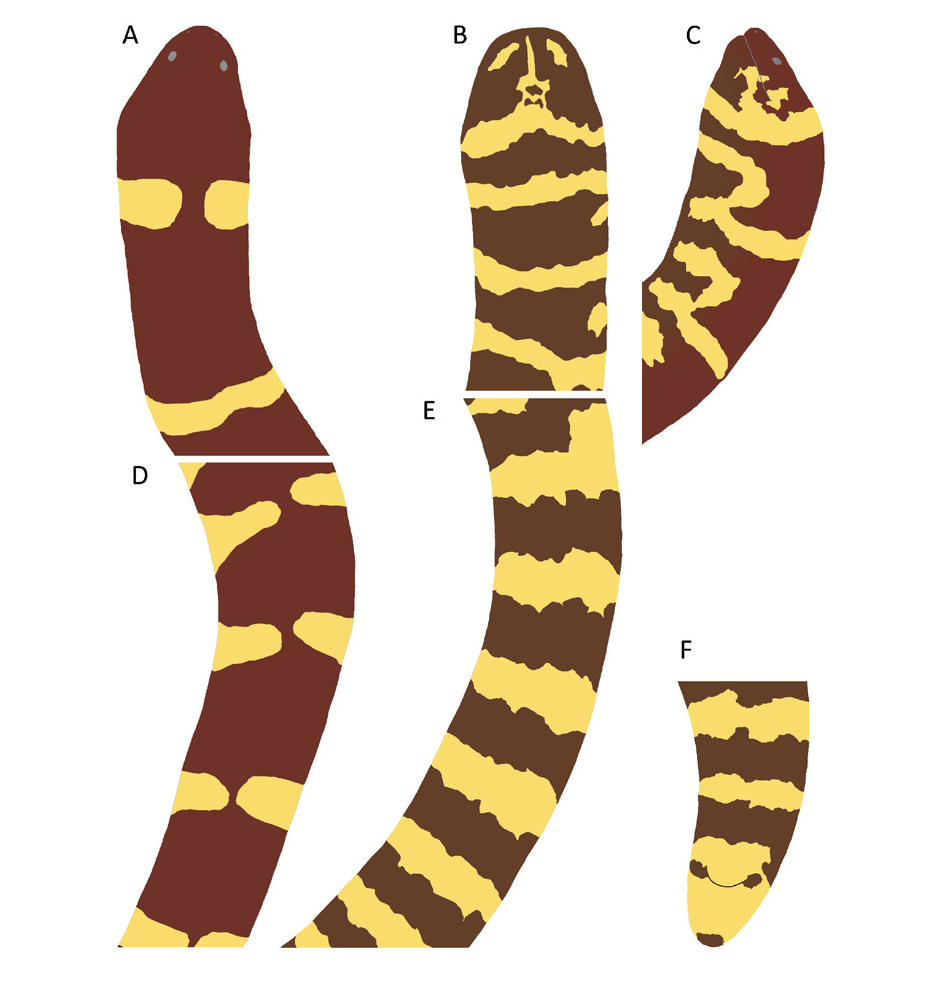
Cylindrophis ruffus
species of reptile
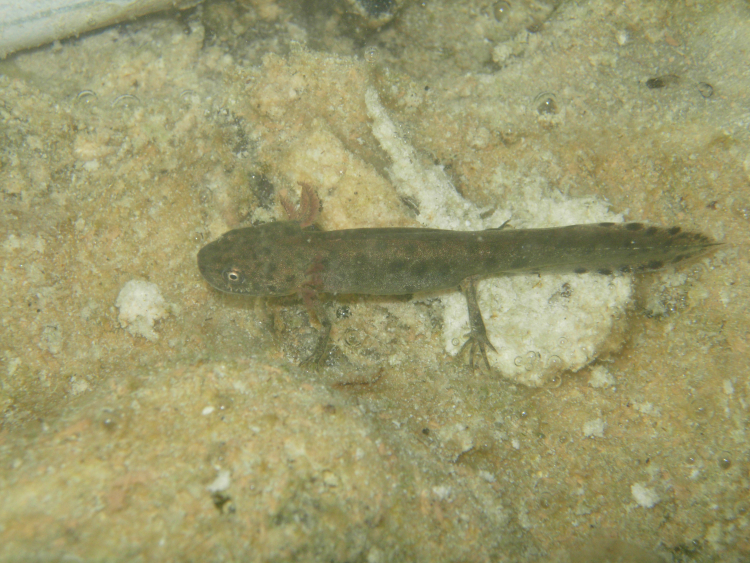
Italian crested newt
species of amphibian
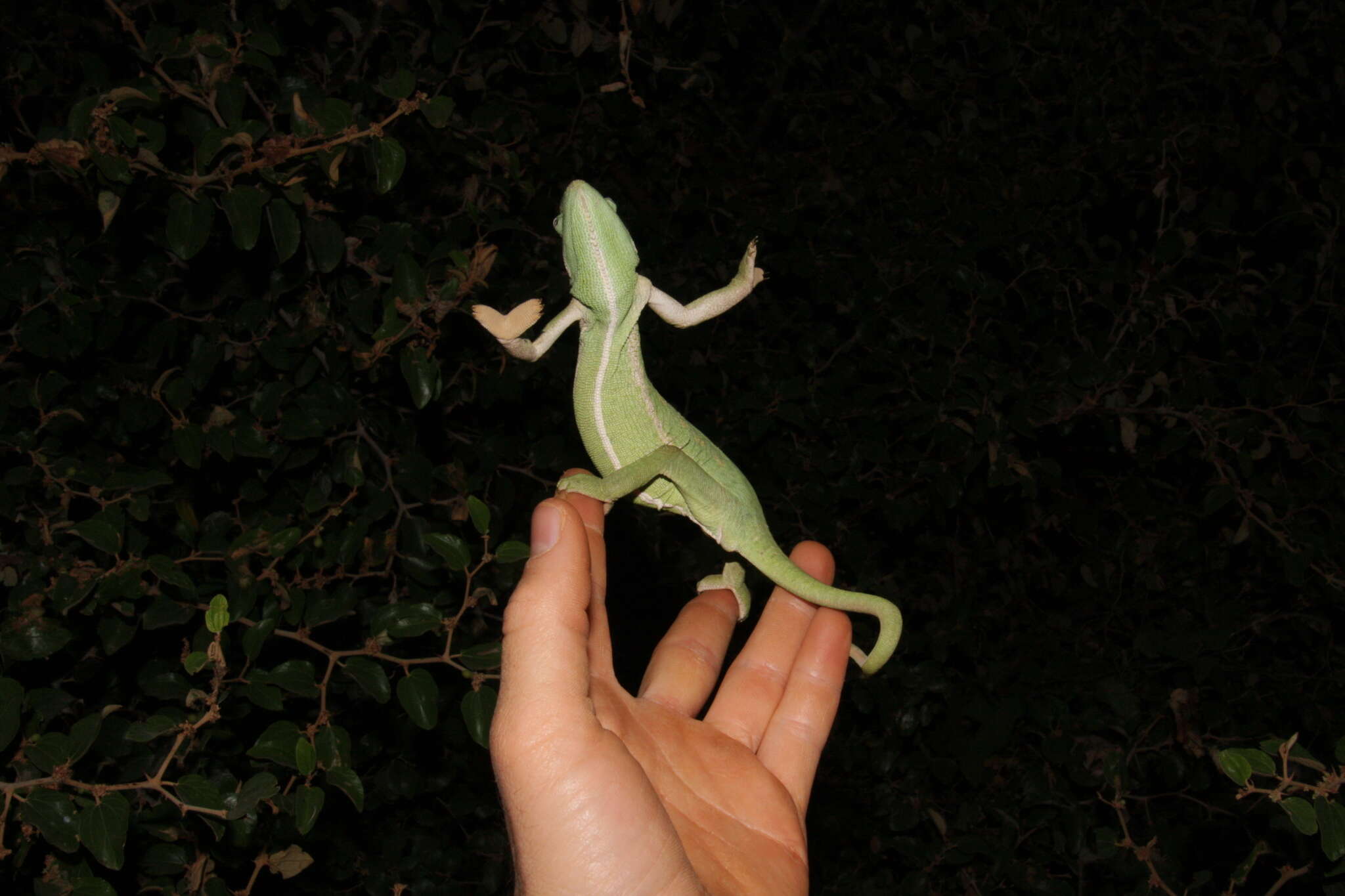
Chamaeleo africanus
species of reptile

Cordylus
The genus Cordylus (Sauria: Cordylidae) includes a wide variety of species of small to medium spiny lizards from Africa, collectively called girdle-tailed lizards or girdled lizards. All are diurnal and ovoviviparous (live-bearing, without shelled eggs). Most species are rupicolous (rock-dwelling), while a few species are arboreal or live in burrows. They defend themselves with osteoderms (flat bony plates in the skin) and by quickly retreating into rock crevices or burrows. Many species live in groups, and males defend territories.
.jpg)
Scincus
Scincus is a genus of skinks, lizards in the family Scincidae. The genus contains four or five species, all of which are typical desert inhabitants, living in sandy and dune-like areas with a hot and dry climate. Species in the genus Scincus can be found from Arabia to the Sahara desert.

Calliophis intestinalis
species of reptile
Dipsas
Dipsas is a genus of nonvenomous New World snakes in the subfamily Dipsadinae of the family Colubridae. The genus Sibynomorphus has been moved here. Species of the genus Dipsas are known as snail-eaters.

Balkan whip snake
species of reptile

Smoky jungle frog
species of amphibian

Trachycephalus typhonius
species of amphibian

Scinax ruber
species of amphibian

Dipsas indica
species of reptile

Hypnale nepa
species of reptile
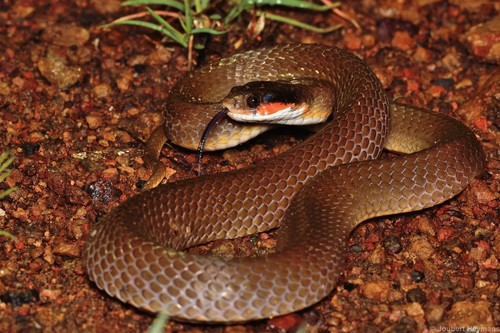
Crotaphopeltis hotamboeia
species of reptile

Salientia
Salientia (Latin salire, salio meaning "to jump") are a total group of amphibians that includes the order Anura, frogs and toads, and various extinct proto-frogs that are more closely related to frogs than they are to Urodela, salamanders and newts. The oldest fossil "proto-frog" appeared in the early Triassic of Madagascar, but molecular clock dating suggests their origins may extend further back to the Permian, 265 million years ago.

Chameleon forest dragon
species of reptile

Dendropsophus marmoratus
species of amphibian

Rhinella margaritifera
species of Amphibia
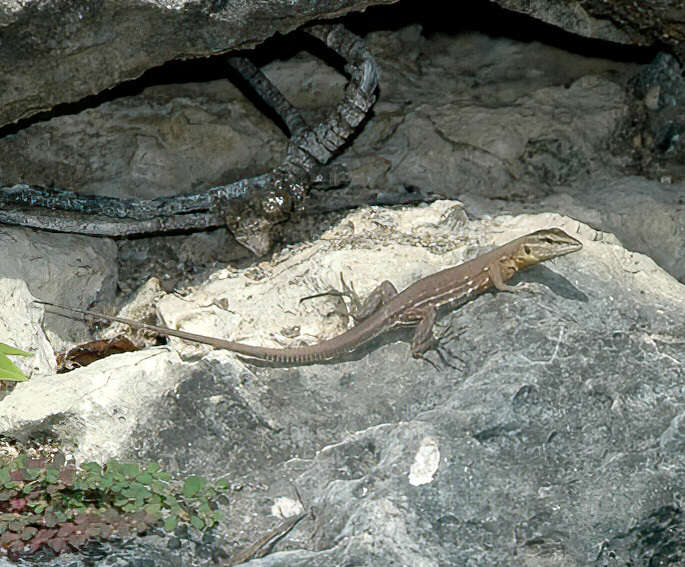
Cnemidophorus murinus
species of reptile

Siphlophis cervinus
species of reptile