Category
page 1Trees of New Zealand
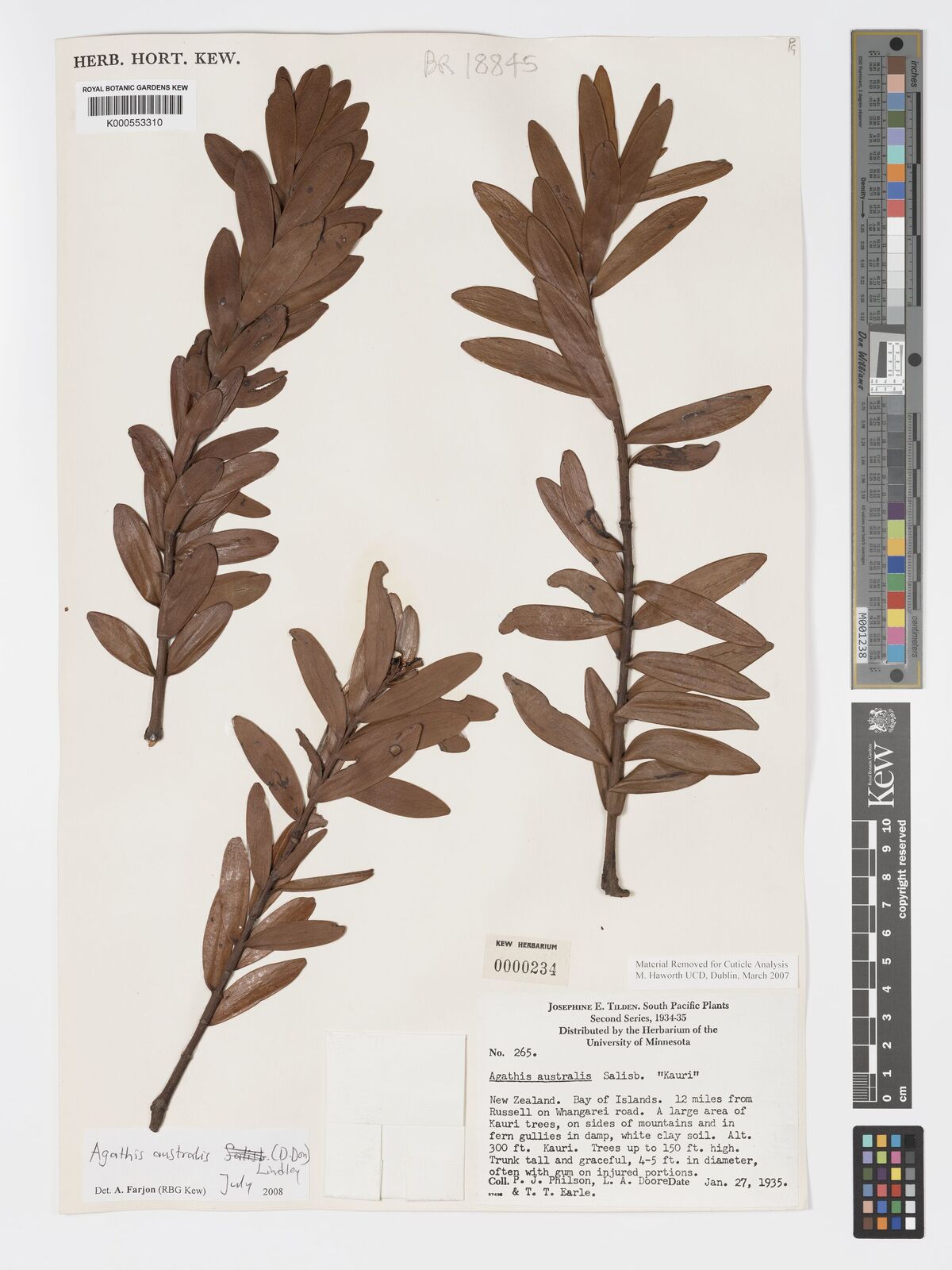
Agathis australis
species of plant
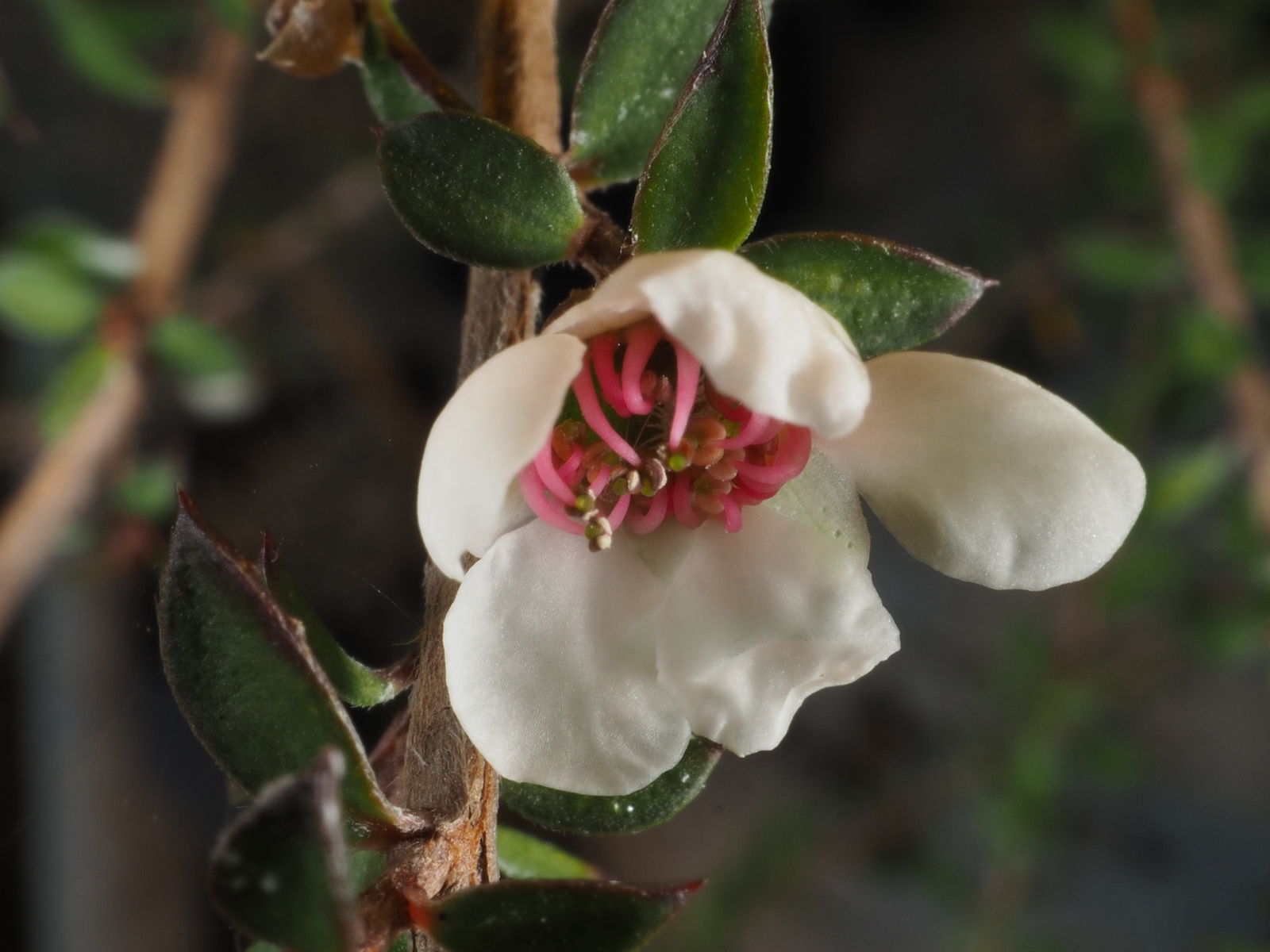
Leptospermum scoparium
thumb|Tea tree, 'Ruby Glow' cultivar, Cambria, California.
thumb|'Wiri Donna' cultivar, Auckland Botanic Gardens|upright
thumb|'Burgundy Queen' cultivar, MHNT|upright
Mānuka (; Leptospermum scoparium) is a species of flowering plant in the myrtle family Myrtaceae, native to New Zealand (including the Chatham Islands) and south-east Australia. Bees produce mānuka honey from its nectar.

Alsophila dealbata
species of tree fern
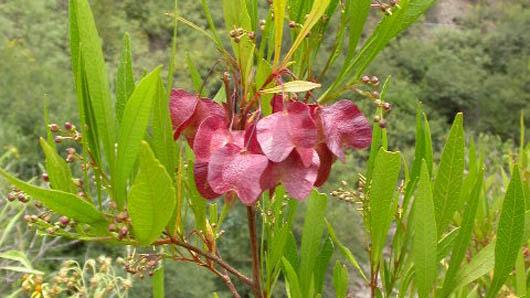
Dodonaea viscosa
species of plant
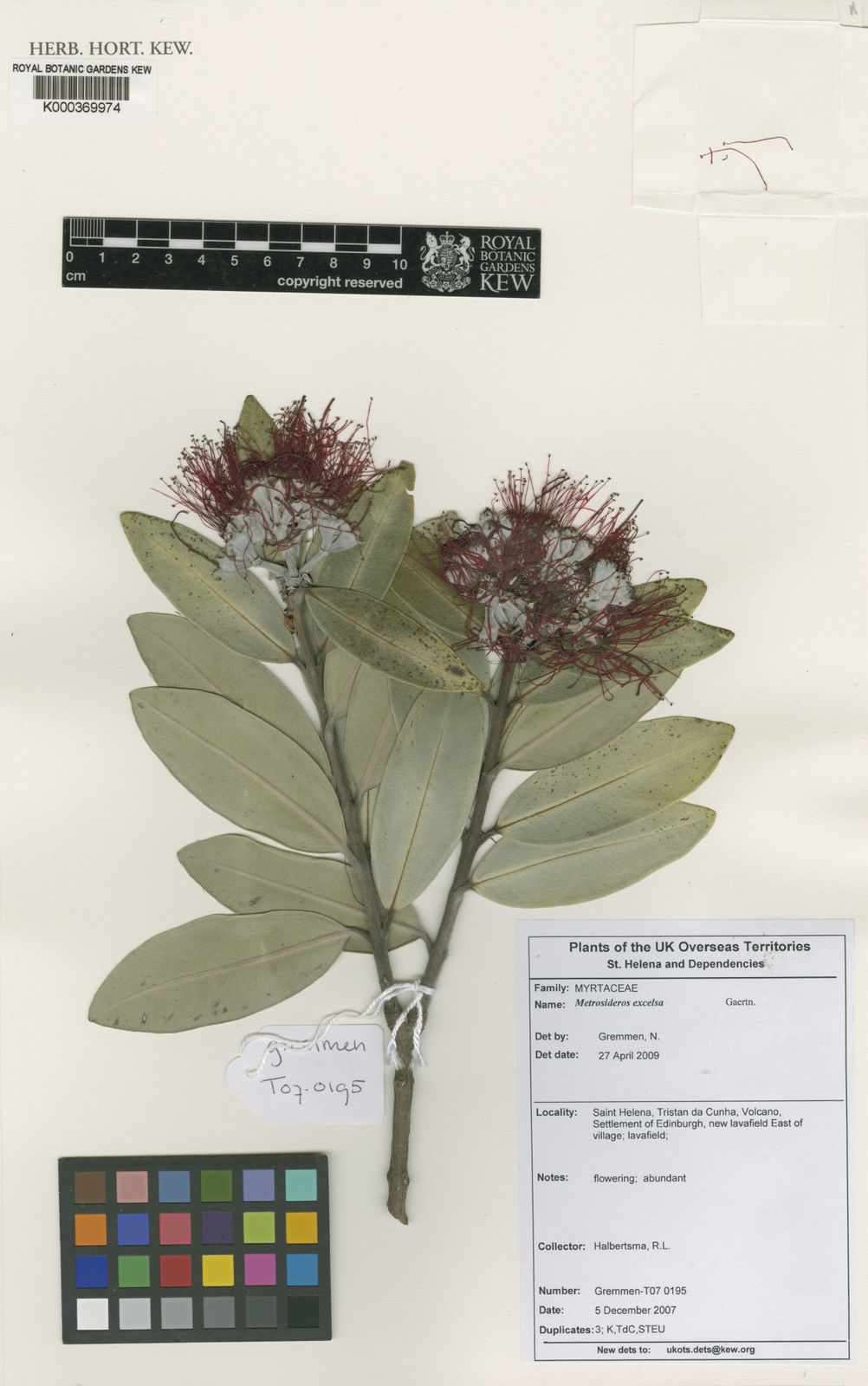
Metrosideros excelsa
thumb|Botanical illustration of a pōhutukawa sprig by Ellen Cheeseman
Pōhutukawa (Metrosideros excelsa), also known as the New Zealand Christmas tree, or iron tree, is a coastal evergreen tree in the myrtle family, Myrtaceae, that produces a brilliant display of red (or occasionally orange, yellow or white) flowers, each consisting of a mass of stamens. The pōhutukawa is one of twelve Metrosideros species endemic to New Zealand. Renowned for its vibrant colour and its ability to survive even perched on rocky, precarious cliffs, it has found an important place in New Zealand culture for its str
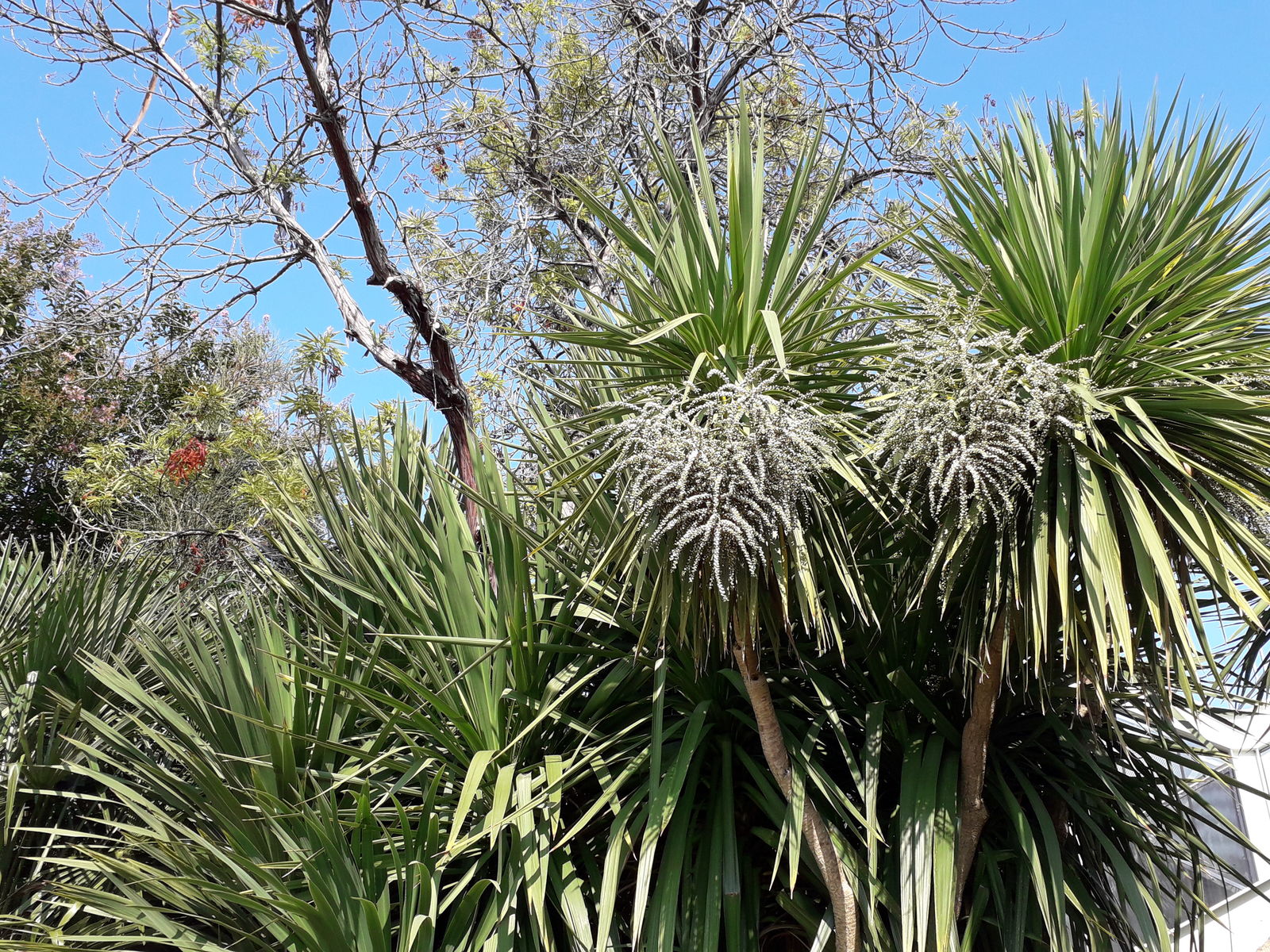
Cordyline australis
species of plant
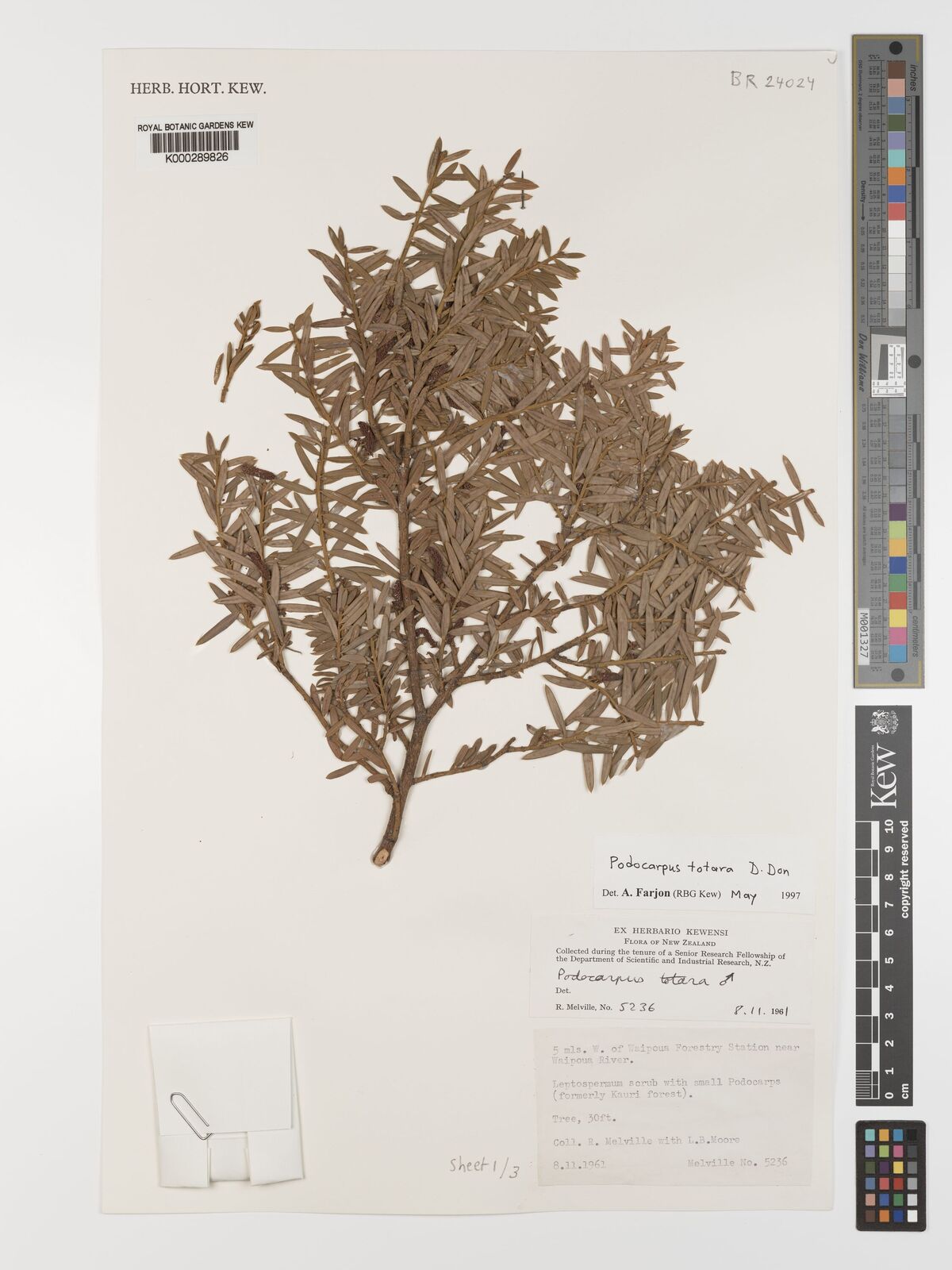
Podocarpus totara
species of plant
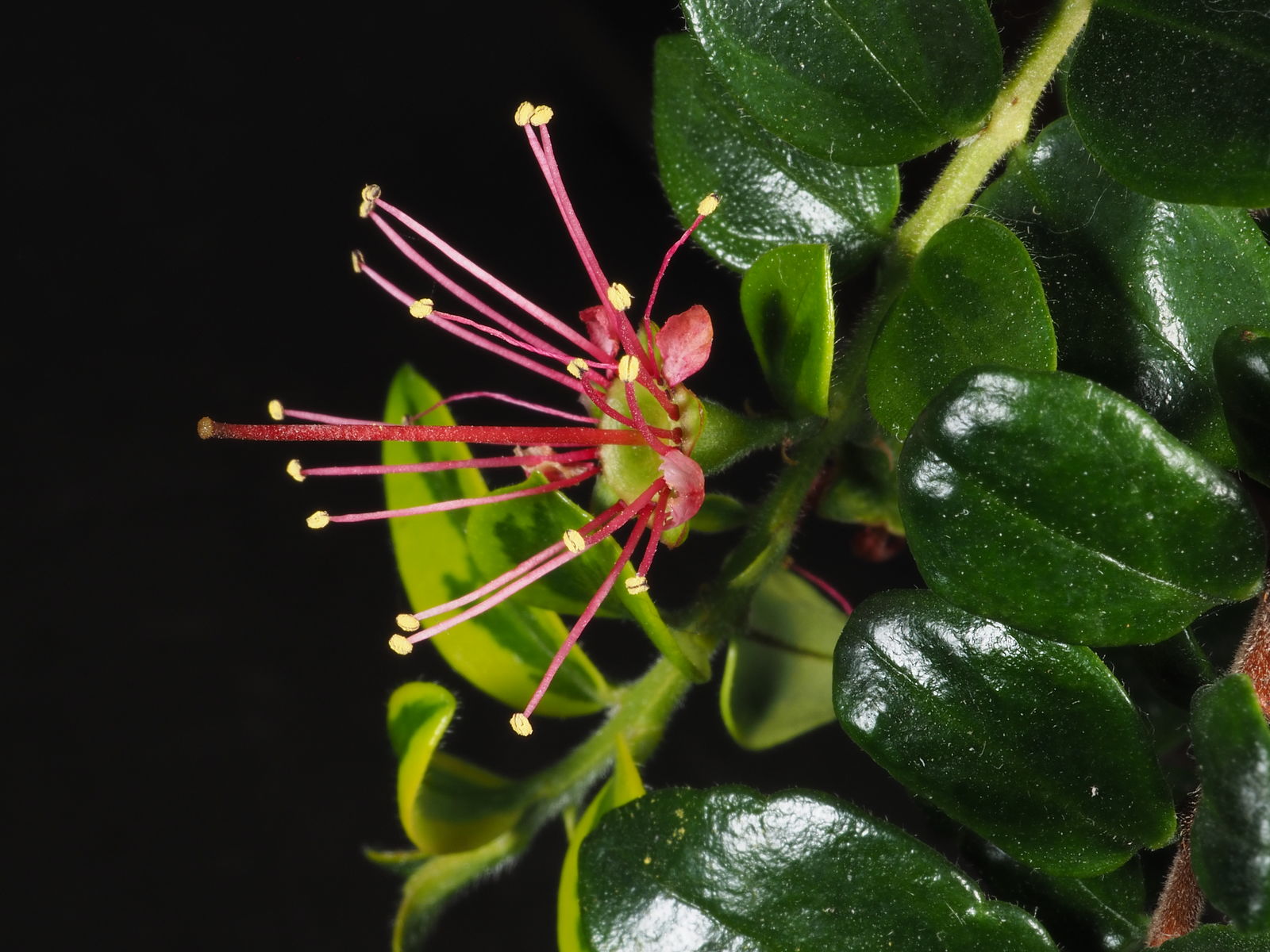
Metrosideros
Metrosideros (; ) is a genus of approximately 60 trees, shrubs, and vines in the family Myrtaceae, mostly found in the Pacific region. Most of the tree forms are small, but some are exceptionally large, the New Zealand species in particular. The name derives from the Ancient Greek metra or "heartwood" and sideron or "iron". Perhaps the best-known species are the pōhutukawa (M. excelsa), northern rātā (M. robusta) and southern rātā (M. umbellata) of New Zealand, and ōhia lehua (M. polymorpha) from the Hawaiian Islands.
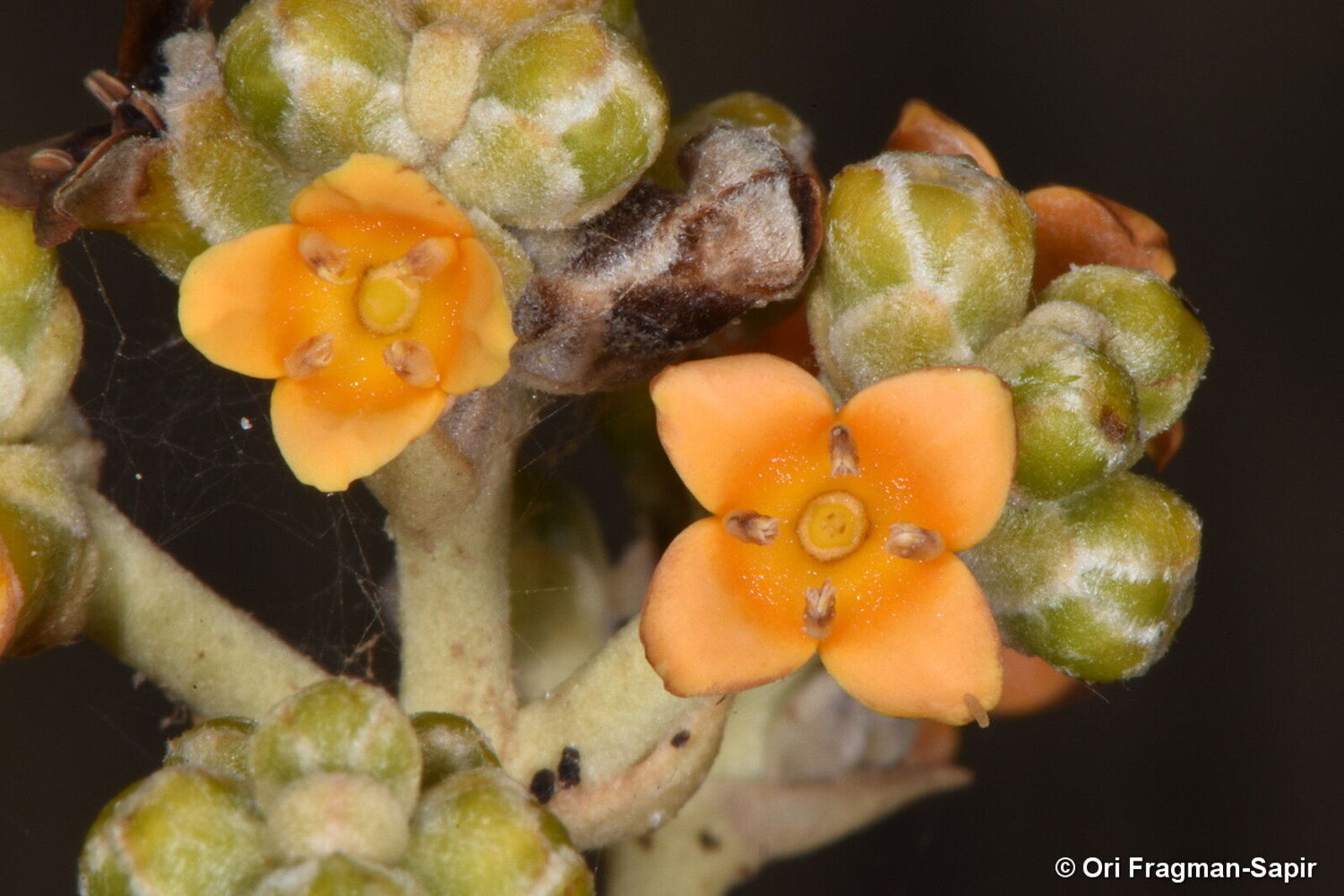
Avicennia marina
species of plant
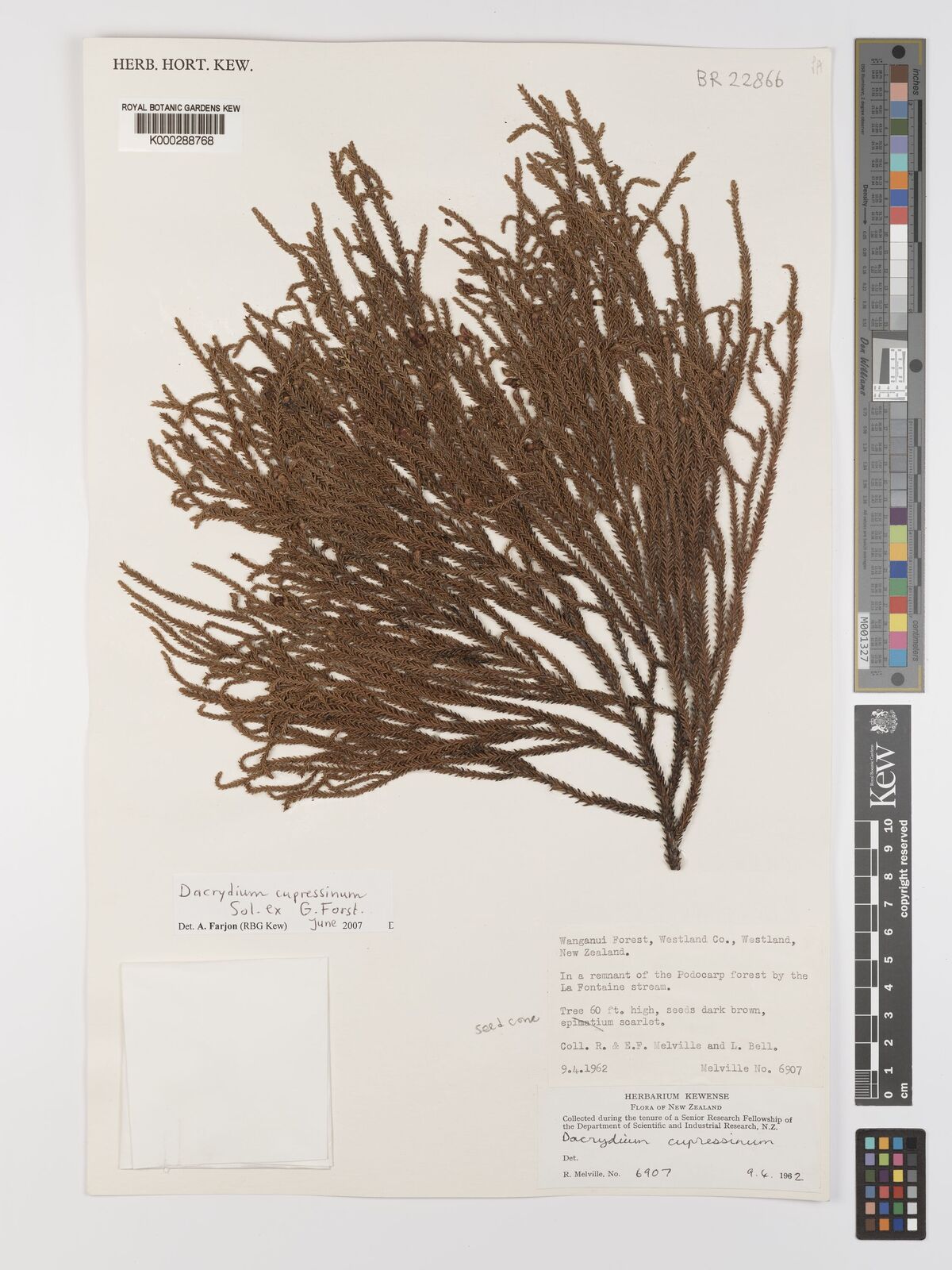
Dacrydium cupressinum
species of plant
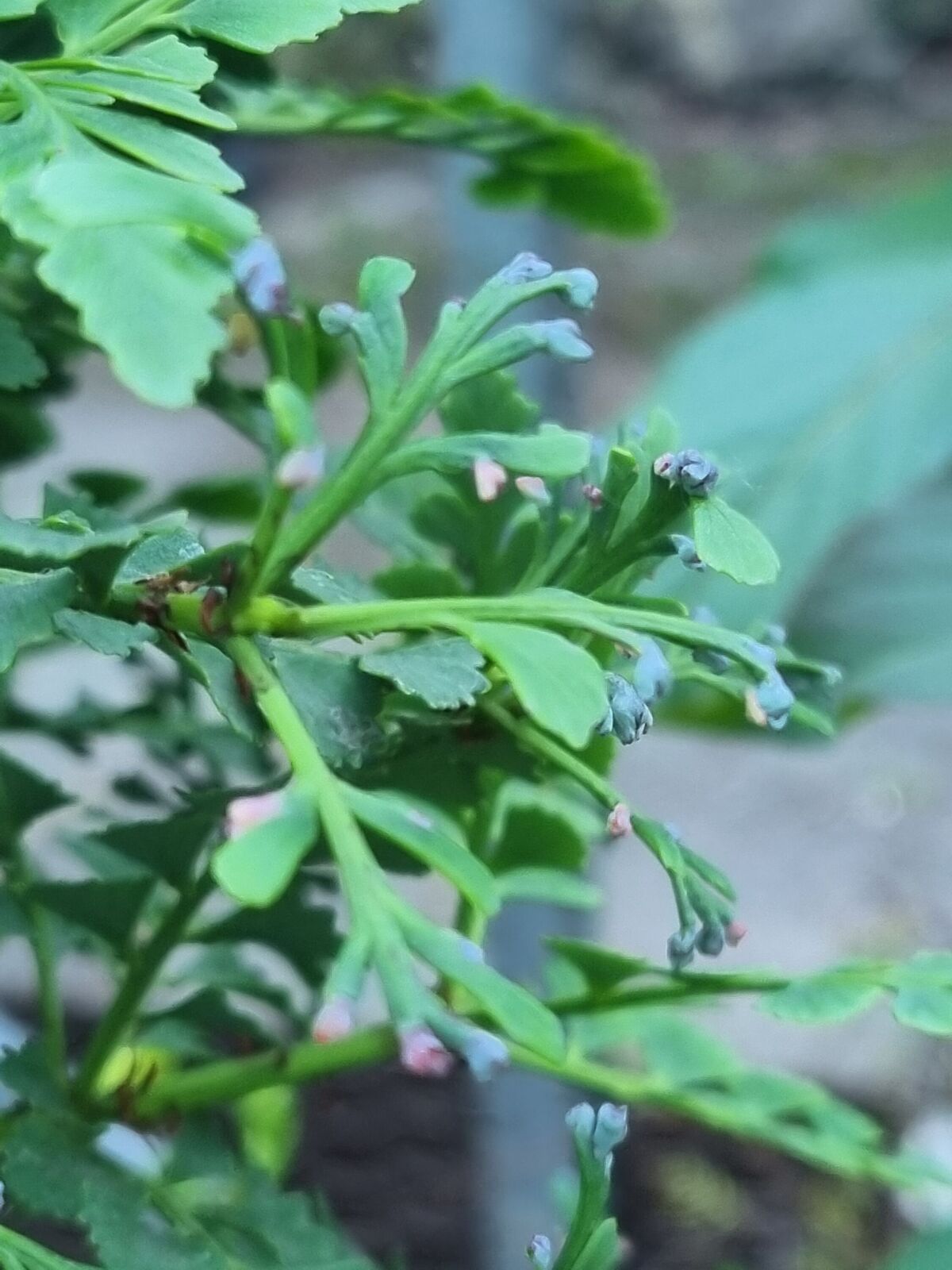
Phyllocladus
Phyllocladus, the celery pines, is a small genus of conifers, now usually placed in the family Podocarpaceae. Species occur mainly in New Zealand, Tasmania, and Malesia in the Southern Hemisphere, though P. hypophyllus ranges into the Philippines, a short way north of the equator.
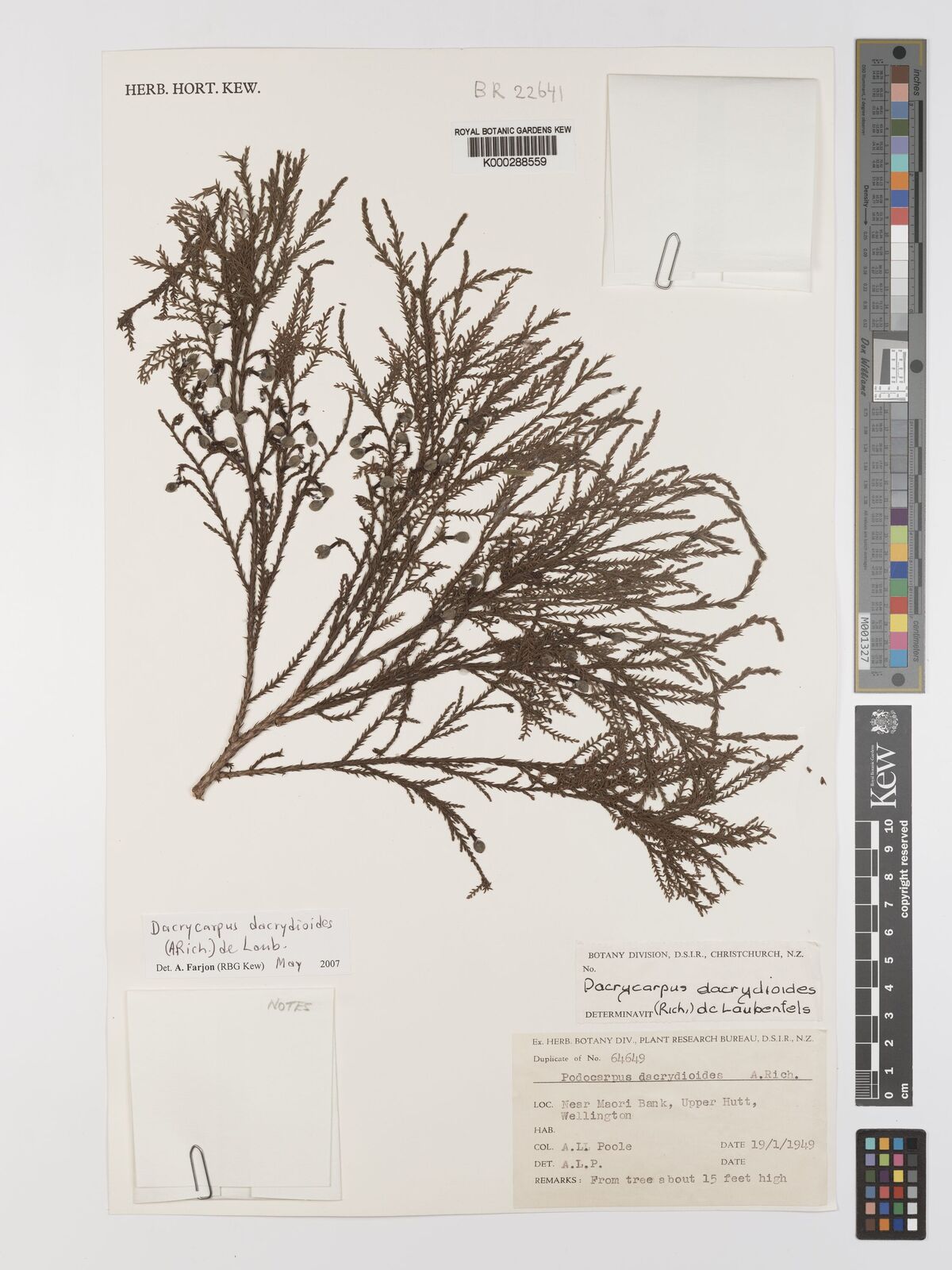
Dacrycarpus dacrydioides
species of plant
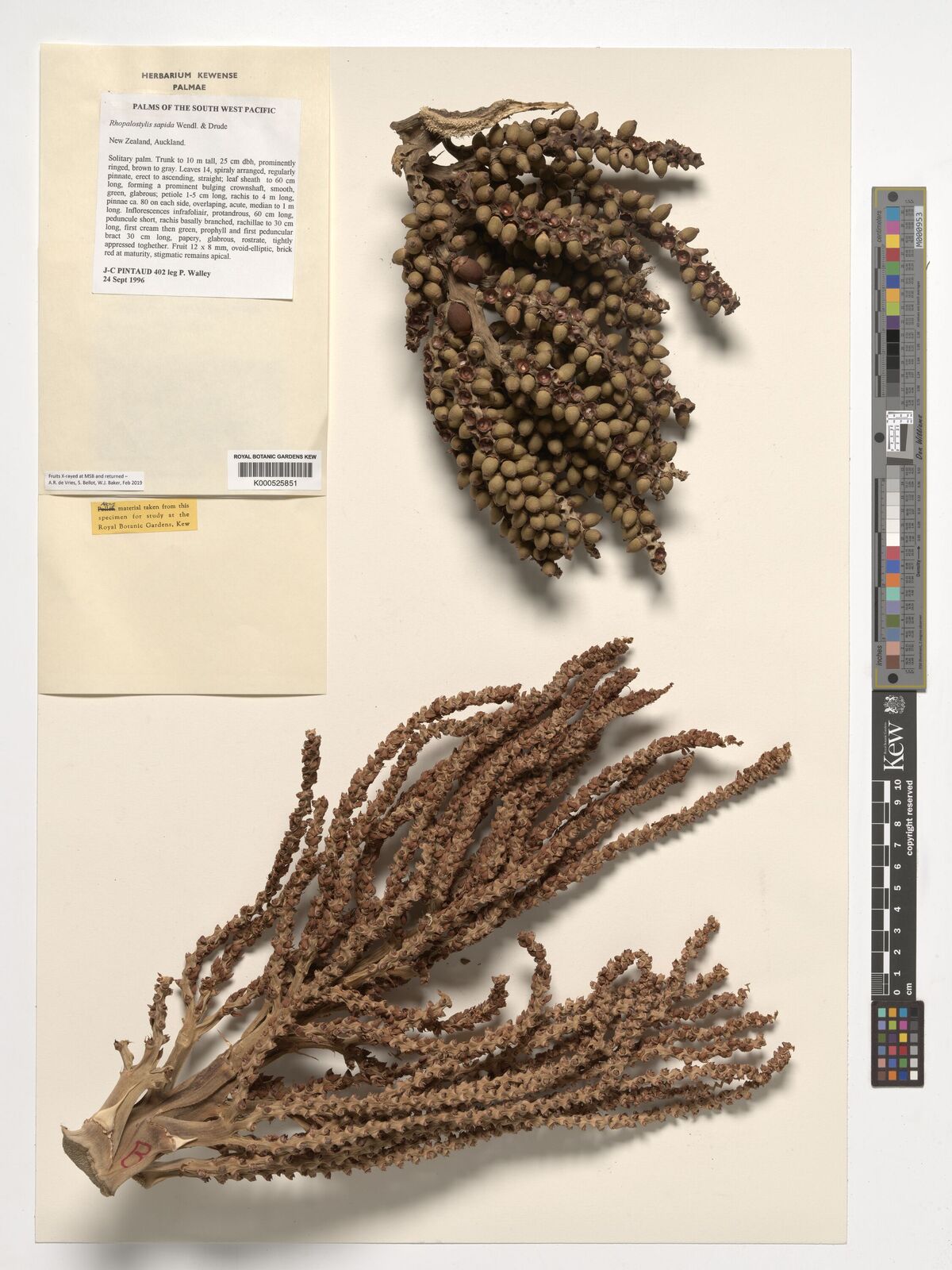
Rhopalostylis sapida
species of plant
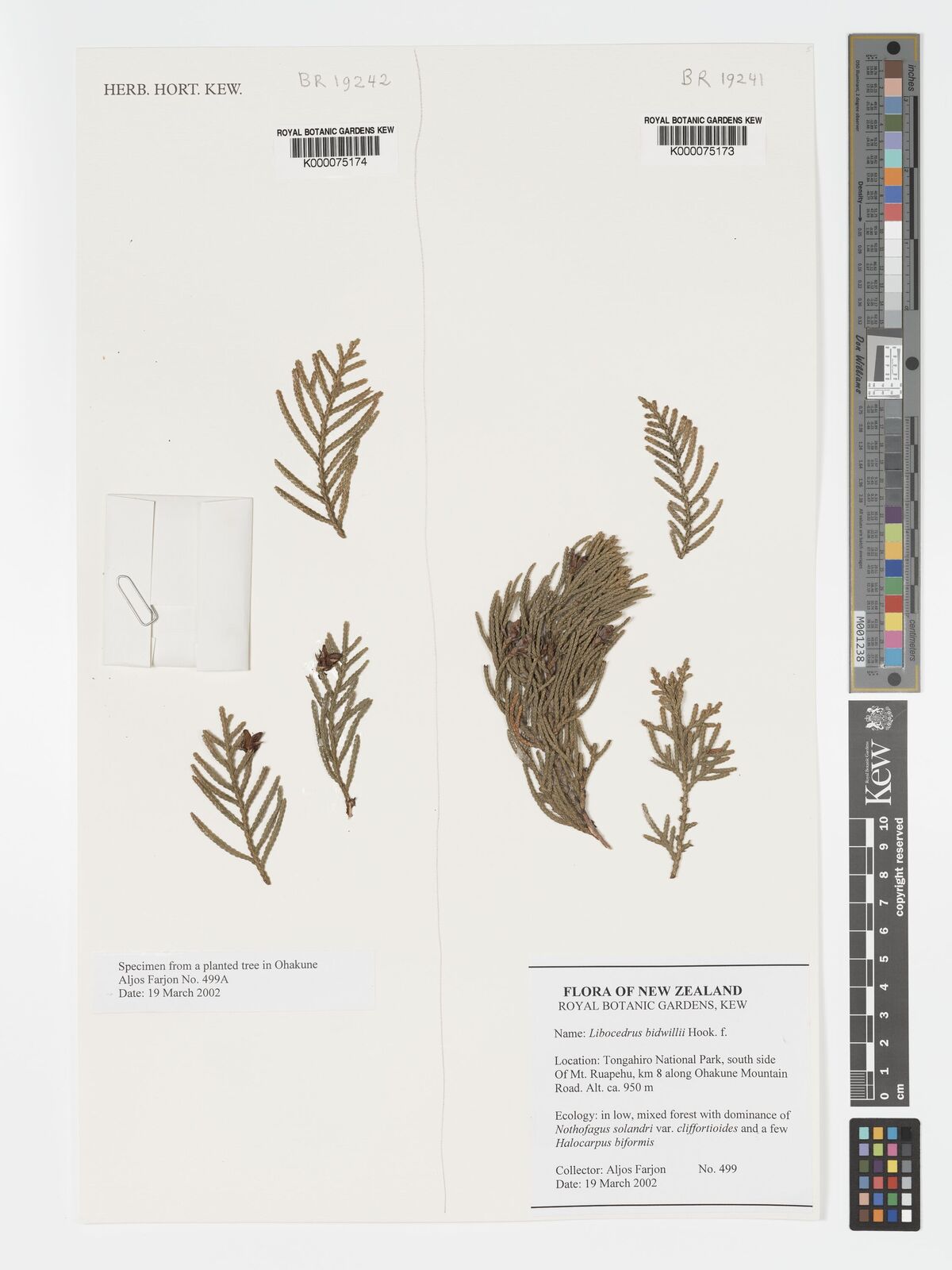
Libocedrus bidwillii
species of plant
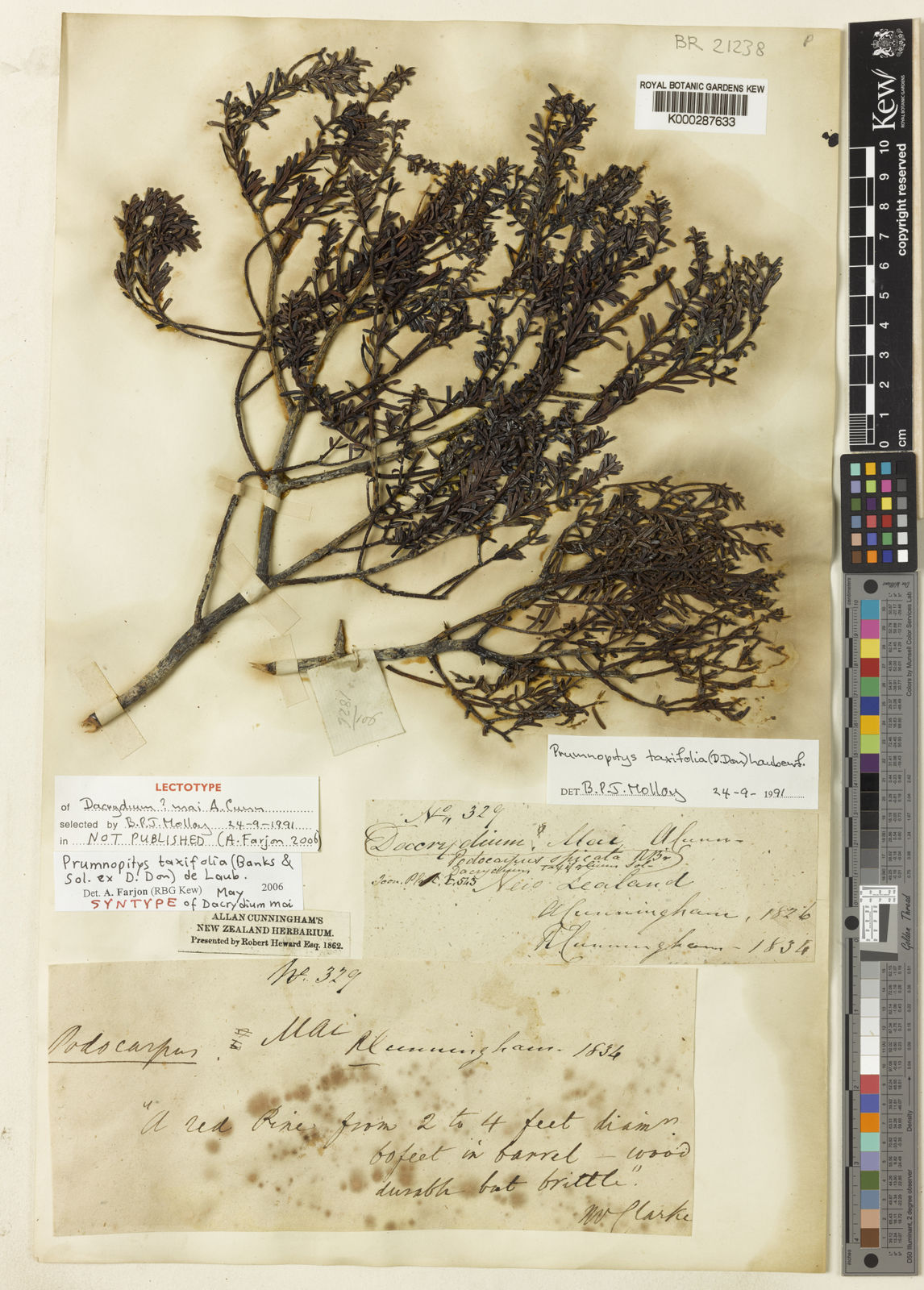
Prumnopitys taxifolia
species of plant
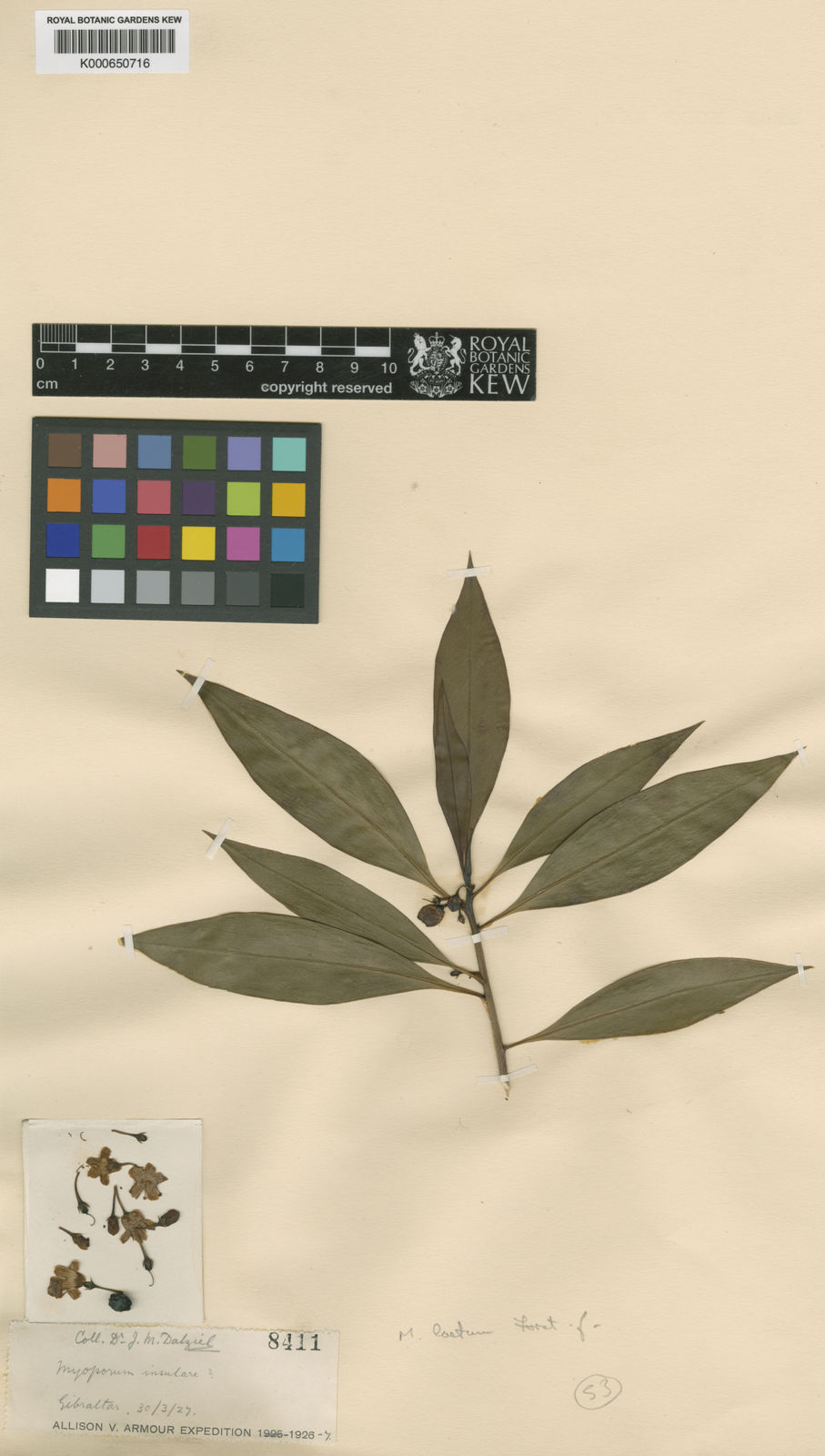
Myoporum laetum
species of plant

Pectinopitys ferruginea
species of conifer
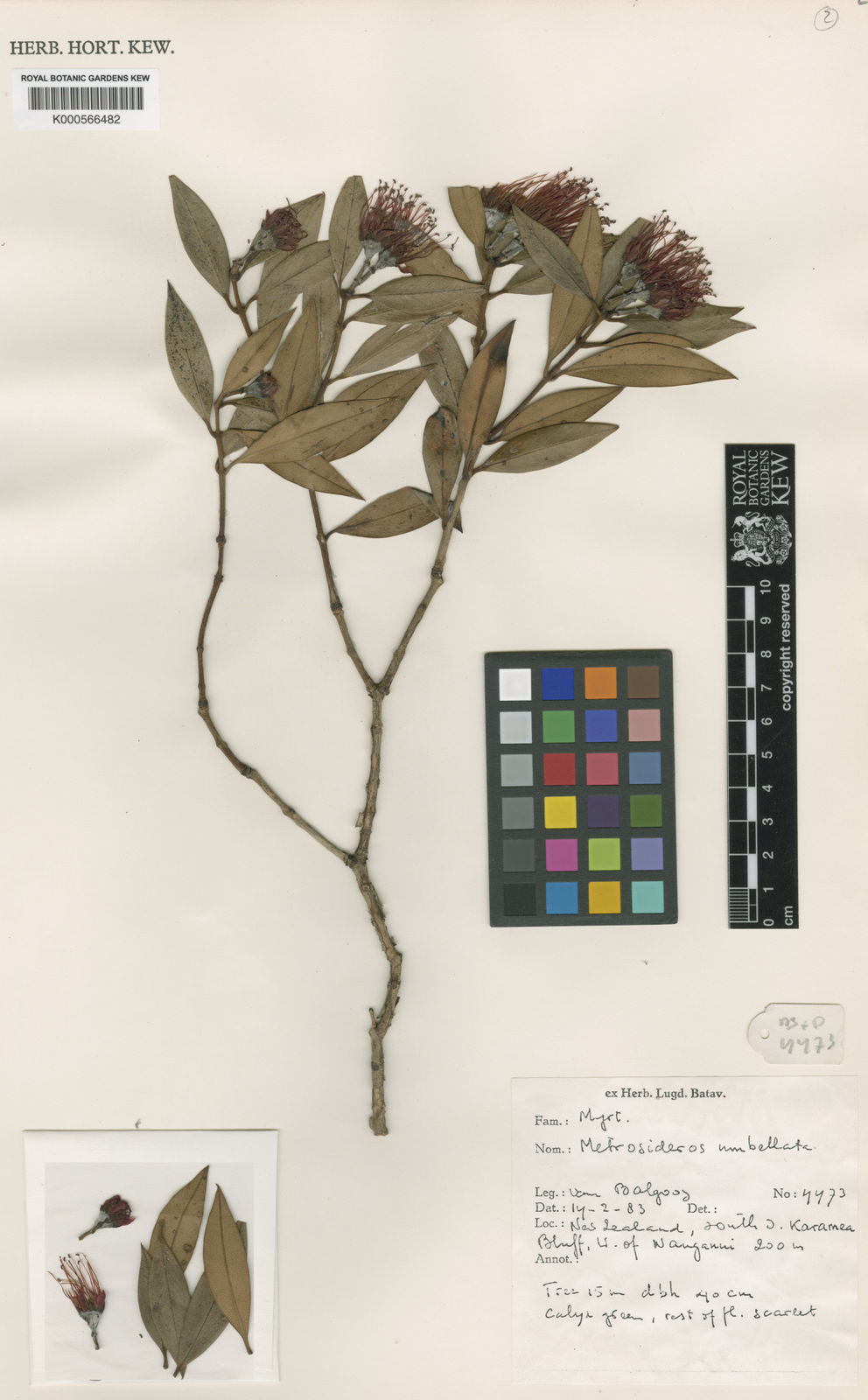
Metrosideros umbellata
species of plant
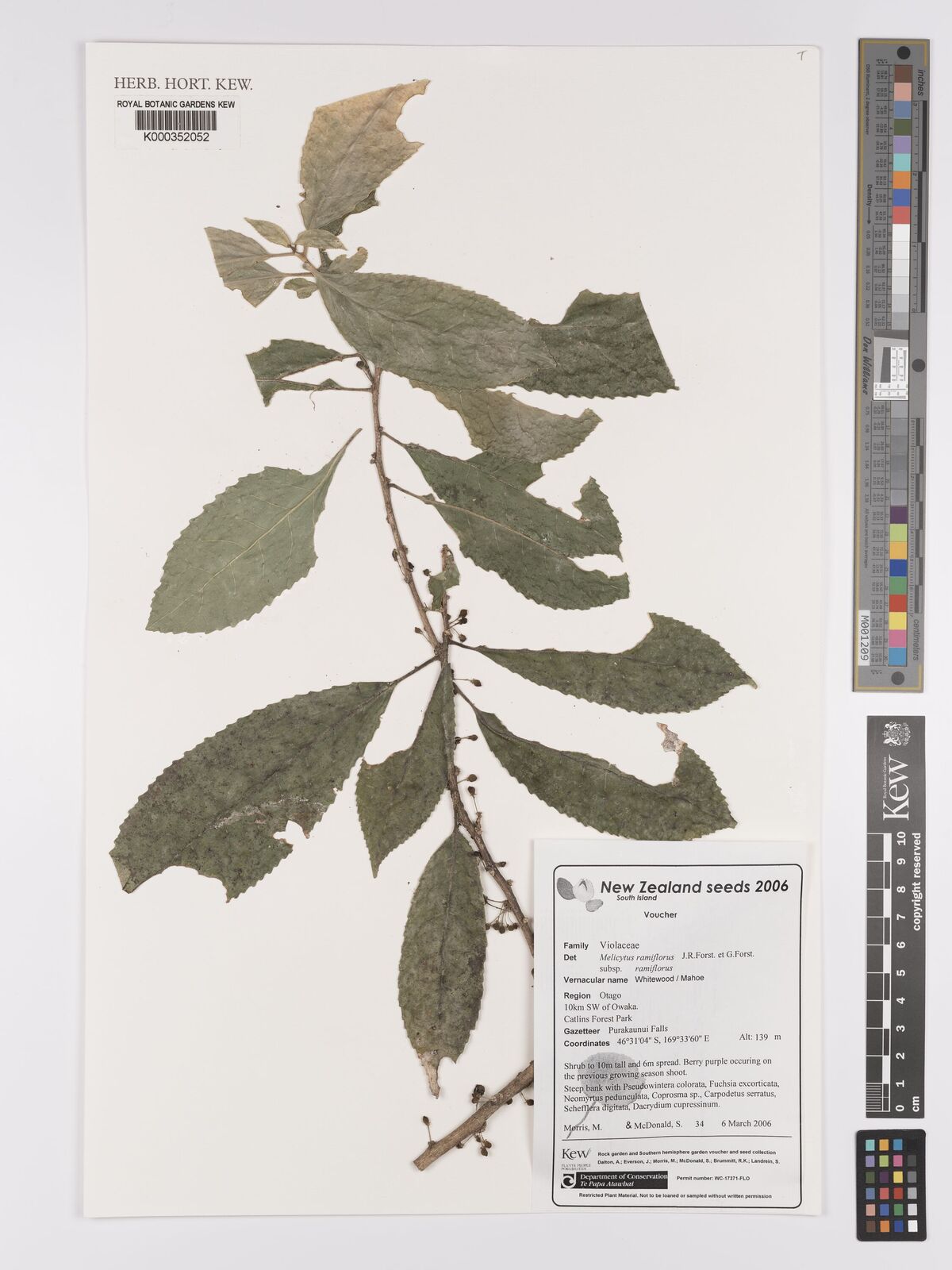
Melicytus ramiflorus
species of plant

Nothofagus fusca
species of plant
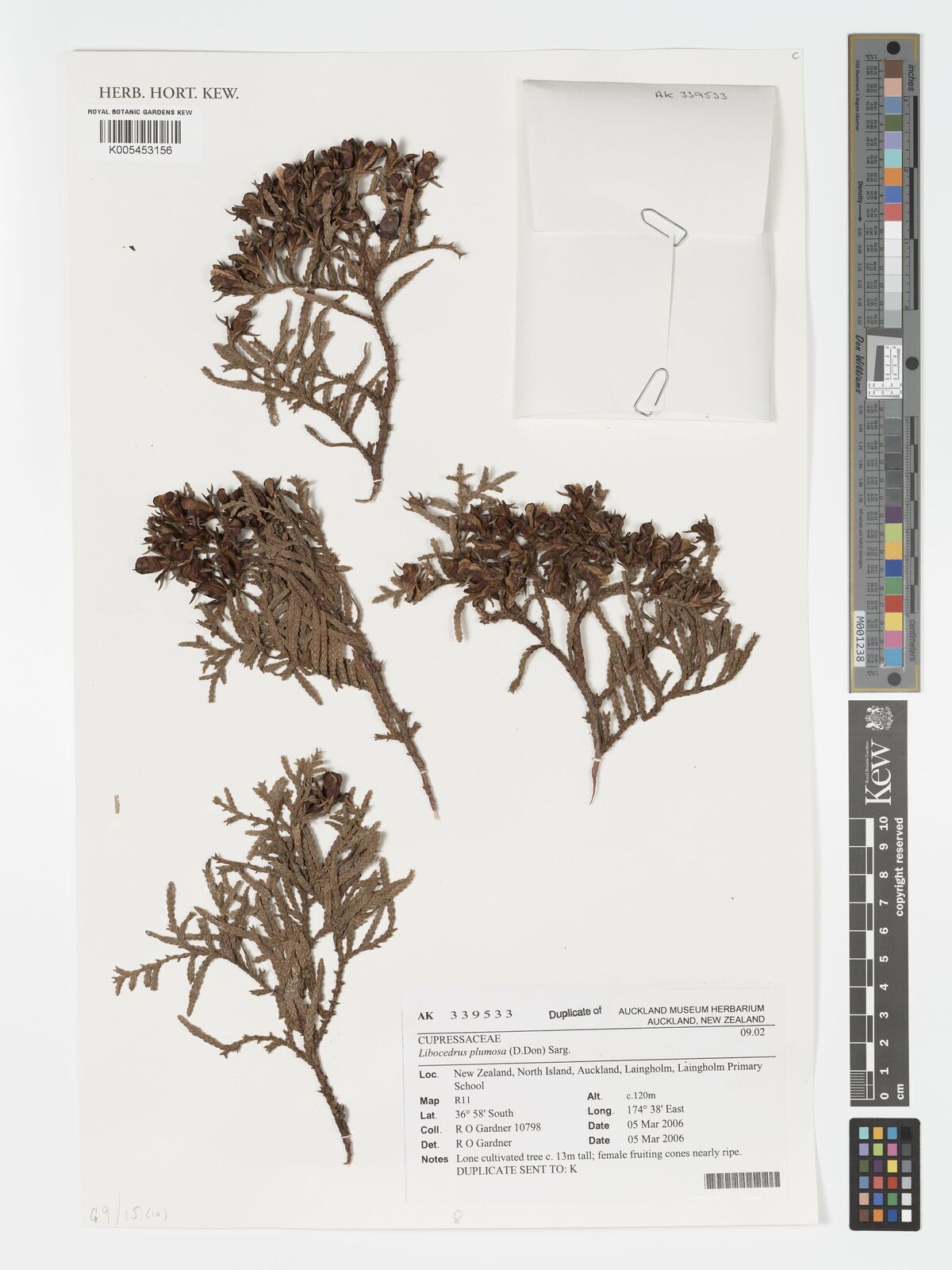
Libocedrus plumosa
species of plant

Clianthus
Clianthus, commonly known as kaka beak (kōwhai ngutukākā in Māori), is a genus of flowering plants in the legume family Fabaceae, comprising two species of shrubs endemic to the North Island of New Zealand. They have striking clusters of red flowers which resemble the beak of the kākā, a New Zealand parrot. The plants are also known as '''parrot's beak, parrot's bill and lobster claw''' – all references to the distinctive flowers. There is also a variety with white to creamy coloured flowers called: "Albus", and a variety with rosy pink flowers called: "Roseus".
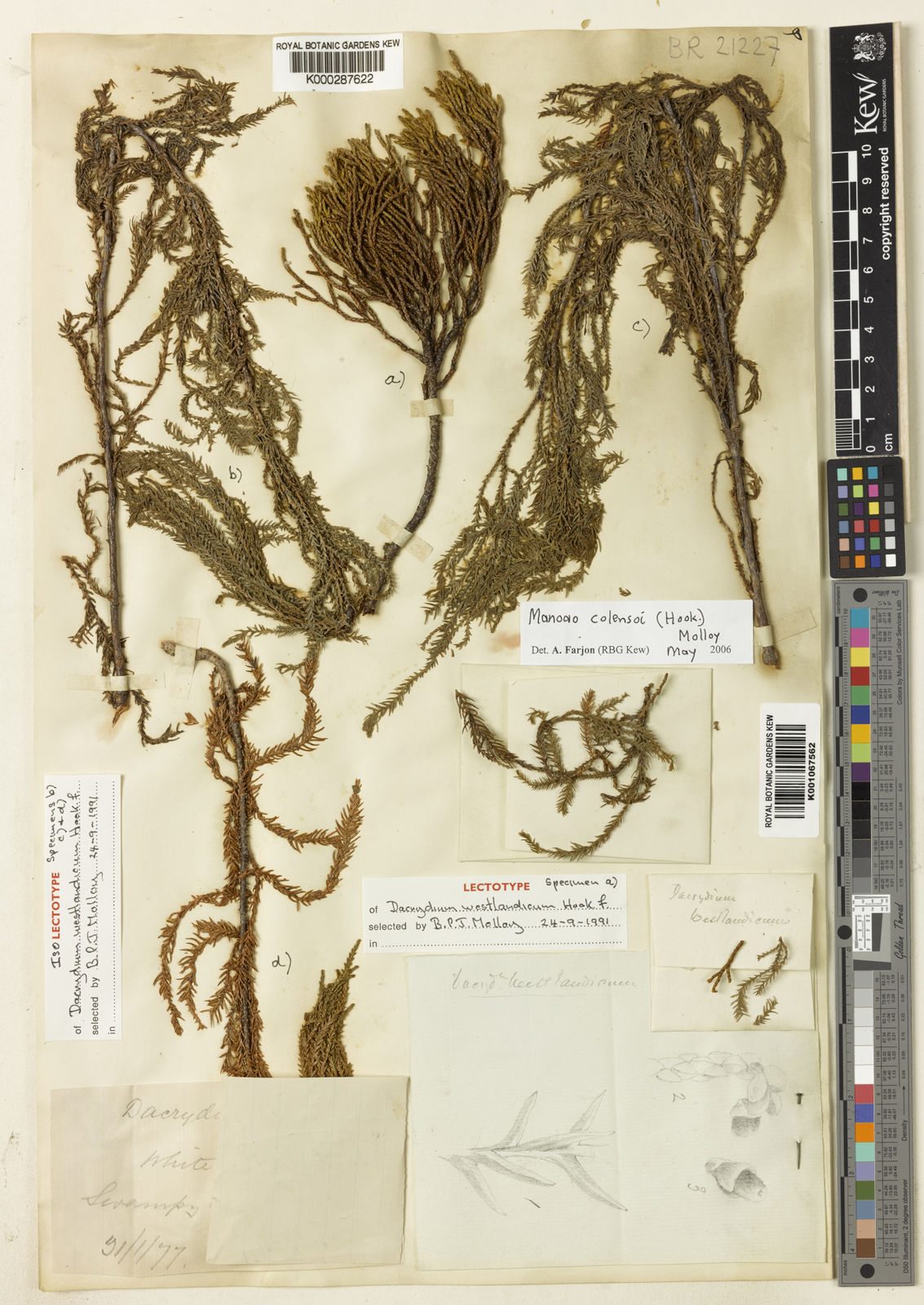
Manoao colensoi
Manoao ( ) is a monotypic genus in the family Podocarpaceae. The single species, M. colensoi, commonly known as manoao (from Māori), silver pine, Westland pine, or white silver pine, is endemic to New Zealand. Before 1996 it was classified in genus Dacrydium or Lagarostrobos, but has recently been recognised as a distinct genus; some botanists still treat it in Lagarostrobos on the basis that it is not phylogenetically distinct from that genus. In molecular phylogenetic analyses Manoao was found to be related to Parasitaxus (a parasitic and monotypic genus from New Caledonia) and Lagarostrobos

Halocarpus
Halocarpus is a genus of conifers of the family Podocarpaceae. The genus includes three closely related species of evergreen trees and shrubs, all endemic to New Zealand.
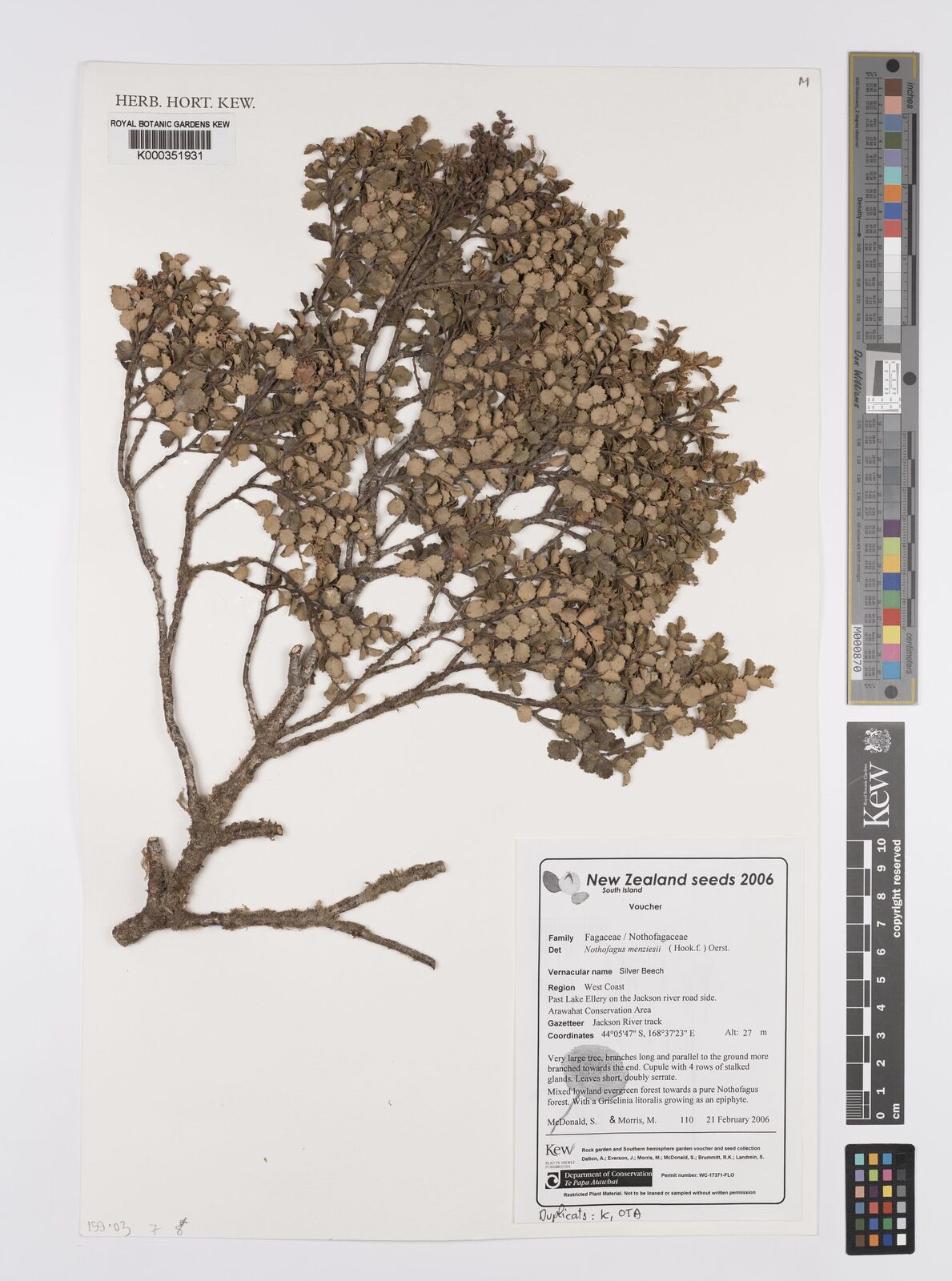
Nothofagus menziesii
species of plant
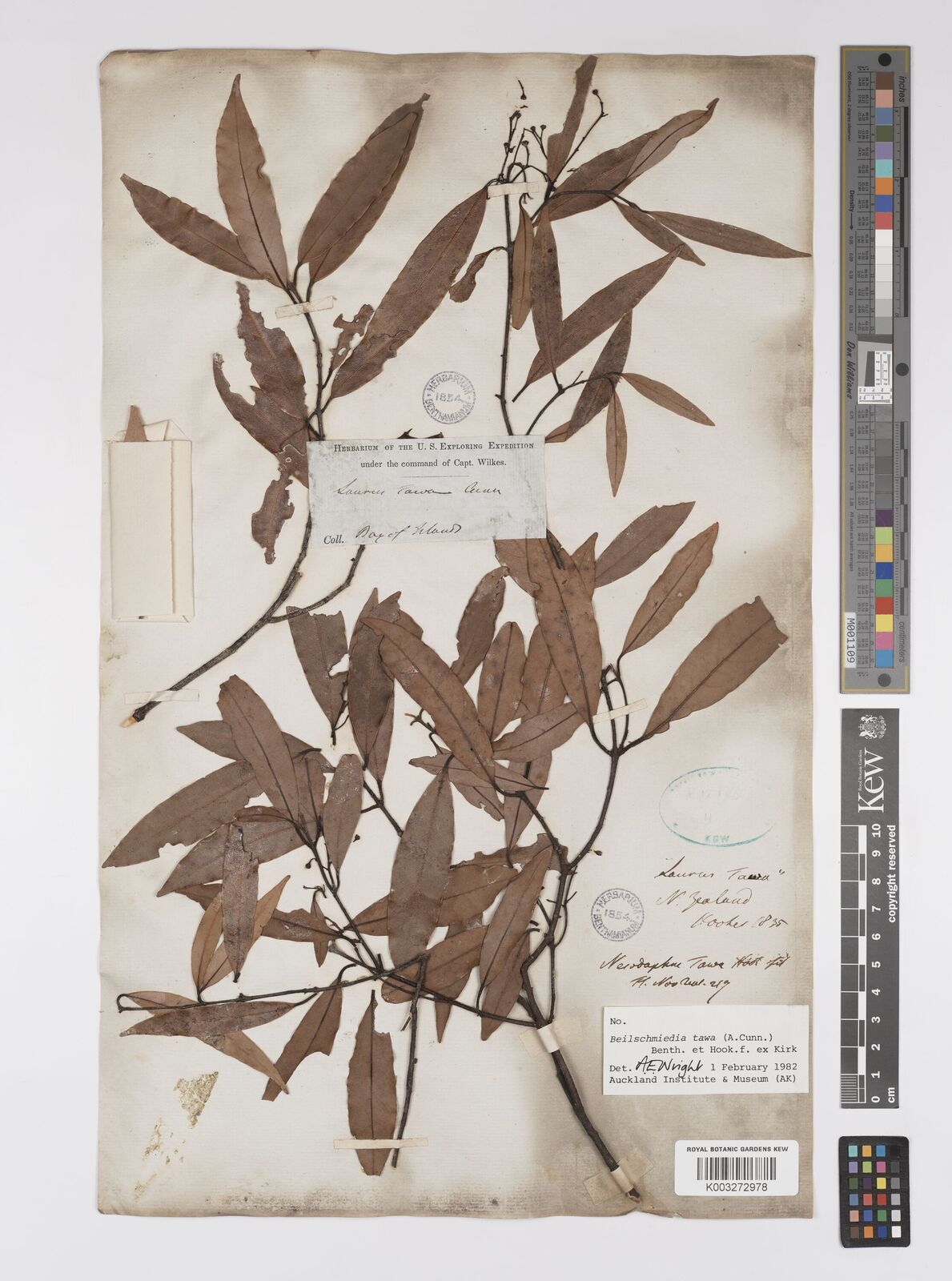
Beilschmiedia tawa
species of plant
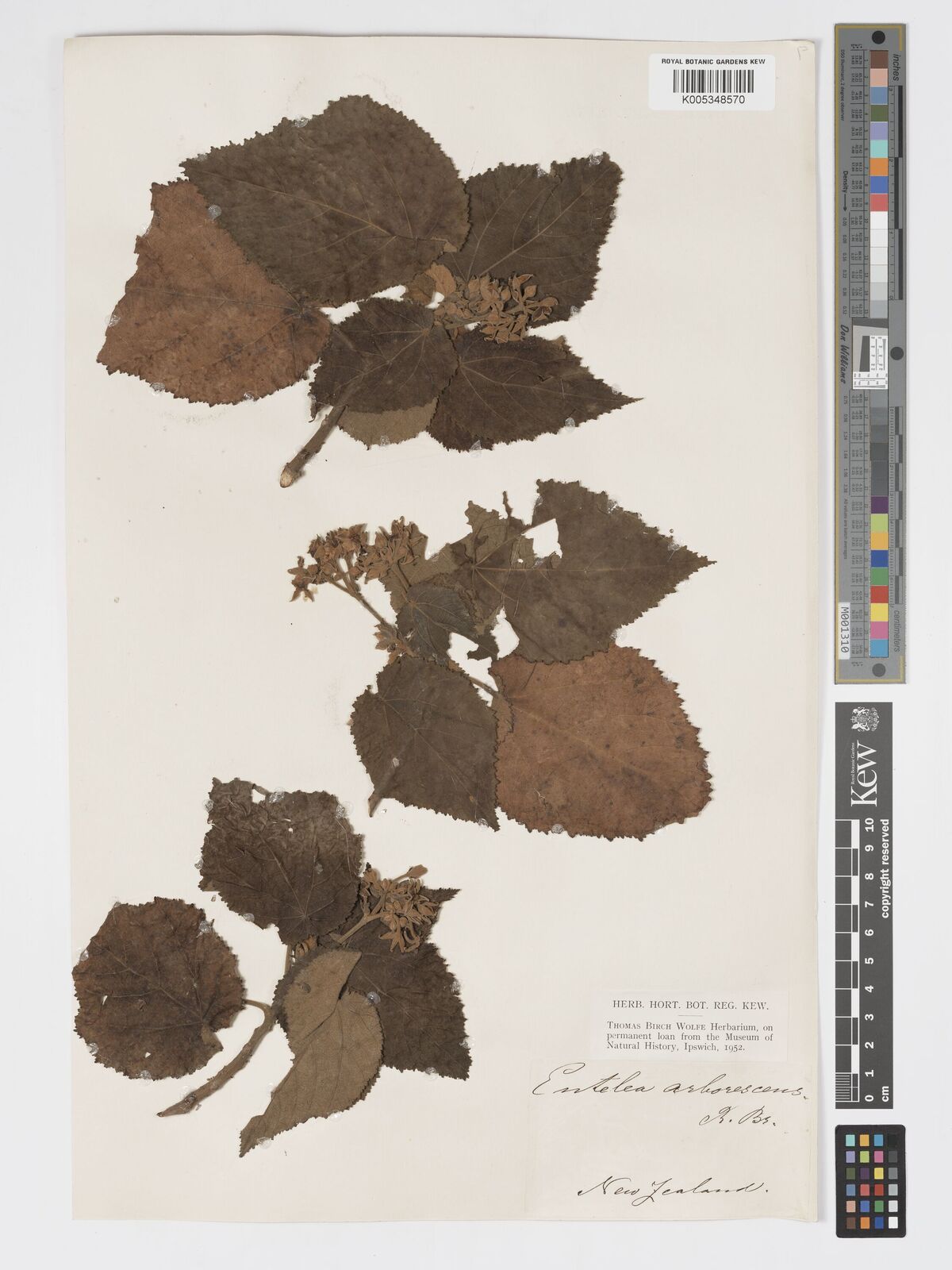
Entelea arborescens
Entelea arborescens or whau is a species of malvaceous tree endemic to New Zealand. E. arborescens is the only species in the genus Entelea. A shrub or small tree to with large lime-like leaves giving a tropical appearance, whau grows in low forest along the coast of the North Island and the northern tip of the South Island. The dry fruit capsules are very distinctly brown and covered with spines.

Metrosideros robusta
species of plant
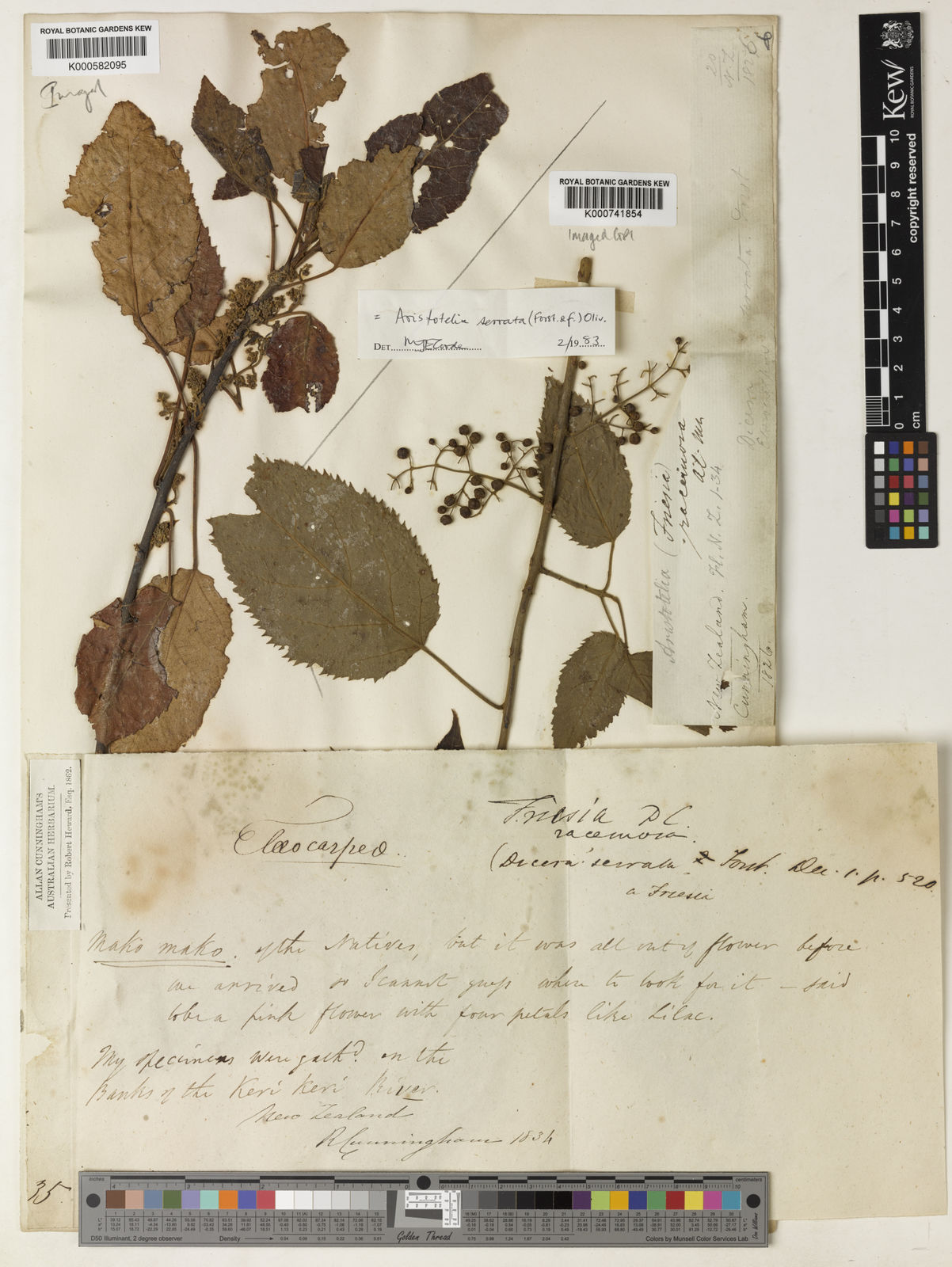
Aristotelia serrata
species of plant
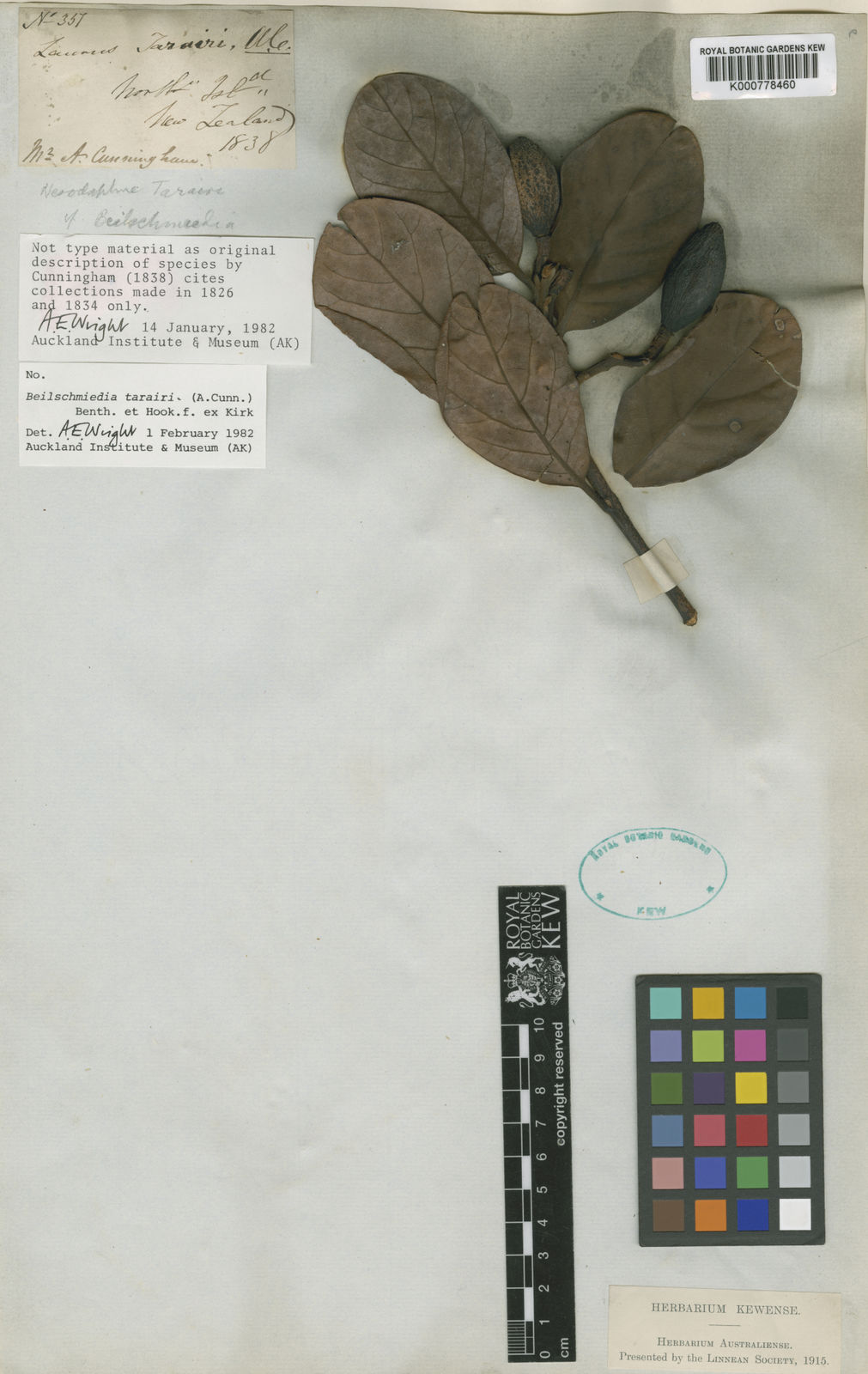
Beilschmiedia tarairi
species of plant
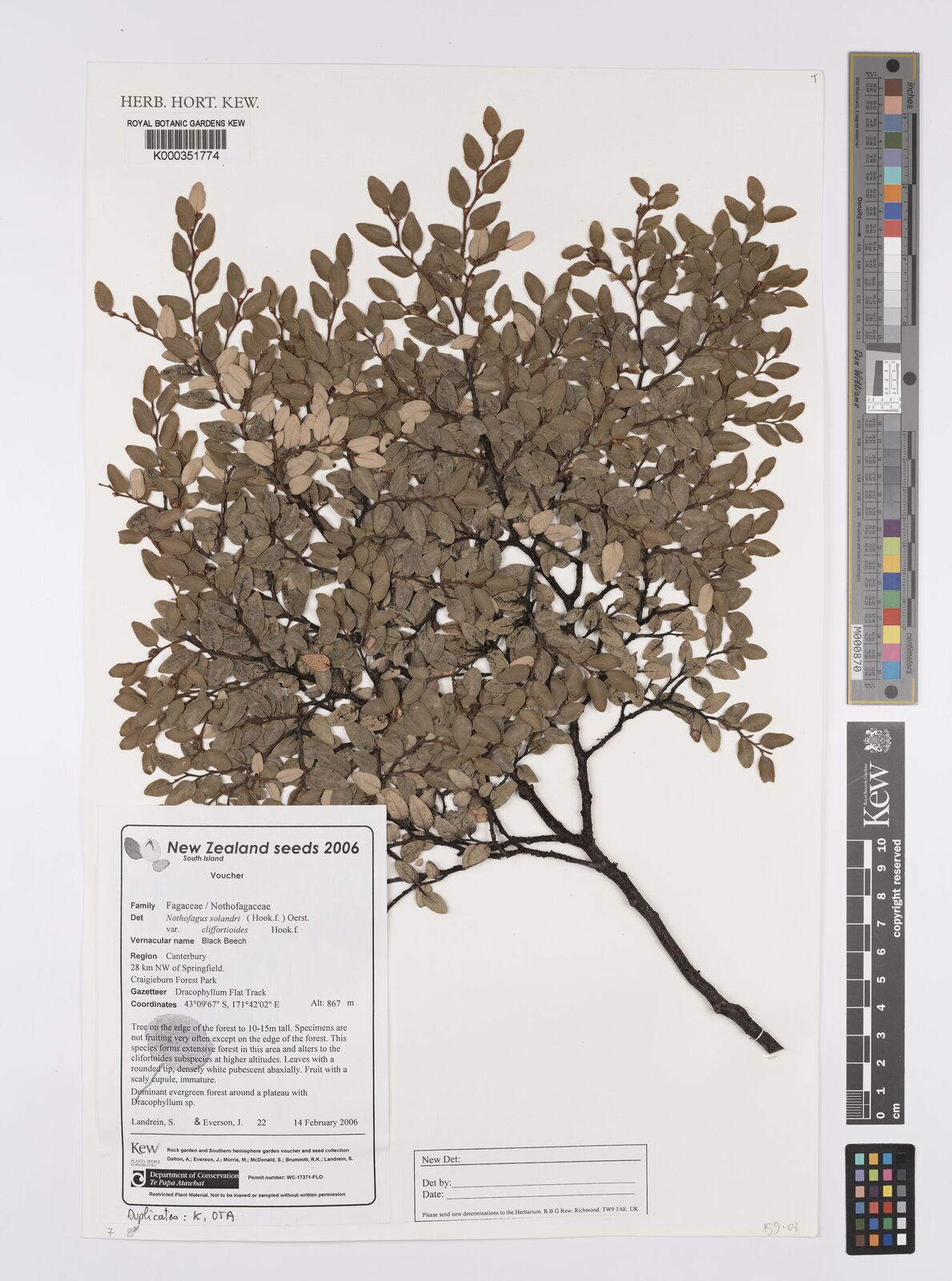
Nothofagus solandri
species of plant
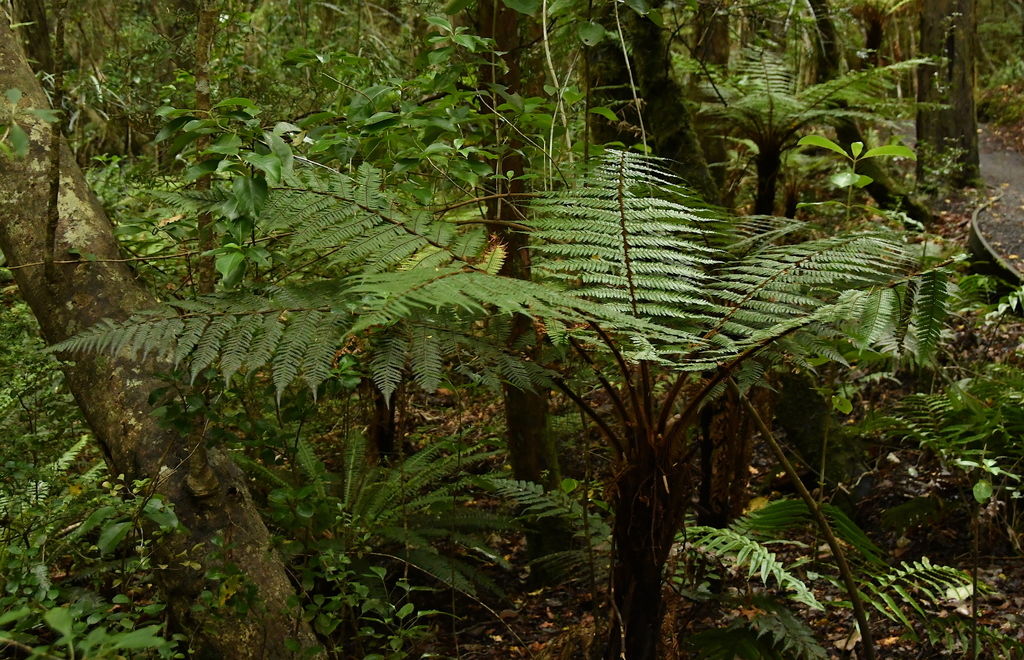
Dicksonia squarrosa
species of plant

Sphaeropteris medullaris
species of plant
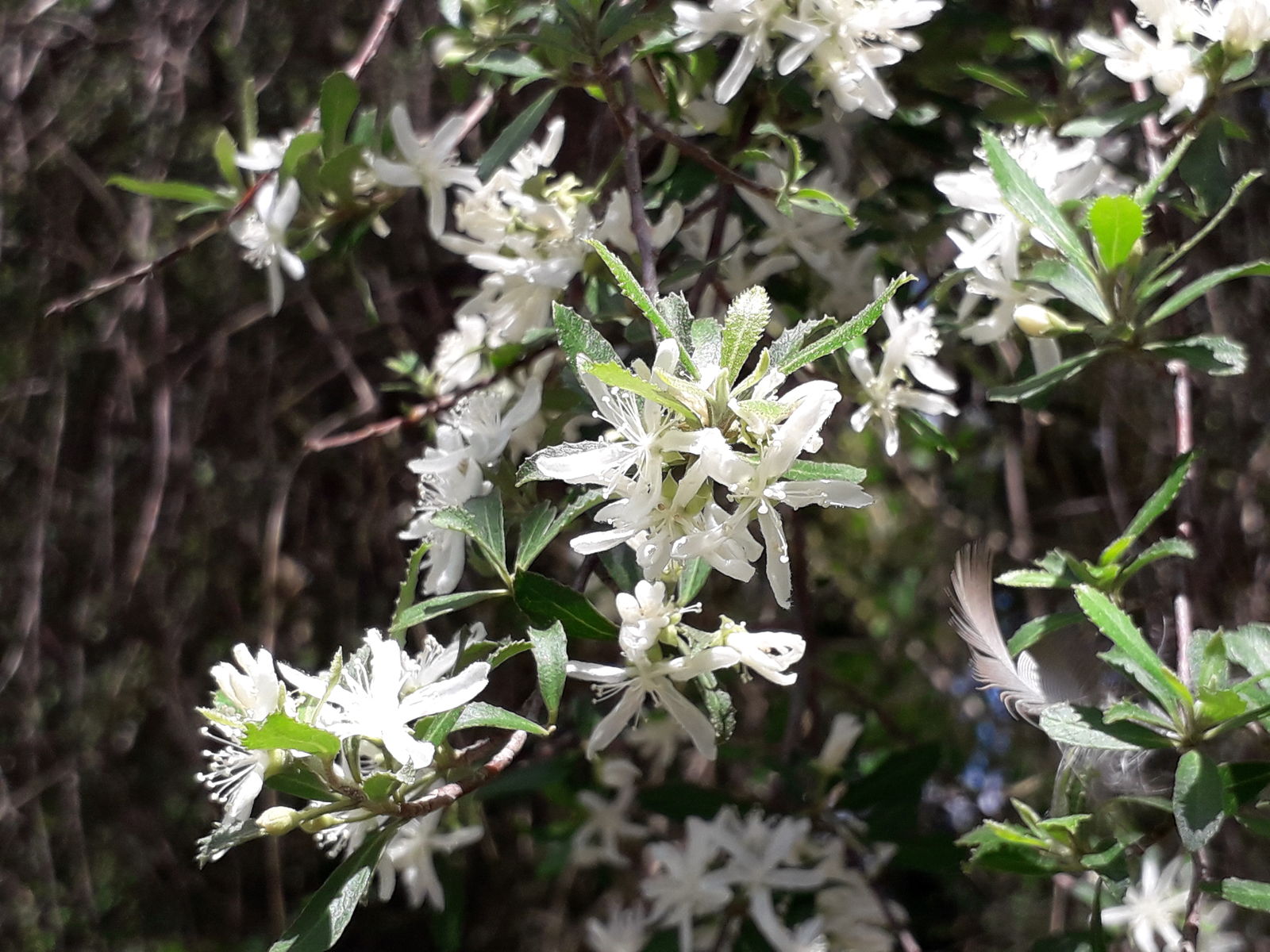
Hoheria
Hoheria is a genus of six species of flowering plants in the family Malvaceae. All are endemic to New Zealand. The genus name is a Latinization of the Māori language name, houhere. That name, as well as lacebark and ribbonwood, are often used as common names. The name lacebark comes from the lace-like fibrous inner bark layer.
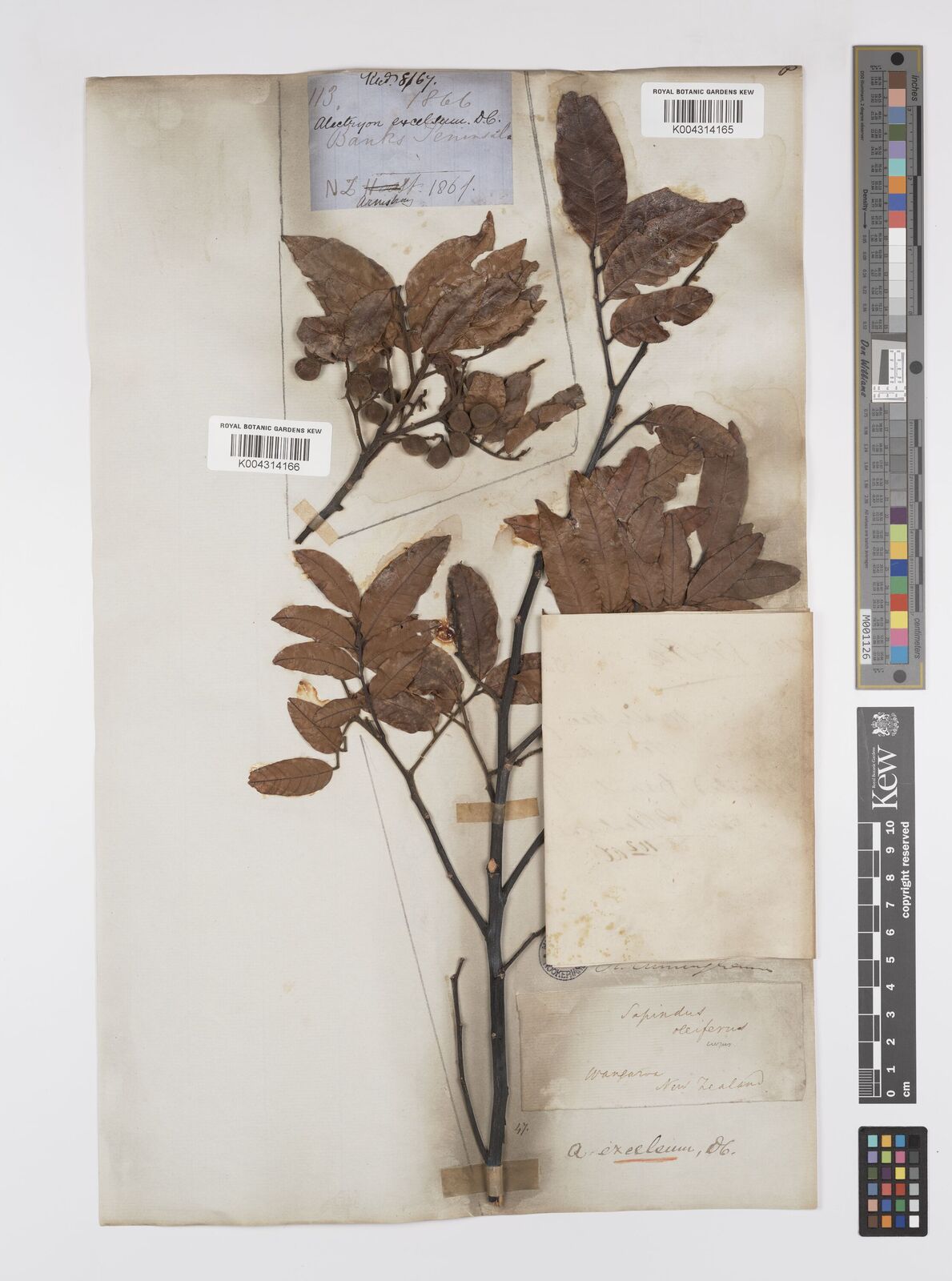
Alectryon excelsus
species of plant
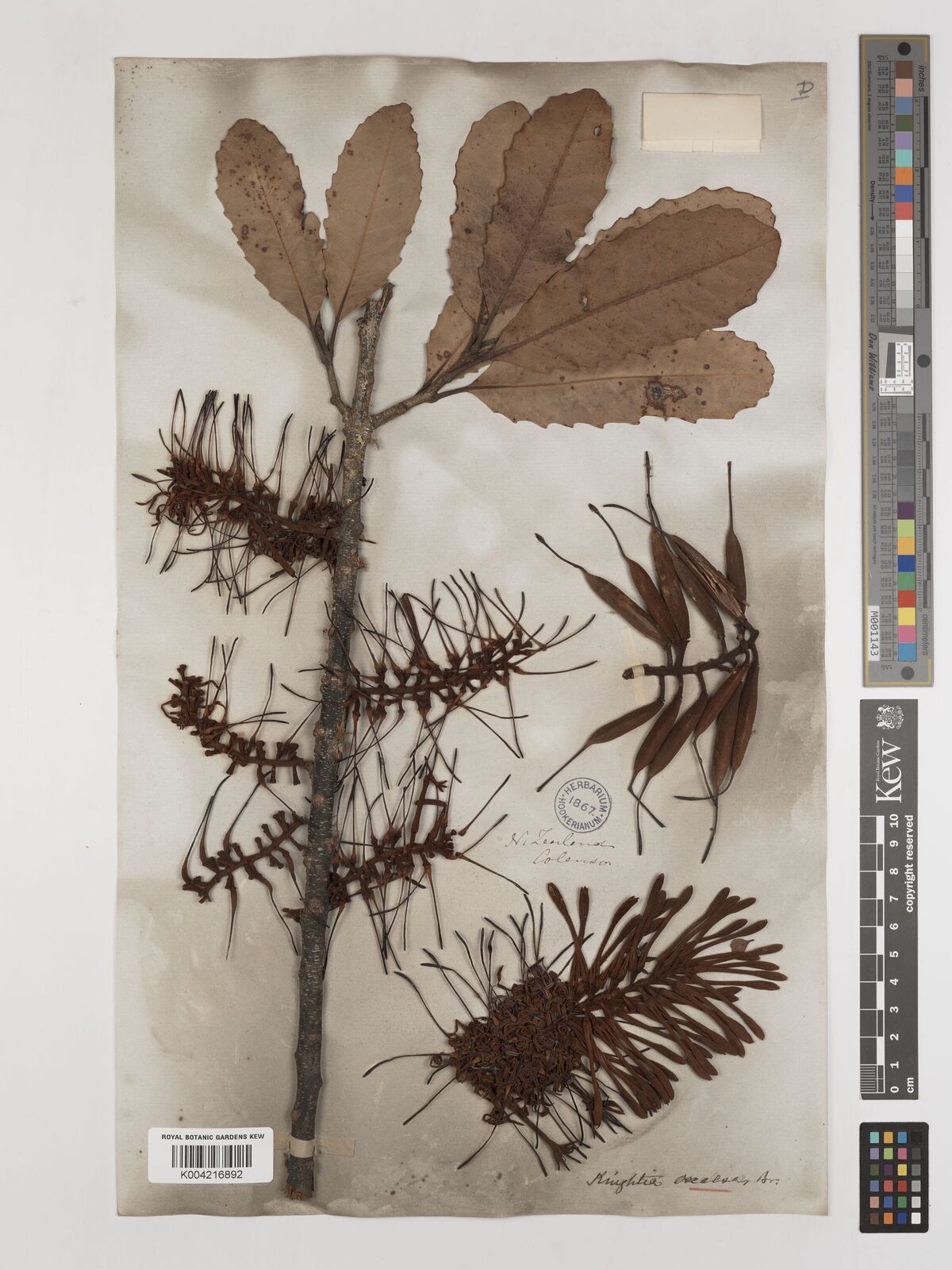
Knightia excelsa
species of plant

Podocarpus nivalis
species of plant

Schefflera digitata
species of plant
Halocarpus bidwillii
species of plant
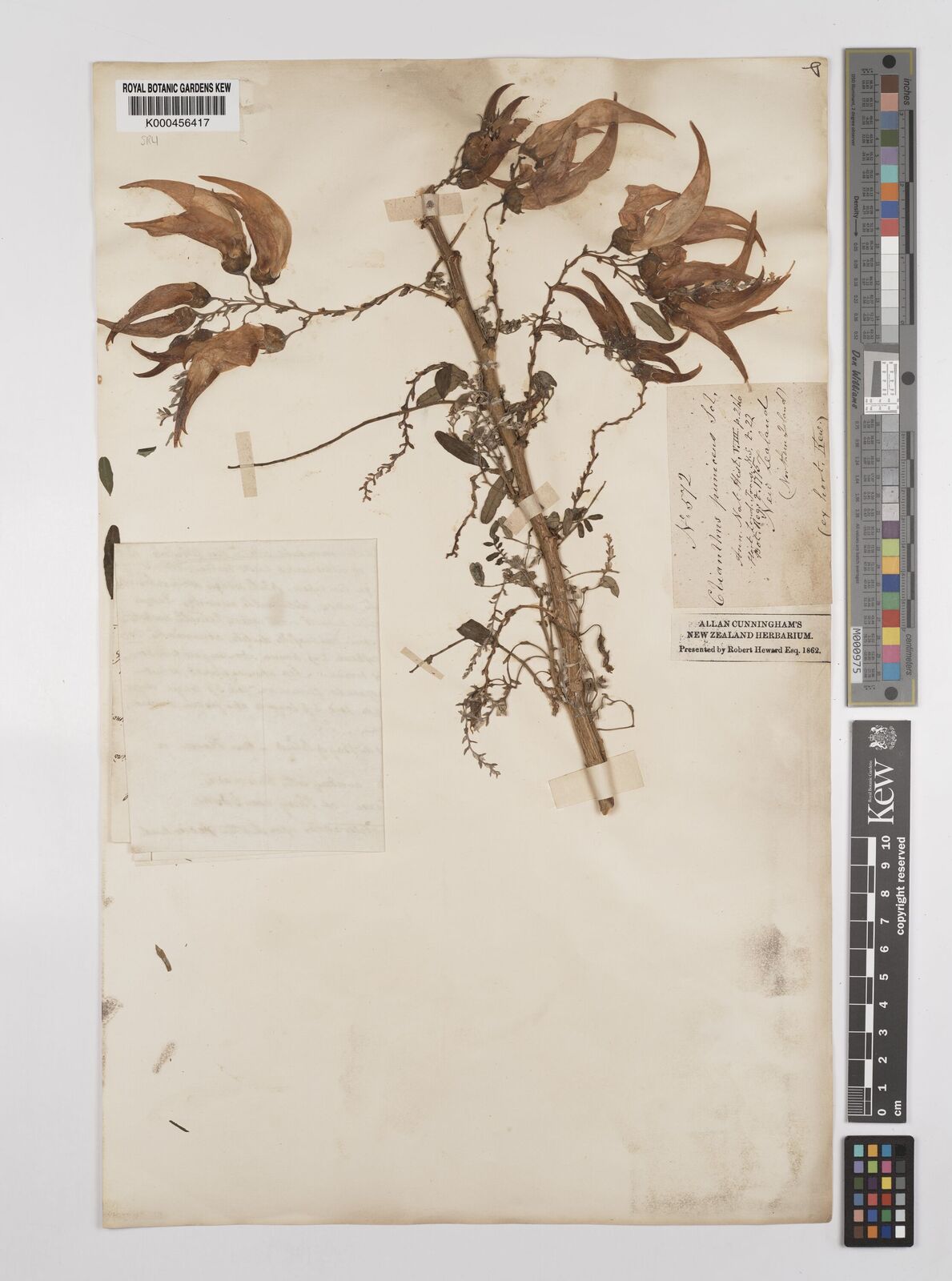
Clianthus puniceus
species of plant
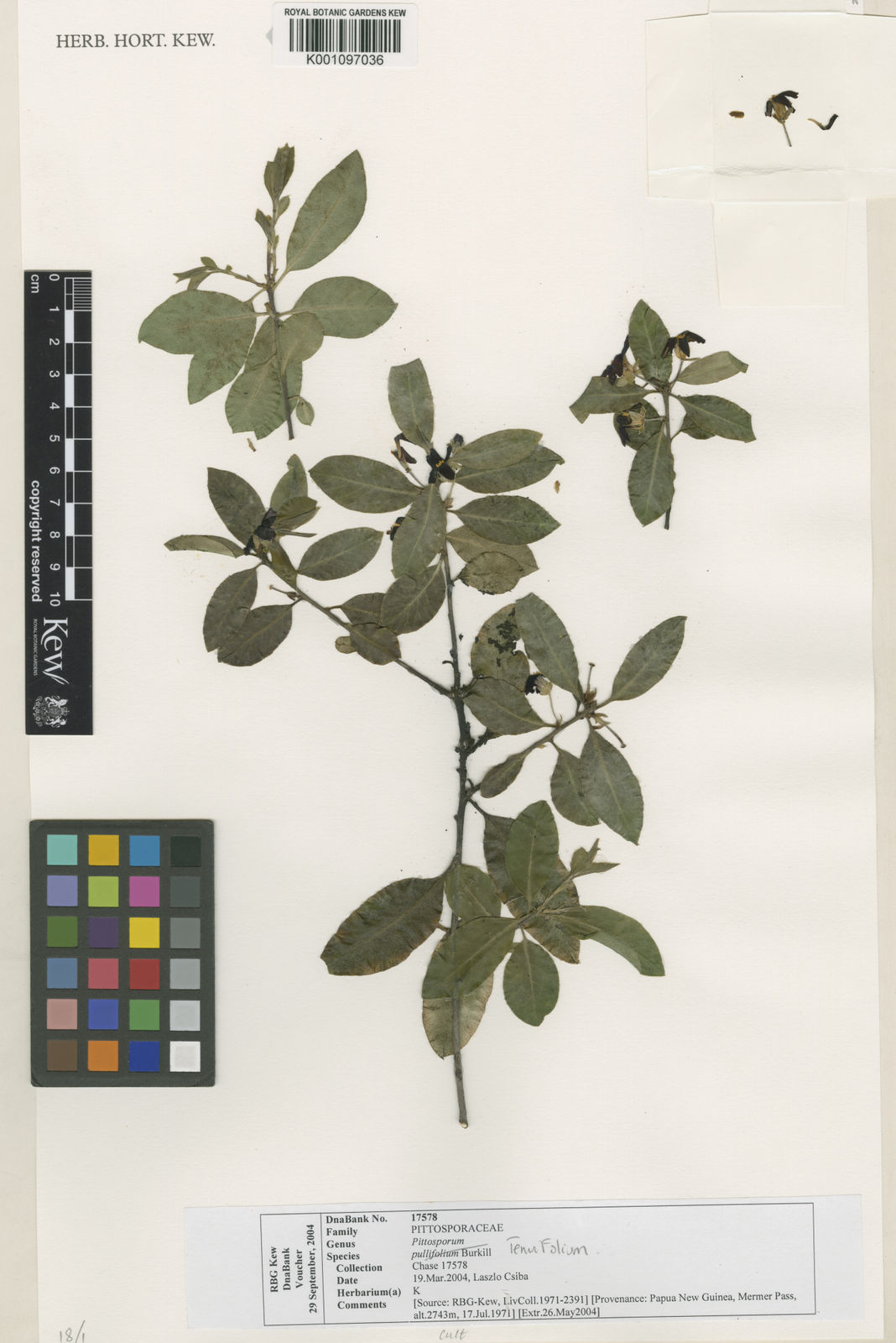
Pittosporum tenuifolium
species of plant
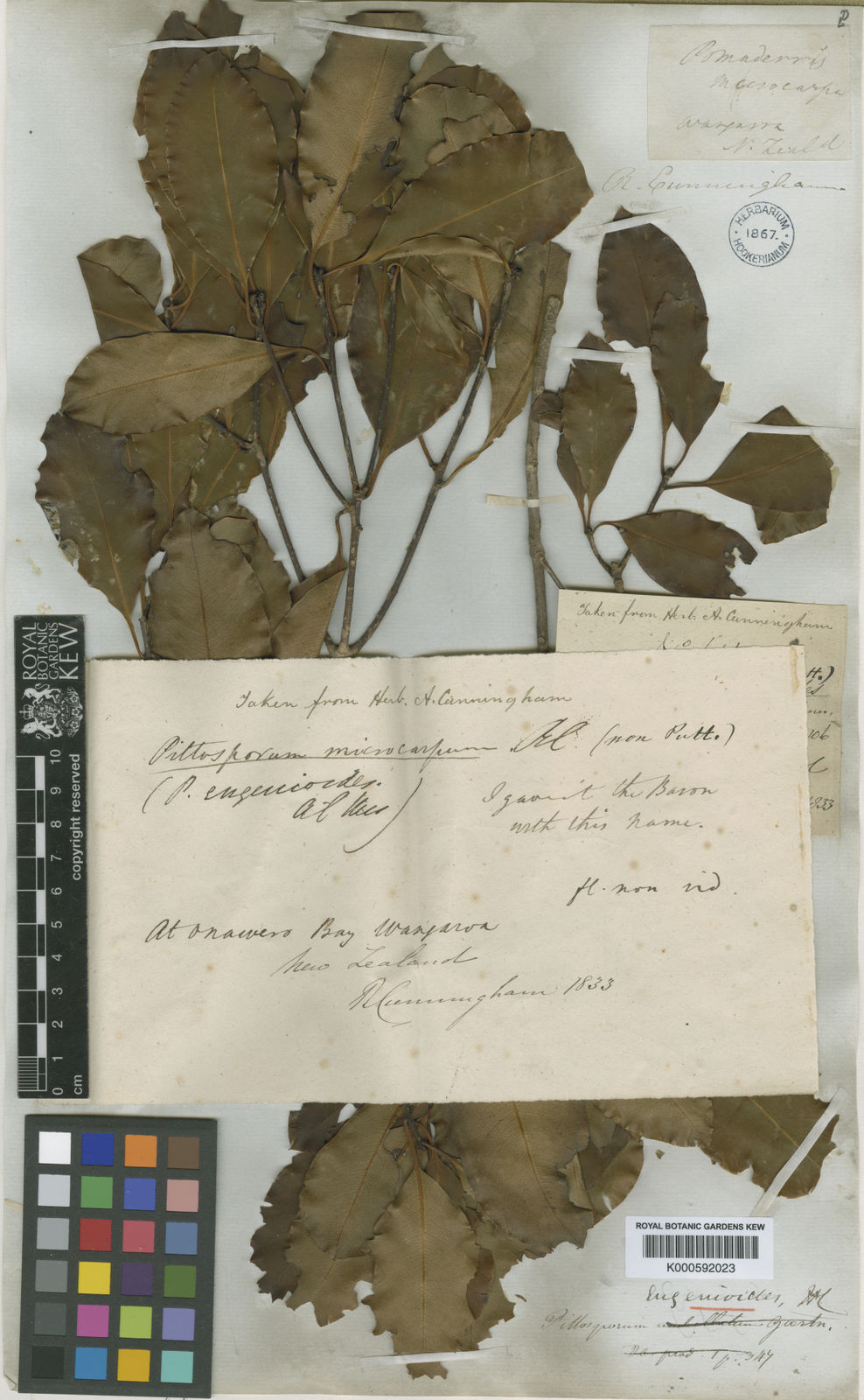
Pittosporum eugenioides
species of plant
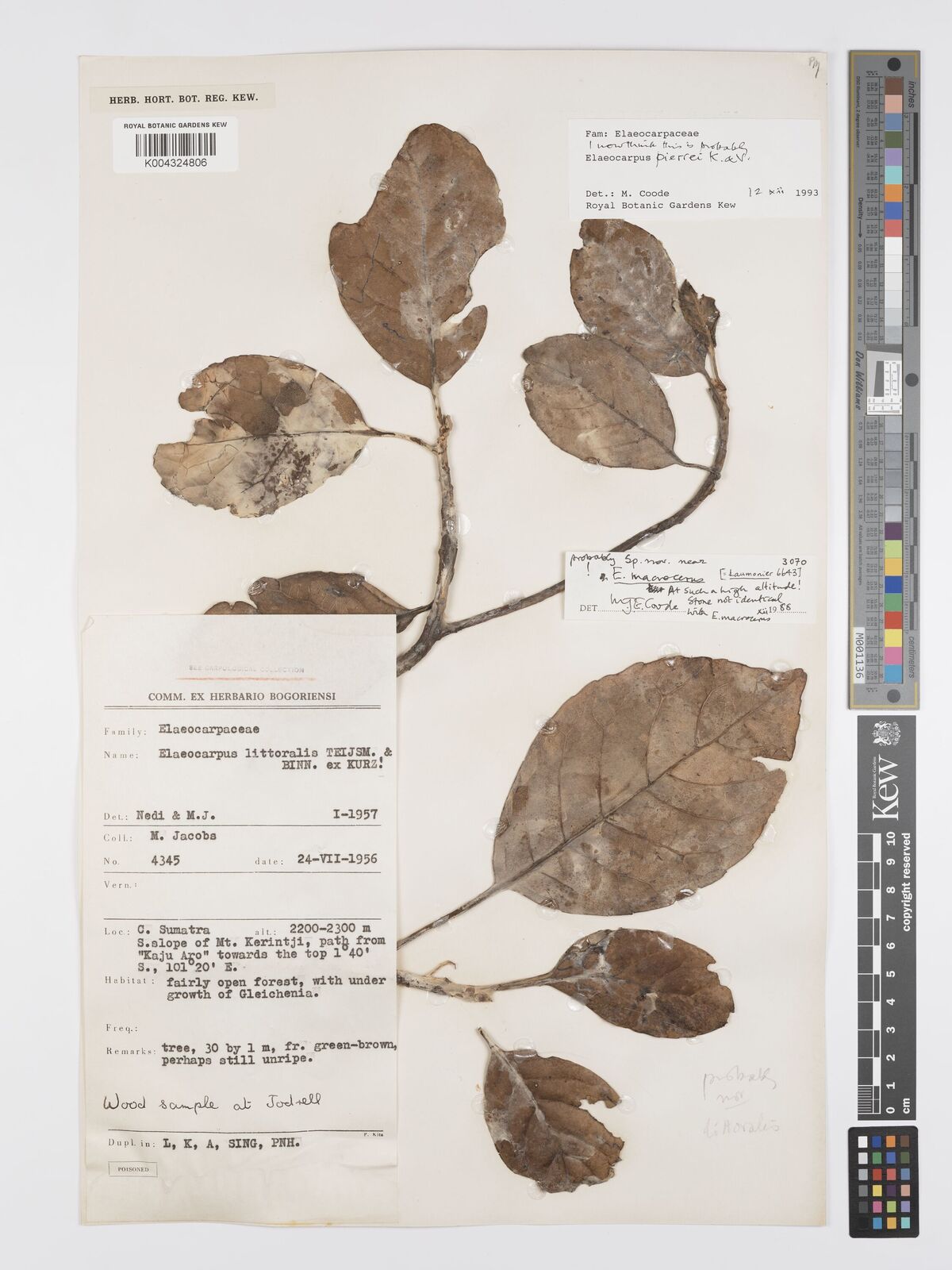
Elaeocarpus dentatus
species of plant
Dysoxylum spectabile
Kohekohe (Didymocheton spectabilis) is a medium-sized tree in the Meliaceae family, native to New Zealand. It is found in lowland and coastal forests throughout most of the North Island and also occurs in the Marlborough Sounds in the north of the South Island. Mature trees grow up to in height, with a trunk up to a metre in diameter.
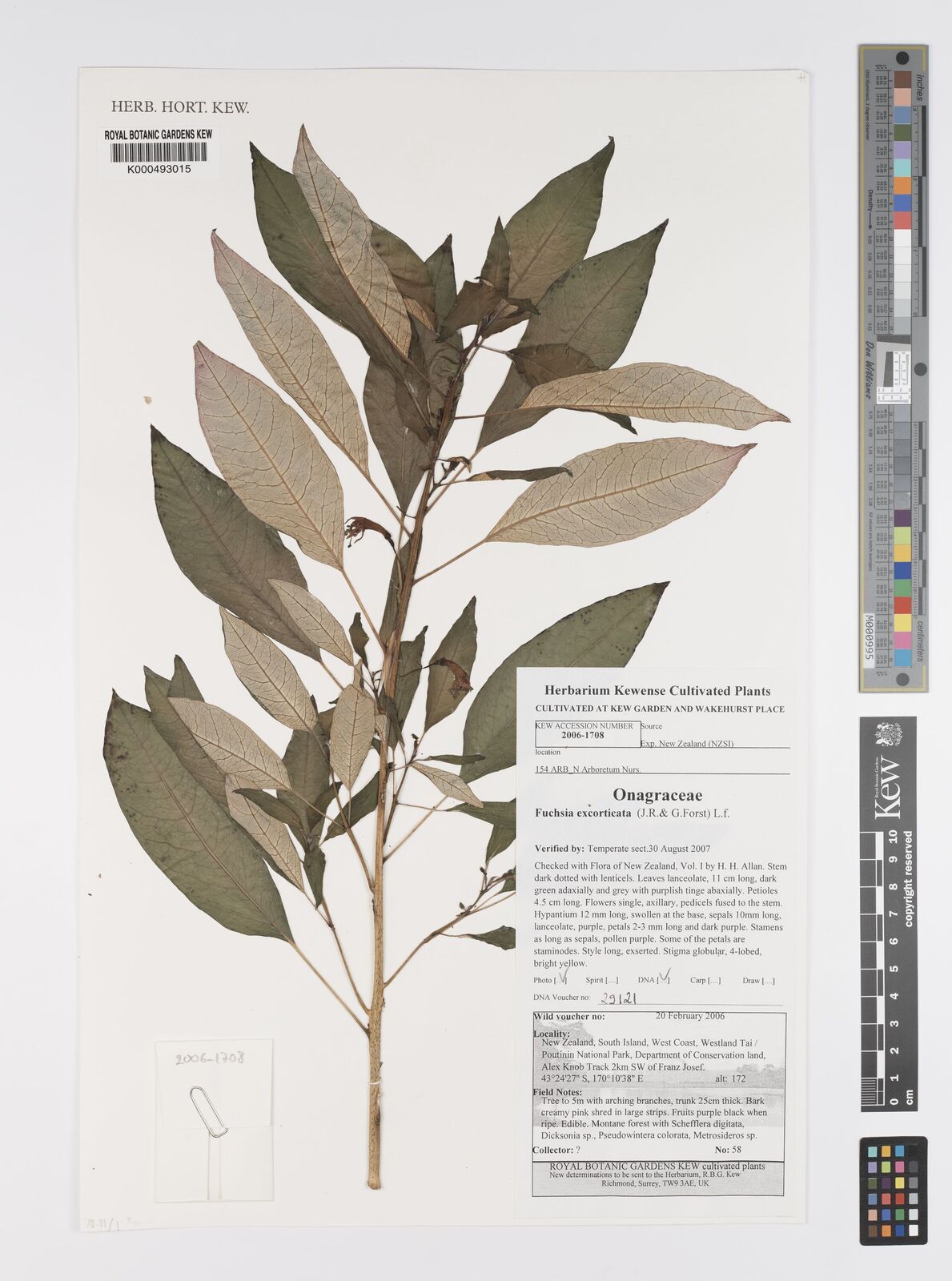
Fuchsia excorticata
species of plant

Metrosideros bartlettii
species of plant
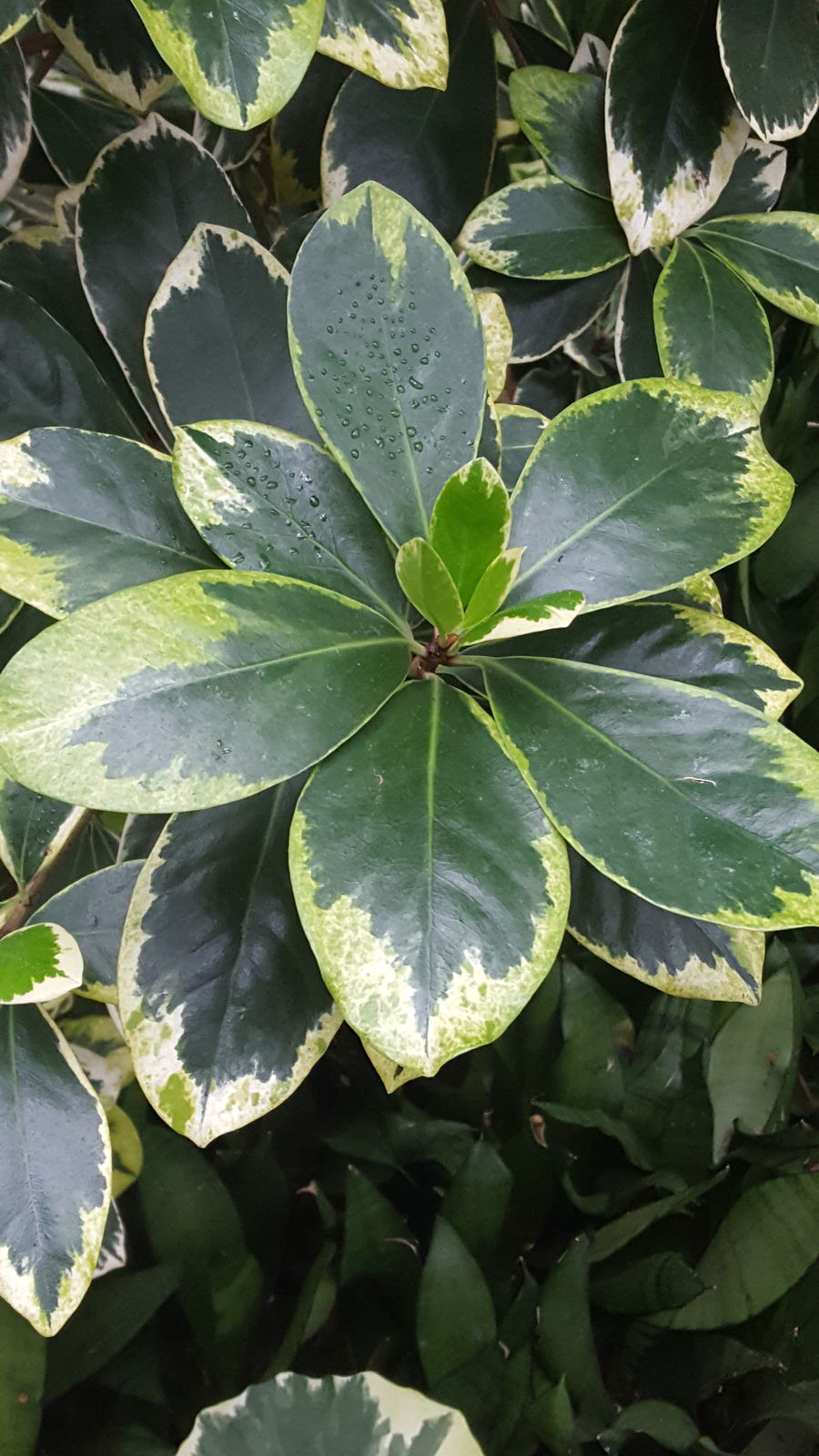
Corynocarpus laevigatus
species of plant
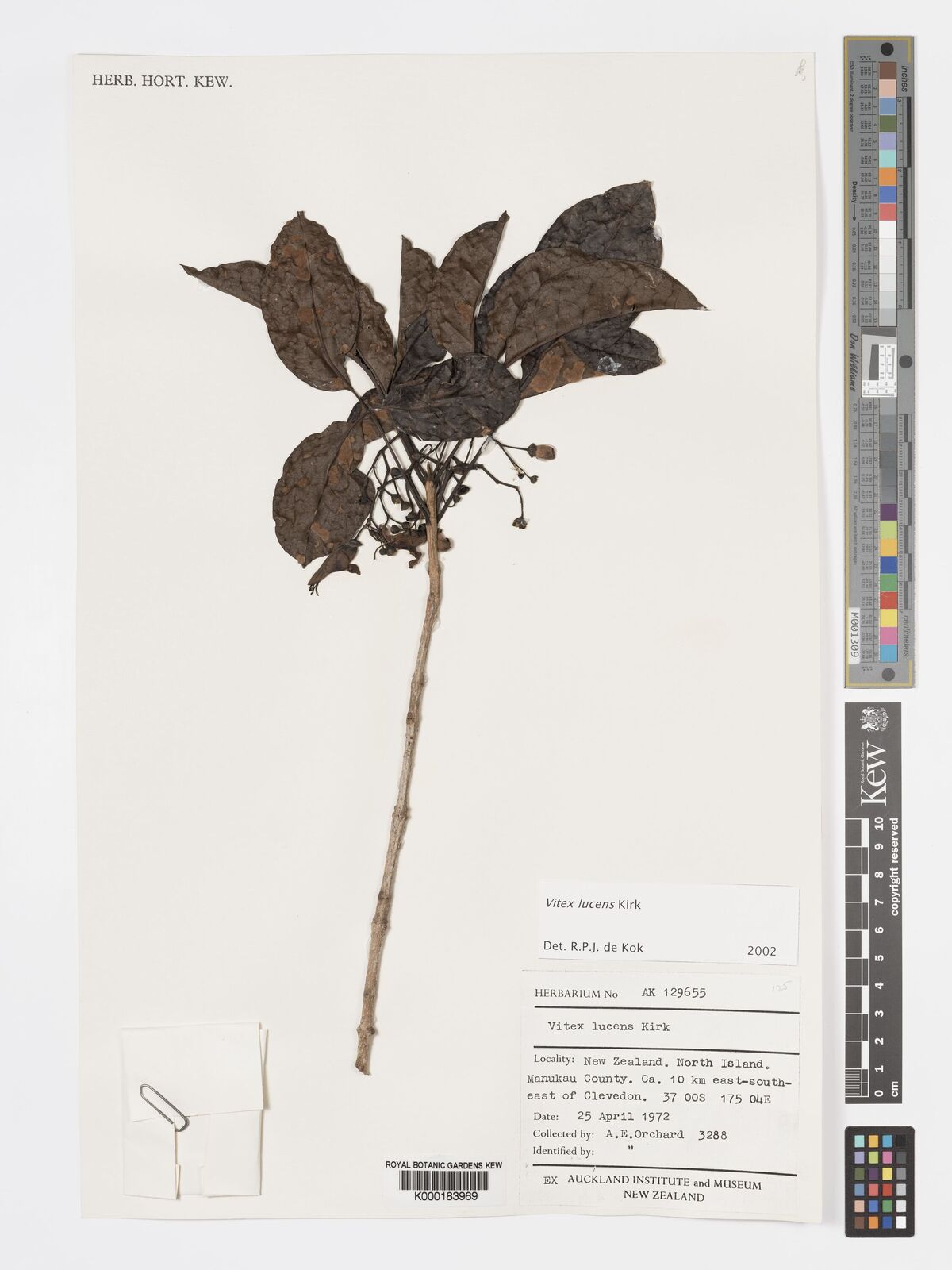
Vitex lucens
species of plant endemic to New Zealand

Halocarpus kirkii
species of plant
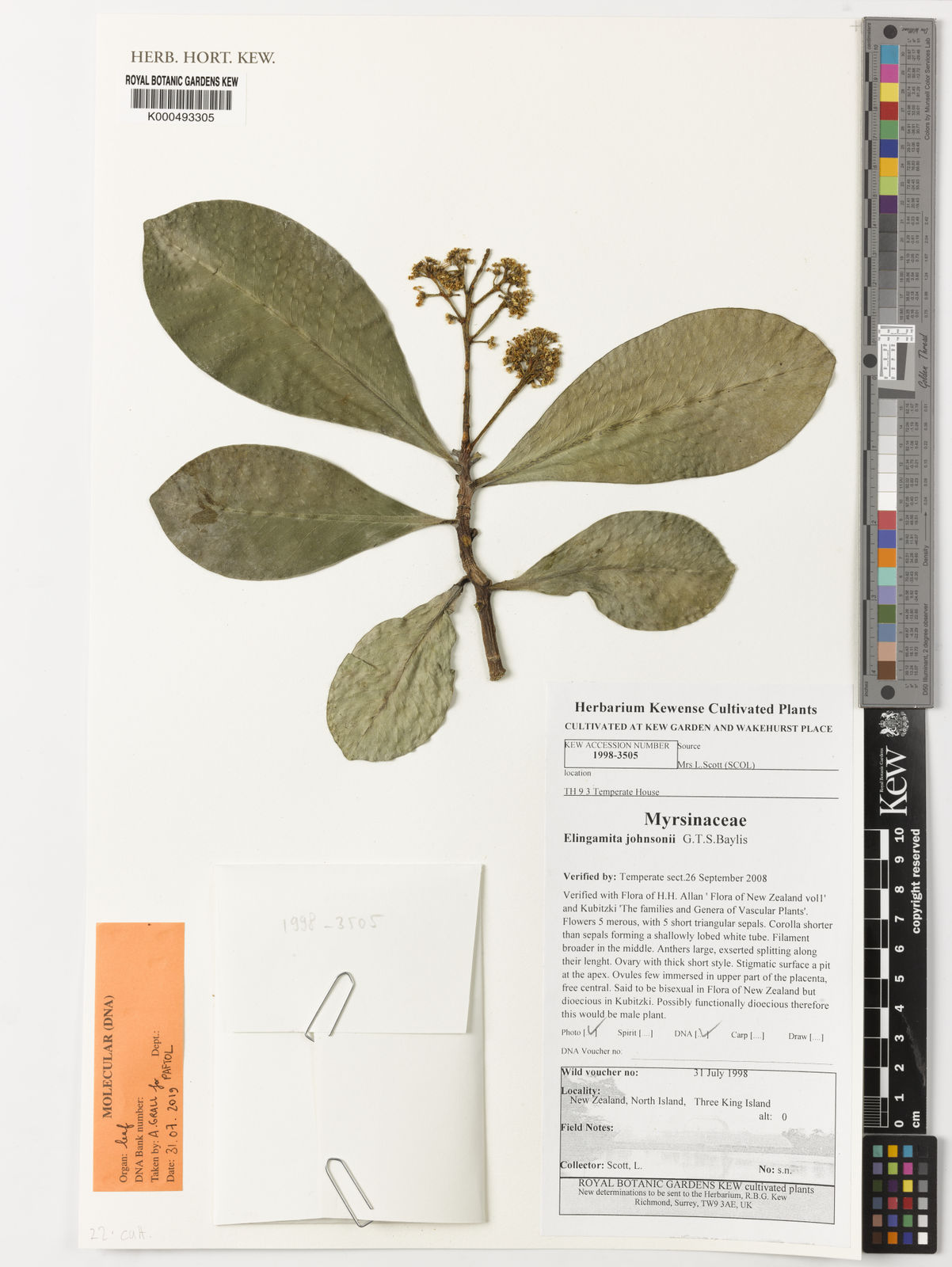
Elingamita johnsonii
Elingamita is a genus in the plant family Primulaceae. It consists of a single species, Elingamita johnsonii, a tree or shrub endemic to the Three Kings Islands approximately 55 km north of the North Island of New Zealand. The entire world natural population of the tree is confined to a small rocky island and two nearby islets, and thus is vulnerable to destruction by fire or other unforeseen events. Elingamita johnsonii grows as a shrub or small tree in pōhutukawa (Metrosideros excelsa) forest and coastal scrub on West island. It also occurs on two rocky islets of the Princes Group; on o
Phyllocladus trichomanoides
species of plant
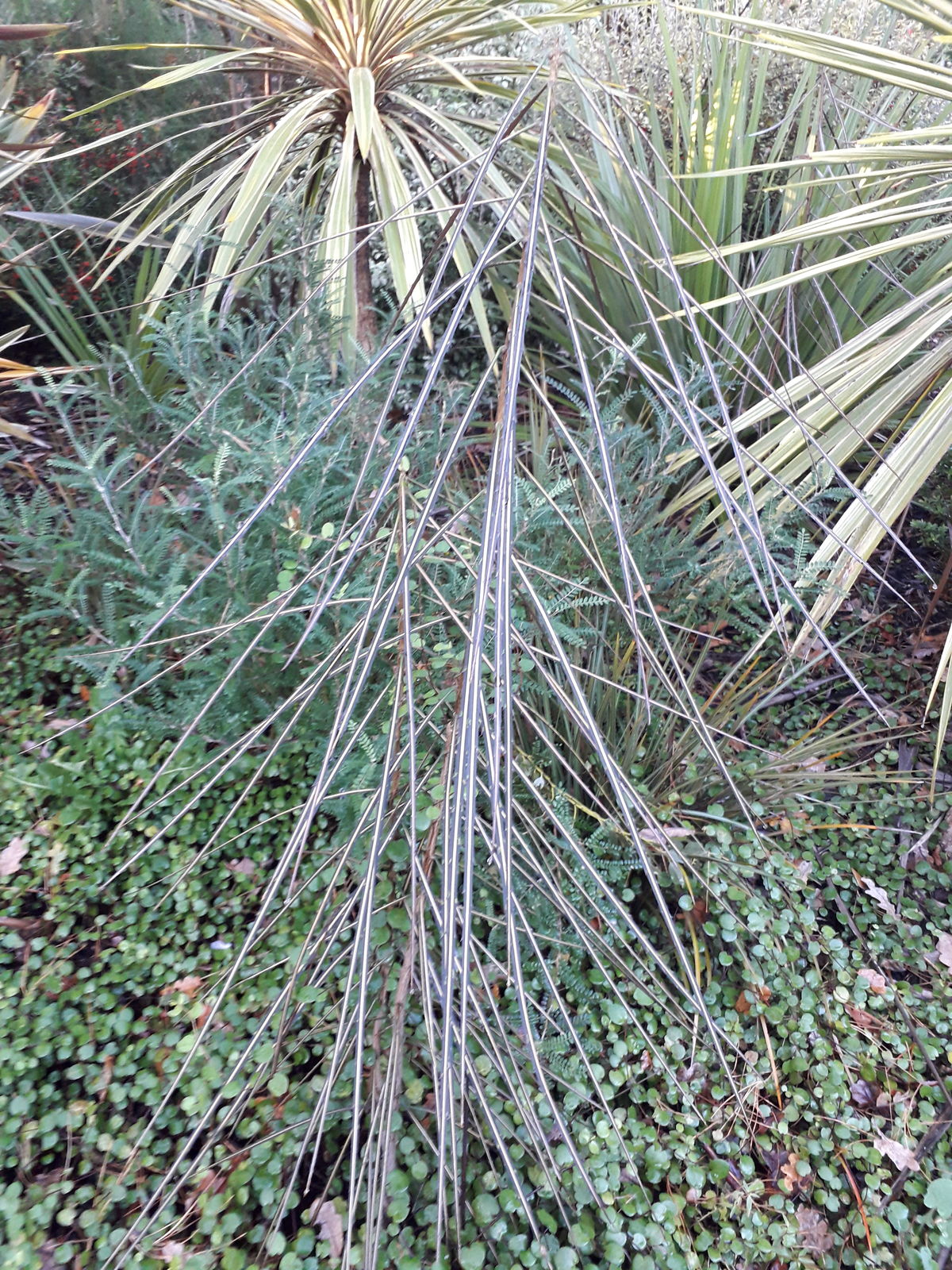
Pseudopanax crassifolius
species of plant
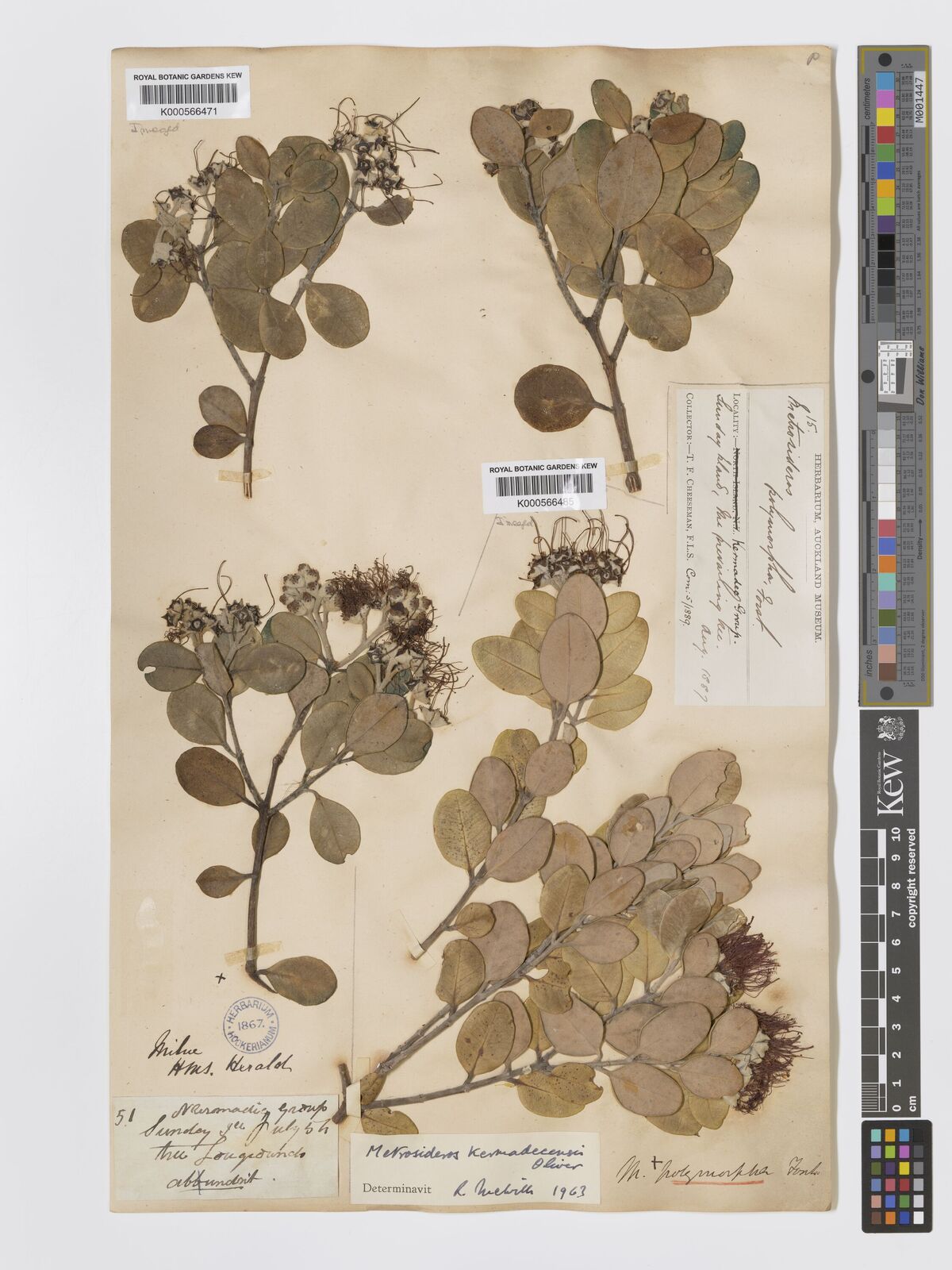
Metrosideros kermadecensis
species of plant

Halocarpus biformis
species of plant

Sophora tetraptera
species of plant
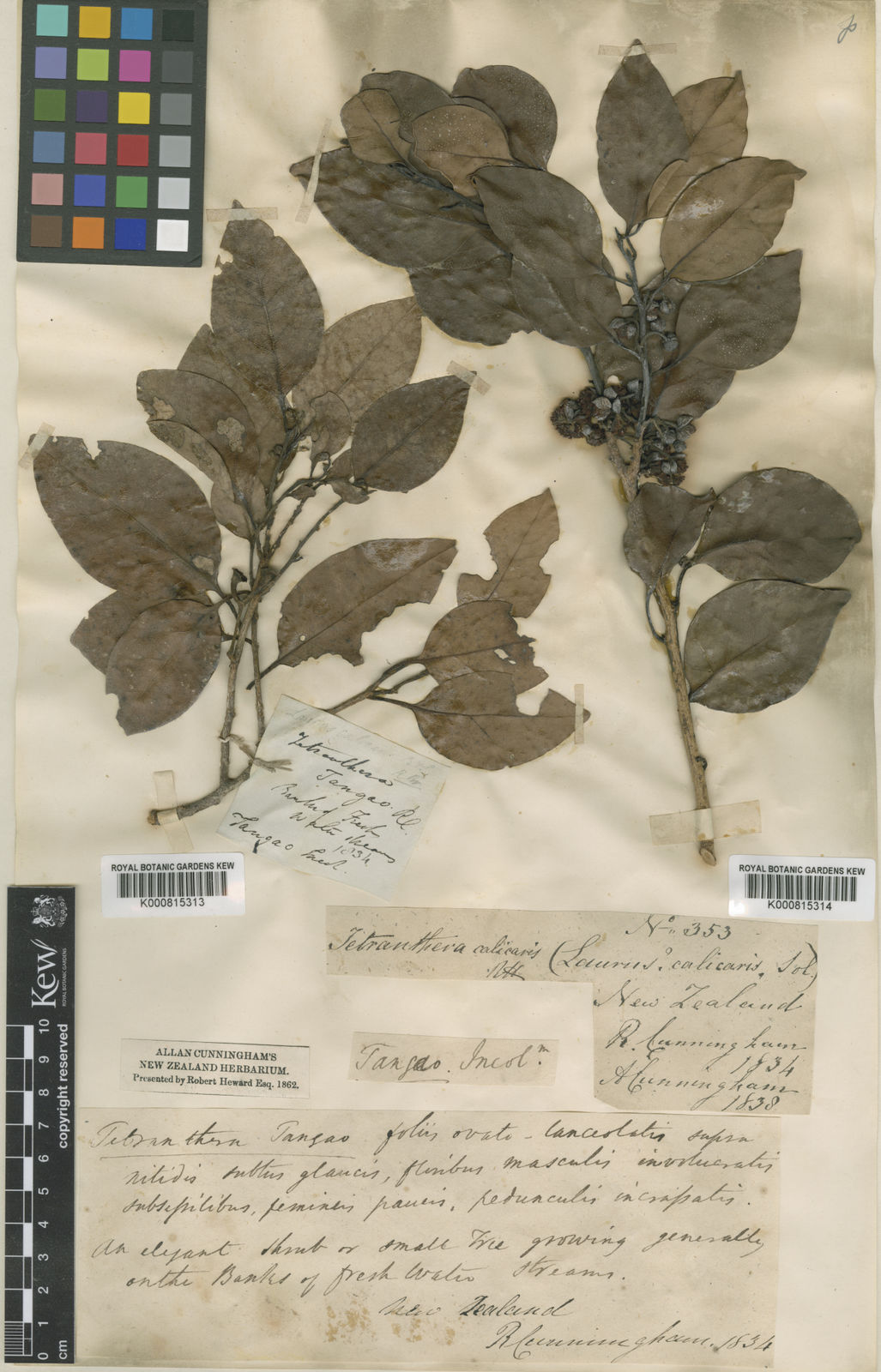
Litsea calicaris
species of plant

Griselinia littoralis
species of plant

Laurelia novae-zelandiae
species of plant
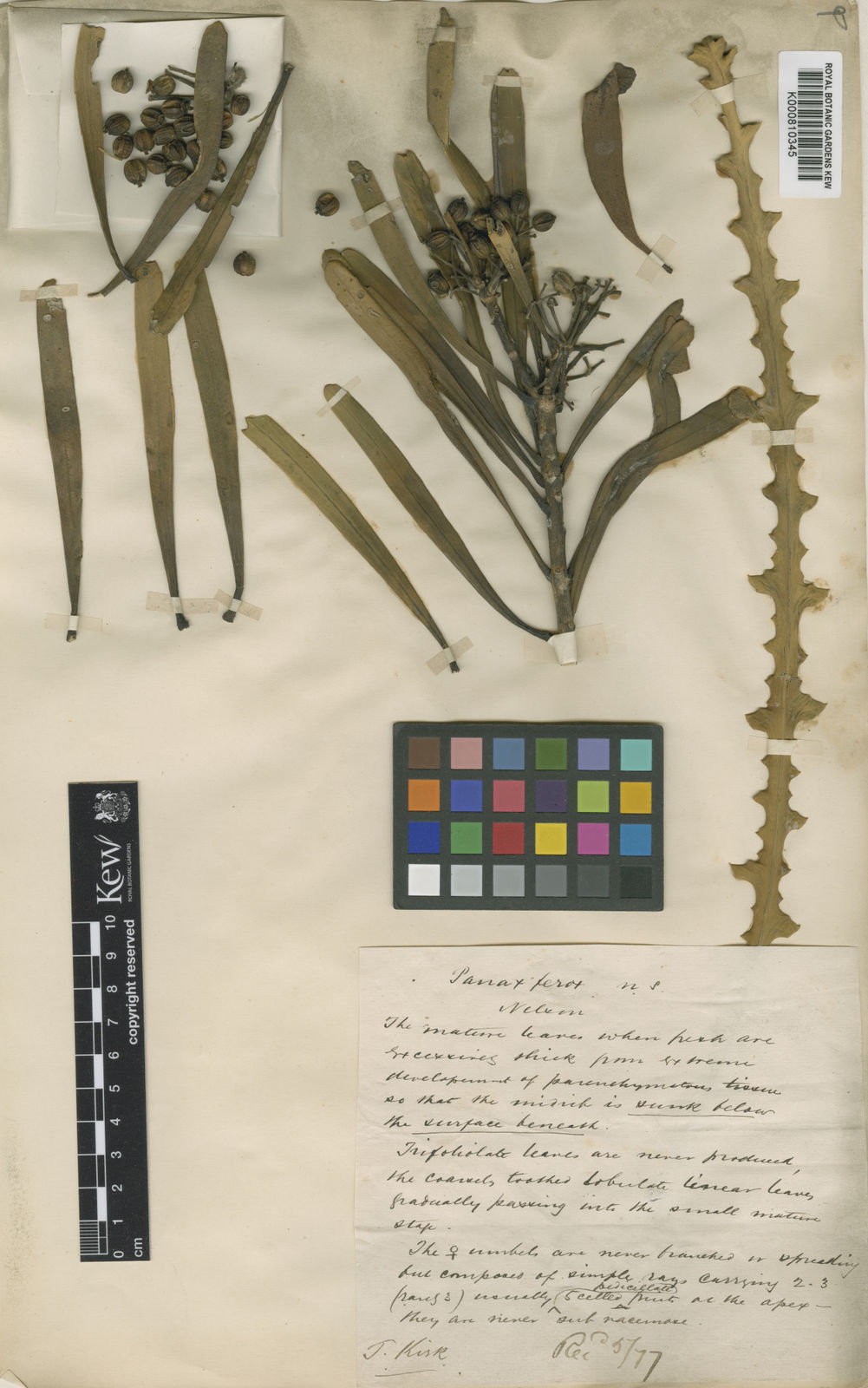
Pseudopanax ferox
species of plant
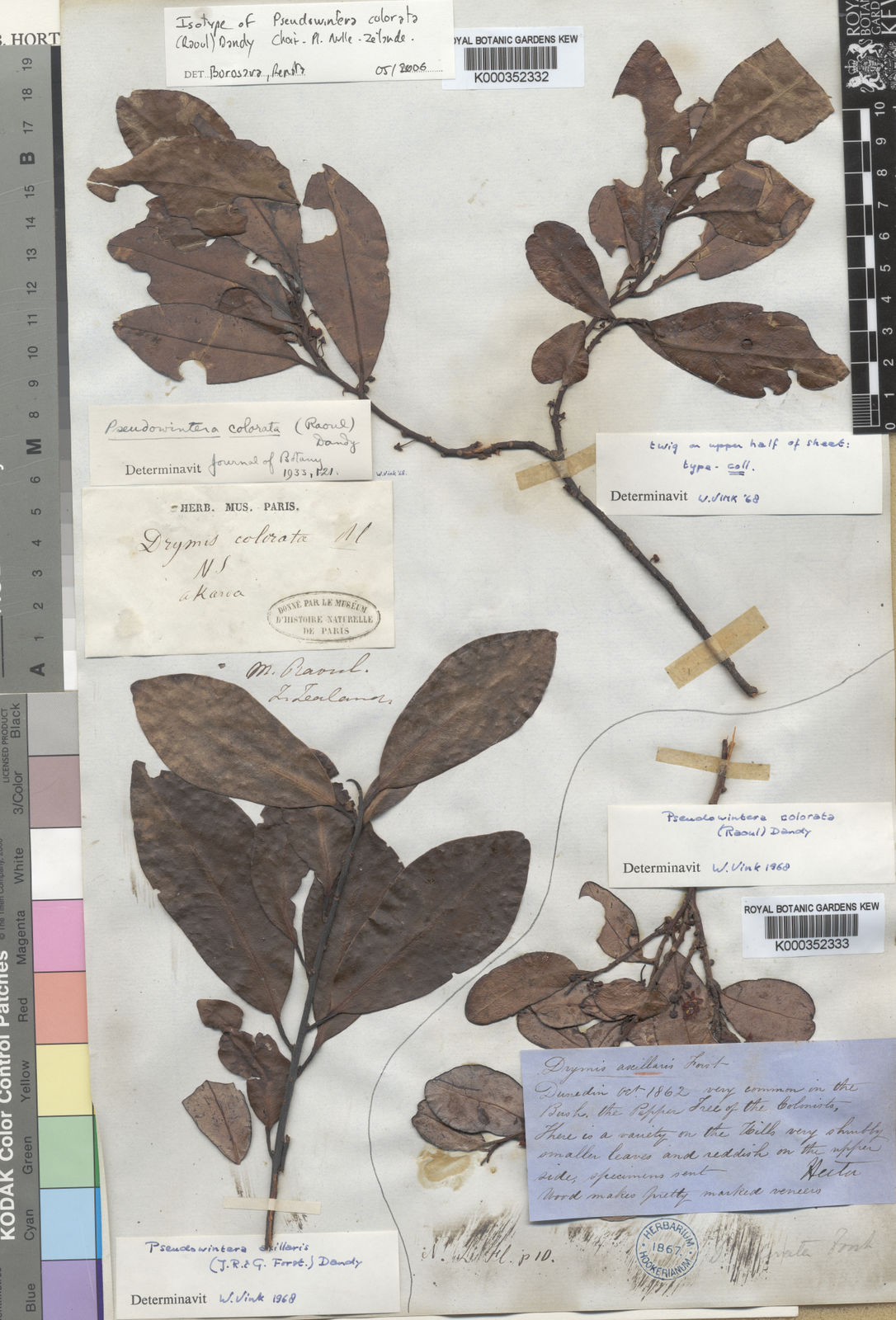
Pseudowintera
Pseudowintera, commonly known as horopito, is a genus of woody evergreen flowering trees and shrubs, part of family Winteraceae. The species of Pseudowintera are native to New Zealand. Winteraceae are magnoliids, associated with the humid Antarctic flora of the southern hemisphere. Horopito can be chewed for a hot, peppery taste.