Category
page 1Venomous snakes

Elapidae
Elapidae (, commonly known as elapids , from , variant of "sea-fish") is a family of snakes characterized by their permanently erect fangs at the front of the mouth. Most elapids are venomous, with the exception of the genus Emydocephalus. Many members of this family exhibit a threat display of rearing upwards while spreading out a neck flap. Elapids are endemic to tropical and subtropical regions around the world, with terrestrial forms in Asia, Australia, Africa, and the Americas and marine forms in the Pacific and Indian Oceans. Members of the family have a wide range of sizes, from the whi

snakebite

Bitis gabonica
species of snake

boomslang
The boomslang ( or ; Dispholidus typus) is a highly venomous snake in the family Colubridae. The species is native to Sub-Saharan Africa.

Sea snakes
Hydrophiinae is a subfamily of venomous snakes in the family Elapidae. It contains most sea snakes and many genera of venomous land snakes found in Australasia, such as the taipans (Oxyuranus), tiger snakes (Notechis), brown snakes (Pseudonaja) and death adders (Acanthophis).

Naja nigricollis
species of reptile

Forest cobra
species of reptile

Agkistrodon contortrix
species of reptile

Agkistrodon piscivorus
species of pit viper
venomous snake
species of the suborder Serpentes that are capable of producing venom

Acanthophis
Acanthophis is a genus of elapid snakes commonly referred to as death adders. They are native to Australia, New Guinea and nearby islands, and are among the most venomous snakes in the world. Despite their common name and resemblance to many species of vipers, they belong to a different family, the Elapidae.
Bungarus multicinctus
species of reptile
.jpg)
rattlesnake
Rattlesnakes are venomous snakes that form the genera Crotalus and Sistrurus of the subfamily Crotalinae (the pit vipers). Rattlesnakes are predators that live in a wide array of habitats, hunting small animals such as birds and rodents.

Notechis scutatus
species of snake

Lachesis muta
species of reptile
snake venom
solutions or mixtures of toxic and nontoxic substances elaborated by snake salivary glands

Bothrops insularis
species of reptile

Brown tree snake
species of reptile

Jameson's mamba
species of reptile

Twig snake
genus of Colubrid snakes
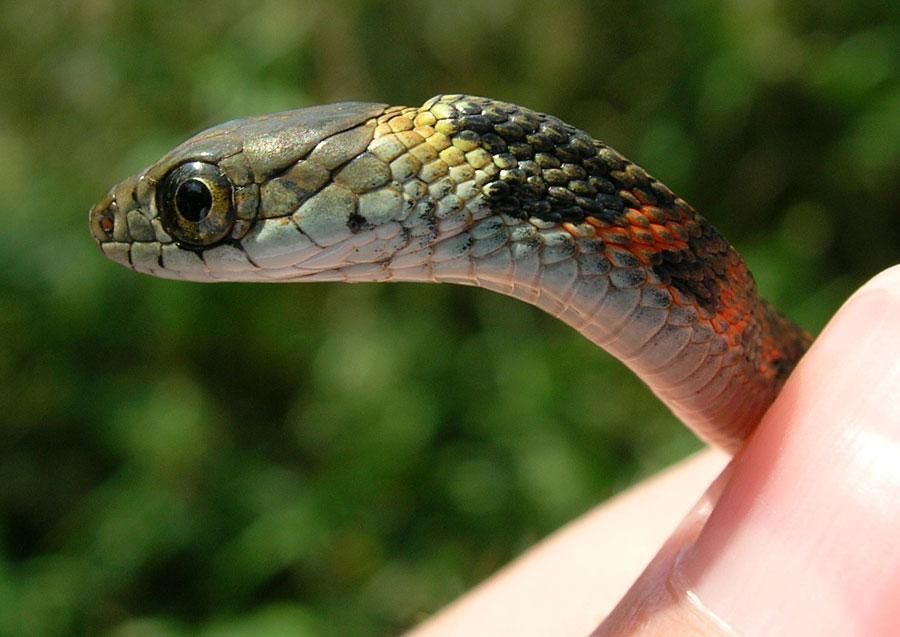
Rhabdophis tigrinus
species of reptile

Burmese spitting cobra
species of reptile

Savanna vine snake
species of reptile
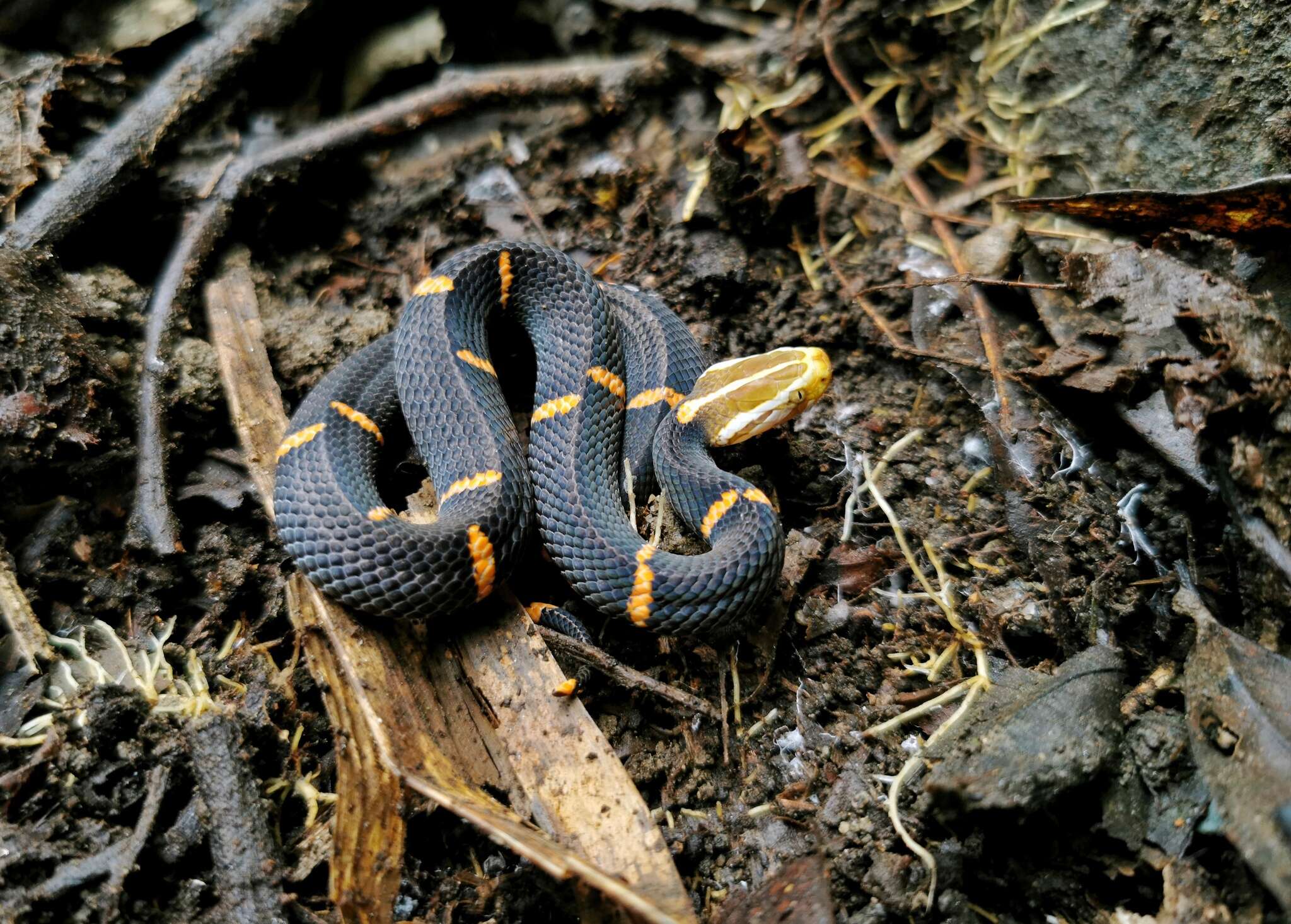
Azemiops
Azemiopinae is a monogeneric subfamily created for the genus Azemiops that contains the viper species A. feae and A. kharini. They are commonly known as '''Fea's vipers'''. No subspecies are recognized. The first specimen was collected by Italian explorer Leonardo Fea, and was described as a new genus and new species by Boulenger in 1888. Formerly considered to be one of the most primitive vipers, molecular studies have shown that it is the sister taxon to the pit vipers, Crotalinae. It is found in the mountains of Southeast Asia, in China, southeastern Tibet, and Vietnam. Like all other viper

Langaha madagascariensis
species of reptile
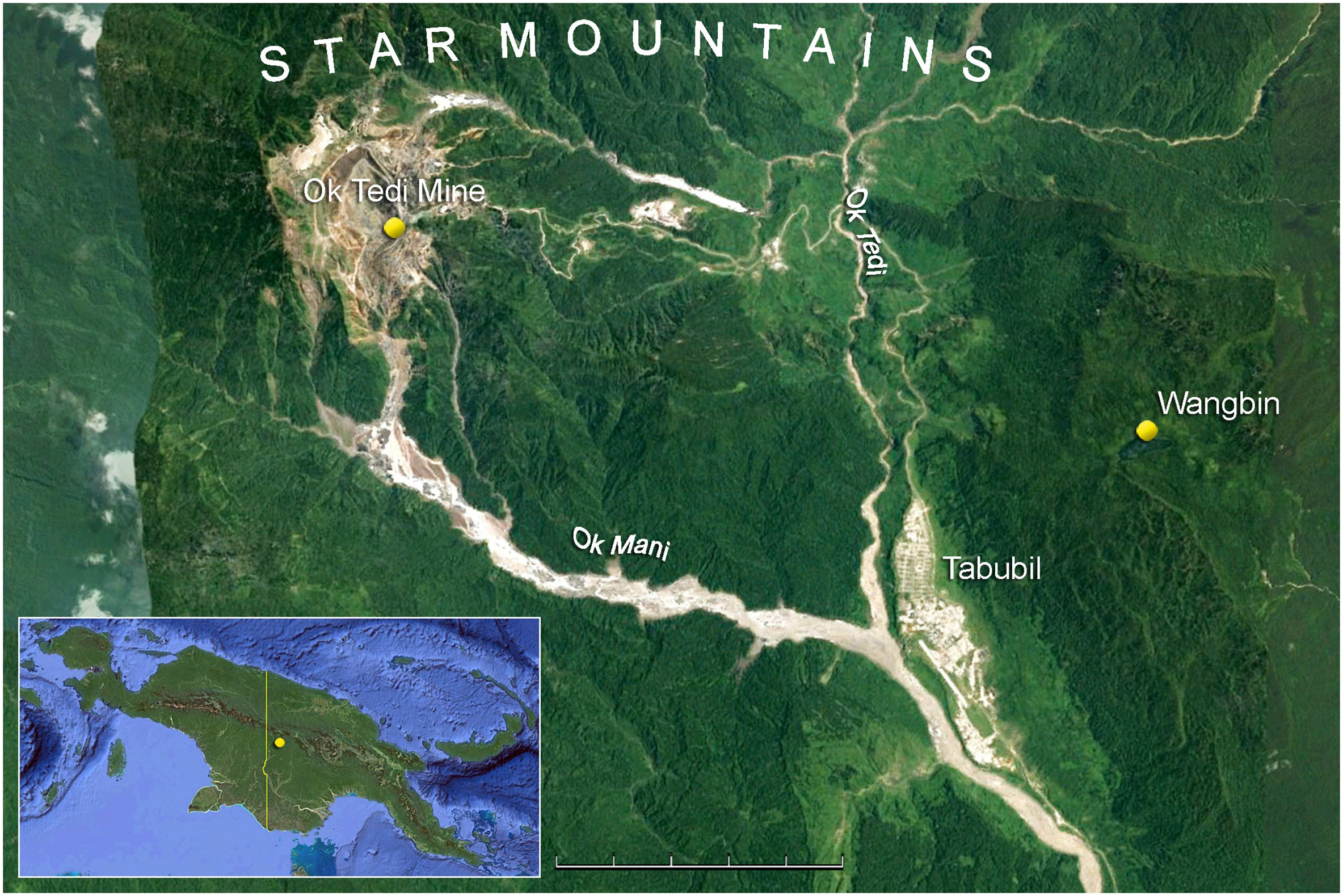
Toxicocalamus
Toxicocalamus is a genus of snakes in the family Elapidae. The genus is endemic to New Guinea.

Micrurus annellatus
species of reptile
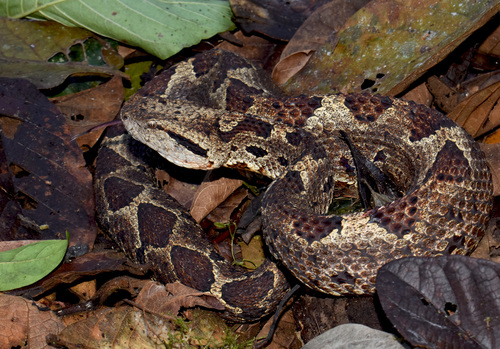
Atropoides nummifer
species of reptile

Dugite
The dugite (; Pseudonaja affinis) is a species of highly venomous, potentially lethal snake endemic to Western Australia, a member of the family Elapidae.
thumb|Caution sign for dugite snakes in the coastal dunes near Swanbourne Beach in Swanbourne, Western Australia.
The word dugite is an anglicisation of names for the snake in some dialects of the Nyungar language, including and . However, another, probably cognate name, , has become the common name for dugites in Nyungar (a potential source of confusion, as is also used in some dialects to refer to other kinds of venomous snakes).
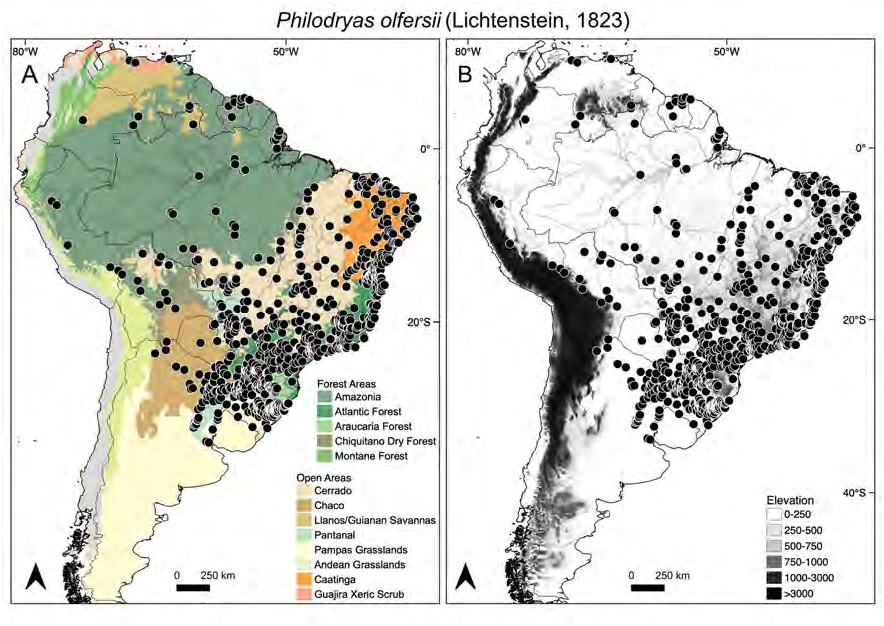
Philodryas olfersii
species of reptile

Cryptophis nigrescens
species of reptile
Bungarus magnimaculatus
species of reptile

Red-naped snake
species of reptile

Philodryas viridissima
species of reptile
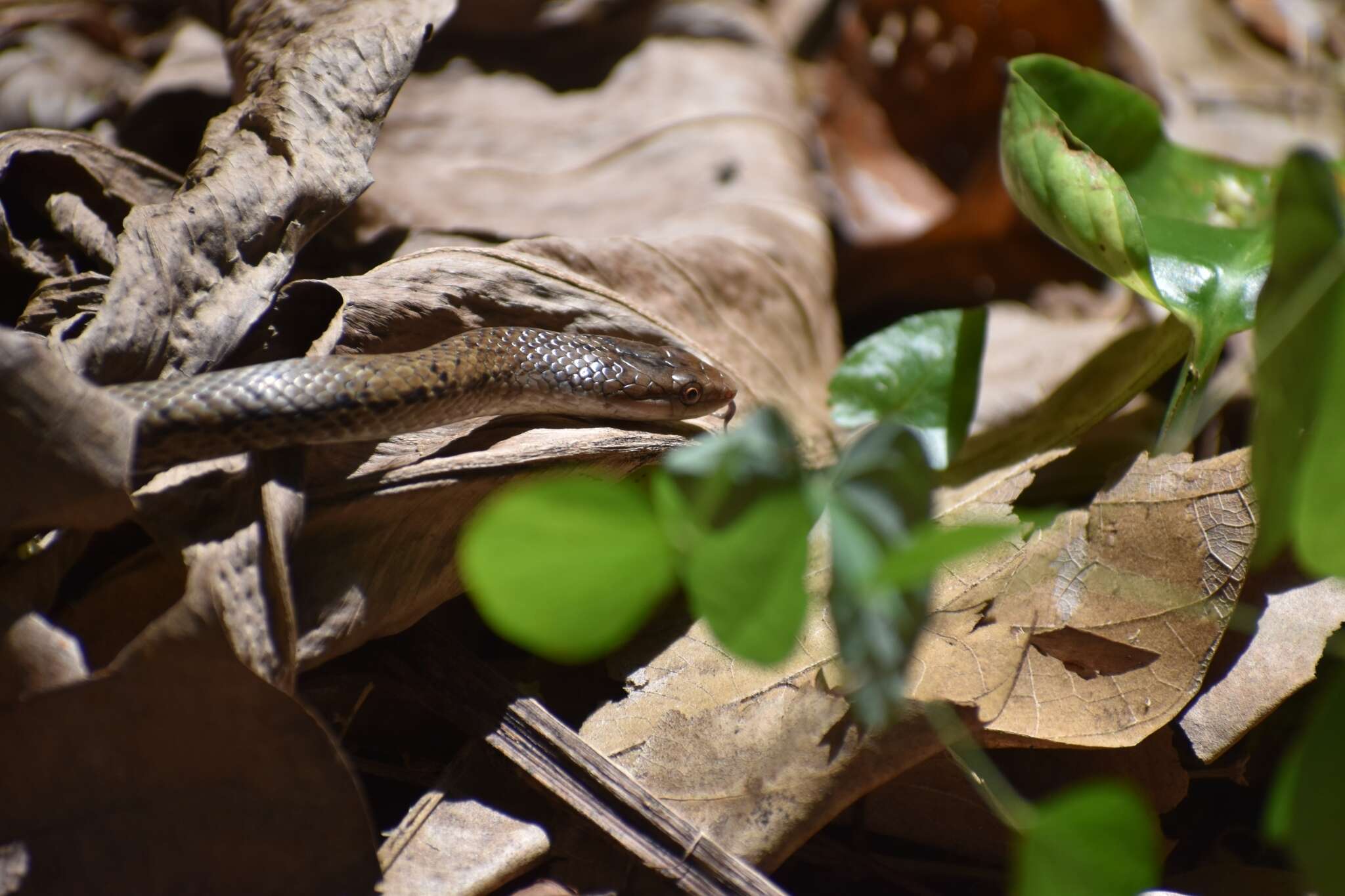
Borikenophis portoricensis
species of reptile
Big Four
name given to the four venomous snake species responsible for causing the greatest number of medically significant human snake bite cases on the Indian Subcontinent

Micrurus averyi
species of reptile

Furina ornata
species of reptile
Toxicocalamus loriae
species of reptile
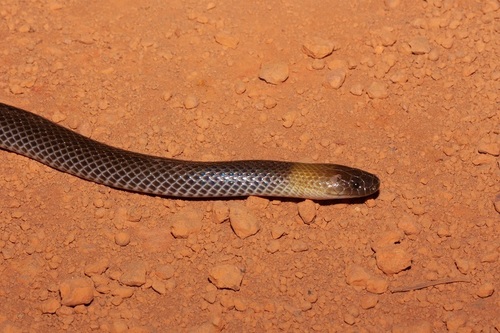
Furina tristis
species of reptile
Furina barnardi
species of reptile
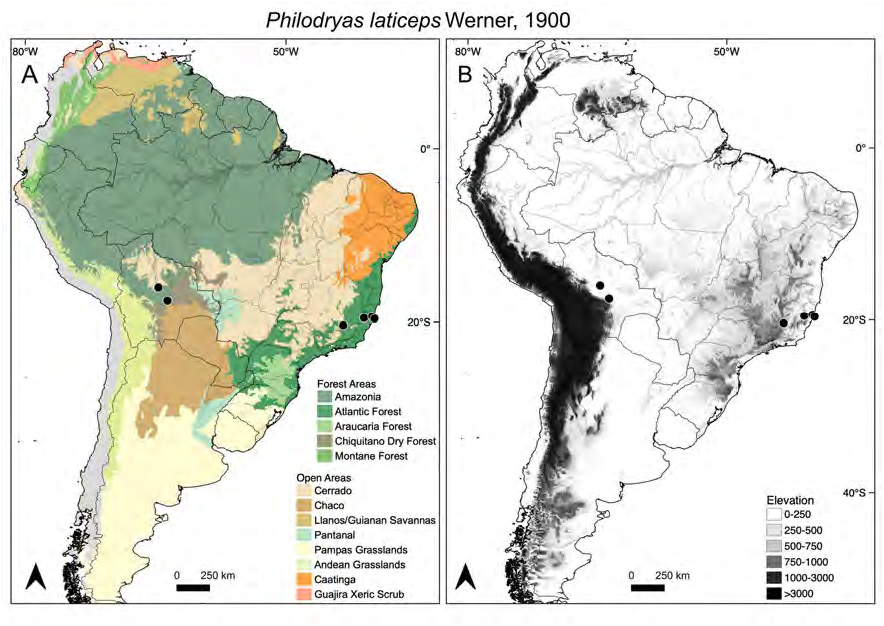
Philodryas laticeps
species of reptile
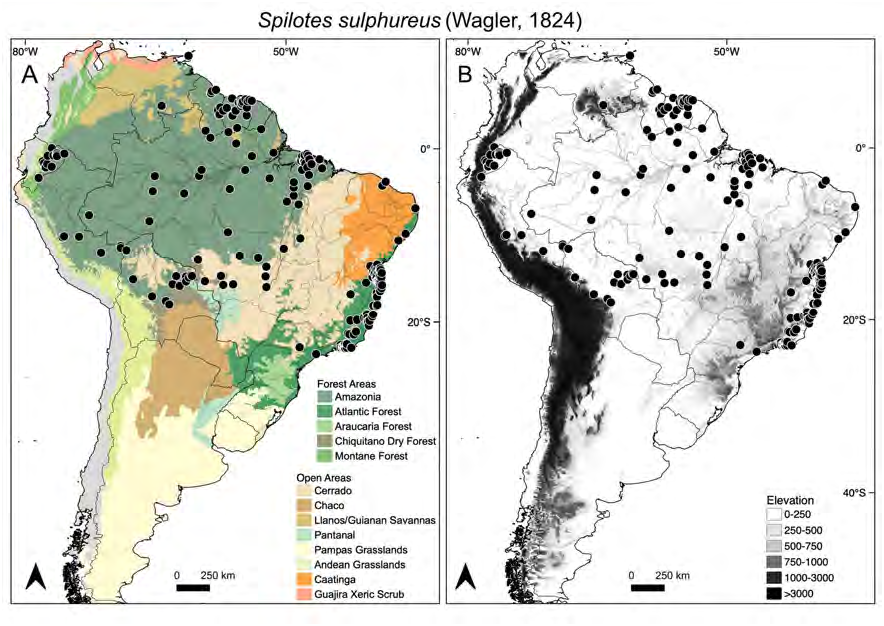
Spilotes sulphureus
Species of snake
asp
term in antiquity describing a venomous snake in the Nile region
evolution of snake venom
origin and diversification of snake venom through geologic time
disintegrin
Disintegrins are a family of small proteins (45–84 amino acids in length) from viper venoms that function as potent inhibitors of both platelet aggregation and integrin-dependent cell adhesion.

Bothriechis nubestris
species of reptile
Boiga dendrophila melanota
subspecies of colubrid snake