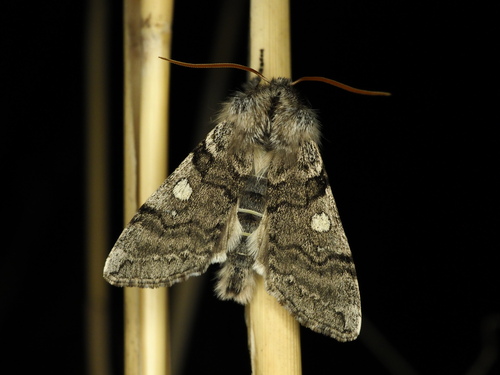
(c) 灯原, some rights reserved (CC BY-NC), uploaded by 灯原 · cc-by-nc
Achlya
Sign in to saveAchlya is a genus of oomycete (water mold), in the family Saprolegniaceae. The genus includes several plant pathogens including Achlya conspicua and Achlya klebsiana. Unlike many other microorganisms, cell expansion is governed by changes in cell wall strength rather than changes in osmotic pressure. The genome of Achlya hypogyna has been sequenced and can be accessed on public online databases, for example on the NCBI website (National Center for Biotechnology Information).
Species
Yellow Horned
species
via
Museum specimens
- Specimen records
- 6
- Family
- Saprolegniaceae
- Collections
- IPA/SP, UPS, USNM, S
- Recorded in
- Brasil, Sweden
Research
218 papers- Characterization of Achlya americana and A. bisexualis (Saprolegniales, Oomycota) Isolated from Freshwater Environments in Korea.Mycobiology · 2019
- First report of Achlya bisexualis infection in captive-reared Endangered golden mahseer Tor putitora.Diseases of aquatic organisms · 2023
- Achlya infection in an Oscar (Astronotus ocellatus) with typical symptoms of saprolegniosis.Veterinary research forum : an international quarterly journal · 2019
- Achlya sp. Dermatitis in an American Alligator (Alligator mississippiensis).Journal of comparative pathology · 2020
- First Record of the Water Mold Achlya bisexualis (Saprolegniaceae) Isolated from Ornamental Fish in South Africa.Journal of aquatic animal health · 2019
via PubMed
Wikidata facts
- Instance of
- taxon
- Parent taxon
- Saprolegniaceae
- Image
- Water mold Mizukabi colony.jpg
Show 5 more facts
Sources (1)
via Wikidata · CC0
~4 min read
Encyclopedic overview
3 sectionsContents
- Species
- References
- Further reading
Achlya is a genus of oomycete (water mold), in the family Saprolegniaceae. The genus includes several plant pathogens including Achlya conspicua and Achlya klebsiana. Unlike many other microorganisms, cell expansion is governed by changes in cell wall strength rather than changes in osmotic pressure. The genome of Achlya hypogyna has been sequenced and can be accessed on public online databases, for example on the NCBI website (National Center for Biotechnology Information).
The genus was first circumscribed in Nova Acta Phys.-Med. Acad. Caes. Leop.-Carol. Nat. Cur. vol.11 on page 514 in 1823 by Christian Gottfried Daniel Nees von Esenbeck.
Excerpted from Wikipedia’s “Achlya” article, available under the CC BY-SA 4.0 licence.