Encyclopedia of Life · EOL (see source)
Brassiophoenix
Sign in to saveBrassiophoenix is a genus of monoecious flowering plants in the palm family found in Papua New Guinea. Of the two similar species, one is more common in cultivation and was mistakenly identified as Brassiophoenix schumannii. In 1999, Zona and Estig showed that the commonly cultivated species was instead the type species Brassiophoenix drymophoeoides. The two species are distinguished by their separated geographical locations and minor differences in fruit form. The genus name is a combination of the surname Brass, honoring the first collector L.J. Brass, and Phoenix, another palm genus.
Species
GENUS
- KingdomPlantae
- PhylumTracheophyta
- ClassLiliopsida
- OrderArecales
- FamilyArecaceae
Брассиофеникс (лат. Brassiophoenix) — олиготипный род однодольных растений семейства Пальмовые (Arecaceae). Род впервые выделен немецким ботаником Карлом Эвальдом Бурретом в 1935 году и назван в честь австралийского и американского ботаника Леонарда Джона Брасса[en].
via GBIF · Kew POWO
Museum specimens
- Specimen records
- 5
- With media
- 1
- Family
- Arecaceae
- Collections
- US, PAC, MO, JBP
- Recorded in
- Papua New Guinea, United States, Brasil
Wikidata facts
Show 6 more facts
- taxon name
- Brassiophoenix
- taxon rank
- genus
- topic's main category
- Category:Brassiophoenix
- taxon common name
- 布拉索椰属
- Commons category
- Brassiophoenix
Sources (2)
via Wikidata · CC0
~2 min read
Encyclopedic overview
5 sectionsContents
- Description
- Distribution and habitat
- Cultivation
- References
- External links
Brassiophoenix is a genus of monoecious flowering plants in the palm family found in Papua New Guinea. Of the two similar species, one is more common in cultivation and was mistakenly identified as Brassiophoenix schumannii. In 1999, Zona and Estig showed that the commonly cultivated species was instead the type species Brassiophoenix drymophoeoides. The two species are distinguished by their separated geographical locations and minor differences in fruit form. The genus name is a combination of the surname Brass, honoring the first collector L.J. Brass, and Phoenix, another palm genus.
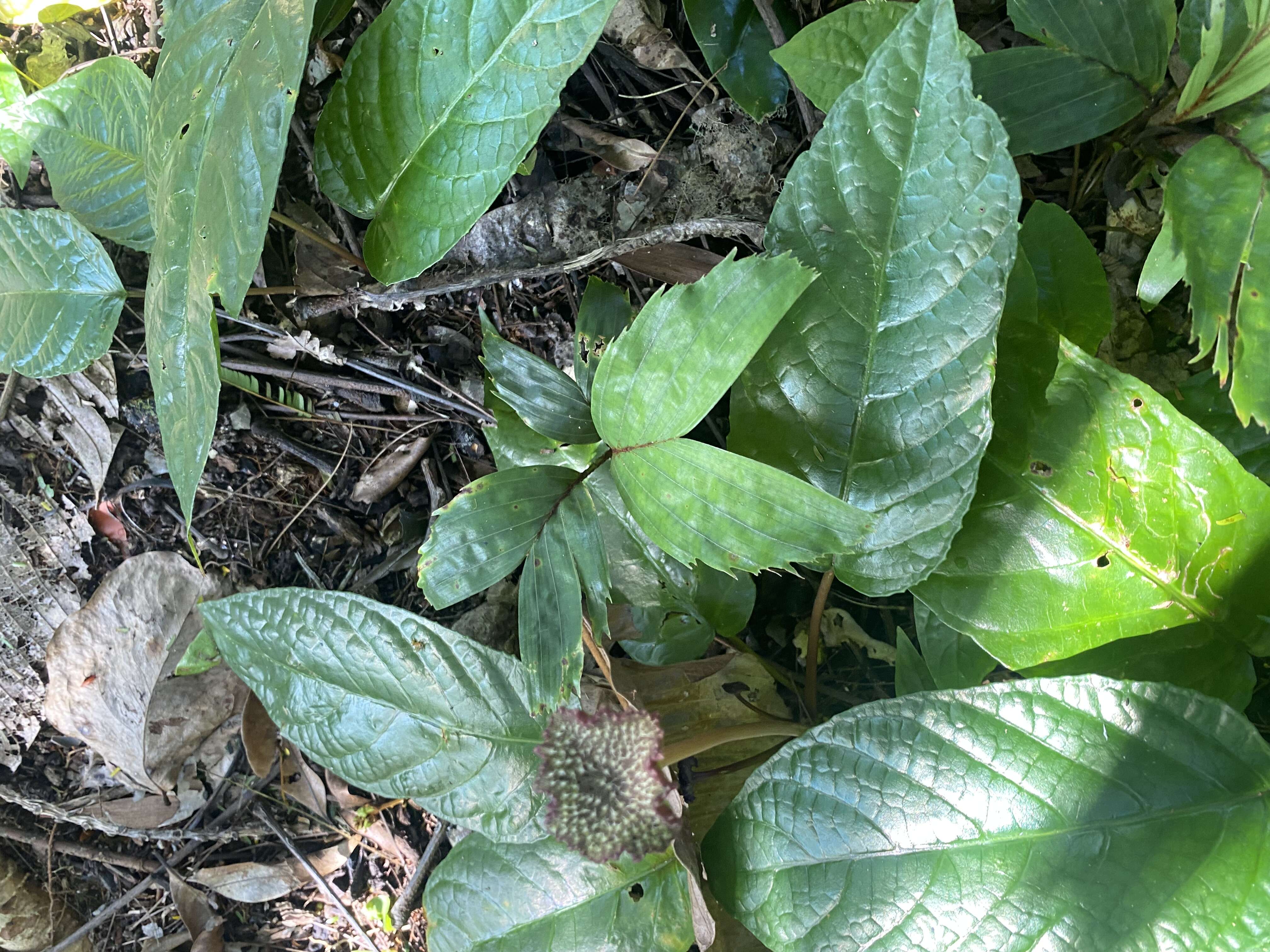
==Description== Both species grow to around in height on trunks culminating in tall, slightly bulging crownshafts and sparse leaf crowns. The stiff, unarching leaves are pinnate to in length, petioles short or absent, the pinnae being regularly spaced and diamond-shaped, long and dark green in color. The leaflets are thrice lobed, the center lobe being deepest, forming unusual jagged apices. The inflorescences emerge from beneath the crownshaft, twice branched, with furry ropes of male and female flowers. Brassiophoenix fruit matures to yellow, orange, or red in color, each with one seed.
Excerpted from Wikipedia’s “Brassiophoenix” article, available under the CC BY-SA 4.0 licence.