Henderson, Andrew
Coccothrinax
Sign in to saveAlso known as Seamberty palm, Broom palm, Thatch palm
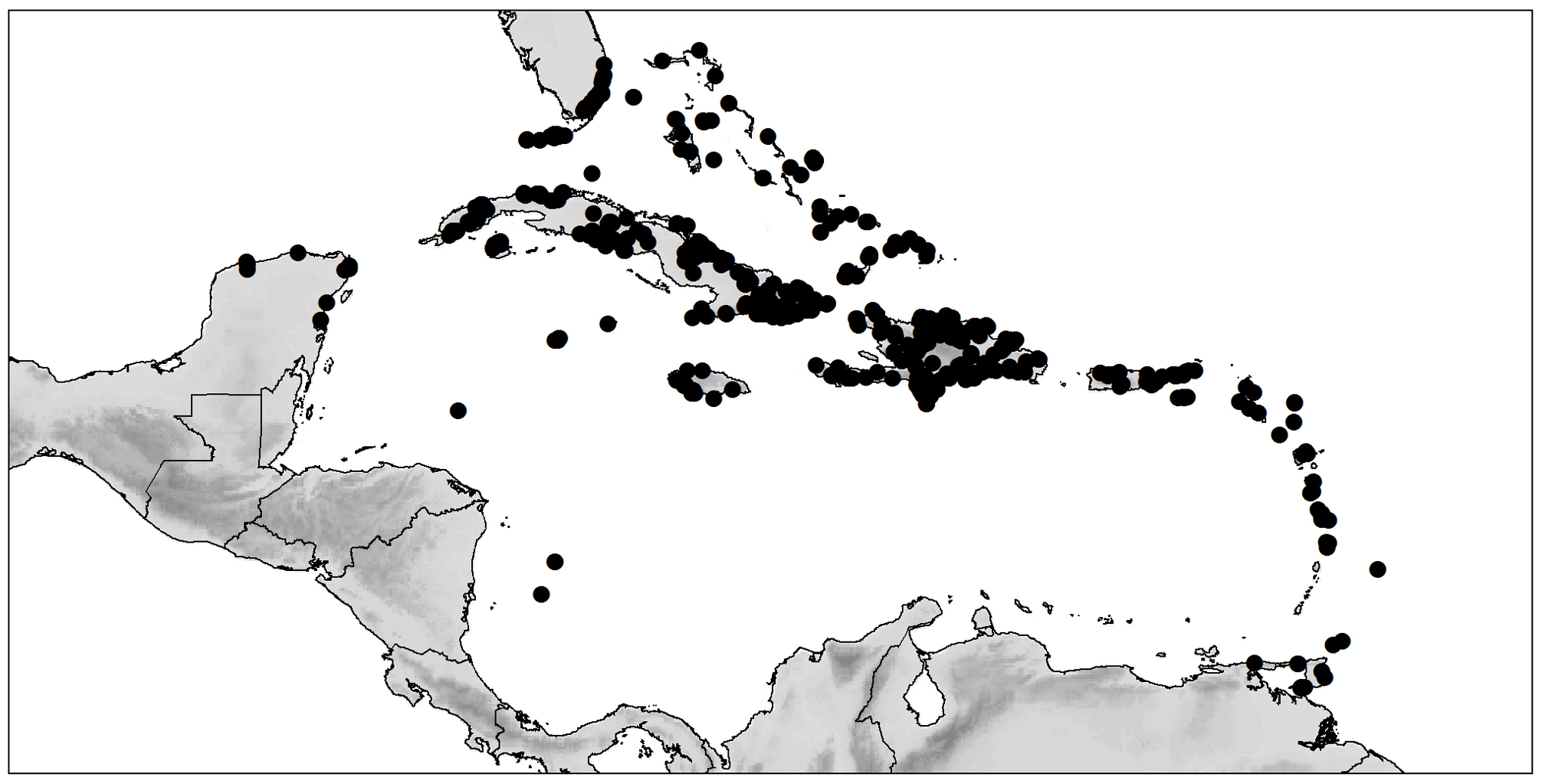
Coccothrinax is a genus of palms in the family Arecaceae. There are more than 50 species described in the genus, plus many synonyms and subspecies. A new species (Coccothrinax spirituana) was described as recently as 2017. Many Coccothrinax produce thatch. In Spanish-speaking countries, guano is a common name applied to Coccothrinax palms. The species are native throughout the Caribbean, the Bahamas, extreme southern Florida and southeastern Mexico, but most of the species are known only from Cuba.
Species
GENUS
- KingdomPlantae
- PhylumTracheophyta
- ClassLiliopsida
- OrderArecales
- FamilyArecaceae
via GBIF · Kew POWO
Museum specimens
- Specimen records
- 173
- With media
- 134
- Family
- Arecaceae
- Collections
- US, NY
- Recorded in
- Cuba, Dominican Republic, United States
Wikidata facts
Show 6 more facts
- taxon rank
- genus
- taxon name
- Coccothrinax
- Commons category
- Coccothrinax
- topic's main category
- Category:Coccothrinax
- taxon common name
- 银叶棕属
Sources (1)
via Wikidata · CC0
~4 min read
Encyclopedic overview
6 sectionsContents
- Description
- Taxonomy
- Distribution
- Botanic gardens
- References
- External links
Coccothrinax is a genus of palms in the family Arecaceae. There are more than 50 species described in the genus, plus many synonyms and subspecies. A new species (Coccothrinax spirituana) was described as recently as 2017. Many Coccothrinax produce thatch. In Spanish-speaking countries, guano is a common name applied to Coccothrinax palms. The species are native throughout the Caribbean, the Bahamas, extreme southern Florida and southeastern Mexico, but most of the species are known only from Cuba.
==Description== thumb|left|Detail of the stem of Coccothrinax scoparia showing fibrous leaf sheaths Coccothrinax is a genus of small to medium-sized, fan palms with relatively slender stems and 8 to 22 palmate leaves. The stems are initially covered by fibrous leaf sheaths. These break down into a network of fibres or spines, eventually leaving a bare trunk covered with leaf scars. The undersides of the leaflets are often silvery-grey; this is reflected in the common name "silver palm", which is given to many species of Coccothrinax. The base of the petiole is not split longitudinally. The absence of this trait is a distinguishing character that separates Coccothrinax from Thrinax.
Excerpted from Wikipedia’s “Coccothrinax” article, available under the CC BY-SA 4.0 licence.