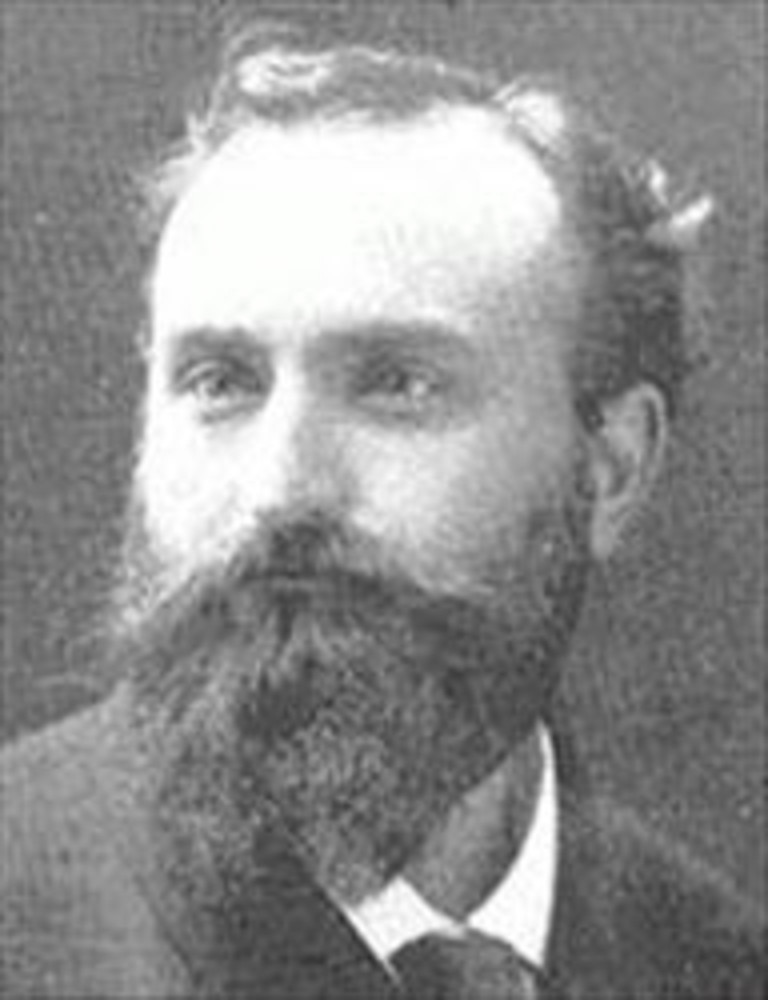
Ernest Chausson · Spotify · Courtesy of Spotify
Ernest Chausson
Sign in to saveFrench composer (1855–1899)
OverviewAI-generated
Ernest Chausson was a French conductor, composer, and pianist born in Paris in 1855. He studied at the Conservatoire de Paris under Jules Massenet and was a male composer associated with the romantic period. His notable works include the opera *The Moods of Marianne* and the symphonic poem *Poème*. He wrote in French and composed in genres such as opera and symphony.
Chausson died in Limay in 1899 from accidental death. He is buried at Père Lachaise Cemetery. His funeral was a significant event. He was related to Gaston Julia. Seventeen of his works are recorded in available archives.
Synthesized by Vinony from 27 facts across 4 sources: Wikidata, MusicBrainz, Last.fm, Europeana Sparql. Generated from structured data (not the Wikipedia text) and checked against those facts — may still contain errors.
Music · MusicBrainz
- Type
- Person
- Gender
- Male
- Country
- France
- Active from
- 1855
- Active to
- 1899
Discography
- Chausson: Symphony in B-flat / Franck: Le Chasseur maudit1962
- Poème / Introduction and Rondo Capriccioso / Concerto No. 5 / Polonaise in D1970
- Symphonie / Soir de Fête1976
- Concert for Violin, Piano & String Quartet, op. 211980
- Chausson / Saint-Saens / Leclair / Locatelli-Ysaye1982
- Kantorow / Zigeunerweisen1982
- Poème / Fantaisie symphonique / Adagio / La Procession nocturne1983
- Recital Jessye Norman1983
- Chausson / D’Indy / Magnard1984
- Concert for Violin, Piano and String Quartet1984
via MusicBrainz · CC0
Listeners · Last.fm
- Listeners
- 27,375
- Total plays
- 132,279
Tags
Ernest Chausson (January 20, 1855 – June 10, 1899) was a French composer. His work is commonly divided into three periods, the first of which is dominated by Massenet and exhibits fluid and elegant melodies. The second period dating from 1886 is marked by a more dramatic character, benefitting by his contacts with the artistic milieux in which he moved. The third period dates from his father's death in 1894 and was influenced by his reading of the symbolist poets and Russian literature, parti
Wikidata facts
- Instance of
- human
- Given name
- Ernest
- Gender
- male
- Citizenship
- France
- Place of birth
- Paris
- Place of death
- Limay
- Occupation
- pianist
- Educated at
- Conservatoire de Paris
- Languages spoken
- French
- Notable work
- Poème
- Student of
- Jules Massenet
- Genre
- symphony
- Instrument
- piano
- Image
- Chausson, Ernest, BNF Gallica.jpg
- Significant event
- funeral
Show 9 more facts
- Commons category
- Ernest Chausson
- date of birth
- 1855-01-20
- date of death
- 1899-06-10
- manner of death
- accidental death
- name in native language
- Ernest Chausson
- Commons Creator page
- Ernest Chausson
- relative
- Gaston Julia
- related category
- Category:Compositions by Ernest Chausson
via Wikidata · CC0
Works in European collections
17 objects attributed to Ernest Chausson, held across European museums, libraries & archives · via Europeana


~6 min read
Encyclopedic overview
Ernest Chausson, cabinet card photo by P. Frois, Biarritz (France), ca. 1885, Bibliothèque nationale de France Amédée-Ernest Chausson ( French: [ʃosɔ̃]; 20 January 1855 – 10 June 1899) was a French Romantic composer.
Life
Excerpted from Wikipedia’s “Ernest Chausson” article, available under the CC BY-SA 4.0 licence.