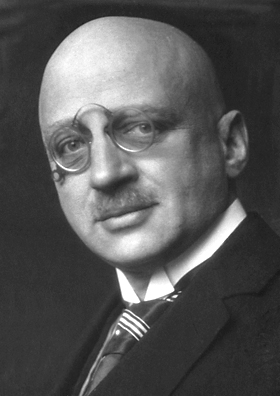
File:Fritz_Haber.png · Wikimedia Commons · See Wikimedia Commons
Haber-Bosch process
Sign in to saveAlso known as Haber process
artificial nitrogen fixation process which is the main industrial procedure for the production of ammonia nowadays
The Haber-Bosch process is an industrial method that creates ammonia by converting nitrogen from the air into a usable form, and it has become the primary way ammonia is manufactured worldwide today. This process matters because ammonia is a crucial ingredient in fertilizers and other products that feed much of the global population.
AI-generated from the Wikipedia summary — may contain errors.
Wikidata facts
- Named after
- Carl Bosch
Show 5 more facts
- product or material produced
- ammonia
- Commons category
- Haber process
- time of discovery or invention
- 1909-00-00
- discoverer or inventor
- Carl Bosch
- raw material processed
- nitrogen
Sources (1)
via Wikidata · CC0
~38 min read
Encyclopedic overview
Fritz Haber, 1918 The Haber process, also called the Haber–Bosch process, is the main industrial procedure for the production of ammonia. It converts atmospheric nitrogen (N2) to ammonia (NH3) by a reaction with hydrogen (H2) using finely divided iron metal as a catalyst:
N
Excerpted from Wikipedia’s “Haber-Bosch process” article, available under the CC BY-SA 4.0 licence.
Gallery (11)
Available in 58 languages
- Español
- Français
- Deutsch
- 中文
- 日本語
- Русский
- Português
- Italiano
- العربية
- हिन्दी
- Afrikaans
- Armenian
- Bahasa Indonesia
- Bangla
- Basque
- Bulgarian
- Catalan
- Central Kurdish
Show 39 more
- Croatian
- Czech
- Danish
- Esperanto
- Finnish
- Galician
- Greek
- Gujarati
- Hebrew
- Ido
- Igbo
- Low German
- Malay
- Malayalam
- Nederlands
- Nepali
- Norwegian
- Norwegian Nynorsk
- Pashto
- Polski
- Punjabi
- Romanian
- Scottish Gaelic
- Serbian
- Serbian (Latin)
- simple
- Slovenian
- Svenska
- Tamil
- Tiếng Việt
- Türkçe
- Ukrainian
- Urdu
- Western Frisian
- Western Panjabi
- zh_classical
- فارسی
- ไทย
- 한국어
via Wikidata sitelinks · CC0