(c) CARLOS VELAZCO, some rights reserved (CC BY-NC), uploaded by CARLOS VELAZCO · cc-by-nc
Helophorus
Sign in to savethumb|Helophorus grandis Helophorus is the only genus in the beetle family Helophoridae (traditionally included within Hydrophilidae as the subfamily Helophorinae) within the Hydrophiloidea. They are small insects, found mainly in the Holarctic region (150 occur in Palearctic and 41 species in North America), but two or three species also live in the Afrotropical region, Central America and one in the Indomalayan region (northern India).
Species
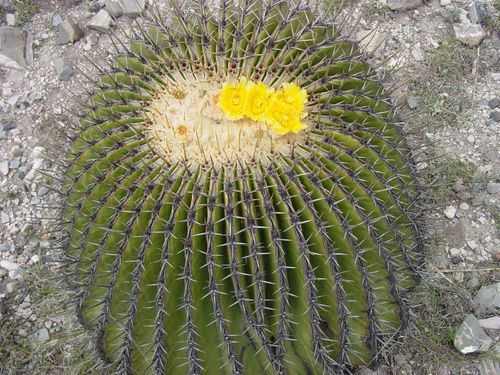
Candy Barrel Cactus
GENUS
- KingdomAnimalia
- PhylumArthropoda
- ClassInsecta
- OrderColeoptera
- FamilyHelophoridae
via GBIF
Museum specimens
- Specimen records
- 4,852
- With media
- 25
- Family
- Helophoridae
- Collections
- LACM, FCN-UAQ, UAM, UCSB, MHNCA
- Recorded in
- United States, Mexico
Wikidata facts
- Instance of
- taxon
- Image
- Helophorus aquaticus01.jpg
Show 4 more facts
- taxon name
- Helophorus
- taxon rank
- genus
- Commons category
- Helophorus
- topic's main category
- Category:Helophorus
Sources (1)
via Wikidata · CC0
~5 min read
Encyclopedic overview
4 sectionsContents
- Characteristics
- Ecology
- Systematics and evolution
- References
thumb|Helophorus grandis Helophorus is the only genus in the beetle family Helophoridae (traditionally included within Hydrophilidae as the subfamily Helophorinae) within the Hydrophiloidea. They are small insects, found mainly in the Holarctic region (150 occur in Palearctic and 41 species in North America), but two or three species also live in the Afrotropical region, Central America and one in the Indomalayan region (northern India).
== Characteristics == Length about 2–9 mm. Body elongate with outline more or less interrupted between pronotum and elytra. On pronotum they have granulate sculpture and unique pattern of 7 longitudinal grooves. Ventral surface is with fine microsculpture, pubescent. Larvae are with long 3 segmented urogomphi and simple (non lobate) 8th tergum. They have four-segmented legs and a 10 segmented abdomen (with the 10th segment being a bit reduced).
Excerpted from Wikipedia’s “Helophorus” article, available under the CC BY-SA 4.0 licence.