Encyclopedia of Life · EOL (see source)
Lepadogaster
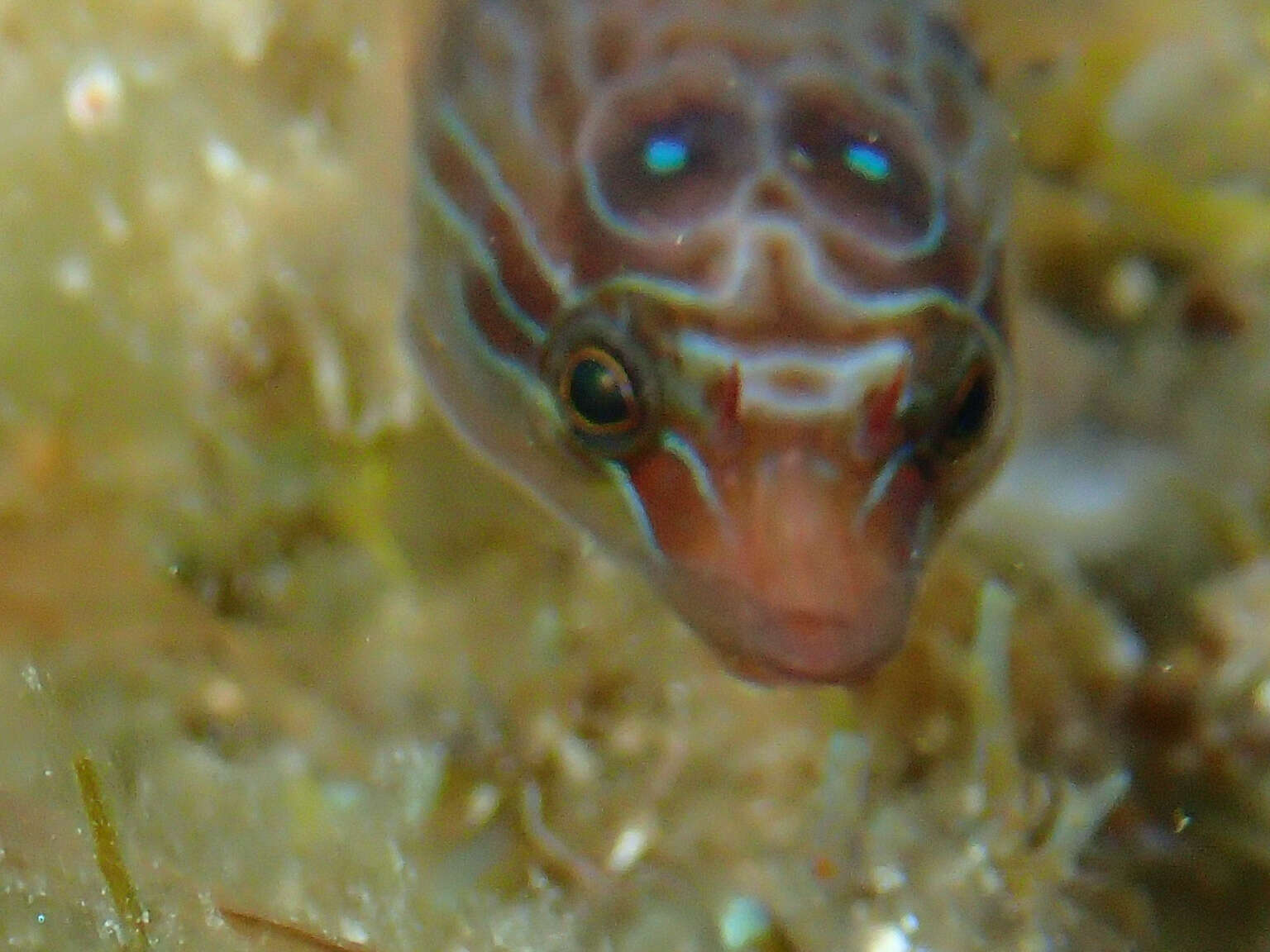
Sign in to saveLepadogaster is a genus of clingfishes native to the eastern Atlantic Ocean extending into the Mediterranean Sea. Lepadogaster belongs to class Actinopterygii. This means that they share many of the same characteristics as eels, ray-finned fish, and sea horses to name a few. The main characteristic of all of them though is having fin rays. These fin rays are made of webbed skin and are attached to portions of the body that connect fins to the bones. Lepadogaster species have a distinct difference in the formation of their dorsal and anal fins. While most other ray-finned fish spines, branched
Species
GENUS
- KingdomAnimalia
- PhylumChordata
- ClassTeleostei
- OrderGobiesociformes
- FamilyGobiesocidae
Lepadogaster è un genere di pesci della famiglia Gobiesocidae. Specie Lepadogaster candolii Risso, 1810 Lepadogaster lepadogaster (Bonnaterre, 1788) Lepadogaster purpurea (Bonnaterre, 1788)
via GBIF
Museum specimens
- Specimen records
- 89
- With media
- 6
- Family
- Gobiesocidae
- Collections
- USNM, NHMUK, ANSP, MNHN, ZMUC, ZMO
- Recorded in
- Spain, United Kingdom, Greece, Eritrea, Yugoslavia, Maroc, Italy, New Zealand
Wikidata facts
- Instance of
- taxon
- Parent taxon
- Gobiesocidae
- Image
- Lepadogaster candollii 04-02-06 DSCF8726.jpg
Show 4 more facts
- Commons category
- Lepadogaster
- taxon name
- Lepadogaster
- taxon rank
- genus
- topic's main category
- Category:Lepadogaster
Sources (1)
via Wikidata · CC0
~4 min read
Encyclopedic overview
2 sectionsContents
- Species
- References
Lepadogaster is a genus of clingfishes native to the eastern Atlantic Ocean extending into the Mediterranean Sea. Lepadogaster belongs to class Actinopterygii. This means that they share many of the same characteristics as eels, ray-finned fish, and sea horses to name a few. The main characteristic of all of them though is having fin rays. These fin rays are made of webbed skin and are attached to portions of the body that connect fins to the bones. Lepadogaster species have a distinct difference in the formation of their dorsal and anal fins. While most other ray-finned fish spines, branched fin-rays, and middle radials, Lepadogaster species do not have these. Instead, they have cartilage in place of the mentioned features. These clingfish are mainly found near the rocky coasts and inside intertidal zones. Lepadogaster is known mostly as a clingfish, meaning that it spends most of its time attached to the surface of rocks.
Lepadogaster species normally live in intertidal zones and there is frequent species interaction between other fish and other Lepadogaster species. Some of the species have drastically different behaviors, even though they are only a few feet away. For example, L. purpurea exhibits very passive behavior in both its feeding and social patterns. L. candolii on the other hand, exhibits active behavior and is significantly more aggressive than the other species. One other example is seen in their spawning seasons and swim patterns. L. lepadogaster normally spawns during the spring season, while L. purpurea spawns during the winter seasons. This may be the reason why L. lepadogaster is a more active swimmer than L. purpurea.
Excerpted from Wikipedia’s “Lepadogaster” article, available under the CC BY-SA 4.0 licence.