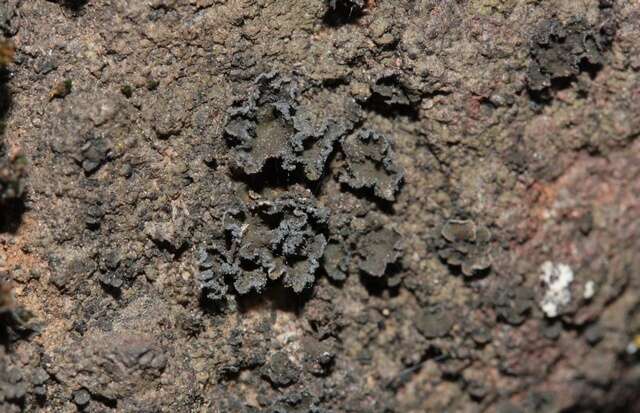
Encyclopedia of Life · EOL (see source)
Lichinales
Sign in to saveLichinales is the sole order of ascomycete fungi in the class Lichinomycetes. It contains three families: Gloeoheppiaceae (3 genera), Lichinaceae (43 genera), and Peltulaceae (1 genus). Most species are lichenized. Lichinales was proposed in 1986 by German lichenologists Aino Henssen and Burkhard Büdel. The class Lichinomycetes was created by Valérie Reeb, François Lutzoni and Claude Roux in 2004.
Species
ORDER
- KingdomFungi
- PhylumAscomycota
- ClassLichinomycetes
- OrderLichinales
Лихиновые (лат. Lichinales) — порядок грибов, входящий в класс Лихиномицеты. Порядок объединяет 4 семейства и 161 вид.
via GBIF
Wikidata facts
- Instance of
- taxon
- Parent taxon
- Lichinomycetes
- Image
- Lichina pygmaea Î aux Vaches 2008-11-26.jpg
Show 4 more facts
- taxon rank
- order
- taxon name
- Lichinales
- topic's main category
- Category:Lichinales
- Commons category
- Lichinales
Sources (2)
via Wikidata · CC0
~2 min read
Encyclopedic overview
1 sectionsContents
- References
Lichinales is the sole order of ascomycete fungi in the class Lichinomycetes. It contains three families: Gloeoheppiaceae (3 genera), Lichinaceae (43 genera), and Peltulaceae (1 genus). Most species are lichenized. Lichinales was proposed in 1986 by German lichenologists Aino Henssen and Burkhard Büdel. The class Lichinomycetes was created by Valérie Reeb, François Lutzoni and Claude Roux in 2004.
A study published in late 2022 suggests that six classes of fungi, Candelariomycetes, Coniocybomycetes, Geoglossomycetes, Lichinomycetes, Sareomycetes, and Xylonomycetes, are all part of a clade that has a sister relationship with a clade containing Lecanoromycetes and Eurotiomycetes. Lichinomycetes is the oldest name among these orders, and so the authors used this name for the group. Phylogenomic analysis of a 481-genome set showed that as a group, the Lichinomycetes have relatively small genomes, and fewer metabolic gene clusters; one consequence of this is an inability to break down cellulose and pectin. Because of this reduced metabolic capability, Lichinomycetes fungi may have adapted to partner symbiotically with other species to compensate for these losses.
Excerpted from Wikipedia’s “Lichinales” article, available under the CC BY-SA 4.0 licence.