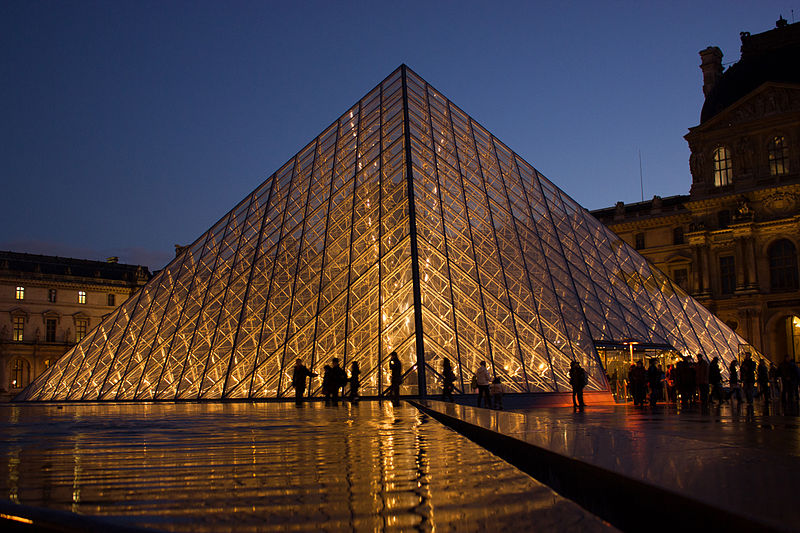
File:Louvre_Pyramid.jpg · Wikimedia Commons · See Wikimedia Commons
Louvre Pyramid
Sign in to saveglass and metal pyramid in the main courtyard of the Louvre Palace
Key facts
- Location
- Paris , France
- Completed
- 1989 ; 37 years ago ( 1989 )
- Architect
- I. M. Pei
via Wikipedia infobox
Official website
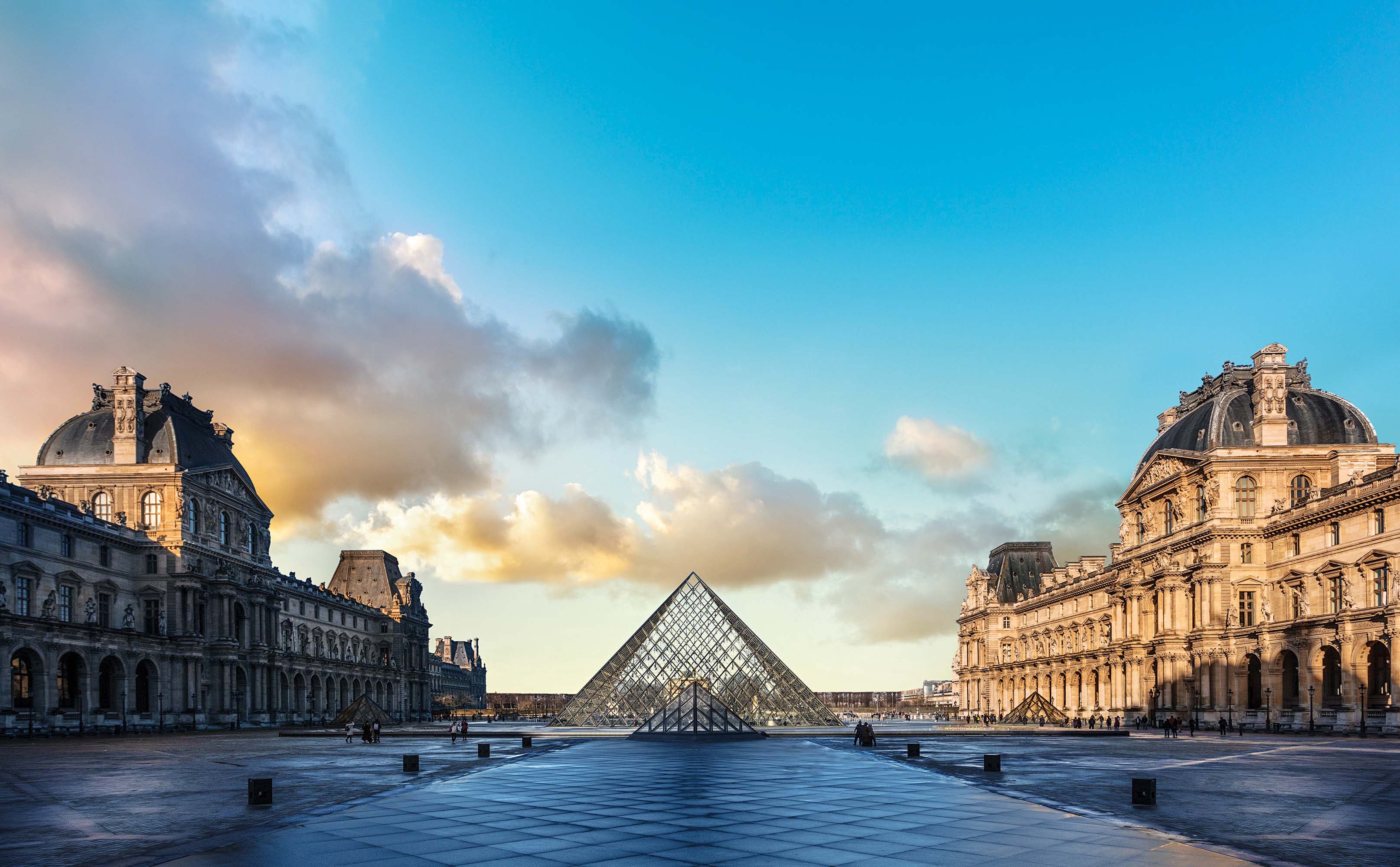
Une pyramide pour symbole - Cour Napoléon & Pyramide
louvre.fr →Link to the official site · 9,212 chars · not written by Vinony
Wikidata facts
- Instance of
- pyramid
- Part of
- Louvre Palace
- Country
- France
- Located in
- 1st arrondissement of Paris
- Material used
- glass
- Creator
- I. M. Pei
- Official website
- www.louvre.fr/decouvrir/le-palais/une-pyramide-pour-symbole
- Image
- Louvre Museum Wikimedia Commons.jpg
- Width
- 35.42
- Length
- 35.42
- Significant event
- construction
Show 7 more facts
- Commons category
- Louvre Pyramid
- inception
- 1981-00-00
- architect
- I. M. Pei
- architectural style
- Egyptian Revival architecture
- native label
- pyramide du Louvre
- date of official opening
- 1989-00-00
- commissioned by
- François Mitterrand
via Wikidata · CC0
~8 min read
Encyclopedic overview
The Louvre Pyramid (French: Pyramide du Louvre) is a large glass-and-metal entrance way and skylight designed by the Chinese-American architect I. M. Pei. The pyramid is in the main courtyard (Cour Napoléon) of the Louvre Palace in Paris, surrounded by three smaller pyramids. The large pyramid serves as the main entrance to the Louvre Museum, allowing light to the underground visitors hall, while also allowing sight lines of the palace to visitors in the hall, and through access galleries to the different wings of the palace. Completed in 1989 as part of the broader Grand Louvre project, it has become a landmark of Paris and a symbol of the museum.
Design and construction
Excerpted from Wikipedia’s “Louvre Pyramid” article, available under the CC BY-SA 4.0 licence.