Encyclopedia of Life · EOL (see source)
Lycopus
Sign in to saveLycopus is a genus of herbaceous plants in the family Lamiaceae. The many species are known as water horehound, gypsywort, and bugleweed and are native to Europe, Asia, Australia, and North America. The species are most often found in wetlands, damp meadows, and stream banks. Some of the wetland species have become endangered.
Species
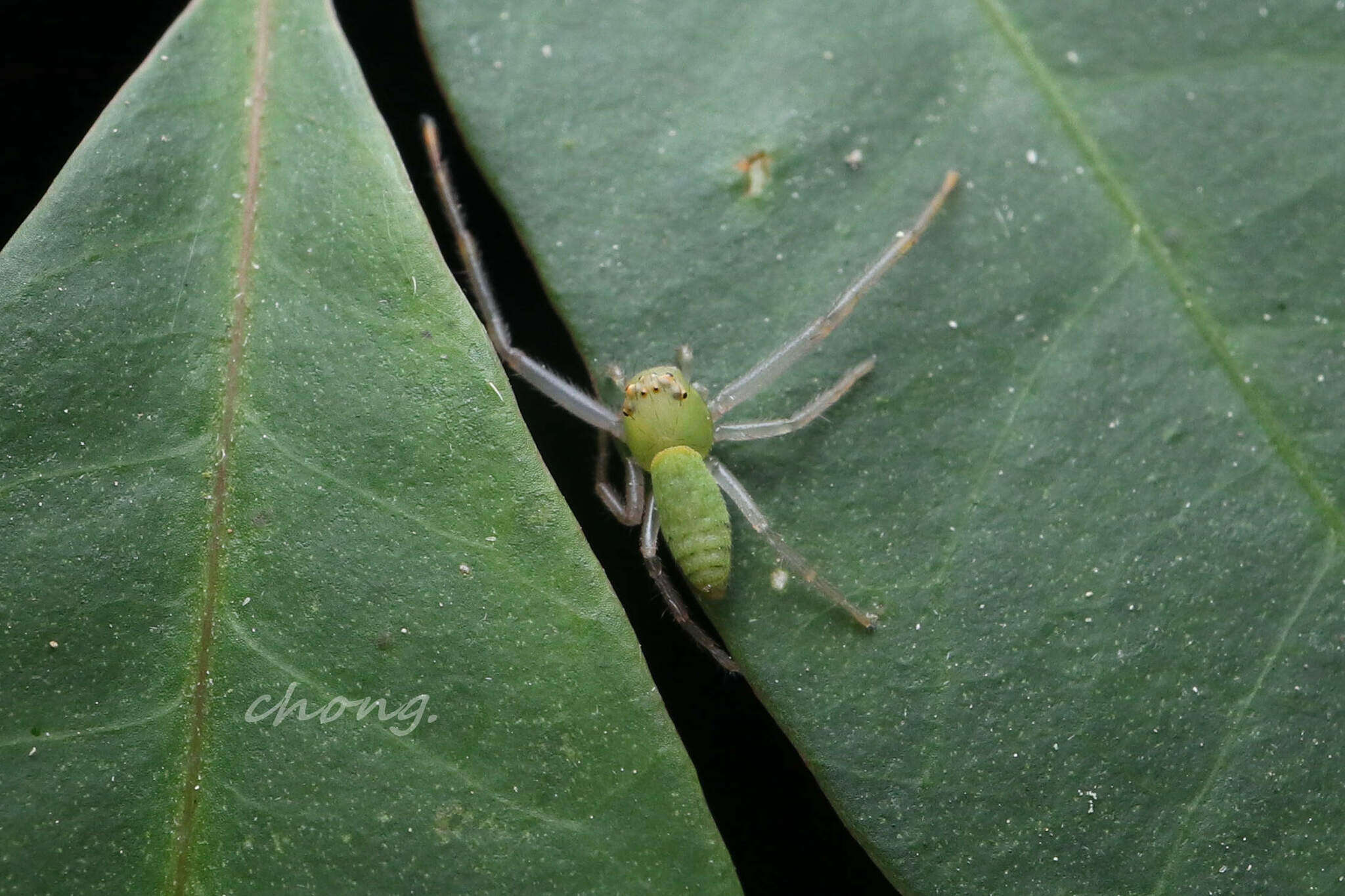
Lycopus is een geslacht van spinnen uit de familie van de krabspinnen (Thomisidae).
via · Kew POWO
Museum specimens
- Specimen records
- 894
- With media
- 782
- Family
- Lamiaceae
- Collections
- IND, RSA, CAS, NY, CM, ANSP
- Recorded in
- United States
Research
110 papers- Lycopus lucidus Turcz. ex Benth. Attenuates free fatty acid-induced steatosis in HepG2 cells and non-alcoholic fatty liver disease in high-fat diet-induced obese mice.Phytomedicine : international journal of phytotherapy and phytopharmacology · 2019
- Lycopus lucidus Turcz ameliorates DNCB‑induced atopic dermatitis in BALB/c mice.Molecular medicine reports · 2021
- Lycopus maackianus Makino MeOH Extract Exhibits Antioxidant and Anti-Neuroinflammatory Effects in Neuronal Cells and Zebrafish Model.Antioxidants (Basel, Switzerland) · 2022
- C-Ring Aromatized Abietane Diterpenoids From Lycopus lucidus.Chemistry & biodiversity · 2025
- The aqueous extract of Lycopus lucidus Turcz exerts protective effects on podocytes injury of diabetic nephropathy via inhibiting TGF-β1 signal pathway.American journal of translational research · 2019
via PubMed
Wikidata facts
- Instance of
- taxon
- Image
- Lycopus lucidus 1.JPG
Show 9 more facts
- taxon rank
- genus
- taxon name
- Lycopus
- Commons category
- Lycopus
- taxonomic type
- Lycopus europaeus
- topic's main category
- Category:Lycopus
- taxon common name
- 地笋属
- has fruit type
- nucule
- homonymous taxon
- Lycopus
via Wikidata · CC0
~3 min read
Encyclopedic overview
6 sectionsContents
- Description
- Taxonomy
- Fossil record
- Species
- Uses
- References
Lycopus is a genus of herbaceous plants in the family Lamiaceae. The many species are known as water horehound, gypsywort, and bugleweed and are native to Europe, Asia, Australia, and North America. The species are most often found in wetlands, damp meadows, and stream banks. Some of the wetland species have become endangered.
==Description== The genus includes only perennial species; they spread by both seeds and stems rooting as they grow along the ground. Small white flowers bloom in late summer on leaf axials. Leaves are bright green, pointed, lobed, and like all mints occur in opposite pairs. Some species start with curled purple leaves that unfurl to a bright green coloration. The species in this genus vary in size, but generally grow to about .
Excerpted from Wikipedia’s “Lycopus” article, available under the CC BY-SA 4.0 licence.