Melissa · Kew POWO · Kew Plants of the World Online
OverviewAI-generated
Melissa is a taxon at the genus rank within the family Lamiaceae. It belongs to the subfamily Salviinae and is described in the Encyclopædia Britannica 11th edition. Common names for this plant include balm, melisa, and 蜜蜂花属.
A separate taxon named Melissa exists in the animal kingdom. This genus is classified under the family Xanthidae, order Decapoda, class Malacostraca, and phylum Arthropoda. Its authority is Strahl, 1861, and it holds the status of a junior subjective synonym. The common name for this organism is melissor.
Records for the Lamiaceae genus Melissa are held by institutions including CAS, RSA, UESC, A, and UESB. These records originate from the United States, Brasil, China, Romania, and France.
Synthesized by Vinony from 28 facts across 6 sources: Wikidata, PubMed, Plants of the World, WoRMS, iDigBio, Vinony graph. Generated from structured data (not the Wikipedia text) and checked against those facts — may still contain errors.
Species
melissor
Genus
- PhylumArthropoda
- ClassMalacostraca
- OrderDecapoda
- FamilyXanthidae
via · Kew POWO
Museum specimens
- Specimen records
- 144
- With media
- 107
- Family
- Lamiaceae
- Collections
- CAS, RSA, UESC, A, UESB, HPSU
- Recorded in
- United States, Brasil, China, Romania, France, Brazil, Australia, Austria
Research
6,203 papers- Melissa officinalis: Composition, Pharmacological Effects and Derived Release Systems-A Review.International journal of molecular sciences · 2022
- Melissa officinalis L. - A review of its traditional uses, phytochemistry and pharmacology.Journal of ethnopharmacology · 2016
- An Updated Review on The Properties of Melissa officinalis L.: Not Exclusively Anti-anxiety.Frontiers in bioscience (Scholar edition) · 2022
- Clinical Efficacy and Tolerability of Lemon Balm (Melissa officinalis L.) in Psychological Well-Being: A Review.Nutrients · 2024
- The effects of lemon balm (Melissa officinalis L.) on depression and anxiety in clinical trials: A systematic review and meta-analysis.Phytotherapy research : PTR · 2021
via PubMed
Wikidata facts
Show 7 more facts
- taxon rank
- genus
- taxon name
- Melissa
- Commons category
- Melissa (Lamiaceae)
- topic's main category
- Category:Melissa (Lamiaceae)
- taxon common name
- melisa
- described by source
- Encyclopædia Britannica 11th edition
Sources (2)
via Wikidata · CC0
~1 min read
Encyclopedic overview
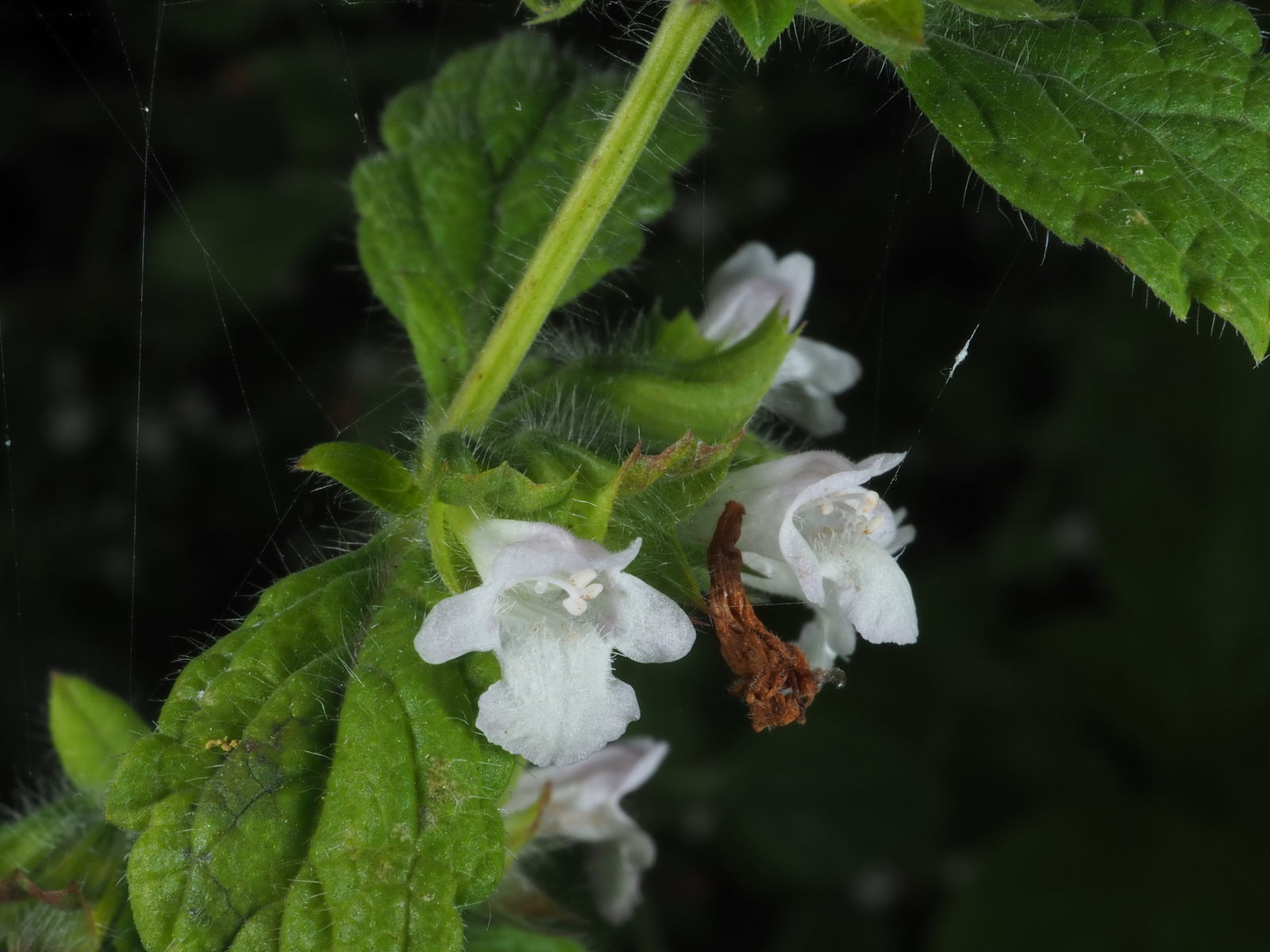
Melissa is a genus of perennial herbs in the family Lamiaceae. Its species are native to Europe and Asia but cultivated and naturalized in many other places. The name Melissa is derived from the Greek word μέλισσα (mélissa) meaning "honeybee", owing to the abundance of nectar in the flowers. The stems are square, like most other plants in the mint family. The leaves are borne in opposite pairs on the stems, and are usually ovate or heart-shaped and emit a lemony scent when bruised. Axillary spikes of white or yellowish flowers appear in the summer.
The most commonly grown species of this genus is Melissa officinalis, commonly known in the United States as lemon balm, and as balm in England.
Excerpted from Wikipedia’s “Melissa” article, available under the CC BY-SA 4.0 licence.