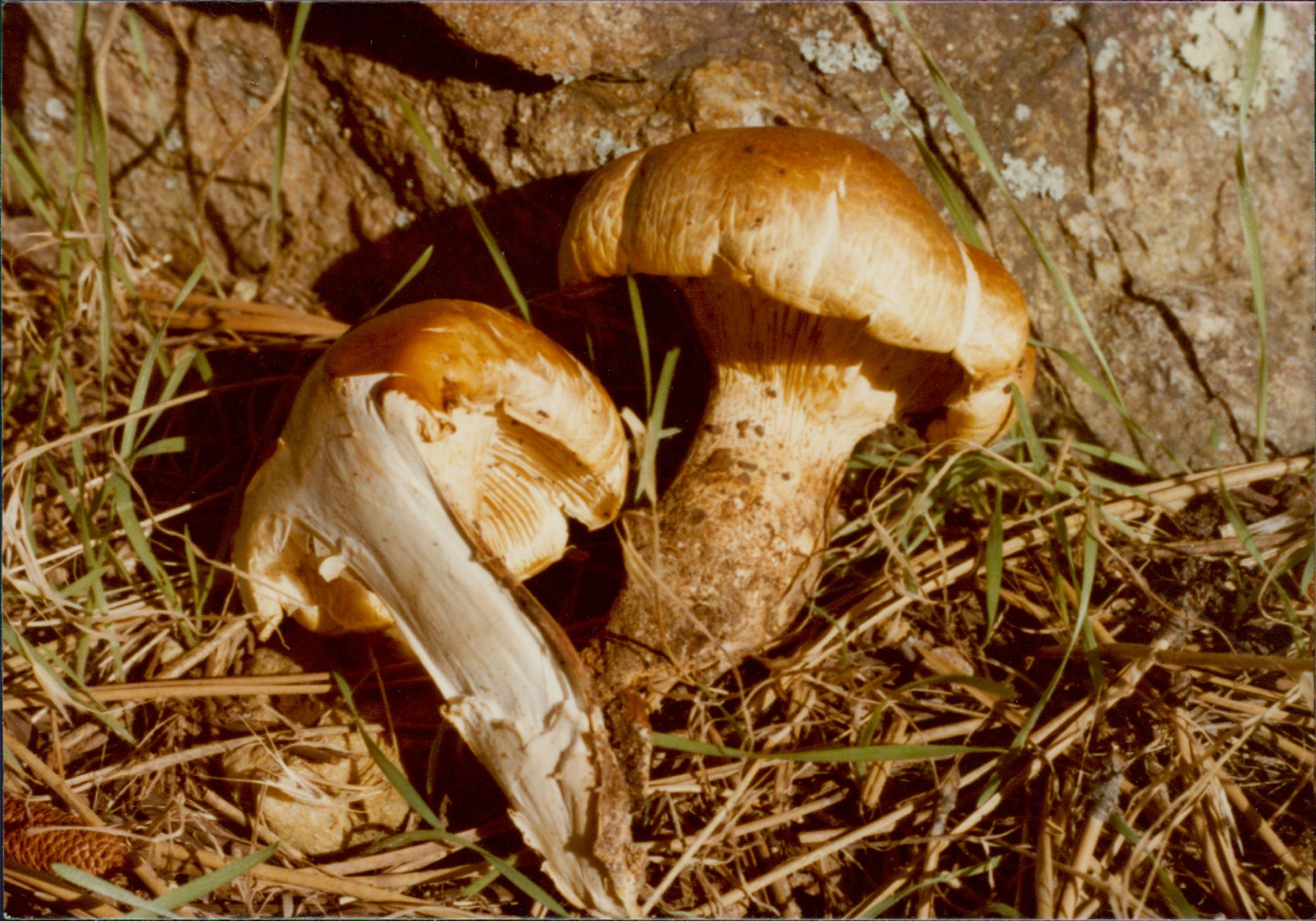
Specimen image via iDigBio · BY-NC-SA
Neolentinus
Sign in to saveNeolentinus is a genus of wood-decaying agarics with tough (leathery to woody) fruit bodies composed of dimitic tissue, serrated lamella edges, and nonamyloid white binucleate basidiospores among other features. It was segregated from Lentinus in the broad taxonomic sense, hence the derivation of the name. Biologically Neolentinus species produce a brown rot type of decay of wood, whereas Lentinus causes a white rot. Molecular phylogenetic analysis shows that the two genera are unrelated. Neolentinus is phylogenetically allied to other brown rot genera such as Gloeophyllum, Heliocybe, and Velu
Species
GENUS
- KingdomFungi
- PhylumBasidiomycota
- ClassAgaricomycetes
- OrderGloeophyllales
- FamilyGloeophyllaceae
via GBIF
Museum specimens
- Specimen records
- 39
- With media
- 43
- Family
- Polyporaceae
- Collections
- UC, TENN-F, MEL, DBG, WTU, UFSC
- Recorded in
- United States, Nepal, Australia, Germany, Canada, Brasil
Wikidata facts
- Instance of
- taxon
- Parent taxon
- Gloeophyllaceae
- Image
- NeoLentinus lepideus.JPG
Show 6 more facts
- Commons category
- Neolentinus
- taxon name
- Neolentinus
- taxon rank
- genus
- topic's main category
- Category:Neolentinus
- taxonomic type
- Neolentinus kauffmanii
- taxon author citation
- Redhead & Ginns
Sources (2)
via Wikidata · CC0
~2 min read
Encyclopedic overview
4 sectionsContents
- Species
- Etymology
- References
- External links
Neolentinus is a genus of wood-decaying agarics with tough (leathery to woody) fruit bodies composed of dimitic tissue, serrated lamella edges, and nonamyloid white binucleate basidiospores among other features. It was segregated from Lentinus in the broad taxonomic sense, hence the derivation of the name. Biologically Neolentinus species produce a brown rot type of decay of wood, whereas Lentinus causes a white rot. Molecular phylogenetic analysis shows that the two genera are unrelated. Neolentinus is phylogenetically allied to other brown rot genera such as Gloeophyllum, Heliocybe, and Veluticeps. A new order, the Gloeophyllales, has been described for these fungi. Heliocybe had been placed in synonymy but it differs phylogenetically and anatomically by the lack of clamp connections that all Neolentinus produce on their generative hyphae.
==Species==
Excerpted from Wikipedia’s “Neolentinus” article, available under the CC BY-SA 4.0 licence.