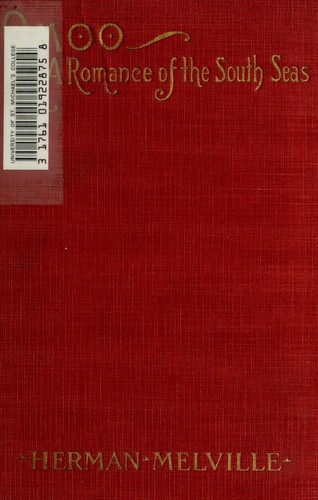
Cover via Open Library · Open Library
Omoo
Sign in to saveOmoo: A Narrative of Adventures in the South Seas is the second book by American writer Herman Melville, first published in London in 1847, and a sequel to his first South Seas narrative Typee, also based on the author's experiences in the South Pacific. After leaving the island of Nuku Hiva, the main character ships aboard a whaling vessel that makes its way to Tahiti, after which there is a mutiny and a third of the crew are imprisoned on Tahiti. In 1949, the narrative was adapted into the exploitation film Omoo-Omoo, the Shark God.
Book · Open Library
- Author
- Herman Melville
- First published
- 1847
- Editions
- 93
- Subjects
- Description and travel, Fiction, Literature, Classic Literature, Travel, Mutiny, American fiction (fictional works by one author), Polynesia, fiction
via Open Library
Wikidata facts
- Read free · Project Gutenberg
- #4045
- Author
- Herman Melville
- Genre
- travel literature
- Country of origin
- United States
- Followed by
- Mardi
- Follows
- Typee
- Image
- Omoo 1st.jpg
Show 6 more facts
- publication date
- 1847-00-00
- title
- Omoo
- subtitle
- A Narrative of Adventures in the South Seas
- language of work or name
- English language
- Commons category
- Omoo
- copyright status
- public domain
Sources (1)
via Wikidata · CC0
~8 min read
Encyclopedic overview
7 sectionsContents
- Background
- Plot
- Writing style
- Publication history
- Notes
- References
- External links
Omoo: A Narrative of Adventures in the South Seas is the second book by American writer Herman Melville, first published in London in 1847, and a sequel to his first South Seas narrative Typee, also based on the author's experiences in the South Pacific. After leaving the island of Nuku Hiva, the main character ships aboard a whaling vessel that makes its way to Tahiti, after which there is a mutiny and a third of the crew are imprisoned on Tahiti. In 1949, the narrative was adapted into the exploitation film Omoo-Omoo, the Shark God.
==Background== The basis for the book are the author's experiences in the South Seas. According to scholars Harrison Hayford and Walter Blair, in August and September 1842, the Lucy Ann, an Australian whaleship, took Melville from the Marquesas Islands to Tahiti. There the crew revolted. After being imprisoned in the native jail, he strolled around the islands for some days, before embarking on another whaler for a voyage of six months.
Excerpted from Wikipedia’s “Omoo” article, available under the CC BY-SA 4.0 licence.