Encyclopedia of Life · EOL (see source)
Oplegnathus
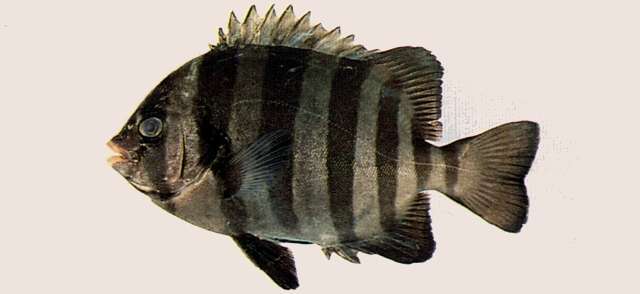
Sign in to saveOplegnathus is currently the sole recognized genus in the knifejaw family (Oplegnathidae) of marine centrarchiform ray-finned fishes. The largest, the Cape knifejaw, can reach a maximum length around 90 cm (35 in). Knifejaws have teeth fused into a parrot-like beak in adulthood. They feed on barnacles and mollusks, and are fished commercially. They are native to the Indian and Pacific Oceans.
Species
knifejaws
GENUS
- KingdomAnimalia
- PhylumChordata
- ClassTeleostei
- OrderPerciformes
- FamilyOplegnathidae
Oplegnathus is een geslacht van straalvinnige vissen uit de familie van oplegnathiden (Oplegnathidae). Het geslacht is voor het eerst wetenschappelijk beschreven in 1840 door Richardson.
via GBIF
Museum specimens
- Specimen records
- 54
- Family
- Oplegnathidae
- Collections
- UCMP, SIO, UF, CAS
- Recorded in
- Antarctica, Ecuador, United States, Mexico, Peru
Wikidata facts
- Instance of
- taxon
- Parent taxon
- Oplegnathidae
- Image
- Oplegnathus punctatus.jpg
Show 5 more facts
- taxon name
- Oplegnathus
- taxon rank
- genus
- topic's main category
- Category:Oplegnathus
- taxon common name
- Knifejaw
- Commons category
- Oplegnathus
Sources (1)
via Wikidata · CC0
~1 min read
Encyclopedic overview
2 sectionsContents
- Species
- References
Oplegnathus is currently the sole recognized genus in the knifejaw family (Oplegnathidae) of marine centrarchiform ray-finned fishes. The largest, the Cape knifejaw, can reach a maximum length around 90 cm (35 in). Knifejaws have teeth fused into a parrot-like beak in adulthood. They feed on barnacles and mollusks, and are fished commercially. They are native to the Indian and Pacific Oceans.
The earliest records of knifejaws are fossilized beaks, with attached teeth, known from middle Eocene-aged sediments of the La Meseta Formation of Antarctica. Their early occurrence in Antarctica supports it having temperate climate during the Eocene, and that knifejaws had a wider distribution in the past than today.
Excerpted from Wikipedia’s “Oplegnathus” article, available under the CC BY-SA 4.0 licence.