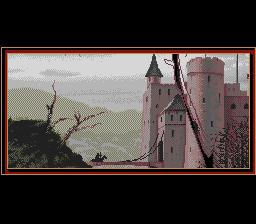
Powermonger (1990) · RAWG · Courtesy of RAWG
Powermonger
Sign in to savePowermonger is a real-time strategy video game developed by Bullfrog Productions and published by Electronic Arts. Originally released in 1990 for the Amiga and Atari ST, it was derived from the Populous engine but presented using a 3-dimensional game map.
Game data
- Released
- 1990-01-01
- User rating
- 0.00 / 5
- Platforms
- PC, SNES, Classic Macintosh, Commodore / Amiga, Atari ST, Genesis, SEGA CD
via RAWG
Game details · IGDB
In a world without kings, power is the only law. No leader controls the destiny of this new world. Yet. Can you? Unite each territory by word or by sword or face bitter defeat at the hands of the other PowerMongers. Encounter a living world. Win the loyalty of farmers, shepherds, merchants, ranchers- even thieves. Hundreds of people with individual homes, jobs, and personalities. React to changing seasons. Store food for the winter- your soldiers won't take orders on an empty stomach.
- Released
- 1990
- Genres
- Real Time Strategy (RTS), Strategy
- Platforms
- Super Nintendo Entertainment System, Sega Mega Drive/Genesis, Atari ST/STE, Mac, DOS, Amiga, Sega CD
- Game modes
- Single player, Split screen
- Developer
- Bullfrog Productions
- Publisher
- Electronic Arts, Tec Toy
Wikidata facts
- Instance of
- video game
- Genre
- real-time strategy
- Country of origin
- United Kingdom
- Publisher
- Electronic Arts
- Developer
- Bullfrog Productions
- Platform
- Classic Mac OS
- Game mode
- single-player video game
- Distribution format
- floppy disk
- Designed by
- Peter Molyneux
Show 4 more facts
- publication date
- 1990-12-31
- input device
- computer mouse
- language of work or name
- English language
- title
- Powermonger
via Wikidata · CC0
~7 min read
Encyclopedic overview
6 sectionsContents
- Gameplay
- Expansions
- Development
- Reception
- References
- External links
Powermonger is a real-time strategy video game developed by Bullfrog Productions and published by Electronic Arts. Originally released in 1990 for the Amiga and Atari ST, it was derived from the Populous engine but presented using a 3-dimensional game map.
==Gameplay== thumb|left|Screenshot of the Amiga version The game features a 3-dimensional game map, although camera movement is limited to rotating the map by 90 degrees or small discrete intervals and 8 pre-defined levels of zoom. Only the map topography itself is 3-dimensional; people, trees and other game objects are 2-dimensional sprites.
Excerpted from Wikipedia’s “Powermonger” article, available under the CC BY-SA 4.0 licence.