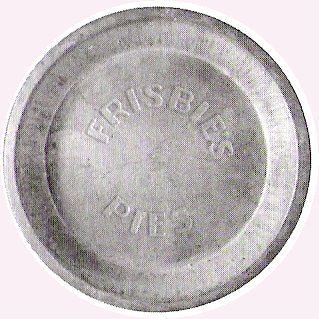
File:Frisbie_pie_tin.jpg · Wikimedia Commons · See Wikimedia Commons
Key facts
- Highest governing body
- World Flying Disc Federation
- Contact
- No
- Team members
- Grass: 7/team; indoor: 5/team; turf: 5/team; beach: 5/team, (sometimes fewer or more)
- Mixed sex
- In some competitions and most leagues
- Type
- Indoor/Outdoor
- Equipment
- Flying Disc (commonly referred to as a frisbee )
- Olympic
- Recognized by International Olympic Committee ; eligible for 2028 Olympics.
- World games
- 1989 (invitational), 2001 –present
via Wikipedia infobox
Wikidata facts
- Instance of
- type of sport
- Subclass of
- team sport
- Image
- Rooke bid.jpg
Show 7 more facts
- Commons category
- Ultimate frisbee
- topic's main category
- Category:Ultimate (sport)
- Unicode character
- 🥏
- OpenStreetMap tag
- sport=ultimate
- inception
- 1968-00-00
- maximum number of players
- 14
- social media followers
- 62641
Sources (3)
via Wikidata · CC0
~40 min read
Encyclopedic overview
Ultimate frisbee (officially simply called ultimate) is a non-contact team sport played with a disc flung by hand. Ultimate was developed in 1968 by Joel Silver, Buzzy Hellring, and Jonny Hines in Maplewood, New Jersey. Although ultimate resembles many traditional sports in its athletic requirements, it is unlike most sports due to its focus on self-officiating, even at the highest levels of competition. The term "frisbee" is a registered trademark of the Wham-O toy company, and thus the sport is not formally called "ultimate frisbee", though this name is still in common casual use (and the trademark was licensed to the Ultimate Frisbee Association in 2024). Points are scored by passing the disc to a teammate in the opposing end zone. Other basic rules are that players must not take steps while holding the disc, while interceptions, incomplete passes, and passes out of bounds are turnovers (change in possession). Rain, wind, or occasionally other adversities can make for a testing match with rapid turnovers, heightening the pressure of play.
From its beginnings in the American counterculture of the late 1960s, ultimate has resisted empowering any referee with rule enforcement. Instead, it relies on the sportsmanship of players and invokes the "spirit of the game" to maintain fair play. Players call their own fouls, and dispute a foul only when they genuinely believe it did not occur. Playing without referees is the norm for league play but has been supplanted in club competition by the use of "observers" or "game advisors" to help in disputes, and the professional league employs empowered referees.
Excerpted from Wikipedia’s “ultimate” article, available under the CC BY-SA 4.0 licence.