Category
page 1Culture articles needing translation from Japanese Wikipedia
%20Press%20Photo%20of%20Toshiro%20Mifune%20and%20Daisuke%20Kato.jpg)
Rashomon
is a 1950 Japanese period drama (jidaigeki) film directed by Akira Kurosawa from a screenplay he co-wrote with Shinobu Hashimoto. Starring Toshiro Mifune, Machiko Kyō, Masayuki Mori, and Takashi Shimura, it follows various people who describe how a samurai was murdered in a forest. The plot and characters are based upon Ryūnosuke Akutagawa's short story "In a Grove", with the title and framing story taken from Akutagawa's "Rashōmon". Every element is largely identical, from the murdered samurai speaking through a Shinto psychic to the bandit in the forest, the monk, the assault of the wife, an
.jpg)
subtitle
thumb|300px|A scene from the 1963 film Charade (1963 film)|Charade, showing dialogue spoken by [[Audrey Hepburn and Dominique Minot subtitled in English. Quotation dashes are used to differentiate between speakers.]]
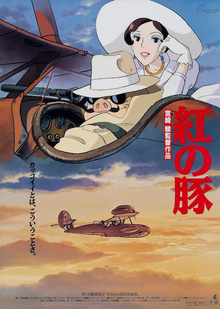
Porco Rosso
1992 film by Hayao Miyazaki
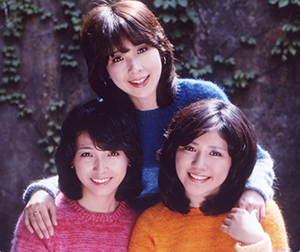
Candies
Japanese female idol trio

light novel
Japanese novella-type storytelling in conjunction with illustrations, geared toward young adults

Kyoto Animation arson attack
arson attack in Kyoto, Japan on 18 July 2019

tonkatsu
is a type of Japanese cutlet (カツレツ, katsuretsu) made from pork. Slices of pork loin or fillet are coated with panko (bread crumbs) and then deep-fried in oil.
washi
is traditional Japanese paper processed by hand using fibers from the inner bark of the gampi tree, the mitsumata shrub (Edgeworthia chrysantha), or the paper mulberry (kōzo) bush. Washi is used in many traditional Japanese arts, such as origami, shodō, and ukiyo-e. It was traditionally used to make various everyday goods like clothes, household goods, and toys, as well as vestments and ritual objects for Shinto priests and statues of Buddhas. It was even used to make wreaths that were given to winners in the 1998 Winter Paralympics. As a Japanese craft, it is registered as a UNESCO intangible

Dreams
1990 film by Akira Kurosawa, Ishirō Honda

manjū
is a traditional Japanese confection, usually a small, dense bun with a sweet filling. They come in many shapes and varieties.

Kasuga-taisha
is a Shinto shrine in Nara, Nara Prefecture, Japan. It is the shrine of the Fujiwara family, established in 768 CE and rebuilt several times over the centuries. The interior is famous for its many bronze lanterns, as well as the many stone lanterns that lead up to the shrine.

kamaboko
thumb|
.jpg)
melonpan
, also called melon bun or melon bread, is a Japanese sweetbun covered in a layer of crispy cookie dough. The texture resembles that of a melon, such as a cantaloupe. It is not traditionally melon-flavored.
Heidi, Girl of the Alps
Japanese anime television series

Belle
2021 film directed by Mamoru Hosoda
.jpg)
gyūdon
, also known as , is a Japanese dish consisting of a bowl of rice topped with beef and onion, simmered in a mildly sweet sauce flavored with dashi (fish and seaweed stock), soy sauce and mirin (sweet rice wine). It may sometimes also be served with toppings such as raw or soft poached eggs, negi onions, grated cheese or kimchi. A popular food in Japan, it is commonly eaten with beni shōga (pickled ginger), shichimi (ground chili pepper), and a side dish of miso soup.
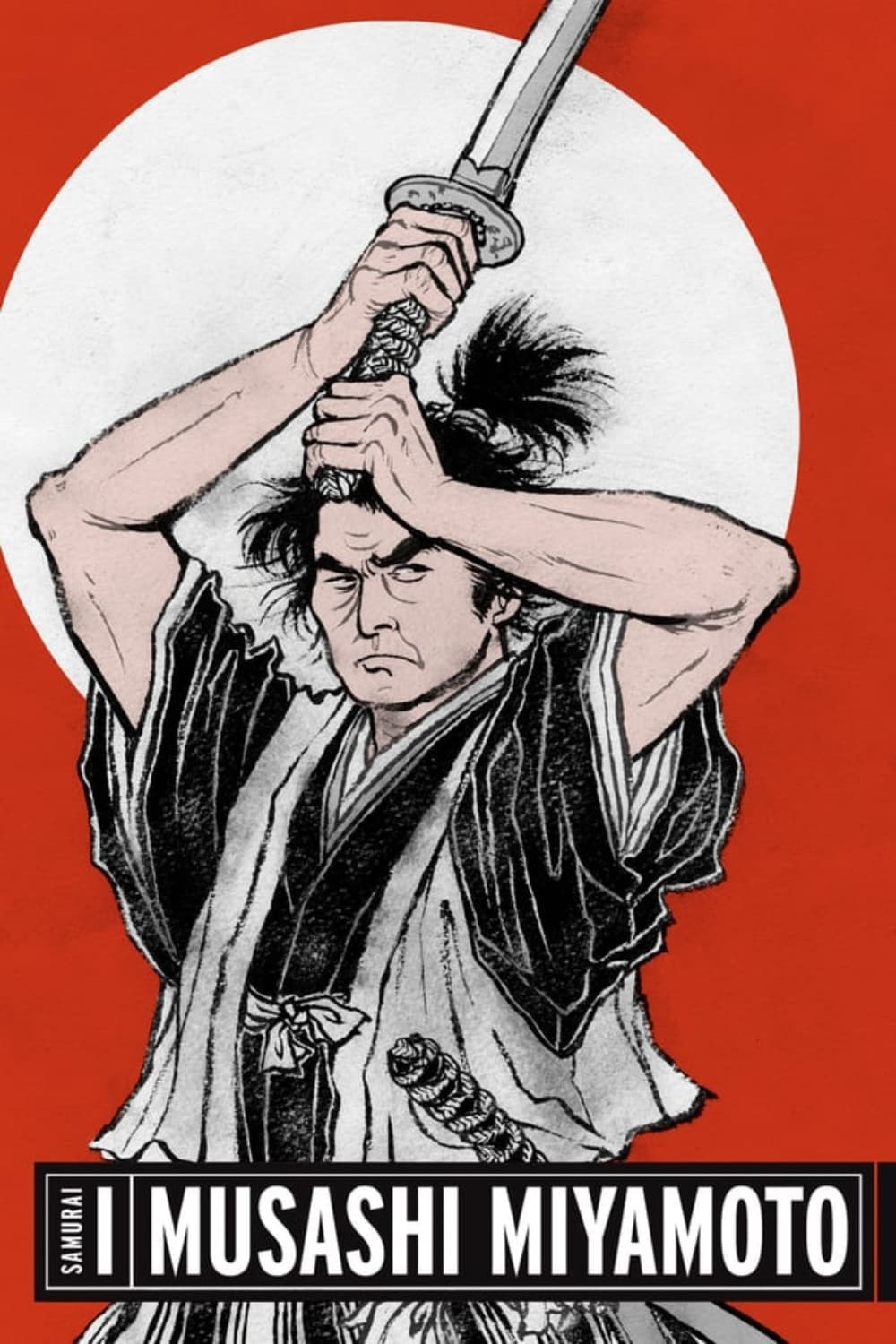
Samurai I: Musashi Miyamoto
1954 film by Hiroshi Inagaki

Takeshi's Castle
game show in Japan
Masashi Tashiro
Japanese television performer and singer
Japanese school uniform
school uniform used in Japan
.png)
fundoshi
is a traditional Japanese undergarment for men and women, made from a length of cotton.
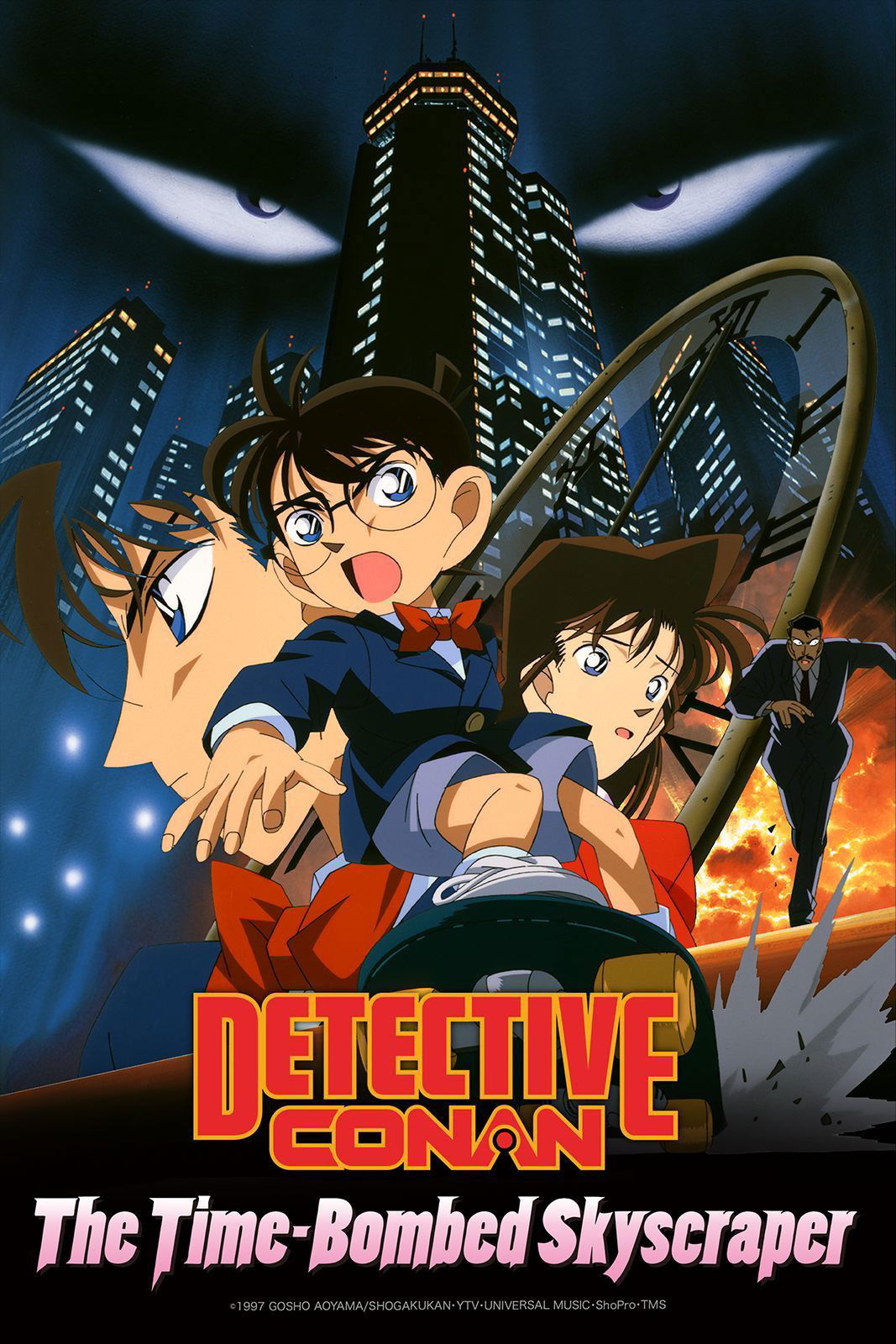
Case Closed: The Time Bombed Skyscraper
1997 anime film directed by Kenji Kodama
chawanmushi
is a savoury egg custard dish in Japanese cuisine. Unlike many other custards, it is usually eaten as a dish in a meal, as chawanmushi contains savory rather than sweet ingredients. The custard consists of an egg mixture seasoned with soy sauce, dashi, and mirin, with numerous ingredients such as shiitake mushrooms, kamaboko, yuri-ne (lily root), ginkgo and boiled shrimp placed into a tea-cup-like container. The recipe for the dish is similar to that of Chinese steamed eggs, but the toppings often differ. Since egg custards cannot be picked up by chopsticks, it is one of the few Japanese dishe
Kusanagi
legendary Japanese sword

ikizukuri
thumb|right|240px|Fish served as ikizukuri.
, also known as , (roughly translated as "prepared alive") is the preparing of sashimi (raw fish) from live seafood. In this Japanese culinary technique, the most popular sea animal used is fish, but octopus, shrimp, and lobster may also be used. The practice is controversial owing to concerns about the animal's suffering, as it is seemingly alive when served.
thumb|240px|Freshly served Ikizukuri.
kannushi
person responsible for maintaining a Shinto shrine as well as for leading worship of a given kami
Kōhaku Uta Gassen
Japanese television program by NHK
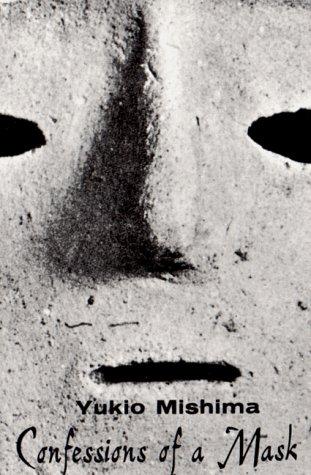
Confessions of a Mask
novel by Yukio Mishima
warabimochi
is a wagashi (Japanese confection) made from warabiko (bracken starch) and covered or dipped in kinako (sweet toasted soybean flour). Kuromitsu syrup is sometimes poured on top before serving as an added sweetener.
MUFG Bank
Japanese company

sakuramochi
thumb|right|Kansai-style sakuramochi is a Japanese confection (wagashi) consisting of sweet, pink-colored rice cake (mochi) with red bean paste (anko) filling, wrapped in a pickled cherry blossom (sakura) leaf, which may or may not be eaten depending on individual preference.
Traditionally, the sweet is eaten during the spring season, especially at the annual Hinamatsuri celebration on March 3 and flower viewing (hanami) parties.
thumb|right|The interior of a sakuramochi, showing the red-bean paste inside

The Dull Sword
1917 Japanese short anime film
The Mysterious Cities of Gold
1982 animated television series
curry bread
Japanese dish, consisting of Japanese curry, wrapped in a piece of dough, coated in bread crumbs, and deep fried
KinKi Kids
Japanese idol duo Johnny & Associates
Sanzu River
river in Japan
karakuri puppet
traditional Japanese puppet
Suzukake no Ki no Michi de "Kimi no Hohoemi o Yume ni Miru" to Itte Shimattara Bokutachi no Kankei wa Dō Kawatte Shimau no ka, Bokunari ni Nan-nichi ka Kangaeta Ue de no Yaya Kihazukashii Ketsuron no Yō na Mono
single by AKB48
Stitch!
is a Japanese anime television series. It is a spin-off of Disney's Lilo & Stitch franchise, serving as the franchise's second television series after Lilo & Stitch: The Series. The anime series aired in Japan from October 2008 to June 2011, later receiving additional television specials in 2012 and 2015. It features a Japanese girl named Yuna Kamihara, who takes the place of Lilo Pelekai as the best friend of the titular Stitch, and is set on a fictional island in the Ryukyus off the shore of Okinawa called Izayoi for its first two seasons, replacing Kauai, Hawaii, then moving to a fictional
chikan
Japanese term referring to sexual harassment

onnagata
thumb| (Heron Maiden) dance performed by Akifusa Guraku in 2011
, also , are male actors who play female roles in kabuki theatre. It originated in 1629 after women were banned from performing in kabuki performances. There are many specific techniques that actors must learn to master the role of .
Sound Horizon
Japanese band

akanbe
alt=Akanbē is a Japanese facial gesture performed by pulling down the lower eyelid to reveal the reddish underside of the eye, often accompanied by sticking out the tongue|thumb|233x233px|A man making the gesture

Gashadokuro
right|thumb|Utagawa Kuniyoshi's , also known as [[Takiyasha the Witch and the Skeleton Spectre]]
are mythical creatures in modern Japanese mythology. It is said to pick up people they wish to eat.

Still Walking
2008 film by Hirokazu Koreeda
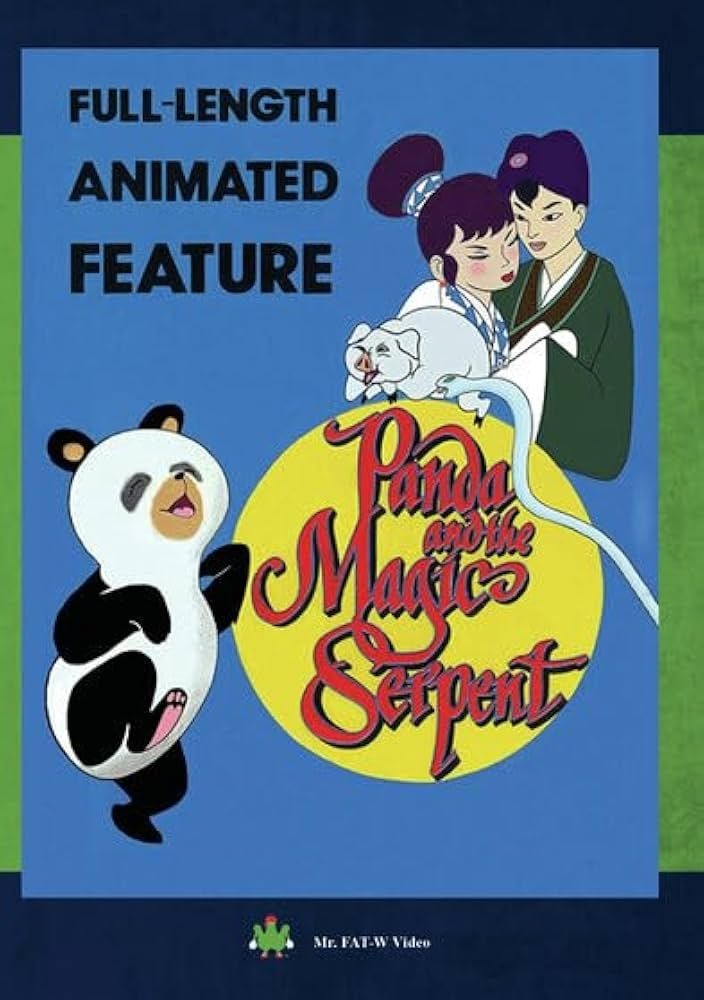
Panda and the Magic Serpent
1958 Japanese animated film directed by Taiji Yabushita

chinsuko
thumb|Chinsukō for sale in Naha, Okinawa
is a traditional sweet made in Okinawa since the times of the Ryukyu Kingdom, and often sold as a souvenir (miyagegashi). It is a small biscuit made of mostly lard and flour, with a mild and sweet flavor similar to shortbread.
Kaki no tane
Japanese snack food
.jpg)
Naporitan
Naporitan or Napolitan () is a popular Japanese itameshi pasta dish. The dish consists of soft-cooked spaghetti, tomato ketchup, onion, button mushrooms, green peppers, sausage, bacon and optionally Tabasco sauce. Naporitan is claimed to be from Yokohama.

A Scene at the Sea
1991 film by Takeshi Kitano

monaka
is a Japanese sweet made of azuki bean paste sandwiched between two thin crisp wafers made from mochi. The wafers can have the shape of a square, a triangle, or may be shaped like cherry blossoms, chrysanthemums, local landmarks, daruma, or other good luck symbols.

dogeza
thumb|upright=1.3|Two positions used in dogeza
is an element of traditional Japanese etiquette which involves kneeling directly on the ground and bowing to prostrate oneself while touching one's head to the floor. It is used to show deference to a person of higher status, as a deep apology or to express the desire for a favor from said person.
red caviar
caviar made from the roe of salmon, trout, or cod
Sansin
local mountain gods
Doraemon
2005 Japanese anime television series
_1856.png)
Amano-Iwato
thumb|390x390px|Amaterasu emerges from the Heavenly Rock Cave, bringing sunlight back to the world (Triptych by Kunisada)
is a cave in Japanese mythology. According to the Kojiki (Records of Ancient Matters) and the Nihon Shoki, the bad behavior of Susano'o, the Japanese god of storms, drove his sister Amaterasu into the Ama-no-Iwato cave. The land was thus deprived of light.
Modekngei
Modekngei, or Ngara Modekngei (), is a monotheistic religious movement founded around 1915 by Tamadad, a native of the island of Babeldaob, that spread throughout Palau. It rose to political significance between the First and Second World Wars and is currently professed by 5.7% of Palau's population.
Modekngei is a hybrid of ancient Palauan customs and Christianity. Followers of the religion believe in the Christian God, recognize Jesus Christ as the Messiah, and simultaneously make appeasements to the traditional Palauan deities.
Ritsuko Okazaki
Japanese singer (1959-2004)

Her Blue Sky
2019 anime film directed by Tatsuyuki Nagai
kagami mochi
Japanese dessert consisting of 2 round mochi, the smaller placed atop the larger, and a daidai with an attached leaf on top, with a sheet of konbu and a skewer of dried persimmons under the mochi