Category
page 1Flora of the Neotropical realm
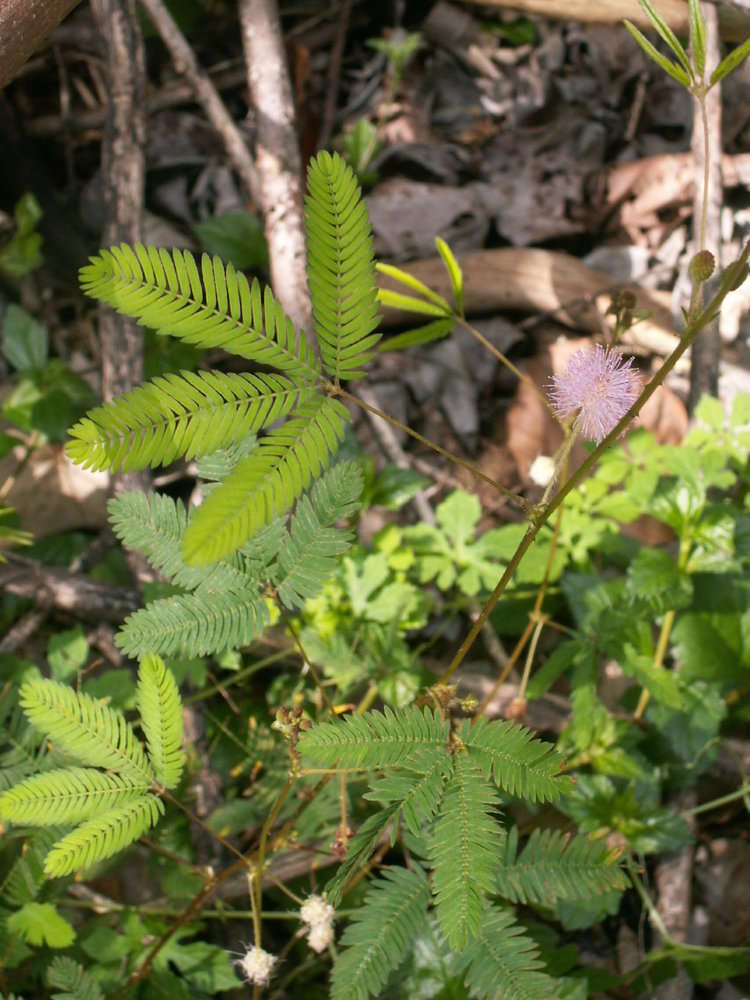
Mimosa pudica
species of plant in the family Fabaceae
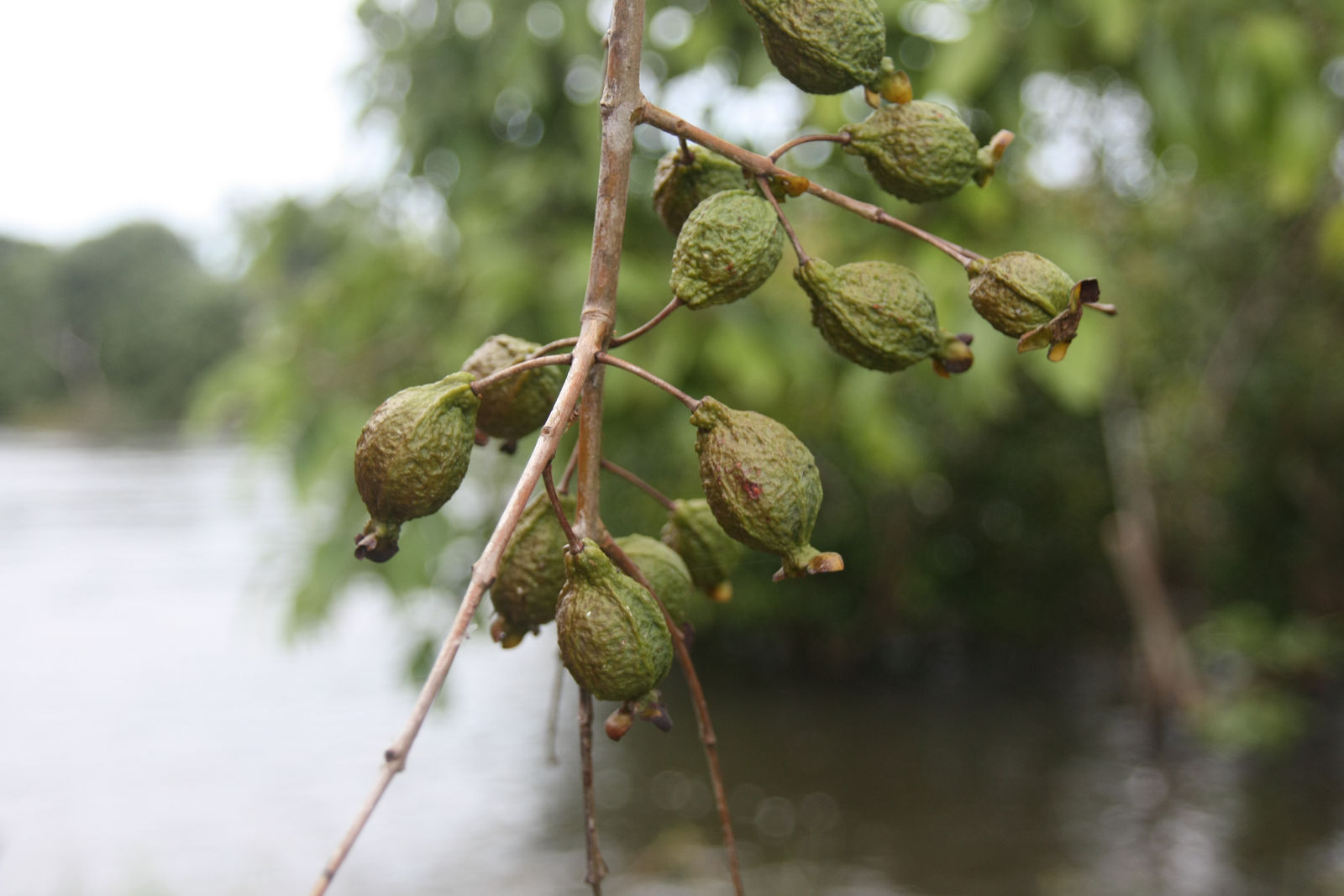
Psidium
Psidium is a genus of trees and shrubs in the family Myrtaceae. It is native to warmer parts of the Western Hemisphere (Mexico, Central and South America, the West Indies, and the Galápagos Islands). Many of the species bear edible fruits, and for this reason several are cultivated commercially. The most popularly cultivated species is the common guava, Psidium guajava.

Nicotiana tabacum
species of plant
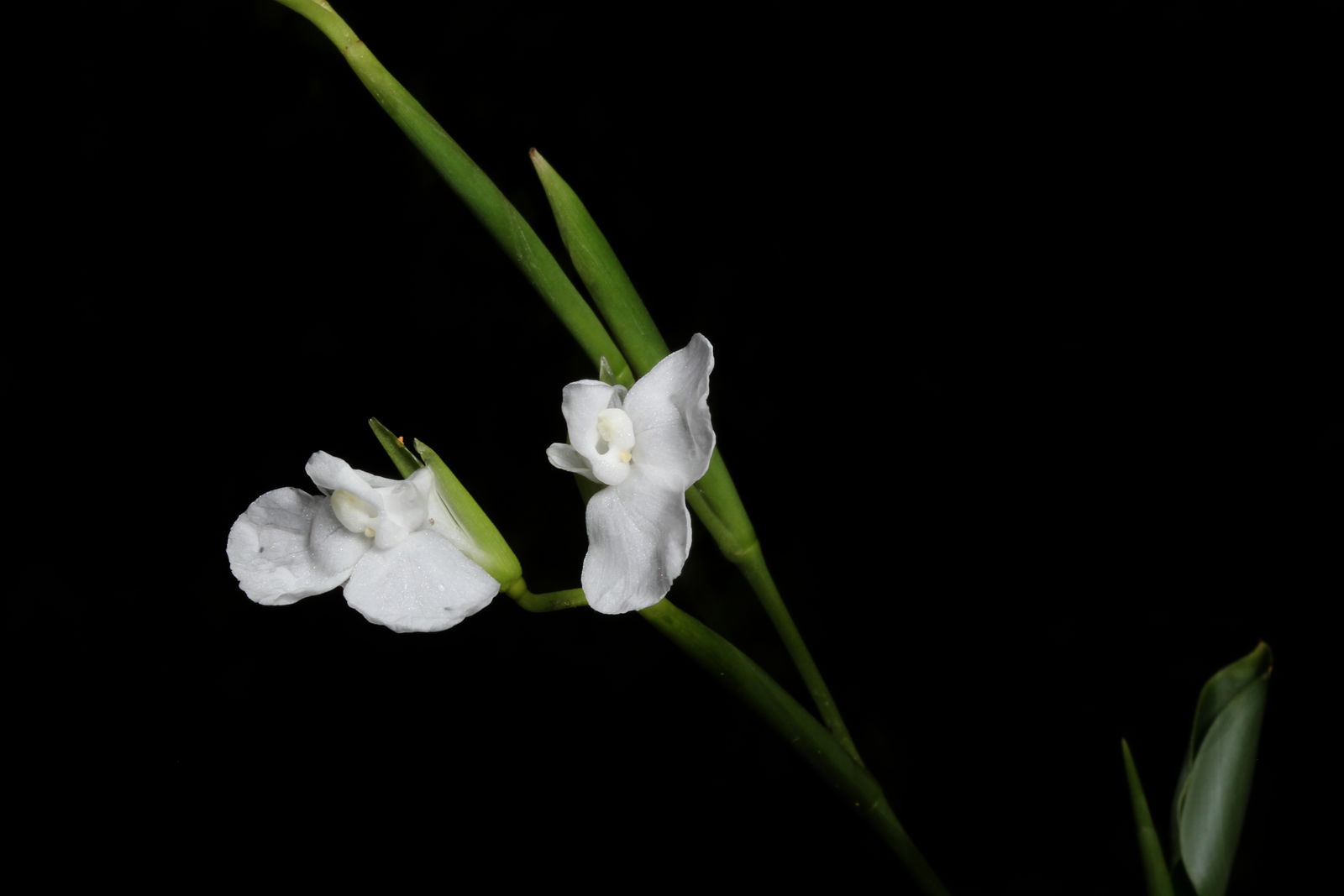
Maranta
genus of plants
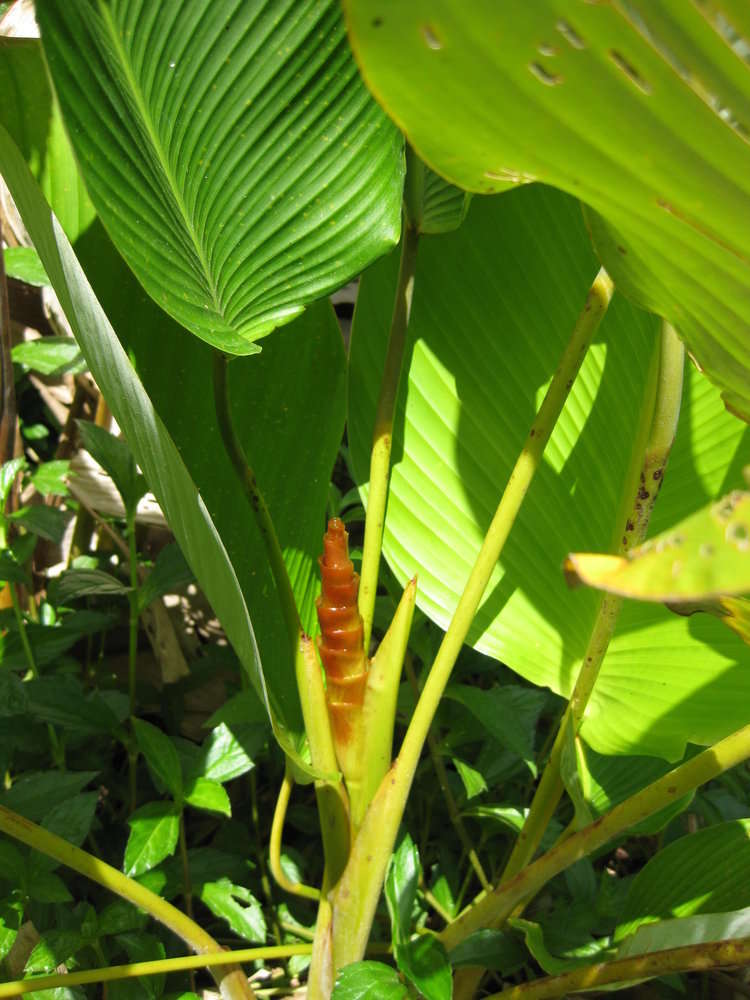
Calathea
Calathea is a genus of flowering plants belonging to the family Marantaceae. They are commonly called calatheas or (like their relatives) prayer plants. About 200 species formerly assigned to Calathea are now in the genus Goeppertia. Calathea currently contains around 60 species. Native to the tropical Americas, many of the species are popular as pot plants due to their decorative leaves and, in some species, colorful inflorescences. The young leaves and bracts can retain pools of water called phytotelmata, that provide habitat for many invertebrates.

Theobroma
Theobroma is a genus of flowering plants in the mallow family, Malvaceae. It was previously classified as a member of Sterculiaceae, which has been incorporated into Malvaceae to make it monophyletic. It contains 41 species of small understory trees native to the tropical forests of Central and South America.

Calceolaria
thumb|upright|Calceolaria biflora|C. biflora
thumb|upright|Calceolaria uniflora|C. uniflora
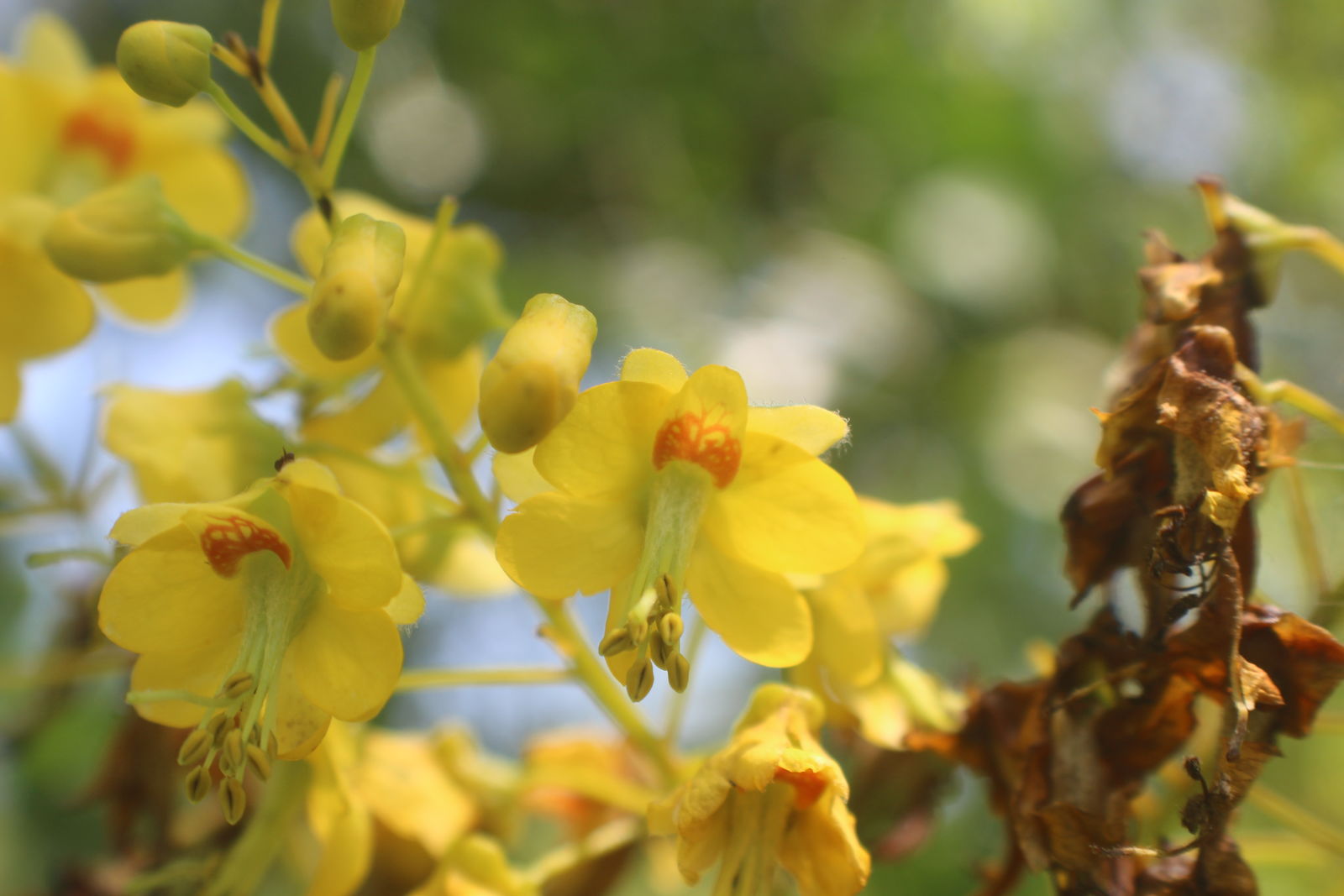
Caesalpinia
Caesalpinia is a genus of flowering plants in the family Fabaceae. It includes 10 species which range from southeastern Mexico through Central America to Colombia, Ecuador, and Peru, and to Cuba, Hispaniola, and the Bahamas.

Ceiba
Ceiba is a genus of trees in the family Malvaceae, native to tropical and subtropical areas of the Americas (from Mexico and the Caribbean to northern Argentina) and tropical West Africa. Some species can grow to tall or more, with a straight, largely branchless trunk that culminates in a huge, spreading canopy, and buttress roots that can be taller than a grown person. The best-known, and most widely cultivated, species is kapok, Ceiba pentandra, one of several trees known as kapok. Ceiba is a word from the Taíno language meaning "boat" because Taínos use the wood to build their dugout canoes

Sabal
Sabal is a genus of New World palms (or fan-palms). Currently, there are 17 recognized species of Sabal, including one hybrid species.
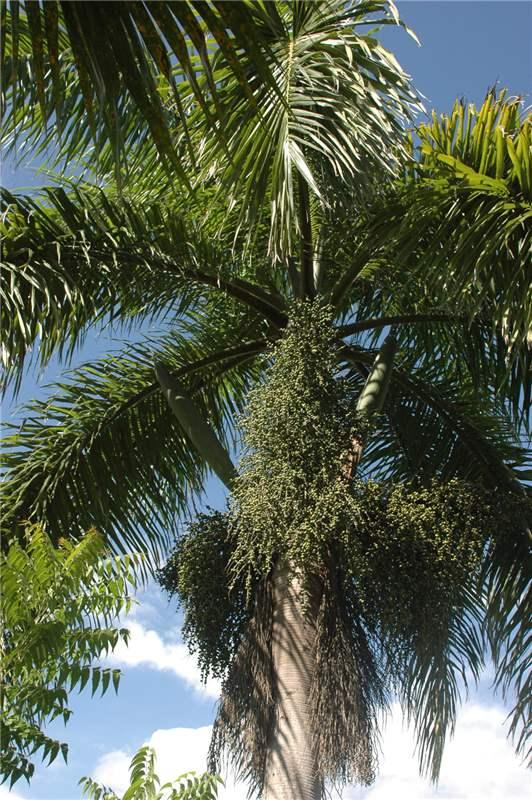
Roystonea
Roystonea is a genus of eleven species of monoecious palms, native to the Neotropics, in the Caribbean, the adjacent coasts of Florida in the United States, Mexico, Central America and northern South America. Commonly known as the royal palms, the genus was named after Roy Stone, a U.S. Army engineer. It contains some of the most recognizable and commonly cultivated palms of tropical and subtropical regions.
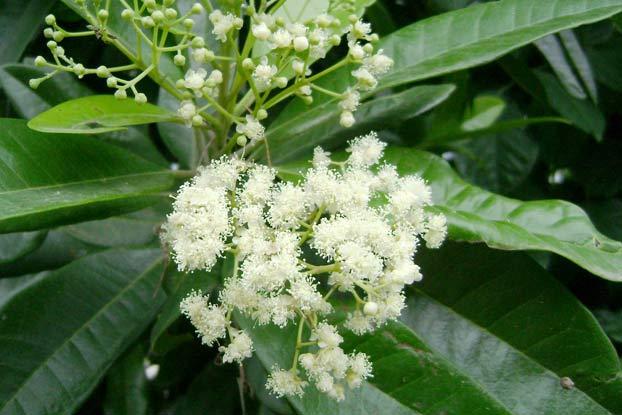
Pimenta
genus of plants
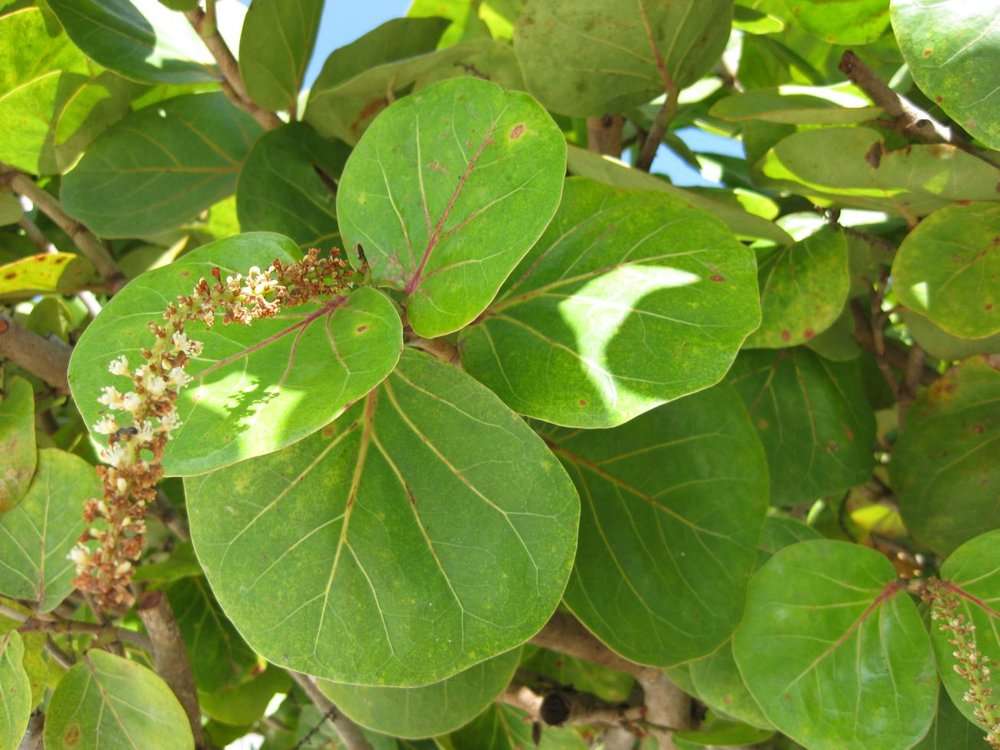
Coccoloba
Coccoloba is a genus of 177 species of flowering plants in the family Polygonaceae, which is native to the Neotropics. There is no overall English name for the genus, although many of the individual species have widely used common names.

Achimenes
Achimenes is a genus of about 25 species of tropical and subtropical rhizomatous perennial herbs in the flowering plant family Gesneriaceae. They have a multitude of common names such as magic flowers, '''widow's tears, Cupid's bower, or hot water plant'''.
Chamaedorea
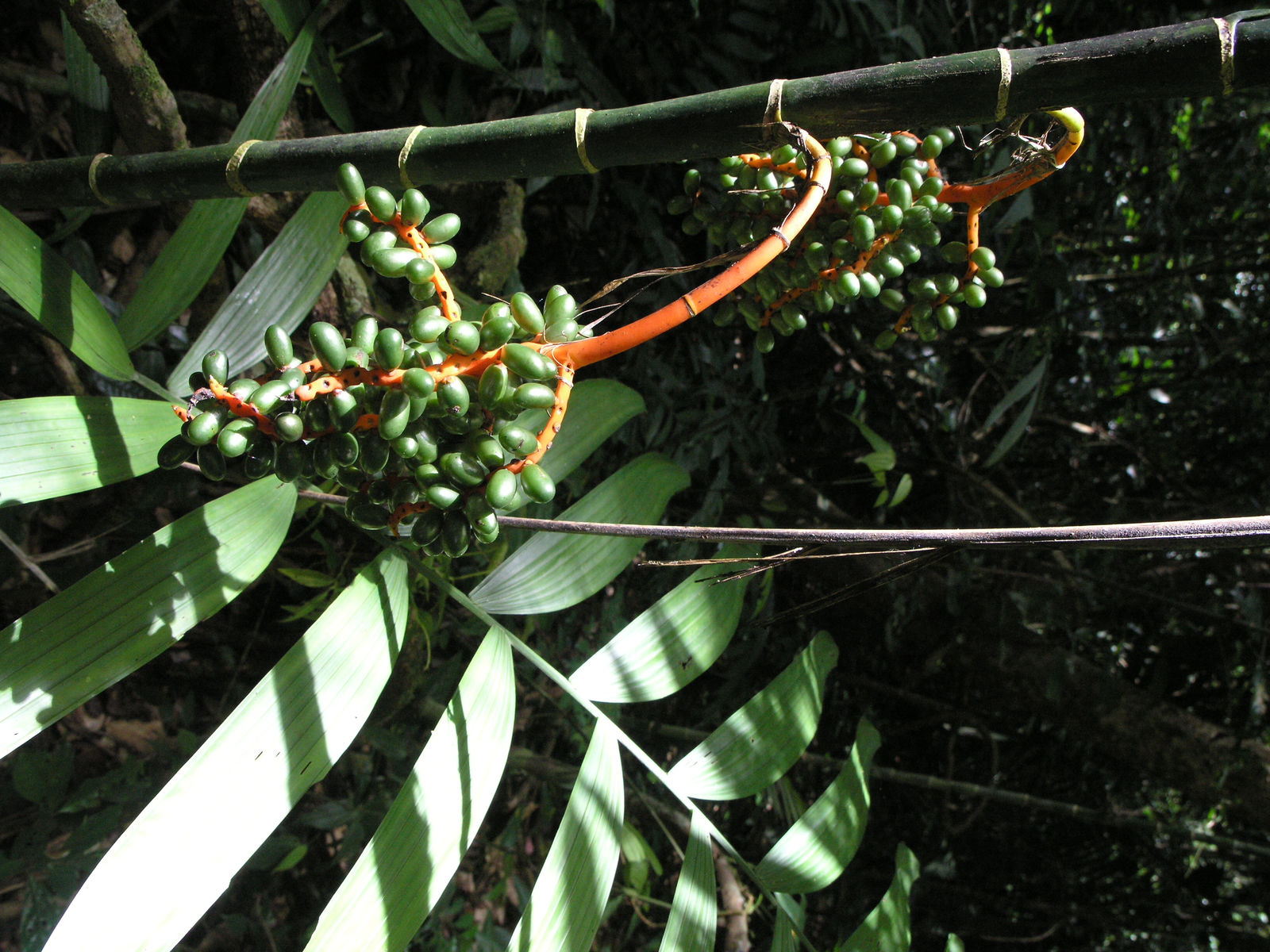
Chamaedorea is a genus of 107 species of palms, native to subtropical and tropical regions of the Americas. They are small palms, growing to tall with slender, cane-like stems, growing in the understory in rainforests, and often spreading by means of underground runners, forming clonal colonies. The leaves are pinnate (rarely entire), with one to numerous leaflets. The flowers are produced in inflorescences; they are dioecious, with male and female flowers on separate plants. The fruit is an orange or red drupe 0.5–2 cm diameter. Perhaps the best-known species is Chamaedorea elegans (nean

Myroxylon
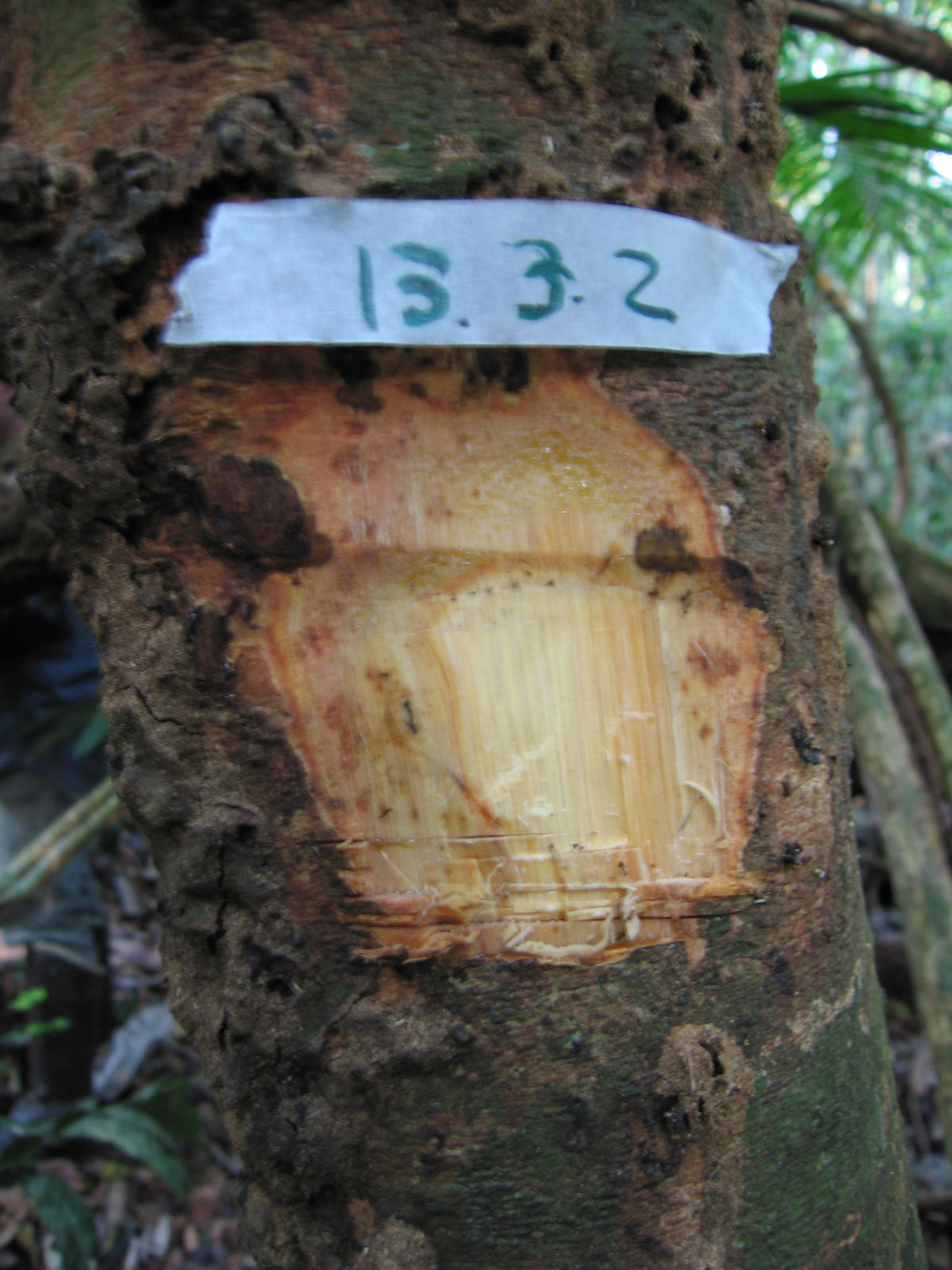
Myroxylon is a genus of Fabaceae native to Latin America.
Inga
thumb|Inga sp. – MHNT
Ocotea
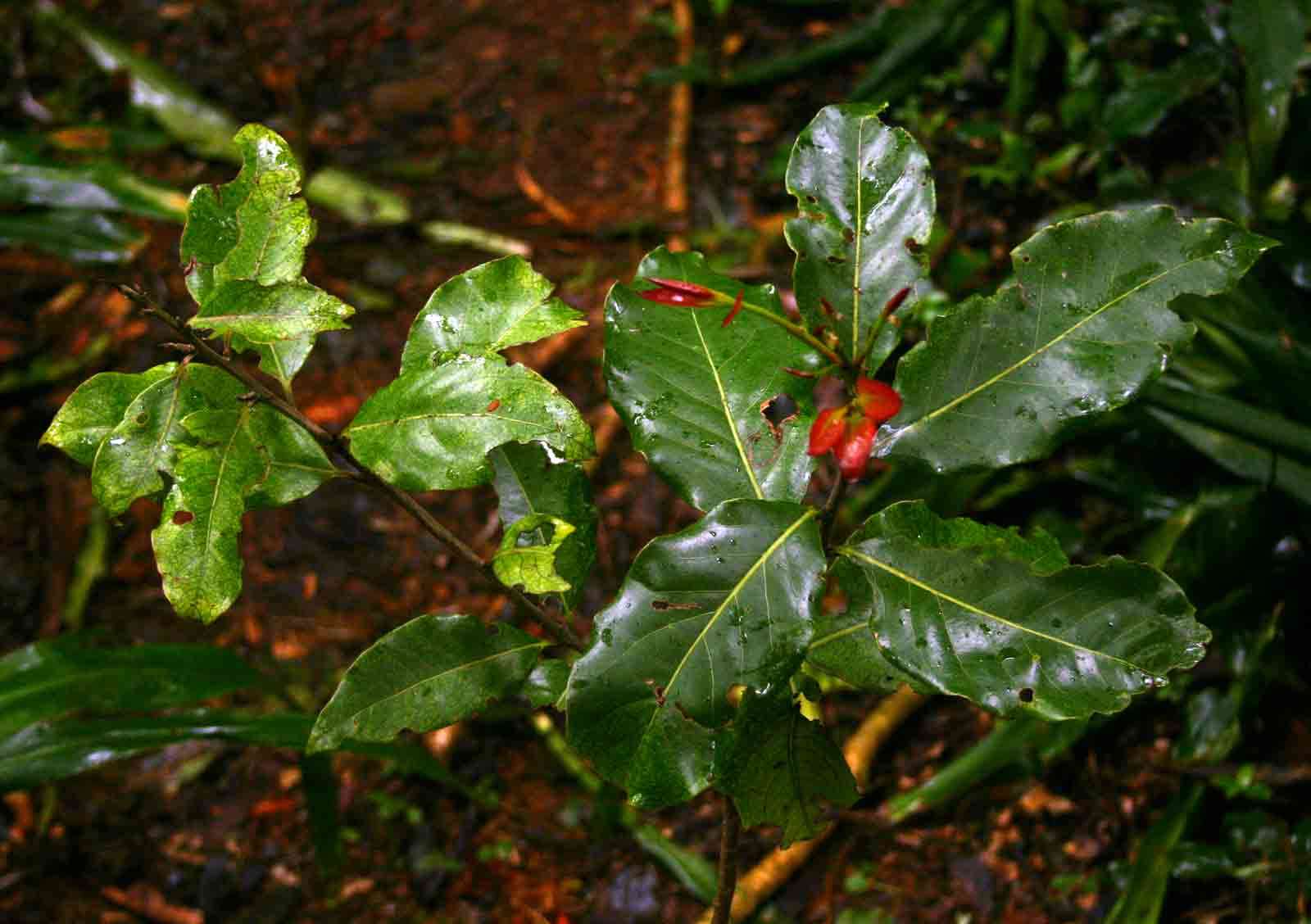
Ocotea is a genus of flowering plants belonging to the family Lauraceae. Many are evergreen trees with lauroid leaves.
Crescentia
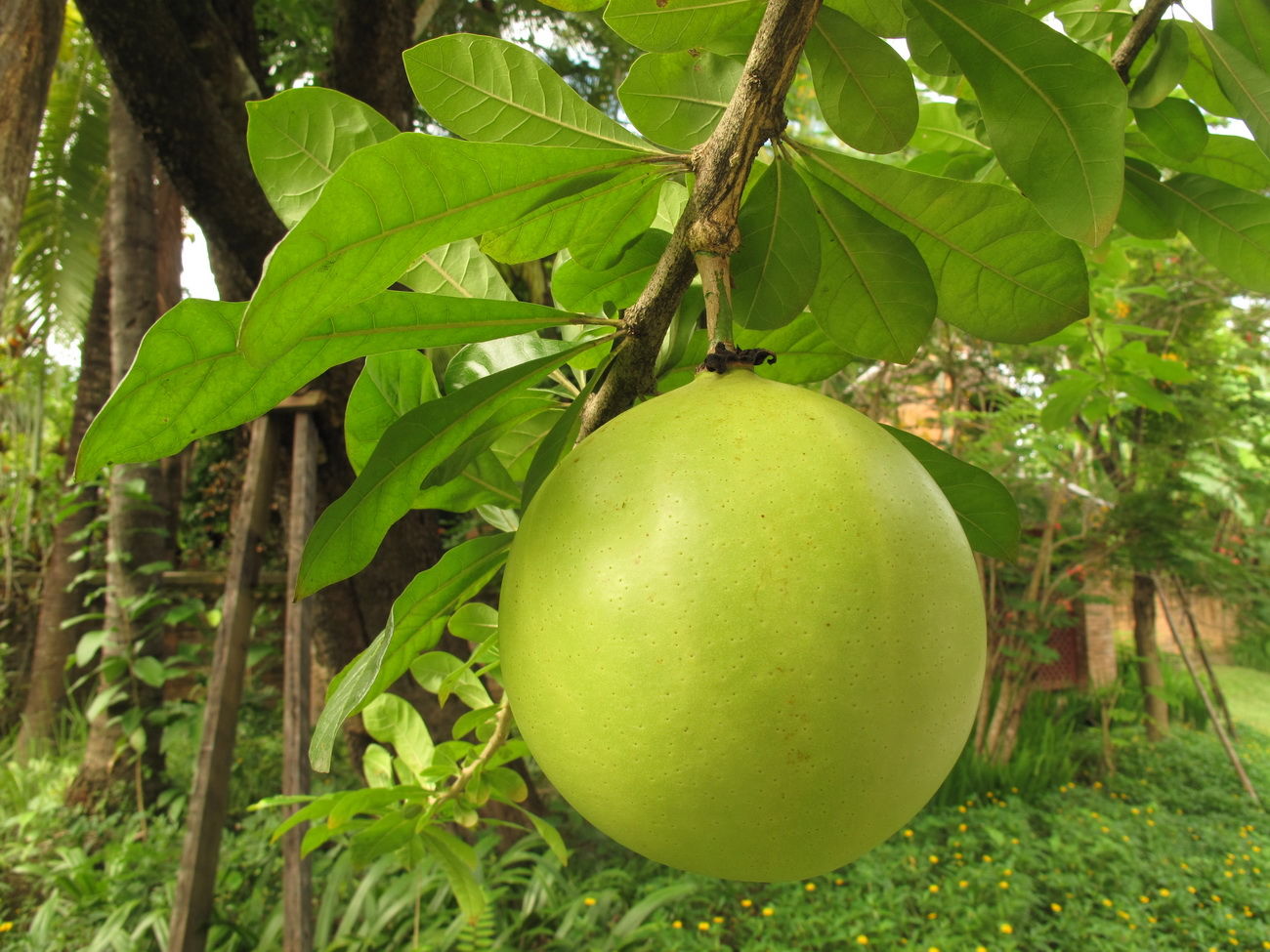
Crescentia (calabash tree, huingo, krabasi, or kalebas) is a genus of six species of flowering plants in the family Bignoniaceae, native to Mexico, the Caribbean, Central America, and northern South America. The species are moderate-size trees growing to tall, and producing large spherical fruits, with a thin, hard shell and soft pulp, up to in diameter.
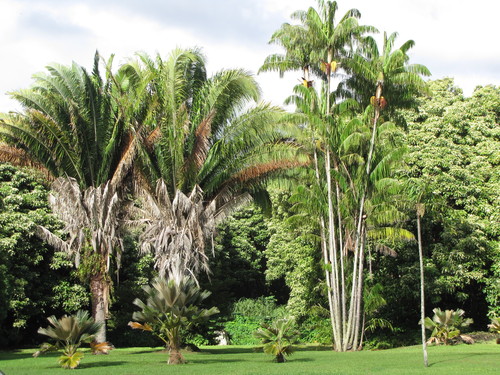
Attalea
genus of plants in the family Arecaceae
Euterpe
genus of plants

Pachyrhizus
Pachyrhizus is a genus of flowering plants in the legume family, Fabaceae. It includes five or species of herbs and subshrubs native to the tropical and subtropical Americas, ranging from northern Mexico to northwestern Argentina. Typical habitat is seasonally-dry tropical forest and thicket, often at forest margins, in scrub vegetation, and in open grassy areas. Plants in the genus grow from large, often edible taproots.

Selenicereus megalanthus
species of plant

Pachystachys
Pachystachys is a genus of 12 species of flowering plants in the family Acanthaceae, native to rainforest in the Caribbean and Central and South America. They are evergreen perennials and shrubs bearing prominent terminal spikes of flowers with brightly coloured bracts.

Bactris
Bactris is a genus of spiny palms which are native to Mexico, South and Central America and the Caribbean. Most species are small trees about tall, but some are large trees while others are shrubs with subterranean stems. They have simple or pinnately compound leaves and yellow, orange, red or purple-black fruit. The genus is most closely related to several other spiny palms—Acrocomia, Aiphanes, Astrocaryum and Desmoncus. The fruit of several species is edible, most notably B. gasipaes, while others are used medicinally or for construction.

Chrysophyllum
Chrysophyllum is a group of trees in the Sapotaceae described as a genus by Linnaeus in 1753.
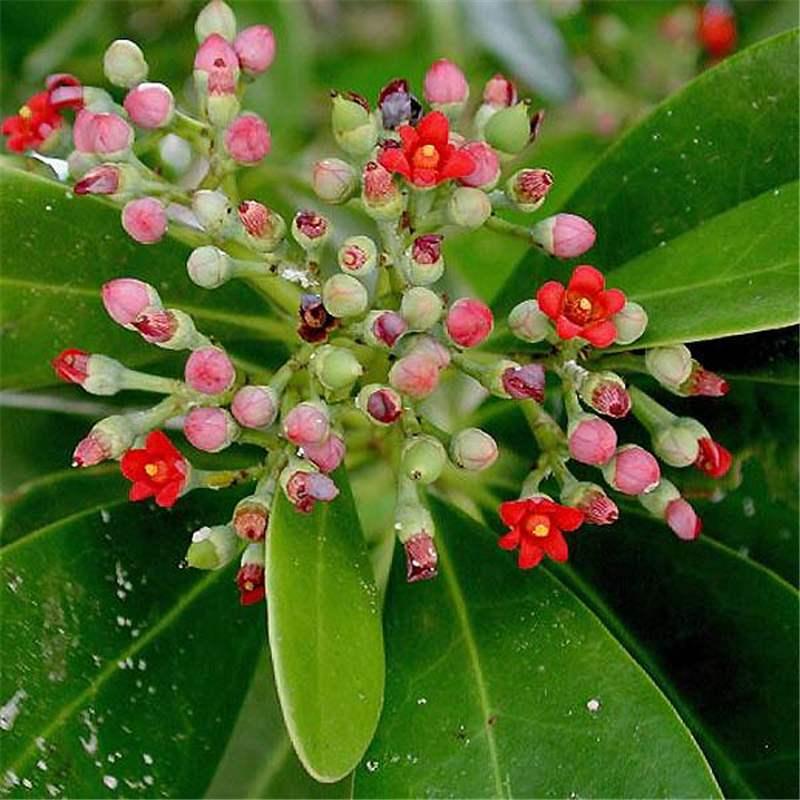
Canella winterana
Canella is a monospecific genus containing the species Canella winterana, a tree native to the Caribbean, south-eastern Mexico, southern Florida, and Venezuela. Its bark is used as a spice similar to cinnamon, giving rise to the common names cinnamon bark, wild cinnamon, and white cinnamon.
==Description==
Flowers perfect, regular; sepals 3, imbricated, persistent; petals 5, imbricated; stamens monadelphous. Fruit baccate, indehiscent, 2 to 4-seeded.
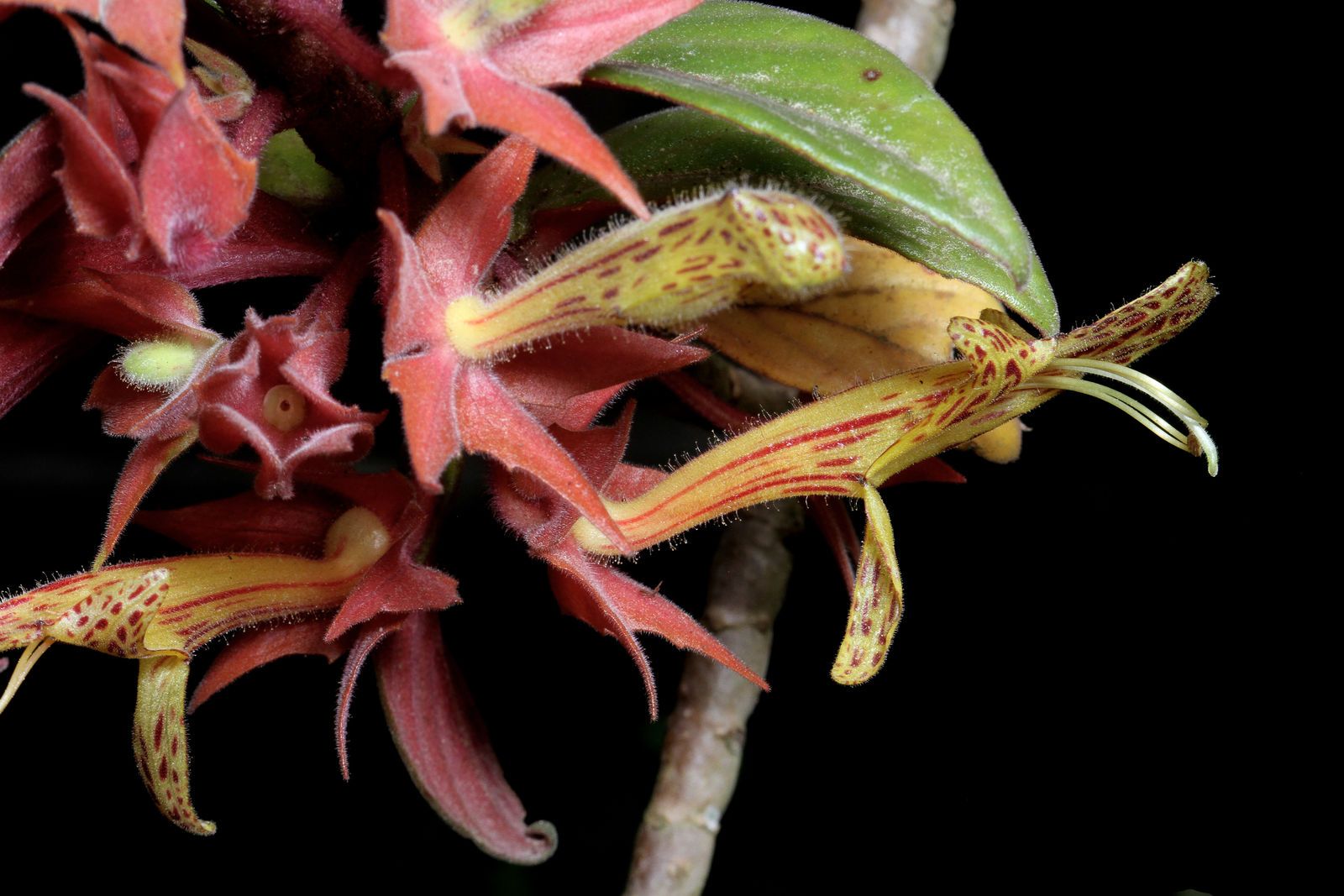
Columnea
Columnea is a genus of around 200 species of epiphytic herbs and shrubs in the family Gesneriaceae, native to the tropics of the Americas and the Caribbean. The tubular or oddly shaped flowers are usually large and brightly colored – usually red, yellow, or orange – sometimes resembling a fish in shape. A common name is flying goldfish plants (see also the related Nematanthus) due to the unusual flower shape.

Angelonia
Angelonia is a genus of flowering plants in the family Plantaginaceae. It comprises about 30 species which occur from Mexico to Argentina. Species of the genus Angelonia are herbaceous plants occurring mainly in arid and semi-arid habitats. Most species can be found in north-eastern Brazil in the seasonally-dry tropical forest Caatinga. The flowers of Angelonia species are highly specialized for pollination because they have hairs in the inner corolla, which produces oils collected by oil bee pollinators, especially of the genus Centris.
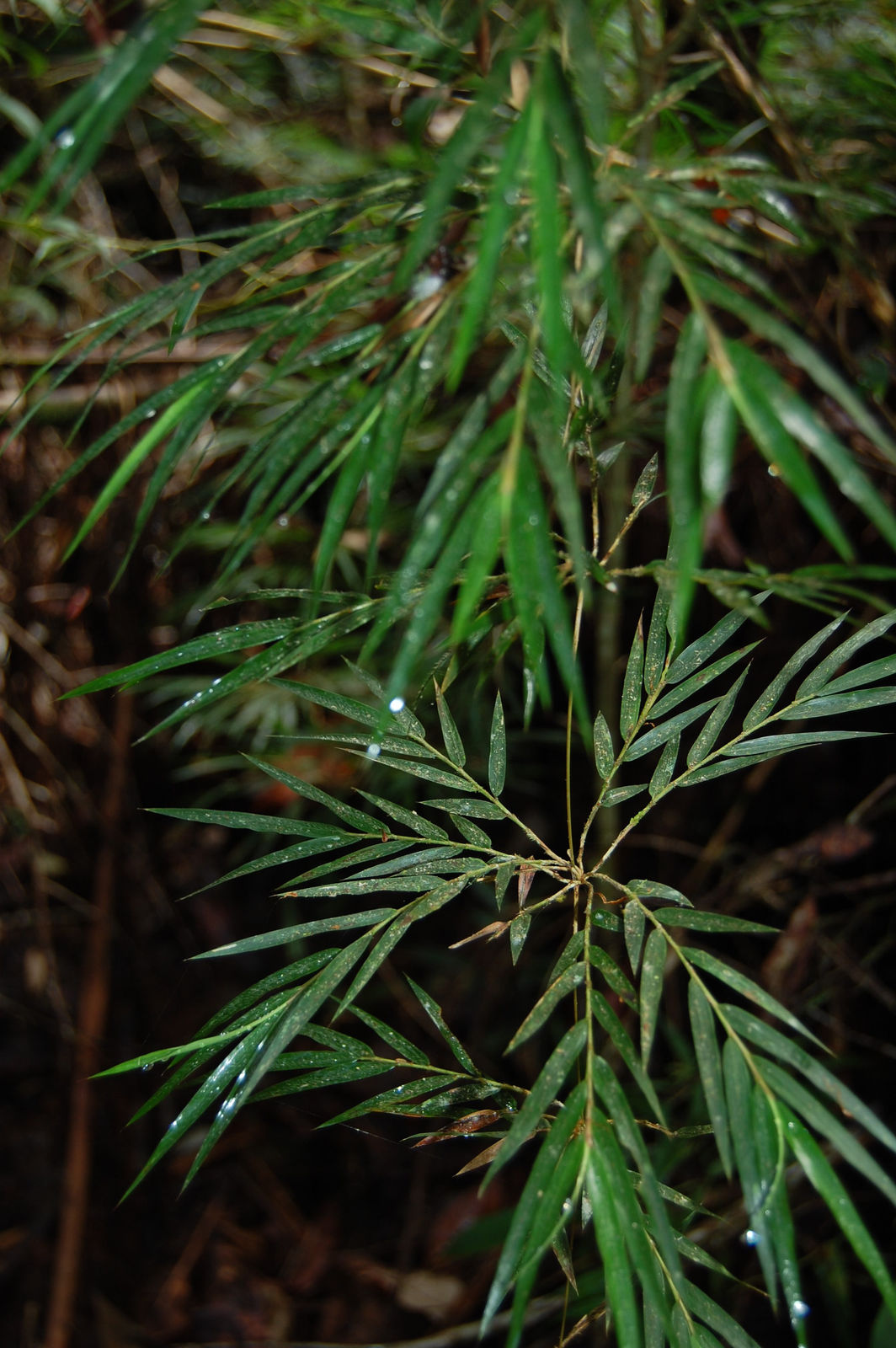
Chusquea
Chusquea is a genus of evergreen bamboos in the grass family. Most of them are native to mountain habitats in Latin America, from Mexico to southern Chile and Argentina.
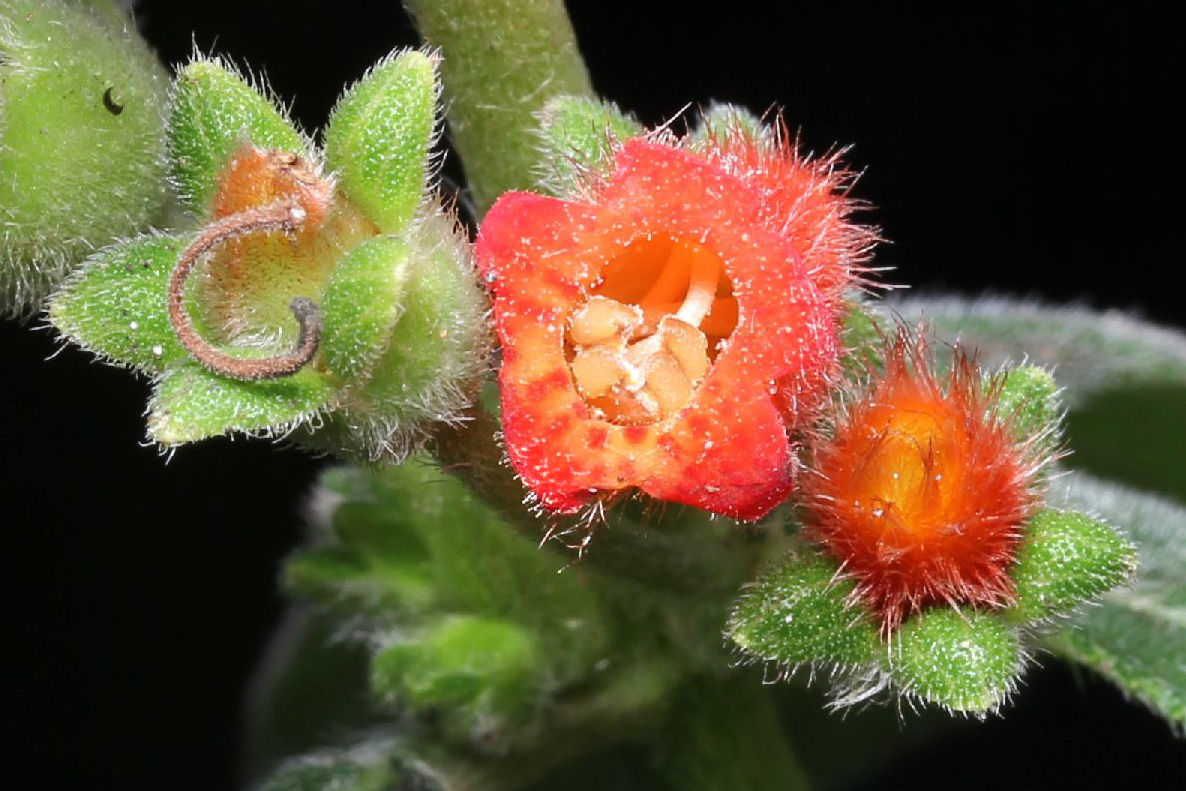
Kohleria
Kohleria is a New World genus of the flowering plant family Gesneriaceae. The plants are generally tropical herbs or subshrubs with velvety stems and foliage and brightly colored flowers with spots or markings in contrasting colors. They are rhizomatous and commonly include a period of dormancy in their growth cycle. The genus was revised in 1992 and was then recognized as having 19 species distributed in Central America and South America. phylogenetic in 2005 indicated that the epiphytic genus Capanea is derived from within Kohleria, and the two species of Capanea were subsequently transferre

Pilosocereus
Pilosocereus (from Latin, "hairy cereus") is a genus of cactus native to the Neotropics. Tree cactus is a common name for Pilosocereus species. The genus Pseudopilocereus is a synonym of this genus. For many years, the illegitimate name Pilocereus was used for this genus, although properly a synonym for Cephalocereus. The subdivision of the genus has varied very widely, resulting in very different numbers of species being accepted.
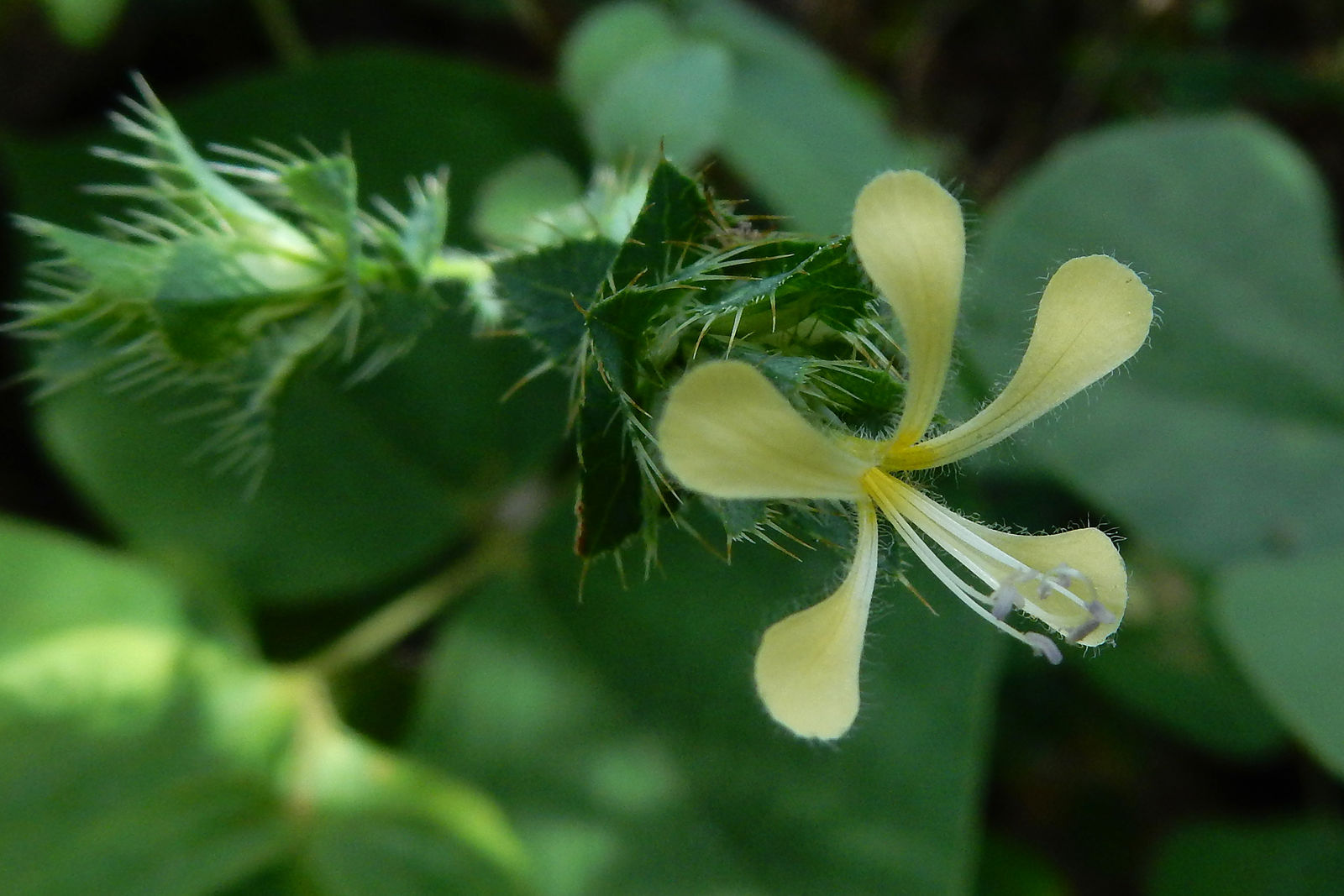
Cobaea
Cobaea is a genus of flowering plants including about 20 species of rapid growing, ornamental climbers whose native range extends from Mexico to Peru. The botanical name honors Father Bernabé Cobo, Spanish Jesuit of the seventeenth century, naturalist, and resident of America for many years. The woody stems can reach . Leaves are alternate lobed with opposite pairs and tendrils. In late summer to early spring, the large, bell-shaped flowers are borne profusely and singly along the stems with bright green, violet, or purple in colors. The plants can become invasive in some areas, and are common
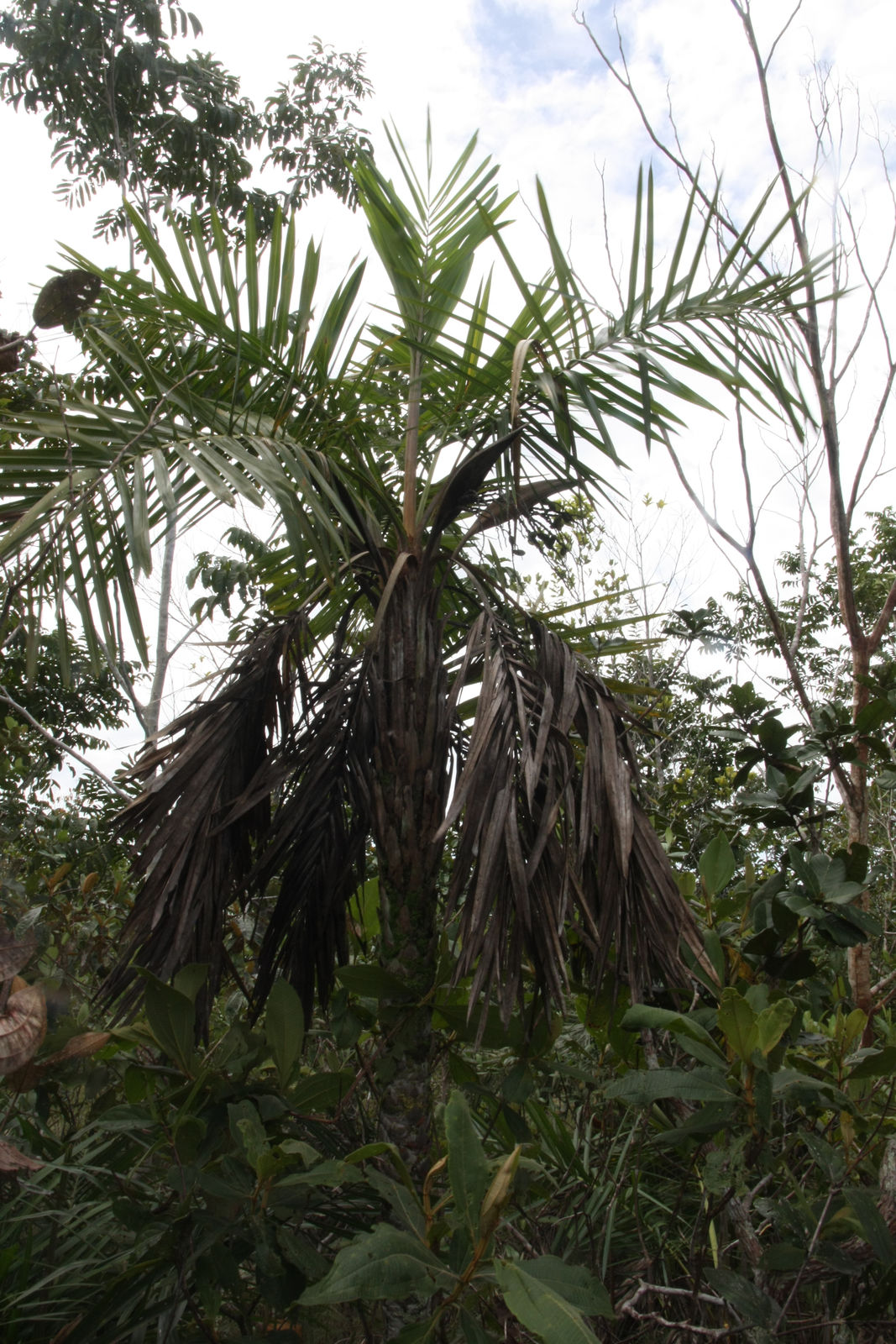
Syagrus
genus of plants

Pithecellobium
Pithecellobium is a genus of flowering plants in the family Fabaceae. It includes approximately 23 species from the tropical Americas, ranging from Mexico to Peru and northern Brazil, including the Caribbean Islands and Florida.

Episcia
Episcia is a genus of flowering plants in the African violet family, Gesneriaceae. The ten species it contains are native to the tropical regions of Central and South America. The species are perennial herbaceous plants characterized by a stoloniferous habit, red (rarely orange, pink, blue or yellow) flowers, and frequently have marked or patterned leaves. Episcias are sometimes called flame violets.
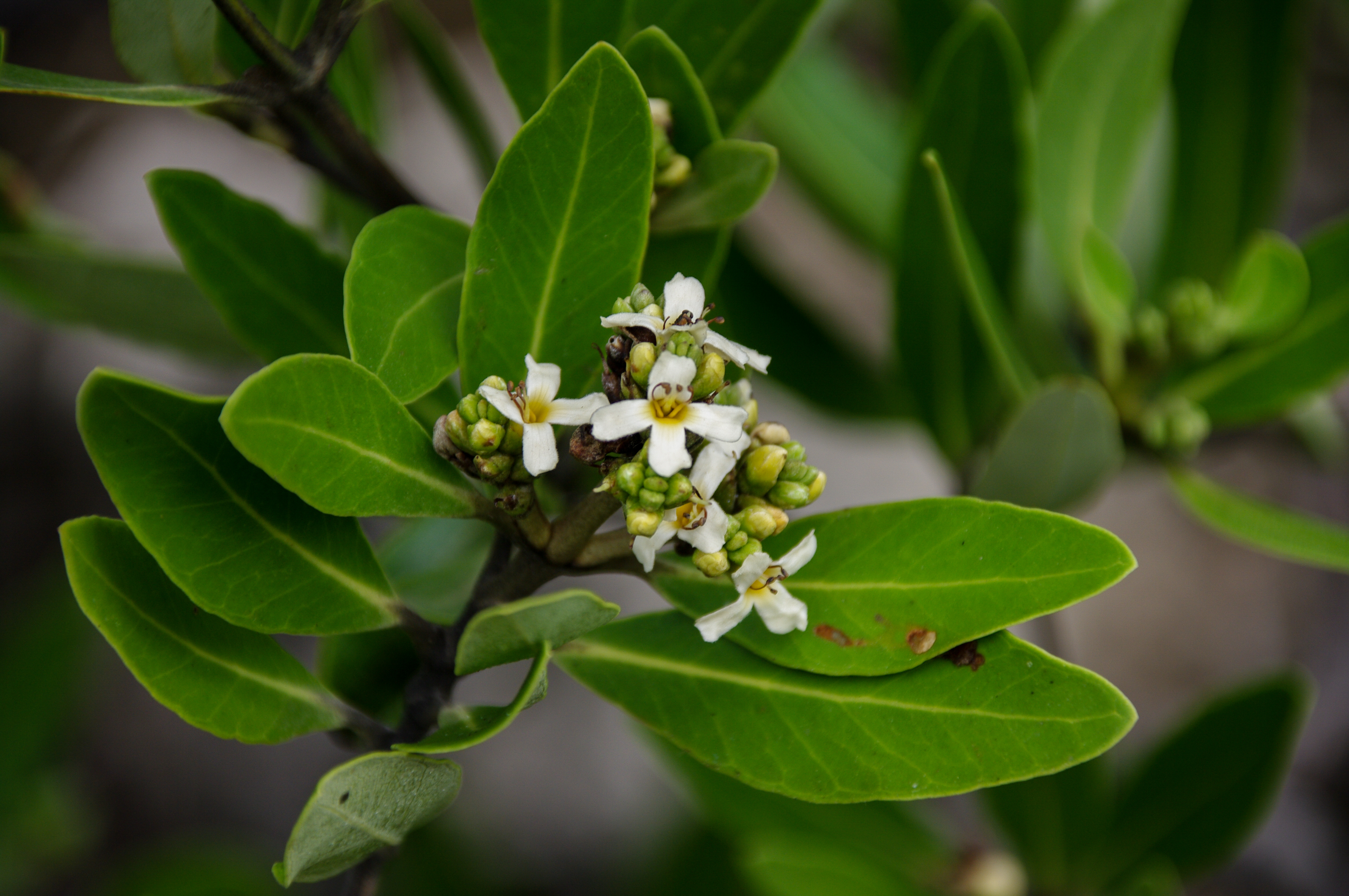
Avicennia germinans
species of plant

Pachira
Pachira is a genus of tropical trees distributed in Central and South America and the Caribbean, ranging from Mexico to Bolivia and southern Brazil. They are classified in the subfamily Bombacoideae of the family Malvaceae. Previously the genus was assigned to Bombacaceae.
Prior to that the genus was found in the (now obsolete) Sterculiaceae.
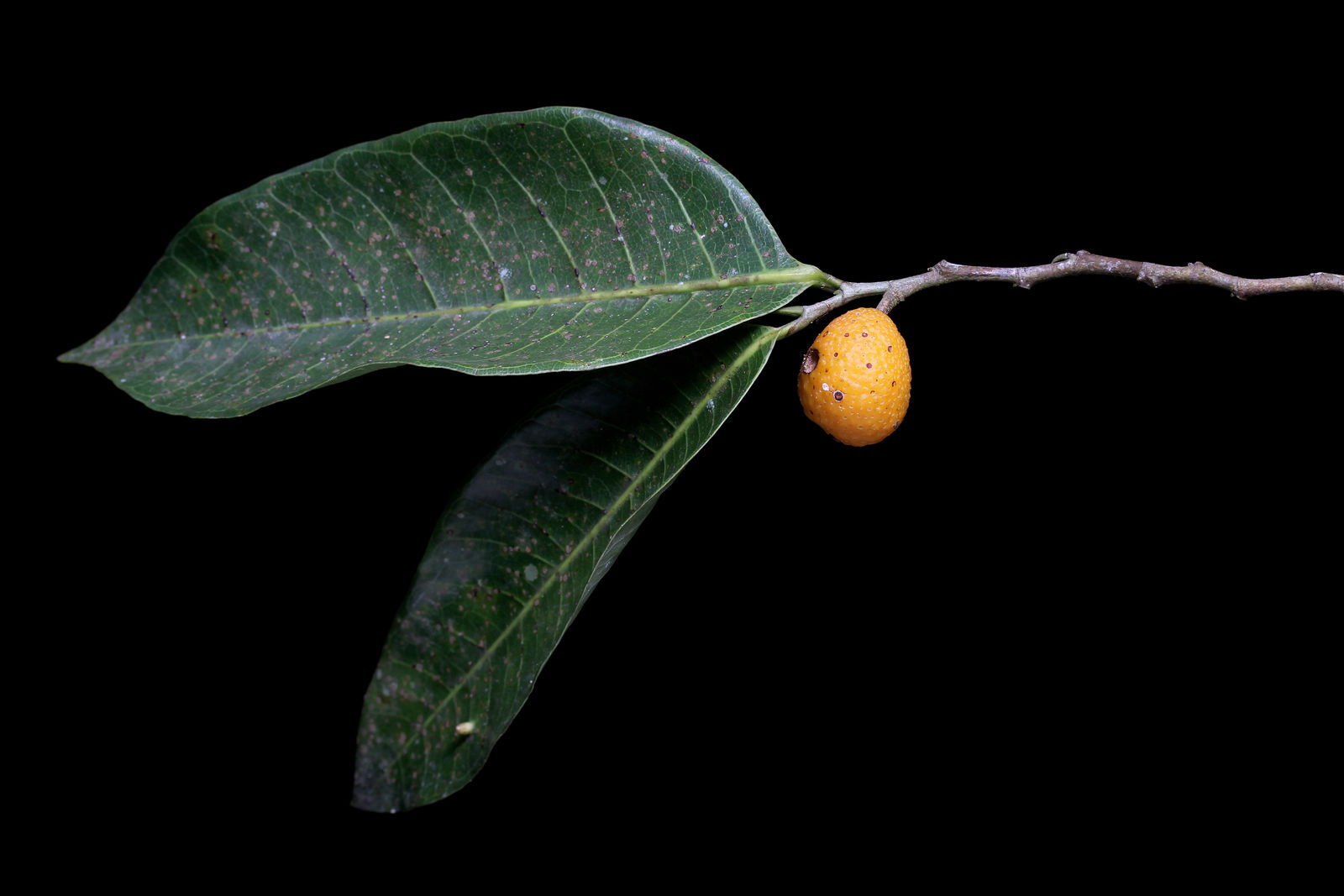
Brosimum
Brosimum is a genus of plants in the family Moraceae, native to tropical regions of the Americas.

Acrocomia
Acrocomia is a genus of palms which is native to the Neotropics, ranging from Mexico in the north, through Central America and the Caribbean, and through South America south to Argentina.

Acaciella
Acaciella is a Neotropical genus of flowering plants in the legume family, Fabaceae, and its subfamily Mimosoideae. Its centre of diversity is along the Mexican Pacific coast. They are unarmed, have no extrafloral nectaries and the polyads of their pollen are 8-celled. Though its numerous free stamens (sometimes >300) is typical of Acacia s.l., it has several characteristics in common with genus Piptadenia (tribe Mimoseae). Its pollen and free amino acids resemble that of Senegalia. Molecular studies place it sister to a monophyletic clade comprising elements of genus Acacia, and the tribe Ing
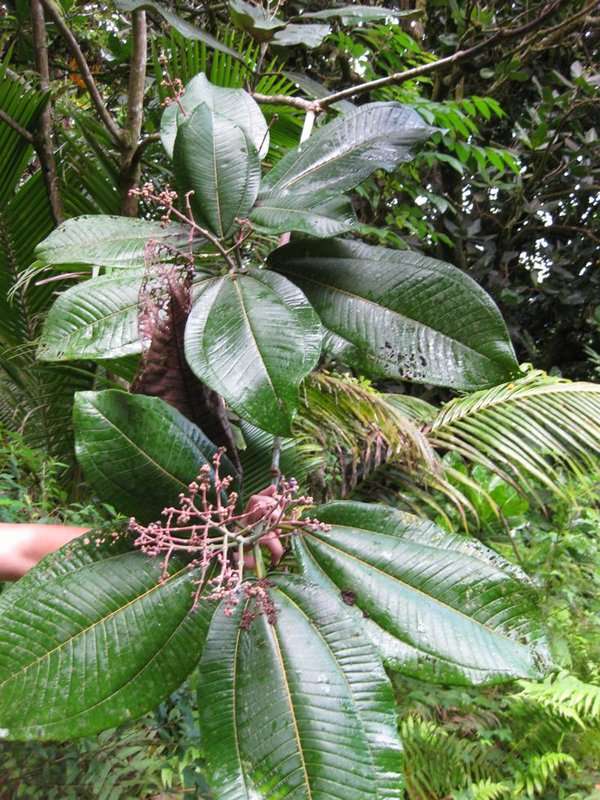
Miconia
Miconia is a genus of flowering plants in the glory bush family, Melastomataceae, native to warm temperate to tropical regions of the Americas. The species are mostly shrubs and small to medium-sized trees up to 15 m tall. The generic name honours Catalan physician and botanist Francesc Micó. Some species are known by the common name johnnyberry.

Pouteria
Pouteria is a genus of flowering trees in the gutta-percha family, Sapotaceae. The genus is widespread throughout the tropical Americas, with outlier species in Cameroon and Malesia. It includes the green sapote (P. viridis), the mamey sapote (P. sapota), and the abiu (P. caimito). Commonly, this genus is known as pouteria trees.
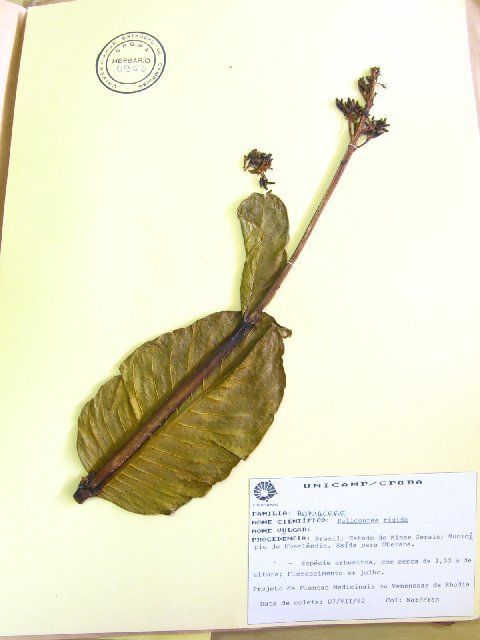
Palicourea
Palicourea is a genus of flowering plants in the family Rubiaceae. It contains 694 species, which range from shrubs to small trees, and is distributed throughout the New World tropics.
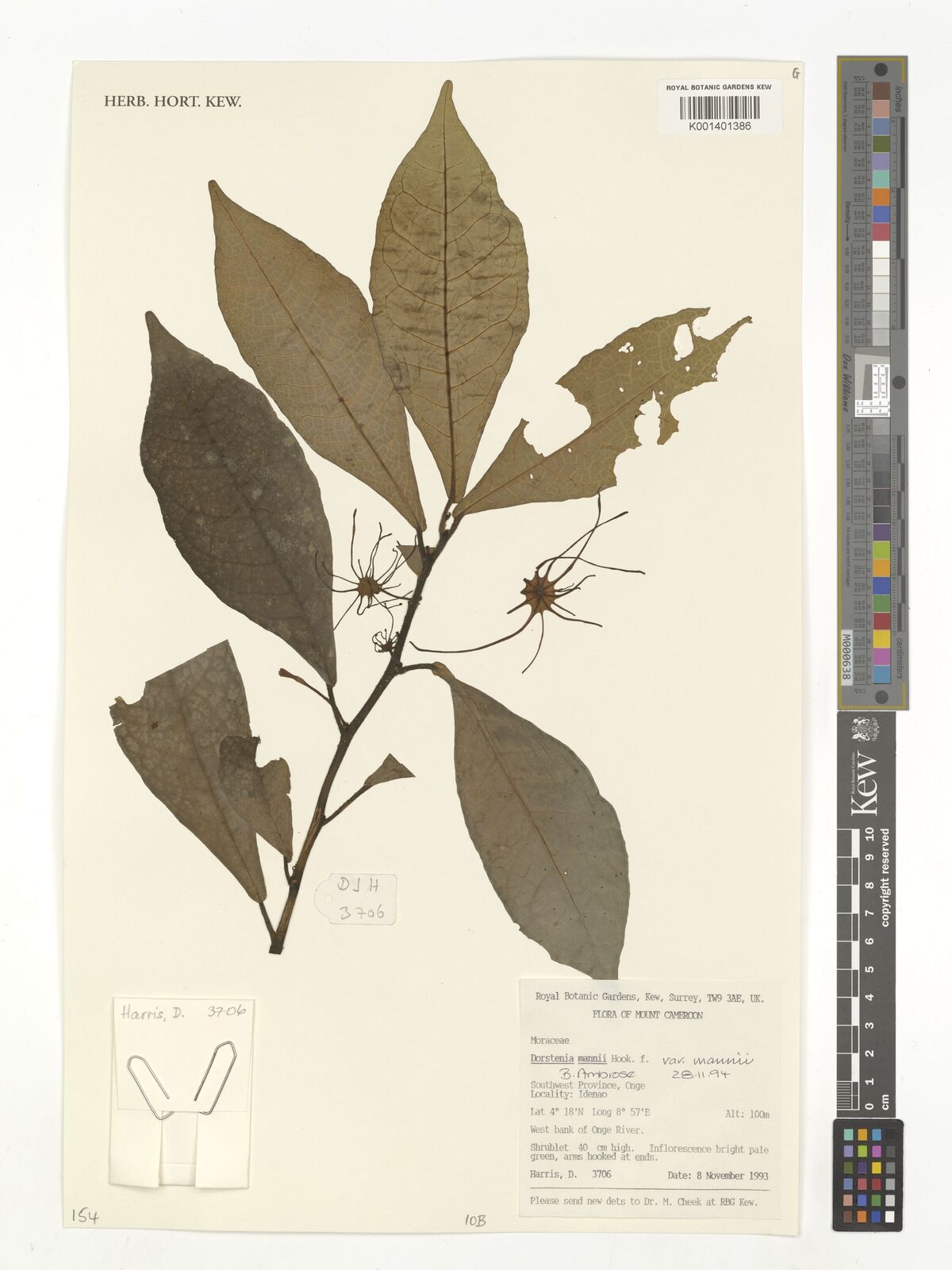
Dorstenia
thumb|right|Dorstenia contrajerva, the type species, by von Jacquin, 1793.
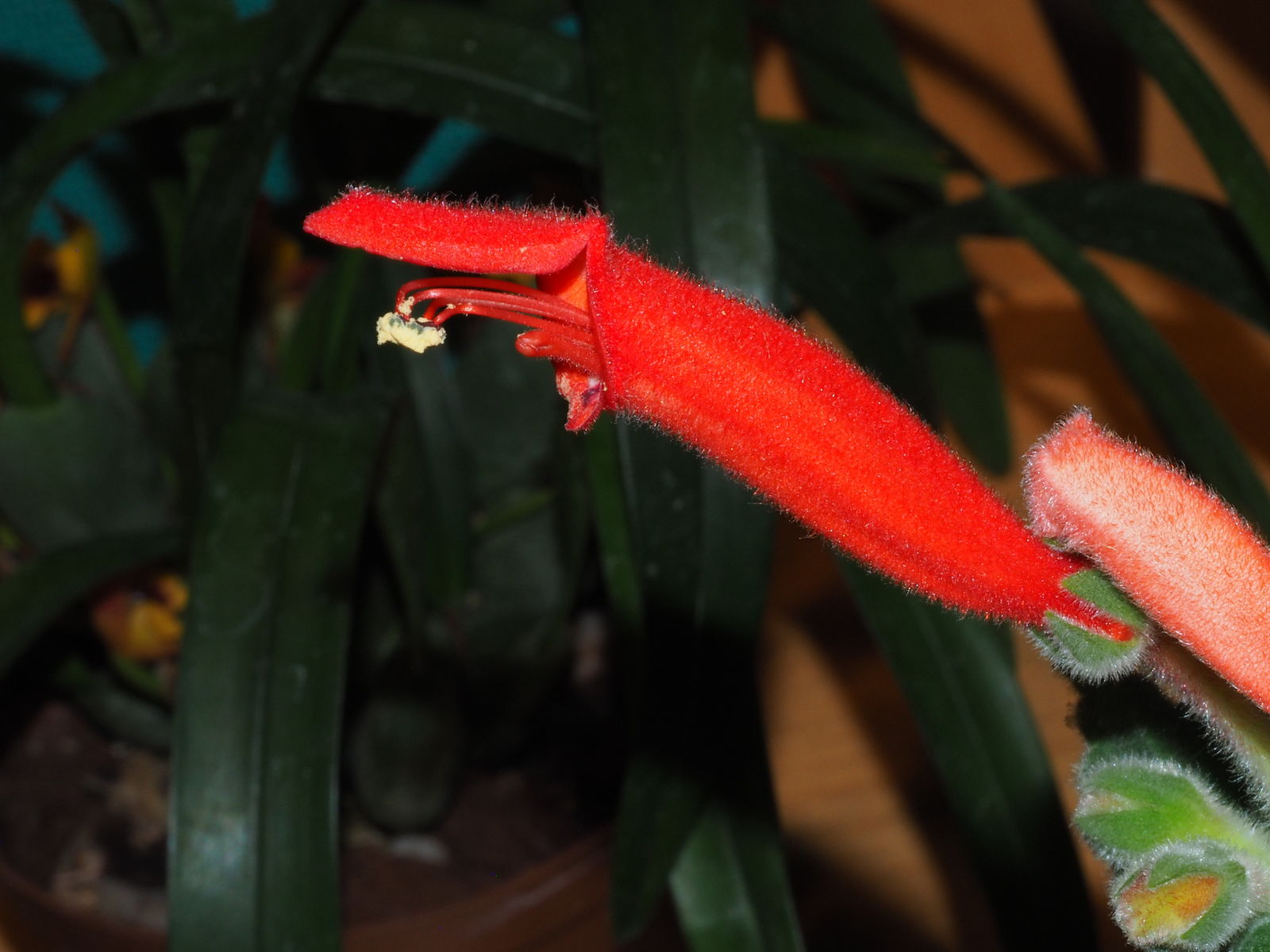
Sinningia
Sinningia is a genus of flowering plants in the family Gesneriaceae. It is named after Wilhelm Sinning (1792–1874), a gardener of the Botanische Gärten der Friedrich-Wilhelms-Universität Bonn. There are about 65 species of tuberous herbaceous perennials, all occurring in Central and South America, with the greatest concentration of species occurring in southern Brazil.

Enterolobium
Enterolobium is a genus of 12 species of flowering plants in the family Fabaceae, native to tropical and warm-temperate regions of the Americas. They are medium-sized to large trees.

Coccothrinax
Coccothrinax is a genus of palms in the family Arecaceae. There are more than 50 species described in the genus, plus many synonyms and subspecies. A new species (Coccothrinax spirituana) was described as recently as 2017. Many Coccothrinax produce thatch. In Spanish-speaking countries, guano is a common name applied to Coccothrinax palms. The species are native throughout the Caribbean, the Bahamas, extreme southern Florida and southeastern Mexico, but most of the species are known only from Cuba.

Aiphanes
Aiphanes is a genus of spiny palms which is native to tropical regions of South and Central America and the Caribbean. There are about 26 species in the genus (see below), ranging in size from understorey shrubs with subterranean stems to subcanopy trees as tall as . Most have pinnately compound leaves (leaves which are divided into leaflets arranged feather-like, in pairs along a central axis); one species has entire leaves. Stems, leaves and sometimes even the fruit are covered with spines. Plants flower repeatedly over the course of their lifespan and have separate male and female flowers,
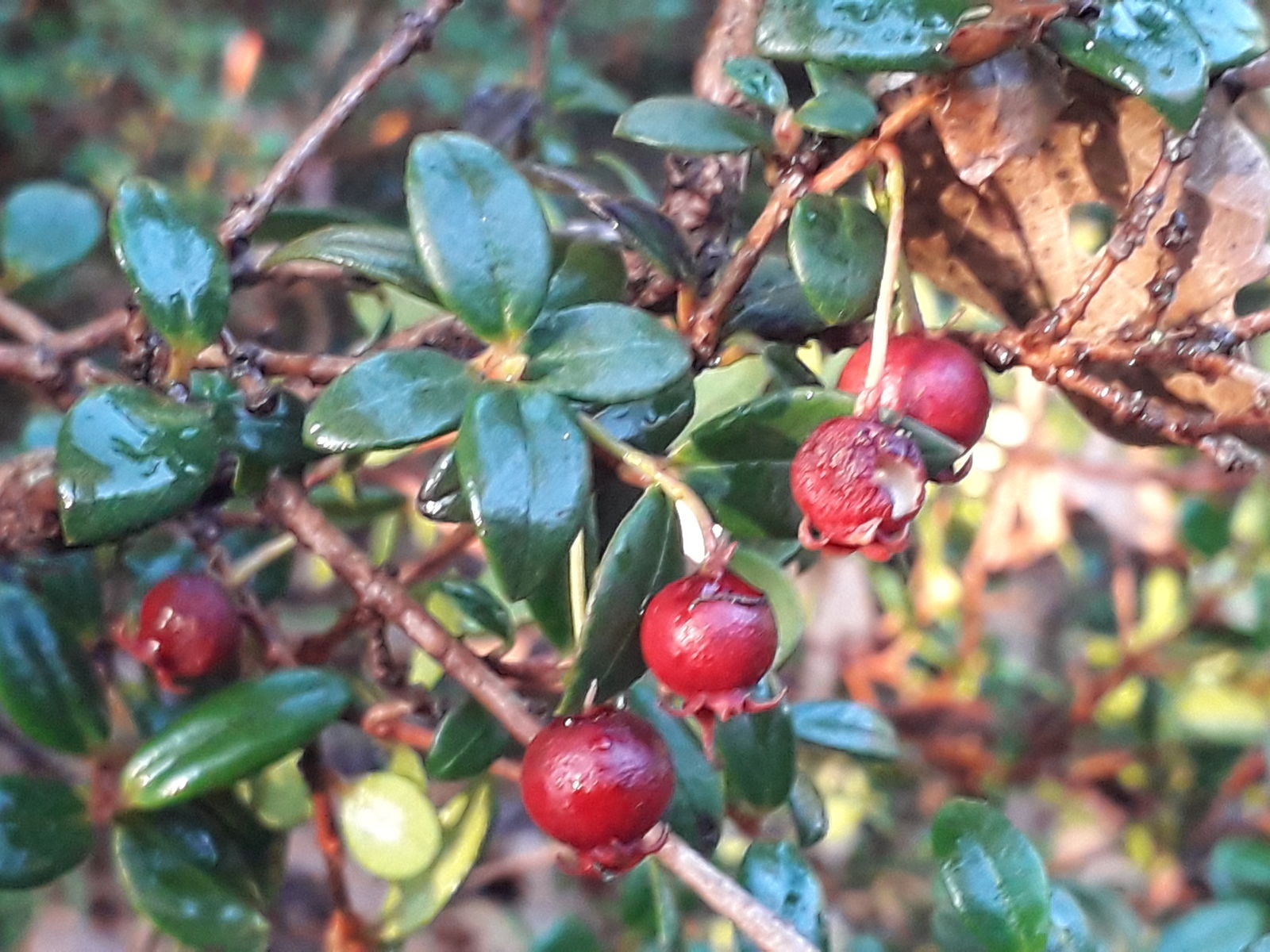
Ugni
Ugni is a genus of plants in the myrtle family Myrtaceae, described as a genus in 1848. It is native to western Latin America from the Valdivian temperate rain forests of southern Chile (including the Juan Fernández Islands) and adjacent regions of southern Argentina, north to southern Mexico.
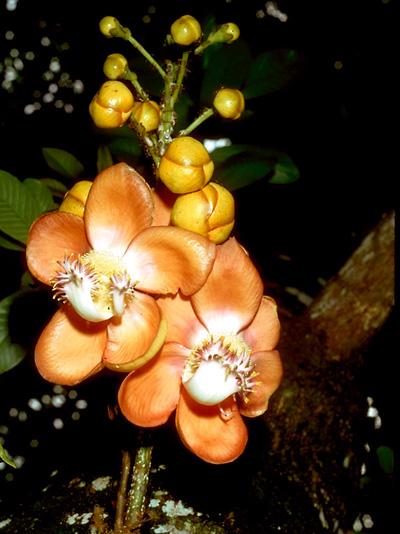
Couroupita
Couroupita is a genus of flowering plants in the family Lecythidaceae first described as a genus in 1775. It is native to tropical South America and Central America.
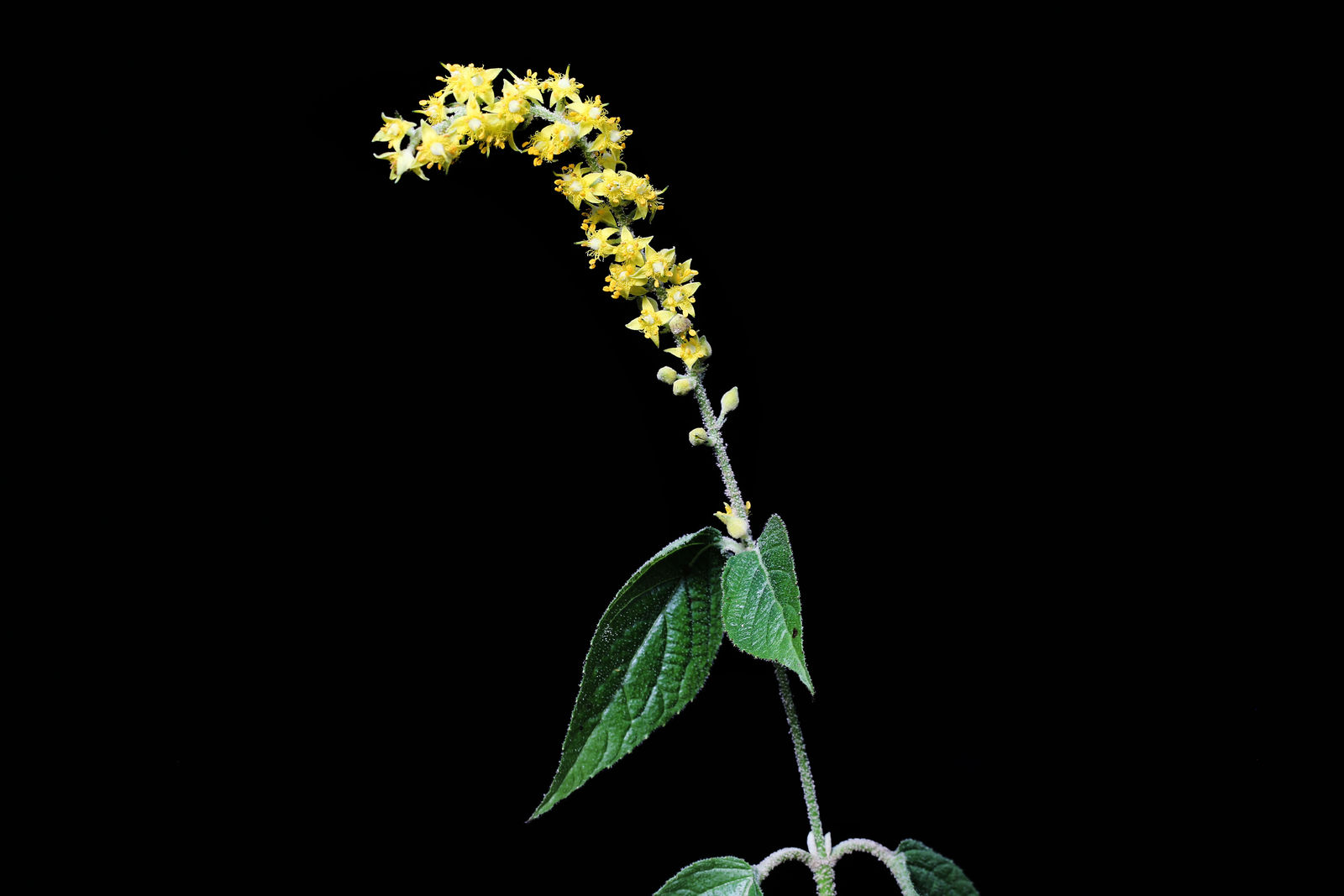
Abatia
Abatia (syn. Raleighia Gardner) is a genus of about ten species of Central and South American trees in the family Salicaceae (following the Angiosperm Phylogeny Group classification). Previously, it was treated in the family Flacourtiaceae, or tribe Abatieae of the family Passifloraceae (Lemke 1988) or Samydaceae by G. Bentham & J.D. Hooker and Hutchinson.
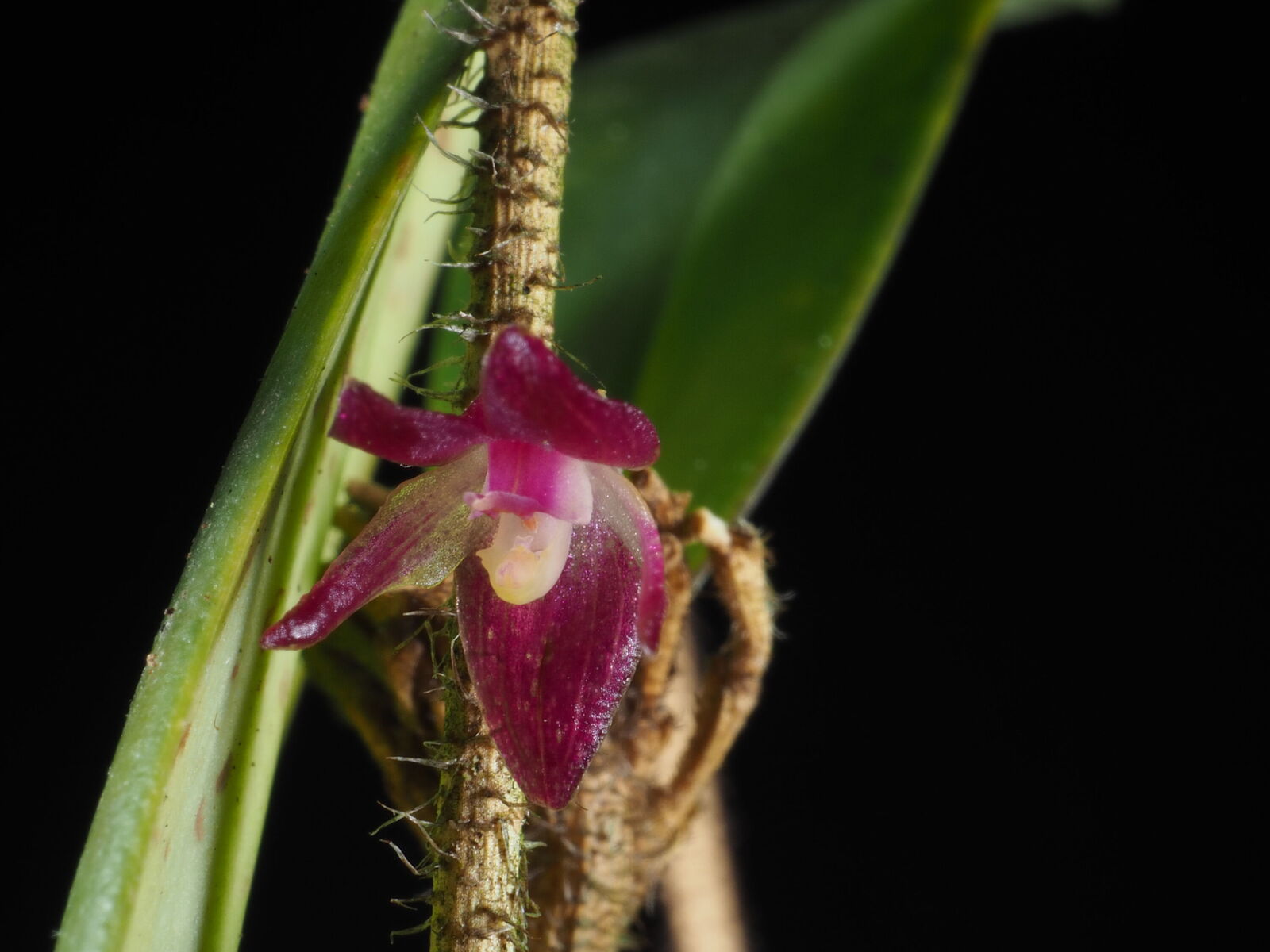
Myoxanthus
Myoxanthus (from Greek for "dormouse" and "flower") is a genus of orchids with over 50 species, widely distributed in southern Mexico, Central America, and tropical South America. This genus is a close ally of Pleurothallis.

Platystele
Platystele is a genus of orchids, comprising 123 species. Most of these have small flowers, some of the smallest in the family. The genus is widespread across Mexico, Central America, Cuba, and South America as far south as Bolivia, but infrequent in Brazil.
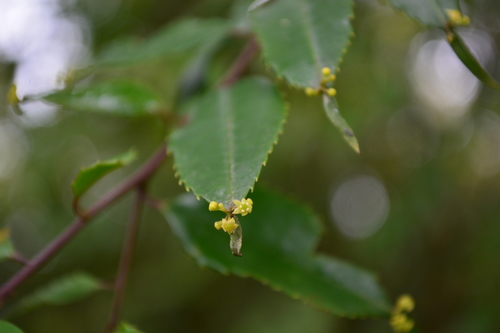
Phyllonoma
Phyllonoma is a genus consisting of four species of trees and shrubs native to South and Central America, from Peru to Mexico. It is the sole genus in the family Phyllonomaceae, syn. Dulongiaceae.
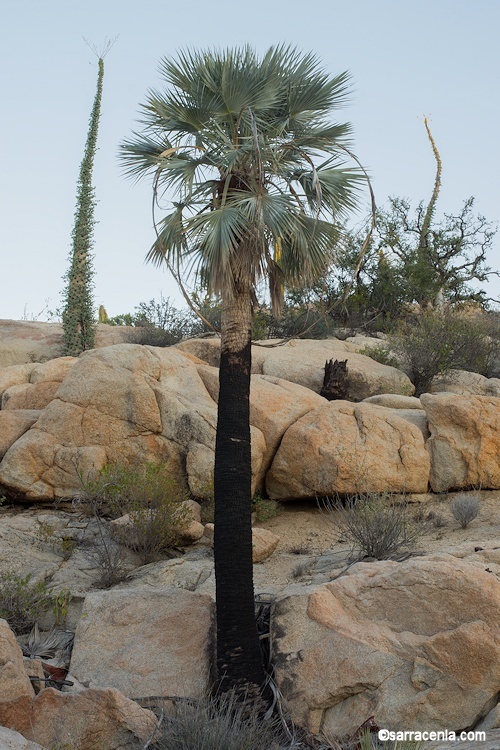
Brahea
Brahea is a genus of palms in the family Arecaceae. They are commonly referred to as hesper palms and are endemic to Mexico and Central America. All Hesper Palms have large, fan-shaped leaves.
The generic name honours Danish astronomer Tycho Brahe (1546-1601).
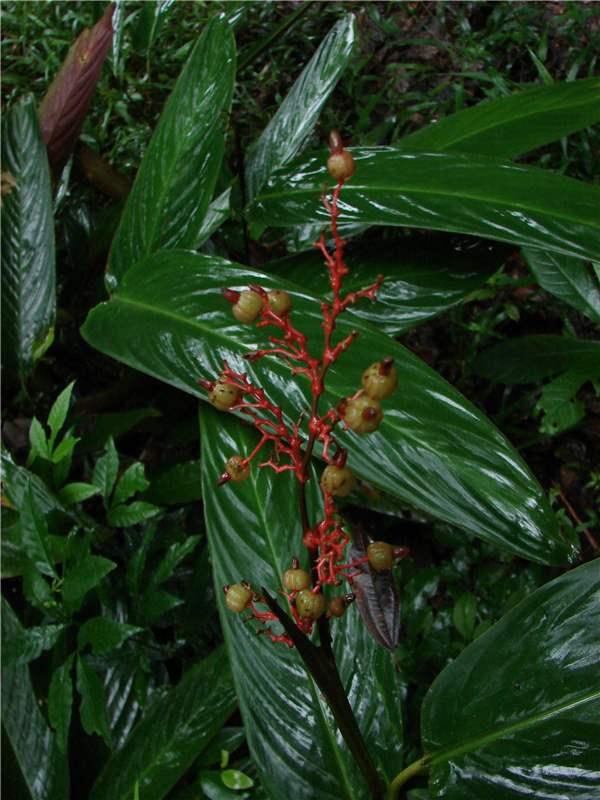
Stromanthe
Stromanthe is a genus of flowering plants in the family Marantaceae, native to the tropical portions of the Americas from Mexico to Trinidad to northern Argentina.

Odontonema
thumb|Odontonema schomburgkianum
Gliricidia
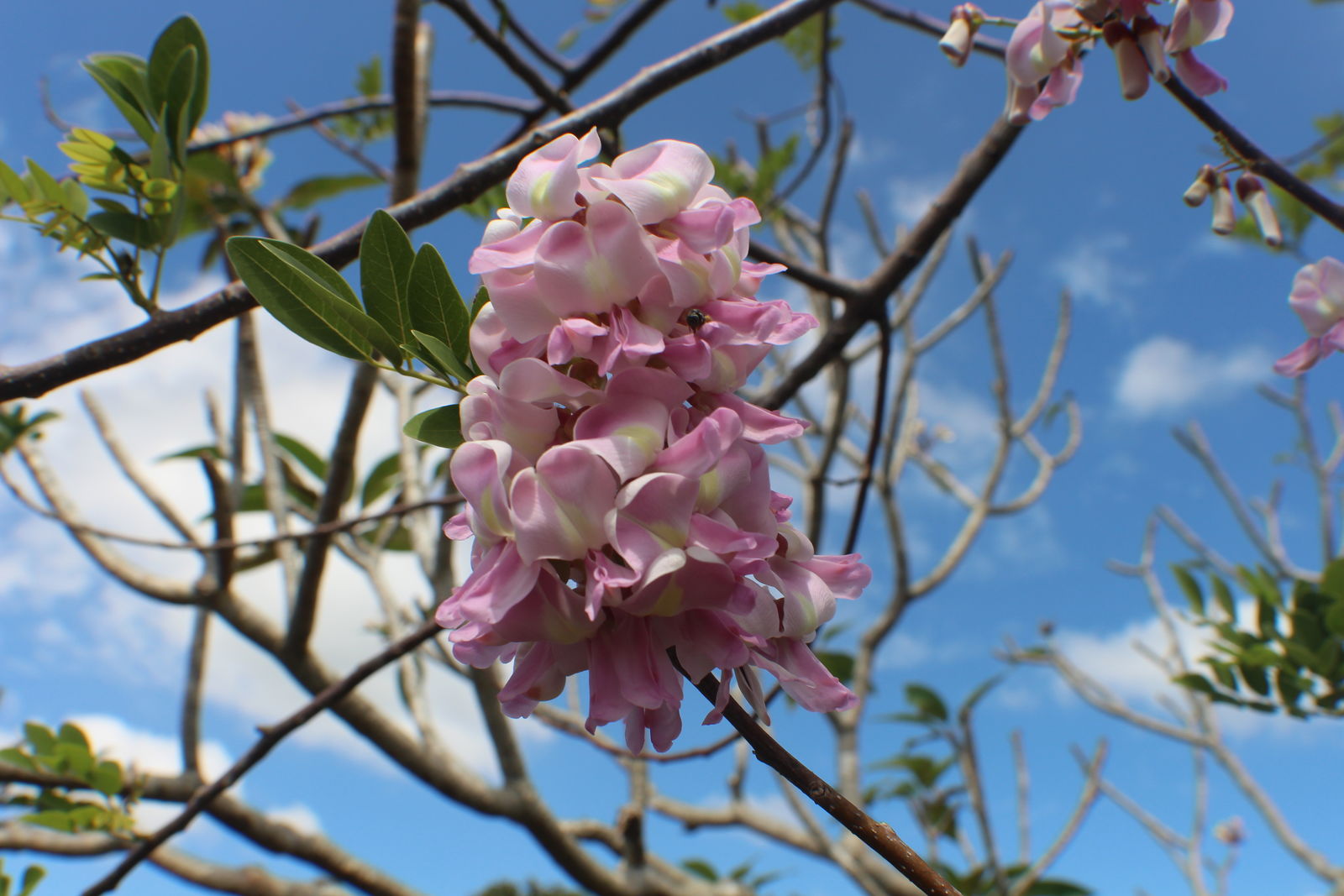
Gliricidia is a genus of flowering plants in the legume family, Fabaceae and tribe Robinieae. Its native range is Mexico to Peru, but Gliricidia sepium has been widely introduced to other tropical zones.

Streptogyna
Streptogyna is a widespread genus of tropical plants in the grass family. It is the only genus in the monotypic tribe Streptogyneae.