Category
page 1Flora of Western Asia

Olea europaea
The olive (botanical name Olea europaea, "European olive") is a species of subtropical evergreen tree in the family Oleaceae. Originating in Asia Minor, it is abundant throughout the Mediterranean Basin, with wild subspecies in Africa and western Asia; modern cultivars are traced primarily to the Near East, Aegean Sea, and Strait of Gibraltar. The olive is the type species for its genus, Olea, and lends its name to the Oleaceae plant family, which includes lilac, jasmine, forsythia, and ash. The olive fruit is classed botanically as a drupe, similar in structure and function to the cherry or p
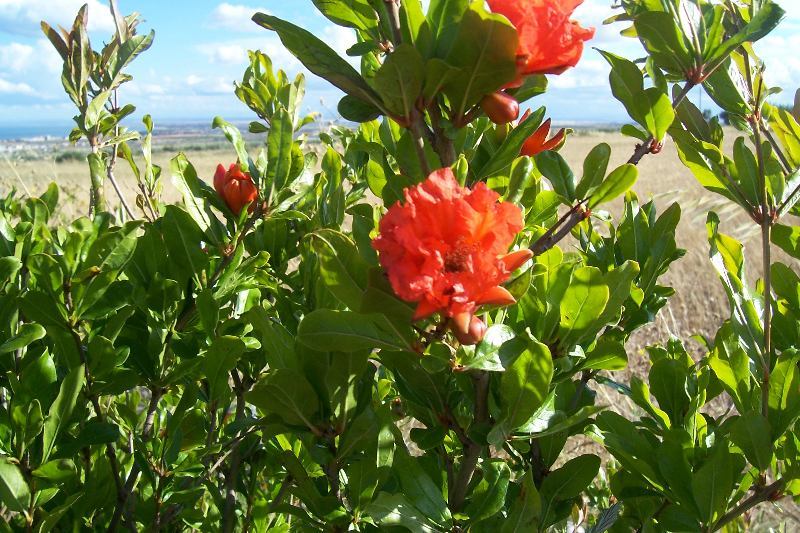
pomegranate
The pomegranate (Punica granatum) is a fruit-bearing, deciduous shrub in the family Lythraceae, subfamily Punicoideae, that grows to between tall. Rich in symbolic and mythological associations in many cultures, it originated in the region spanning the Caucasus and Iranian plateau — including modern-day Iran,Turkmenistan, Afghanistan and Pakistan. Pomegranate was first domesticated by ancient Iranians in the Persian plateau and nearby regions about 5,000 years ago. It is extensively cultivated for its fruit.
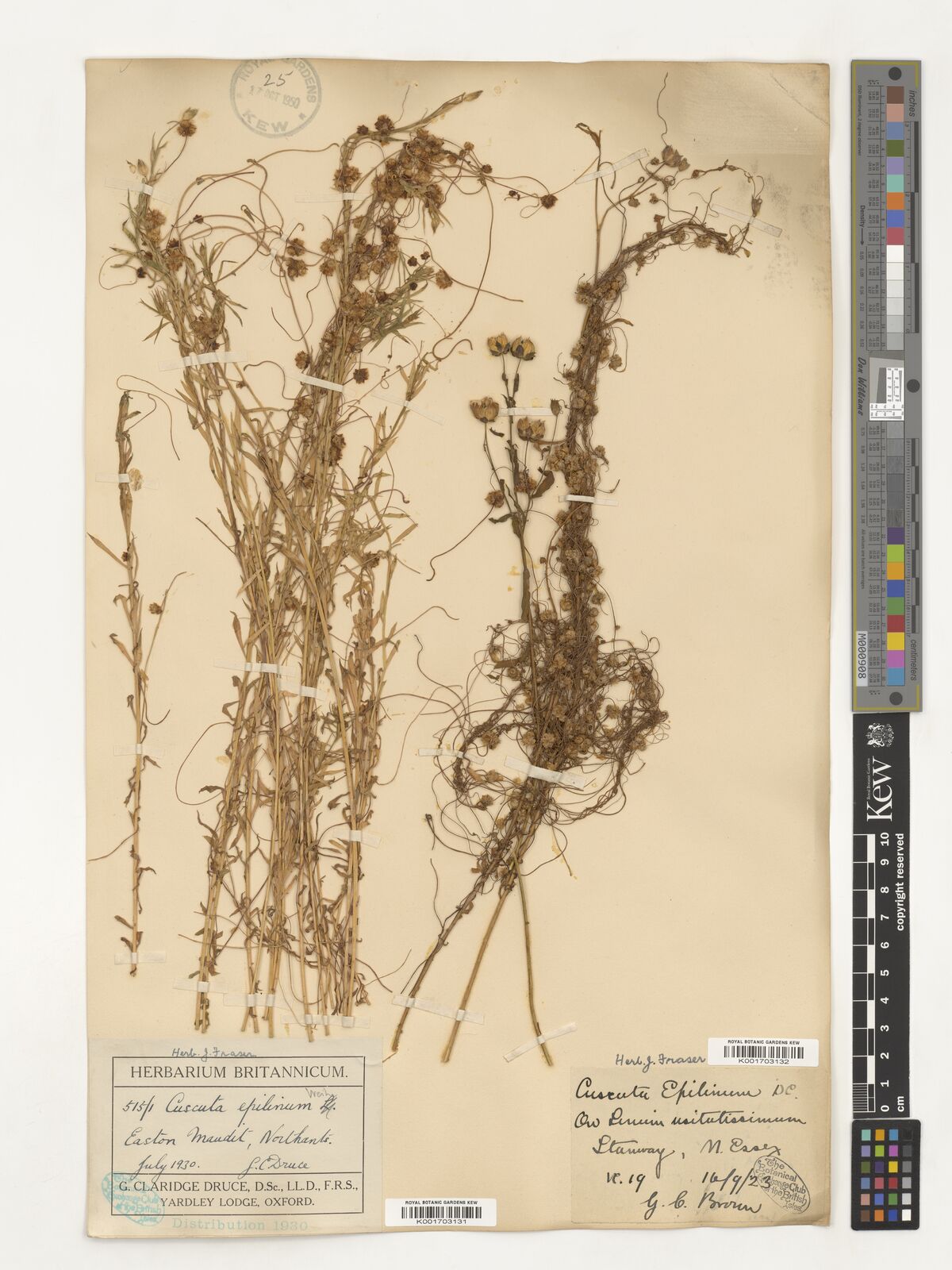
Linum usitatissimum
Flax, also known as common flax or linseed, is a flowering plant, Linum usitatissimum, in the family Linaceae. It is cultivated as a food and fiber crop in regions of the world with temperate climates.
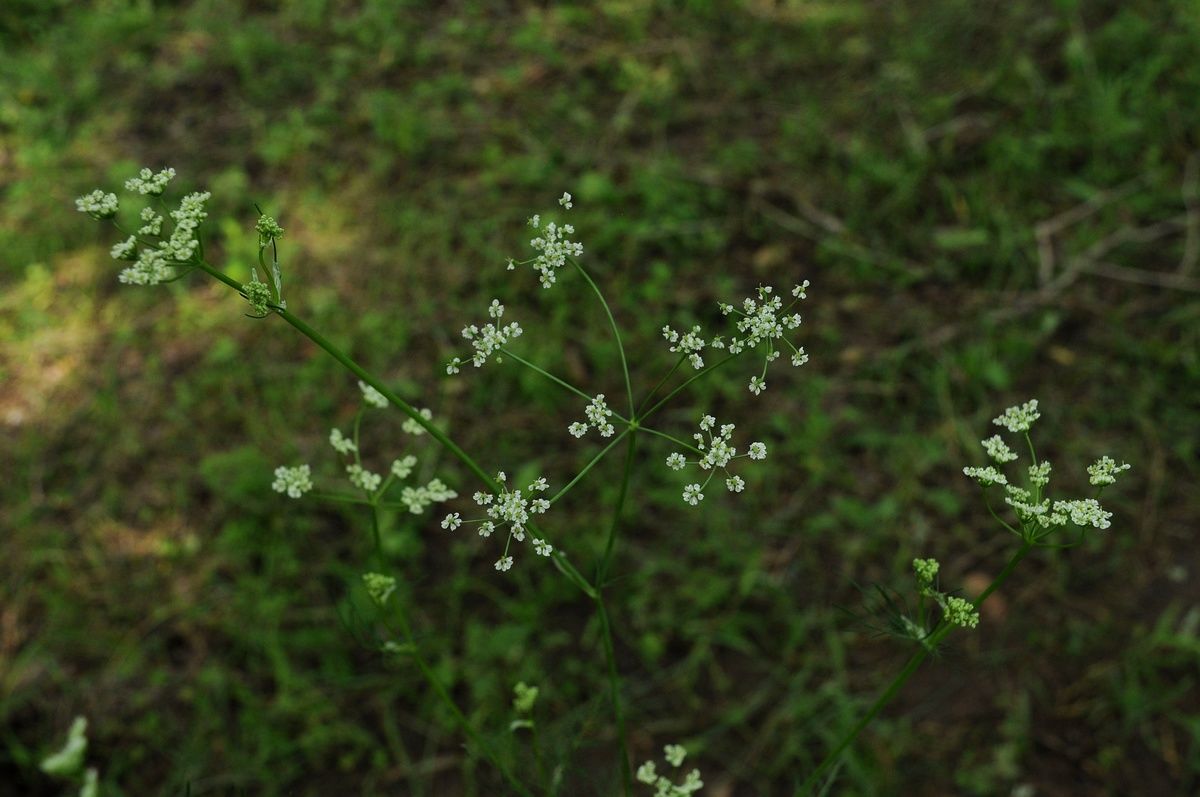
Carum carvi
Caraway (Carum carvi), also known as meridian fennel, is a biennial plant in the family Apiaceae, native to western Asia, Europe, and North Africa.

Prunus avium
species of plant
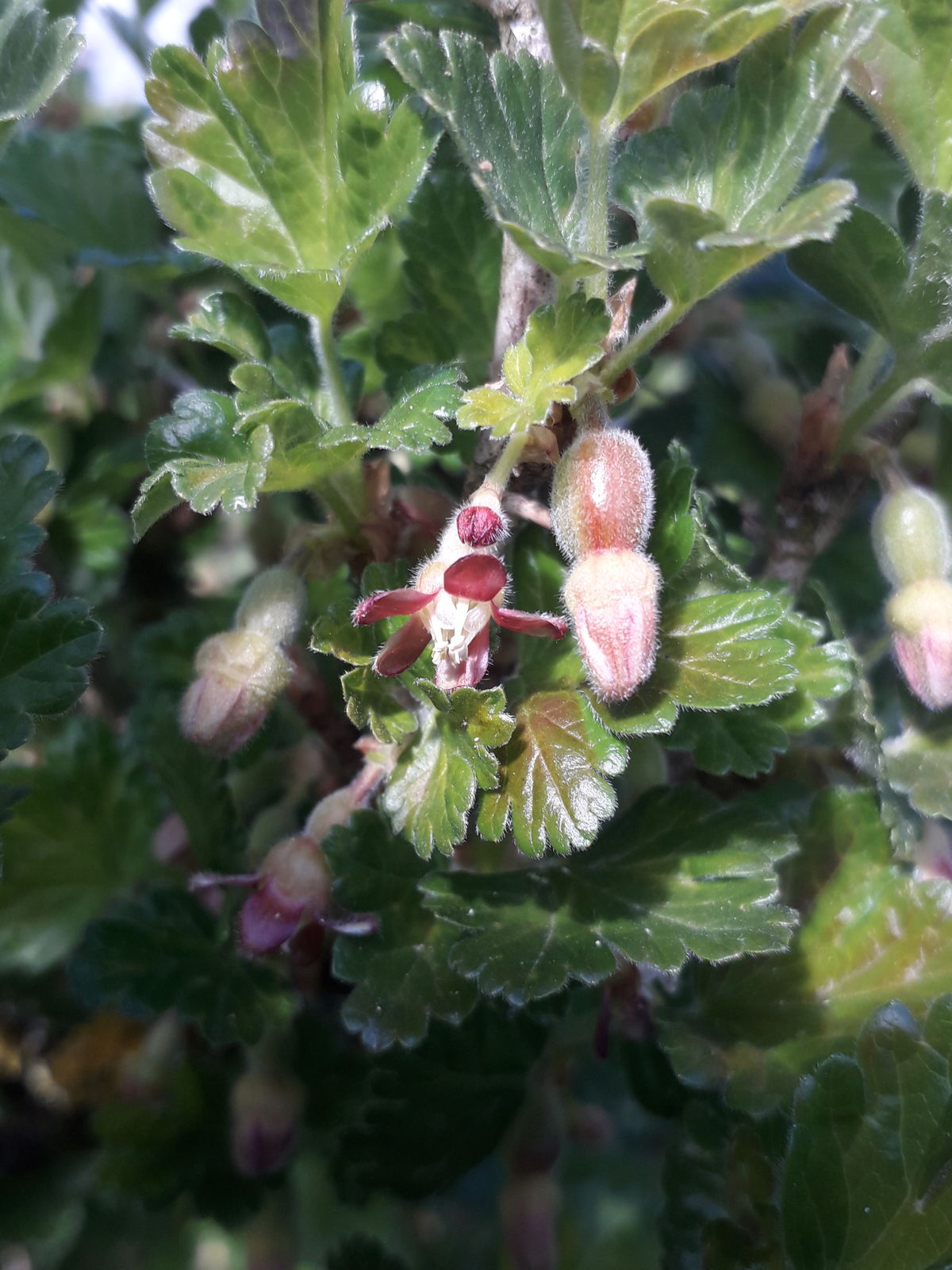
Ribes uva-crispa
species of plant
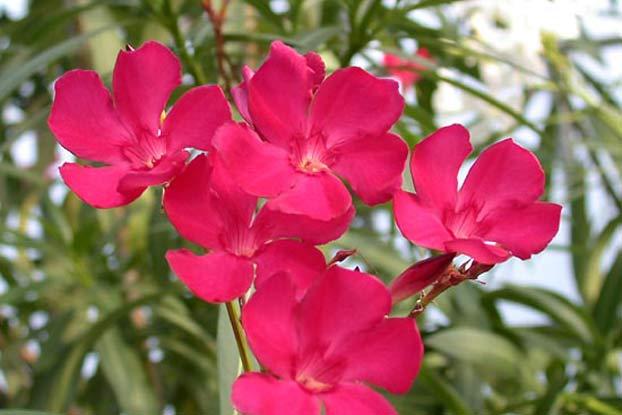
Nerium oleander
Nerium oleander ( ), commonly known as oleander, rose laurel, be-still tree or rosebay, is a shrub or small tree cultivated worldwide in temperate and subtropical areas as an ornamental and landscaping plant. It is the only species currently classified in the genus Nerium, belonging to subfamily Apocynoideae of the dogbane family Apocynaceae. It is so widely cultivated that no precise region of origin has been identified, though it is usually associated with the Mediterranean Basin.
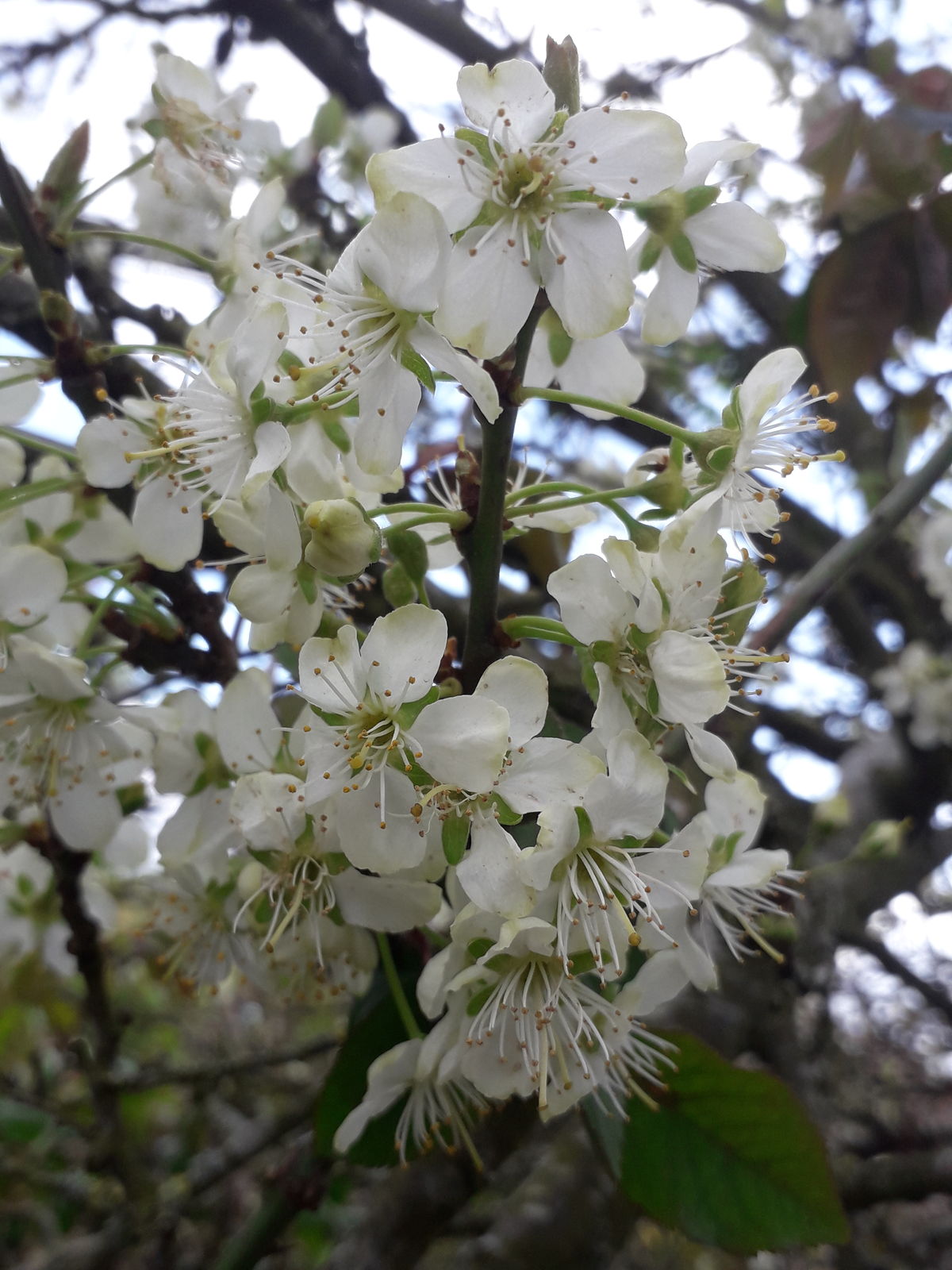
Prunus domestica
species of plant in the rose family (Rosaceae)

Corylus avellana
species of plant

Q131517
species of plant
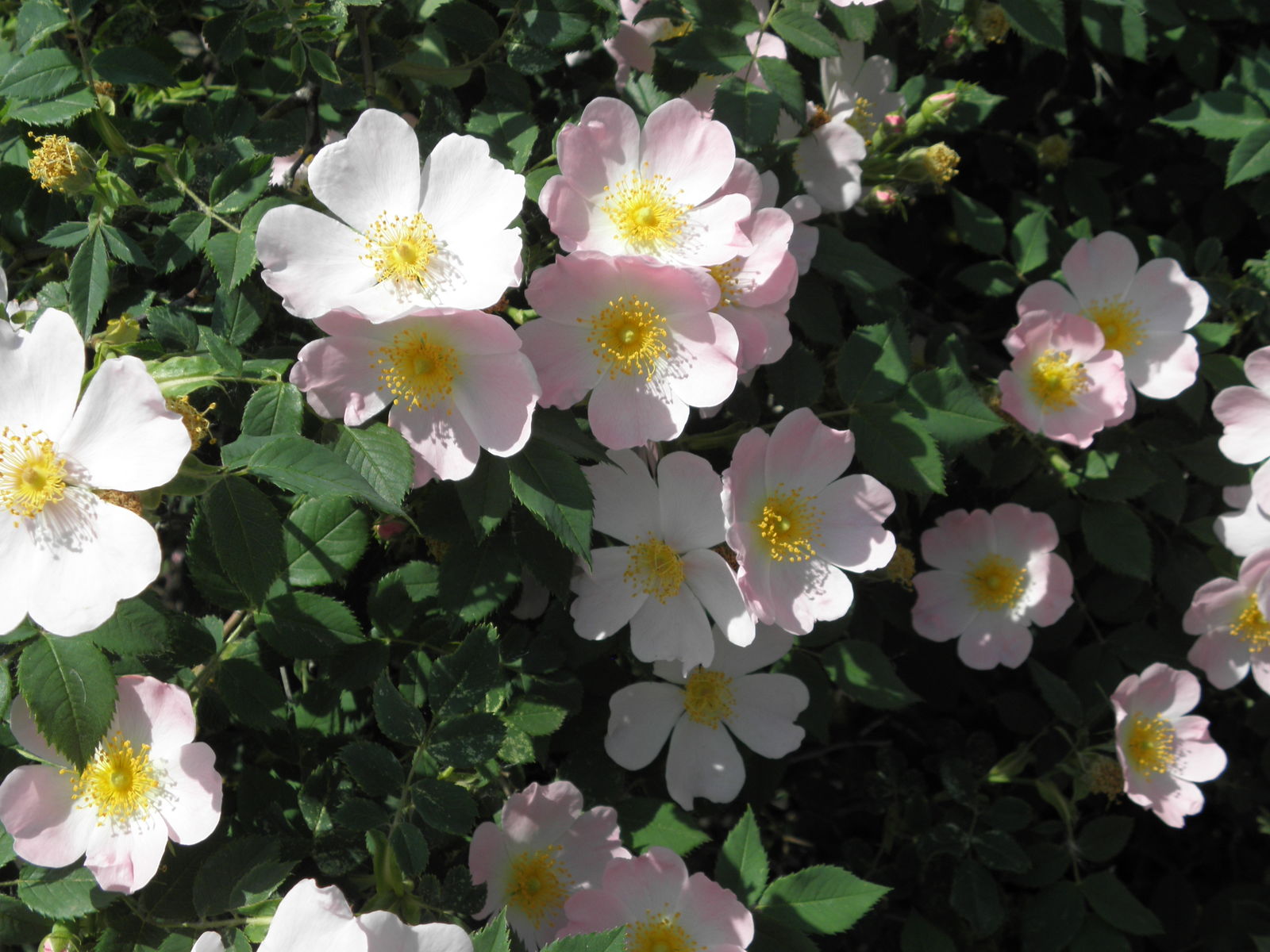
Rosa canina
species of plant
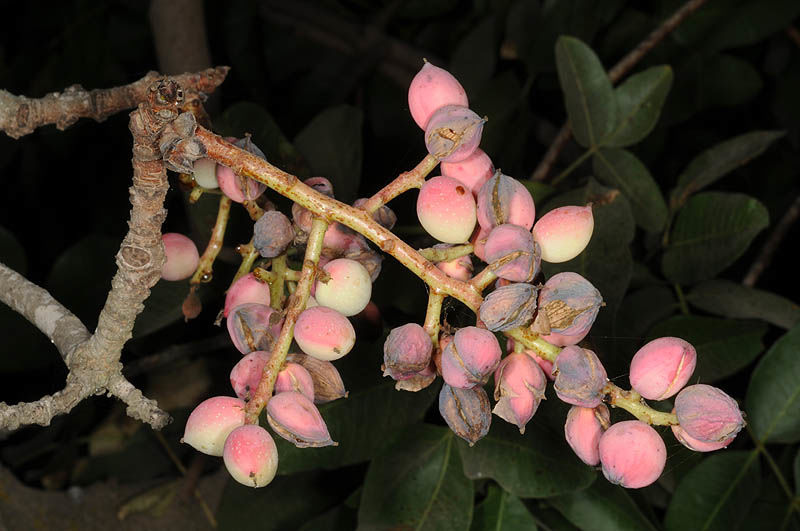
Pistacia vera
The pistachio (, ; Pistacia vera) is a small to medium-sized tree of the cashew family. The tree produces seeds that are widely consumed as food. Pistachios are eaten whole, and can be used as an ingredient in desserts, chocolate, candy, ice cream, and as a paste or butter. As a tree nut, pistachios are considered a priority allergen that may induce allergic reactions in susceptible people.
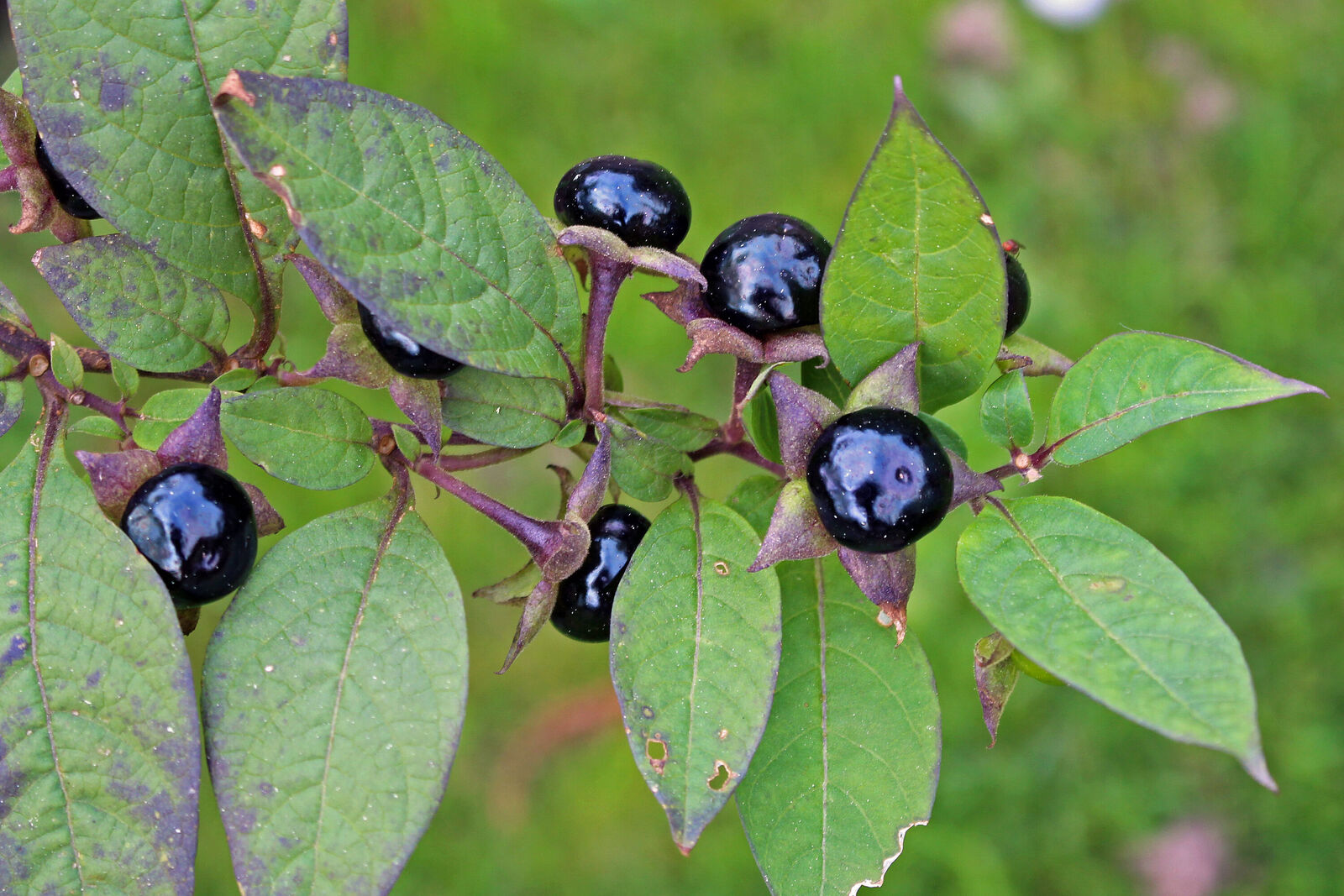
Atropa bella-donna
species of toxic flowering plant in the nightshade family
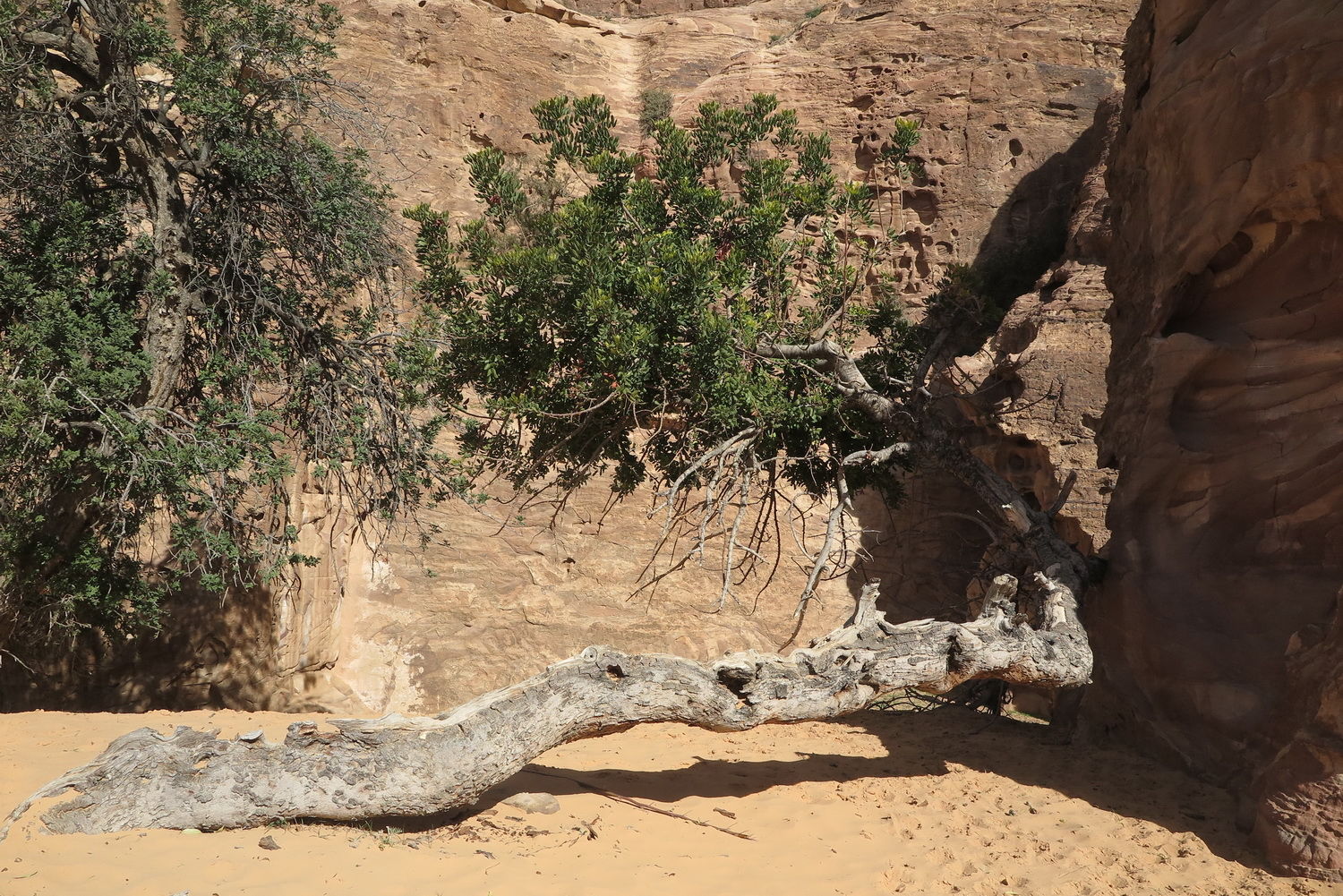
Ceratonia siliqua
The carob ( ; Ceratonia siliqua) is a flowering evergreen tree or shrub in the Caesalpinioideae subfamily of the legume family, Fabaceae. The carob tree is native to the Mediterranean region and the Middle East. It is widely cultivated for its edible fruit, which takes the form of seed pods, and as an ornamental tree in gardens and landscapes. Spain is its largest producer, followed by Italy and Morocco.

Apium graveolens
species of edible plant; the vegetables celery, celeriac and leaf celery are modern cultivars
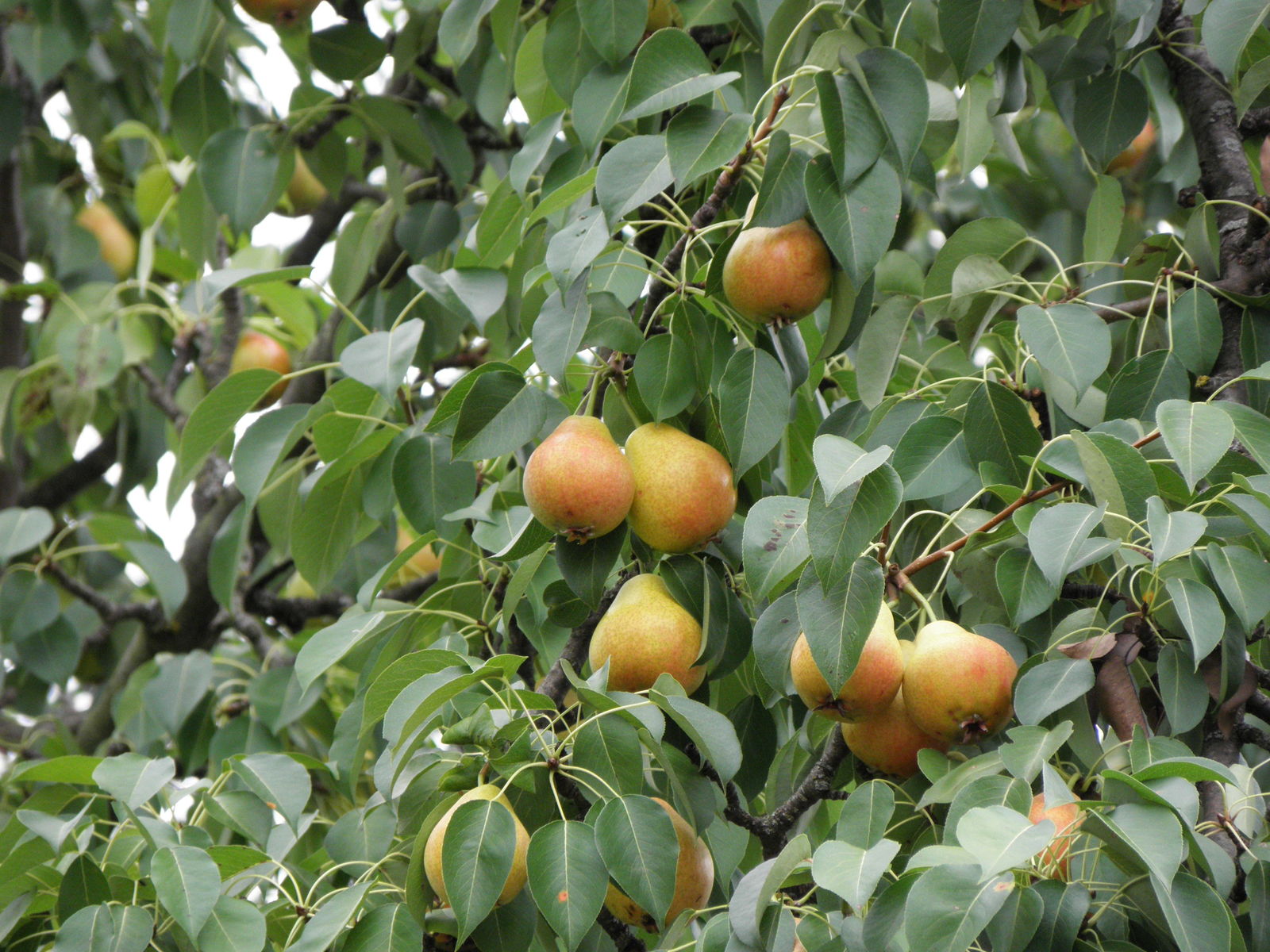
Pyrus communis
species of plant
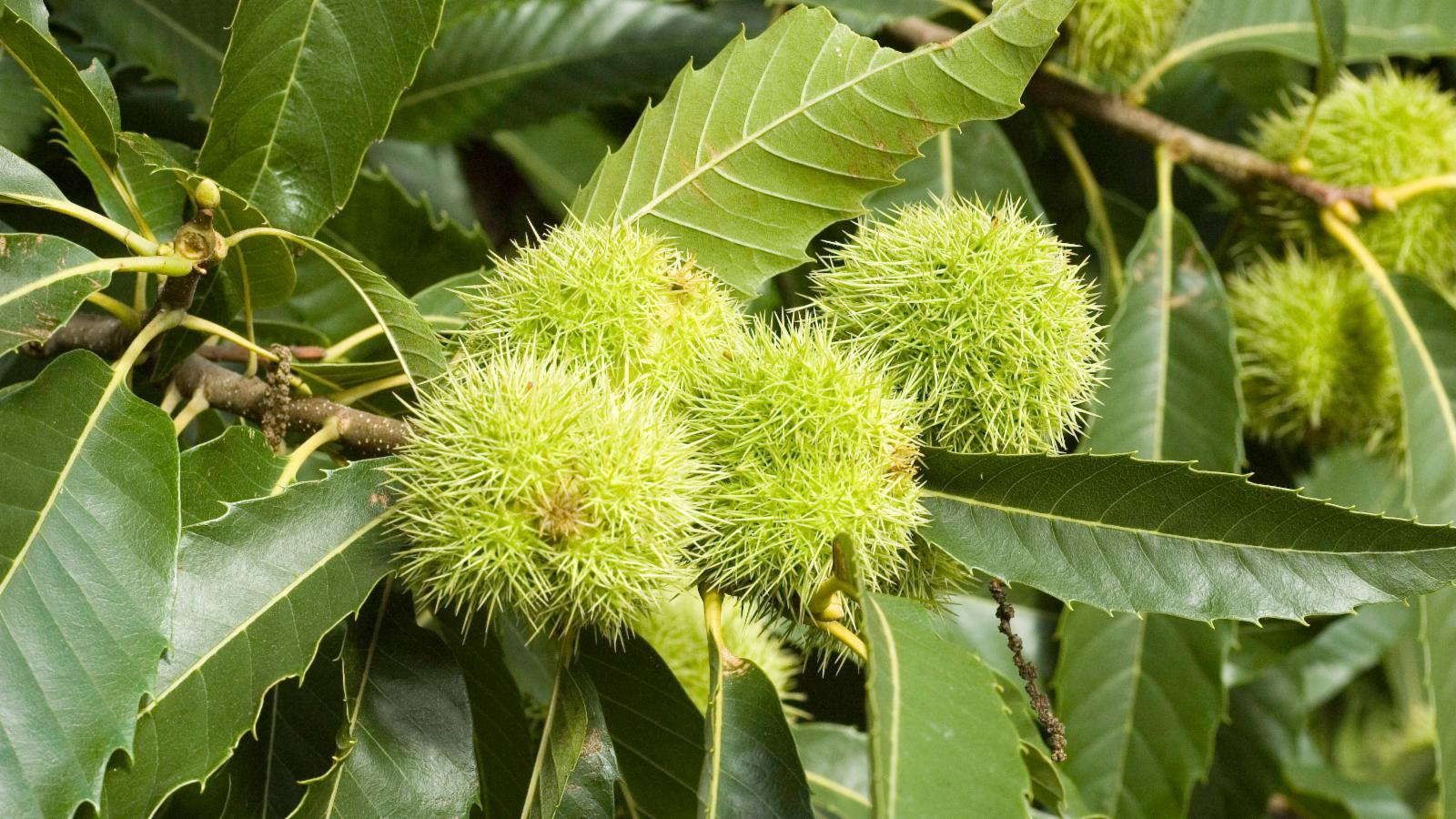
Castanea sativa
species of plant
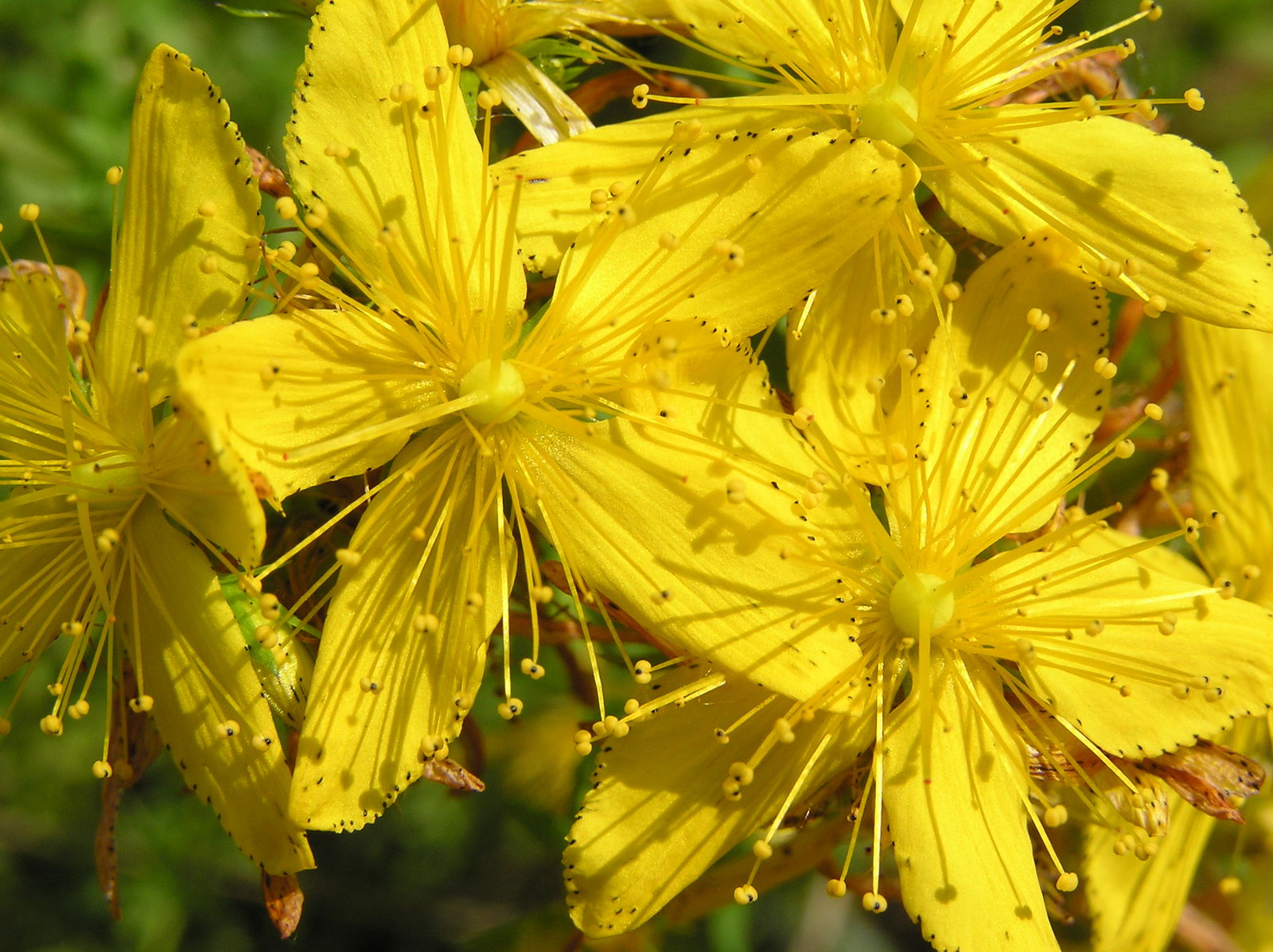
Hypericum perforatum
species of plant
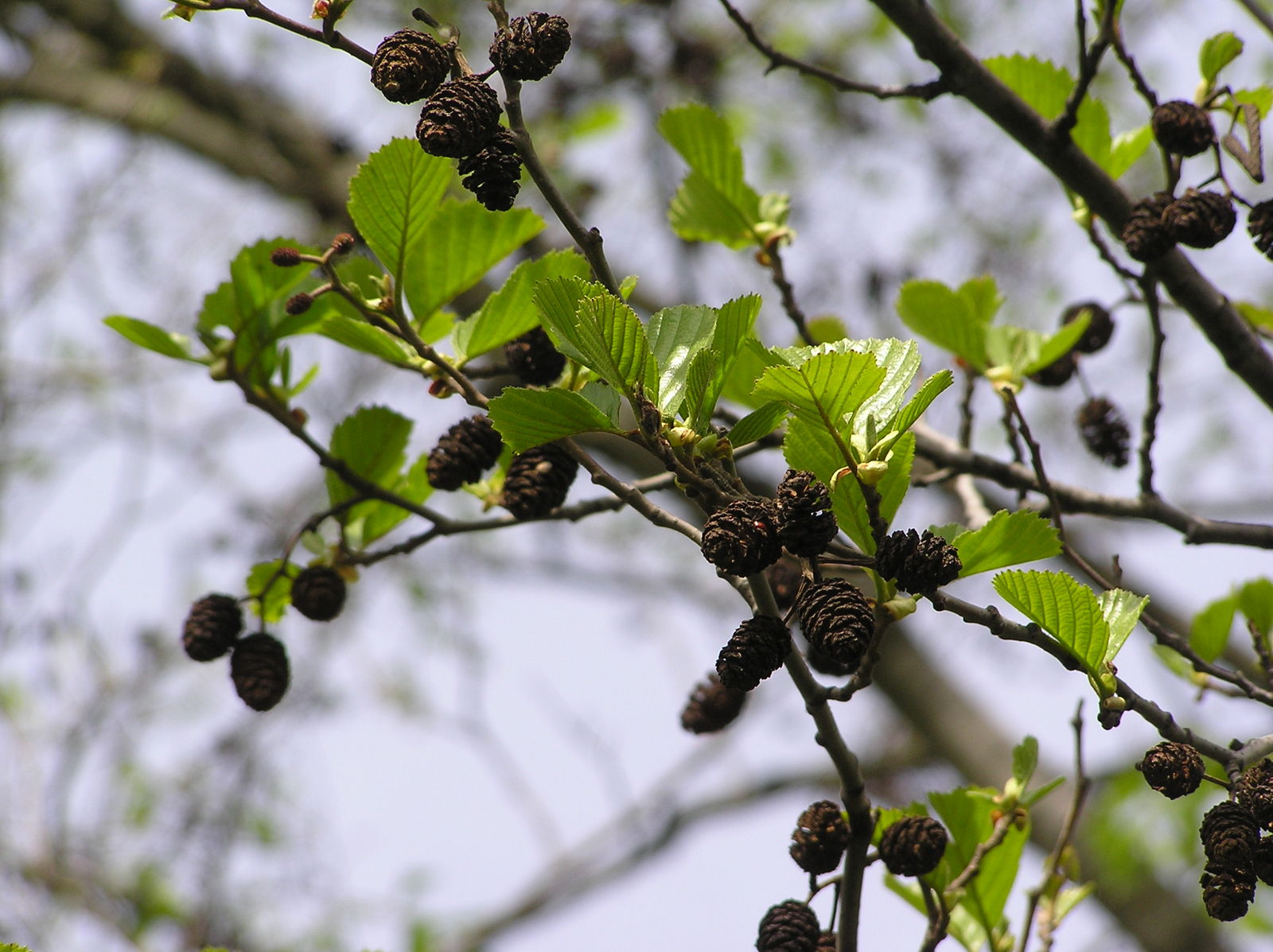
Alnus glutinosa
species of plant
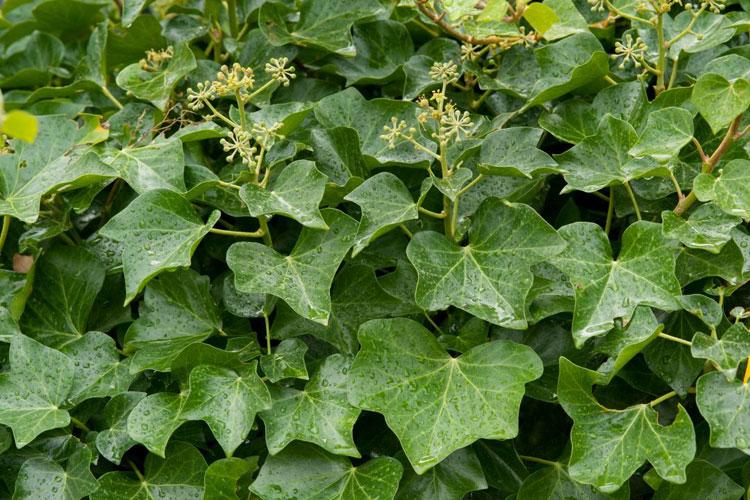
Hedera helix
species of plant
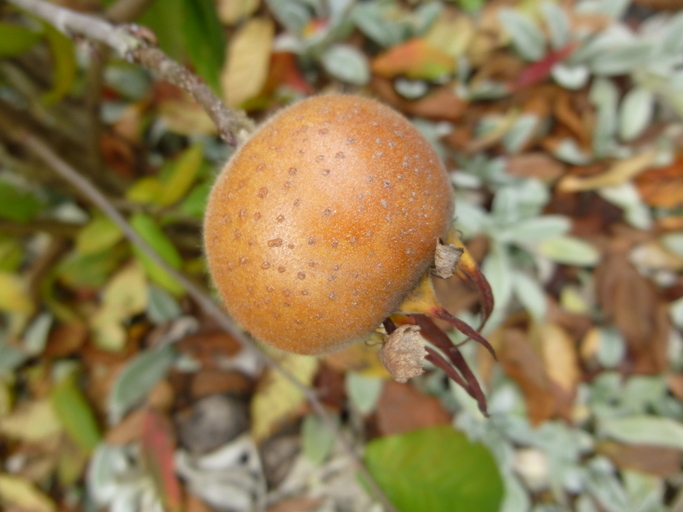
Mespilus germanica
species of plant medlar

Fraxinus excelsior
species of tree
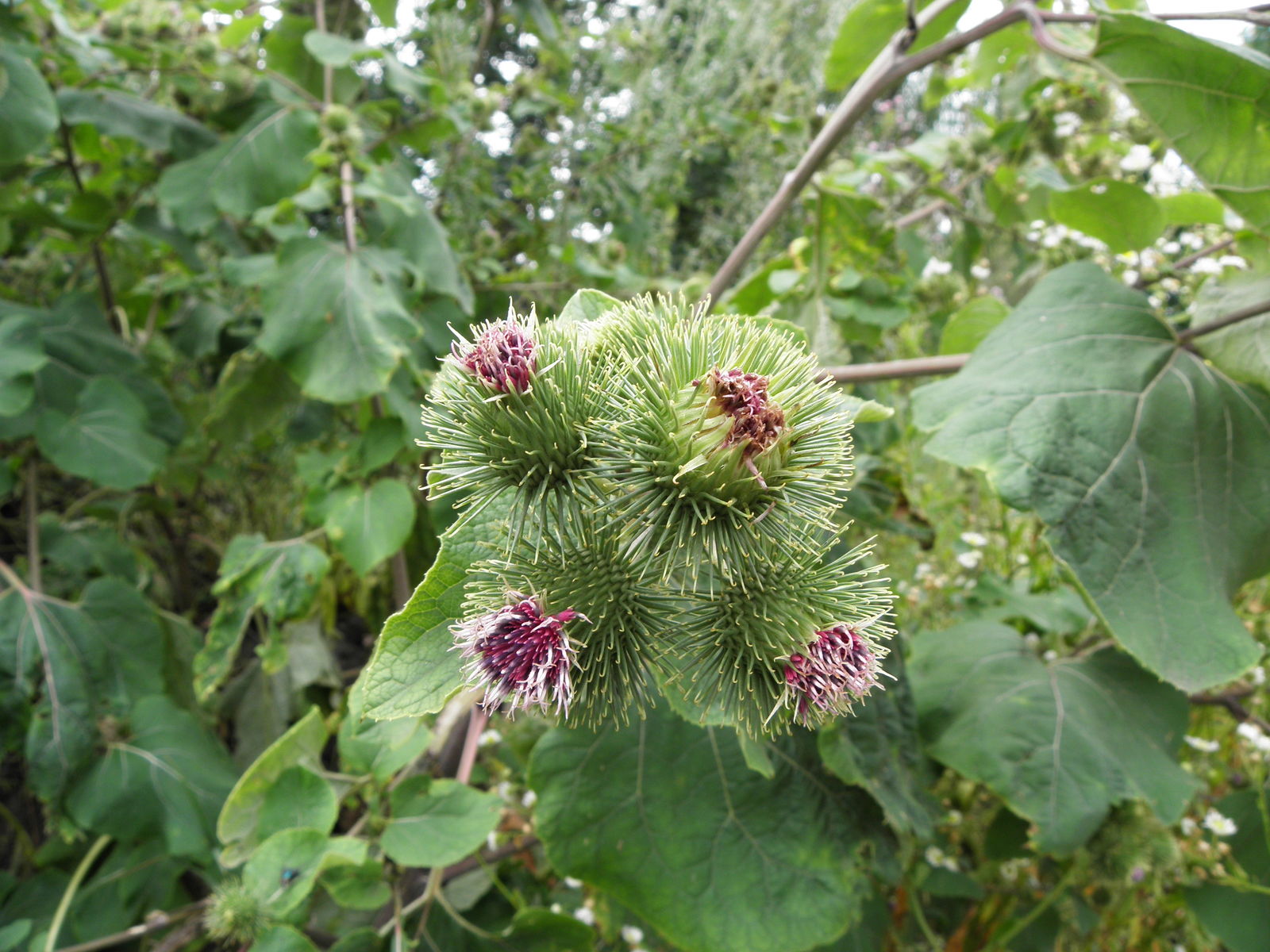
Arctium lappa
species of plant

Cedrus libani
species of plant
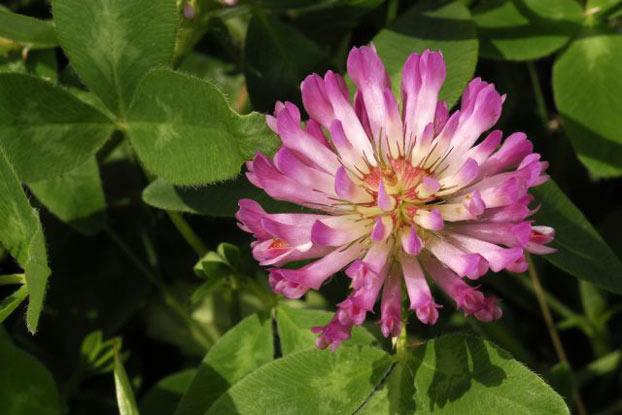
Trifolium pratense
species of plant

Viola odorata
species of plant
_fullsize.jpg)
Pinus pinea
species of plant

Q26745
species of plant
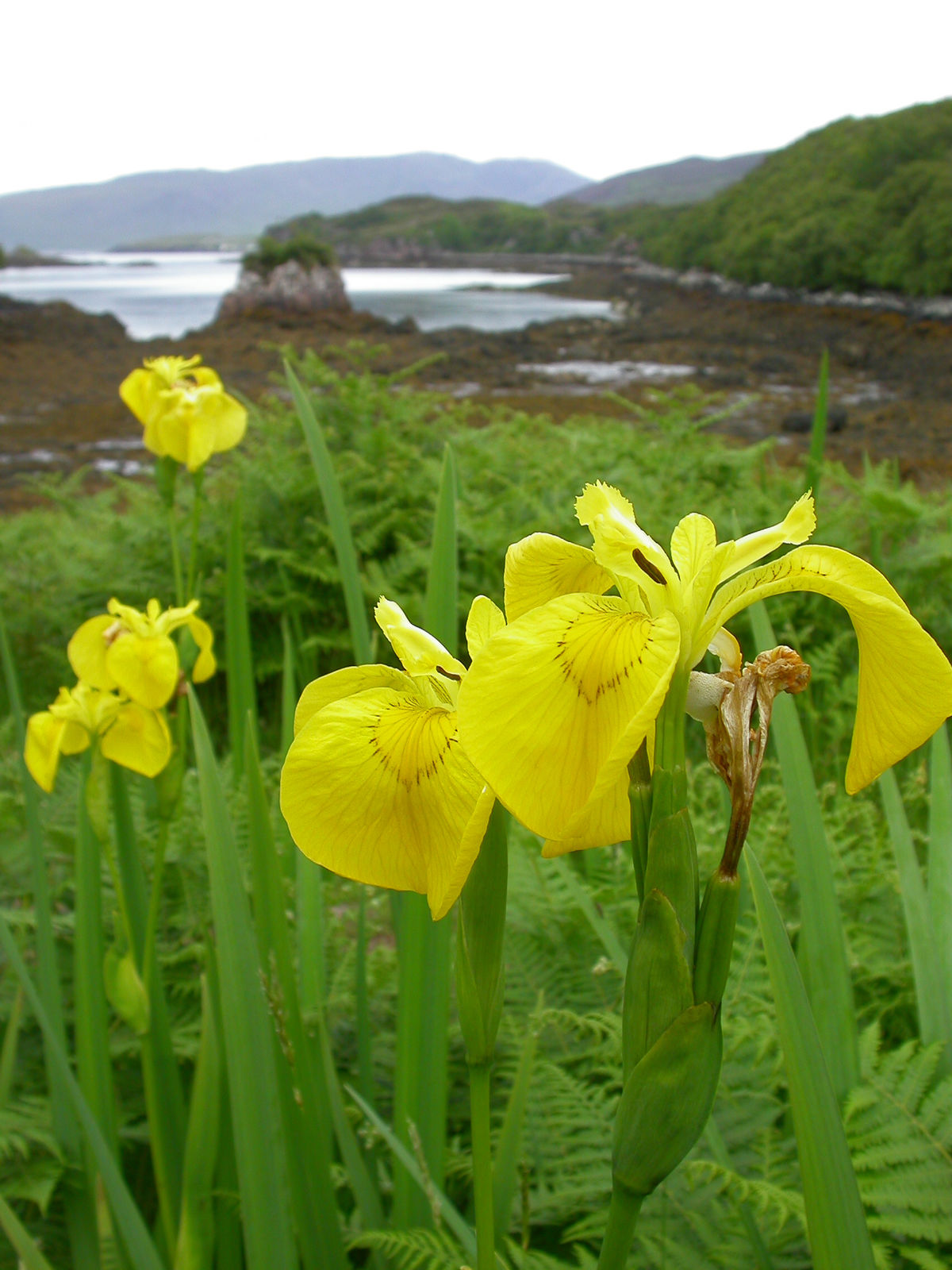
Iris pseudacorus
species of plant
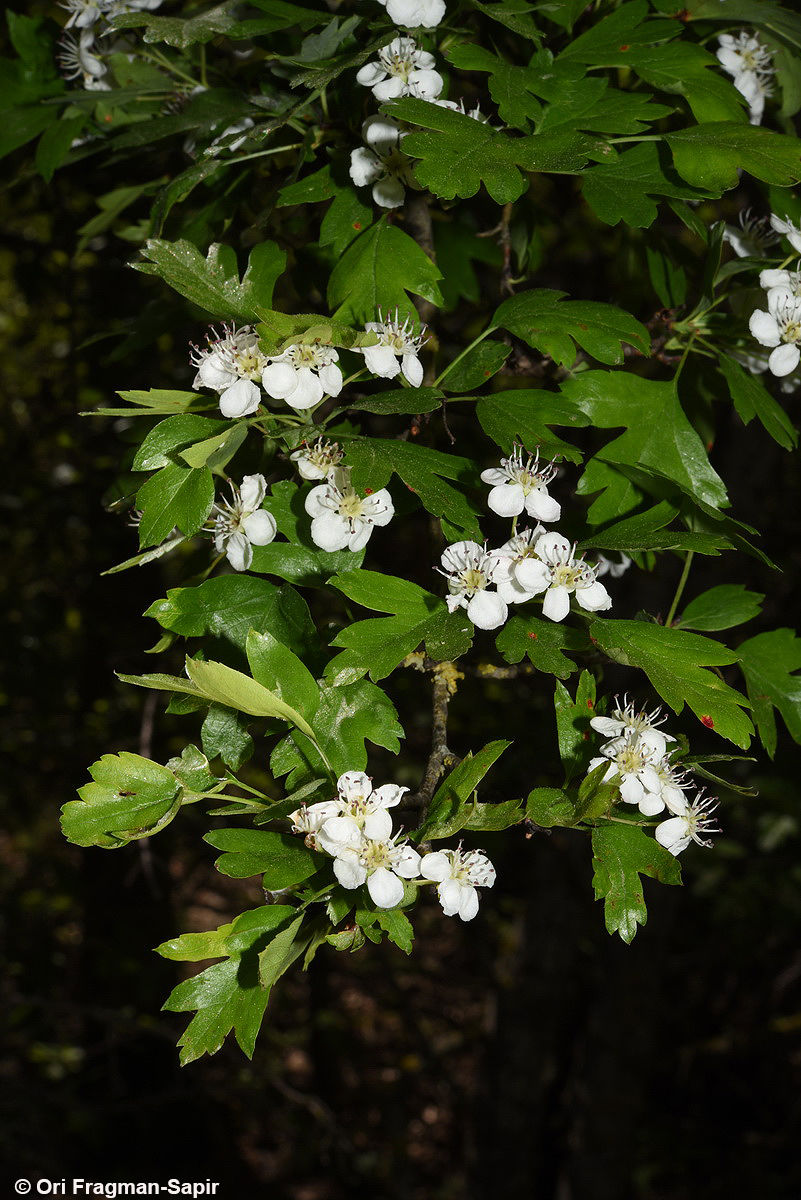
Crataegus monogyna
species of plant
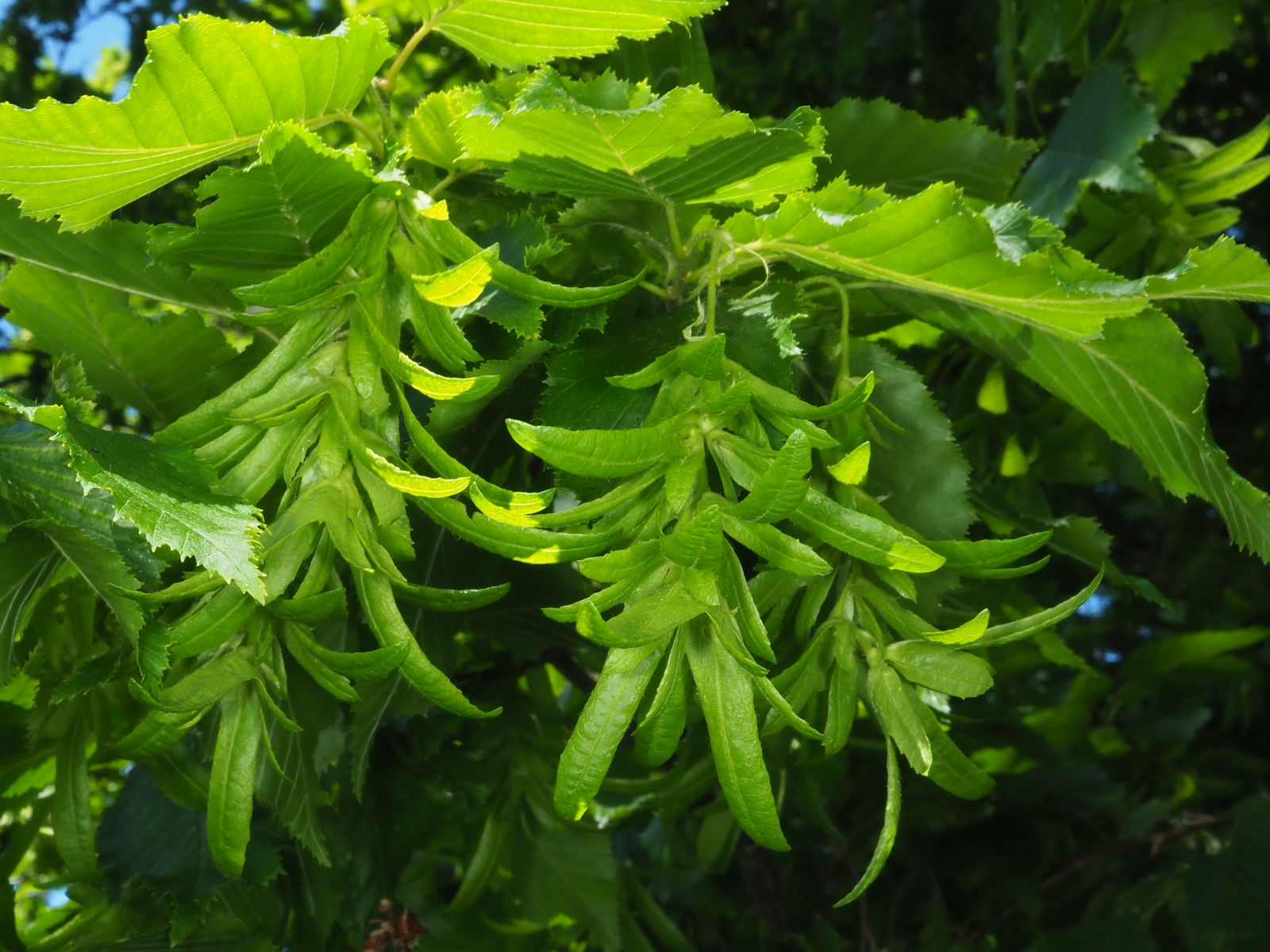
Carpinus betulus
species of plant

Agrostemma githago
species of plant
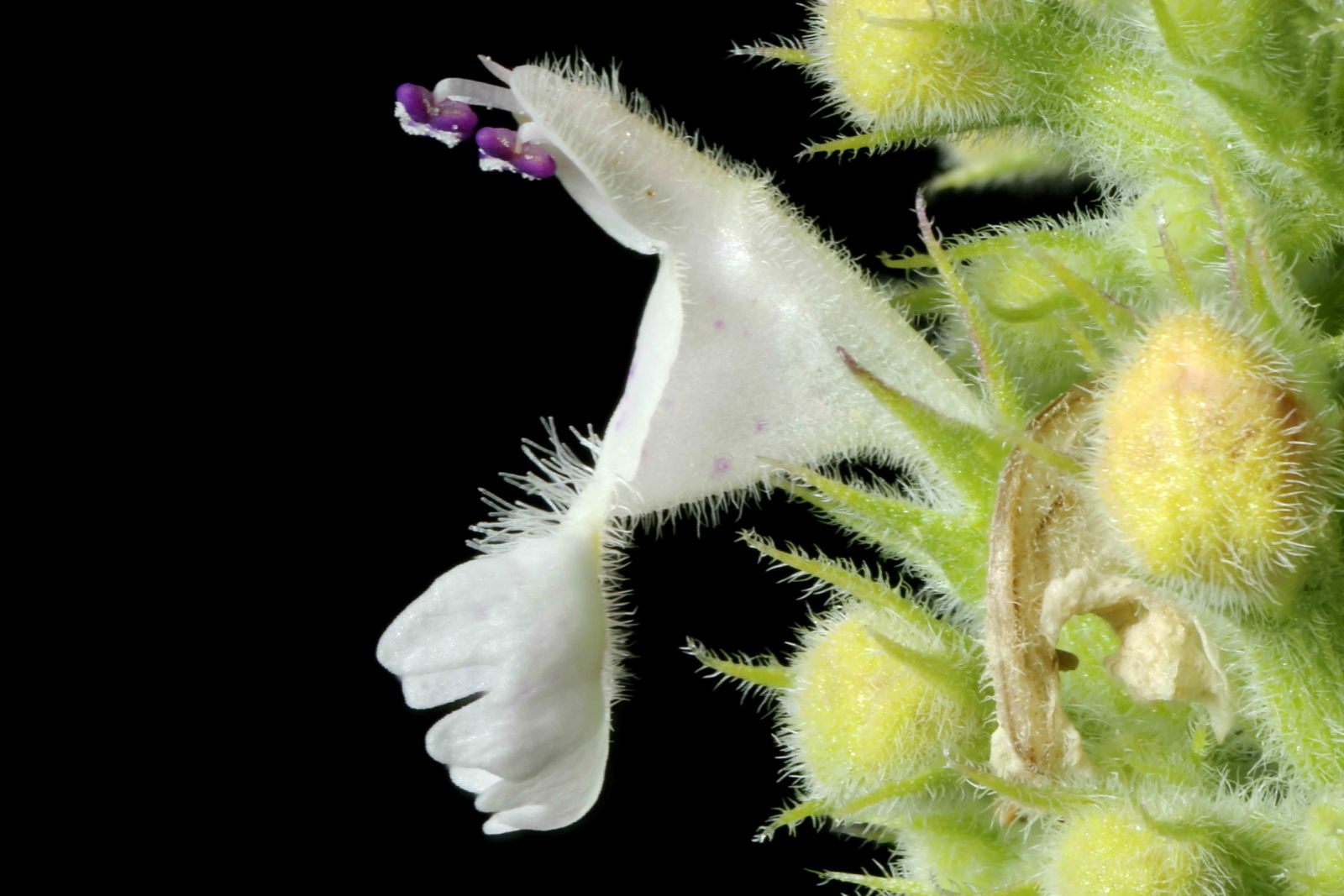
Nepeta cataria
Nepeta cataria, commonly known as catnip and catmint, is a species of the genus Nepeta in the mint family, native to southern and eastern Europe, northern parts of the Middle East, and Central Asia. It is widely naturalized in northern Europe, New Zealand, and North America. The common name catmint can also refer to the genus as a whole.

Daphne mezereum
species of plant
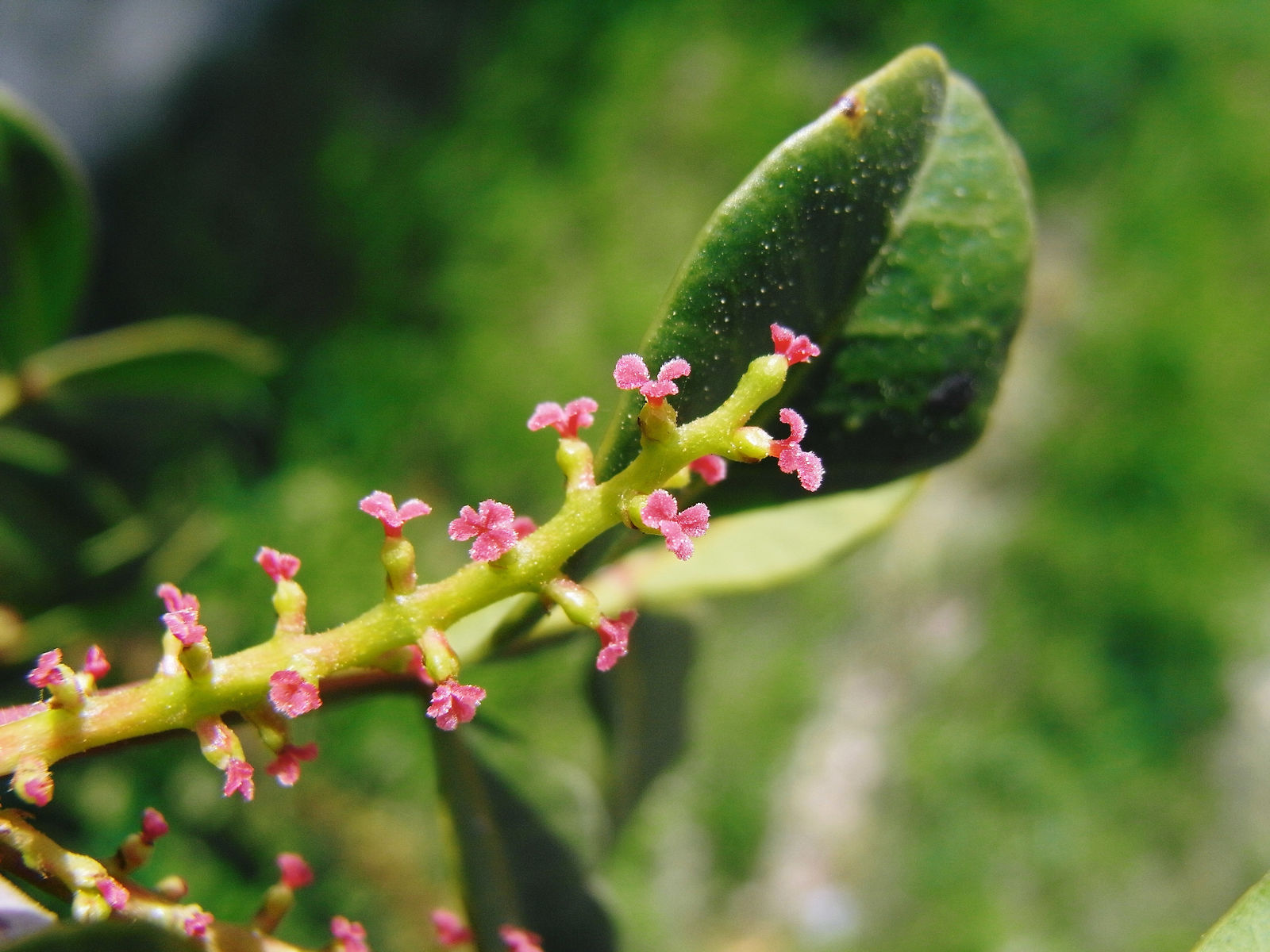
Pistacia lentiscus
species of plant
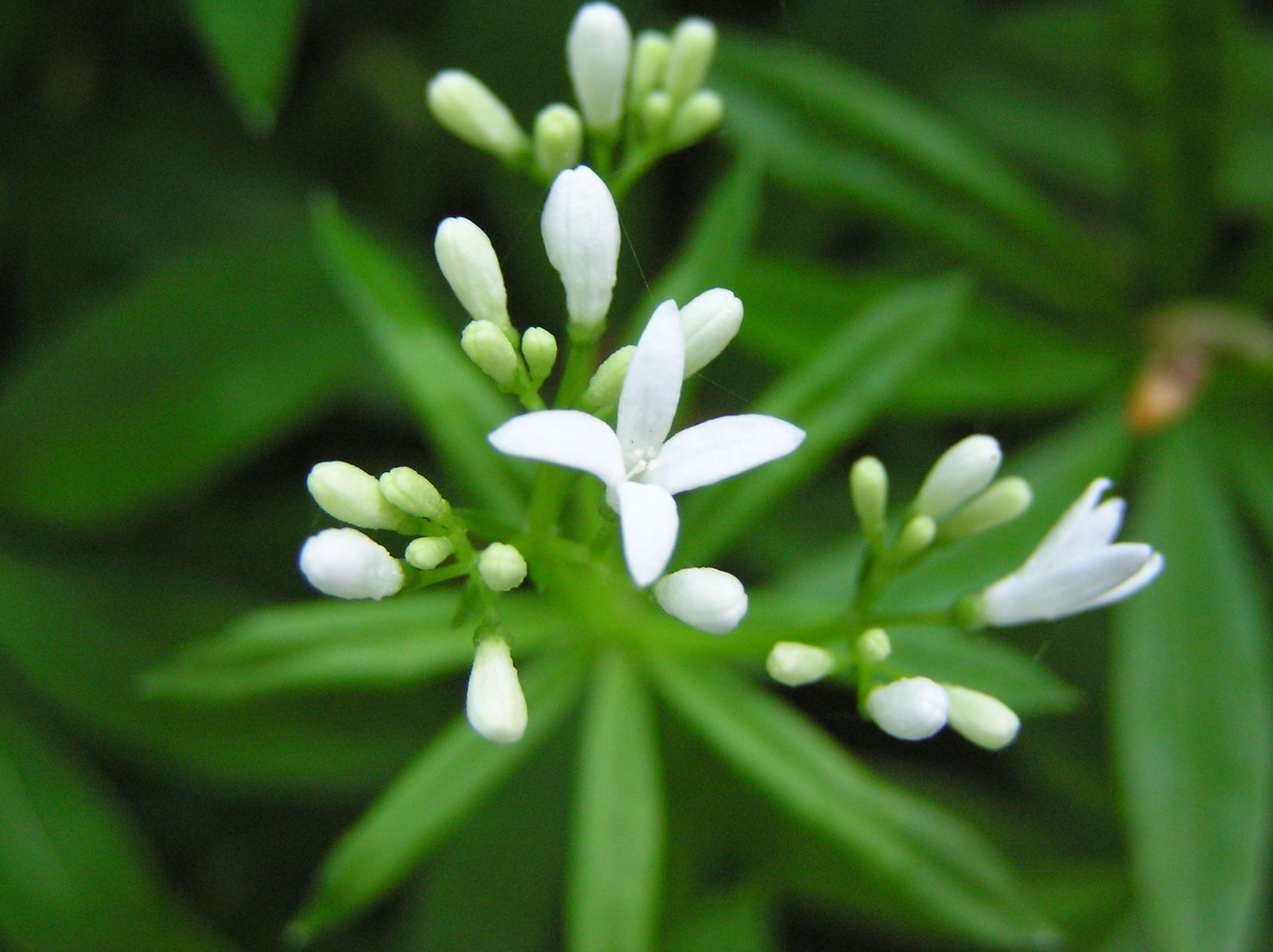
sweet woodruff
species of plant
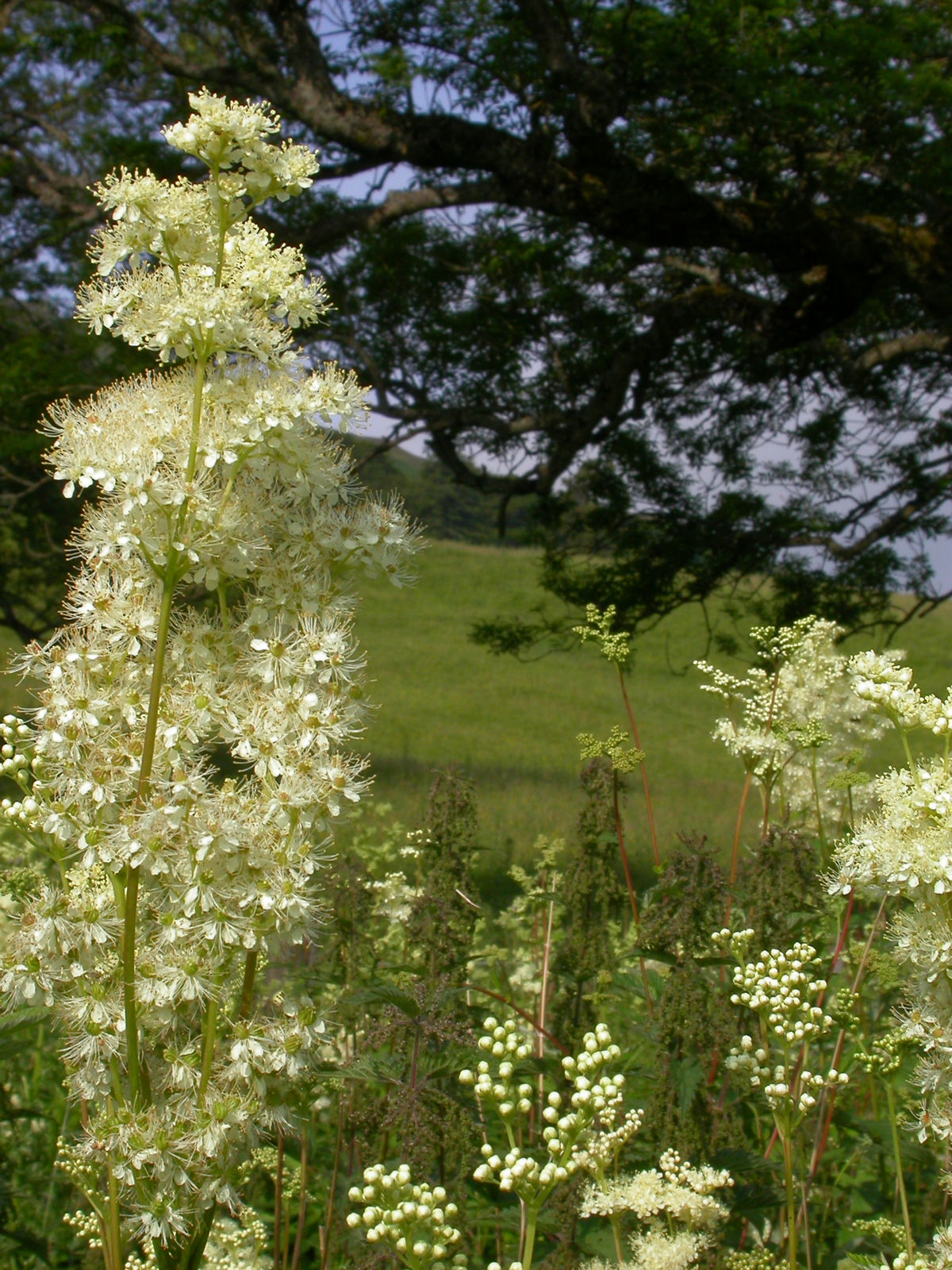
Filipendula ulmaria
species of plant
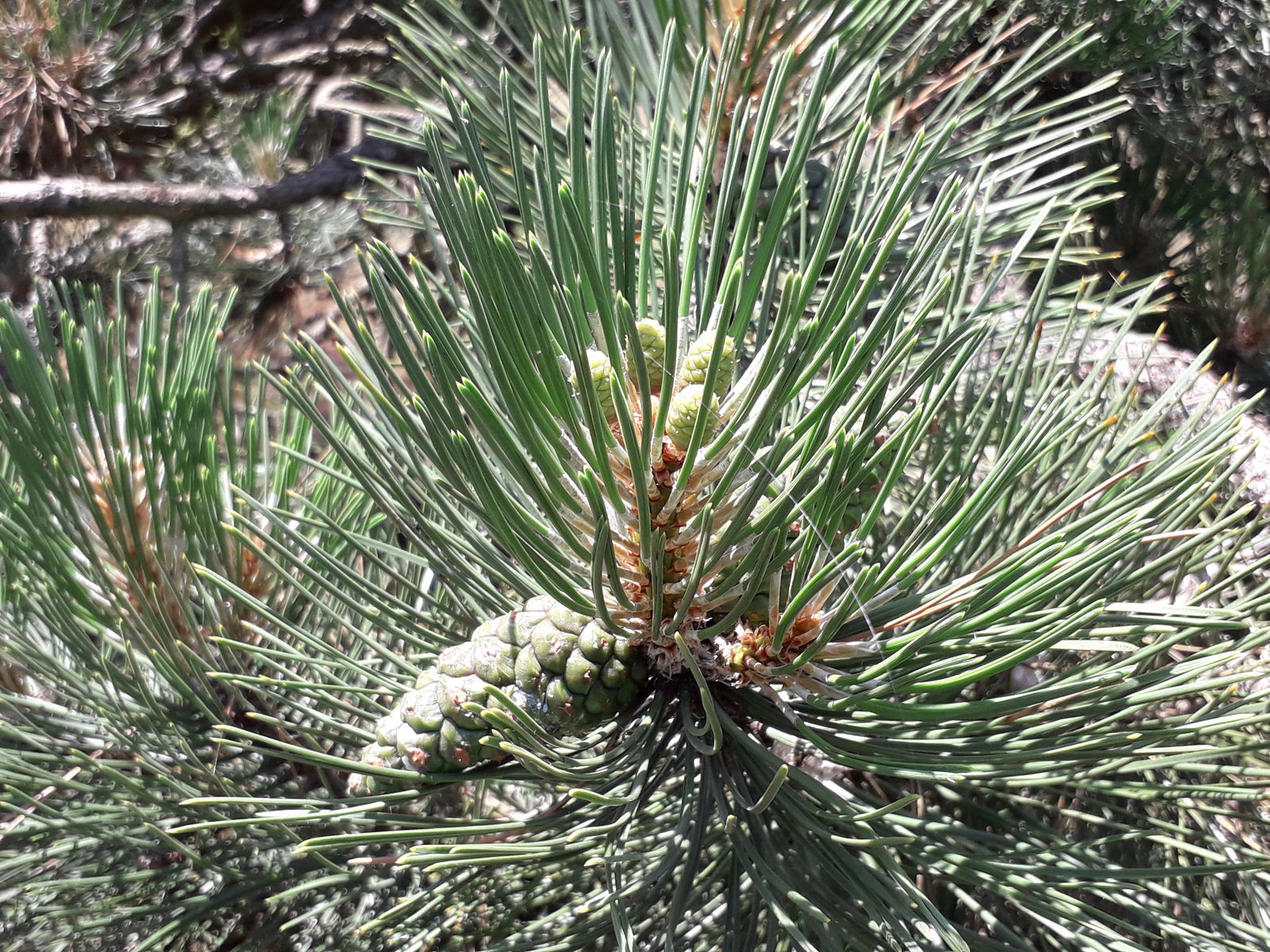
Pinus nigra
species of plant
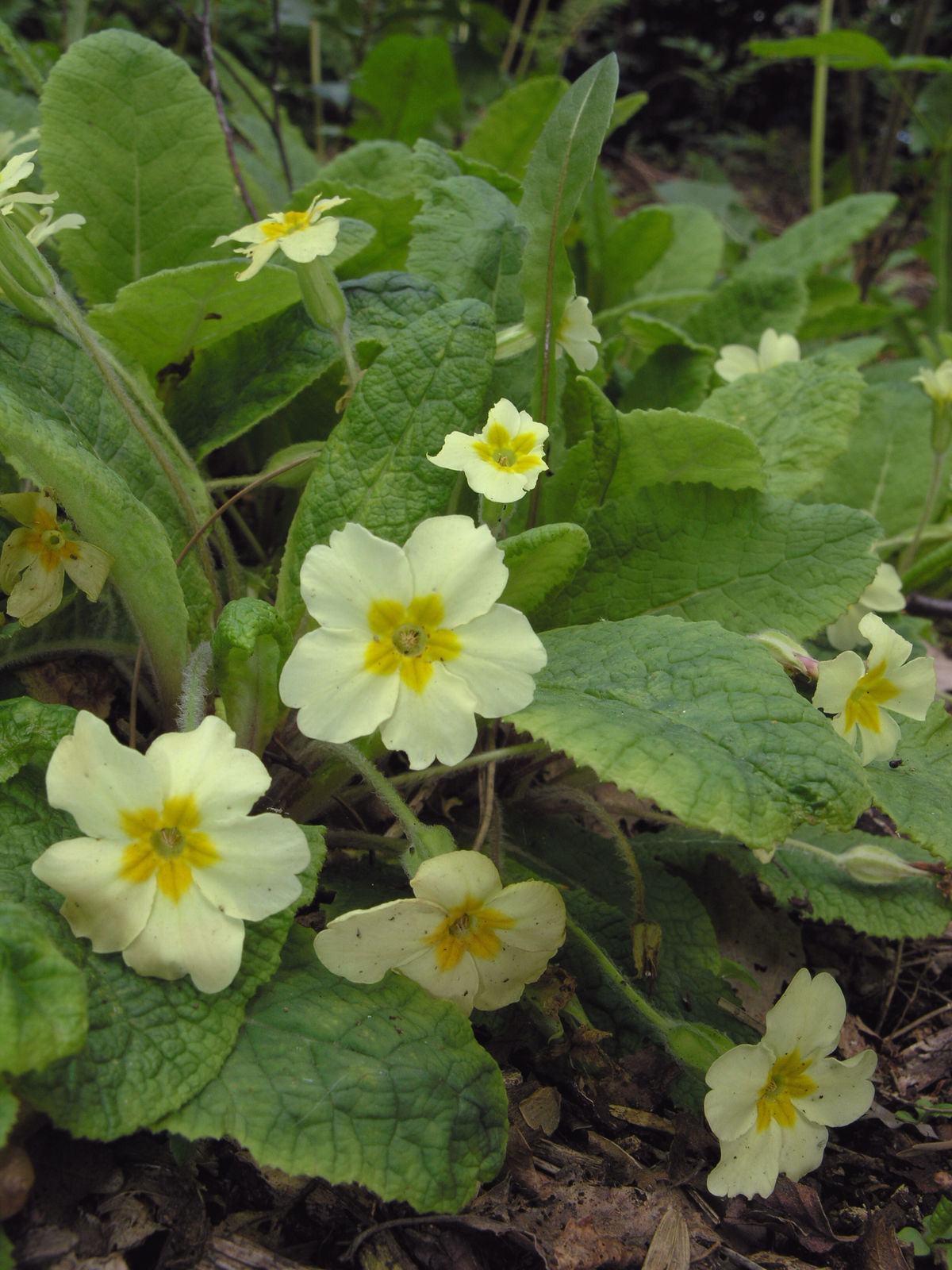
Primula vulgaris
species of plant
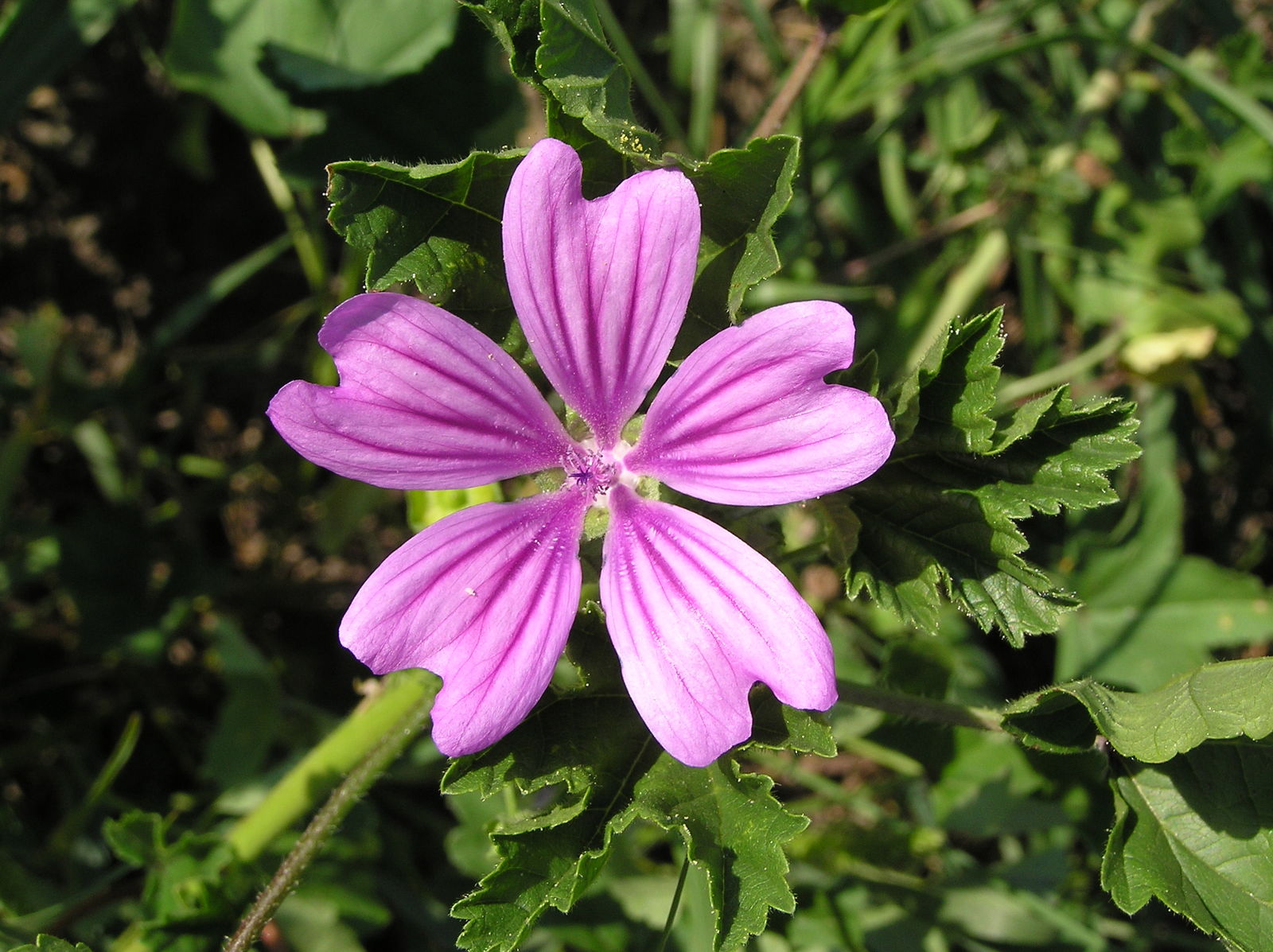
Malva sylvestris
species of plant
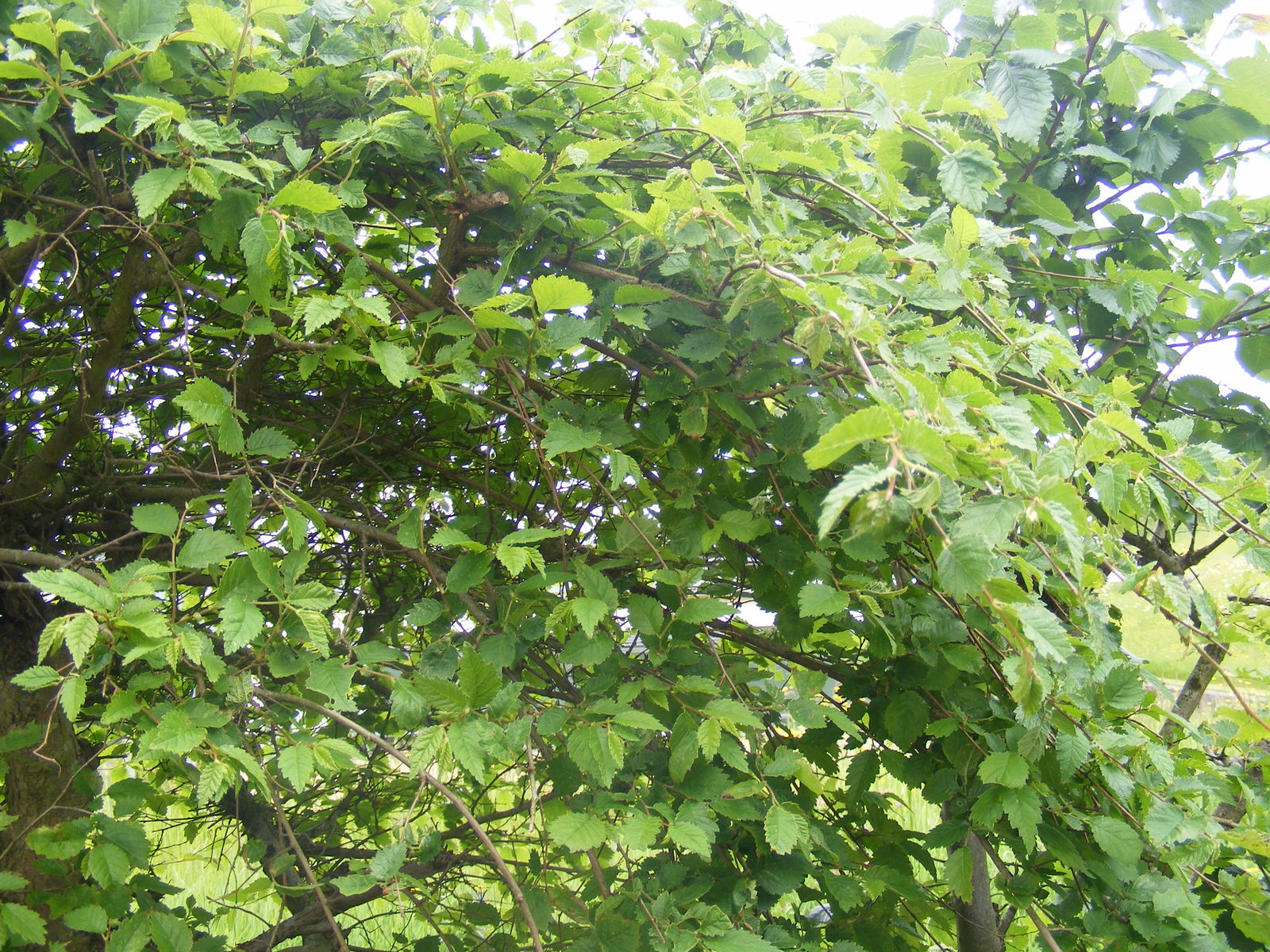
Ulmus minor
species of plant
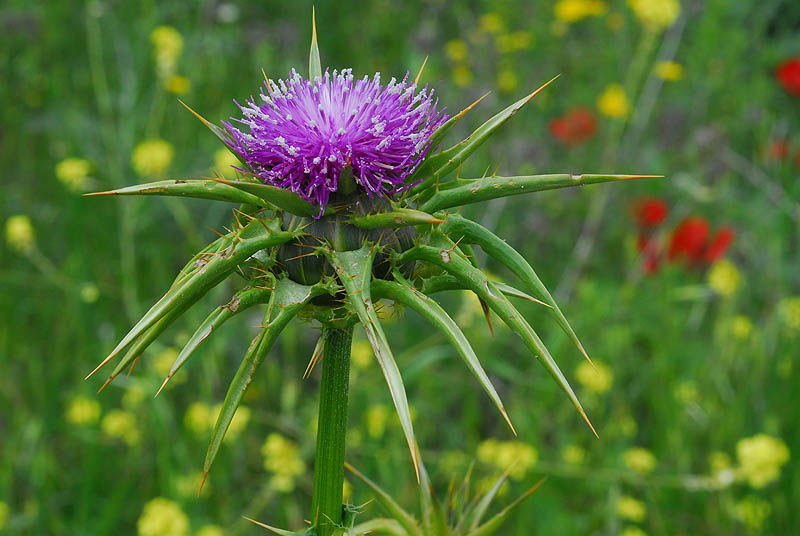
Silybum marianum
species of plant of genus Silybum in family Asteraceae
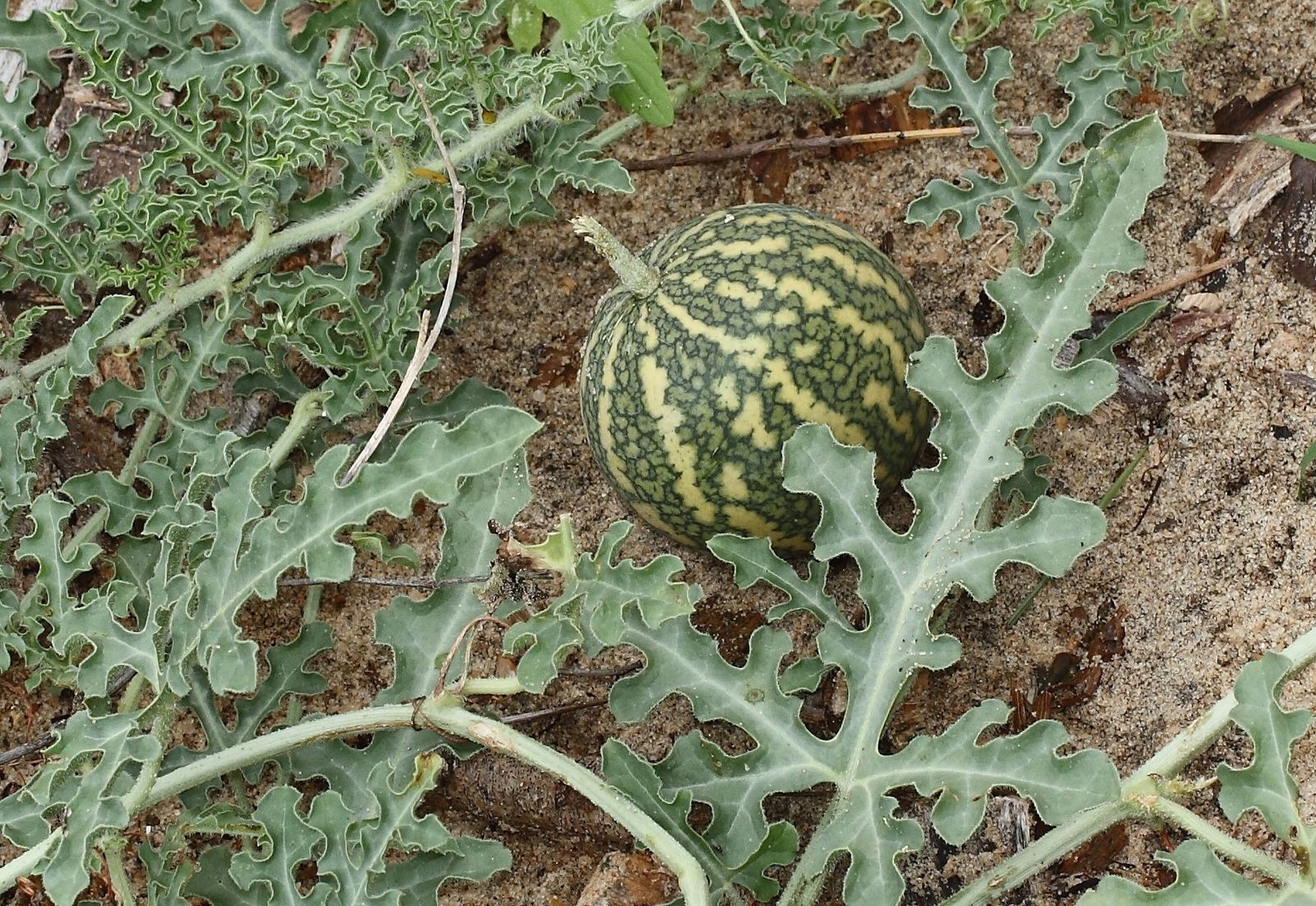
Citrullus colocynthis
species of plant in the family Cucurbitaceae
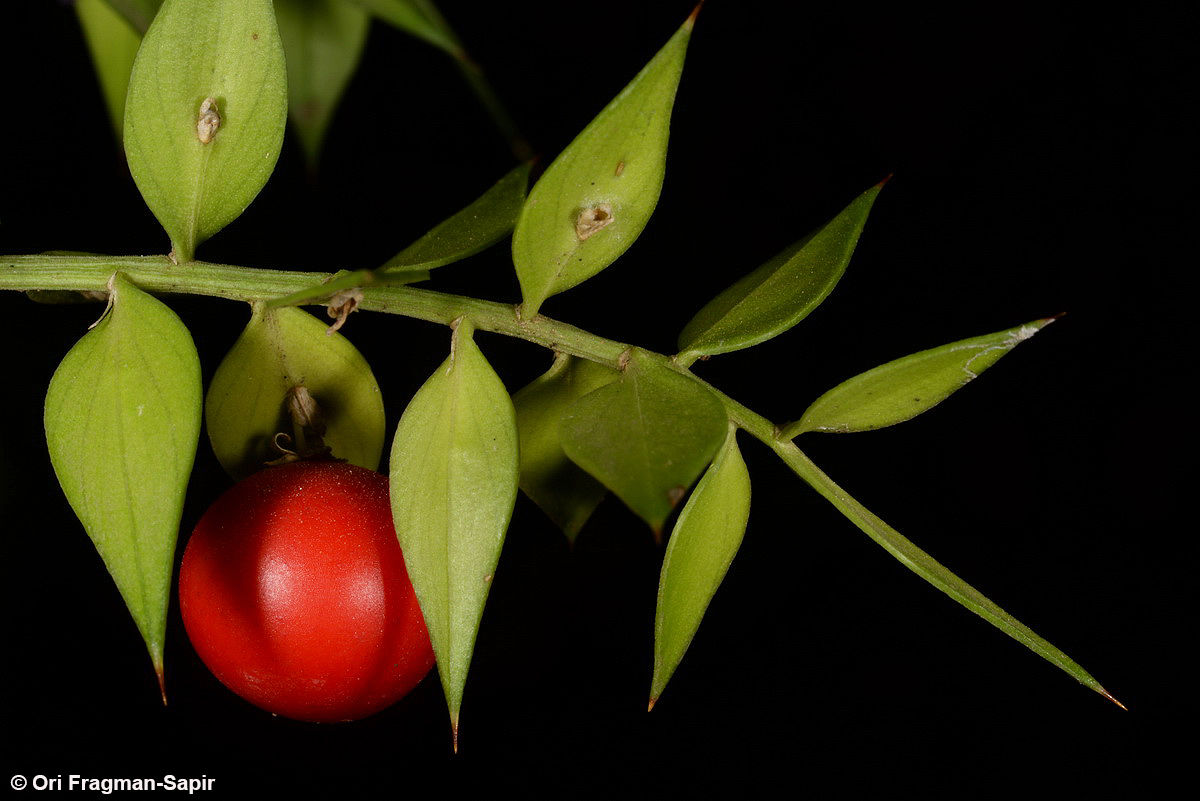
Ruscus aculeatus
evergreen shrub

Frangula alnus
species of plant
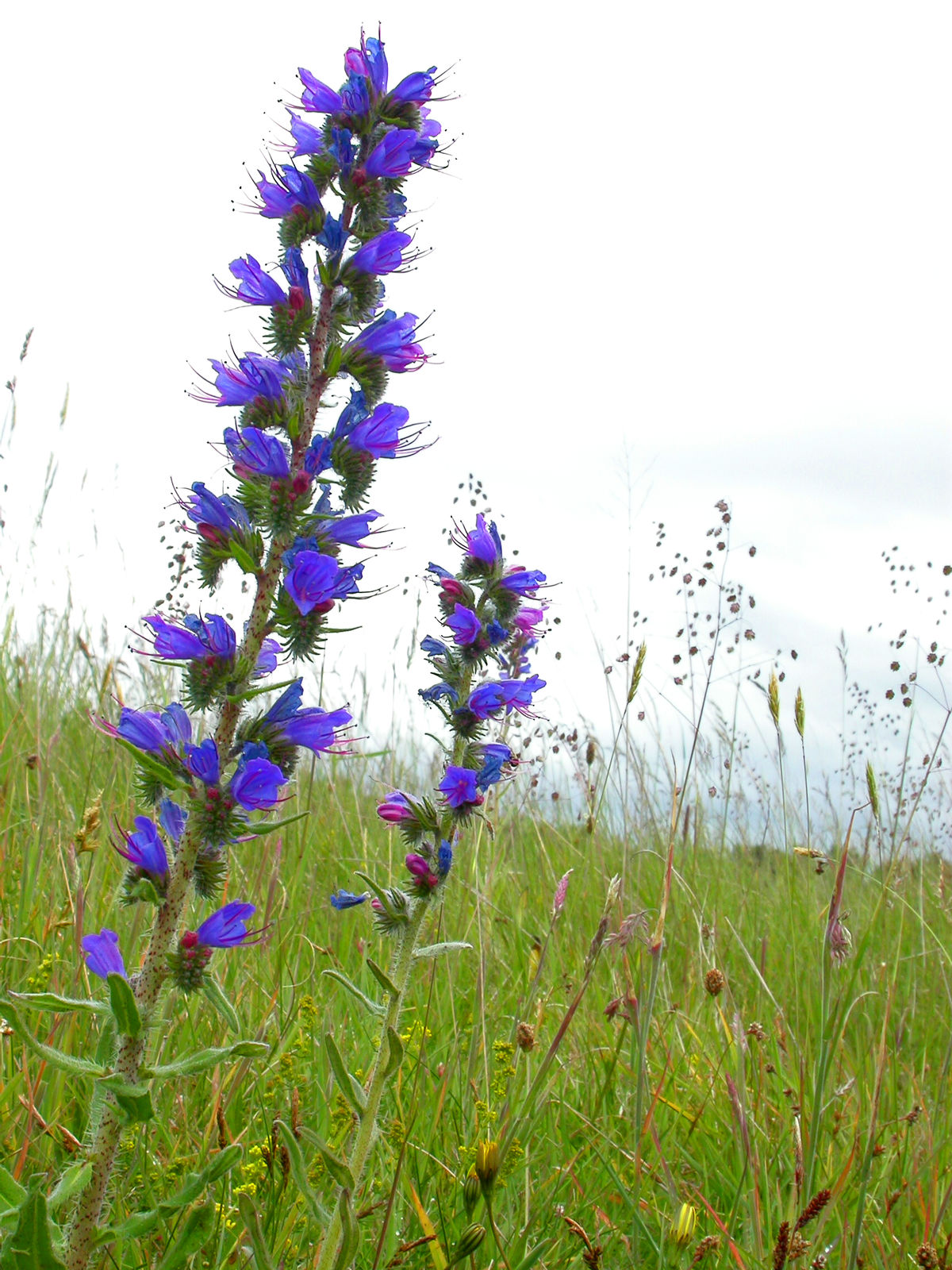
Echium vulgare
species of plant
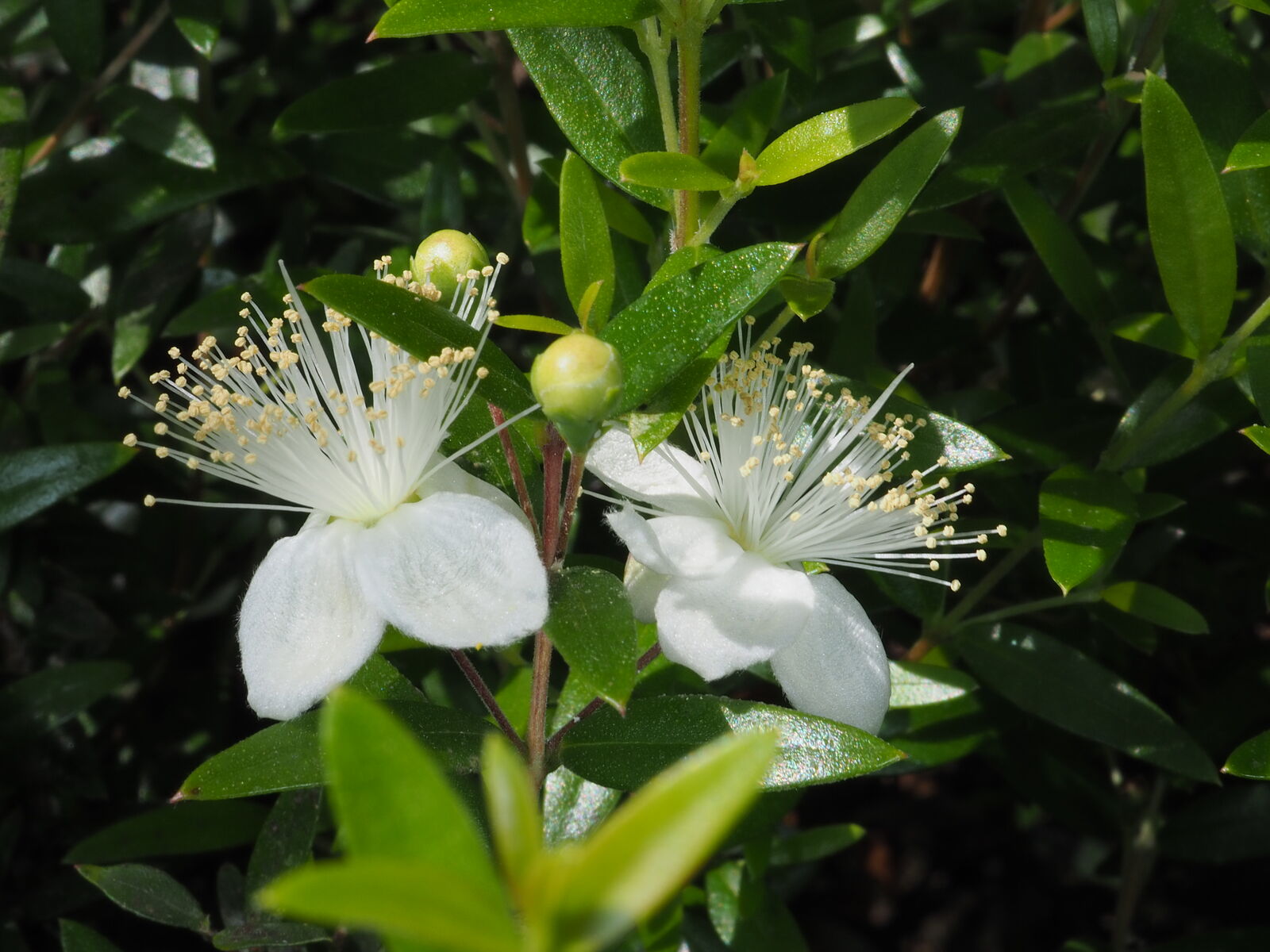
common myrtle
species of plant
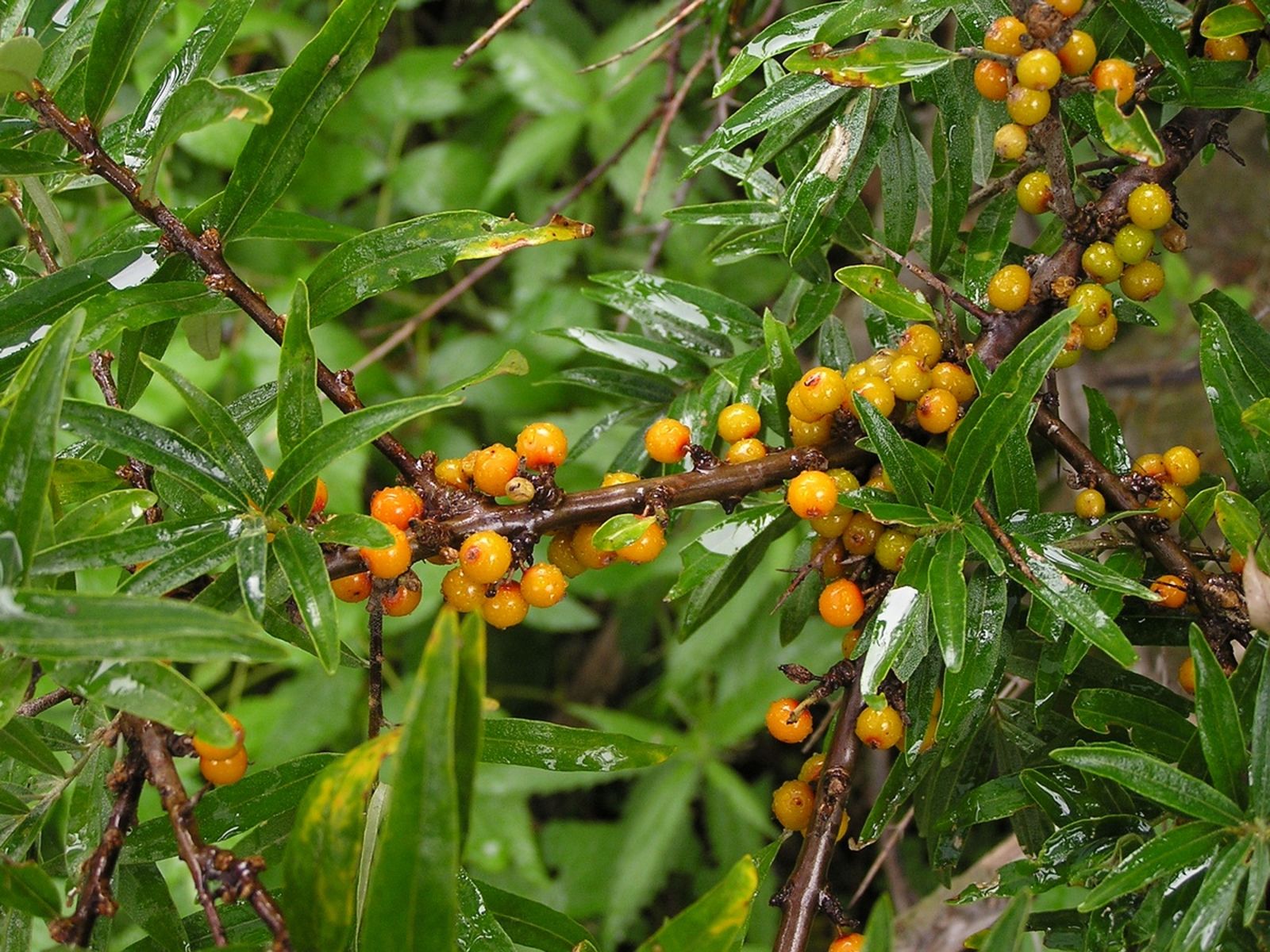
Hippophae
Hippophae is a genus of flowering plants in the family Elaeagnaceae. They are deciduous shrubs. They are exceptionally hardy plants, able to withstand winter temperatures as low as . As Hippophae species develop an aggressive and extensive root system, they are planted to inhibit soil erosion and used in land reclamation for their nitrogen fixing properties, wildlife habitat, and soil enrichment. Hippophae berries and leaves are manufactured into various human and animal food and skincare products.

Q161421
species of plant
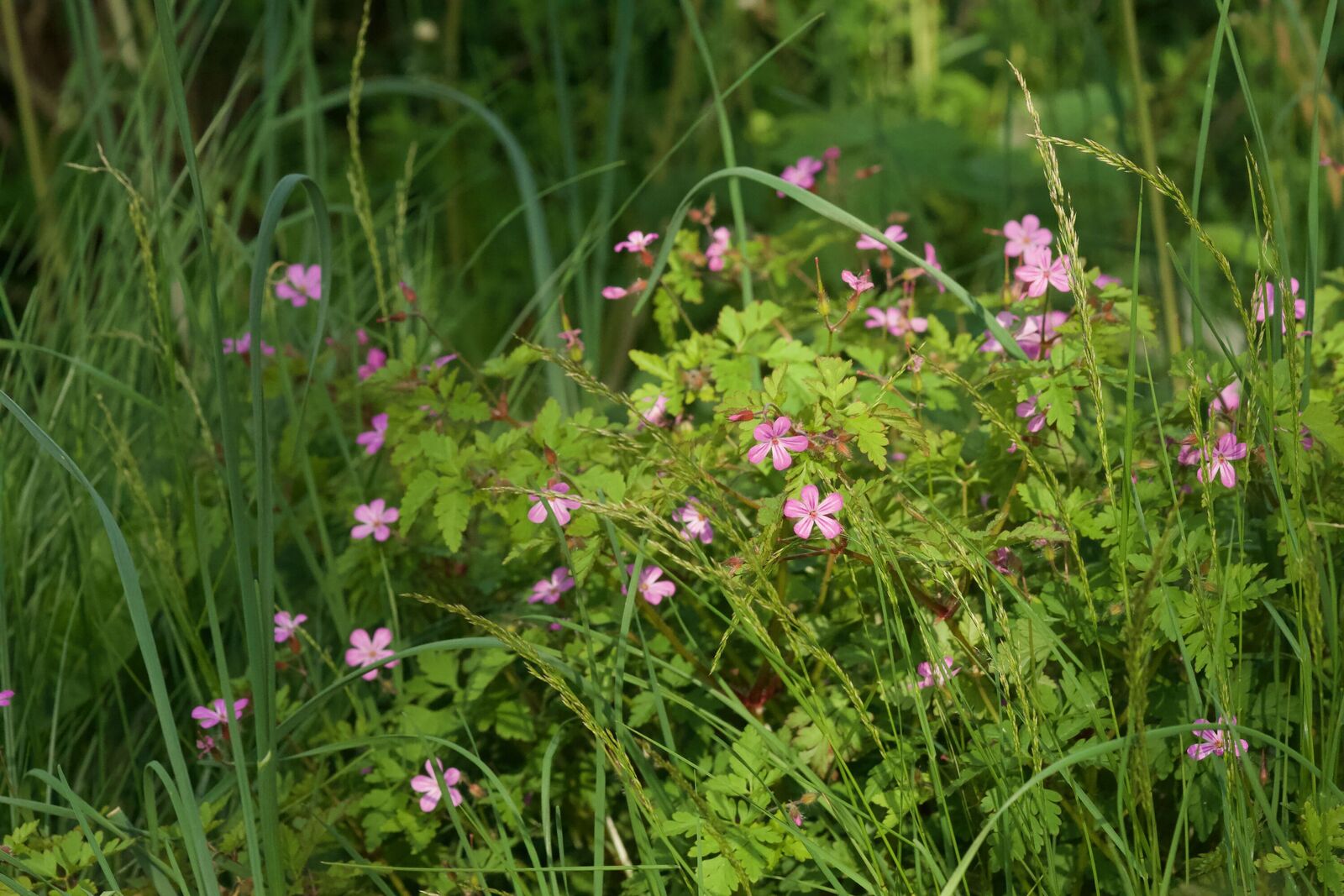
Geranium robertianum
species of plant

Q255375
species of plant
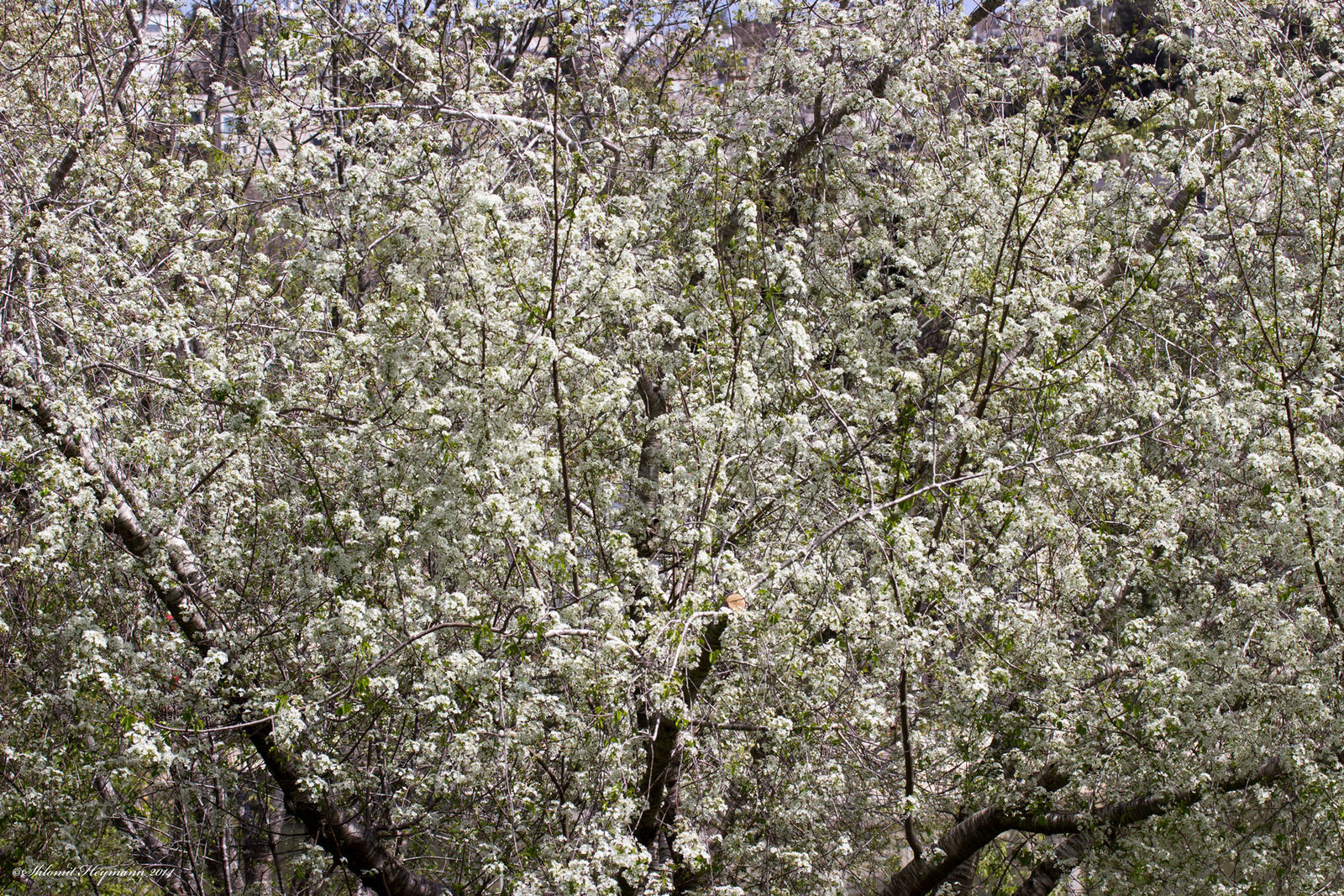
Prunus mahaleb
species of plant
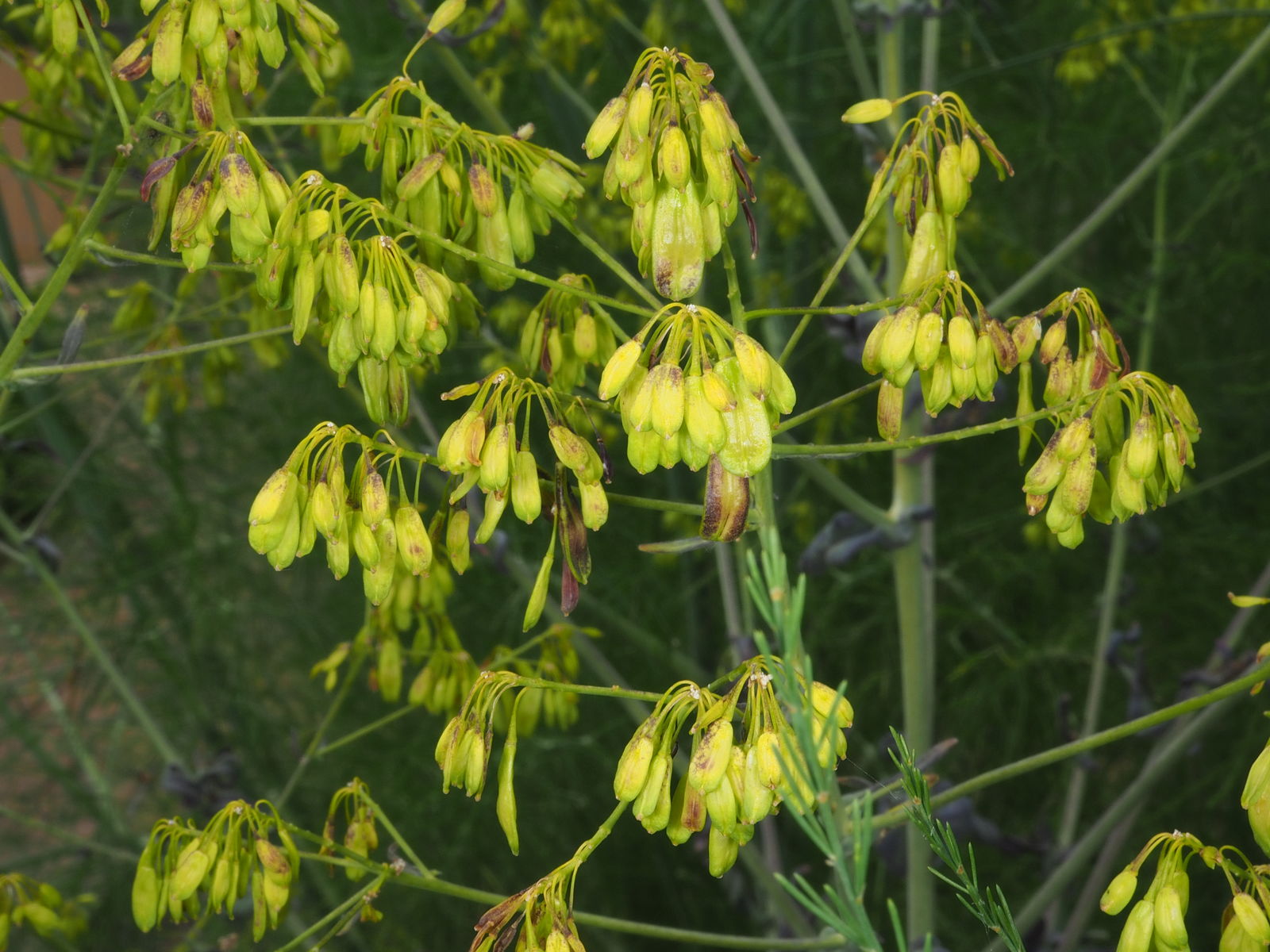
Isatis tinctoria
species of plant
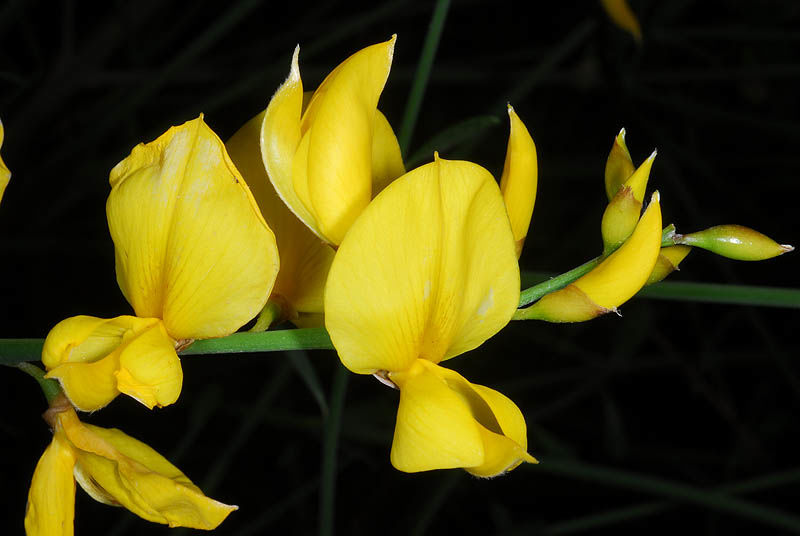
Spartium junceum
Spartium junceum, known as Spanish broom, rush broom, or '''weaver's broom, it is a species of flowering plant in the family Fabaceae and the sole species in the genus Spartium'. It is closely related to the other brooms (in the genera Cytisus and Genista'').

Ficaria verna
species of plant
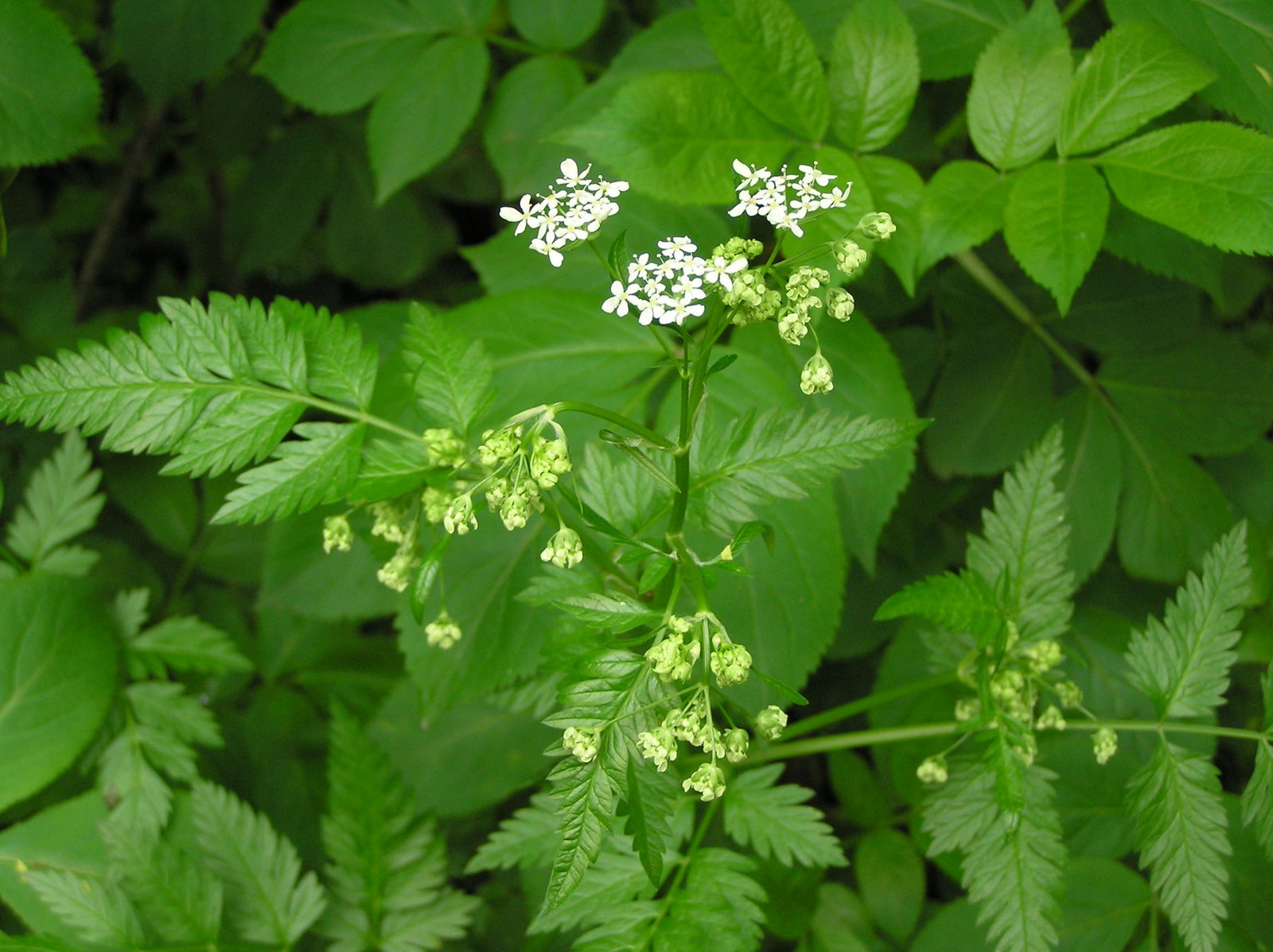
Anthriscus sylvestris
species of plant
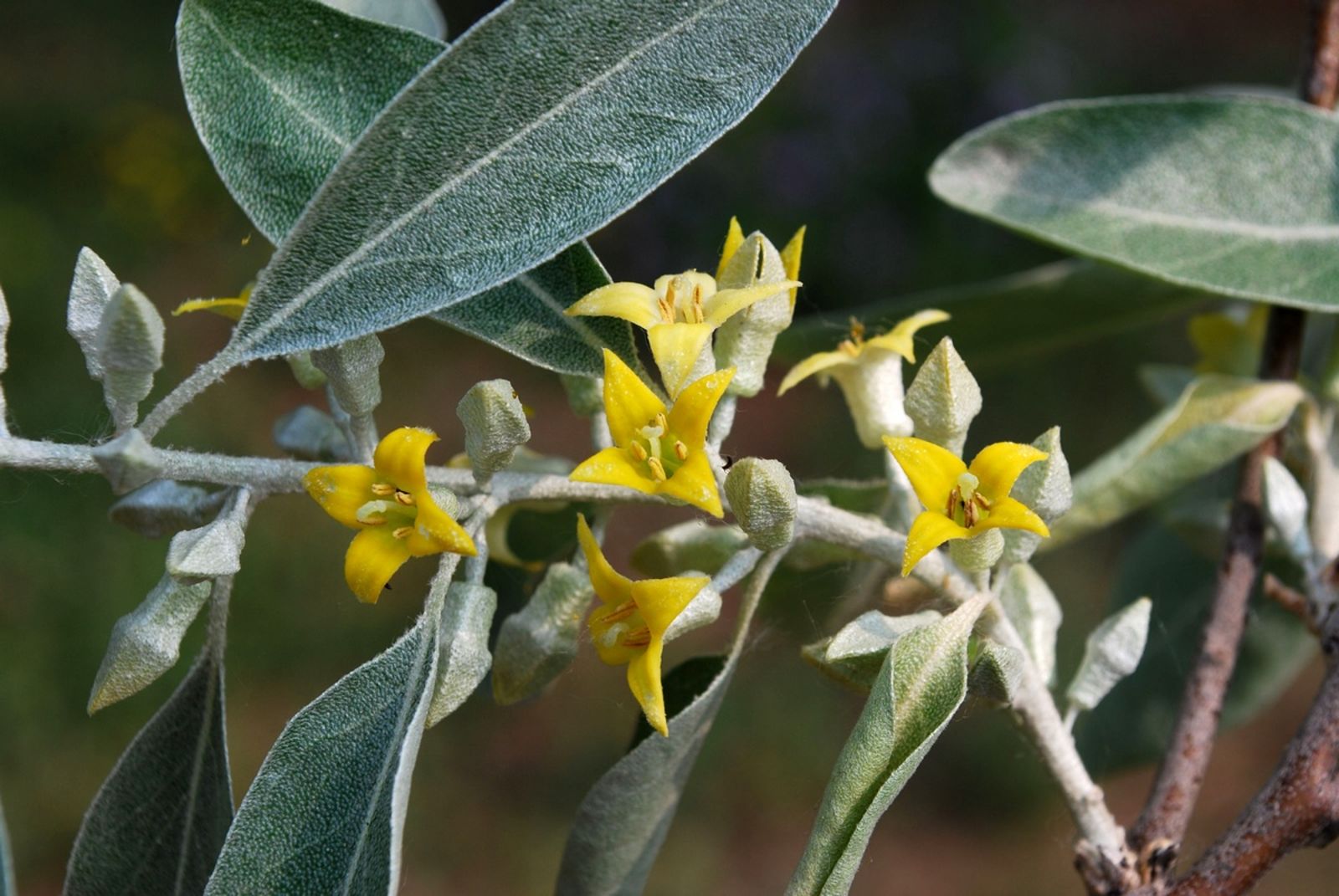
Elaeagnus angustifolia
species of plant
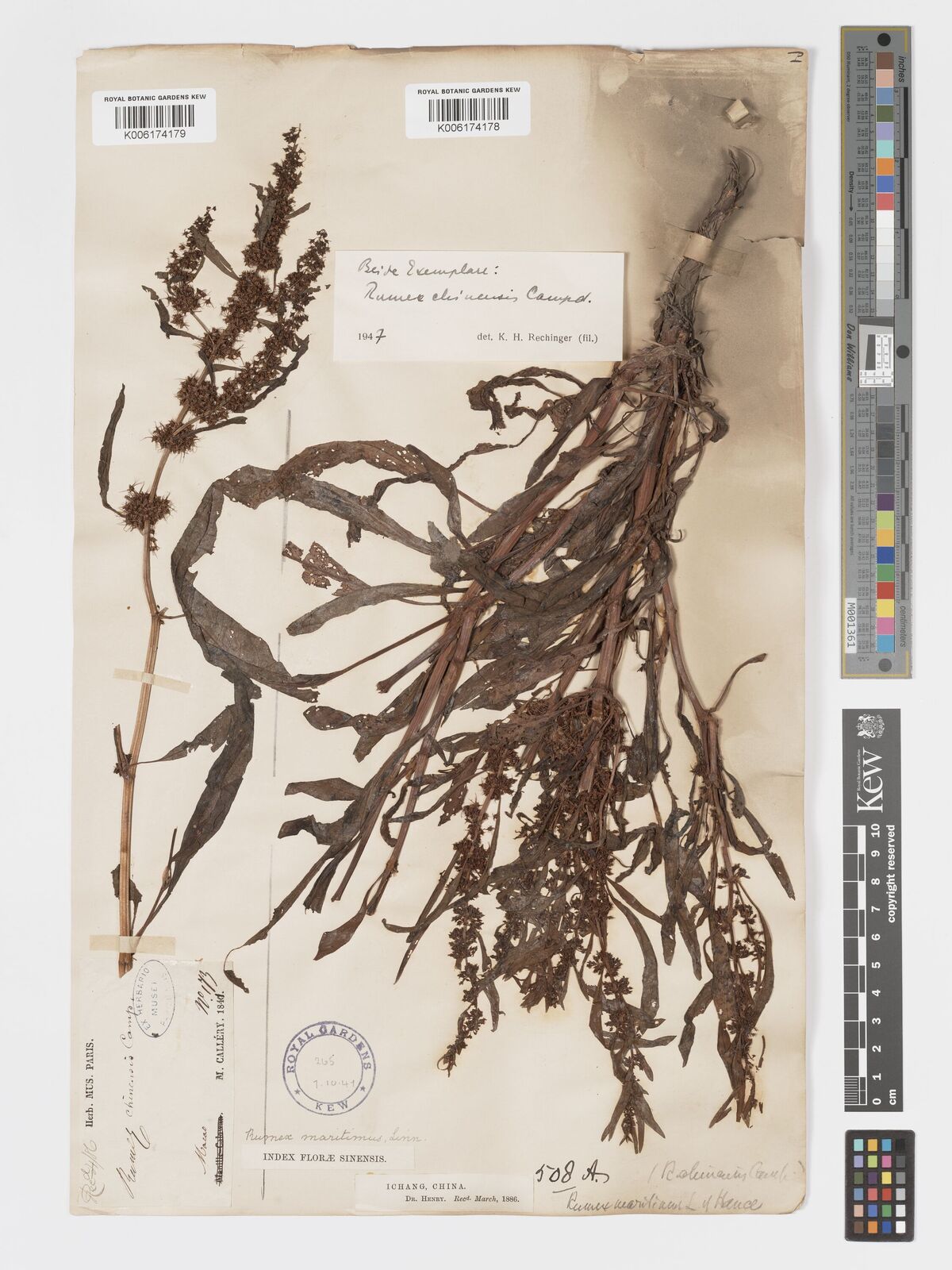
Rumex crispus
species of perennial flowering plant in the family Polygonaceae
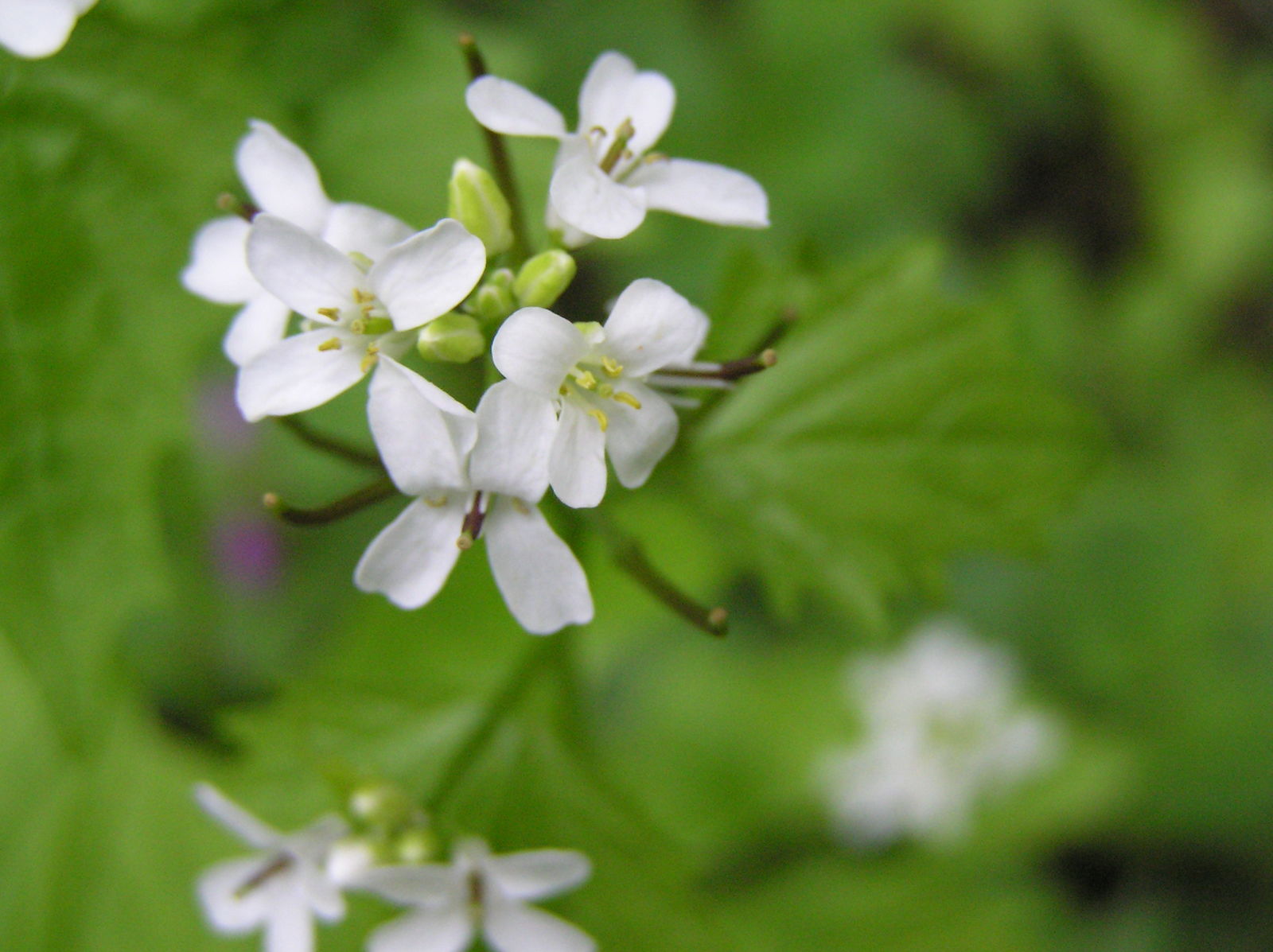
Alliaria petiolata
species of plant

Quercus pubescens
species of plant