Category
page 1Mammals of Asia
.png)
Canis lupus
The wolf (Canis lupus; : wolves), also known as the grey wolf or gray wolf, is a canine native to Eurasia and North America. More than thirty subspecies of Canis lupus have been recognized, including the dog and dingo, though grey wolves, as popularly understood, include only naturally occurring wild subspecies. The wolf is the largest wild extant member of the family Canidae, and is further distinguished from other Canis species by its less pointed ears and muzzle, as well as a shorter torso and a longer tail. The wolf is nonetheless related closely enough to smaller Canis species, such as th
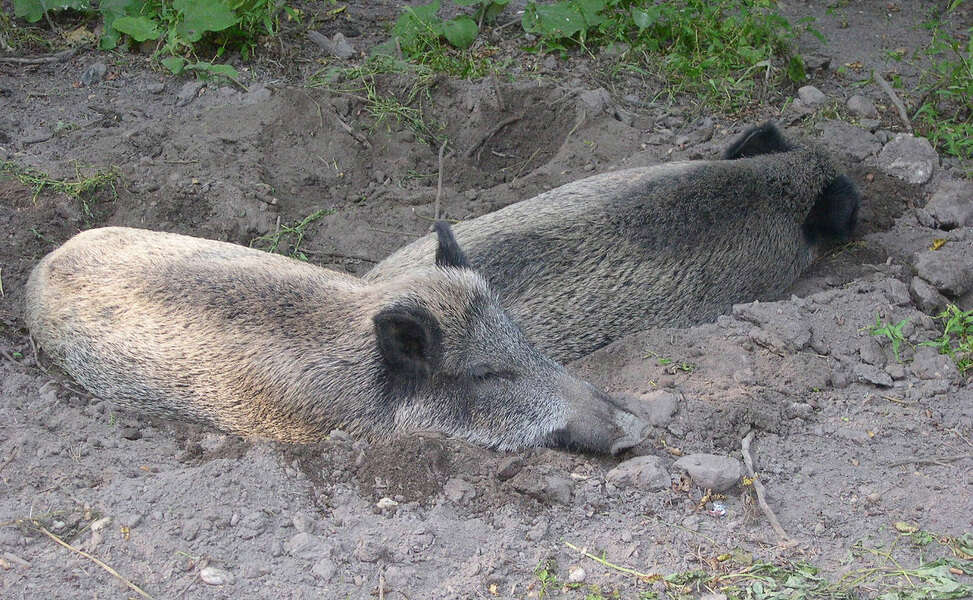
Sus scrofa
omnivore species of mammal

cheetah
The cheetah (Acinonyx jubatus) is a species of large feline and the only living member of the genus Acinonyx. An iconic pursuit predator, it is the fastest land animal, capable of running at ; it has evolved for speed, having powerful hindlimb muscles, long limbs and a flexible spine. The cheetah has a tawny to creamy white or pale buff fur that is marked with evenly spaced, solid black spots. The head is small and rounded, with a short snout and black tear-like facial streaks. It reaches at the shoulder, and the head-and-body length is between . Adults weigh between .

Hyaenidae
thumb|Aardwolf, smallest member of the hyena family, skeleton (Museum of Osteology)
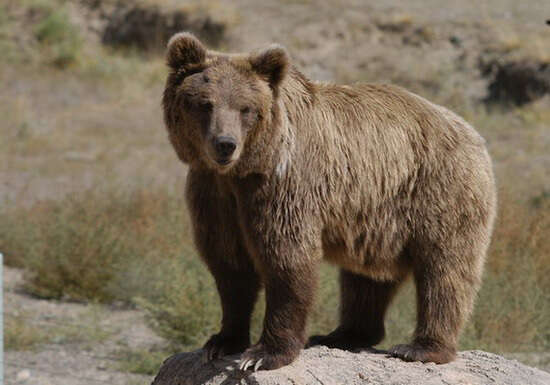
Ursus arctos
species of mammal

Alces alces
The moose (: moose; used in North America) or elk (: elk or elks; used in Eurasia) (Alces alces) is the world's tallest, largest and heaviest extant species of deer and the only extant species in the genus Alces. It is also the tallest, and the second-largest, land animal in North America, falling short only to the American bison in body mass. Most adult male moose have broad, palmate ("open-hand shaped") antlers; other members of the deer family have pointed antlers with a dendritic ("twig-like") configuration. Moose inhabit the circumpolar boreal forests or temperate broadleaf and mixed fore

Eurasian badger
species of mammal

Rangifer tarandus
The reindeer or caribou (Rangifer tarandus) is a species of deer with circumpolar distribution, native to Arctic, subarctic, tundra, boreal, and mountainous regions of Northern Europe, Siberia, and North America. It is the only representative of the genus Rangifer. More recent studies suggest the splitting of reindeer and caribou (North American terminology). "All caribou and reindeer throughout the world are considered to be the same species, but there are 7 subspecies."

walrus
The walrus (Odobenus rosmarus; plural walrus or walruses) is a large pinniped marine mammal with discontinuous distribution about the North Pole in the Arctic Ocean and subarctic seas of the Northern Hemisphere. It is the only extant species in the family Odobenidae and genus Odobenus. This species is subdivided into two subspecies: the Atlantic walrus (O. r. rosmarus), which lives in the Atlantic Ocean, and the Pacific walrus (O. r. divergens), which lives in the Pacific Ocean.
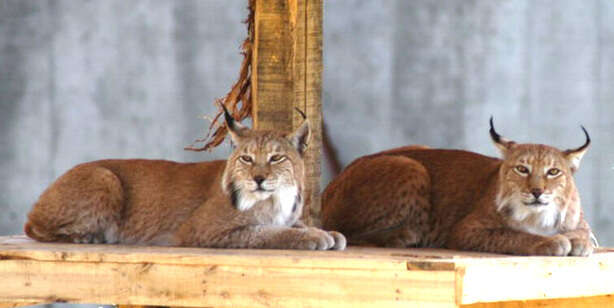
Eurasian lynx
species of mammal

Herpestidae
A mongoose is a small terrestrial carnivorous mammal belonging to the family Herpestidae. This family has two subfamilies, the Herpestinae and the Mungotinae. The Herpestinae comprises 23 living species that are native to southern Europe, Africa and Asia, whereas the Mungotinae comprises 11 species native to Africa. The Herpestidae originated about in the Early Miocene and genetically diverged into two main lineages between 19.1 and . There is a large introduced population on the islands of Hawaii. Mongoose diets are varied but consist of mainly insects, hatchlings, reptiles and birds.

caracal
The caracal (Caracal caracal; ) is a wild cat native to Africa, the Middle East, Central Asia, and arid areas of Pakistan and northwestern India. It is characterised by a robust build, long legs, a short face, long tufted ears, relatively short tail, and long canine teeth. Its coat is uniformly reddish tan or sandy, while the ventral parts are lighter with small reddish markings. It reaches at the shoulder and weighs . It was first scientifically described by German naturalist Johann Christian Daniel von Schreber in 1776. Three subspecies are recognised.
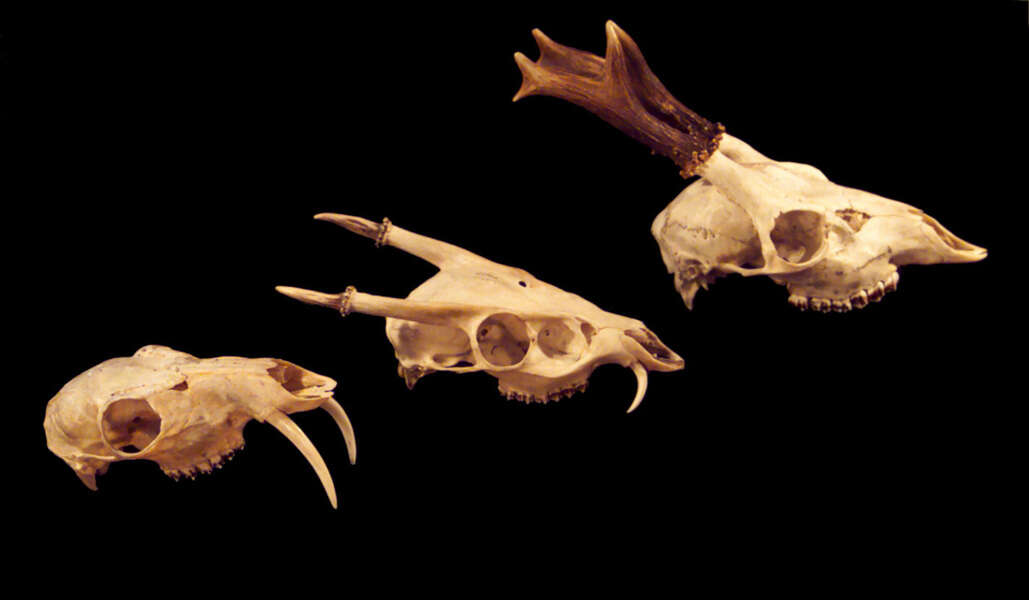
roe deer
species of mammal

wolverine
The wolverine ( , ; Gulo gulo), also called the carcajou or quickhatch (from East Cree, kwiihkwahaacheew), is the largest land-dwelling member of the family Mustelidae. It is a muscular carnivore and a solitary animal. The wolverine has a reputation for ferocity and strength out of proportion to its size, with the documented ability to kill prey many times larger than itself.

Vulpes lagopus
species of mammal
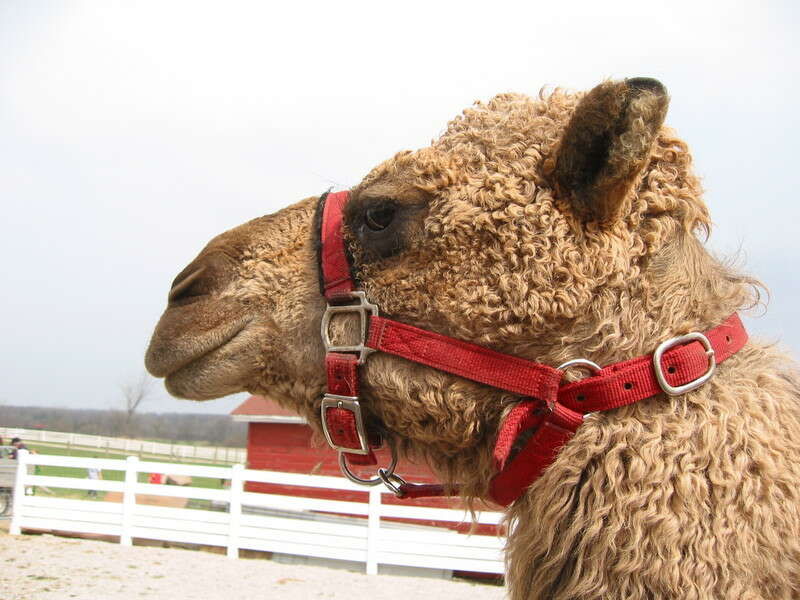
Camelus dromedarius
The dromedary (Camelus dromedarius), also known as the dromedary camel, Arabian camel and one-humped camel, is a large camel of the genus Camelus with one hump on its back. It is the tallest of the three camel species; adult males stand at the shoulder, while females are tall. Males typically weigh between , and females weigh between .
The dromedary's distinctive features include its long, curved neck, narrow chest, a single hump, and long hairs on the throat, shoulders, and hump. The coat is generally a shade of brown. The hump, tall or more, is made of fat bound together by fibrous tissue.
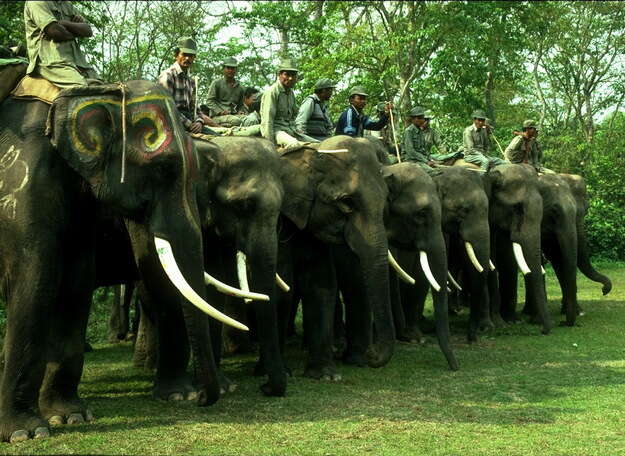
Asian elephant
species of mammal

Capra
genus of mammals
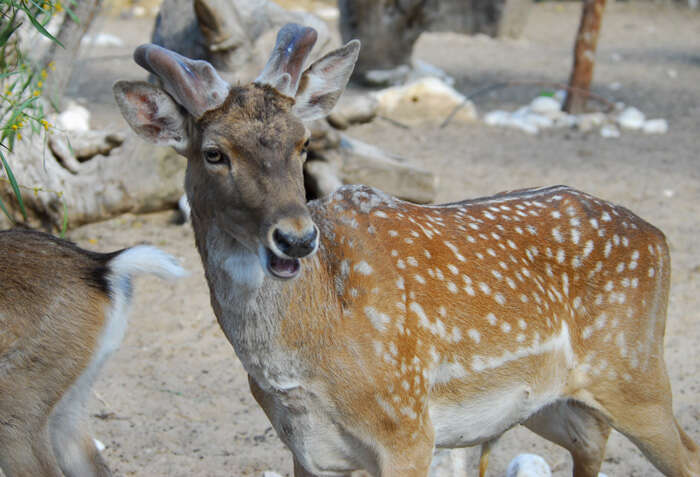
Dama dama
species of mammal
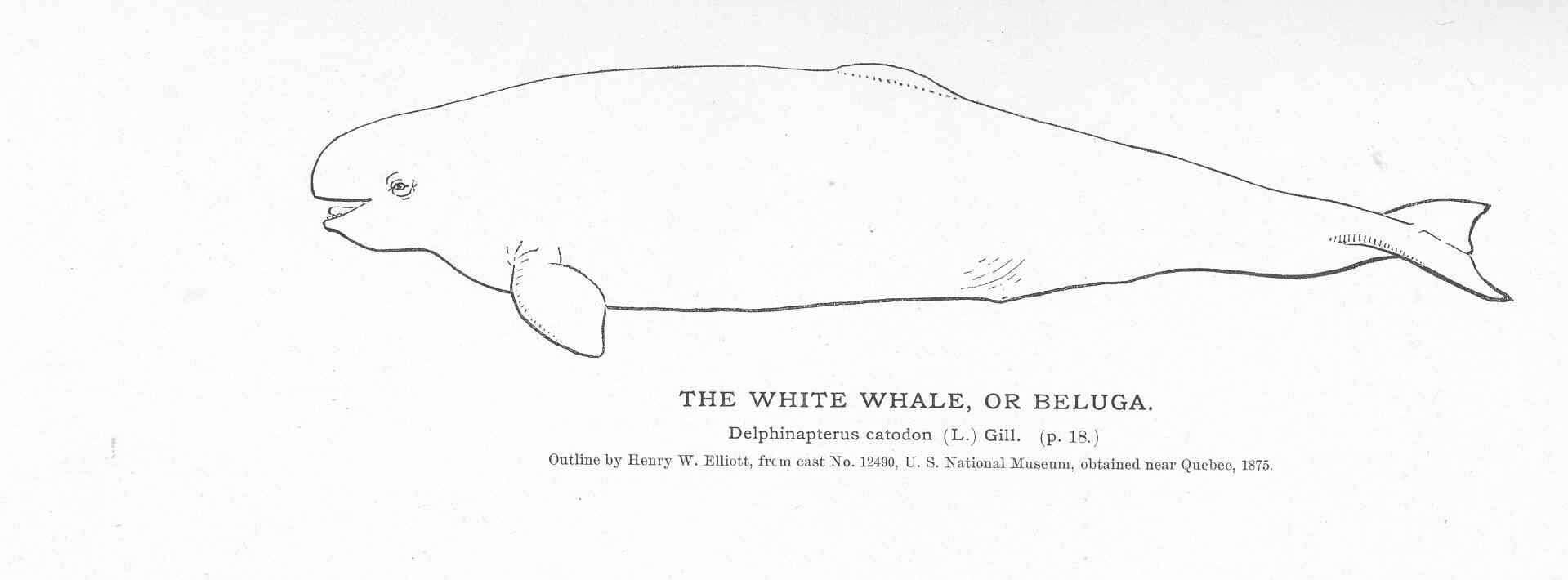
beluga whale
species of whale
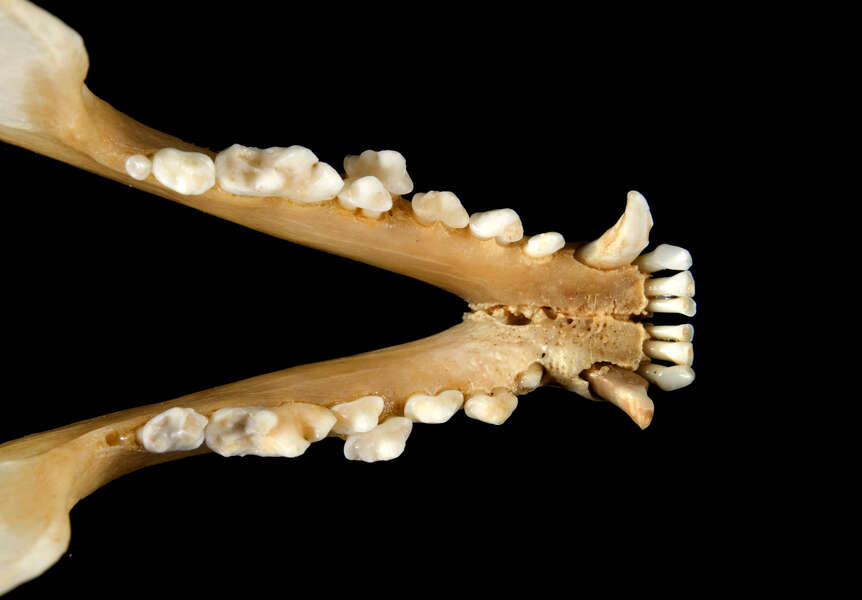
Nyctereutes procyonoides
species of mammal
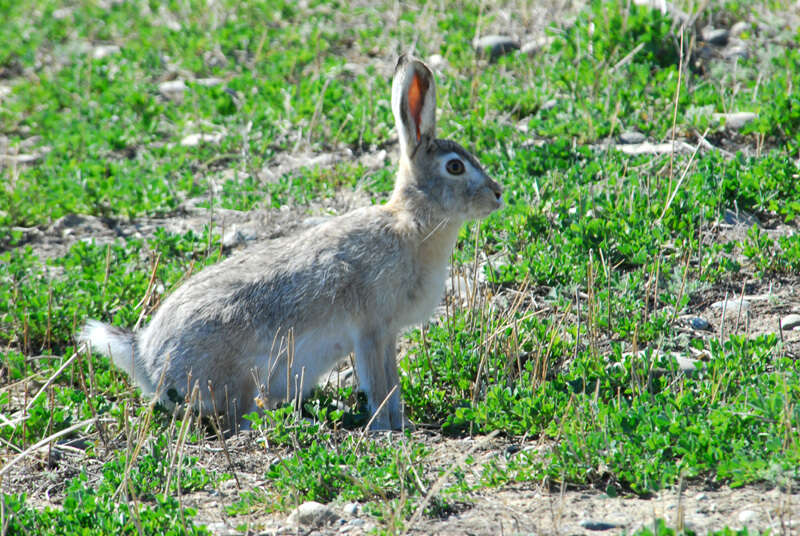
Mountain Hare
species of mammal

Markhor
The markhor (Capra falconeri) is a large wild Capra species native to the mountain regions at the crossroads of Central and South Asia, including the Karakoram and Himalayas. It occurs in parts of Turkmenistan, Uzbekistan, Tajikistan, Afghanistan, Pakistan, and India. It has been listed on the IUCN Red List as Near Threatened since 2015.

Spermophilus
Spermophilus, also known as the Old World ground squirrels, sousliks or, sometimes, spermophiles, is an Old World genus of ground squirrels in the squirrel family (Sciuridae). Formerly, the genus was more species rich, but it has since been reduced to contain only species from Eurasia, with many former species having been moved to other genera. The 18 known species are distributed across the Eurasian steppe belt and adjacent regions between Central Europe and Manchuria. They inhabit steppe and comparable short grassland habitats, including airports, as well semi-deserts and, in some cases, agr

Manis
Manis ("spirit") is a genus of South Asian and East Asian pangolins, the Asiatic pangolins, from the subfamily Maninae, within the family Manidae.
%20male.jpg)
Chital
The chital (Axis axis; ), also called spotted deer and axis deer, is a deer species native to the Indian subcontinent. It was first described by Johann Christian Polycarp Erxleben in 1777. A moderate-sized deer, male chital reach and females at the shoulder. While males weigh , females weigh around . It is sexually dimorphic; males are larger than females, and antlers are present only on males. The upper parts are golden to rufous, completely covered in white spots. The abdomen, rump, throat, insides of legs, ears, and tail are all white. The antlers, three-pronged, are nearly long.
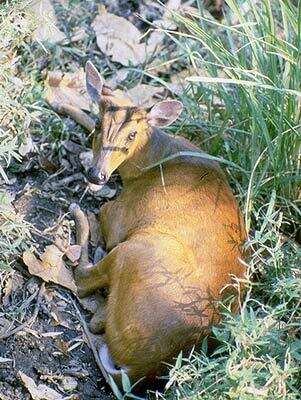
Muntiacus
Muntjacs ( ), also known as the barking deer or rib-faced deer, are small deer of the genus Muntiacus native to South Asia and Southeast Asia. Muntjacs are thought to have begun appearing 15–35 million years ago, with remains found in Miocene deposits in France, Germany and Poland. Most are listed as least-concern species or Data Deficient by the International Union for Conservation of Nature (IUCN), although others such as the black muntjac, Bornean yellow muntjac, and giant muntjac are vulnerable, near threatened, and critically endangered, respectively.

Hazel dormouse
species of mammal

Mustela sibirica
species of mammal

Etruscan shrew
species of mammal

water deer
species of mammal

common vole
species of mammal

Siberian musk deer
species of mammal

Tamias sibiricus
species of mammal

Elaphurus davidianus
a large deer native to the river valleys of China

Axis porcinus
species of mammal
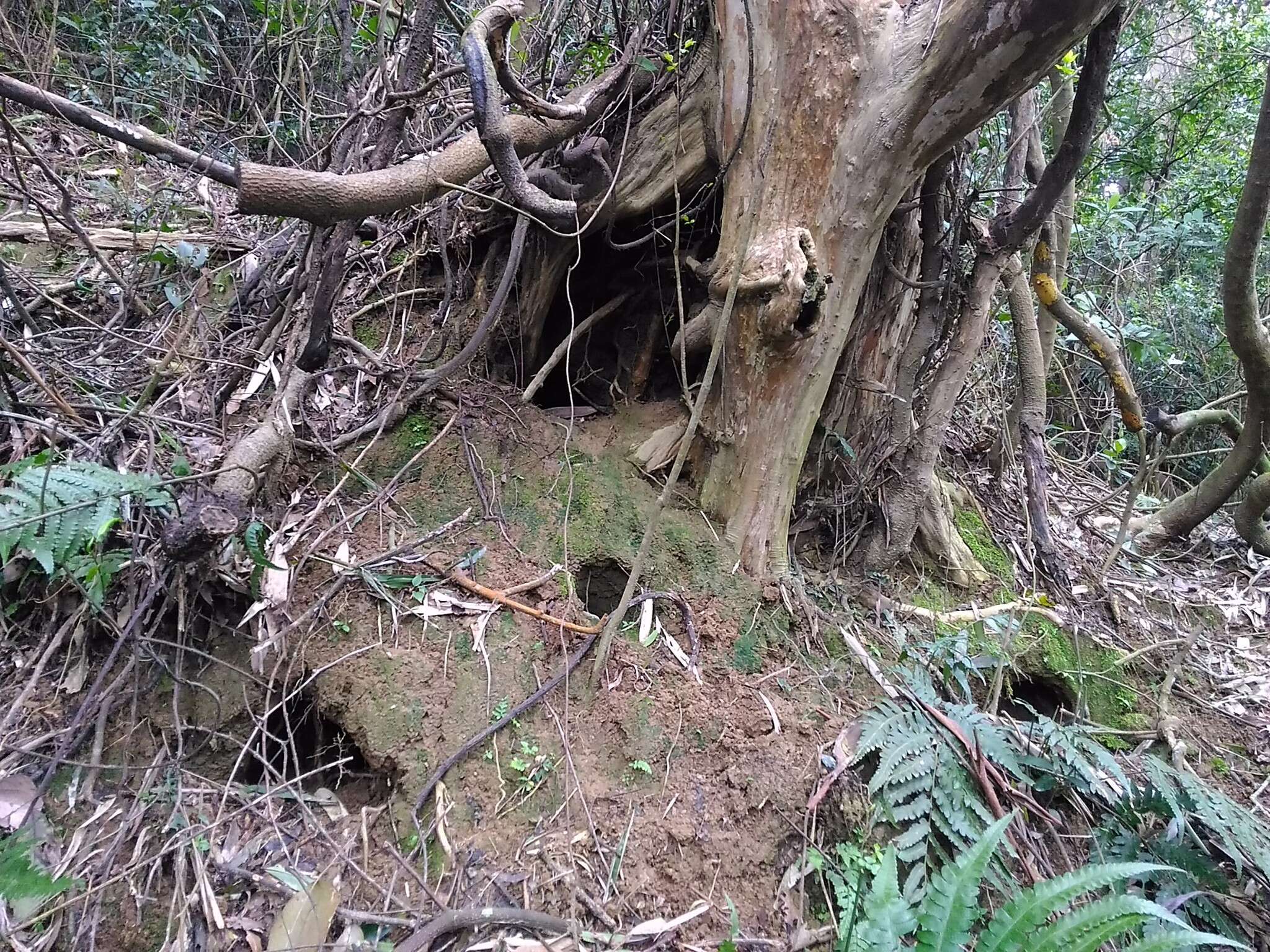
Chinese pangolin
species of mammal

Eurasian pygmy shrew
species of mammal

Indian pangolin
species of mammal

Viverricula indica
species of mammal

Siberian ibex
species of mammal

Eurasian water shrew
species of mammal

Mustela eversmanii
species of mammal
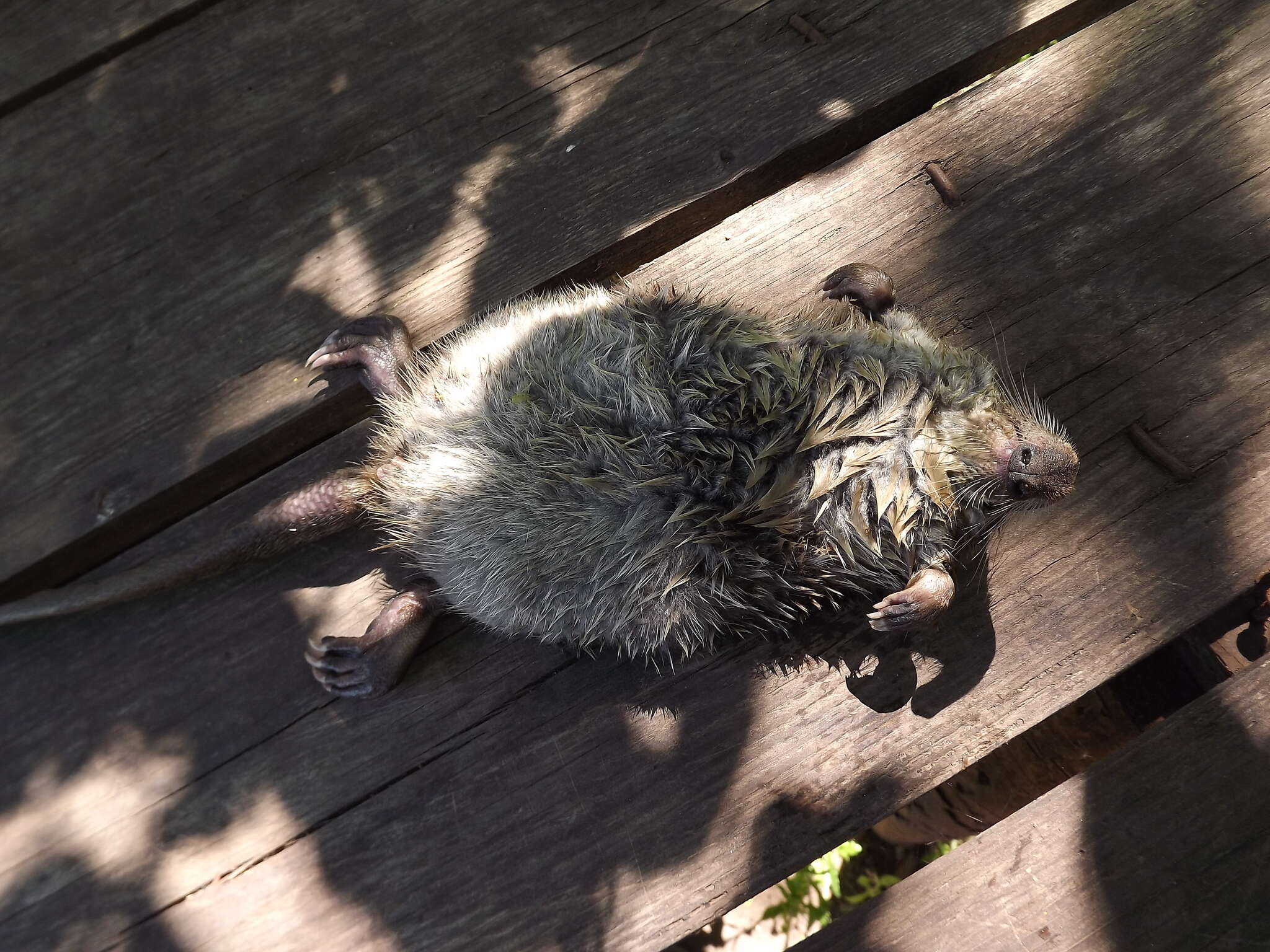
Russian Desman
species of mammal of genus Desmana in the family Talpidae

whiskered bat
species of bats (Chrioptera)
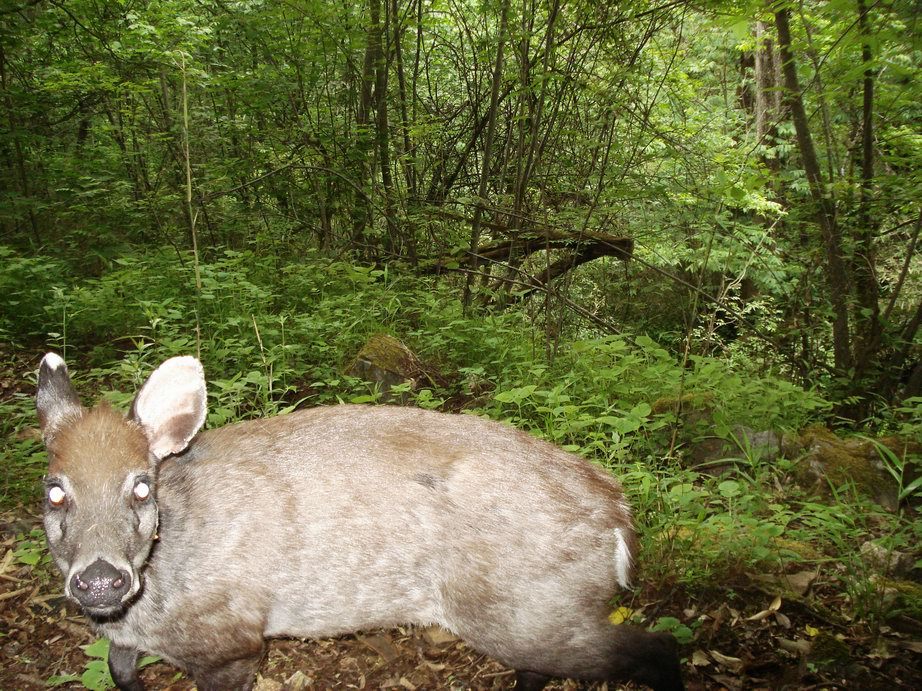
tufted deer
species of deer
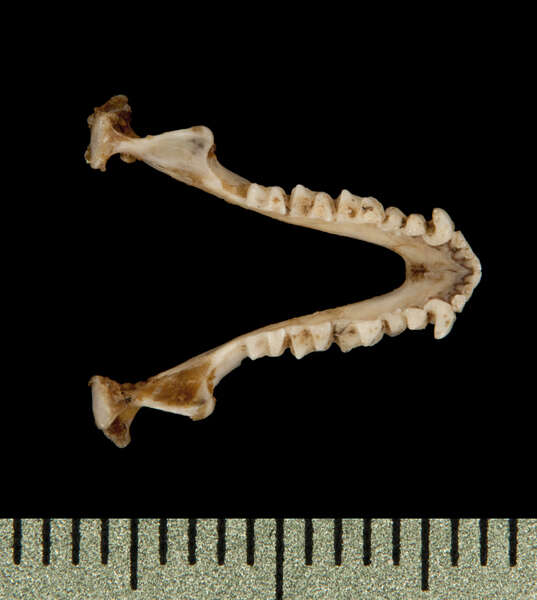
Common noctule
species of mammal
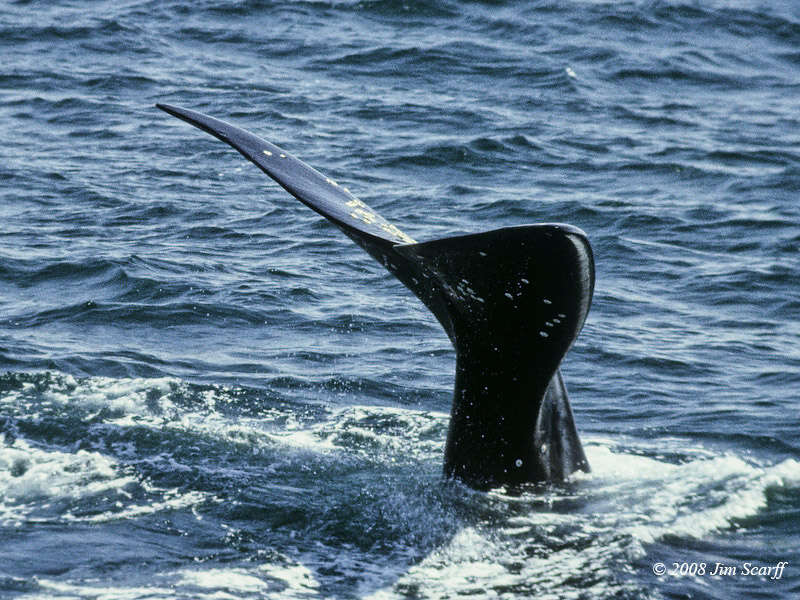
North Pacific right whale
species of mammal
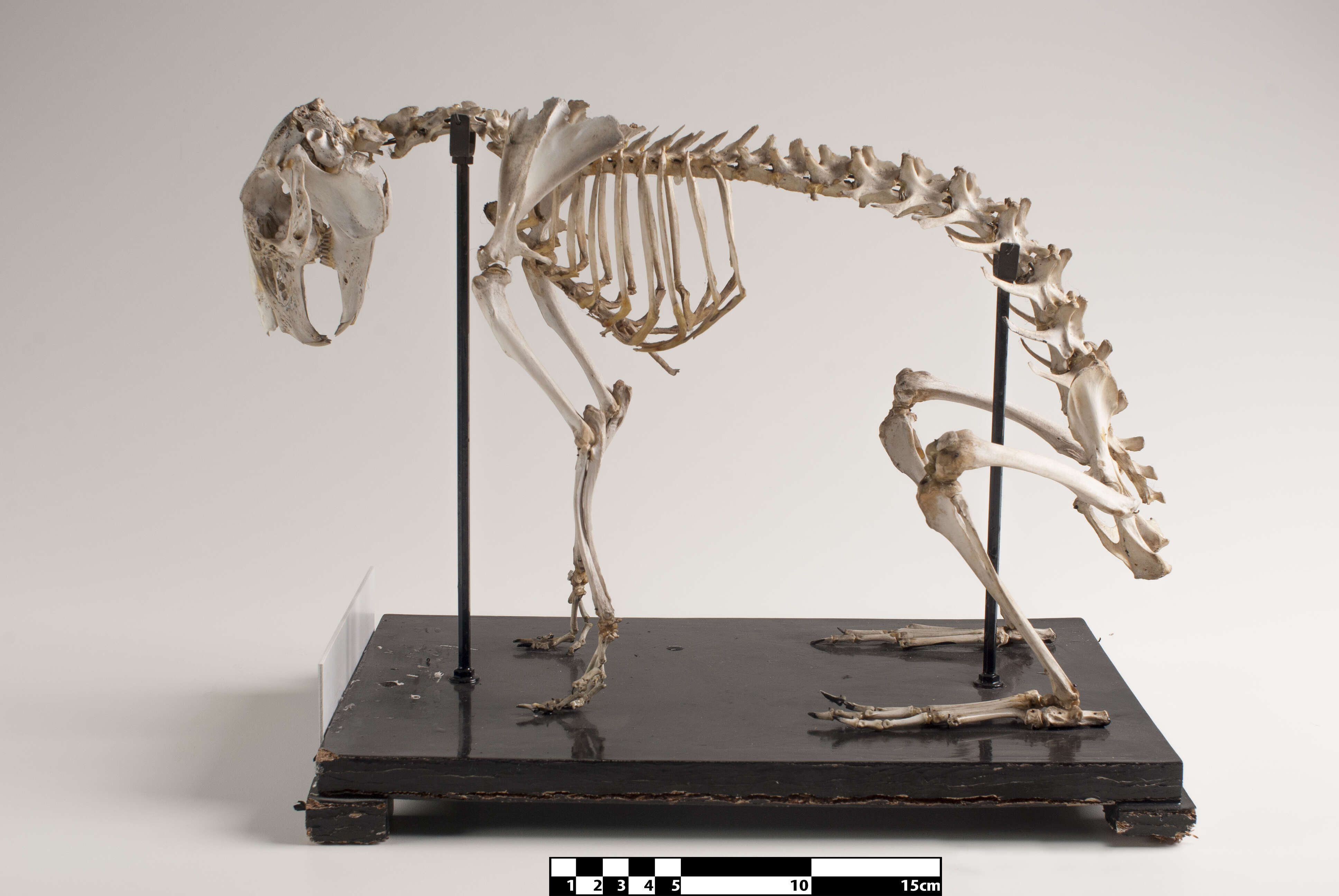
Hispid Hare
species of mammal
striped field mouse
species of mammal

Persian fallow deer
species of mammal
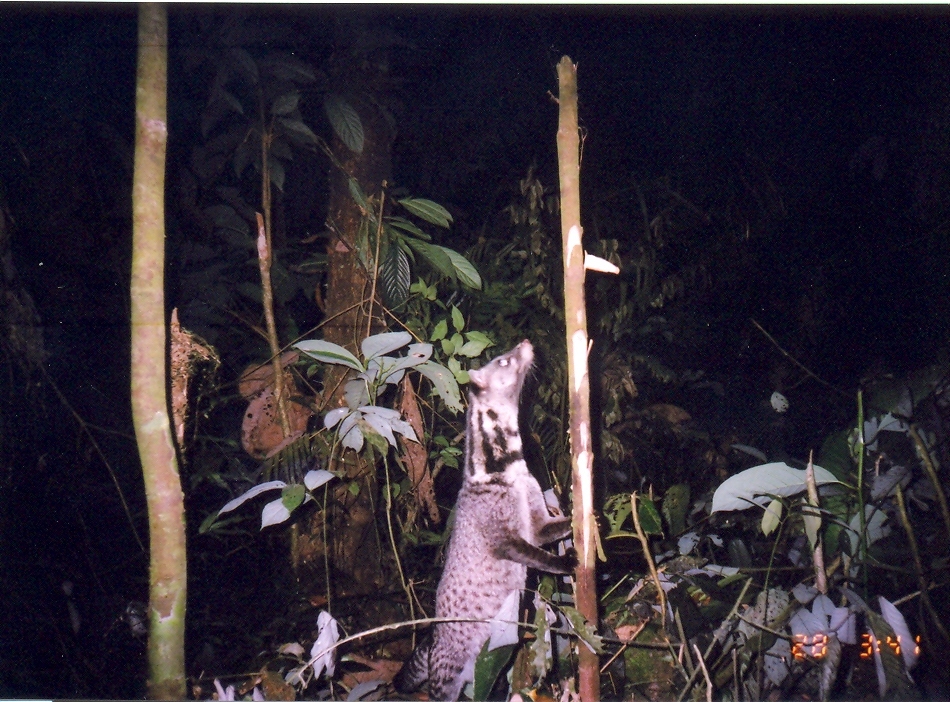
Viverra
Viverra is a mammalian genus that was first named and described by Carl Linnaeus in 1758 as comprising several species including the large Indian civet (V. zibetha). The genus was subordinated to the viverrid family by John Edward Gray in 1821.

field vole
species of mammal
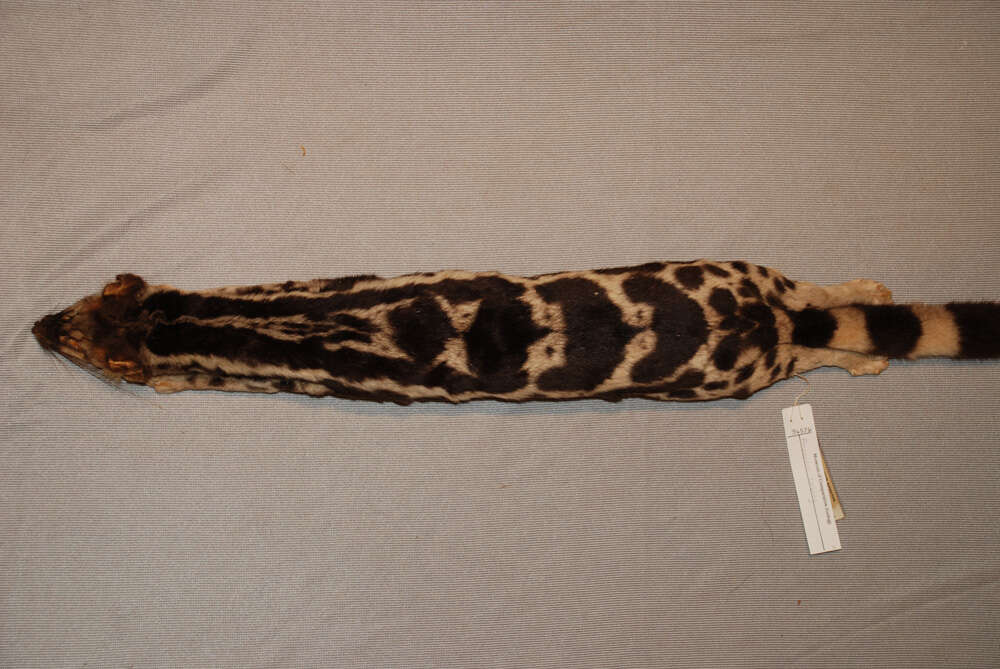
Prionodon
genus of mammals

Moschus
genus of mammals

Asian house shrew
species of shrew

Oriental giant squirrel
genus of the squirrels

Japanese badger
species of mammal

Lepus oiostolus
species of mammal
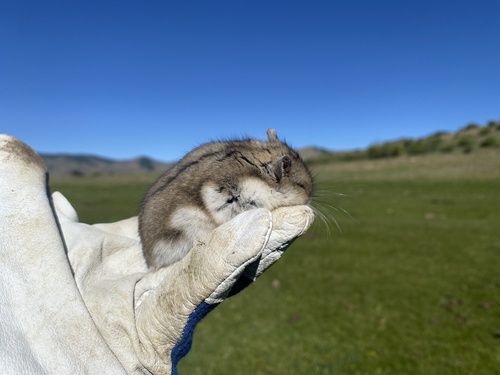
Campbell's dwarf hamster
species of mammal