Category
page 1Subject–verb–object languages

English language
English is a West Germanic language of the Indo-European language family. It emerged in early medieval England and has since become a global lingua franca. The namesake of the language is the Angles, one of the Germanic peoples who migrated to Britain after the end of Roman rule. English is the most spoken language in the world, primarily due to the global influences of the former British Empire and the United States. It is the most widely learned second language in the world, with more second-language speakers than native speakers. However, English is only the third-most spoken native language, after Mandarin Chinese and Spanish.

Spanish
Romance language originating in the Iberian Peninsula

French
Romance language

Russian
East Slavic language

Arabic
Arabic is a Central Semitic language of the Afroasiatic language family spoken primarily in the Arab world. The International Organization for Standardization (ISO) assigns language codes to 32 varieties of Arabic, including its standard form of Literary Arabic, known as Modern Standard Arabic, which is derived from Classical Arabic. This distinction exists primarily among Western linguists; Arabic speakers themselves generally do not distinguish between Modern Standard Arabic and Classical Arabic, but rather refer to both as ( "the eloquent Arabic") or simply '''' ().
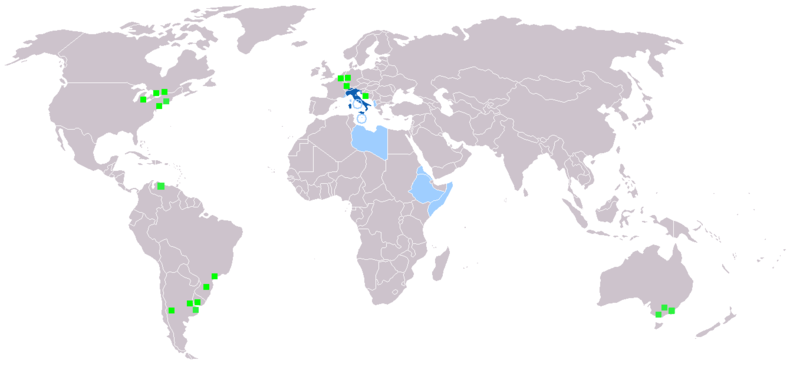
Italian
Romance language

Portuguese
Western Romance language

Greek
Indo-European language

Polish
West Slavic language

Swedish
North Germanic language spoken in Sweden and Finland

Ukrainian
East Slavic language

Finnish
Finno-Ugric language mostly spoken in Finland

Czech
West Slavic language

Catalan
Western Romance language

Danish
North Germanic language spoken in Northern Europe
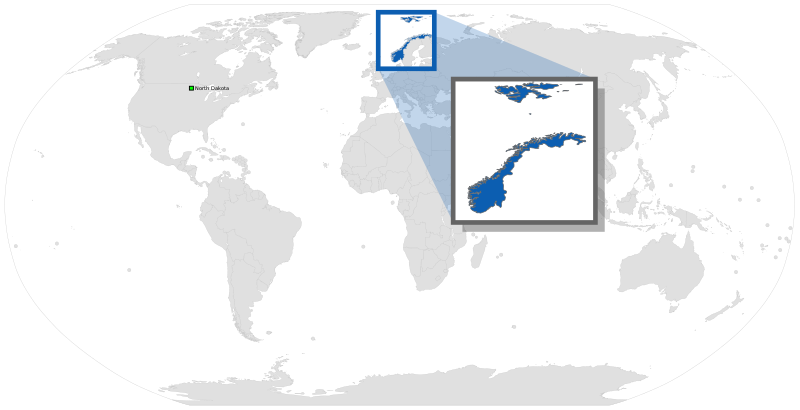
Norwegian
North Germanic language spoken in Norway

Estonian
Finnic language

Bulgarian
South Slavic language

Indonesian
official language of Indonesia

Icelandic
North Germanic language mainly spoken in Iceland

Slovak
West Slavic language spoken in Slovakia
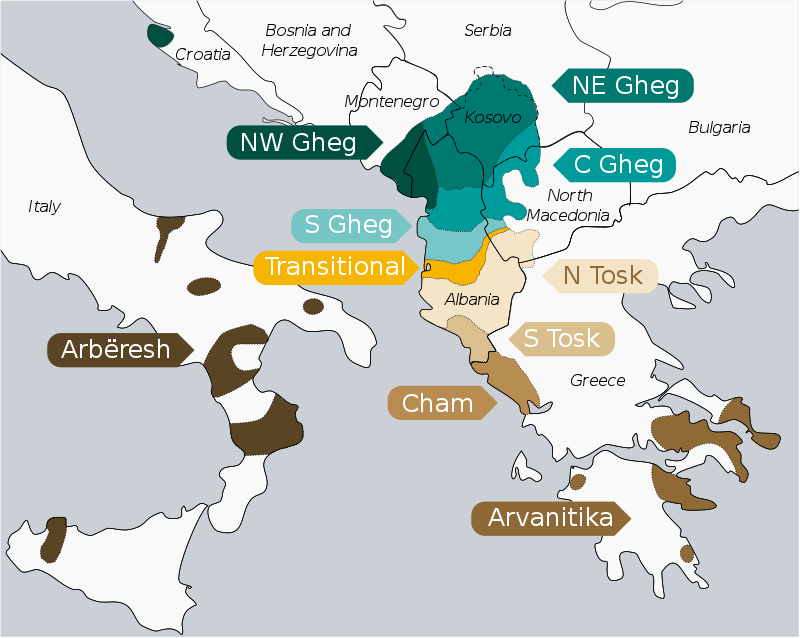
Albanian
Indo-European language, spoken primarily in Albania, Kosovo, North Macedonia, and Montenegro

Serbian
standardized variety of Serbo-Croatian language used by Serbs

Latvian
Baltic language, official in Latvia and the European Union

Thai
Tai language

Vietnamese
Austroasiatic language originating in Vietnam

Occitan
Romance language of Western Europe

Yiddish
thumb|The opening page of the 1828 Yiddish-written Jewish holiday of Purim play Esther, oder die belohnte Tugend from [[Fürth (by Nürnberg), Bavaria]]

Mandarin
major branch of Chinese spoken across most of northern and southwestern China

Faroese
insular Nordic language spoken as a native language by the people of Faroe Islands
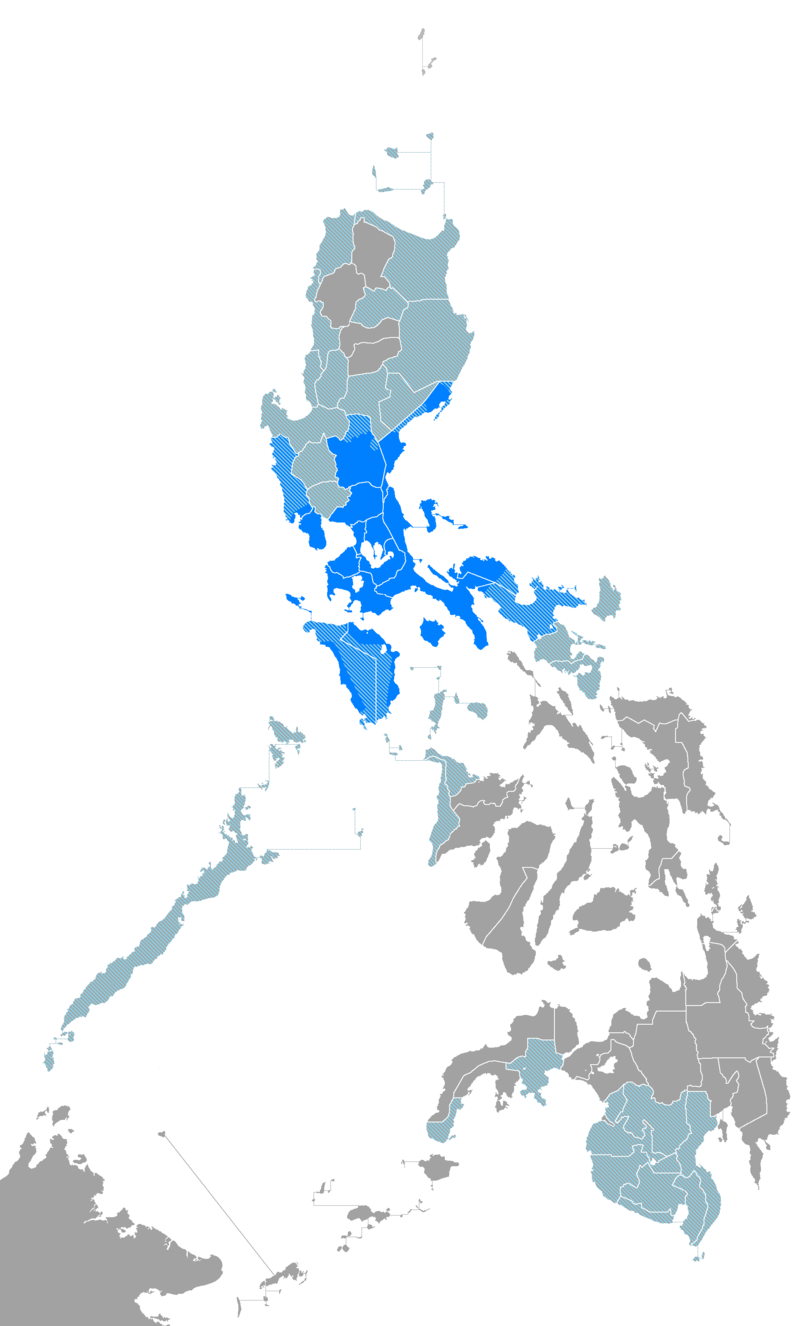
Tagalog
Austronesian language; native language of the Tagalog ethnic group

Javanese
Austronesian language

Khmer
Austroasiatic language of Cambodia

Zulu
Nguni language of eastern South Africa and neighbouring countries

Hausa
Chadic language native to the Hausa people

Scots
West Germanic language

Guarani
Tupian language of Paraguay, Argentina, Brazil and Bolivia, distinct groups within the Guaraní subgroup

Aragonese
Romance language
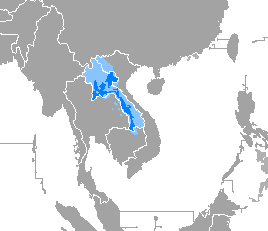
Lao
Kra–Dai language of Southeast Asia

Coptic
latest stage of the Egyptian language
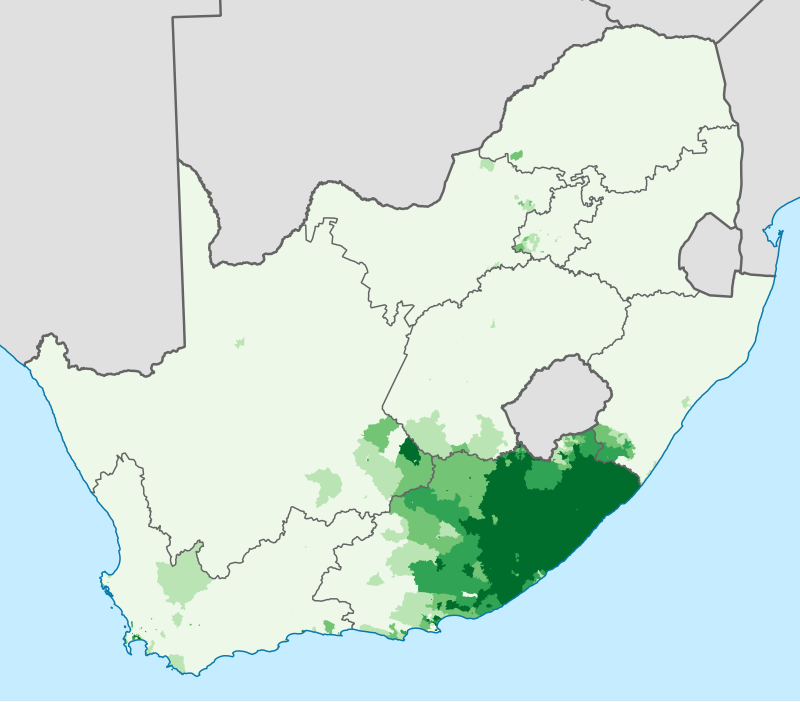
Xhosa
Nguni language of southern South Africa

Sundanese
language spoken in Indonesia

Karelian
Finnic language

Yoruba
Niger-Congo language spoken in West Africa
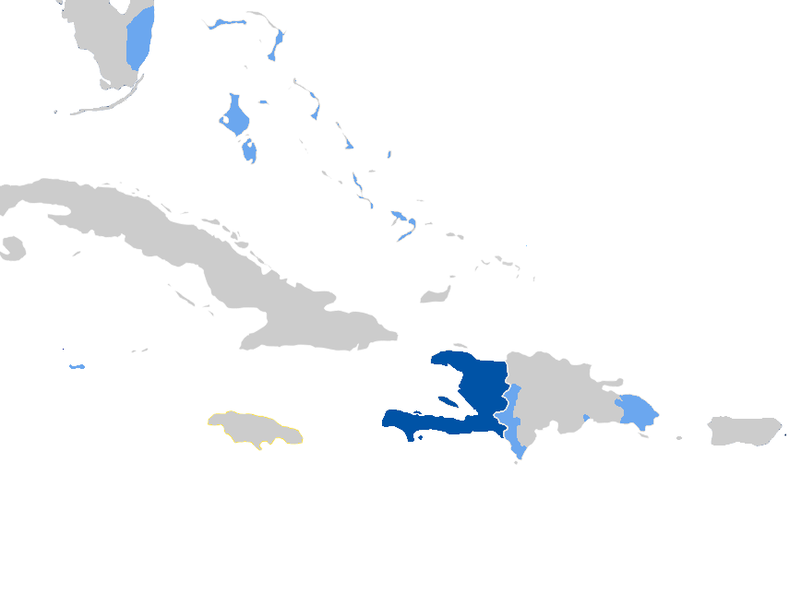
Haitian Creole
language spoken in Haiti

Sesotho
Southern Bantu language

Tok Pisin
English creole spoken in Papua New Guinea

Tswana
Bantu language of and South Africa

Northern Sami
most widely spoken of all Sámi languages

Tetum
Timoric language spoken on the island of Timor

Wu Chinese
Sinitic language

Balinese
Malayo-Polynesian language spoken on the island of Bali

Moksha
language part of the Mordvinic branch of the Uralic languages and the majority language in the western part of Mordovia

Ewe
Niger–Congo language spoken in southeastern Ghana and southern Togo

Gaulish
Gaulish is an extinct Celtic language spoken in parts of Continental Europe before and during the period of the Roman Empire. In the narrow sense, Gaulish was the language of the Celts of Gaul (now France, Luxembourg, Belgium, most of Switzerland, Northern Italy, as well as the parts of the Netherlands and Germany on the west bank of the Rhine). In a wider sense, it also comprises varieties of Celtic that were spoken across much of central Europe ("Noric"), parts of the Balkans, and Anatolia ("Galatian"), which are thought to have been closely related. The more divergent Lepontic of Northern I

Mazanderani
Northwestern Iranian language spoken mainly in Iran's Mazandaran, Golestan, Gilan, Semnan, Tehran, Alborz and Qazvin provinces

Quenya
Quenya () is a constructed language, one of those devised by J. R. R. Tolkien for the Elves in his Middle-earth fiction.

American Sign Language
sign language used predominately in the United States

Yue Chinese
primary branch of Chinese spoken in southern China
Luganda
Ganda or Luganda ( ; ) is a Bantu language spoken in the African Great Lakes region. It is one of the major languages in Uganda and is spoken by more than 5.56 million Ugandans Baganda and other people principally in central Uganda, including the country's capital, Kampala. Typologically, it is an agglutinative, tonal language with subject–verb–object word order and nominative–accusative morphosyntactic alignment.