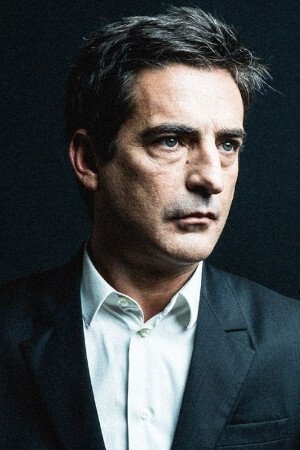
Profile via TMDB · Courtesy of TMDB
Camané
Sign in to saveAlso known as Camane
Carlos Manuel Moutinho Paiva dos Santos Duarte (born 20 December 1966), known professionally as Camané, is a Portuguese fado singer.
Person · Open Library
- Works
- 1
Top works
- Nontsikelelo - after Tears
via Open Library + Wikidata
Film & TV
Oeiras, Portugal
Camané was born in 1967 in Oeiras, Portugal as Carlos Manuel Moutinho Paiva dos Santos Duarte. He is an actor, known for Humanos - A Vida em Variações (2006), Fado Camané (2014) and Camané As Gravações de Sempre de Mim (2008).
Known for
- Mosquito — Soldier Fadista2020
- Conta-me — Convidado2020
- Histórias do Fado — Self2020
- Fado Camané2014
- Sal — Monge2014
- Odisseia — Self2013
- Fado — Himself2012
- Operation Autumn — António Semedo2012
- Com Que Voz2011
- The Portuguese Nun — Um fadista2009
via TMDB
Music · MusicBrainz
- Type
- Person
- Gender
- Male
- Origin
- Portugal
- Active from
- 1966-12-20
Discography
via MusicBrainz · CC0
Listeners · Last.fm
- Listeners
- 22,821
- Total plays
- 203,271
Tags
Camané is widely accepted as one of the most impressive and representative male voices of the new generation of Fado male singers. "The greatest fadista since Amália Rodrigues and Maria da Fé," is how British biographer David Bret, an expert of the medium, describes him. He started gaining recognition in Portugal in 1979 after winning the "Grande Noite do Fado" (Great Fado Night). After this first step, the true "alfacinha" (inhabitant of Lisbon) <a href="https://www.last.fm/music/Caman%C3%A9">
via Last.fm · Camané
Key facts
- Musical artist.name
- Camané
- Musical artist.image
- FADO CAMANE a film by Bruno de Almeida 4 crop.jpg
- Musical artist.caption
- Camané in 2014
- Musical artist.birth_name
- Carlos Manuel Moutinho Paiva dos Santos Duarte
- Musical artist.birth_place
- Oeiras, Portugal
- Musical artist.instrument
- Vocals
- Musical artist.genre
- Fado
- Musical artist.occupation
- Musician
via Wikipedia infobox
Wikidata facts
- Instance of
- human
- Gender
- male
- Citizenship
- Portugal
- Place of birth
- Oeiras
- Occupation
- singer
- Languages spoken
- Portuguese
- Native language
- Portuguese
- Award
- Golden Globes
- Genre
- fado
- Instrument
- voice
- Official website
- www.camane.com/engine.php?cat=1
- Image
- Camané.jpg
Show 5 more facts
- name in native language
- Carlos Manuel Moutinho Paiva dos Santos Duarte
- pseudonym
- Camané
- Commons category
- Camané
- date of birth
- 1966-12-20
- birth name
- Carlos Manuel Moutinho Paiva dos Santos Duarte
Sources (1)
via Wikidata · CC0
~2 min read
Encyclopedic overview
7 sectionsContents
- Career
- Personal life
- Discography
- Albums
- Collaborations
- References
- External links
Carlos Manuel Moutinho Paiva dos Santos Duarte (born 20 December 1966), known professionally as Camané, is a Portuguese fado singer.
== Career == He started gaining recognition in Portugal in 1979 after winning the 'Grande Noite do Fado' (Great Fado Night). After this first step, he continued to consistently work toward commercial success with critically well-received albums and a concert tour that touched upon both large and small venues, including 'Casas de Fado' (fado clubs) in Lisbon.
Excerpted from Wikipedia’s “Camané” article, available under the CC BY-SA 4.0 licence.