
File:Choline_skeletal_formula.svg · Wikimedia Commons · See Wikimedia Commons
choline
Sign in to saveAlso known as 2-hydroxyethyl-trimethyl-ammonium, choline cation, 2-hydroxyethyl-trimethyl-azanium, N,N,N-trimethylethanol-ammonium, (beta-hydroxyethyl)trimethylammonium, trimethylethanolamine, N-trimethylethanolamine, choline ion
Choline is a cation with the chemical formula . Choline forms various salts, such as choline chloride and choline bitartrate. An essential nutrient for animals, it is a structural component of phospholipids and cell membranes.
OverviewAI-generated
Choline is a chemical compound with the formula C₅H₁₄NO⁺. Its IUPAC name is 2-hydroxyethyl(trimethyl)azanium, and it has a molecular weight of 104.17. The substance carries a charge of 1 and features one hydrogen bond donor and one hydrogen bond acceptor. Its canonical SMILES notation is C[N+](C)(C)CCO, while its xlogp value is -0.4 and its topological polar surface area is 20.2.
The compound is associated with various scientific discussions, including a ScienceAlert article titled "There's a Surprising Link Between a Key Nutrient, Obesity, And Alzheimer's Risk." It is also listed on Allergiq as additive E1001. A search on PubMed yields 92,022 results for the term choline. The subject is referenced by 1,276 other encyclopedia articles.
Synthesized by Vinony from 23 facts across 5 sources: Wikidata, Firecrawl, PubMed, PubChem, Vinony graph. Generated from structured data (not the Wikipedia text) and checked against those facts — may still contain errors.
Chemical data
- Formula
- C5H14NO+
- Molecular weight
- 104.17 g/mol
- IUPAC name
- 2-hydroxyethyl(trimethyl)azanium
- SMILES
- C[N+](C)(C)CCO
- InChIKey
- OEYIOHPDSNJKLS-UHFFFAOYSA-N
- XLogP
- -0.4
- Polar surface area
- 20.2 Ų
- H-bond donors
- 1
- H-bond acceptors
- 1
- Formal charge
- 1
via PubChem
Drug data · ChEMBL
- Max clinical phase
- Approved
- Molecule type
- Small molecule
- First approval
- 2012
- Admin. routes
- parenteral
via ChEMBL · EBI
Research
92,022 papers- Future Directions in Choline: From Neurodevelopment to Cardiometabolic Health.Nutrients · 2025
- Prenatal and Postnatal Choline Supplementation in Fetal Alcohol Spectrum Disorder.Nutrients · 2022
- Choline and betaine in health and disease.Journal of inherited metabolic disease · 2011
- CDP-choline: pharmacological and clinical review.Methods and findings in experimental and clinical pharmacology · 1995
- Choline: needed for normal development of memory.Journal of the American College of Nutrition · 2000
via PubMed
Described at
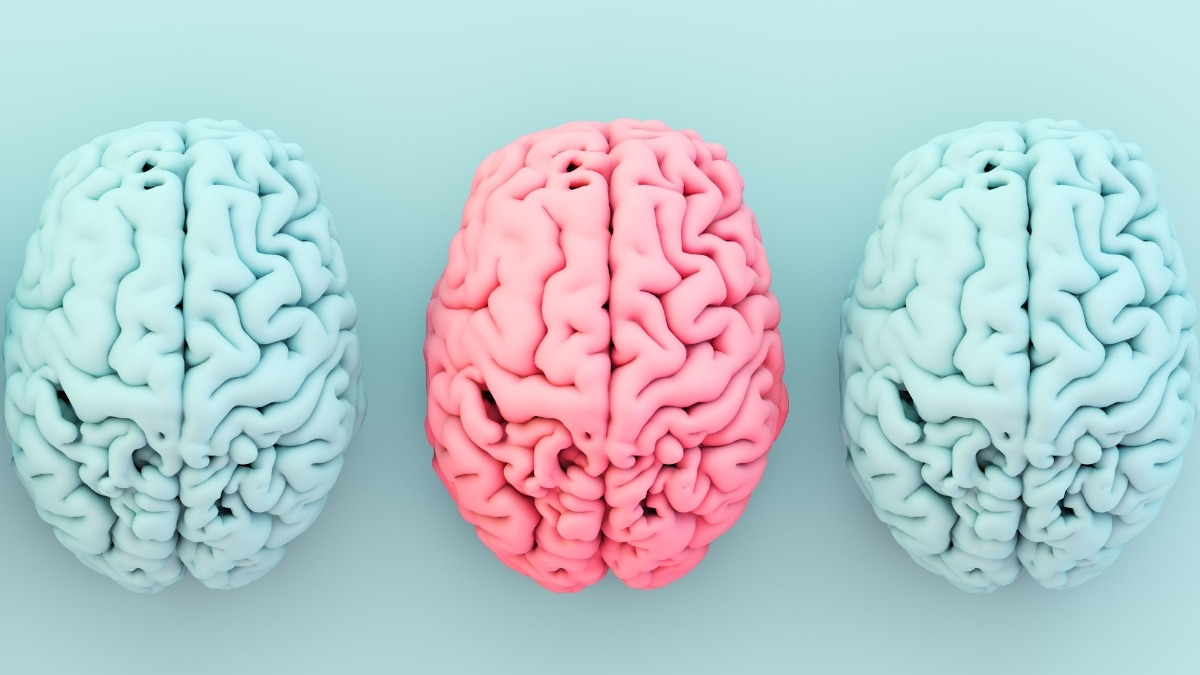
There's a Surprising Link Between a Key Nutrient, Obesity, And Alzheimer's Risk : ScienceAlert
A combination of obesity and low levels of the nutrient choline could contribute to accelerated brain aging and potentially some early triggers of neurodegenerative diseases such as Alzheimer's, according to a new study.
sciencealert.com →"Several new reports published this month further link reduced blood choline levels to behavioral changes, including anxiety and memory impairment, as well as broader metabolic dysfunction." Obesity was linked to a variety of other biomarkers. (Ramon Velazquez Lab) Individuals with obesity were found to have several noticeable differences, including less choline circulating through their bodies, an increased number of biomarkers linked to inflammation, and higher levels of neurofilament light (NfL) – a blood protein indicating neuron damage. There was a strong correlation between lower choline and higher NfL in those with obesity, and crucially, the same pattern was observed in analyses of post-mortem brain tissue from older people who had died with Alzheimer's or mild cognitive impairment (MCI). The data isn't comprehensive enough to prove cause and effect, but the big picture is that obesity, choline, and accelerated brain aging leading to dementia could all be connected. Choline could be part of the reason why obesity is a risk factor for Alzheimer's . "Our results suggest that, in young adults, good metabolic health and adequate choline contribute to neuronal health, laying the groundwork for healthy aging," says ASU behavioral neuroscientist Jessica Judd. It's the latest study to highlight the multitude of variables and factors involved in brain aging and dementia. Untangling the knotty combination of causes and consequences is a real challenge for scientists, and discoveries like this can bring clarity to what's happening as brains get older . While the liver produces a small amount of choline naturally, our daily recommended intake can be easily managed by eating eggs, fish, poultry, beans, and cruciferous vegetables . We already knew the nutrient was important for health, but now there's another reason to make sure it's in your diet. "Most people don't realize they aren't getting enough choline," says biochemist Wendy Winslow, from ASU. "Adding choline-rich foods to your routine can help reduce inflammation and support both your body and brain as you age."
Excerpt from a page describing this subject · 6,014 chars · not written by Vinony
Wikidata facts
- Subclass of
- primary alcohol
- Has part
- nitrogen
- Mass
- 104.10699048808999
- Has use
- medication
Show 7 more facts
- found in taxon
- Amaranthus caudatus
- canonical SMILES
- C[N+](C)(C)CCO
- different from
- Cholín
- Commons category
- Choline
- subject has role
- primary metabolite
- chemical formula
- C₅H₁₄NO⁺
- described at URL
- allergiq.org/additives/e1001
Sources (8)
via Wikidata · CC0
~31 min read
Encyclopedic overview
31 sectionsContents
- Chemistry
- Choline as a nutrient
- Metabolism
- Biosynthesis
- Absorption
- Transport
- Storage
- Excretion
- Function
- Phospholipid precursor
- Acetylcholine synthesis
- Source of trimethylglycine
- Content in foods
- Daily values
- Dietary recommendations
- Intake in populations
- Deficiency
- Signs and symptoms
- Causes and mechanisms
- Excess intake
- Health effects
- Neural tube closure
- Cardiovascular diseases and cancer
- Cognition
- Perinatal development
- Functions in the fetus
- Uses
- History
- Discovery
- Discovery as a nutrient
- References
Choline is a cation with the chemical formula . Choline forms various salts, such as choline chloride and choline bitartrate. An essential nutrient for animals, it is a structural component of phospholipids and cell membranes.
Choline is used to synthesize acetylcholine, a neurotransmitter involved in muscle control and numerous functions of the nervous system. Choline is involved in early development of the brain, gene expression, cell membrane signaling, and brain metabolism.
Excerpted from Wikipedia’s “choline” article, available under the CC BY-SA 4.0 licence.