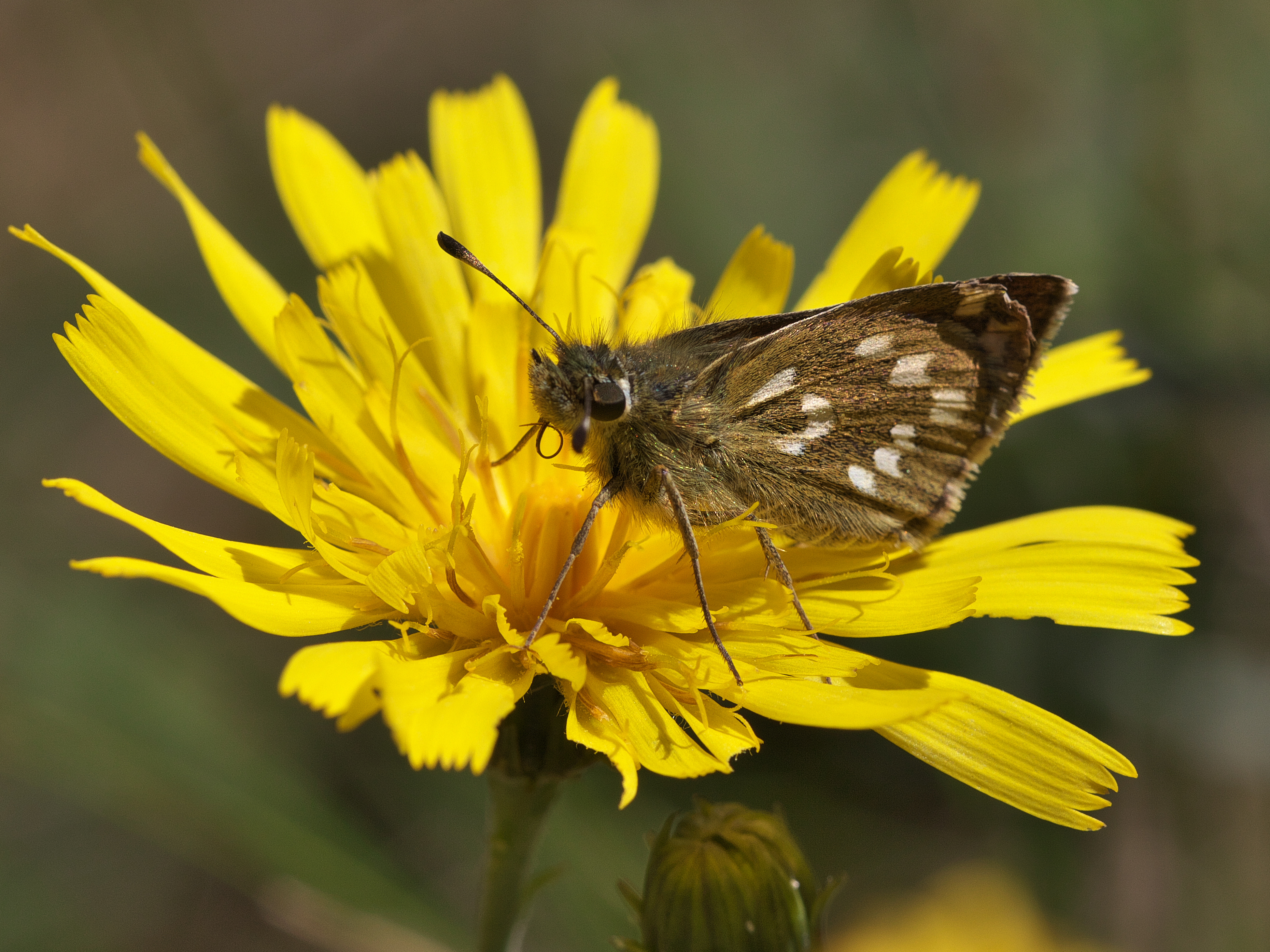
Image from GBIF · CC BY-SA
Species
SPECIES
- KingdomAnimalia
- PhylumArthropoda
- ClassInsecta
- OrderLepidoptera
- FamilyHesperiidae
via GBIF
Museum specimens
- Specimen records
- 2,510
- With media
- 1,803
- Family
- Hesperiidae
- Collections
- RBINS-SCIENTIFIC HERITAGE, UAM, UNIVERSITY OF ALBERTA MUSEUMS (UAM)
- Recorded in
- Belgium, France, United States, Canada
Wikidata facts
- Instance of
- taxon
- Parent taxon
- Hesperia
- Image
- Silver-spotted skipper butterfly (Hesperia comma) female underside.jpg
Show 9 more facts
- Commons gallery
- Hesperia comma
- taxon rank
- species
- taxon name
- Hesperia comma
- Commons category
- Hesperia comma
- taxon common name
- Komma-Deckkapp
- wingspan
- 26
- has host
- Poa glauca
- IUCN conservation status
- Least Concern
- regional conservation status
- Near Threatened
via Wikidata · CC0
~13 min read
Encyclopedic overview
Hesperia comma, the silver-spotted skipper or common branded skipper, is a butterfly of the family Hesperiidae. The species is known as silver-spotted skipper in Europe and common branded skipper in North America where the butterfly Epargyreus clarus, a spread-winged skipper, also has the common name of "Silver-Spotted Skipper". Originally the species was known as the Pearl Skipper but as time went on the name Silver-Spotted Skipper began being ascribed to it more frequently.
There are numerous subspecies spread throughout the world from Asia, Europe, and North America. The species has at least 15 subspecies in North America.In the UK they are rare, usually only found in the chalk hills of the Southern UK and are believed to have arrived in the UK either in the Late Glacial Period or the Holocene. As adults they have white tips with yellowish-white spots. They typically live for a year with most of their life spend overwintering as eggs for 7 months until temperatures warm in the Spring. The larvae typically grow up in grazed areas with not too much overgrown vegetation and feed on host plants such as Sheep's Fescues (Festuca ovina). The larvae form tents made of silk and grass blades and as they pupate form cocoons out of the same materials near the ground. They emerge as adult in July through September. In the UK the species was facing decline however due to restoration efforts and global warming their populations have begun to grow again.
Excerpted from Wikipedia’s “Hesperia comma” article, available under the CC BY-SA 4.0 licence.