AI overview
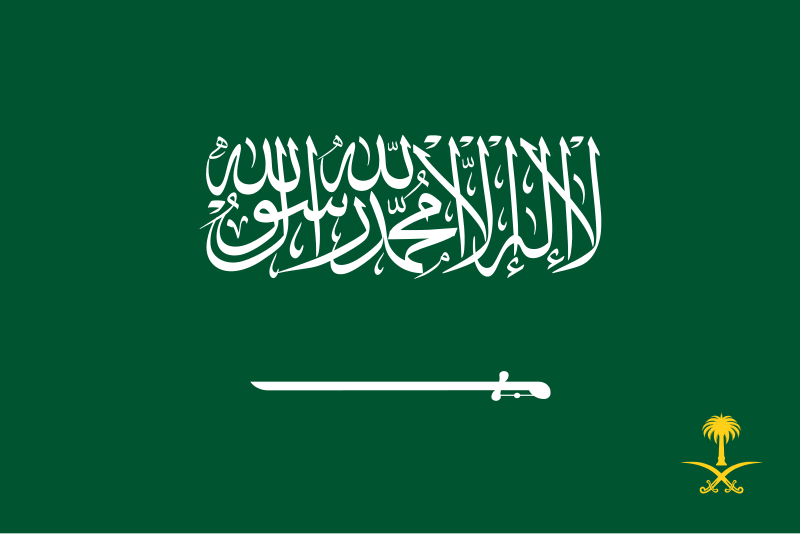
The King of Saudi Arabia is the supreme leader of the Kingdom of Saudi Arabia, serving as both the head of government and head of state. This position matters because Saudi Arabia is one of the world's largest oil producers and a major political and religious influence in the Middle East, making the king's decisions significant on global energy and regional affairs.
AI-generated from the Wikipedia summary — may contain errors.
Key facts
- Style
- The Custodian of the Two Holy Mosques
- Heir apparent
- Mohammad bin Salman Al Saud
- First monarch
- Abdulaziz Al Saud
- Formation
- 23 September 1932 ; 93 years ago ( 1932-09-23 )
- Residence
- Al-Yamamah Palace , ( Riyadh ) , Al-Safa Palace, ( Mecca ) , Al-Salam Palace, ( Jeddah ) , Tayibah Palace, ( Medina ) , Al-Aziziya Palace, ( Dammam )
- Website
- houseofsaud .com
via Wikipedia infobox
Wikidata facts
Show 4 more facts
- Commons category
- Kings of Saudi Arabia
- native label
- ملوك السعوديه
- short name
- العاهل السعودي
~5 min read
Article
The king of Saudi Arabia, officially the king of the Kingdom of Saudi Arabia (Arabic: ملك المملكة العربية السعودية, romanized: Malik al-Mamlakat al-ʿArabiyat as-Suʿūdiyya), is head of state of the Kingdom of Saudi Arabia, who holds absolute power. He is the head of the Saudi Arabian royal family, the House of Saud. The king is the commander-in-chief of the Saudi Arabian Armed Forces and the head of the Saudi national honors system. The king is called the "Custodian of the Two Holy Mosques" (خادم الحرمين الشريفين; Khadim al-Haramayn aš-Šarīfayn), a title that signifies Saudi Arabia's jurisdiction over the mosques of Masjid al-Haram in Mecca and Al-Masjid an-Nabawi in Medina. The title has been used many times through the history of Islam. The first Saudi king to use the title was Faisal; however, King Khalid did not use the title after him. In 1986, King Fahd replaced "His Majesty" with the title of Custodian of the Two Holy Mosques, and it has been since used by both King Abdullah and King Salman. The king has been named the most powerful and influential Muslim and Arab leader in the world according to The Muslim 500.
History