misophonia
Sign in to saveAlso known as Selective Sound Sensitivity Syndrome, 4S
Misophonia (or selective sound sensitivity syndrome) is a disorder of decreased tolerance to specific sounds or their associated stimuli, or cues. These cues, known as "triggers", are experienced as unpleasant or distressing and tend to evoke strong negative emotional, physiological, and behavioral responses not seen in most other people. Misophonia and the behaviors that people with misophonia often use to cope with it (such as avoidance of "triggering" situations or using hearing protection) can adversely affect the ability to achieve life goals, communicate effectively, and enjoy social sit
OverviewAI-generated
Misophonia is a condition that has been the subject of scientific inquiry regarding its biological underpinnings. Research indicates that the condition has genetic links to anxiety and depression. These findings suggest a connection between the sensory response associated with misophonia and other mental health conditions.
The topic has been covered in various media outlets, including an article by ScienceAlert which discusses these genetic connections. Additionally, the condition is referenced in numerous other encyclopedia articles, indicating its presence in broader academic and informational literature. Clinical trials related to misophonia are also documented, with a count of 17 studies identified in relevant databases.
Synthesized by Vinony from 9 facts across 4 sources: Wikidata, Firecrawl, ClinicalTrials.gov, Vinony graph. Generated from structured data (not the Wikipedia text) and checked against those facts — may still contain errors.
Key facts
- Medical condition (new).image
- File:Kumar2017 Figure2A AIC BOLD.png
- Medical condition (new).image_size
- 300px
- Medical condition (new).caption
- Stronger brain responses to misophonia trigger sounds have been observed in people with misophonia.
- Medical condition (new).alt
- Three greyscale images depicting sections of the brain, onto which orange and yellow highlighting (representing effects) has been projected, along with an accompanying scale. The effect highlighting is concentrated in the anterior insular cortex.
- Medical condition (new).synonyms
- selective sound sensitivity syndrome, misophonic disorder, select sound sensitivity syndrome, soft sound sensitivity symptom, sound-rage
- Medical condition (new).field
- psychiatry, clinical psychology, audiology
- Medical condition (new).complications
- social isolation, extreme trigger avoidance, relationship difficulties, anxiety (particularly phonophobia), maladaptive coping strategies (including suicidality, aggression, and self-harm)
- Medical condition (new).onset
- Variable (childhood through adulthood), with most common onset in childhood/early adolescence
- Medical condition (new).causes
- Neuropsychological and perceptual processing differences of unclear etiology
- Medical condition (new).treatment
- Most evidence for specialized forms of cognitive-behavioral therapy, with extremely limited (case report/series-level) evidence for other psychotherapy modalities, tinnitus retraining therapy, and certain medications.
via Wikipedia infobox
Clinical Trials
17 registered- NARECRUITINGTranscranial Magnetic Stimulation in MisophoniaIcahn School of Medicine at Mount Sinai · NCT06960083
- NAACTIVE_NOT_RECRUITINGUsing Neurostimulation to Accelerate Change in Misophonia: a Pilot StudyDuke University · NCT06333925
- NACOMPLETEDTreatment of Misophonia: Comparison of Exposure and Sound TherapyHacettepe University · NCT05993286
- NAUNKNOWNInstructed Cognitive Reappraisal in Reducing Affective, Behavioral and Psychophysiological Symptoms of MisophoniaUniversity of Warsaw, Poland · NCT06372405
- NANOT_YET_RECRUITINGThe Efficacy of Lavender Herbal Tea in MisophoniaSakarya University · NCT06785649
- EARLY_PHASE1RECRUITINGPropranolol for MisophoniaBloom Mental Health, LLC · NCT07271485
Described at
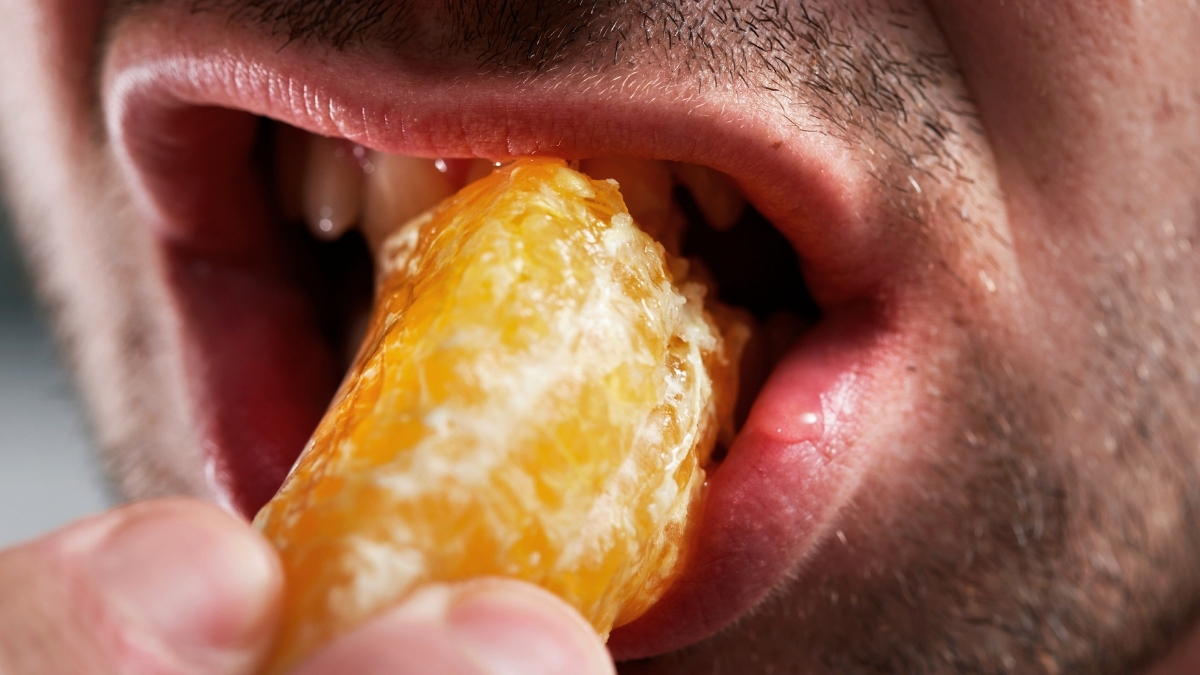
Misophonia Has Genetic Links to Anxiety And Depression, Study Says : ScienceAlert
When someone scrapes their nails down a chalkboard, many of us might feel uncomfortable.
sciencealert.com →When someone scrapes their nails down a chalkboard, many of us might feel uncomfortable. For those with the condition misophonia , other kinds of sounds – like slurping, snoring, breathing, and chewing – can draw an equally stressful response. University of Amsterdam psychiatrist Dirk Smit and colleagues analyzed the genetic data from the Psychiatric Genomics Consortium, UK Biobank, and 23andMe databases. They found people who self-identified as having misophonia were more likely to have genes associated with psychiatric disorders , as well as tinnitus . "There was also an overlap with PTSD genetics," Smit told Eric W. Dolan at PsyPost. "This means that genes that give a sensitivity to PTSD also increase the likelihood for misophonia, and that could point to a shared neurobiological system that affects both. And that could suggest that treatment techniques used for PTSD could also be used for misophonia." This doesn't mean misophonia and these other conditions necessarily have shared mechanisms, only that some of the genetic risk factors may be similar. Responses to a triggering sound can range from irritation and anger to distress that interferes with everyday life. People with misophonia can have an intense reaction to triggering sounds. (Cleveland Clinic ) People with autism spectrum disorder ( ASD ) were less likely to experience misophonia. This was unexpected as those with ASD often have a decreased ability to tolerate sounds. "Our results suggest that misophonia and ASD are relatively independent disorders with regard to genomic variation," Smit and team explain in the study . Smit and colleagues caution that their data were mostly sourced from European populations, so the same links may not show up in different populations. What's more, misophonia was not medically diagnosed in their data samples, only self-reported, which may skew the results. The 772 volunteers completed a questionnaire about potential trigger sounds and their emotional responses, which probed 5 aspects of misophonia: a sense of emotional threat, internal and external appraisals, outbursts, and impact. Responses to a triggering sound can range from irritation and anger to distress that interferes with everyday life. (Andrii Iemelyanenko/Canva) "Our survey captured the complexity of the condition," explained University of Oxford clinical psychologist Jane Gregory when the results were published. There were two key differences between those with misophonia and the general population. Firstly, the negative feelings towards the sounds universally disliked were more often accompanied by anger and panic. They reported feeling trapped or helpless and unable to escape the noise. Finally, people with misophonia were more likely to be bothered by sounds like normal breathing and swallowing, whereas these didn't prompt any reaction in the general population. Gregory and the UK team think their survey may be a useful tool to help other clinicians identify those troubled by misophonia – a term that they report less than 14 percent of their sample population were previously aware of. Studies like these are invaluable for understanding how our perception of the world links with our mind's ability to cope within it.
Excerpt from a page describing this subject · 8,703 chars · not written by Vinony
Wikidata facts
- Instance of
- disease
- Subclass of
- sensory processing differences
- Said to be same as
- misokinesia
Show 4 more facts
- different from
- mysophobia
- studied by
- audiology
- health specialty
- psychiatry
Sources (2)
via Wikidata · CC0
~38 min read
Encyclopedic overview
19 sectionsContents
- Terminology and origins of the concept
- Signs and symptoms
- Diagnosis and assessment
- Classification
- Measures
- Management
- Mechanism
- "Neurophysiological" (Jastreboff) model
- "Action perception" (Berger-Gander-Kumar) model
- Epidemiology
- Associated experiences
- Society and culture
- Notable cases
- See also
- References
- Notes
- Sources
- Further reading
- External links
Misophonia (or selective sound sensitivity syndrome) is a disorder of decreased tolerance to specific sounds or their associated stimuli, or cues. These cues, known as "triggers", are experienced as unpleasant or distressing and tend to evoke strong negative emotional, physiological, and behavioral responses not seen in most other people. Misophonia and the behaviors that people with misophonia often use to cope with it (such as avoidance of "triggering" situations or using hearing protection) can adversely affect the ability to achieve life goals, communicate effectively, and enjoy social situations. At present, misophonia is not listed as a diagnosable condition in the DSM-5-TR, ICD-11, or any similar manual, making it difficult for most people with the condition to receive official clinical diagnoses of misophonia or medical services. In 2022, an international panel of misophonia experts published a consensus definition of misophonia, and since then, clinicians and researchers studying the condition have widely adopted that definition.
When confronted with specific "trigger" stimuli, people with misophonia experience a range of negative emotions, most notably anger, extreme irritation, disgust, anxiety, and sometimes rage. The emotional response is often accompanied by a range of physical symptoms (e.g., muscle tension, increased heart rate, and sweating) that may reflect activation of the fight-or-flight response. Unlike the discomfort seen in hyperacusis, misophonic reactions do not seem to be elicited by the sound's loudness but rather by the trigger's specific pattern or meaning to the hearer. Many people with misophonia cannot trigger themselves with self-produced sounds, or if such sounds do cause a misophonic reaction, it is substantially weaker than if another person produced the sound.
Excerpted from Wikipedia’s “misophonia” article, available under the CC BY-SA 4.0 licence.