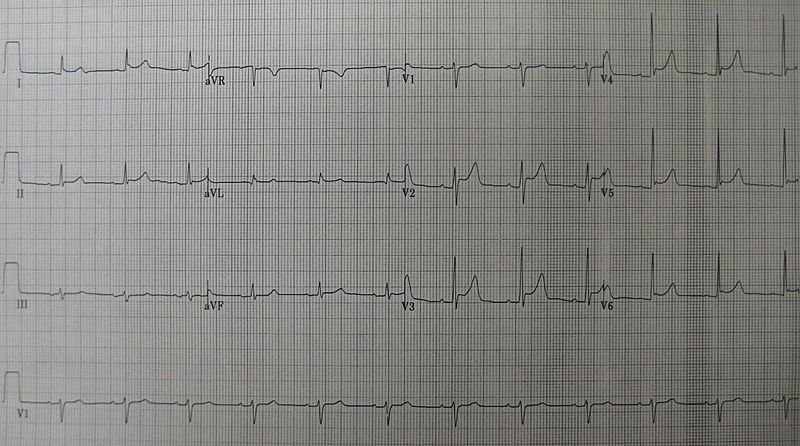
File:PericarditisECG.JPG · Wikimedia Commons · See Wikimedia Commons
التهاب التامور
Sign in to savePericarditis () is inflammation of the pericardium, the fibrous sac surrounding the heart. Symptoms typically include sudden onset of sharp chest pain, which may also be felt in the shoulders, neck, or back. The pain is typically less severe when sitting up and more severe when lying down or breathing deeply. Other symptoms of pericarditis can include fever, weakness, palpitations, and shortness of breath. The onset of symptoms can occasionally be gradual rather than sudden.
Key facts
- Medical condition.name
- Pericarditis
- Medical condition.image
- Pericarditis10.JPG
- Medical condition.caption
- An ECG showing pericarditis, with ST elevation in multiple leads and slight reciprocal ST depression in aVR.
- Medical condition.width
- 350px
- Medical condition.field
- Cardiology
- Medical condition.symptoms
- Sharp chest pain, better sitting up and worse with lying down, fever
- Medical condition.complications
- Cardiac tamponade, myocarditis, constrictive pericarditis
- Medical condition.onset
- Typically sudden
- Medical condition.duration
- Few days to weeks
- Medical condition.causes
- Viral infection, tuberculosis, uremic pericarditis, following a heart attack, cancer, autoimmune disorders, chest trauma
- Medical condition.diagnosis
- Based on symptoms, electrocardiogram, fluid around the heart
- Medical condition.differential
- Heart attack
- Medical condition.treatment
- NSAIDs, colchicine, corticosteroids
- Medical condition.prognosis
- Usually good
- Medical condition.frequency
- 3 per 10,000 per year
via Wikipedia infobox
Research
19,309 papers- Acute Pericarditis.Progress in cardiovascular diseases · 2017
- Autoimmune Pericarditis: Diagnosis and New Therapeutics.Current cardiology reports · 2025
- Pericarditis in Systemic Rheumatologic Diseases.Current cardiology reports · 2020
- Recurrent Pericarditis.Progress in cardiovascular diseases · 2017
- Idiopathic Pericarditis-an Autoinflammatory Disease?Current rheumatology reports · 2019
via PubMed
Wikidata facts
- Subclass of
- disease
- Image
- Pericarditis10.JPG
Show 10 more facts
- Commons category
- Pericarditis
- health specialty
- cardiology
- afflicts
- pericardium
- NCI Thesaurus ID
- C34915
- described by source
- Armenian Soviet Encyclopedia
- exact match
- purl.obolibrary.org/obo/HP_0001701
- drug or therapy used for treatment
- (S)-(−)-colchicine
- on focus list of Wikimedia project
- WikiProject Medicine
- symptoms and signs
- inflammation
Sources (7)
via Wikidata · CC0
Article · العربية
يُعد التهاب التأمور (بالإنجليزية: Pericarditis) التهابًا يصيب التأمور (الكيس الليفي المحيط بالقلب). تشمل الأعراض عادة ألمًا صدريًا حادًا ومفاجئًا، قد ينتشر أيضًا إلى الكتفين أو الرقبة أو الظهر. عادةً ما تخف حدة الألم عند الجلوس وتزيد عند الاستلقاء أو التنفس بعمق. تشمل أعراض التهاب التأمور الحمى والضعف وخفقان القلب وضيق النفس. يُذكر أن ظهور الأعراض قد يكون تدريجيًا أحيانًا وليس مفاجئًا. غالبًا ما يظل سبب التهاب التأمور غير معروف، لكن الاعتقاد السائد يقول إنه يرجع في أغلب الحالات إلى عدوى فيروسية. تشمل الأسباب الأخرى كلًا من العدوى البكتيرية مثل السل والتهاب التأمور اليوريمي والنوبات القلبية والسرطان واضطرابات المناعة الذاتية ورضوض الصدر. يعتمد التشخيص على وجود الألم الصدري، وملاحظة الاحتكاك التأموري بالإصغاء، وتغيرات محددة في مخطط كهربية القلب (إي سي جي)، وتجمع السوائل حول القلب. قد تعطي النوبة القلبية أعراضًا مشابهة لأعراض التهاب التأمور. يكون العلاج في معظم الحالات بمضادات الالتهاب غير الستيرويدية، إما مع الكولشيسين المضاد للالتهابات أو دونه؛ يمكن إعطاء الستيرويدات عند تعذر استخدامهما. تتحسن الأعراض عادة في غضون أيام قليلة إلى أسابيع، لكنها قد تستمر أشهرًا في بعض الأحيان. تشمل المضاعفات الدكاك القلبي والتهاب عضلة القلب والتهاب التأمور المضيّق. إن التهاب التأمور سبب غير شائع لألم الصدر، إذ يصيب 3 أشخاص من كل 10,000 شخص سنويًا، ويُعد أكثر شيوعًا عند الذكور الذين تتراوح أعمارهم بين 20 و50 عامًا. يُذكر أن الإصابة تنكس في نحو 30٪ من المصابين.
Abstract from DBpedia / Wikipedia · CC BY-SA