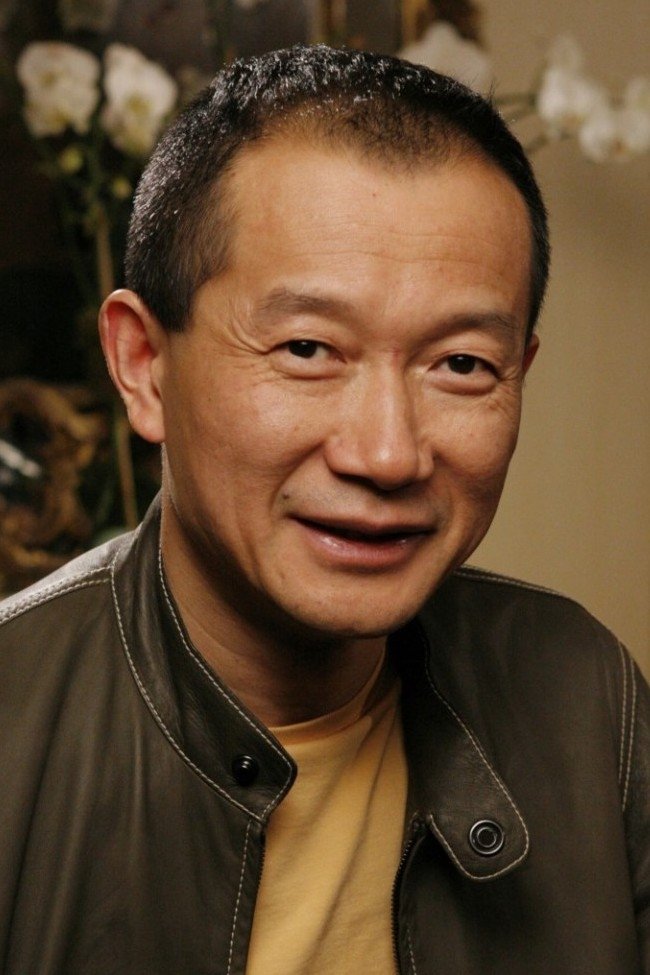
Profile via TMDB · Courtesy of TMDB
Film & TV
Changsha, Hunan Province, China
Tan Dun (born August 18, 1957) is a Chinese-born American composer and conductor. He has composed in diverse musical media incorporating both Western and traditional Chinese influences. His film score for Crouching Tiger, Hidden Dragon won the Academy Award for Best Original Score.
Known for
- Beethoven In Beijing — Self2020
- Beethoven’s Ninth: Symphony for the World — Self2020
- The Music of Strangers: Yo-Yo Ma and the Silk Road Ensemble — Self2016
- Do or Die: Lang Lang's Story — Self - Composer2012
- Voice2012
- The First Emperor — Conductor2007
via TMDB
Music · MusicBrainz
- Type
- Person
- Gender
- Male
- Origin
- Ogres novads
- Active from
- 1957
Discography
via MusicBrainz · CC0
Listeners · Last.fm
- Listeners
- 25,281
- Total plays
- 206,337
Tags
Tan Dun (pinyin: Tán Dùn, 譚盾; born August 18, 1957) is a Chinese contemporary classical composer, most widely known for his Grammy and Oscar-award winning scores for the movies Crouching Tiger, Hidden Dragon and Hero. Early life in China: Tan Dun was born in the village of Simao, Changsha in the Hunan, China. As a child, he was fascinated by the role in his village of the shimao, who conducted rituals and ceremonies, often set to music made with organic objects such as rocks and water. <a href
via Last.fm · 譚盾
Key facts
- Born
- ( 1957-08-18 ) 18 August 1957 (age 68) , Changsha , Hunan , China
- Alma mater
- Central Conservatory of Music Columbia University
- Occupations
- Composer Conductor Film scorer
via Wikipedia infobox
Wikidata facts
- Instance of
- human
- Family name
- Tan
- Gender
- male
- Citizenship
- China
- Place of birth
- Changsha
- Occupation
- film score composer
- Position held
- UNESCO Goodwill Ambassador
- Languages spoken
- Chinese
- Genre
- opera
- Instrument
- viola d'amore
- Official website
- tandun.com
- Image
- Tan Dun.JPG
Show 7 more facts
- date of birth
- 1957-08-18
- nominated for
- Academy Award for Best Original Song
- name in native language
- 谭盾
- start of work period
- 1983-00-00
- related category
- Category:Films scored by Tan Dun
- P10632
- Tan Dun
- P12674
- Viktor Stern
via Wikidata · CC0
~22 min read
Encyclopedic overview
Tan Dun (Chinese: 谭盾; pinyin: Tán Dùn, Mandarin pronunciation: [tʰǎn tu̯ə̂n]; born 18 August 1957) is a Chinese-born American composer and conductor. A leading figure of contemporary classical music, he draws from a variety of Western and Chinese influences, a pairing which has shaped much of his life and music. Having collaborated with leading orchestras around the world, Tan is the recipient of numerous awards, including a Grawemeyer Award for his opera Marco Polo (1996) and both an Academy Award and Grammy Award for his film score in Ang Lee's Crouching Tiger, Hidden Dragon (2000). His oeuvre as a whole includes operas, orchestral, vocal, chamber, solo and film scores, as well as genres that Tan terms "organic music" and "music ritual."
Born in Hunan, China, Tan grew up during the Cultural Revolution and received musical education from the Central Conservatory of Music. His early influences included both Chinese music and 20th-century classical music. Since receiving a DMA from Columbia University in 1993, Tan has been based in New York City. His compositions often incorporate audiovisual elements; use instruments constructed from organic materials, such as paper, water, and stone; and are often inspired by traditional Chinese theatrical and ritual performance. In 2013, he was named a UNESCO Goodwill Ambassador and on 1 July 2019 was named Dean of the Bard College Conservatory of Music.
Excerpted from Wikipedia’s “Tan Dun” article, available under the CC BY-SA 4.0 licence.