Category
page 1Gram-negative bacteria

Escherichia coli
enteric, rod shaped, gram-negative bacterium

Cyanobacteria
Cyanobacteria ( ) are a group of autotrophic gram-negative bacteria of the phylum Cyanobacteriota that can obtain biological energy via oxygenic photosynthesis. Cyanobacteria apparently originated in a freshwater or terrestrial environment, and first appeared in the middle Archean eon. They are probably the most numerous taxon to have ever existed on Earth. The name "cyanobacteria" () refers to their bluish green (cyan) color, which forms the basis of cyanobacteria's informal common name, blue-green algae.

Helicobacter pylori
species of bacteria
.jpg)
Salmonella
Salmonella is a genus of rod-shaped, (bacillus) Gram-negative bacteria of the family Enterobacteriaceae. The two known species of Salmonella are Salmonella enterica and Salmonella bongori. S. enterica is the type species and is further divided into six subspecies that include over 2,650 serotypes. Salmonella was named after Daniel Elmer Salmon (1850–1914), an American veterinary surgeon.

gram-negative bacteria
group of bacteria that do not retain the Gram stain used in bacterial differentiation
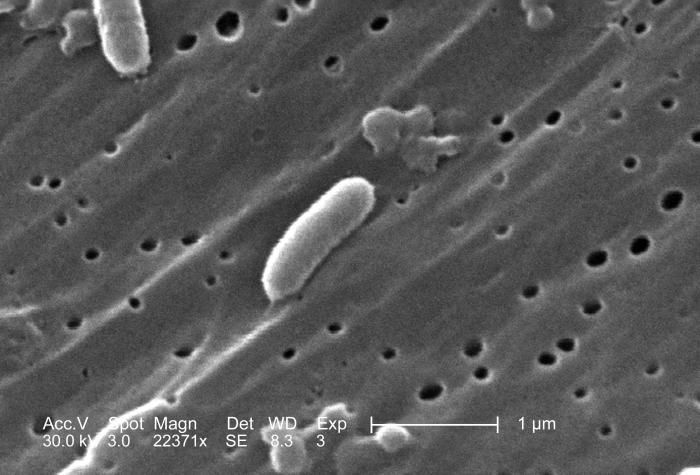
Vibrio cholerae
species of bacterium
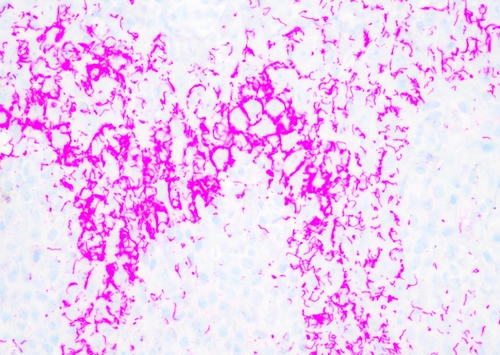
Treponema pallidum
species

Neisseria meningitidis
species of bacterium

Shigella
Shigella is a genus of bacteria that is Gram negative, facultatively anaerobic, non–spore-forming, nonmotile, rod shaped, and is genetically nested within Escherichia coli. The genus is named after Japanese physician Kiyoshi Shiga, who discovered it in 1897.
Enterobacteriaceae
Enterobacteriaceae is a large family of Gram-negative bacteria. It includes over 30 genera and more than 100 species. Its classification above the level of family is still a subject of debate, but one classification places it in the order Enterobacterales of the class Gammaproteobacteria in the phylum Pseudomonadota. In 2016, the description and members of this family were emended based on comparative genomic analyses by Adeolu et al.

Pseudomonas aeruginosa
species of bacterium

Haemophilus influenzae
species of bacterium

Neisseria gonorrhoeae
species of bacterium
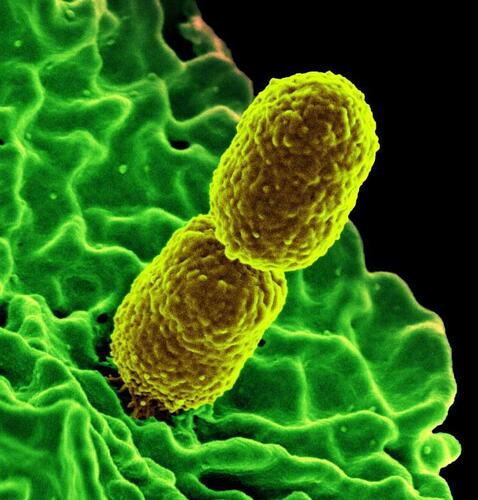
Klebsiella pneumoniae
species of bacterium
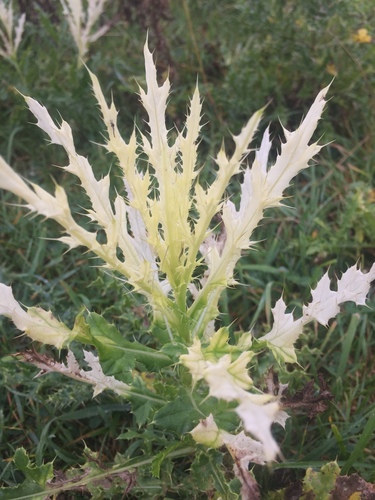
Pseudomonas
Pseudomonas is a genus of Gram-negative bacteria belonging to the family Pseudomonadaceae in the class Gammaproteobacteria. The 348 members of the genus demonstrate a great deal of metabolic diversity and consequently are able to colonize a wide range of niches and hosts. Their ease of culture in vitro and availability of an increasing number of Pseudomonas strain genome sequences has made the genus an excellent focus for scientific research; the best studied species include P. aeruginosa in its role as an opportunistic human pathogen, the plant pathogen P. syringae, the soil bacterium P. puti

Legionella
Legionella is a genus of Gram-negative bacteria that can be seen using a silver stain or grown in a special media that contains cysteine, an amino acid. Most Legionella species are intracellular pathogens whose primary hosts are amoebae, however many Legionella are accidental pathogens of humans. Legionella bacteria are known to cause legionellosis (all illnesses caused by Legionella) including a pneumonia-type illness called Legionnaires' disease and a mild flu-like illness called Pontiac fever. These bacteria are common in many places, like soil and water. Legionella are aerobic and motile.
Spirochaetales
The Spirochaetales are an order of spirochete bacteria. Some species within this order are known to causes syphilis, Lyme disease, relapsing fever, and other illnesses.
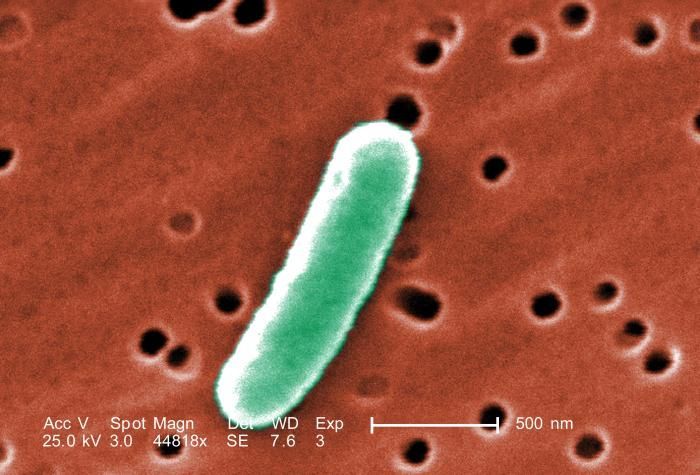
Escherichia
Escherichia ( ) is a genus of Gram-negative, non-spore-forming, facultatively anaerobic, rod-shaped bacteria from the family Enterobacteriaceae. In those species which are inhabitants of the gastrointestinal tracts of warm-blooded animals, Escherichia species provide a portion of the microbially derived vitamin K for their host. A number of the species of Escherichia are pathogenic. The genus is named after Theodor Escherich, the discoverer of Escherichia coli. Escherichia are facultative aerobes, with both aerobic and anaerobic growth, and an optimum temperature of 37 °C. Escherichia are
Klebsiella
Klebsiella is a genus of Gram-negative, oxidase-negative, rod-shaped bacteria with a prominent polysaccharide-based capsule.

Wolbachia
Wolbachia is a genus of gram-negative bacteria infecting many species of arthropods and filarial nematodes. The relationship between Wolbachia and its hosts ranges from parasitism through benign symbiosis up to obligate mutualism. It is one of the most common parasitic microbes of arthropods, and is possibly the most widespread reproductive parasite bacterium in the biosphere. Its interactions with hosts are complex and highly diverse across the various species in which it is found. Some host species cannot reproduce, or even survive, absent internal Wolbachia colonies. One study concluded tha

Acinetobacter baumannii
species of bacterium
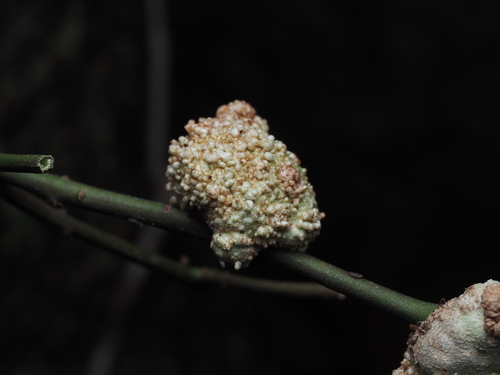
Agrobacterium tumefaciens
species of bacterium

Legionella pneumophila
species of bacterium
Helicobacter
Helicobacter is a genus of gram-negative bacteria possessing a characteristic helical shape. They were initially considered to be members of the genus Campylobacter, but in 1989, Goodwin et al. published sufficient reasons to justify the new genus name Helicobacter. The genus Helicobacter contains about 35 species.
Campylobacter jejuni
species of bacterium

Thiomargarita magnifica
largest known bacteria species

Salmonella enterica
a species of the bacterial genus Salmonella
Citrobacter
Citrobacter is a genus of Gram-negative, aerobic, rod-shaped coliform bacteria of the Enterobacteriaceae family.
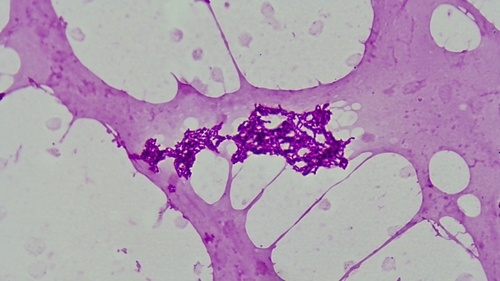
Fusobacterium
Fusobacterium is a genus of obligate anaerobic, Gram-negative, non-sporeforming bacteria belonging to Gracilicutes. Individual cells are slender, rod-shaped bacilli with pointed ends. Fusobacterium was discovered in 1900 by Courmont and Cade and is common in the flora of humans.
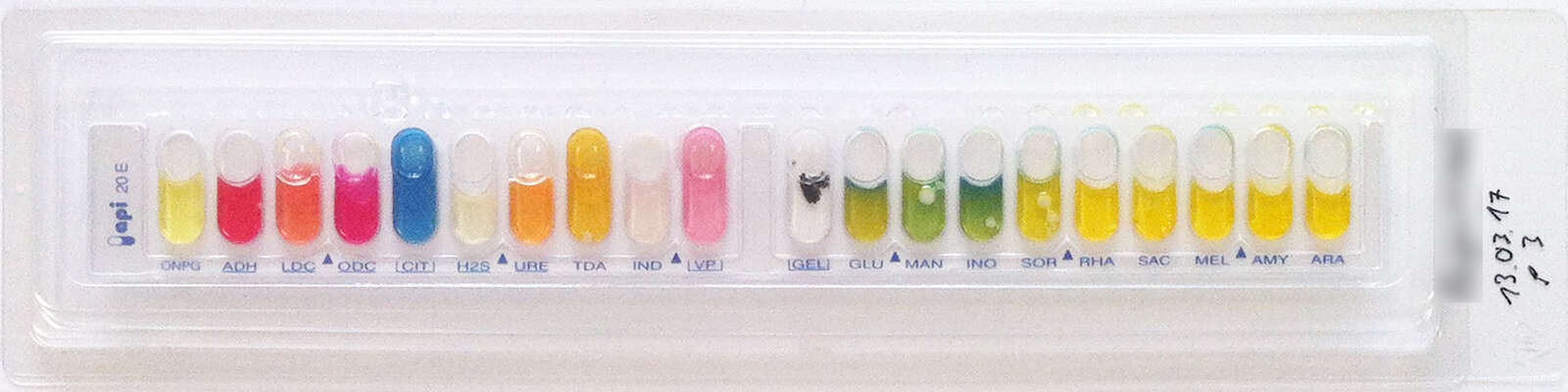
Enterobacter
Enterobacter is a genus of Gram-negative, facultatively anaerobic, rod-shaped, non-spore-forming bacteria in the family Enterobacteriaceae. Enterobacter spp. are found in soil, water, sewage, feces and gut environments. It is the type genus of the order Enterobacterales. Several strains of these bacteria are pathogenic and cause opportunistic infections in immunocompromised (usually hospitalized) hosts and in those who are on mechanical ventilation. The urinary and respiratory tracts are the most common sites of infection. The genus Enterobacter is a member of the coliform group of bacteria. I

Serratia marcescens
species of bacterium
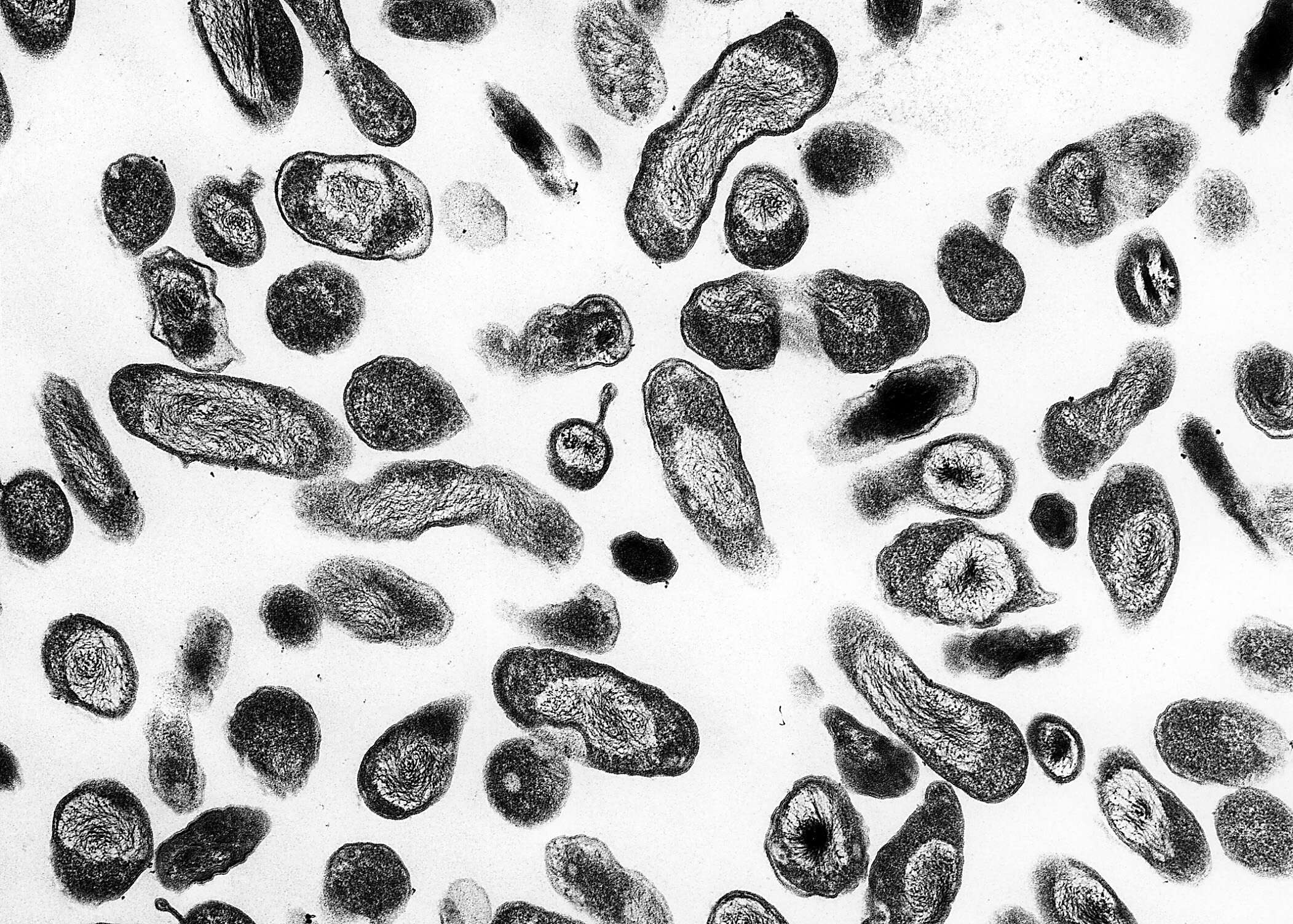
Coxiella burnetii
species of bacterium
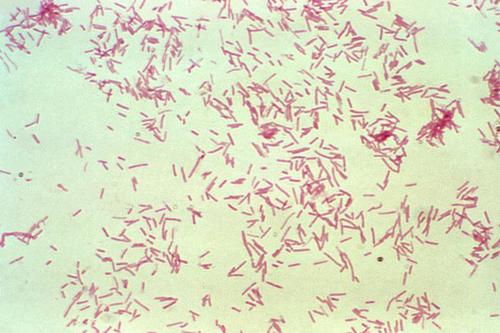
Bacteroides
Bacteroides is a genus of Gram-negative, obligate anaerobic bacteria. Bacteroides species are non endospore–forming bacilli, and may be either motile or nonmotile, depending on the species. The DNA base composition is 40–48% GC. Unusual in bacterial organisms, Bacteroides membranes contain sphingolipids. They also contain meso-diaminopimelic acid in their peptidoglycan layer.

Bordetella
Bordetella () is a genus of small (0.2 – 0.7 μm), Gram-negative, coccobacilli bacteria of the phylum Pseudomonadota. Bordetella species, with the exception of B. petrii, are obligate aerobes, as well as highly fastidious, or difficult to culture. All species can infect humans. The first three species to be described (B. pertussis, B. parapertussis, B. bronchiseptica) are sometimes referred to as the 'classical species'. Two of these (B. pertussis and B. bronchiseptica) are also motile.
Halomonas titanicae
species of bacterium
Haemophilus ducreyi
species of bacterium
Moraxella
Moraxella is a genus of gram-negative bacteria in the family Moraxellaceae. It is named after the Swiss ophthalmologist Victor Morax. The organisms are short rods, coccobacilli, or as in the case of Moraxella catarrhalis, diplococci in morphology, with asaccharolytic, oxidase-positive, and catalase-positive properties. M. catarrhalis is the clinically most important species under this genus.

Bartonella henselae
species of bacterium

Aliivibrio fischeri
species of bacterium
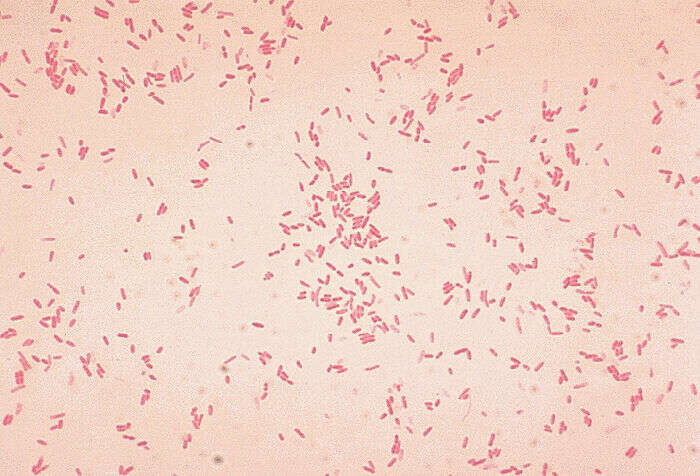
Aeromonas hydrophila
species of bacterium
Moraxella catarrhalis
species of bacterium
Spirochaetaceae
The Spirochaetaceae are a family of spirochete bacteria. Some species within this family are known to have been causes for syphilis, Lyme disease, relapsing fever, and other illnesses.

Bdellovibrio
Bdellovibrio is a genus of gram-negative, obligate aerobic bacteria. One of the most notable characteristics of this genus is that members can prey upon other gram-negative bacteria and feed on the biopolymers, e.g. proteins and nucleic acids, of their hosts. They have two lifestyles: a host-dependent, highly mobile phase, the "attack phase", in which they form "bdelloplasts" in their host bacteria; and a slow-growing, irregularly shaped, host-independent form.

Proteus mirabilis
species of bacterium
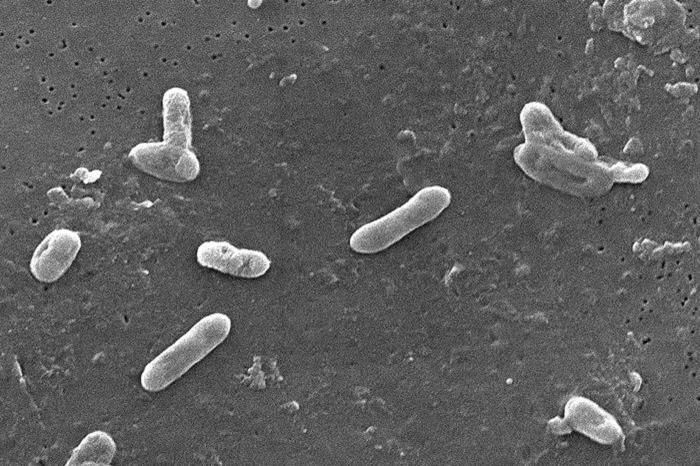
Bordetella bronchiseptica
species of bacterium
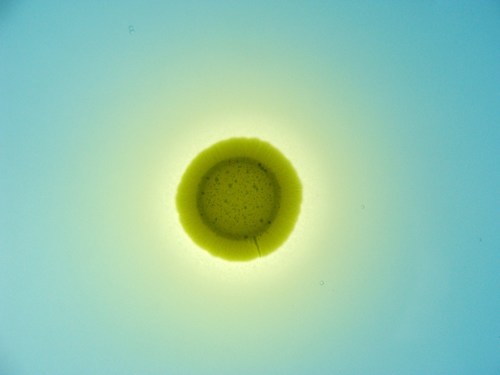
Chromobacterium violaceum
species of bacterium

Bacteroides fragilis
species of bacterium
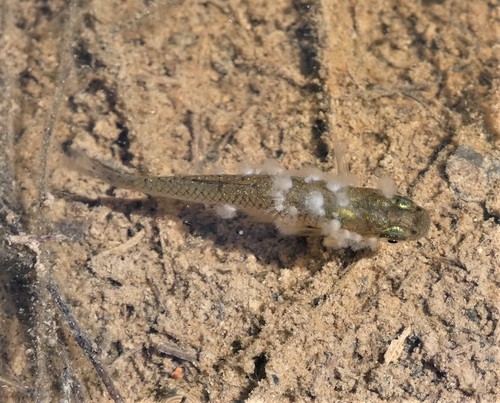
Flavobacterium
Flavobacterium is a genus of Gram-negative, nonmotile and motile, rod-shaped bacteria that consists of 130 recognized species. Flavobacteria are found in soil and fresh water in a variety of environments. Several species are known to cause disease in freshwater fish.
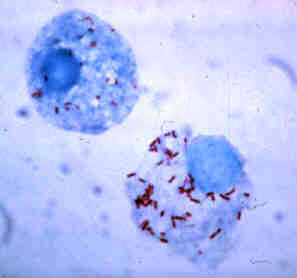
Rickettsia rickettsii
species of bacterium
Enterobacter cloacae
a species of clinically significant Gram-negative, facultatively-anaerobic, rod-shaped bacterium
Edwardsiella
genus of bacteria
Capnocytophaga canimorsus
Bacteria
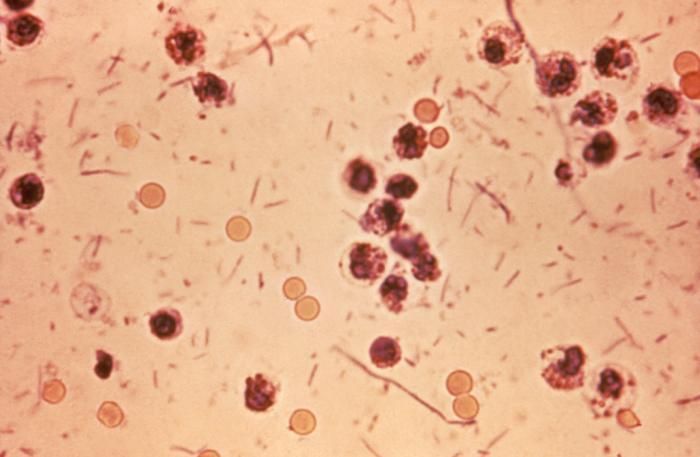
Enterobacterales
Enterobacterales is an order of Gram-negative, non-spore forming, facultatively anaerobic, rod-shaped bacteria with the class Gammaproteobacteria. The type genus of this order is Enterobacter.
Coxiella
genus of bacteria
Cupriavidus metallidurans
species of bacterium
Pseudomonadota
Pseudomonadota (synonym "Proteobacteria") is a major phylum of gram-negative bacteria. They include pathogenic and free-living (non-parasitic) genera. The phylum comprises six classes Acidithiobacillia, Alphaproteobacteria, Betaproteobacteria, Gammaproteobacteria, Hydrogenophilia, and Zetaproteobacteria. The Pseudomonadota are widely diverse, with differences in morphology, metabolic processes, relevance to humans, and ecological influence.
Akkermansia muciniphila
species of bacterium
Bacteroidota
The phylum Bacteroidota (synonym Bacteroidetes) is composed of three large classes of Gram-negative, nonsporeforming, anaerobic or aerobic, and rod-shaped bacteria that are widely distributed in the environment, including in soil, sediments, and sea water, as well as in the guts and on the skin of animals.
Cronobacter
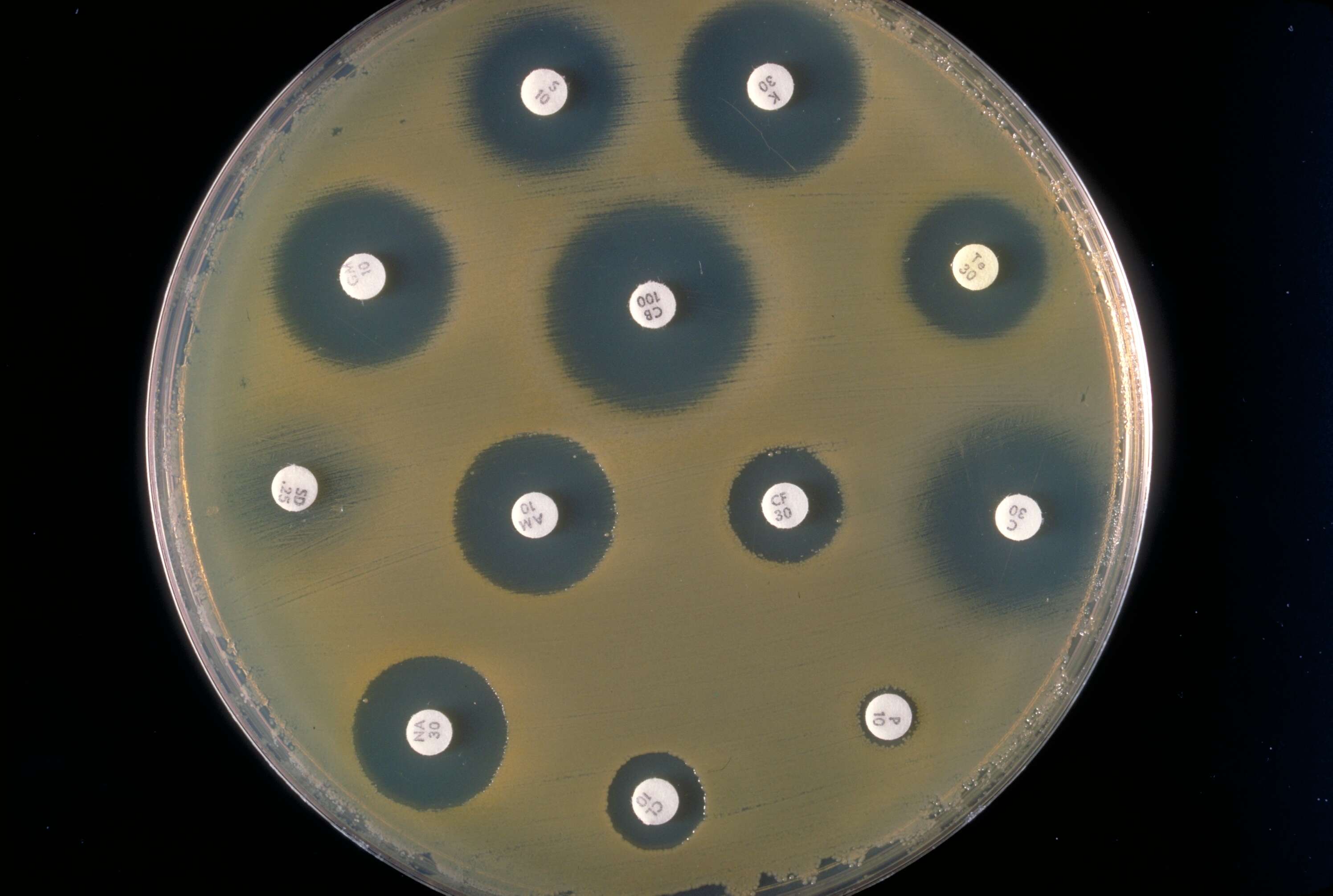
Cronobacter is a genus of Gram-negative, facultatively anaerobic, oxidase-negative, catalase-positive, rod-shaped bacteria of the family Enterobacteriaceae.
Several Cronobacter species are desiccation resistant and persistent in dry products such as powdered infant formula. They are generally motile, reduce nitrate, use citrate, hydrolyze esculin and arginine, and are positive for L-ornithine decarboxylation. Acid is produced from D-glucose, D-sucrose, D-raffinose, D-melibiose, D-cellobiose, D-mannitol, D-mannose, L-rhamnose, L-arabinose, D-trehalose, galacturonate and D-maltose.
Cronobacter

Buchnera aphidicola
species of bacterium