Public Health Image Library, no known copyright restrictions (public domain) · pd
Bacteroides
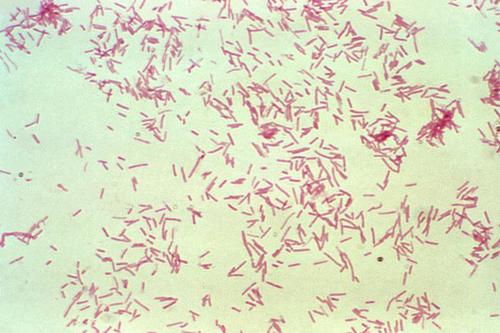
Sign in to saveBacteroides is a genus of Gram-negative, obligate anaerobic bacteria. Bacteroides species are non endospore–forming bacilli, and may be either motile or nonmotile, depending on the species. The DNA base composition is 40–48% GC. Unusual in bacterial organisms, Bacteroides membranes contain sphingolipids. They also contain meso-diaminopimelic acid in their peptidoglycan layer.
Species
バクテロイデス属
ORDER
- KingdomBacteria
- PhylumBacteroidota
- ClassBacteroidia
- OrderBacteroidales
- FamilyBacteroidaceae
via GBIF
Research
26,001 papersvia PubMed
Wikidata facts
- Instance of
- taxon
- Parent taxon
- Bacteroidaceae
- Image
- Bacteroides biacutis 01.jpg
Show 7 more facts
- Commons category
- Bacteroides
- taxon rank
- genus
- taxon name
- Bacteroides
- Gram staining
- gram-negative bacteria
- LPSN URL
- lpsn.dsmz.de/genus/bacteroides
- taxonomic type
- Bacteroides fragilis
- nomenclatural type of
- Bacteroidota
Sources (2)
via Wikidata · CC0
~7 min read
Encyclopedic overview
6 sectionsContents
- Pathogenesis
- Microbiological applications
- Human
- See also
- References
- External links
Bacteroides is a genus of Gram-negative, obligate anaerobic bacteria. Bacteroides species are non endospore–forming bacilli, and may be either motile or nonmotile, depending on the species. The DNA base composition is 40–48% GC. Unusual in bacterial organisms, Bacteroides membranes contain sphingolipids. They also contain meso-diaminopimelic acid in their peptidoglycan layer.
Bacteroides species are normally mutualistic, making up the most substantial portion of the mammalian gastrointestinal microbiota, where they play a fundamental role in processing of complex molecules to simpler ones in the host intestine. As many as 1010–1011 cells per gram of human feces have been reported. They can use simple sugars when available; however, the main sources of energy for Bacteroides species in the gut are complex host-derived and plant glycans. Studies indicate that long-term diet is strongly associated with the gut microbiome composition—those who eat a higher proportion of protein and animal fats have predominantly Bacteroides bacteria, while for those who consume more carbohydrates or fiber the Prevotella species dominate.
Excerpted from Wikipedia’s “Bacteroides” article, available under the CC BY-SA 4.0 licence.