Category
page 1Taxa named by Gotthelf Fischer von Waldheim

Ursidae
Bears are carnivoran mammals of the family Ursidae (). They are classified as caniforms, or doglike carnivorans. Although only eight species of bears are extant, they are widespread, appearing in a wide variety of habitats throughout most of the Northern Hemisphere and partially in the Southern Hemisphere. Bears are found on the continents of North America, South America, and Eurasia. Common characteristics of modern bears include large bodies with stocky legs, long snouts, small rounded ears, shaggy hair, plantigrade paws with five nonretractile claws, and short tails.
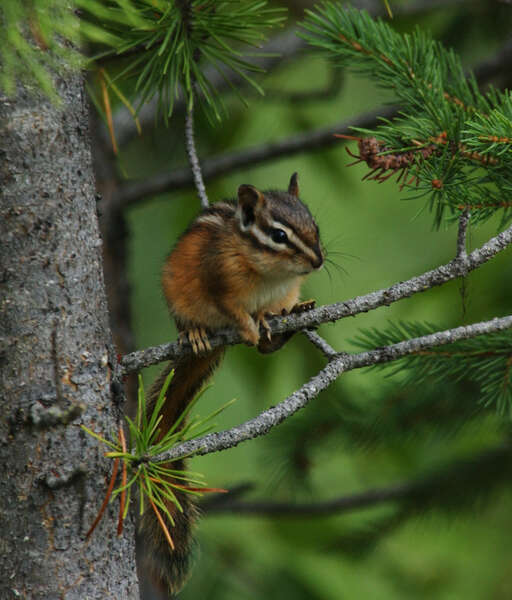
squirrel
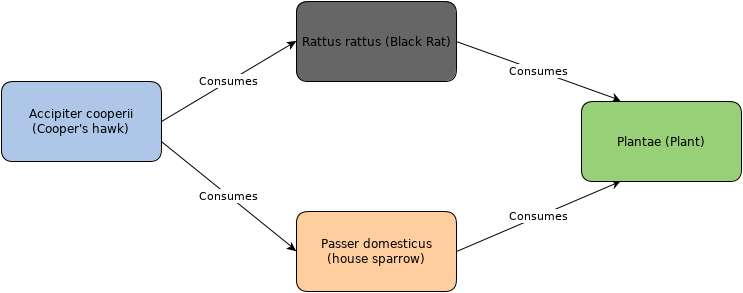
Rattus
thumb|Two Rats by Vincent van Gogh (1884)
Felidae
Felidae ( ) is the family of mammals in the order Carnivora colloquially referred to as cats. A member of this family is also called a felid ( ).
.jpg)
Canidae
Canidae (; from Latin, canis, "dog") is a biological family of caniform carnivorans, constituting a clade. A member of this family is a canid (, rarely ), colloquially referred to as dogs. The family includes three subfamilies: the Caninae, and the extinct Borophaginae and Hesperocyoninae. The Caninae are the canines, and include domestic dogs, wolves, coyotes, raccoon dogs, foxes, jackals and other species.

Soricidae
Shrews (family Soricidae) are small mole-like mammals classified in the order Eulipotyphla. True shrews are not to be confused with treeshrews, otter shrews, elephant shrews, West Indies shrews, or marsupial shrews, which belong to different families or orders.

rabbits and hares
thumb|Skeleton of Alaskan hare on display at the Museum of Osteology
Leporidae () is the family of rabbits and hares (Lepus), containing over 70 species of extant mammals in all. Together with the pikas, the Leporidae constitute the mammalian order Lagomorpha. Leporidae differ from pikas in that they have short, furry tails and elongated ears and hind legs.

Mustelidae
The Mustelidae (; from Latin , weasel) are a diverse family of carnivoran mammals, including weasels, badgers, otters, polecats, martens, grisons, and wolverines. Otherwise known as mustelids (), they form the largest family in the suborder Caniformia of the order Carnivora with about 66 to 70 species in nine subfamilies.
Erinaceidae
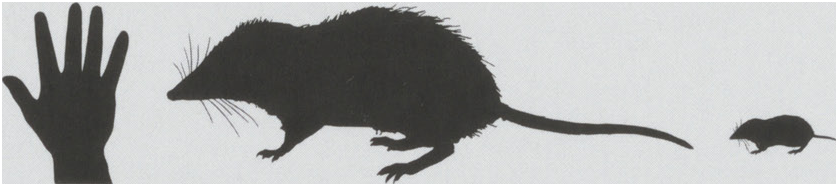
Erinaceidae (from Latin erinaceus, "hedgehog") is a family in the order Eulipotyphla, consisting of the hedgehogs and moonrats. Until recently, it was assigned to the order Erinaceomorpha, which has been subsumed with the paraphyletic Soricomorpha into Eulipotyphla. Eulipotyphla has been shown to be monophyletic; Soricomorpha is paraphyletic because both Soricidae and Talpidae share a more recent common ancestor with Erinaceidae than with solenodons.

Hamster
Hamsters are rodents (order Rodentia) belonging to the subfamily Cricetinae, which contains 19 species classified in seven genera. They have become established as popular small pets. The best-known species of hamster is the golden or Syrian hamster (Mesocricetus auratus), which is the type most commonly kept as a pet. Other hamster species commonly kept as pets are the three species of dwarf hamster, Campbell's dwarf hamster (Phodopus campbelli), the winter white dwarf hamster (Phodopus sungorus) and the Roborovski hamster (Phodopus roborovskii), and the less common Chinese hamster (Cricetulus
Talpidae
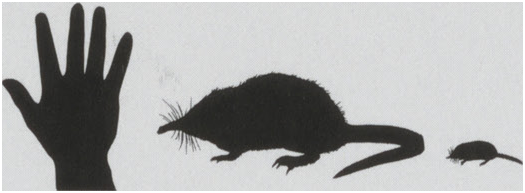
The family Talpidae () includes the true moles (as well as the shrew moles and desmans) who are small insectivorous mammals of the order Eulipotyphla. Talpids are all digging animals to various degrees: moles are completely subterranean animals; shrew moles and shrew-like moles somewhat less so; and desmans, while basically aquatic, excavate dry sleeping chambers; whilst the quite unique star-nosed mole is equally adept in the water and underground. Talpids are found across the Northern Hemisphere of Eurasia and North America (although none are found in Ireland nor in the Americas south of nor
%20on%20the%20road.jpg)
Felinae
The Felinae or small cats are a subfamily of the Felidae distinguished by a bony hyoid, because of which they can purr but not roar.
Other authors have proposed an alternative definition for this subfamily, as comprising only the living conical-toothed cat genera, with two tribes, the Felini and Pantherini, and excluding the extinct sabre-toothed Machairodontinae.

Cricetidae
The Cricetidae are a family of rodents in the large and complex superfamily Muroidea. It includes true hamsters, voles, lemmings, muskrats, and New World rats and mice. At over 870 species, it is either the largest or second-largest family of mammals, and has members throughout the Americas, Europe and Asia.

Old World porcupine
family of mammals
.jpg)
Caviidae
Caviidae, the cavy family, is composed of rodents native to South America and includes the domestic guinea pig, wild cavies, and the largest living rodent, the capybara. They are found across South America in open areas from moist savanna to thorn forests or scrub desert. This family of rodents has fewer members than most other rodent families, with 19 species in seven genera in three subfamilies.

Black-winged Pratincole
species of bird

Elasmotherium
Elasmotherium (from Ancient Greek ἔλασμα (élasma), meaning "metal plate" with the intended meaning "lamina" in reference to the tooth enamel, and θηρίον (theríon), meaning "beast") is an extinct genus of very large rhinoceros that lived in Eastern Europe, Central Asia and East Asia from the late Miocene through to the Late Pleistocene, until at least 39,000 years ago. It was the last surviving member of the subfamily Elasmotheriinae, a formerly diverse group of rhinoceroses separate from the subfamily Rhinocerotinae, that contains all living rhinoceroses.
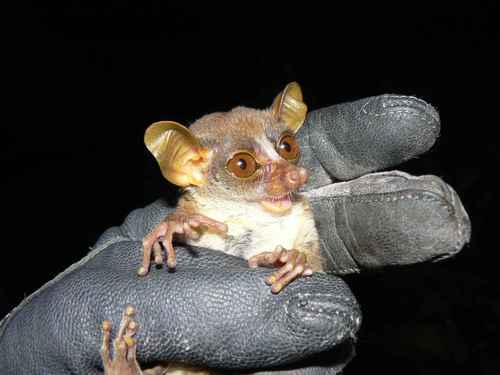
Galagoides demidoff
species of mammal
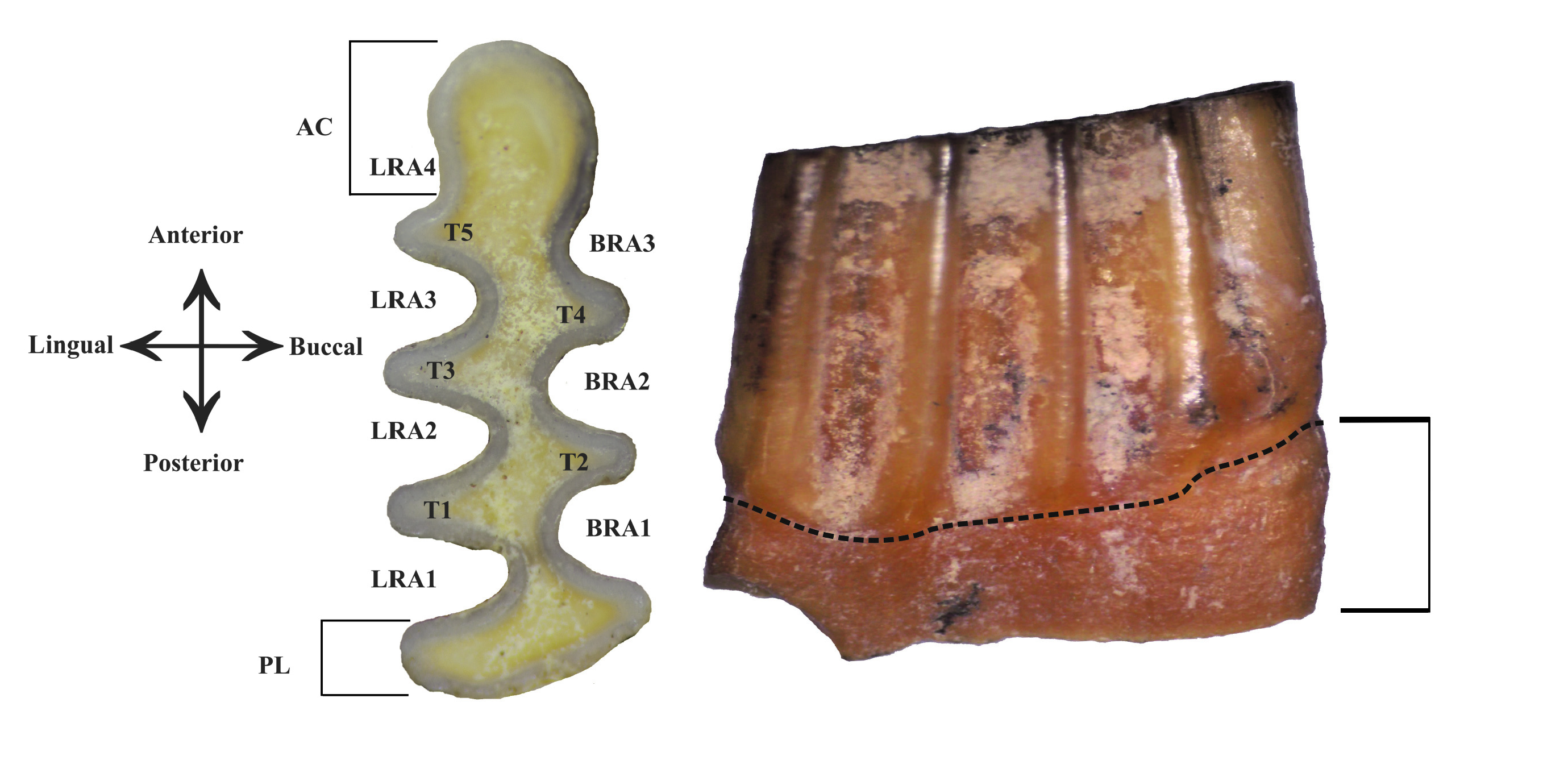
Ellobius
Ellobius is a genus of rodents in the family Cricetidae. It contains two (E. talpinus and E. tancrei) of the handful of examples of mammal species that have lost the Y chromosome.

Guiara
species of mammal

Caviinae
Caviinae is a subfamily uniting all living members of the family Caviidae with the exception of the maras, capybaras, and Kerodon. The subfamily traditionally contained the guinea pig or cavy-like forms along with the cursorially adapted (running) Kerodon. Molecular results suggest the Caviinae as so defined would be paraphyletic and Kerodon is more closely related to maras and capybaras than to other caviines. This led Woods and Kilpatrick (2005) to unite Kerodon and capybaras into the subfamily Hydrochoerinae within the Caviidae. These studies also suggest Microcavia and Cavia are more close
Sciurini
Sciurini () is a tribe that includes about forty species of squirrels, mostly from the Americas. It includes five living genera—the American dwarf squirrels, Microsciurus; the Bornean Rheithrosciurus; the widespread American and Eurasian tree squirrels of the genus Sciurus, which includes some of the best known squirrel species; the Central American Syntheosciurus; and the American pine squirrels, Tamiasciurus. Like other arboreal squirrels, they are sometimes referred to as tree squirrels.
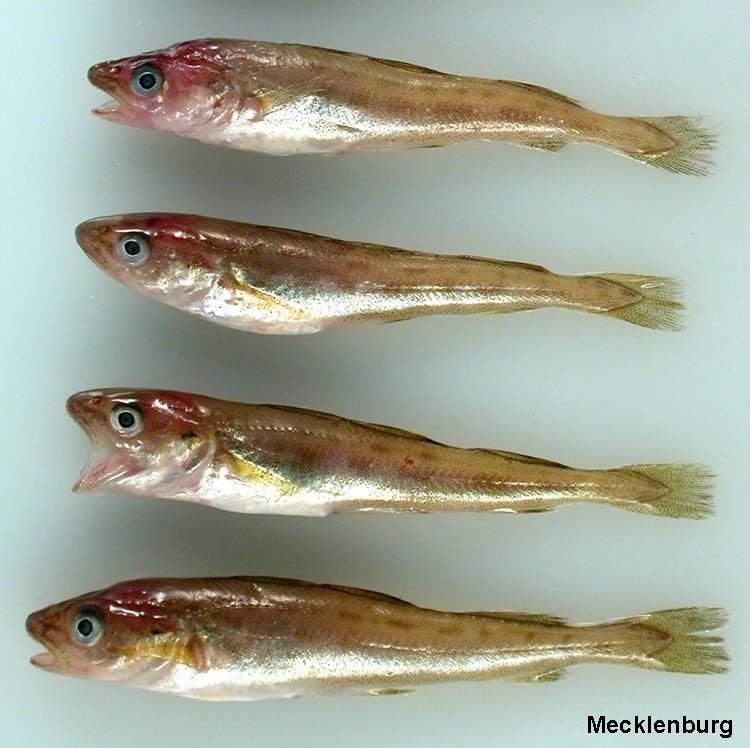
Eleginus
Eleginus is a genus of cods. There are two recognized species:
Eleginus gracilis (Tilesius, 1810) (saffron cod)
Eleginus nawaga (Walbaum, 1792) (navaga)

Hylaeamys megacephalus
species of mammal

Tarsius fuscus
primate of the group of tarsiers
.jpg)
Ogcocephalus
Ogcocephalus is a genus of marine ray-finned fishes belonging to the family Ogcocephalidae, the deep sea batfishes. The species in this genus are found in the Eastern Pacific Ocean and Western Atlantic Ocean, with most species in the eastern Atlantic Ocean where they live at shallower depths than the other ogcocephalid genera.

Parnassius nomion
species of butterfly
Dipodinae
Dipodinae is a subfamily of Dipodidae.

Thaleropis ionia
species of insect
Dipodoidea
Dipodoidea is a superfamily of rodents, also known as dipodoids, found across the Northern Hemisphere. This superfamily includes over 50 species among the 16 genera in 3 families. They include the jerboas (family Dipodidae), jumping mice (family Zapodidae), and birch mice (family Sminthidae). Different species are found in grassland, deserts, and forests. They are all capable of saltation (jumping while in a bipedal stance), a feature that is most highly evolved in the desert-dwelling jerboas.

Ceratophyus
Ceratophyus is a genus of earth-boring scarab beetles in the family Geotrupidae. There are about 13 described species in Ceratophyus.
thumb|Ceratophyus polyceros
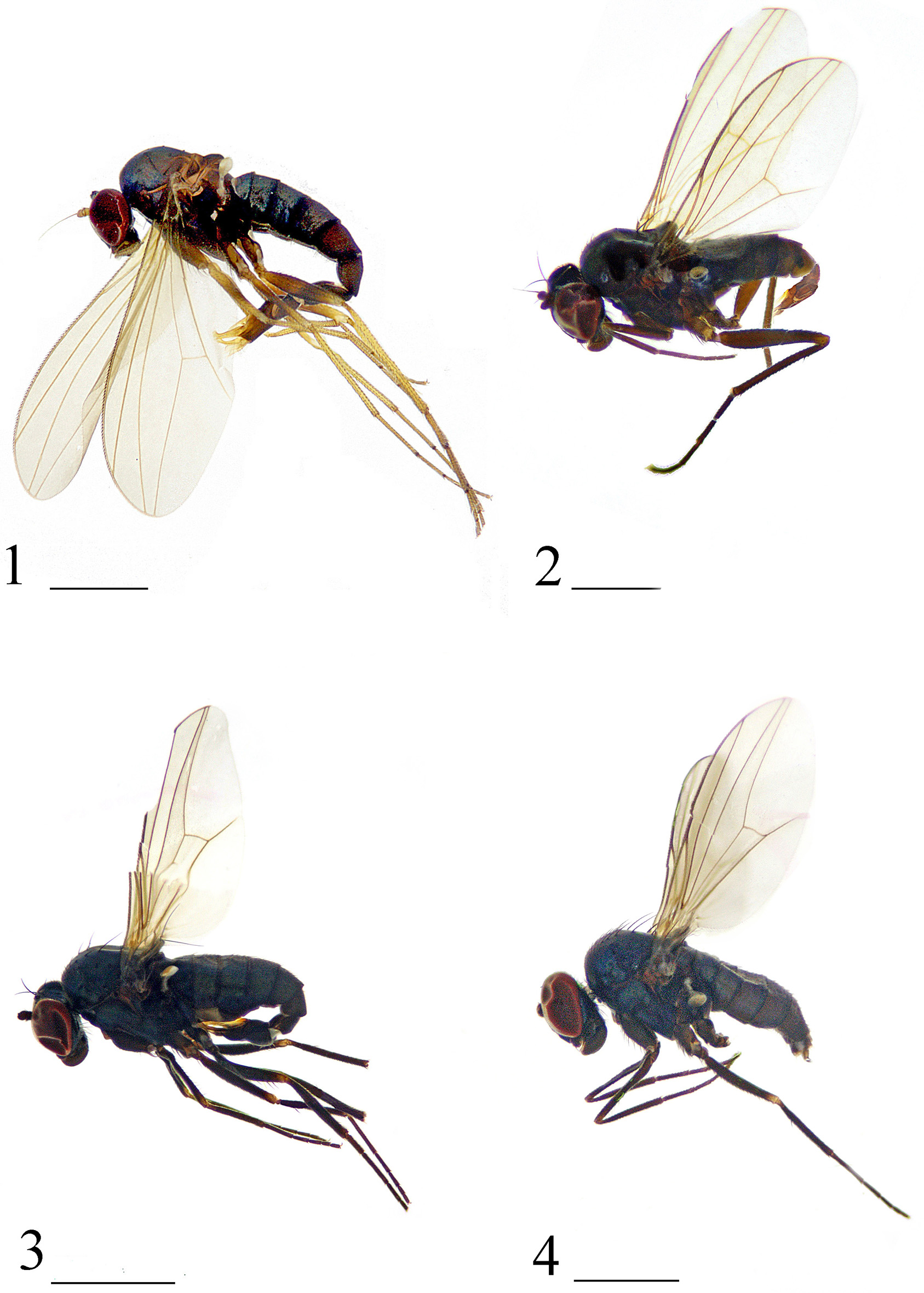
Medetera
Medetera is a large genus of flies in the family Dolichopodidae. It includes about 350 species worldwide. The adults are commonly found resting on vertical surfaces such as tree trunks, on which they have a characteristic vertical upright stance. Because of this stance, they are sometimes known as "woodpecker flies". Medetera adults are predators of soft-bodied arthropods, while the larvae are predators of bark beetle larvae.

Tachys micros
species of insect
Pentapora
thumb | right | alt=Rose coral is pictured in its natural undersea habitat. | Pentapora fascialis in Saint-Quay-Portrieux
Pentapora is a small genus of bryozoans in the family Bitectiporidae.
Carabus maeander
species of insect
Nebria gregaria
species of insect
Cheilea tectumsinense
species of mollusc
Tayassu
Tayassu is a genus of peccary. The only extant species is the white-lipped peccary (Tayassu pecari). Collared peccary is suggested now as a possible member of same genus. At least one extinct species, T. edensis, has been placed in the genus. Many sources regard Dicotyles as a synonym. , the Paleobiology Database regarded Dicotyles as a separate genus.
Rhaebus
genus of seed beetles
Rhaebus gebleri
species of seed beetle